


Comprehensive Guide to Rail Fence with Wire Mesh – Applications & Benefits
Understanding Rail Fence with Wire Mesh: A Global Perspective
If you've ever walked around industrial facilities, farms, or even urban parks, you may have noticed sturdy fences composed of rails intertwined with wire mesh. This is what we call a rail fence with wire mesh. It might seem ordinary, but its global importance is quite rich—from protecting livestock to securing sensitive zones, and even aiding humanitarian efforts. Simply put, knowing about these fences isn’t just fence geekery; it touches on safety, sustainability, and practical innovation worldwide.
Worldwide, fencing solutions like these play a major role across industries, especially as communities and companies aim to combine durability with ease of installation. Considering rising global security concerns and expanding agricultural zones, the rail fence with wire mesh comes up as a smart, cost-effective response to many challenges.
Why This Matters Globally
The Food and Agriculture Organization reports that fencing helps reduce livestock losses by up to 30% in rural regions—this alone underlines the importance of sustainable fencing solutions. Beyond farms, border security and infrastructure projects increasingly rely on modular fencing. As global populations rise and urban spaces densify, appropriately designed fences help balance access and protection, crucial in humanitarian contexts:
- Controlling flow in refugee camps
- Protecting post-disaster relief zones
- Defining secure perimeters at industrial sites
So, yes, rail fences combined with wire mesh are far from just agricultural paraphernalia—they’re an evolving solution to dynamic, worldwide demands.
Definition and Meaning: What Exactly is a Rail Fence with Wire Mesh?
At its core, a rail fence with wire mesh is a physical barrier comprised of horizontal wooden or metal rails combined with a grid of wire mesh. The mesh is often galvanized steel or stainless wire, woven or welded into a net-like structure. This combination offers increased resilience against intrusion or accidental damage.
It’s interesting how this concept merges traditional fencing (that’s the rails) with the mesh’s flexibility and strength. Together, they form a fence that’s not only hard to climb or break through but also cost-effective and relatively easy to install.
Industries like agriculture, construction, and security all see value here. Even humanitarian agencies sometimes utilize this fencing style in transitional shelters or to create controlled zones, reflecting its broad adaptability.
Key Factors of Rail Fence with Wire Mesh
Durability and Strength
One of the first things engineers look at is how well the fence holds up over time. The wire mesh is often coated to resist rust, while the rails (metal or wood) are treated or galvanized to withstand weather stress. What’s neat is that this combo is resilient against physical impact without requiring constant maintenance.
Cost Efficiency
The materials used strike a balance between affordability and longevity. You get a fence that won’t break the bank but still serves for years, which is especially important in developing regions where budgets are tight but security cannot be compromised.
Ease of Installation
Installation is straightforward—rails can be pre-fabricated, and mesh rolls can be unrolled and fixed onto rails with clips or staples. This simplicity speeds up deployment, which frankly can be a lifesaver in emergency or time-sensitive scenarios.
Scalability and Customization
Whether it’s a small farmyard or a mile-long industrial perimeter, these fences scale nicely. Variations in rail height, mesh size, and treatment allow for customization based on particular needs—such as reinforcing certain vulnerable sections.
Security and Visibility
Wire mesh supports good visibility through the fence, which is vital in surveillance-heavy areas. You maintain clear sightlines while securing the perimeter, blending safety with openness.
Global Applications & Use Cases
Rail fencing with wire mesh finds itself sprinkled across continents:
- In Australia, for example, it fences extensive cattle properties, balancing predator deterrence with herd visibility.
- In Europe, urban planners use it around parks and playgrounds to protect children while allowing parents to see inside.
- In Africa and Asia, NGOs deploy it in refugee camps and disaster recovery zones to create boundaries that bestow privacy and safety.
One notable use case is the rapid installation of fencing to secure emergency relief centers after natural disasters, allowing aid distribution to proceed safely. Oddly enough, these fences sometimes become part of the rebuilding story.
| Component | Material | Dimensions | Features |
|---|---|---|---|
| Rails | Galvanized steel or treated timber | 1.2m - 1.8m height; 2m length per rail | Weather-resistant, easy to assemble |
| Wire Mesh | Galvanized or PVC-coated steel wire | 50 mm x 50 mm mesh size (typical) | Corrosion-resistant, flexible |
| Fasteners | Stainless steel clips or staples | N/A | Easy installation and maintenance |
Advantages & Long-Term Value
From an investment standpoint, this kind of fencing makes a lot of sense. It typically costs less than solid barriers like concrete walls but lasts comparably long with proper upkeep. Plus, the open mesh design reduces wind resistance, decreasing wear and structural damage over time.
And frankly, it provides emotional reassurance. Landowners and facility managers talk about feeling “safer” knowing these fences are in place—not just for theft prevention but for preserving privacy and dignity.
Environmentally, they’re often recyclable, especially metal versions, and wood options can come from sustainable sources. So, it ticks boxes across social, financial, and environmental criteria—a trifecta rarely achieved so neatly.
Future Trends & Innovations
Looking ahead, the rail fence with wire mesh space is evolving with:
- Smart fencing: Sensors and IoT devices integrated for real-time surveillance and alerts.
- Eco-friendly coatings and recycled materials: Reducing carbon footprint and improving sustainability.
- Modular, lightweight panels: Enabling quicker assembly and relocation as needed.
There’s also growing interest in combining solar-powered lighting with fencing for enhanced night-time security, which links well with broader green energy goals.
Challenges & Solutions
Despite many positives, challenges exist. For example, fencing large or uneven terrain can become labor-intensive. Mesh can sometimes sag over time without proper tensioning. Weather extremes, especially in coastal or desert areas, accelerate wear.
Experts recommend:
- Periodic inspections and tension adjustments
- Using region-appropriate materials (e.g., higher-grade galvanized wire in salty air)
- Combining fences with natural barriers for extra robustness
Sometimes, a bit of customization goes a long way. One-size-fits-all may not always cut it.
Rail Fence with Wire Mesh Vendor Comparison
| Vendor | Material Quality | Price Range | Delivery Time | Customization |
|---|---|---|---|---|
| Haotian Mesh | High-grade galvanized steel | $$ | 2-3 weeks | Fully customizable mesh size & rail length |
| SecureFences Co. | Standard galvanized wire | $ | 1 week | Limited customization |
| GlobalFence Ltd. | Premium stainless steel options | $$$ | 3-4 weeks | Custom engineered solutions |
FAQ: Common Questions About Rail Fence with Wire Mesh
- What makes a rail fence with wire mesh better than plain wire fencing?
- Combining rails with wire mesh offers greater strength and stability. The rails prevent sagging and support the mesh, making the fence more durable against pressure while offering better visibility than solid fences.
- Can these fences be installed on uneven terrain?
- Yes, but it requires adjustable rails or custom posts. Many vendors offer flexibility in rail lengths and mesh panel sizes to accommodate slopes and variable ground conditions.
- How often should we maintain or replace wire mesh fences?
- With proper galvanized coating and occasional tensioning, these fences can last 10-15 years. Regular inspections every 1-2 years help catch issues early.
- Are rail and wire mesh fences eco-friendly?
- Metal components like galvanized steel are recyclable, and woods can be sourced sustainably. Some companies also use eco-coatings free of harmful chemicals, supporting greener practices.
- Can rail fence with wire mesh be integrated with electric fencing?
- Definitely. The mesh can be designed to carry low-voltage electric currents for added security or livestock control, offering a multi-functional fencing solution.
Conclusion: Why Rail Fence with Wire Mesh is a Smart Investment
In real terms, the rail fence with wire mesh blends practicality, cost-effectiveness, and adaptability in a way that few fencing solutions can match. Whether securing farmland, safeguarding industrial sites, or supporting humanitarian projects, it stands out for durability, ease of installation, and long-term value.
If you’d like to delve deeper or source quality fencing solutions, rail fence with wire mesh experts like Haotian Mesh provide a great starting point with customization and reliable lead times.
Fencing might not be the first thing on your mind, but honestly, it’s a quiet cornerstone of safety and community stability worldwide.
-
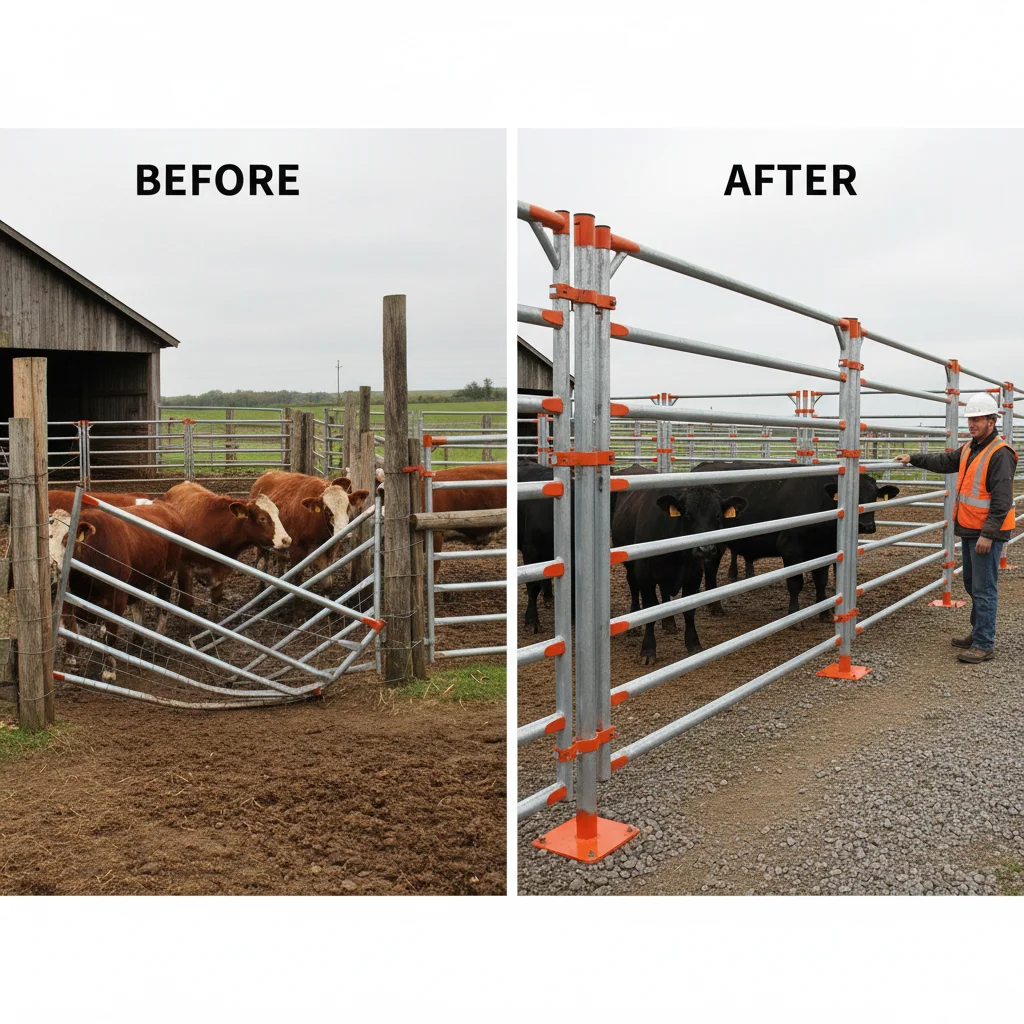
Durable Freestanding Livestock Panels for Efficient Animal Handling In the demanding world of agricultural management, the need for flexible and robust containment solutions has never been more critical. freestanding livestock panels offer a sophisticated answer to the challenges of animal handling, providing a secure yet adaptable barrier that does not require permanent installation or deep grounding. By allowing farmers and ranchers to redefine their spatial layouts in minutes, these panels maximize the efficiency of existing infrastructure while ensuring the safety of both the handlers and the livestock. Read More >26 Apr, 17
-
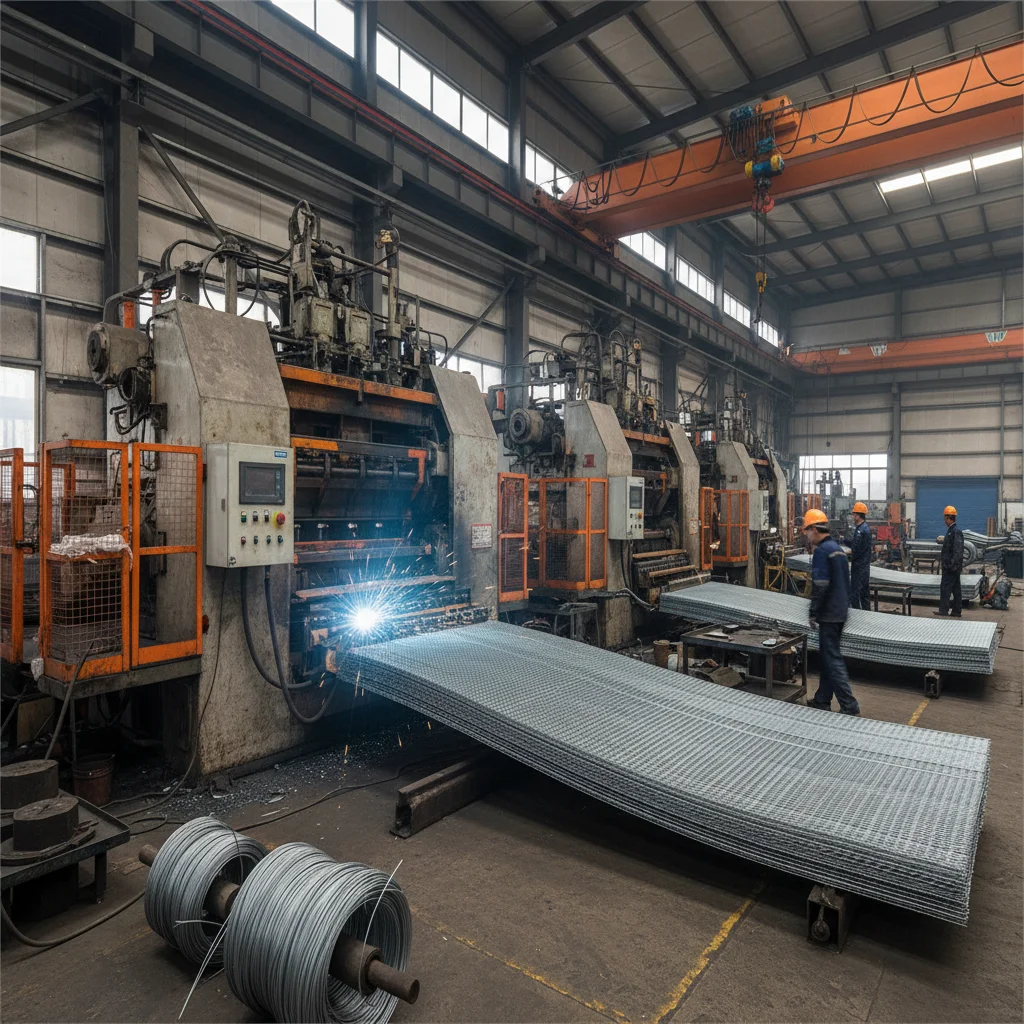
Professional Galvanized Welded Mesh Factory for Industrial Projects Finding a reliable galvanized welded mesh factory is critical for ensuring the structural integrity and longevity of your industrial or agricultural installations. Galvanized welded mesh is prized for its exceptional strength and resistance to corrosion, making it the go-to choice for fencing, animal cages, and construction reinforcement. However, not all factories adhere to the same quality standards. Whether you are sourcing for a large-scale infrastructure project or a specialized commercial application, understanding the manufacturing process and quality benchmarks is key to making a cost-effective investment that lasts for decades. Read More >26 Apr, 16
-
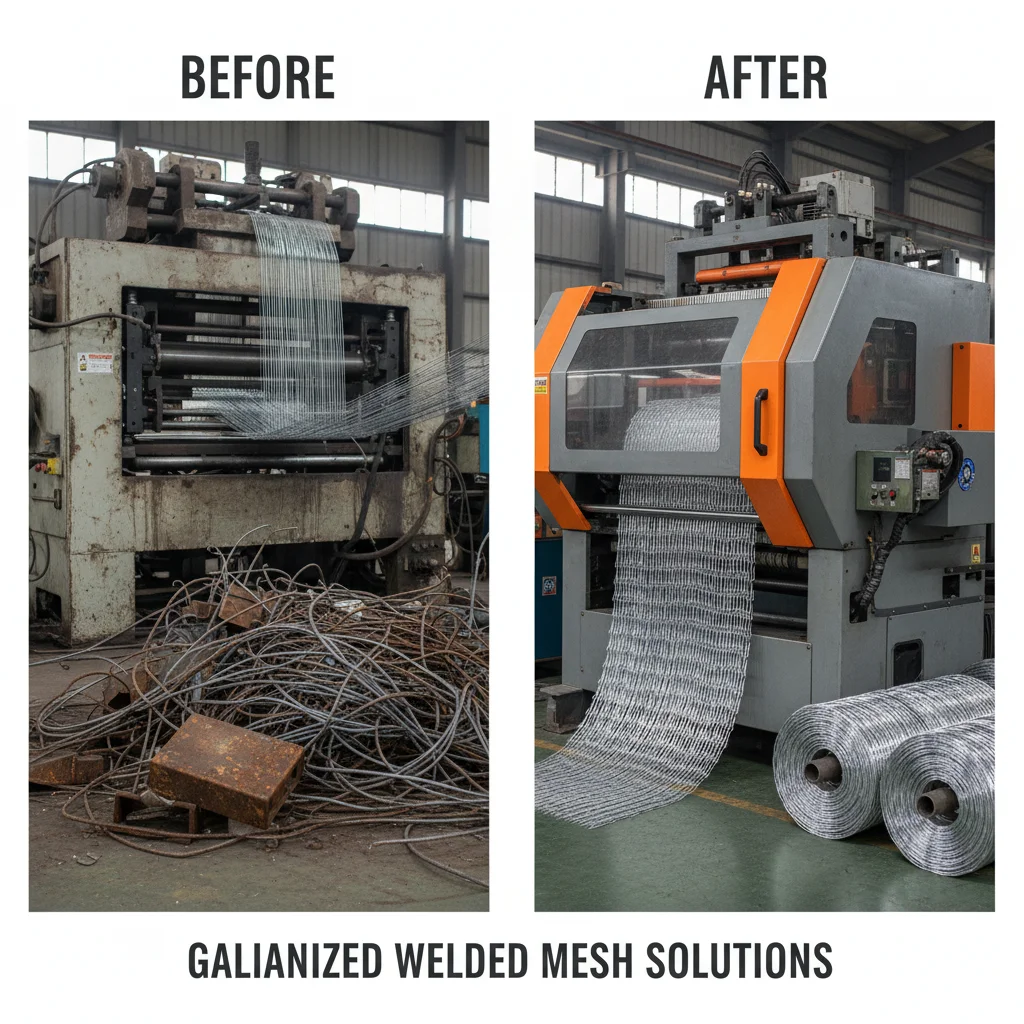
Professional Galvanized Welded Mesh Exporter for Quality Projects Selecting a high-quality fencing or screening solution requires more than just picking a product; it requires partnering with a reliable galvanized welded mesh exporter who understands the balance between structural integrity and corrosion resistance. Whether you are securing an industrial perimeter, building animal enclosures, or implementing architectural reinforcements, the quality of the galvanization process determines the lifespan of your installation. In this guide, we will explore the technical advantages of galvanized welded mesh and how to identify a global supplier that meets international quality standards to ensure your investment stands the test of time. Read More >26 Apr, 09
-
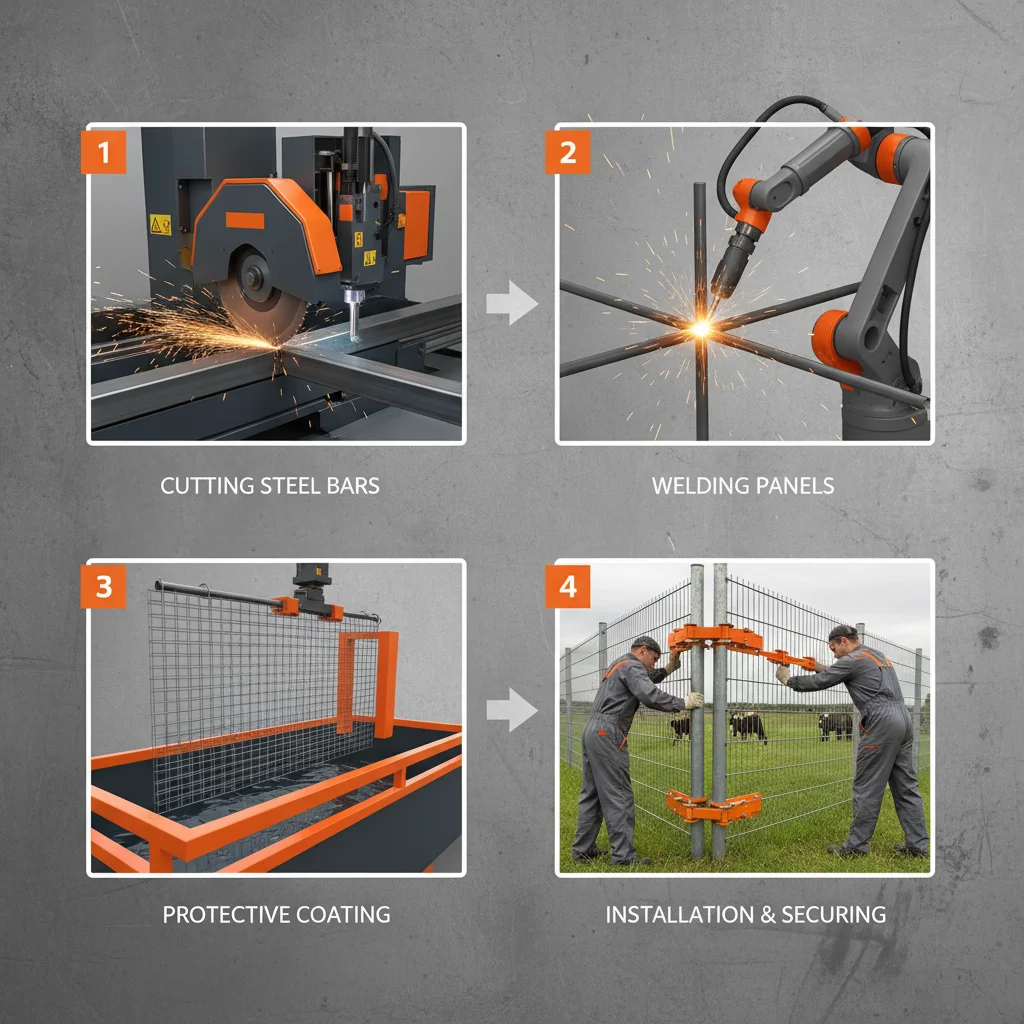
Essential Fencing Panels for Livestock Management and Farm Productivity Fencing panels for livestock are essential components in modern animal husbandry, playing a critical role in efficient farm management, animal welfare, and land utilization. Globally, the demand for robust and reliable fencing solutions is increasing due to the expanding livestock industry and the need to protect grazing lands from encroachment and predation. These panels aren’t simply barriers; they represent a vital investment in a farm's productivity and the health of its animals. Read More >26 Apr, 08
If you are interested in our products, you can choose to leave your information here, and we will be in touch with you shortly.


