


What is Mesh Security Fencing? Global Uses, Benefits & Innovations
Understanding Mesh Security Fencing: The Backbone of Modern Perimeter Protection
Mesh security fencing often flies under the radar unless you’re in construction, industrial safety, or security planning. But frankly, it’s a quietly vital element shaping how we protect assets, manage humanitarian crises, and even safeguard critical infrastructure worldwide. Globally, as urban centers sprawl and vulnerabilities grow, the need for durable, flexible, and cost-effective security barriers is more critical than ever. Understanding mesh security fencing illuminates a surprisingly wide range of benefits — from safeguarding communities to ensuring operational continuity.
Global Context: Why Mesh Security Fencing Matters Now
Across continents, fences aren’t just physical boundaries; they represent security, control, and order. According to the United Nations statistics, urban populations will increase by 2.5 billion by 2050, leading to unprecedented demands on infrastructure security and border control. Industrial zones and sensitive sites are expanding too, needing fences that can keep pace. Mesh security fencing answers that call by offering scalable, reliable perimeter defense — whether at a remote mining site in Australia or a refugee camp in Eastern Africa.
However, challenges persist — traditional fencing methods may fall short in harsh climates or in rapid deployment scenarios. That’s where mesh security fencing gains the edge.
Defining Mesh Security Fencing
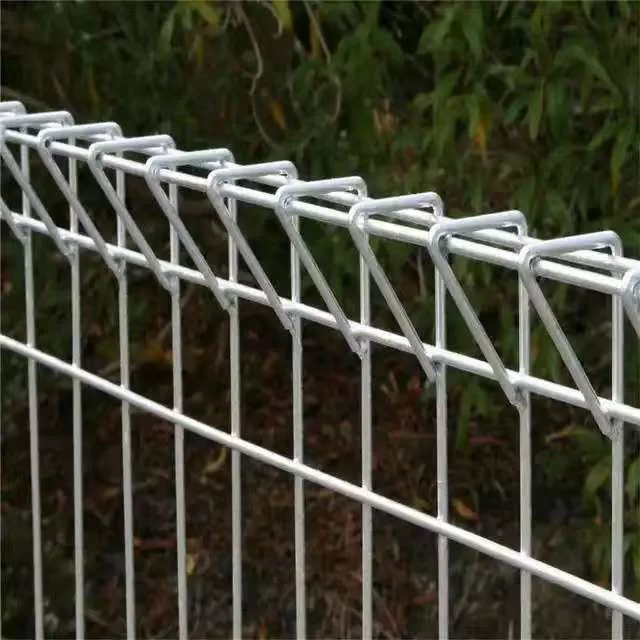
In the simplest terms, mesh security fencing consists of interconnected metal wires woven or welded to form a resilient barrier. Unlike solid walls or chain-link fences, mesh offers visibility while maintaining strength, making it ideal for surveillance and boundary control. It’s a mainstay in industries ranging from logistics and warehousing to humanitarian aid, where quick, secure fencing setups can save both time and lives.
Key Factors that Make Mesh Security Fencing Effective
Durability
Mesh fences are often galvanized or coated with PVC to resist rust and corrosion—crucial for outdoor installations facing rain, UV radiation, or salt exposure. I’ve noticed many security managers prioritize this when installing fences near coastal or industrial zones.
Flexibility & Scalability
Mesh panels come in modular sizes, easily tailored to a site’s unique shape and size. Don’t underestimate the advantage of being able to scale fences without a full redesign or heavy machinery — it speeds up deployment.
Cost Efficiency
Compared to concrete walls or solid barriers, mesh provides a cost-effective security solution without sacrificing strength. Plus, maintenance is generally lower over time.
Visibility & Surveillance-Friendly Design
Security teams appreciate fence transparency, which lets cameras and guards maintain sightlines — vital for minimizing blind spots and detecting intruders early.
Ease of Installation and Removal
Temporary sites, like disaster zones or construction projects, often require rapid fencing solutions. Lightweight mesh panels can be installed quickly and retracted as projects evolve.
Typical Product Specifications
| Specification | Typical Range | Notes |
|---|---|---|
| Material | Galvanized steel / PVC-coated | Corrosion resistant |
| Wire Diameter | 2.5 - 5 mm | Balance of strength and flexibility |
| Panel Size | 2m x 2.5m typically | Modular for various sites |
| Height | 1.5m to 3m | Customizable by security needs |
| Installation | Post-mounted or mesh panels | Flexible for terrain |
Global Applications & Use Cases of Mesh Security Fencing
Oddly enough, mesh security fencing is everywhere, you just don’t often notice it: airports, prisons, schools, factories, event venues — the applications span continents and industries.
- Humanitarian Relief: In refugee camps and disaster-struck areas, mesh fencing quickly establishes safe zones and controlled access points while balancing humanitarian openness with necessary security.
- Industrial Sites: Mines in South America deploy specialized mesh fencing to guard against theft and wildlife intrusion alike.
- Government and Military: Sensitive installations use anti-climb, reinforced mesh variants to secure perimeters.
- Urban Development: Construction sites in Europe and Asia rely on mesh fences for safety and crowd control during projects.
Each scenario demands subtle variations — and increasingly, engineers are customizing mesh solutions to meet site-specific challenges.
Vendor Comparison: Popular Mesh Security Fencing Suppliers
| Vendor | Material Quality | Customization | Lead Time | Typical Pricing |
|---|---|---|---|---|
| Haotian Mesh | High-grade galvanized and PVC-coated | Extensive | 2-4 weeks | Moderate |
| SecureFence Co. | Standard galvanized | Limited | 3-6 weeks | Low |
| Global Mesh Solutions | Premium stainless steel options | Moderate | 4-8 weeks | High |
Advantages & The Long-Term Value of Mesh Security Fencing
There is something quietly reassuring about mesh security fencing — it feels like a guardian that’s unobtrusive yet steadfast. For managers and planners, mesh fencing reduces operational costs compared to alternatives, thanks to longevity and minimal maintenance. The visibility it offers means safety personnel can detect threats without cumbersome patrols or expensive electronic protection. From a social standpoint, it’s a fence that doesn’t “box in” communities, preserving dignity and building trust.
Looking Ahead: Innovations and Emerging Trends
Technology is making mesh fences smarter. Integration of IoT sensors to detect breaches and vibrations is no longer sci-fi but happening now. There’s a push toward more environmentally friendly materials — recycled metals or composites that reduce carbon footprints but retain strength. And automated installation methods, like drone-assisted setups or robotic welding, promise faster deployment. Also, regulations such as ISO 1461 on galvanizing steel provide rigorous standards enhancing quality worldwide.
Challenges & Solutions
Despite all these benefits, mesh fencing isn’t perfect. Harsh environments can still degrade coatings, and theft or vandalism remain risks. Installation on uneven terrain demands skilled labor. Luckily, ongoing research into polymer coatings and hybrid composite meshes are addressing these hurdles — making fences that last longer and require less upkeep. Plus, flexible design platforms now let engineers pre-fit panels for tough landscapes.
FAQ: Frequently Asked Questions About Mesh Security Fencing
Q1: How long does mesh security fencing typically last outdoors?
A: With proper galvanized or PVC coatings, professional mesh fencing lasts around 15–25 years, even under moderate weather exposure. Regular inspections help identify corrosion before it becomes a problem.
Q2: Can mesh fences be customized for high-security facilities?
A: Absolutely. Mesh fencing can be reinforced with thicker wire diameters, tighter mesh patterns, and anti-climb designs. Adding razor wire or sensor systems further enhances security.
Q3: Is mesh fencing suitable for rough terrain?
A: Yes, its modular design and flexible mounting options make mesh fencing adaptable for slopes, rocky grounds, and uneven surfaces.
Q4: How quickly can mesh fencing be installed for emergency sites?
A: Depending on area size and crew, installation can take days rather than weeks — something humanitarian organizations especially value.
Q5: What maintenance does mesh security fencing require?
A: Minimal — periodic cleaning and checking for coating damage or structural issues will keep fences functional long-term, making it a low-maintenance solution.
Final Thoughts and Call to Action
Mesh security fencing plays a quietly crucial role in protecting lives, assets, and critical infrastructure worldwide. Its blend of strength, flexibility, and cost-effectiveness makes it a smart choice across industries and geographies. Whether you’re securing an airport perimeter or organizing relief efforts, understanding mesh security fencing’s intricacies can open doors to smarter, more sustainable solutions.
For detailed advice and tailored mesh fencing solutions, visit Haotian Mesh — a leader in quality and innovation in this space.
Sometimes, security is just about having the right fence in the right place.
1. United Nations - Urbanization Data2. ISO 1461 - Hot Dip Galvanized Coatings on Fabricated Iron or Steel Articles
3. Wikipedia - Fence
-
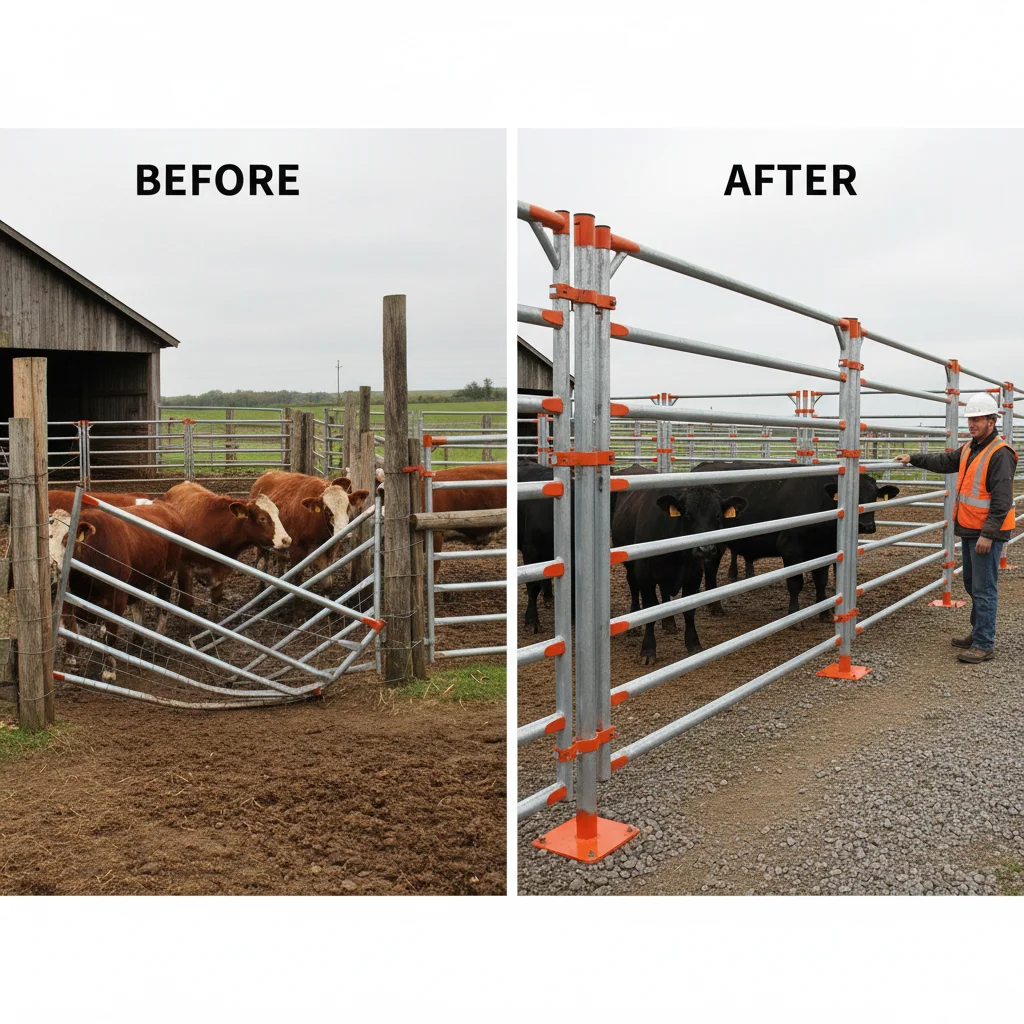
Durable Freestanding Livestock Panels for Efficient Animal Handling In the demanding world of agricultural management, the need for flexible and robust containment solutions has never been more critical. freestanding livestock panels offer a sophisticated answer to the challenges of animal handling, providing a secure yet adaptable barrier that does not require permanent installation or deep grounding. By allowing farmers and ranchers to redefine their spatial layouts in minutes, these panels maximize the efficiency of existing infrastructure while ensuring the safety of both the handlers and the livestock. Read More >26 Apr, 17
-
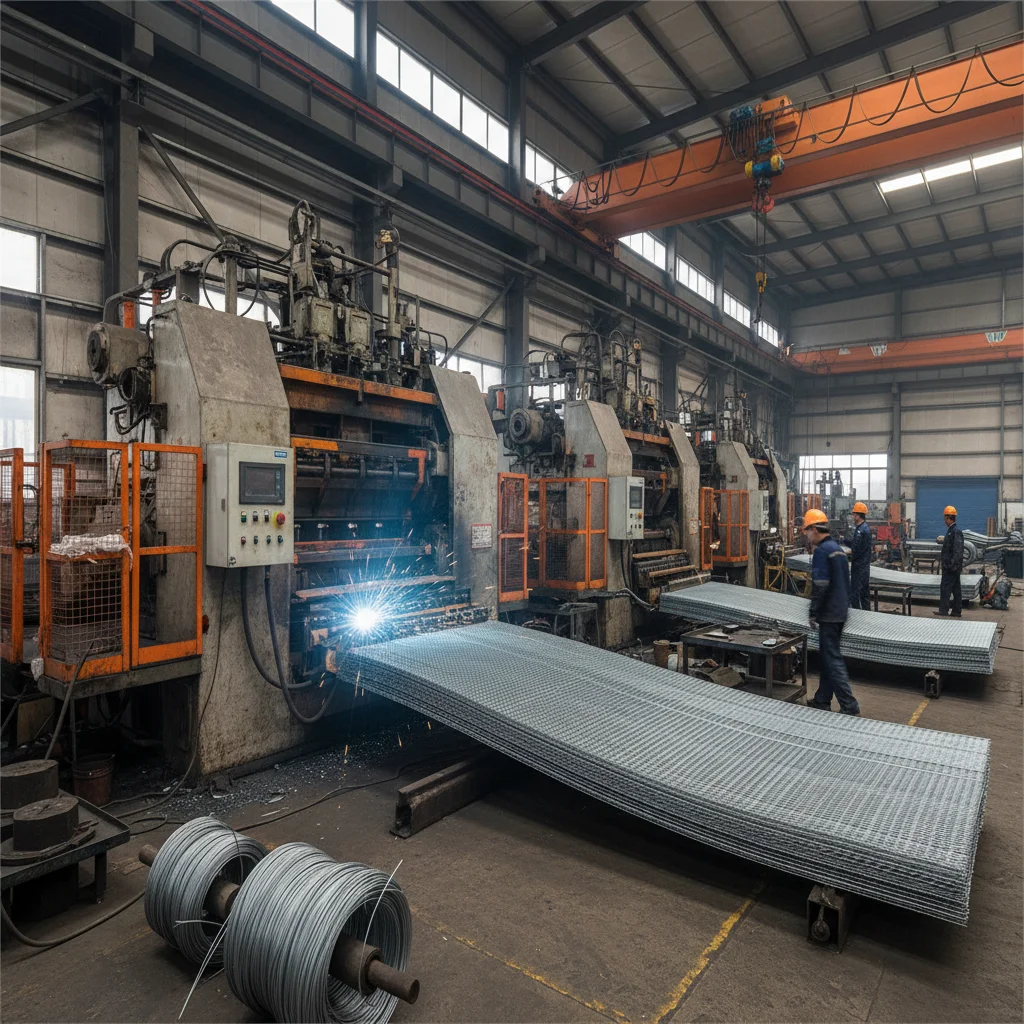
Professional Galvanized Welded Mesh Factory for Industrial Projects Finding a reliable galvanized welded mesh factory is critical for ensuring the structural integrity and longevity of your industrial or agricultural installations. Galvanized welded mesh is prized for its exceptional strength and resistance to corrosion, making it the go-to choice for fencing, animal cages, and construction reinforcement. However, not all factories adhere to the same quality standards. Whether you are sourcing for a large-scale infrastructure project or a specialized commercial application, understanding the manufacturing process and quality benchmarks is key to making a cost-effective investment that lasts for decades. Read More >26 Apr, 16
-
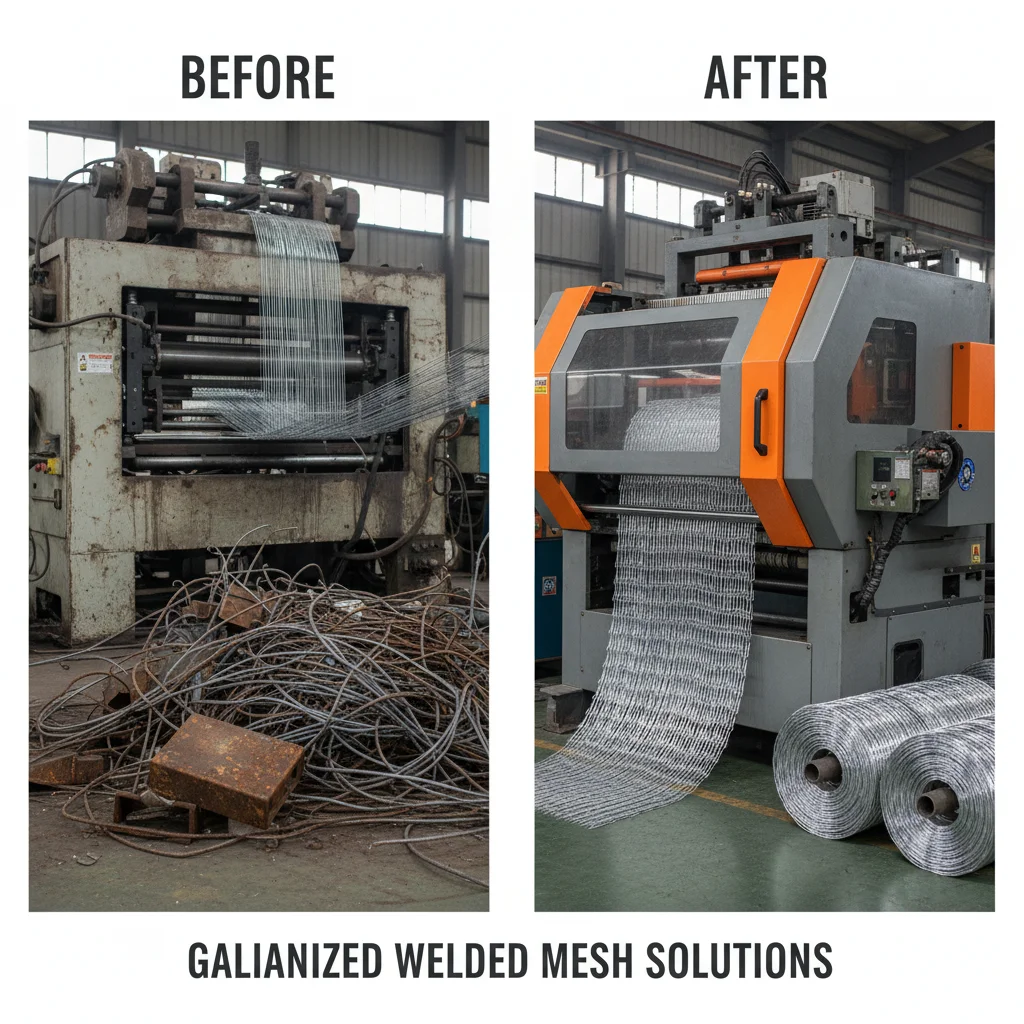
Professional Galvanized Welded Mesh Exporter for Quality Projects Selecting a high-quality fencing or screening solution requires more than just picking a product; it requires partnering with a reliable galvanized welded mesh exporter who understands the balance between structural integrity and corrosion resistance. Whether you are securing an industrial perimeter, building animal enclosures, or implementing architectural reinforcements, the quality of the galvanization process determines the lifespan of your installation. In this guide, we will explore the technical advantages of galvanized welded mesh and how to identify a global supplier that meets international quality standards to ensure your investment stands the test of time. Read More >26 Apr, 09
-
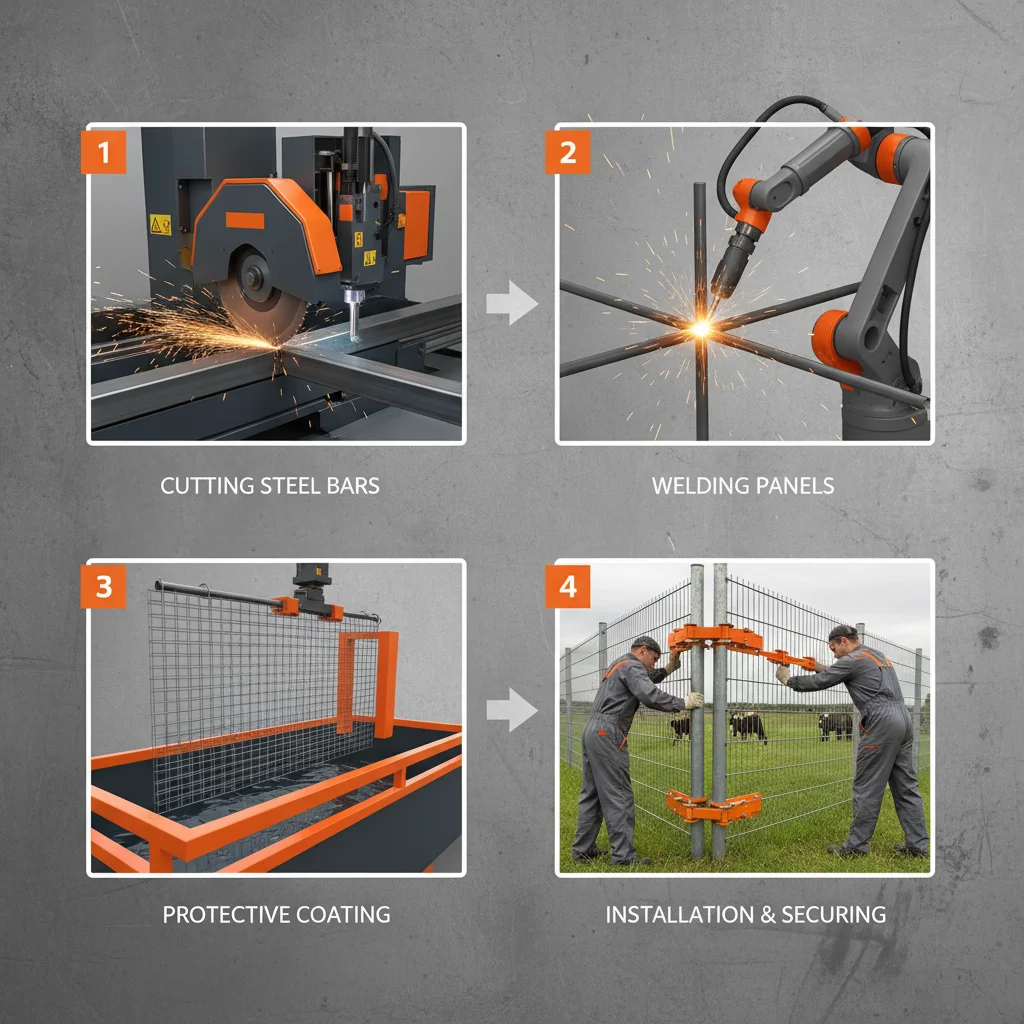
Essential Fencing Panels for Livestock Management and Farm Productivity Fencing panels for livestock are essential components in modern animal husbandry, playing a critical role in efficient farm management, animal welfare, and land utilization. Globally, the demand for robust and reliable fencing solutions is increasing due to the expanding livestock industry and the need to protect grazing lands from encroachment and predation. These panels aren’t simply barriers; they represent a vital investment in a farm's productivity and the health of its animals. Read More >26 Apr, 08
If you are interested in our products, you can choose to leave your information here, and we will be in touch with you shortly.


