


Comprehensive Guide to 16 Foot Wire Cattle Panels for Livestock Management
Understanding 16 Foot Wire Cattle Panels: Durable Solutions for Modern Livestock Management
At first glance, 16 foot wire cattle panels might seem like simple fencing tools, but their significance stretches far beyond. These sturdy panels play a crucial role in livestock rearing worldwide—impacting agricultural sustainability, animal welfare, and even disaster-relief operations. Understanding their design and applications can help farmers, ranchers, and humanitarian organizations optimize animal containment securely and cost-effectively. Frankly, the more you learn about these panels, the more you appreciate their quiet versatility.
Global Context: Why 16 Foot Wire Cattle Panels Matter
Livestock farming feeds billions of people globally; according to the Food and Agriculture Organization (FAO), the demand for beef and other animal products is rising steadily, especially in developing countries. Containing and managing animals efficiently is critical to boosting productivity and safeguarding animal welfare.
Wire cattle panels, especially the 16-foot variants, offer standardized sizes that ease large-scale fencing projects. Across continents—from the ranches of the American Midwest to the grasslands of East Africa—these panels address a universal challenge: securing livestock in environments vulnerable to predators, theft, or escape. Moreover, with climate change increasing the frequency of natural disasters, quick-deploy fencing solutions become invaluable in securing animals amid chaotic conditions.
In a nutshell: these panels aren’t just fences; they represent a global answer to containment challenges.
Defining 16 Foot Wire Cattle Panels
Put simply, 16 foot wire cattle panels are metal panels, typically measuring 16 feet in length and featuring welded wire mesh grids. Designed to withstand pressure from large livestock like cattle and horses, they create durable, portable fencing units. The panels’ grids vary in size and wire thickness according to the specific animal and terrain needs. They often incorporate galvanized steel or coated metals to resist rust and weather wear.
These panels embody industrial practicality with a humanitarian twist — easy to transport and assemble during emergencies or moving herds. They’re pivotal not only in traditional farming but also help NGOs, governments, and relief agencies create safe enclosures quickly.
Core Components and Key Factors
1. Durability and Material Quality
Most 16 foot panels use galvanized steel to resist corrosion, essential for outdoor, all-weather use. Wire thickness often ranges from 9.5 to 11 gauge, striking a balance between strength and ease of handling. Durability translates to long-term cost savings, since panels can last over a decade with minimal maintenance.
2. Scalability and Modularity
The standard 16-foot length fits well into modular fencing setups, allowing ranchers to extend or reshape enclosures easily. This scalability proves handy during seasonal herd movements or adapting to pasture rotation methods.
3. Cost Efficiency
Despite its robust construction, 16 foot wire cattle panels remain cost-effective compared to custom-built fences or stone walls. Shipping standardized panels is also more economical—a subtle but impactful advantage in remote farming areas.
4. Safety and Animal Welfare
Properly spaced wire grids prevent injury, while providing secure boundaries that reduce animal stress from accidental escapes or fights. This can improve growth rates and overall herd health, which many livestock managers find particularly valuable.
5. Ease of Installation
The panels often come pre-welded and ready to install with basic tools. This means ranch hands can quickly set up or repair fences without specialized labor, saving time and reducing downtime.
Product Specifications at a Glance
| Specification | Details |
|---|---|
| Panel Length | 16 feet (approx. 4.88 meters) |
| Height Options | 4ft, 5ft, 6ft, 8ft |
| Wire Gauge | 9.5 to 11 gauge steel wire |
| Finish | Hot-dip galvanized or PVC coated |
| Mesh Size | Typically 4” x 6” grid |
| Weight | Between 65 to 100 lbs depending on height |
Global Applications & Use Cases
From the sprawling ranches in Texas to smallholder farms in sub-Saharan Africa, 16 foot wire cattle panels enable efficient livestock management. For instance, NGOs operating in disaster-prone regions use these panels in temporary shelter settings to corral rescued animals safely, as was evident after the 2015 Nepal earthquake.
Industrial mining sites in remote areas use panels to keep livestock separated from hazardous zones, minimizing livestock loss and environmental damage. Governments of countries with nomadic pastoralists also rely on these panels to facilitate controlled grazing, enhancing pasture sustainability.
Vendor Comparison: Quick Look
| Feature | Haotianmesh | Vendor B | Vendor C |
|---|---|---|---|
| Material Quality | Hot-dip galvanized steel, 9.5 gauge | Galvanized, 10 gauge | PVC coated, 11 gauge |
| Standard Size | 16 x 6 feet | 16 x 5 feet | 14 x 6 feet |
| Customization | Available on request | Limited | Not offered |
| Delivery Time | 2–4 weeks | 3–5 weeks | 4–6 weeks |
| Warranty | 5 years rust resistance | 3 years | 2 years |
| Price Range (per panel) | $85 - $120 | $80 - $110 | $75 - $105 |
Advantages & Long-Term Value
- Cost Savings: Reduced need for frequent repairs means budgets stretch further.
- Environmental Sustainability: Long-lasting panels reduce waste and resource consumption.
- Safety & Dignity: Secure fencing helps protect animals from injury and theft, giving peace of mind.
- Flexibility & Innovation: Modular designs adapt to changing herd sizes or terrain.
On an emotional level, knowing your livestock is securely contained fosters trust and reduces stress—not just for the animals, but for the farmers themselves.
Future Trends & Innovations
The future of 16 foot wire cattle panels may well tie into advanced materials: lightweight composites, sustainable coatings, and integration with IoT sensors for real-time monitoring of fence integrity and animal movement. The green energy movement has already nudged manufacturers toward eco-friendly galvanization and recycling methods.
Automation may enable drones or ground robots to alert farmers of potential fence breaches — not science fiction anymore. Also, some companies explore biodegradable polymers paired with steel for more environmentally gentle fences.
Challenges & Solutions
While robust, panels can still suffer damage from extreme weather, vandalism, or aggressive wildlife. Rust remains a concern where coatings degrade.
Professional experts recommend routine inspections, quality galvanization, and routine maintenance. When panels fail, modularity means replacements are straightforward—you don’t need to overhaul an entire fence. NGOs working in challenging terrains sometimes combine wire panels with natural barriers or electric fencing to enhance security.
FAQ: Frequently Asked Questions About 16 Foot Wire Cattle Panels
- Q: How do 16 foot wire cattle panels compare to traditional wood fencing?
- A: Wire cattle panels offer greater durability, lower maintenance, and faster installation than wood fences. Wood is prone to rot and termite damage, whereas galvanized steel panels last longer and withstand the elements better.
- Q: Can these panels be reused or relocated easily?
- A: Yes, their modular design means panels can be relocated and reused multiple times—ideal for temporary setups or changing farm layouts.
- Q: What maintenance is required to keep panels in good condition?
- A: Regular inspection for rust, tightening loose connections, and prompt replacement of damaged panels help maintain fence integrity and safety.
- Q: Are 16 foot wire cattle panels suitable for all livestock?
- A: Mainly designed for cattle and larger animals, but with variations in mesh size and height, they can also accommodate horses, goats, and sheep with appropriate adjustments.
- Q: How can international buyers source these panels efficiently?
- A: Many vendors offer worldwide shipping and customizable orders. Working with reputable suppliers like Haotianmesh facilitates smooth import processes and reliable product quality.
Conclusion: Secure Fencing for a Sustainable Future
In real terms, investing in quality 16 foot wire cattle panels pays dividends over time: enhancing livestock management, reducing costs, and supporting animal welfare across the globe. Whether you’re running a sprawling ranch, supporting rural economies, or coordinating emergency livestock relief, these panels offer a pragmatic, trusted solution.
Explore more options and request a quote today at https://www.haotianmesh.com — your dependable partner for livestock fencing needs.
It feels like the humble wire cattle panel quietly underpins much of the world's livestock economy — and that’s something worth acknowledging, don’t you think?
References
-
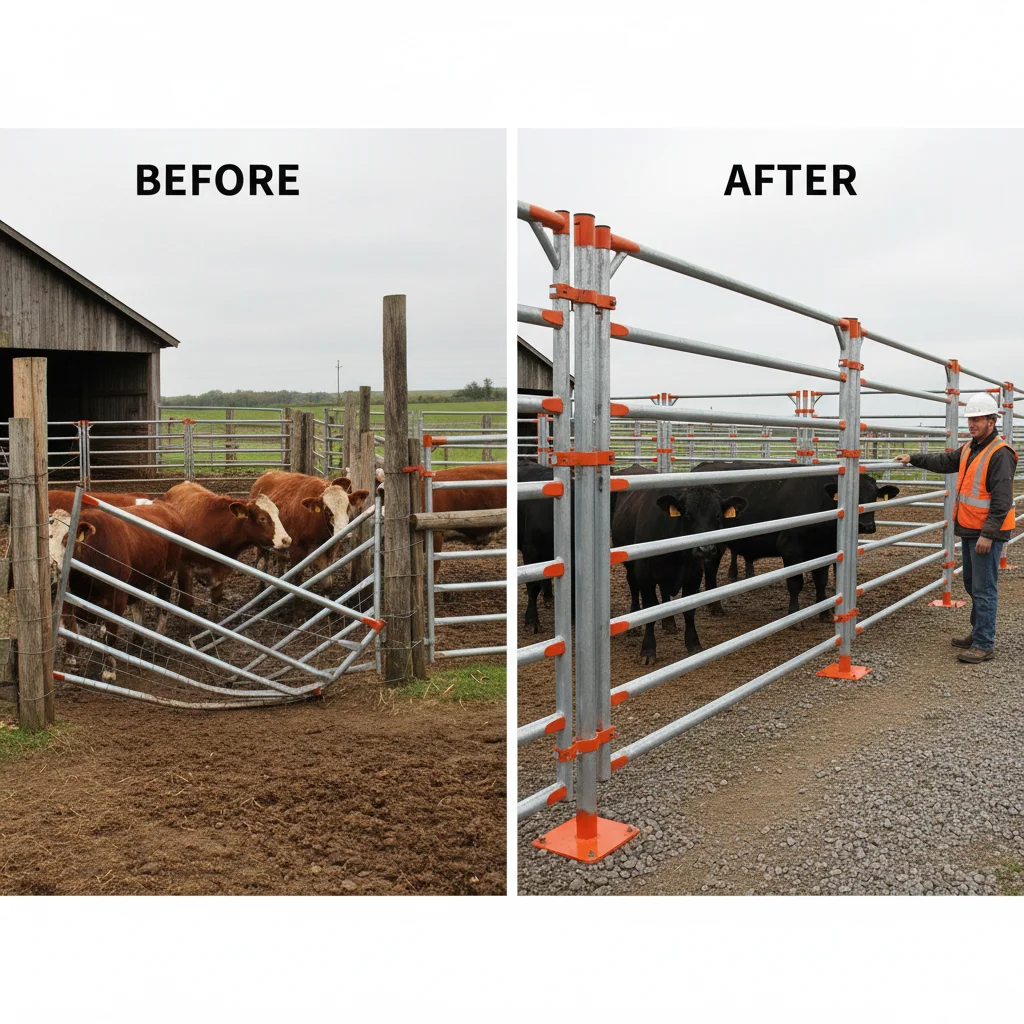
Durable Freestanding Livestock Panels for Efficient Animal Handling In the demanding world of agricultural management, the need for flexible and robust containment solutions has never been more critical. freestanding livestock panels offer a sophisticated answer to the challenges of animal handling, providing a secure yet adaptable barrier that does not require permanent installation or deep grounding. By allowing farmers and ranchers to redefine their spatial layouts in minutes, these panels maximize the efficiency of existing infrastructure while ensuring the safety of both the handlers and the livestock. Read More >26 Apr, 17
-
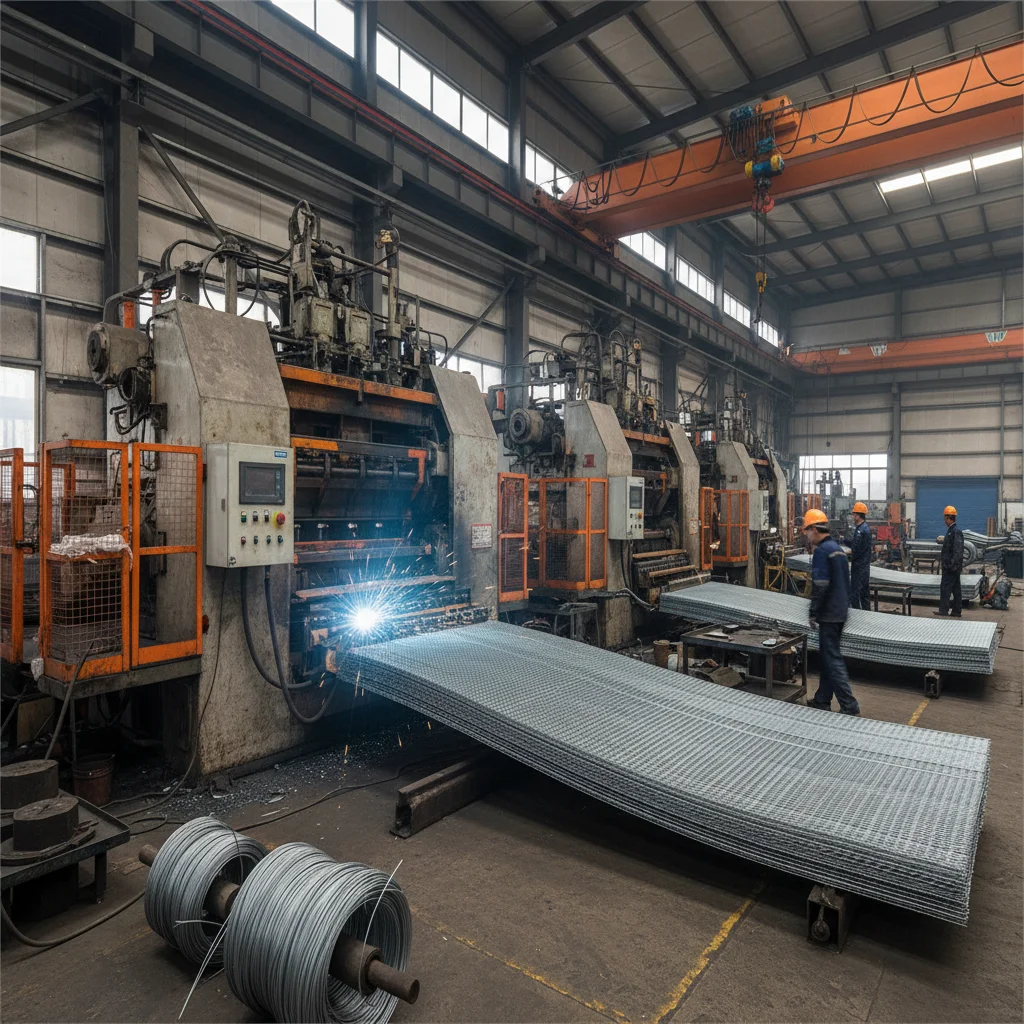
Professional Galvanized Welded Mesh Factory for Industrial Projects Finding a reliable galvanized welded mesh factory is critical for ensuring the structural integrity and longevity of your industrial or agricultural installations. Galvanized welded mesh is prized for its exceptional strength and resistance to corrosion, making it the go-to choice for fencing, animal cages, and construction reinforcement. However, not all factories adhere to the same quality standards. Whether you are sourcing for a large-scale infrastructure project or a specialized commercial application, understanding the manufacturing process and quality benchmarks is key to making a cost-effective investment that lasts for decades. Read More >26 Apr, 16
-
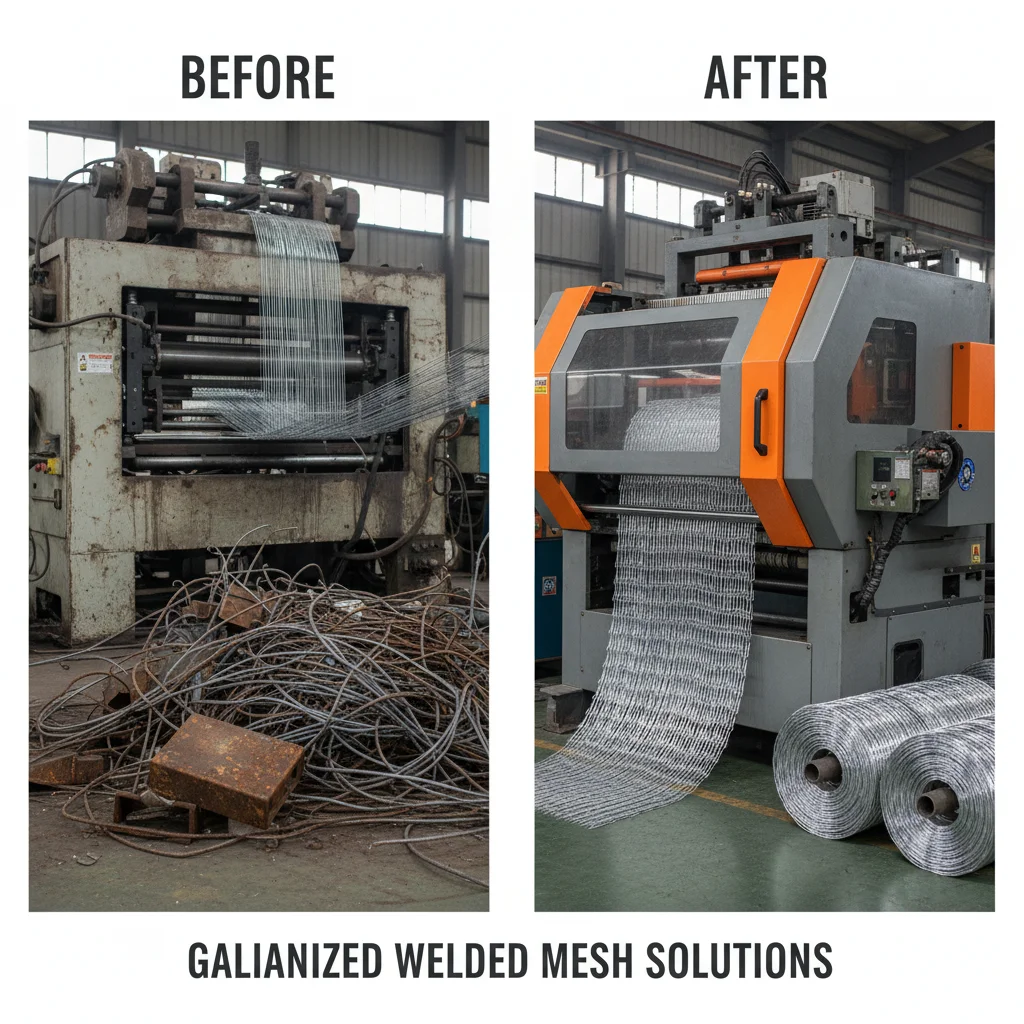
Professional Galvanized Welded Mesh Exporter for Quality Projects Selecting a high-quality fencing or screening solution requires more than just picking a product; it requires partnering with a reliable galvanized welded mesh exporter who understands the balance between structural integrity and corrosion resistance. Whether you are securing an industrial perimeter, building animal enclosures, or implementing architectural reinforcements, the quality of the galvanization process determines the lifespan of your installation. In this guide, we will explore the technical advantages of galvanized welded mesh and how to identify a global supplier that meets international quality standards to ensure your investment stands the test of time. Read More >26 Apr, 09
-
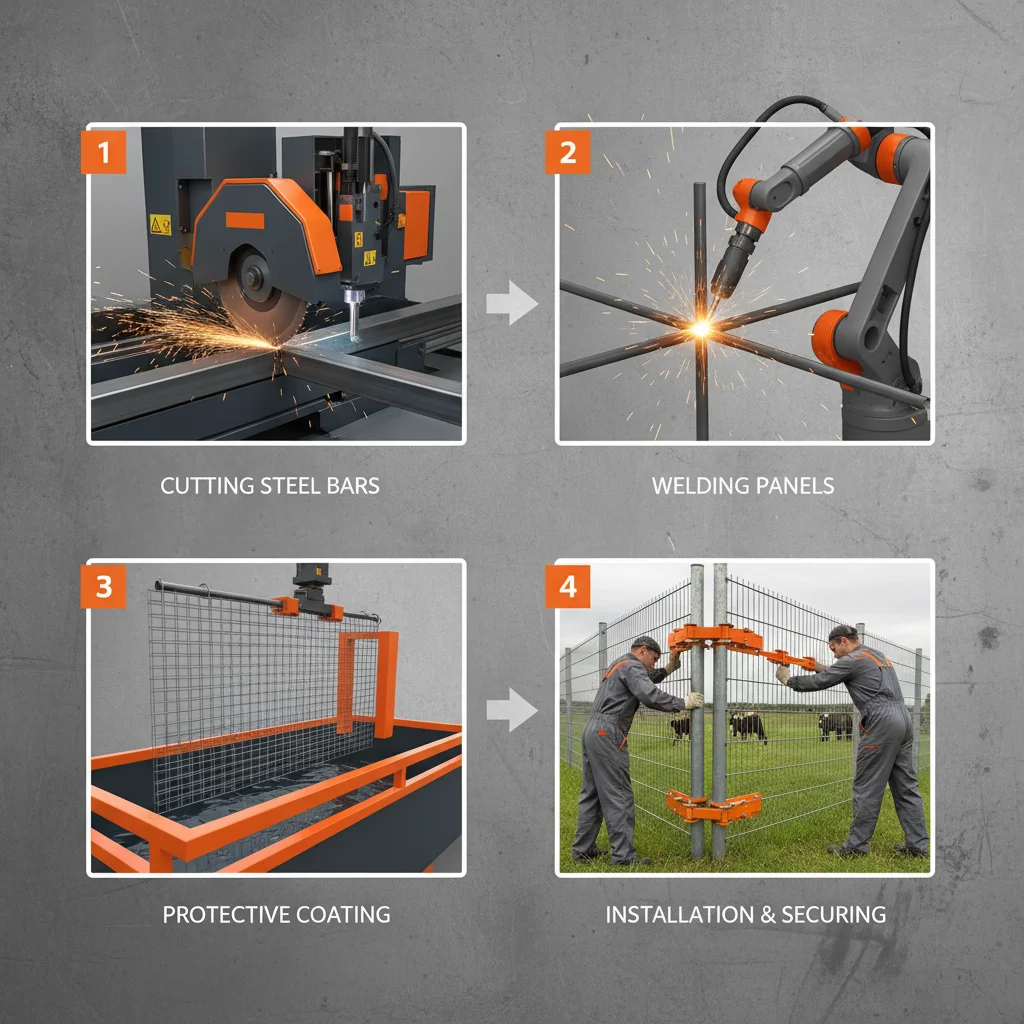
Essential Fencing Panels for Livestock Management and Farm Productivity Fencing panels for livestock are essential components in modern animal husbandry, playing a critical role in efficient farm management, animal welfare, and land utilization. Globally, the demand for robust and reliable fencing solutions is increasing due to the expanding livestock industry and the need to protect grazing lands from encroachment and predation. These panels aren’t simply barriers; they represent a vital investment in a farm's productivity and the health of its animals. Read More >26 Apr, 08
If you are interested in our products, you can choose to leave your information here, and we will be in touch with you shortly.


