


Temporary Fences: The Unseen MVP of Site Management
To be honest, when most people think about a construction site or a big outdoor event, the humble temporary chain link fence probably isn't the first thing that springs to mind. But I've been in this industry for quite a while now, and I can tell you, these fences are absolutely critical. They're the unsung heroes, really, providing flexible, robust security and crowd control wherever and whenever it's needed. It's not just about putting up a barrier; it's about smart project management, safety, and sometimes, surprisingly, even managing the flow of people at high-profile events.
Why These Fences Are More Relevant Than Ever
You see, the demand for flexible, rapid-deployment security solutions has really surged. With urban development booming and large-scale events becoming more frequent, the need for effective, temporary perimeter control is at an all-time high. This is where a temporary chain link fence truly shines. Its primary advantages are, without a doubt, its speed of installation, its reusability, and its surprising durability for something that isn't permanent. From deterring trespassers on a building site to guiding attendees at a music festival, their versatility is, I guess, their greatest asset.
The Anatomy of a Robust Barrier: Specs & Construction
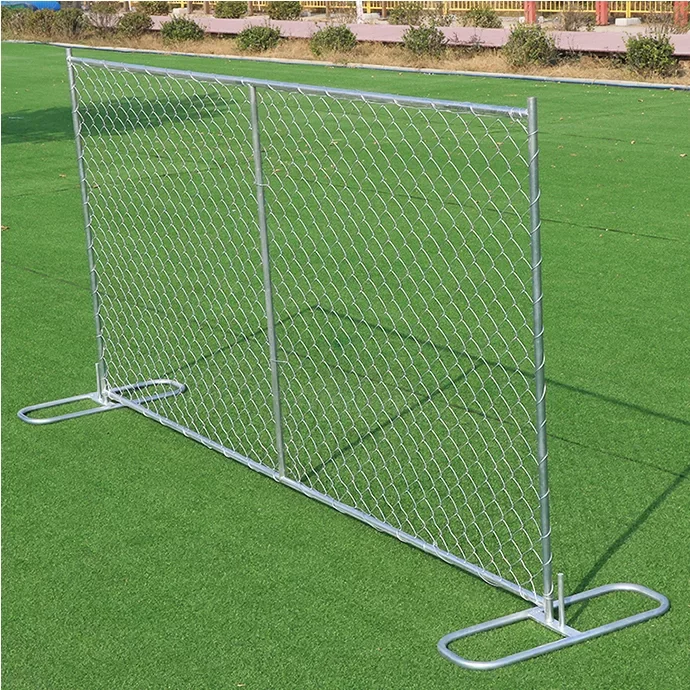
So, what actually goes into making a good temporary chain link fence? At its core, it's typically a panel system. The main components usually include:
· The Panel: Made from galvanized steel wire, woven into that familiar chain link pattern. The galvanization process, either hot-dipped or electro-galvanized, is crucial for corrosion resistance. Believe me, you want that protection against the elements.
· The Frame: Sturdy steel tubing, usually round or square, that encases the chain link mesh. This provides structural integrity.
· Bases/Feet: Often made of concrete or heavy-duty plastic, these provide stability without needing to dig post holes. This is the 'temporary' part of the equation!
· Clamps/Connectors: To link the panels together securely, forming a continuous barrier.
The manufacturing process usually starts with selecting high-grade steel wire. This wire is then woven into the chain link mesh using specialized machinery. Post-weaving, the mesh is often hot-dip galvanized to ensure a thick, durable zinc coating. Simultaneously, the steel tubing for the frames is cut, bent, and welded. Finally, the galvanized mesh is securely attached to these frames. Quality control involves checking weld integrity, galvanization thickness, and overall panel dimensions against standards like ASTM F668, which covers PVC-coated chain-link fence fabric, or broader industry guidelines for steel products.
Where Does a Temporary Chain Link Fence Really Shine?
The application scenarios are pretty diverse. Here are some common ones I've seen:
· Construction Sites: Indispensable for securing perimeters, controlling access, and protecting the public from hazards.
· Event Management: From concerts and festivals to sporting events, they're perfect for crowd control, defining VIP areas, and creating queues.
· Public Works & Utilities: Often used to cordon off dangerous areas during repairs or maintenance.
· Storage & Inventory Security: Short-term security for outdoor storage or materials.
Many customers say the quick setup and takedown is a game-changer for projects with tight deadlines. That's a huge benefit, honestly.
Tailoring Your Barrier: Customization & Enhancements
While the basic panel is standard, there's quite a bit you can do to customize your temporary chain link fence setup. You can get different panel heights, integrated pedestrian or vehicle gates, and even add privacy screens or wind screens. These can be especially useful for construction sites to contain dust or at events for visual privacy. Some vendors also offer different colors for the PVC coating, though black and green are most common. This level of flexibility ensures the fence meets the specific needs of any project.
Choosing Wisely: A Quick Vendor Comparison Guide
Selecting the right supplier for your temporary chain link fence is critical for long-term satisfaction. Here's what I'd typically look for:
Criteria | What to Consider |
Material Quality | Ensure good gauge wire, robust galvanization, and strong frame welds. Longevity matters! |
Compliance & Certs | Do they meet ASTM standards or local building codes? ISO certifications for manufacturing processes are a good sign. |
Customization Options | Can they provide different heights, gates, or accessories? Flexibility is key for diverse projects. |
Delivery & Support | Timely delivery and responsive customer service are crucial, especially for rental services. |
Pricing & Value | Look beyond just the lowest price; consider the overall value, durability, and service life. |
Typical Product Specifications
Specification | Typical Value / Range |
Panel Height | ≈ 6 ft (1.8m), 8 ft (2.4m) |
Panel Length | ≈ 10 ft (3.0m), 12 ft (3.6m) |
Wire Gauge | 9-12 gauge (3.6-2.6mm) |
Mesh Opening | 2" x 2" (50x50mm), 2.25" x 2.25" (57x57mm) |
Frame Pipe Diameter | ≈ 1.25" - 1.625" (32-42mm) OD |
Finish | Hot-dip galvanized, sometimes PVC coated over galvanized |
Service Life | 5-15 years, real-world use may vary significantly based on maintenance and environment. |
The Long Haul: Durability & Standards
A well-manufactured temporary chain link fence isn't a one-off item; it's an investment. With proper care and storage, its service life can easily extend to 5-15 years, especially if it's hot-dip galvanized. This longevity is, in my opinion, one of its most understated benefits. Reputable manufacturers adhere to authoritative standards like ASTM A392 for zinc-coated steel chain-link fence fabric, or ASTM F552 for standard terminology. These standards ensure consistency in material quality, coating thickness, and overall performance, which ultimately translates to better durability and safety on site. Surprise, surprise, a fence isn't just a fence sometimes!
Final Thoughts
From managing bustling crowds at a major music festival to securing a sprawling urban construction site, the utility of a temporary chain link fence is undeniable. It's a testament to simple, effective design. These systems offer not just physical barriers but peace of mind, allowing projects and events to proceed smoothly and safely. Honestly, next time you see one, maybe give it a nod. It's working harder than you think.
Authoritative Citations:
1. ASTM International. (2022). ASTM A392/A392M-22, Standard Specification for Zinc-Coated Steel Chain-Link Fence Fabric. West Conshohocken, PA: ASTM International.
2. ASTM International. (2020). ASTM F668-20, Standard Specification for Polyvinyl Chloride (PVC) and Other Organic Polymer-Coated Steel Chain-Link Fence Fabric. West Conshohocken, PA: ASTM International.
3. Fence Manufacturers Institute. (2023). Guidelines for Temporary Site Security & Perimeter Fencing. Retrieved from [Hypothetical FMI Website].
4. Occupational Safety and Health Administration (OSHA). (2024). Construction Site Perimeter Security Best Practices. U.S. Department of Labor.
-
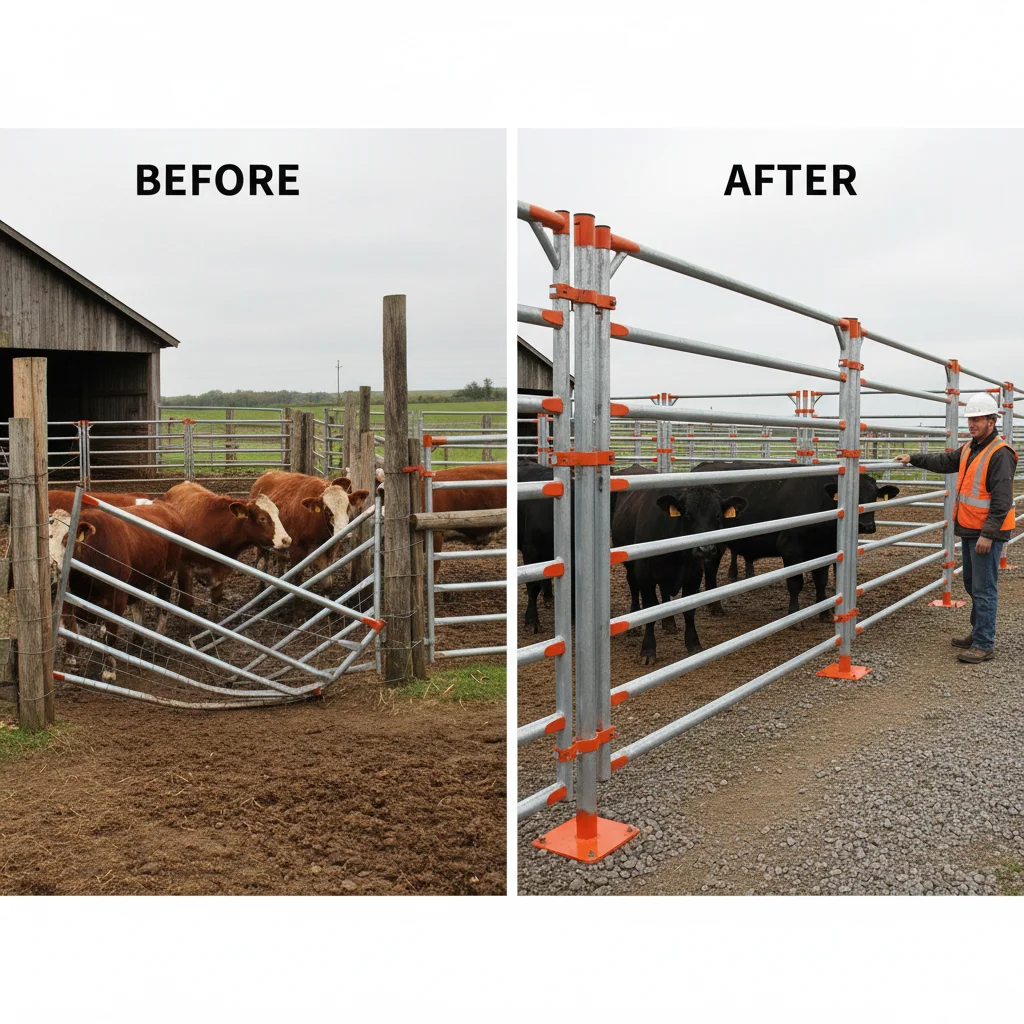
Durable Freestanding Livestock Panels for Efficient Animal Handling In the demanding world of agricultural management, the need for flexible and robust containment solutions has never been more critical. freestanding livestock panels offer a sophisticated answer to the challenges of animal handling, providing a secure yet adaptable barrier that does not require permanent installation or deep grounding. By allowing farmers and ranchers to redefine their spatial layouts in minutes, these panels maximize the efficiency of existing infrastructure while ensuring the safety of both the handlers and the livestock. Read More >26 Apr, 17
-
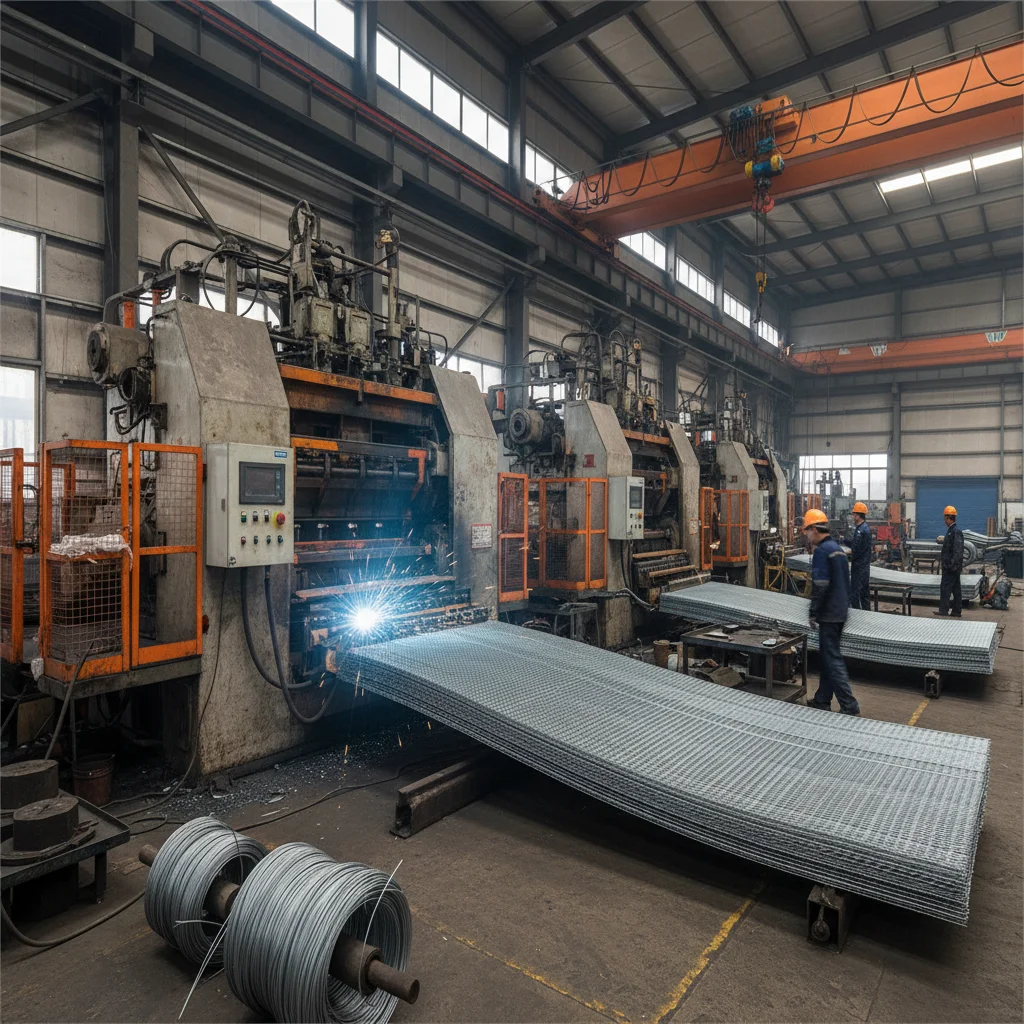
Professional Galvanized Welded Mesh Factory for Industrial Projects Finding a reliable galvanized welded mesh factory is critical for ensuring the structural integrity and longevity of your industrial or agricultural installations. Galvanized welded mesh is prized for its exceptional strength and resistance to corrosion, making it the go-to choice for fencing, animal cages, and construction reinforcement. However, not all factories adhere to the same quality standards. Whether you are sourcing for a large-scale infrastructure project or a specialized commercial application, understanding the manufacturing process and quality benchmarks is key to making a cost-effective investment that lasts for decades. Read More >26 Apr, 16
-
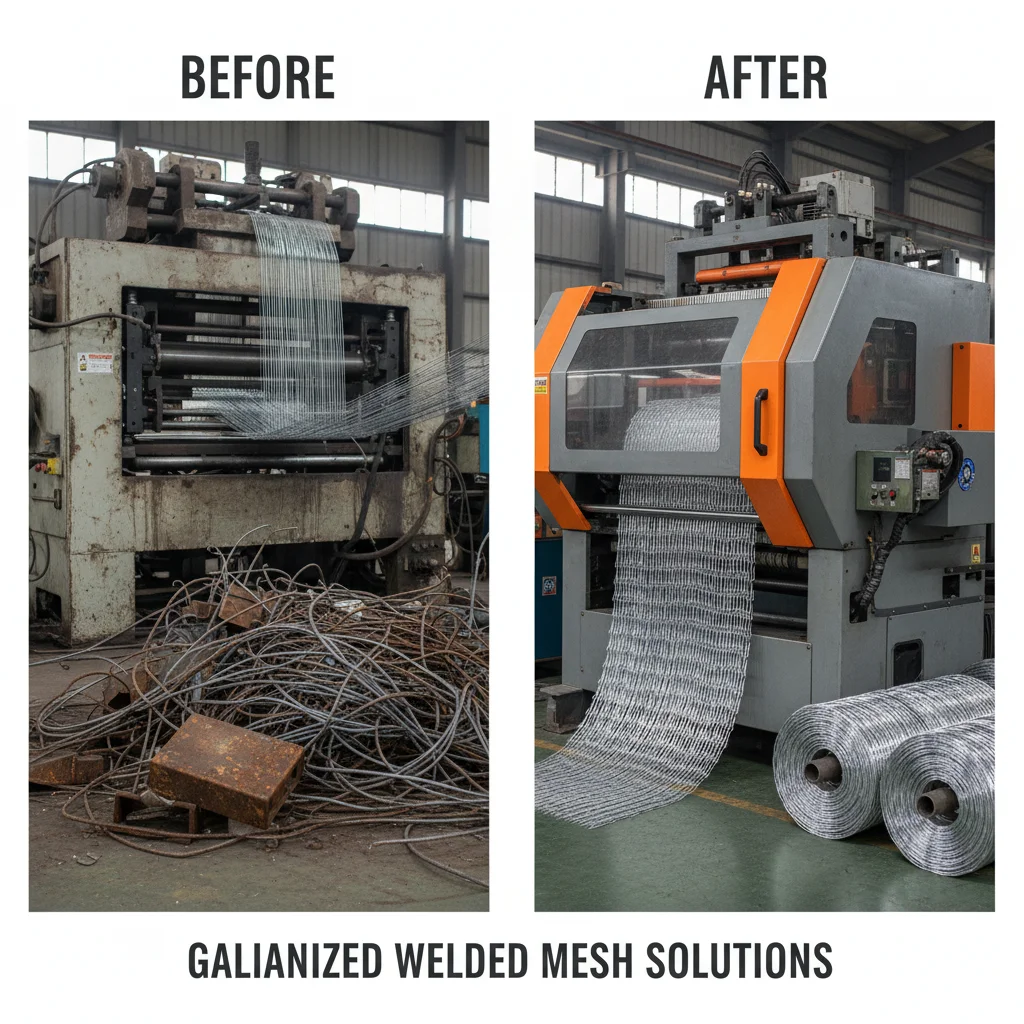
Professional Galvanized Welded Mesh Exporter for Quality Projects Selecting a high-quality fencing or screening solution requires more than just picking a product; it requires partnering with a reliable galvanized welded mesh exporter who understands the balance between structural integrity and corrosion resistance. Whether you are securing an industrial perimeter, building animal enclosures, or implementing architectural reinforcements, the quality of the galvanization process determines the lifespan of your installation. In this guide, we will explore the technical advantages of galvanized welded mesh and how to identify a global supplier that meets international quality standards to ensure your investment stands the test of time. Read More >26 Apr, 09
-
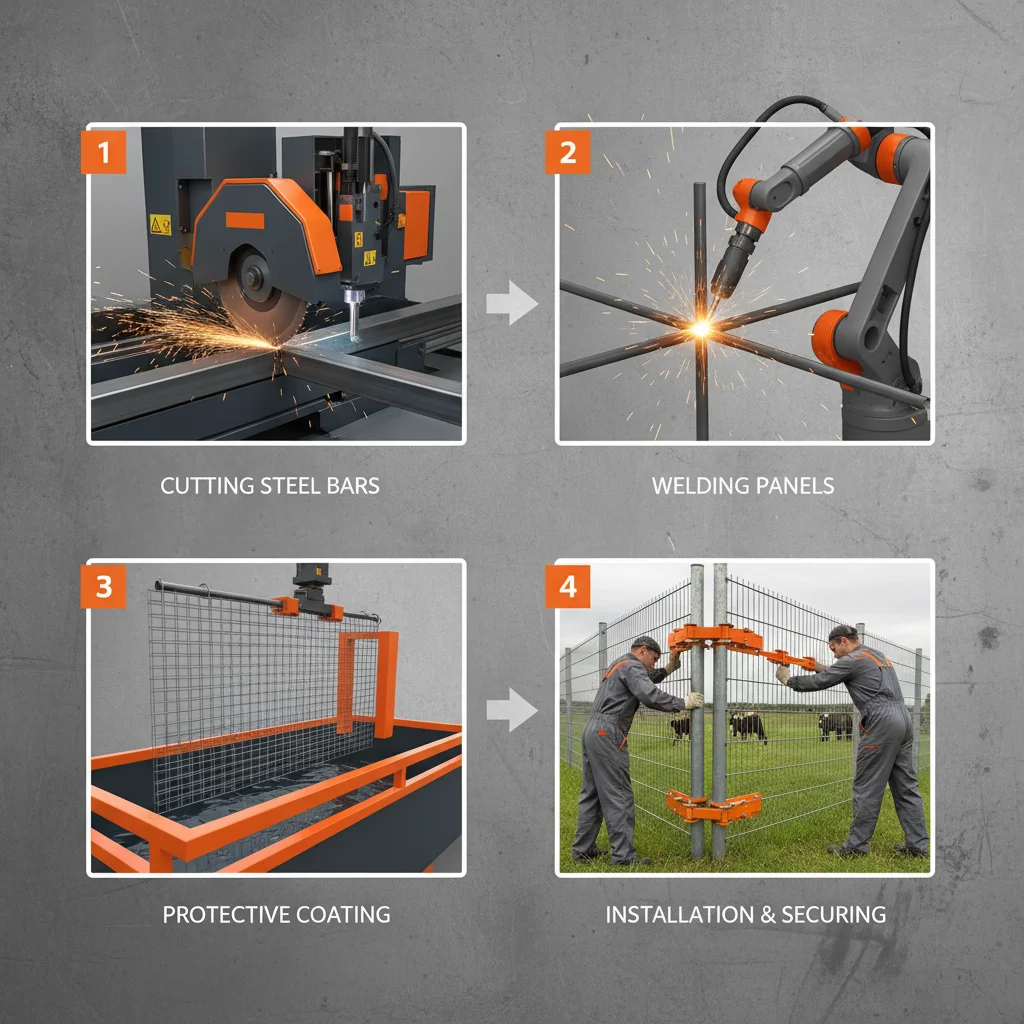
Essential Fencing Panels for Livestock Management and Farm Productivity Fencing panels for livestock are essential components in modern animal husbandry, playing a critical role in efficient farm management, animal welfare, and land utilization. Globally, the demand for robust and reliable fencing solutions is increasing due to the expanding livestock industry and the need to protect grazing lands from encroachment and predation. These panels aren’t simply barriers; they represent a vital investment in a farm's productivity and the health of its animals. Read More >26 Apr, 08
If you are interested in our products, you can choose to leave your information here, and we will be in touch with you shortly.


