


Beyond the Barricade: Why Welded Wire Mesh Fencing Works
Okay, let's talk about fencing. Not the picket fence kind, charming as they are, but the serious stuff. The kind that protects, delineates, and, frankly, lasts. For years now, I've seen a real surge in interest around mesh weld fencing, and honestly, it’s not just a passing trend. It's become a cornerstone for so many applications, from residential security to hefty industrial perimeters. Why, you ask? Well, it boils down to an incredible blend of strength, versatility, and surprising aesthetic appeal.
The Rise of Robust Security: Industry Trends
I've noticed a couple of major trends driving the adoption of mesh weld fencing. First, there's a growing demand for enhanced security without completely obstructing views. Traditional solid fences can feel a bit oppressive, wouldn't you agree? Mesh weld fencing offers excellent deterrence while maintaining visibility, which is a huge plus for surveillance. Secondly, sustainability is a big factor; people want durable, long-lasting solutions that don't need constant replacement. This type of fencing, when properly treated, really fits that bill. Thirdly, there's been a push for more aesthetically pleasing security solutions, moving away from purely utilitarian designs. Believe it or not, modern mesh fences can look quite smart!

Diving Deep: Materials & Manufacturing Magic
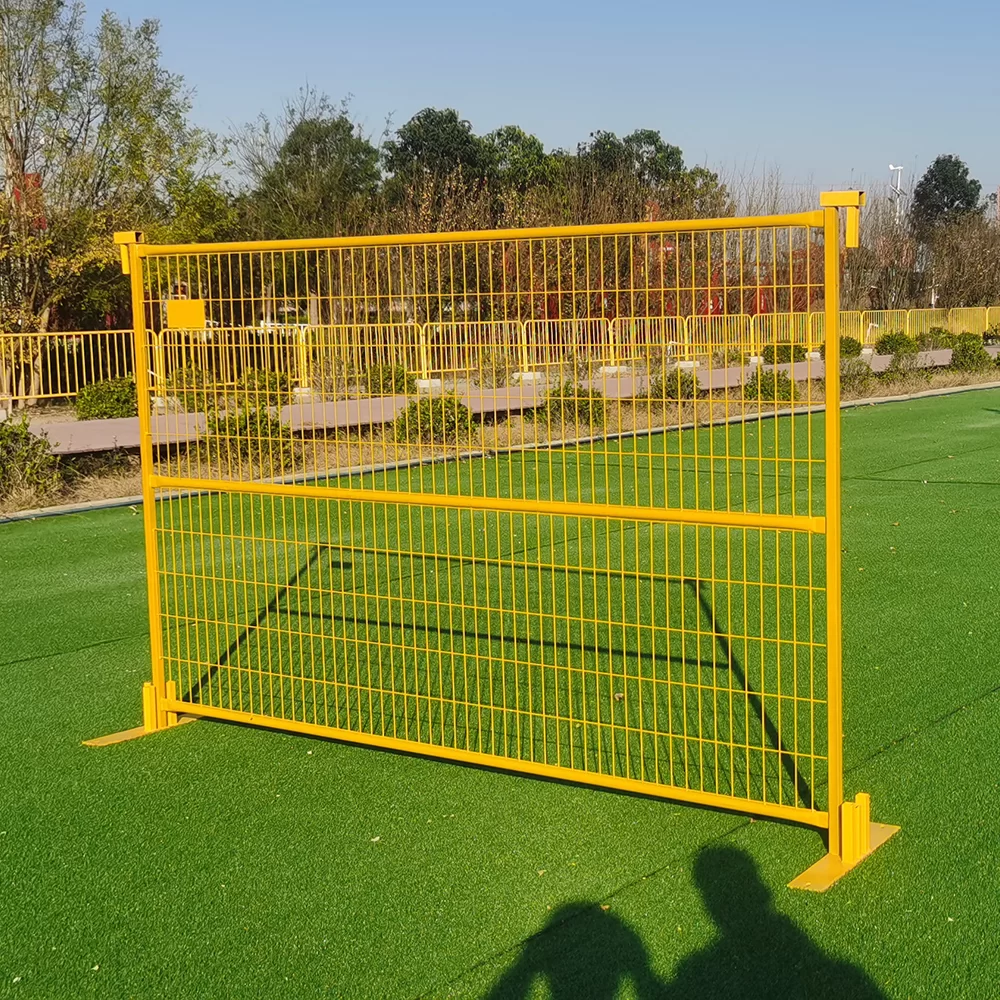
So, what makes these fences tick? At its core, mesh weld fencing starts with high-quality steel wire, typically low-carbon steel for flexibility and strength. The real magic happens during the welding process. Individual wires, both longitudinal and transverse, are precisely resistance-welded at their intersections. This creates a rigid, unitary panel – no individual wires can be easily removed, which is a huge security advantage, actually.
After welding, the panels undergo various protective treatments. The most common, and frankly, crucial ones are galvanization (hot-dip or electro-galvanized) and PVC or powder coating. Galvanization provides a sacrificial zinc layer that protects against rust, while powder coating adds a durable, often colorful, aesthetic finish that further boosts corrosion resistance. From what I’ve seen, the multi-layer protection really extends the service life, often to several decades, even in harsh environments.
Technical Specs: What to Look For
When you're spec'ing out a project, these are the numbers you'll want to keep in mind. It's not just about height, you know.
Specification | Typical Range | Notes |
Wire Diameter | 3.0 mm - 6.0 mm (≈9 to 3 gauge) | Thicker wire = stronger panel |
Mesh Aperture | 50x100mm, 50x150mm, 50x200mm | Smaller openings enhance security |
Panel Height | 1.0 m - 3.0 m | Custom sizes available |
Panel Width | 2.0 m - 3.0 m | Standard widths for easy installation |
Coating Options | Hot-dip Galvanized, PVC Coated, Powder Coated | Impacts durability and appearance; real-world use may vary |
Where Does It Shine? Application Scenarios & Advantages
Honestly, the versatility is what truly impresses me. We see mesh weld fencing everywhere:
· Residential & Commercial: Defining property lines, securing gardens, playgrounds, and retail perimeters. Many customers say it offers a feeling of security without feeling "caged in."
· Industrial & Infrastructure: Protecting factories, warehouses, power stations, airports, and railway lines. Its robust nature makes it ideal for high-security areas.
· Public Works: Parks, schools, sports fields – providing safety and crowd control.
· Agriculture: Livestock enclosures, crop protection (though a slightly different variant often).
The core advantages are pretty clear: excellent security due to the rigid, difficult-to-cut structure; good visibility for monitoring; relatively quick installation; and a very long service life, especially for panels meeting ISO 9001 and CE certifications. I've heard anecdotal evidence of fences standing strong for 30+ years with minimal maintenance, which is quite remarkable.
Choosing Your Partner: Vendor Comparison & Customization
When it comes to selecting a supplier for mesh weld fencing, it’s not just about the lowest price. Trust me on this. You want a vendor who understands customization, quality, and support. Things like custom panel heights, specific color matching for branding, or even integrated security features (e.g., razor wire attachments, CCTV poles) are all possible.
Feature | Leading Manufacturers | Budget Options |
Quality Certifications | ISO 9001, CE, ASTM compliant | May vary, often fewer |
Customization Options | Extensive (colors, sizes, accessories) | Limited, standard products only |
Post-Sale Support | Installation guides, warranties, technical support | Often minimal or none |
Material Traceability | Full documentation for steel, coatings | Limited or unavailable |
It seems that vendors offering comprehensive test data – demonstrating tensile strength, impact resistance, and salt spray corrosion tests – tend to be the more reliable choice. Don't be afraid to ask for these details!
A Quick Case Study
I recently spoke with a facility manager for a new solar farm installation in a pretty remote area. Their main concern was unauthorized access and potential theft of equipment. They opted for a 2.5-meter high mesh weld fencing with a 50x100mm aperture, hot-dip galvanized and then powder-coated green to blend with the landscape. The installation was surprisingly fast, given the linear footage, and the rigid panels proved highly resistant to tampering. The manager specifically mentioned the "peace of mind" it offered, knowing the site was well-secured without feeling like a prison. That's a pretty strong endorsement in my book.
The Final Word
In a world where security and durability are paramount, mesh weld fencing really stands out. It's a proven solution that blends industrial-grade strength with modern design possibilities, making it a smart choice for almost any perimeter security need. So, next time you're thinking about boundaries, think welded mesh – it just might be the perfect fit.
References
1. ISO 9001:2015 - Quality management systems — Requirements. International Organization for Standardization.
2. ASTM F2453/F2453M-20 - Standard Specification for Welded Wire Mesh Fence Fabric. ASTM International.
3. Galvanizers Association. (n.d.). The benefits of hot dip galvanizing. Retrieved from [Example Industry Resource Website].


-

How to Buy Horse Panels for Different Farm Layouts To buy horse panels with a suitable balance of layout flexibility, protection, and budget, start with the enclosure size and livestock pressure, then choose the pipe profile and finish. Our horse panels use industrial-grade steel, come in several standard sizes, and can be customized for stable, paddock, and temporary enclosure projects. Read More >26 Nov, 17
-

Temporary Fence Panel Manufacturers: Round Pipe or Square Tube? Round pipe and square tube temporary fence panels share welded mesh construction, but their openings, frame sizes, panel dimensions, and base arrangements suit different site layouts. This comparison helps you match the fence format to perimeter planning, visibility, handling, and installation work before requesting a quotation. Read More >26 Nov, 11
-

How to Choose a Heavy Duty Steel Pipe Sheep Panel Manufacturer for Farm Pens A practical guide to selecting Heavy Duty Sheep Panels by pen type, height, rail count, pipe profile, connection method, gate mounting, and animal-safety details. The product suits permanent, semi-permanent, and portable sheep containment layouts. Read More >26 Nov, 02
-

Horse Panel FAQ: Specifications, Customization, Ordering and Support Questions This FAQ answers the most common buyer questions about horse panels from Anping Haotian Hardware Wire Mesh Products Co., Ltd. — covering available sizes, pipe styles, finish options, customization process, and after-sales support. Whether you are sourcing livestock fencing panels for a stable, paddock, or temporary enclosure, the answers below draw directly from our published product documentation. Read More >26 Oct, 29
If you are interested in our products, you can choose to leave your information here, and we will be in touch with you shortly.


