


Cattle Panel 16 Feet: Durable Livestock Fencing Solutions for Global Applications
Cattle Panel 16 Feet: A Practical Solution for Livestock and Beyond
At first glance, a cattle panel 16 feet might seem like a simple piece of agricultural hardware — just a long, sturdy grid of metal bars. But if you dig a little deeper, it’s clear these panels are quietly solving global challenges in livestock management, construction, and even emergency relief. The ability to contain and protect animals safely, efficiently, and cost-effectively is a cornerstone of food security and rural development worldwide. Understand these panels well and you tap into a bigger story about innovation meeting practicality, whether in a Midwest farm or a rural village facing resource constraints.
The Global Importance of Cattle Panels
Livestock farming accounts for about 40% of global agricultural GDP, employing billions and feeding millions daily. But controlling animals – especially large ones like cattle – without safe, durable fencing has been a persistent challenge. According to the World Bank Agriculture Overview, improving livestock infrastructure could boost productivity by 20-30% in many developing regions. This is where the 16 feet cattle panel steps in.
Long enough to create large pens without constant setup, cattle panels are cost-effective solutions that address the difficulty of erecting functional livestock fencing in varied environments – from sprawling ranches in the US to smallholder farms in Sub-Saharan Africa.
Defining the Cattle Panel 16 Feet
In simple terms, a cattle panel is a metal grid panel, typically made of galvanized steel or sometimes PVC-coated wire, designed to robustly contain livestock. The “16 feet” dimension is a standardized length that allows farmers and ranchers to efficiently configure large enclosures with fewer attachment points and less material waste.
It’s quite ingenious how this simple framework supports modern animal husbandry practices and often doubles as construction scaffolding, garden fences, or even mobile barriers in humanitarian contexts. The panels marry simplicity with strength, making them a versatile asset.
Core Components and Practical Features
Durability
Cattle panels are typically galvanized to resist rust and corrosion — essential for outdoor, year-round use in wet or humid climates. This longevity means a farmer invests once and benefits for years, saving time and money on repairs and replacements.
Weight and Portability
Oddly enough, despite their size, these panels are surprisingly portable. Weighing between 50 to 60 pounds, they can be moved by one or two people, which is critical if you’re reconfiguring pens or transporting them to a remote backyard. The 16-foot length balances ease-of-movement with the need to cover large areas quickly.
Safety
Proper spacing of the horizontal and vertical bars prevents injury to animals by eliminating sharp edges or gaps large enough for hooves or heads to get caught in. This improves animal welfare, which, frankly, every farmer cares deeply about.
Cost Efficiency
The modular nature of panels cuts down installation costs and also allows customization. Whether you’re fencing a vast pasture or a small barn yard, you only buy what you need, avoiding the costs associated with cutting or welding traditional fencing materials on-site.
Global Applications & Use Cases
- Livestock Management: Ranches and farms in North America and Australia use cattle panels to build temporary or permanent pens. Their sturdiness suits handling bulls, calves, and even horses.
- Disaster Relief: NGOs in Africa and Asia rely on these panels to create quick animal shelters post-flooding or drought, helping protect livestock essential for community livelihoods.
- Urban Farming: In cities, modular pens made from cattle panels allow hobby farmers to raise chickens or goats safely.
- Industrial Use: Panels act as fencing or safety barriers in mining sites or large warehouses, showing versatility beyond agriculture.
For an example close to home, a farmer in Texas recently reported how a few cattle panels helped rebuild his compound’s fencing after a severe storm without waiting for expensive equipment or specialists.
Mini Takeaway:
The 16-foot cattle panel is more than just a fence — it’s a multipurpose tool that enhances safety, mobility, and cost savings worldwide.
Product Specifications of a Typical 16 Feet Cattle Panel
| Feature | Specification |
|---|---|
| Length | 16 feet (192 inches) |
| Height | 50 - 60 inches (varies by model) |
| Material | Galvanized Steel Wire (14 - 16 gauge) |
| Wire Spacing | Horizontal wires spaced 4 - 6 inches apart |
| Weight | Approx. 50 - 60 lbs |
| Finish | Hot-dip galvanized or PVC coated |
Vendor Comparison: Top Cattle Panel Suppliers
| Feature | Haotianmesh | Ranchers Supply Co. | FarmFencing Ltd. |
|---|---|---|---|
| Material Quality | Premium galvanized steel with strict testing | Standard galvanized steel | Galvanized and optional PVC coating |
| Customization Options | Varied sizes, coatings, custom lengths | Limited sizes, fixed designs | Multiple heights, panel combos |
| Shipping & Delivery | Worldwide, efficient logistics | US only | Regional, limited export options |
| Price Range | $$$ (premium but value) | $$ (budget-friendly) | $$$ (mid-tier) |
Advantages & Long-Term Value
Beyond immediate fencing needs, the 16 feet cattle panel offers several perks that last:
- Cost Savings: Durable panels cut down replacement frequency and installation labor.
- Sustainability: Galvanized steel panels are recyclable and last for years, reducing waste.
- Animal Welfare: Safer enclosures mean less stress and injury, improving productivity.
- Flexibility: Reusable panels adapt to changing farm sizes or needs.
- Community Impact: Sturdy fencing supports local economies by protecting livestock assets.
In real terms, these impacts feed directly into food security debates worldwide and smallholder livelihoods.
Future Trends & Innovations
Frankly, the future of cattle panels is quite dynamic. Advances include:
- Lighter Composite Materials: Research into polymer-metal hybrid panels could enhance portability while maintaining strength.
- Smart Fence Integration: IoT sensors embedded in panels to monitor animal behavior or fence breaches remotely.
- Eco-Coatings: Biodegradable or low-impact coatings replacing traditional galvanization to further reduce environmental footprint.
- Mass Customization: Digital manufacturing allows custom sizes ordered online, speeding deployment in emergencies.
Challenges & Solutions
Nothing is perfect, and cattle panel fencing has its quirks. Some challenges include:
- Initial Cost: Premium panels can be pricier upfront compared to traditional wire fencing.
- Transport and Storage: Large panels require proper handling and space.
- Installation Skill: While easier than many solutions, poor installation can undercut safety.
Those investing in cattle panels should consider professional advice, utilize modular clip systems to improve assembly, or partner with trusted suppliers like Haotianmesh who offer expertise along with quality materials.
FAQ: Common Questions About Cattle Panel 16 Feet
- Q: How do I choose the right cattle panel for my farm size?
- A: Consider the number and size of animals, paddock shape, and accessibility. The 16-foot length suits medium to large setups, minimizing fence posts. Professional vendors can help customize layouts.
- Q: Can cattle panels withstand harsh weather conditions?
- A: Yes, especially if galvanized or PVC-coated, they resist rust, snow, and rain. Regular inspection is advised to maintain integrity.
- Q: Are these panels suitable for other livestock besides cattle?
- A: Definitely. Their design is versatile for sheep, goats, horses, and even alpacas. Adjusting the height may be necessary.
- Q: What are common maintenance tips for panel fencing?
- A: Check for rust spots and re-coat if needed, tighten loose connectors, and clear vegetation that can damage the panels.
- Q: Where can I buy quality 16 feet cattle panels globally?
- A: Reputable suppliers like Haotianmesh offer worldwide shipping and tailored support for diverse needs.
Conclusion
Understanding the cattle panel 16 feet is unlocking an essential piece of the livestock management puzzle. Durable, flexible, and cost-effective, these panels are quietly improving the lives of farmers, animals, and communities from local pastures to global disaster zones. For anyone involved in agriculture or animal care, they offer a sense of security and long-term value that traditional fencing often can’t match.
Interested in upgrading your livestock fencing with high-quality panels? Visit our website: https://www.haotianmesh.com to explore products and expert guidance.
Oddly enough, sometimes the simplest tools deliver the biggest impact... the humble cattle panel included.
References:
-
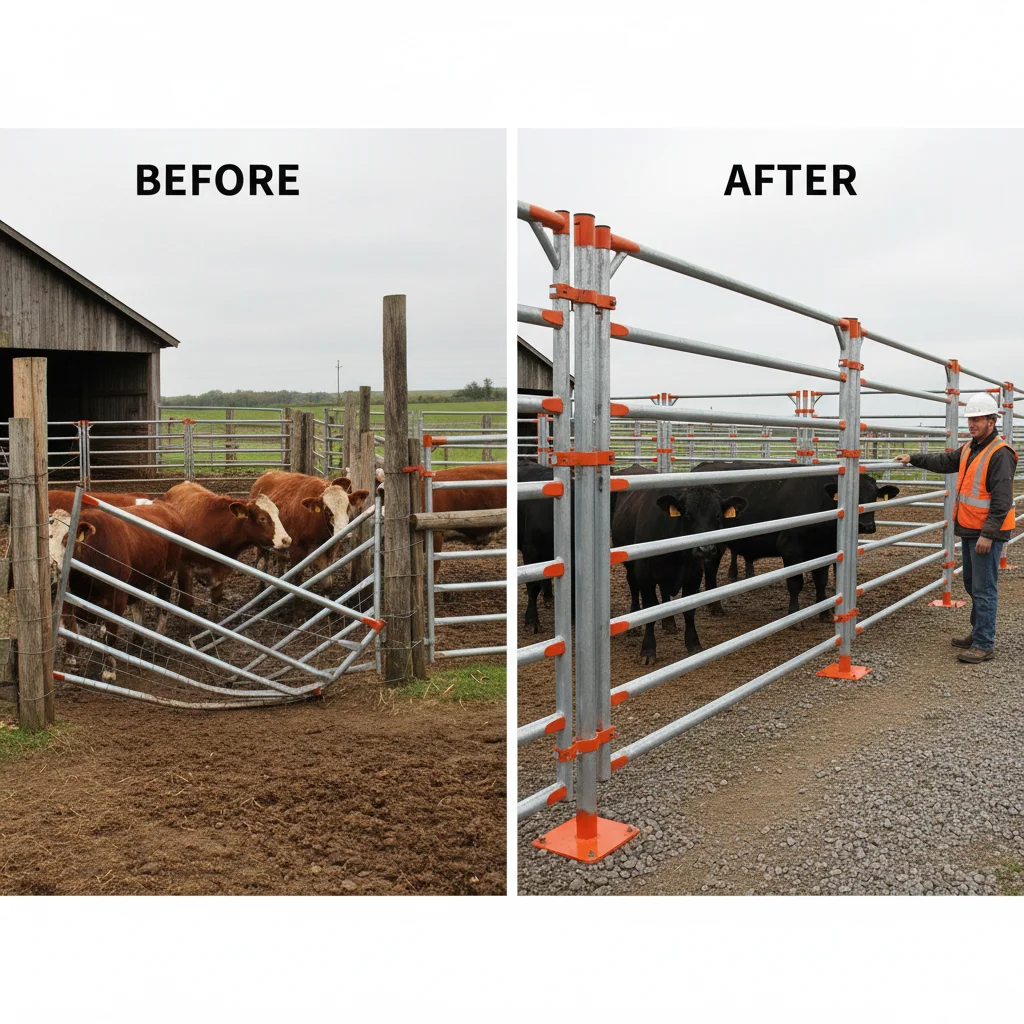
Durable Freestanding Livestock Panels for Efficient Animal Handling In the demanding world of agricultural management, the need for flexible and robust containment solutions has never been more critical. freestanding livestock panels offer a sophisticated answer to the challenges of animal handling, providing a secure yet adaptable barrier that does not require permanent installation or deep grounding. By allowing farmers and ranchers to redefine their spatial layouts in minutes, these panels maximize the efficiency of existing infrastructure while ensuring the safety of both the handlers and the livestock. Read More >26 Apr, 17
-
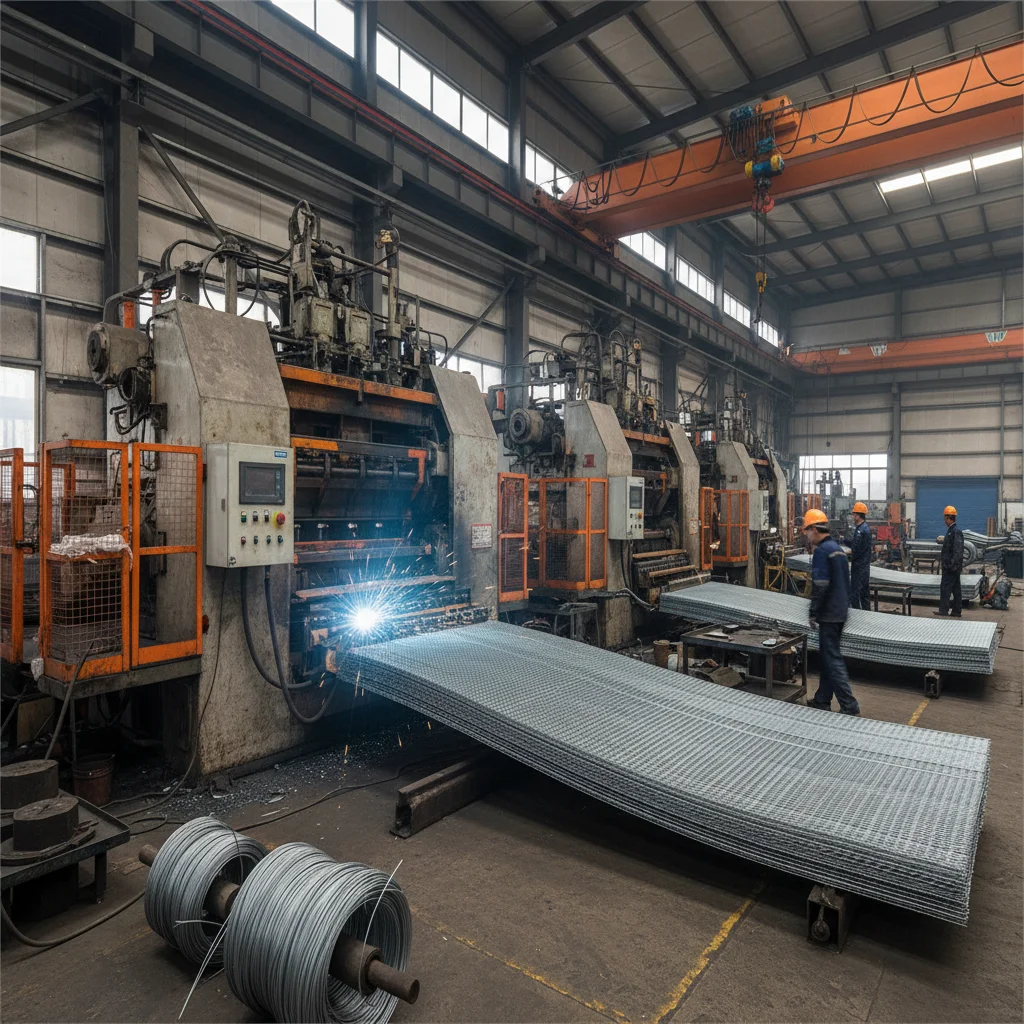
Professional Galvanized Welded Mesh Factory for Industrial Projects Finding a reliable galvanized welded mesh factory is critical for ensuring the structural integrity and longevity of your industrial or agricultural installations. Galvanized welded mesh is prized for its exceptional strength and resistance to corrosion, making it the go-to choice for fencing, animal cages, and construction reinforcement. However, not all factories adhere to the same quality standards. Whether you are sourcing for a large-scale infrastructure project or a specialized commercial application, understanding the manufacturing process and quality benchmarks is key to making a cost-effective investment that lasts for decades. Read More >26 Apr, 16
-
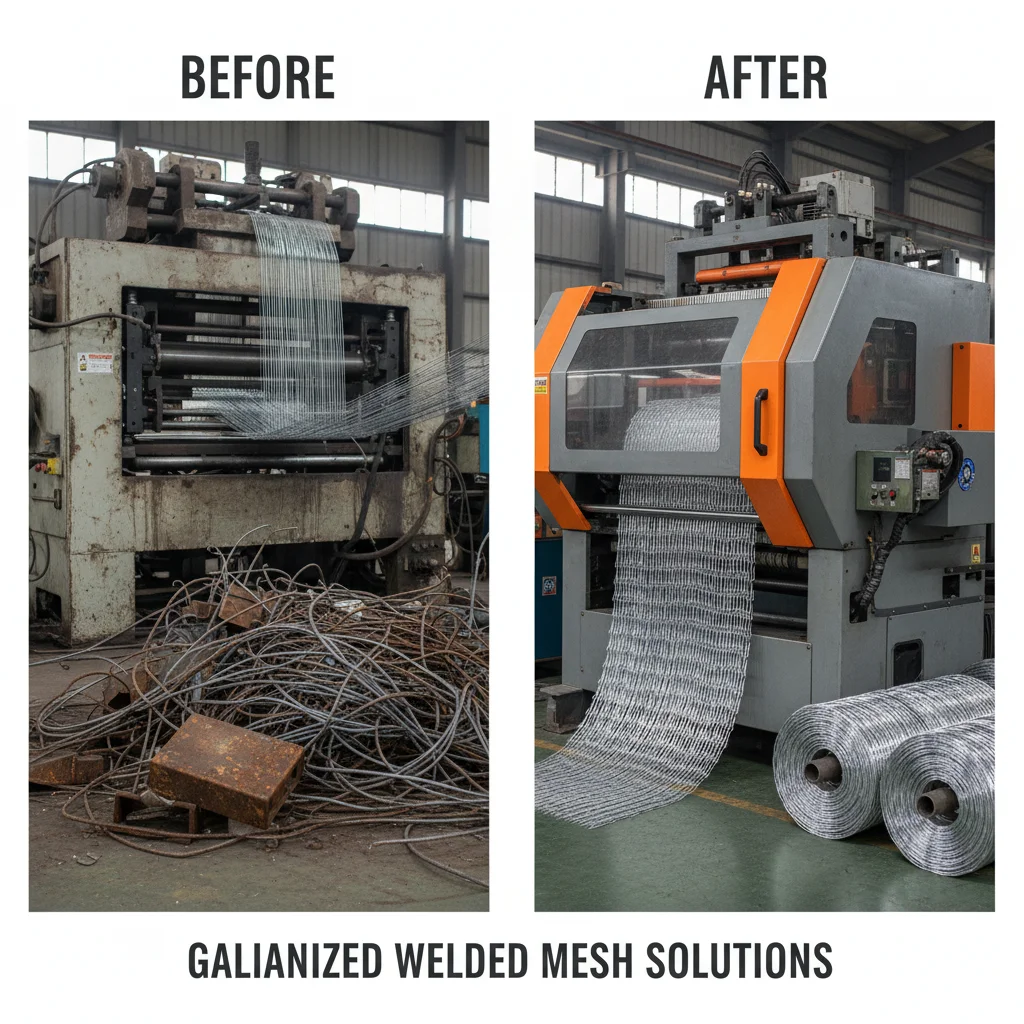
Professional Galvanized Welded Mesh Exporter for Quality Projects Selecting a high-quality fencing or screening solution requires more than just picking a product; it requires partnering with a reliable galvanized welded mesh exporter who understands the balance between structural integrity and corrosion resistance. Whether you are securing an industrial perimeter, building animal enclosures, or implementing architectural reinforcements, the quality of the galvanization process determines the lifespan of your installation. In this guide, we will explore the technical advantages of galvanized welded mesh and how to identify a global supplier that meets international quality standards to ensure your investment stands the test of time. Read More >26 Apr, 09
-
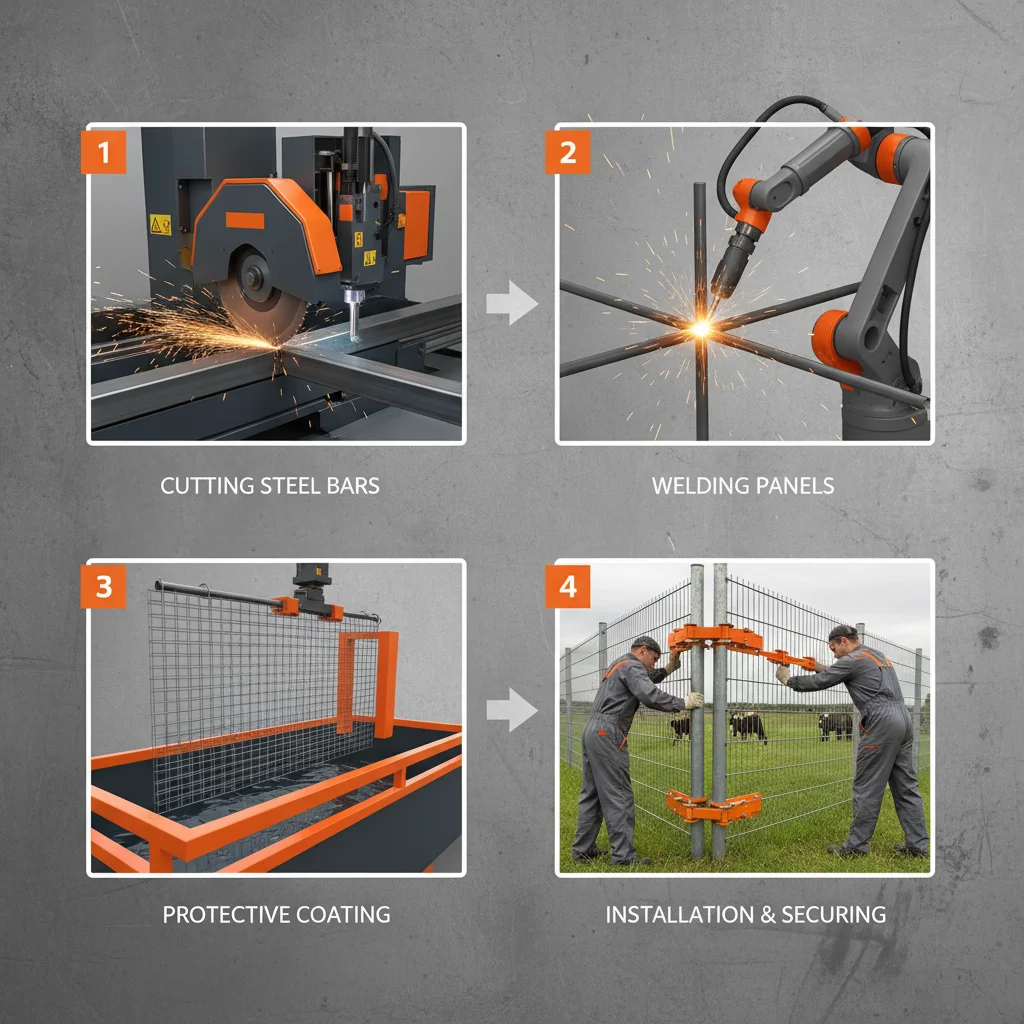
Essential Fencing Panels for Livestock Management and Farm Productivity Fencing panels for livestock are essential components in modern animal husbandry, playing a critical role in efficient farm management, animal welfare, and land utilization. Globally, the demand for robust and reliable fencing solutions is increasing due to the expanding livestock industry and the need to protect grazing lands from encroachment and predation. These panels aren’t simply barriers; they represent a vital investment in a farm's productivity and the health of its animals. Read More >26 Apr, 08
If you are interested in our products, you can choose to leave your information here, and we will be in touch with you shortly.


