


Comprehensive Guide to 52 Cattle Panels | Durable Livestock Solutions
Understanding 52 Cattle Panels: A Vital Resource for Modern Livestock Management
At first glance, 52 cattle panels might sound like an oddly specific term, but it represents a crucial element in livestock farming worldwide. These panels aren’t just metal bars; they embody decades of innovation and adaptability within animal husbandry — helping farmers improve animal welfare, control, and farm efficiency. Globally, as demand for sustainable animal farming rises, understanding the value and applications of 52 cattle panels becomes ever more pertinent.
Why 52 Cattle Panels Matter Globally
The United Nations estimates that over 70% of the world’s agricultural output relies on livestock, directly linking panel solutions to food security and rural livelihoods. Meanwhile, animal welfare groups emphasize safe penning systems that reduce stress and injury — and panels like these form the backbone of such systems. Moreover, as urban farming grows and rural areas industrialize, well-designed cattle panels help meet scale and regulatory requirements. In real terms, without something like these panels, managing cattle safely and efficiently becomes a guessing game — with costly results.
What Exactly Are 52 Cattle Panels?
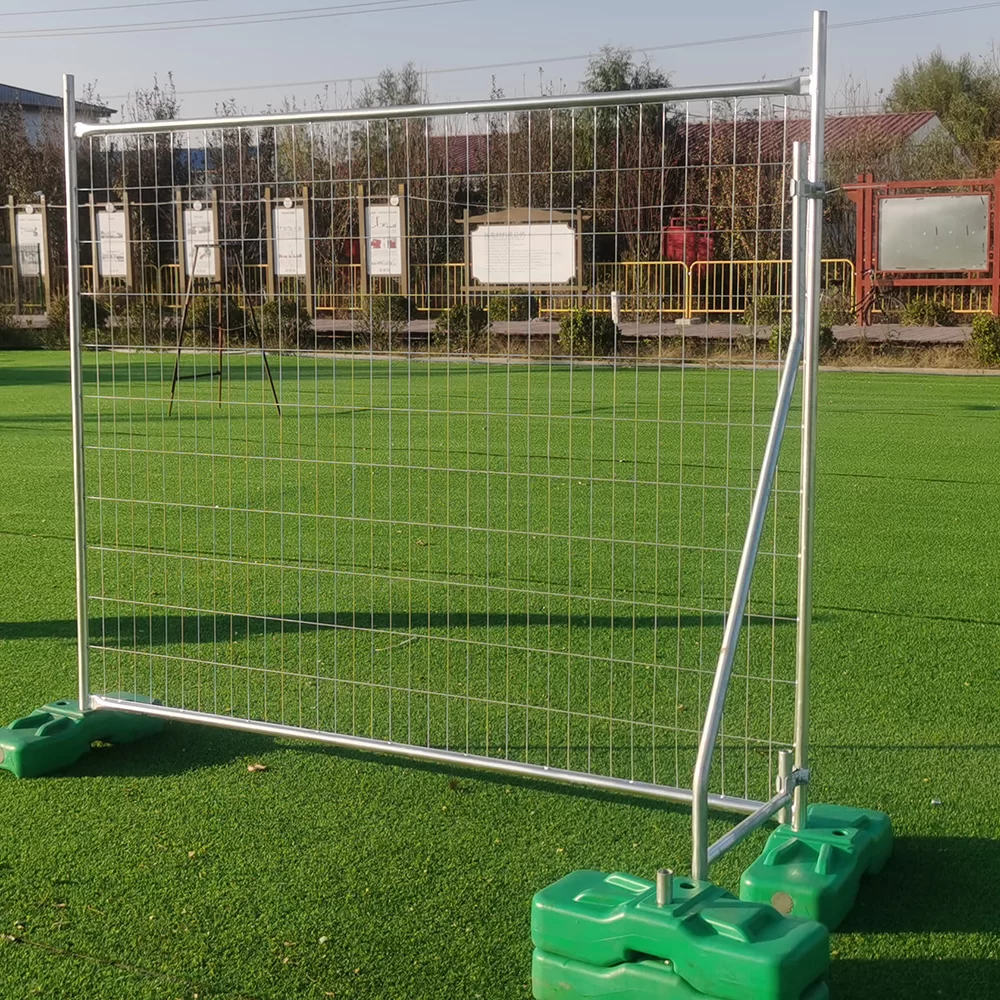
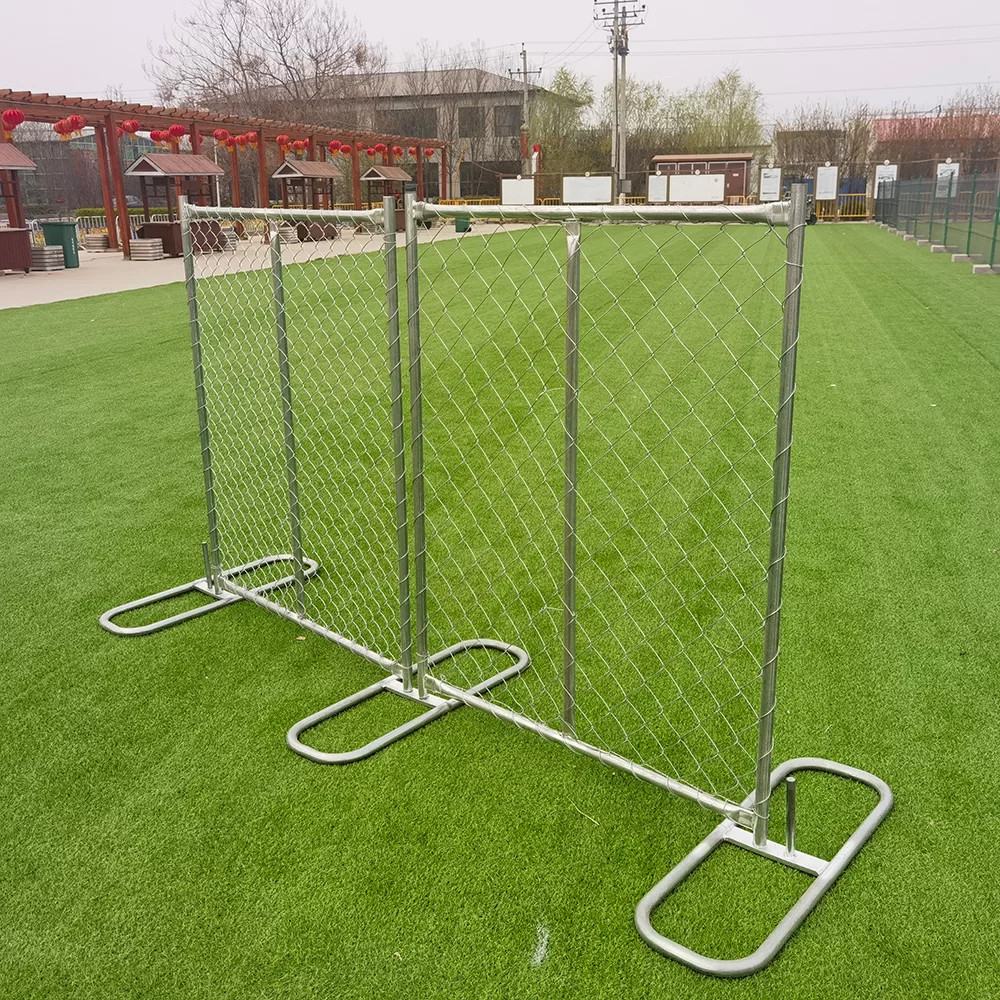
Simply put, 52 cattle panels refer to livestock fencing sections approximately 52 inches wide (often referring to their length or a standard module). Crafted typically from galvanized steel, these panels create secure, modular enclosures for cattle and other livestock. Their design is a compromise of strength, weight, and spacing to maximize containment while minimizing animal distress. They connect easily, making temporary or permanent pens flexible for changing farm needs.
Oddly enough, while they seem like just “fencing,” their impact ripples through modern livestock production, from smallholders to industrial feedlots, and even humanitarian settings where animal safety is crucial.
Key Components and Factors Behind 52 Cattle Panels
- Durability: Typically galvanized or powder-coated, these steel panels resist rust and wear even in harsh weather — essential for long-term farming use.
- Modularity & Scalability: The panels can be linked in various configurations — pens, chutes, or larger arenas — making them highly adaptable to farm size and purpose.
- Safety: Rounded edges, proper bar spacing, and structural integrity reduce animal injury risks and farmer accidents.
- Portability: Light enough for manual movement but robust enough to hold large animals, making them perfect for temporary setups or rotational grazing.
- Cost Efficiency: Compared to custom-built corrals, 52 cattle panels offer a ready-to-install solution that minimizes labor and material costs over time.
| Feature | Details |
|---|---|
| Width | 52 inches (approx. 132 cm) |
| Height | 48 to 60 inches |
| Material | Galvanized steel tube (usually 12-gauge) |
| Weight | ~25-35 lbs per panel (varies by height and design) |
| Finish | Hot-dip galvanized or powder-coated for weather resistance |
| Bar Spacing | 4 to 6 inches between horizontal bars |
Global Applications & Use Cases of 52 Cattle Panels
From the sprawling ranches of Texas to community farms in Kenya and emergency livestock shelters following natural disasters in Australia, the reach is extensive. Consider these scenarios:
- Emergency Relief Operations: After floods or hurricanes, temporary cattle enclosures safeguard displaced herds, ensuring food security.
(Source: UN FAO disaster recovery reports, 2022) - Commercial Feedlots: Panels streamline cattle sorting and handling, improving efficiency and safety.
- Rotational Grazing Systems: Panels allow precise pasture management, promoting sustainable land use.
- Research Facilities: Experimental farms use modular panels to create controlled environments for animal welfare studies.
Mini takeaway: Modular 52 cattle panels are everywhere — more flexible than fences and safer than makeshift barriers, making them the quiet heroes of animal agriculture.
Advantages & Long-Term Value of Using 52 Cattle Panels
Using these panels offers multifaceted benefits: less stress on animals (which means better weight gain), decreased injuries, and enhanced operational safety for handlers. Financially, the upfront investment often pays off with reduced maintenance, longer lifespan, and adaptability to changing herd sizes. Socially, responsible penning improves livestock dignity — a factor often overlooked but critical in markets that value ethical production.
Plus, the trust factor can’t be ignored. Farmers who switch to quality panels often note fewer escapes or accidents, leading to peace of mind that’s hard to quantify.
Vendor Comparison for 52 Cattle Panels
| Vendor | Material Quality | Customization Options | Pricing | Delivery Speed |
|---|---|---|---|---|
| Haotian Mesh | Galvanized steel, certified quality | Sizes, finishes, & connectors | Competitive bulk pricing | Typically 2–4 weeks |
| FarmFence Co. | Standard galvanized | Limited sizes | Mid-range | 1–2 weeks |
| AgriPanels Ltd. | Powder coated options | Custom colors & sizes | Premium pricing | 3–5 weeks |
Emerging Trends & Innovations in 52 Cattle Panel Technology
Looking ahead, sustainability drives most innovation. Some manufacturers experiment with recycled metals or biodegradable coatings to minimize environmental impact. Digital integration, like panels embedded with RFID tags or pressure sensors, allow real-time livestock monitoring — a game-changer for herd welfare and productivity.
Automation in farm operations means panels might soon connect seamlessly with automated gates and chutes. Green energy powered setups and improved powder coatings resistant to UV rays also offer interesting possibilities.
Challenges & How Experts Overcome Them
Of course, no solution is perfect. Common challenges with 52 cattle panels include weight (sometimes still too heavy for small-scale farmers), corrosion in extremely wet climates, and costs upfront. Innovative approaches like using lighter, high-tensile alloys or modular joints that fit without tools are gaining traction.
For corrosion, thorough galvanizing and onsite maintenance routines make all the difference. Also, partnerships with providers willing to ship in bulk or offer leasing can reduce financial barriers.
Frequently Asked Questions About 52 Cattle Panels
- Q: How durable are 52 cattle panels in tropical climates?
A: Typically, galvanized panels withstand tropical moisture well, but for very humid or saline areas, powder coatings or stainless steel variants extend lifespan. Regular cleaning and inspection improve durability. - Q: Can these panels be used for animals other than cattle?
A: Absolutely. They work well for horses, goats, and sheep, though bar spacing might need adjustment to suit smaller species. - Q: What’s the fastest way to assemble a pen using these panels?
A: Using compatible quick-connect couplers reduces setup time drastically, often meaning a one- or two-person team can assemble a standard pen in under an hour. - Q: Are 52 cattle panels eco-friendly?
A: While steel production has environmental impacts, longevity and recyclability of these panels reduce frequent replacements — a net positive sustainability factor. - Q: How do NGOs import these panels for international relief?
A: Most suppliers, like Haotian Mesh, offer export-ready packaging and global shipping, making procurement straightforward for organizations worldwide.
Conclusion: Why 52 Cattle Panels Deserve Your Attention
In summary, 52 cattle panels offer a robust, scalable, and practical method for safe livestock enclosures worldwide, balancing cost, durability, and animal welfare effectively. As the global community steers toward sustainable farming and ethical livestock treatment, tools like these become more than mere hardware — they become part of the solution.
For anyone interested in reliable, tested options, exploring 52 cattle panels from reputed manufacturers can unlock real operational advantages.
Feeling intrigued? Visit the site today and discover how these panels can reshape your herd’s future.
Quick Takeaway: Whether you’re running a large commercial outfit or a small farmstead, 52 cattle panels deliver safety, efficiency, and peace of mind — a true underappreciated staple in modern agriculture.
- UN Food and Agriculture Organization, Livestock and Food Security (2022)
- Wikipedia - Livestock Farming
- ISO 17564:2021 - Animal housing systems for cattle
-
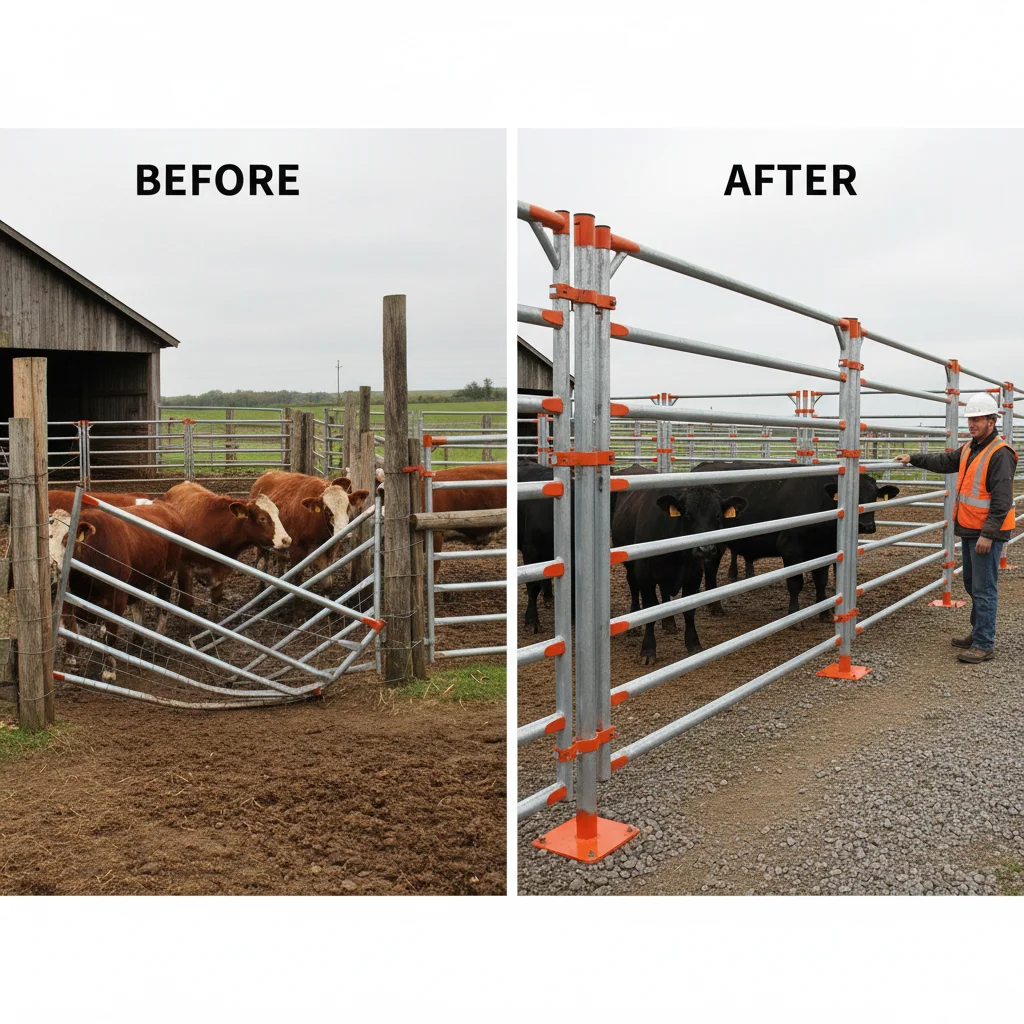
Durable Freestanding Livestock Panels for Efficient Animal Handling In the demanding world of agricultural management, the need for flexible and robust containment solutions has never been more critical. freestanding livestock panels offer a sophisticated answer to the challenges of animal handling, providing a secure yet adaptable barrier that does not require permanent installation or deep grounding. By allowing farmers and ranchers to redefine their spatial layouts in minutes, these panels maximize the efficiency of existing infrastructure while ensuring the safety of both the handlers and the livestock. Read More >26 Apr, 17
-
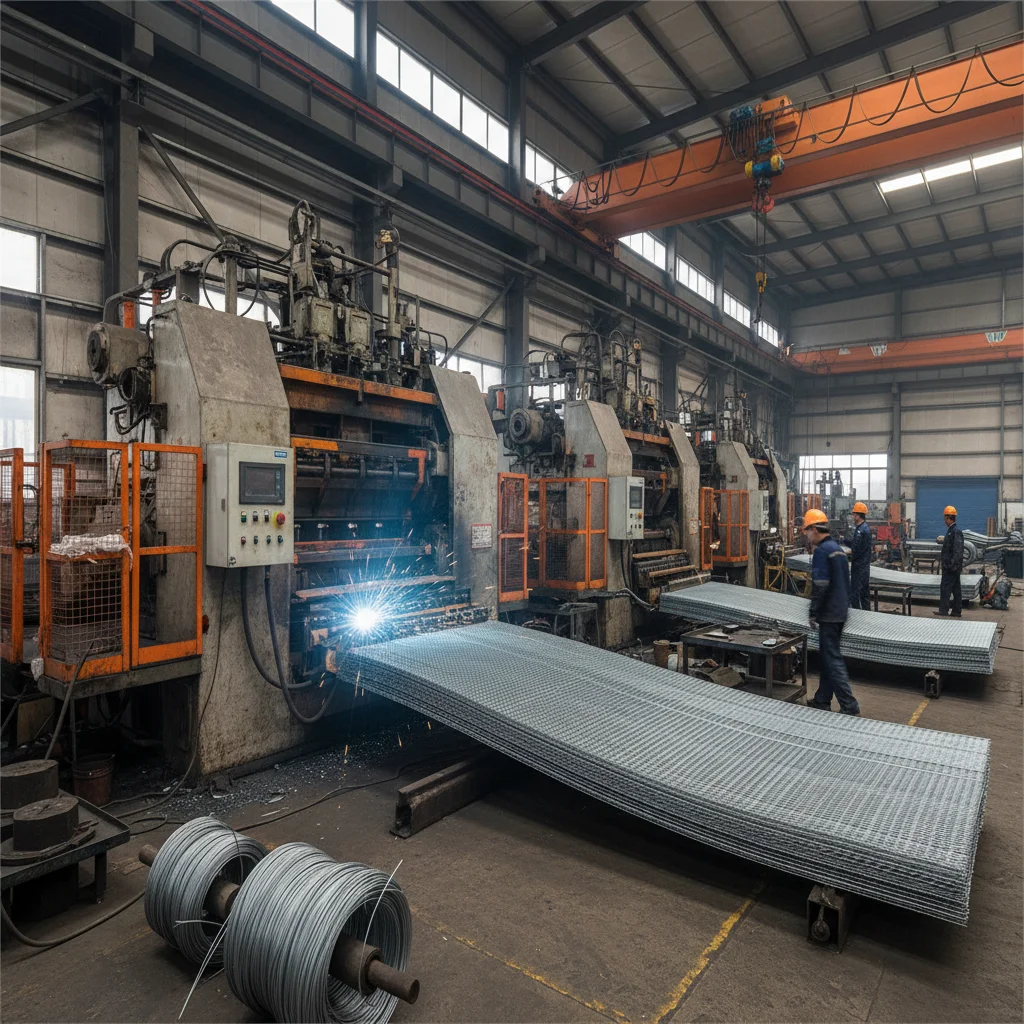
Professional Galvanized Welded Mesh Factory for Industrial Projects Finding a reliable galvanized welded mesh factory is critical for ensuring the structural integrity and longevity of your industrial or agricultural installations. Galvanized welded mesh is prized for its exceptional strength and resistance to corrosion, making it the go-to choice for fencing, animal cages, and construction reinforcement. However, not all factories adhere to the same quality standards. Whether you are sourcing for a large-scale infrastructure project or a specialized commercial application, understanding the manufacturing process and quality benchmarks is key to making a cost-effective investment that lasts for decades. Read More >26 Apr, 16
-
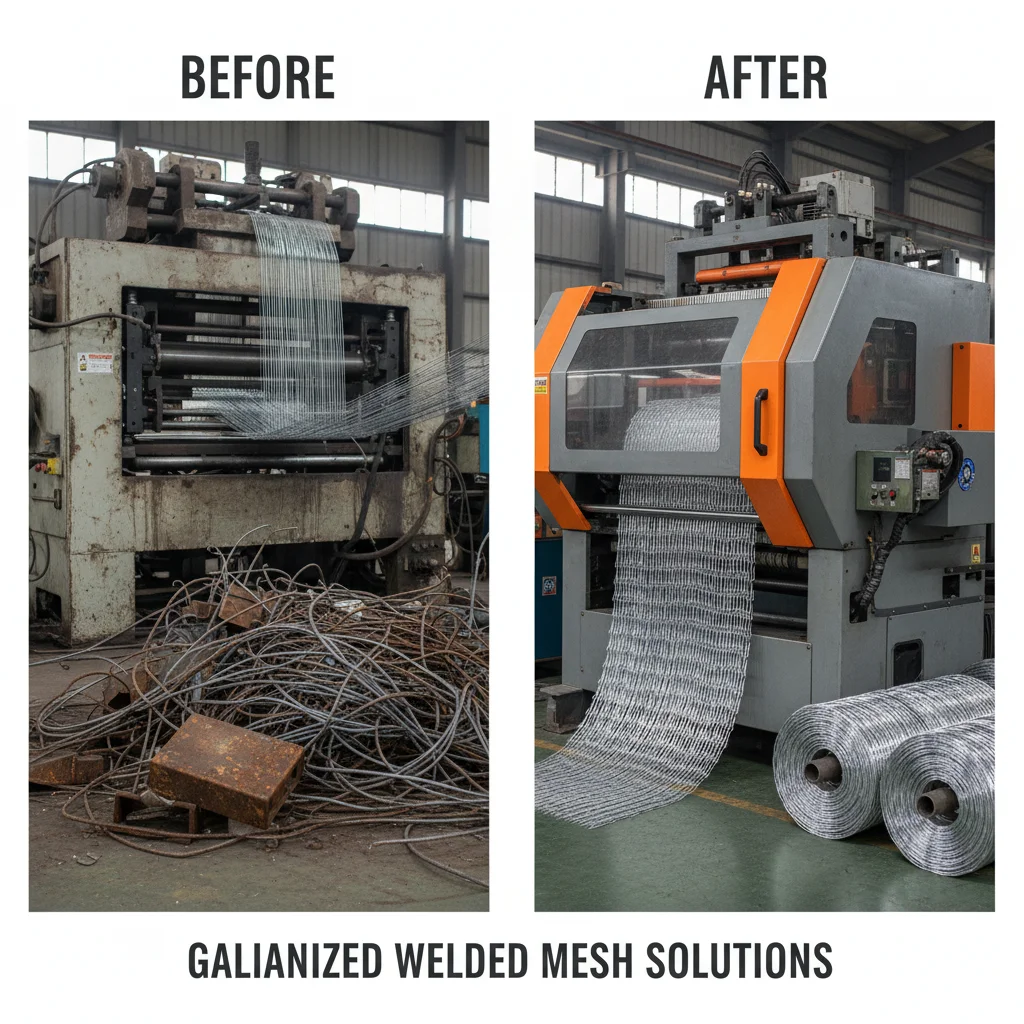
Professional Galvanized Welded Mesh Exporter for Quality Projects Selecting a high-quality fencing or screening solution requires more than just picking a product; it requires partnering with a reliable galvanized welded mesh exporter who understands the balance between structural integrity and corrosion resistance. Whether you are securing an industrial perimeter, building animal enclosures, or implementing architectural reinforcements, the quality of the galvanization process determines the lifespan of your installation. In this guide, we will explore the technical advantages of galvanized welded mesh and how to identify a global supplier that meets international quality standards to ensure your investment stands the test of time. Read More >26 Apr, 09
-
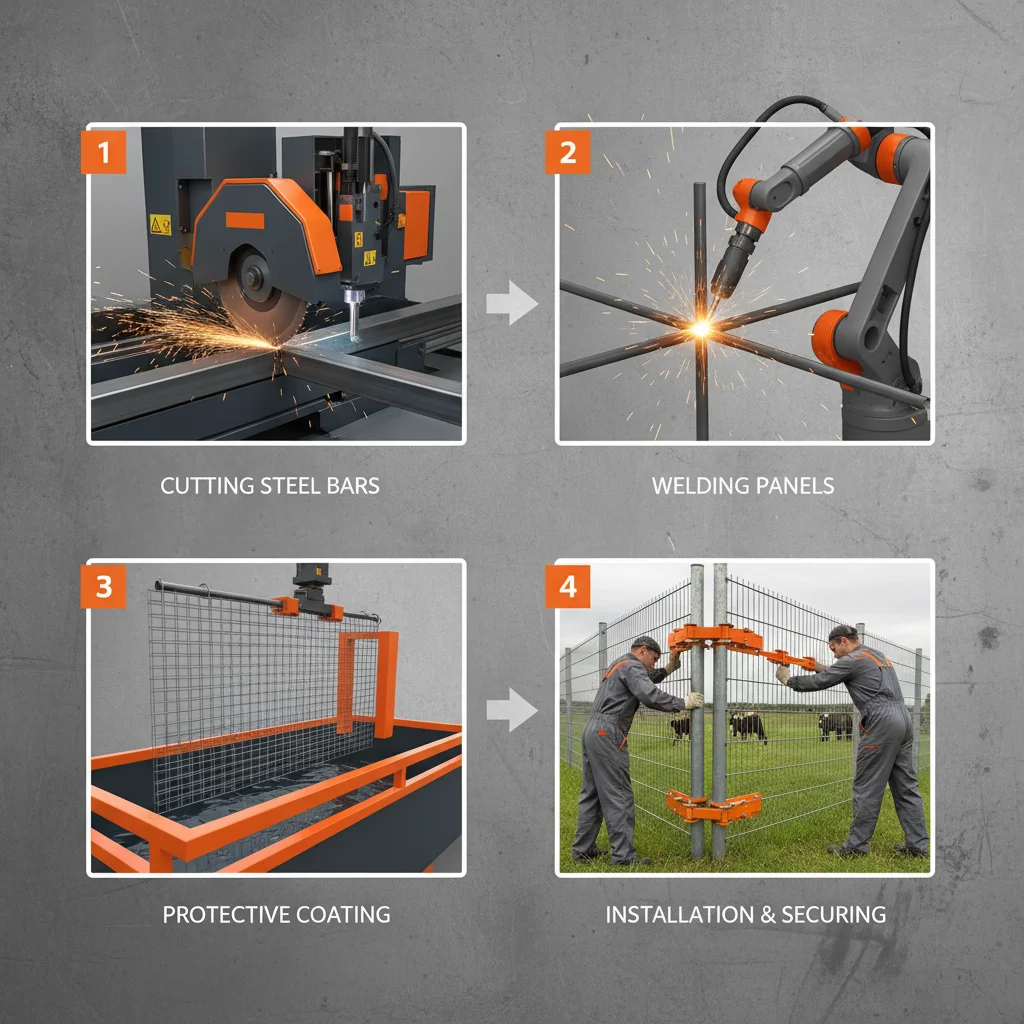
Essential Fencing Panels for Livestock Management and Farm Productivity Fencing panels for livestock are essential components in modern animal husbandry, playing a critical role in efficient farm management, animal welfare, and land utilization. Globally, the demand for robust and reliable fencing solutions is increasing due to the expanding livestock industry and the need to protect grazing lands from encroachment and predation. These panels aren’t simply barriers; they represent a vital investment in a farm's productivity and the health of its animals. Read More >26 Apr, 08
If you are interested in our products, you can choose to leave your information here, and we will be in touch with you shortly.


