


4×4 Cattle Panel Fence: Durable Livestock Containment for Global Agriculture
Understanding the 4x4 Cattle Panel Fence: Durable Infrastructure for Global Livestock Management
At first glance, a 4x4 cattle panel fence might seem like an everyday agricultural product — a simple wired grid framework for containing cattle. But, when you zoom out to the global stage, these panels become key players in sustainable farming, livestock safety, and even humanitarian relief. Their sturdy design not only improves animal welfare and farm productivity but also often reduces environmental impact. This fence system’s simplicity masks the significant role it plays in food security, rural economies, and disaster recovery efforts worldwide.
Global Context: Why the 4x4 Cattle Panel Fence Matters
Livestock farming is a backbone of agriculture for millions globally. According to the Food and Agriculture Organization (FAO), nearly 1.3 billion people depend on livestock for food, income, and livelihoods. Managing and protecting these herds from predators, theft, and disease is a universal challenge — especially in developing regions where resources can be scarce.
The 4x4 cattle panel fence answers this challenge by providing a reliable, easy-to-install containment solution. In fact, countries across continents from Africa to Australia rely on these panels for rapid fencing deployment, reducing labor and time costs. Their modular nature fits well with scalable farming operations, which aligns with sustainable agriculture frameworks promoted by the ISO 14001 Environmental Management standard.
What Is a 4x4 Cattle Panel Fence?
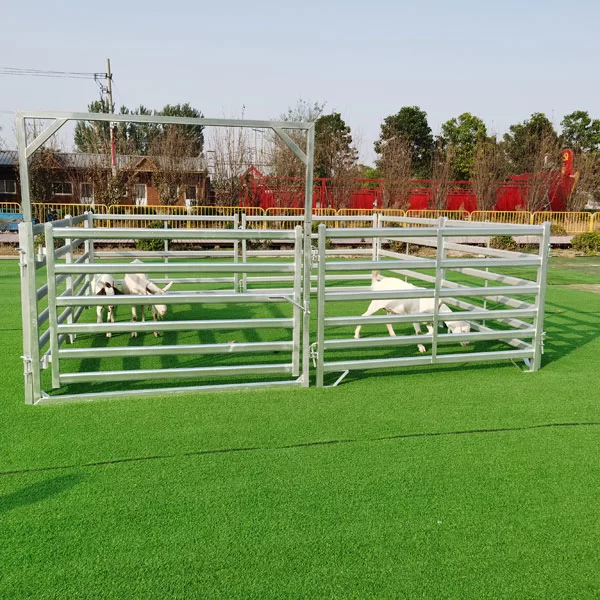
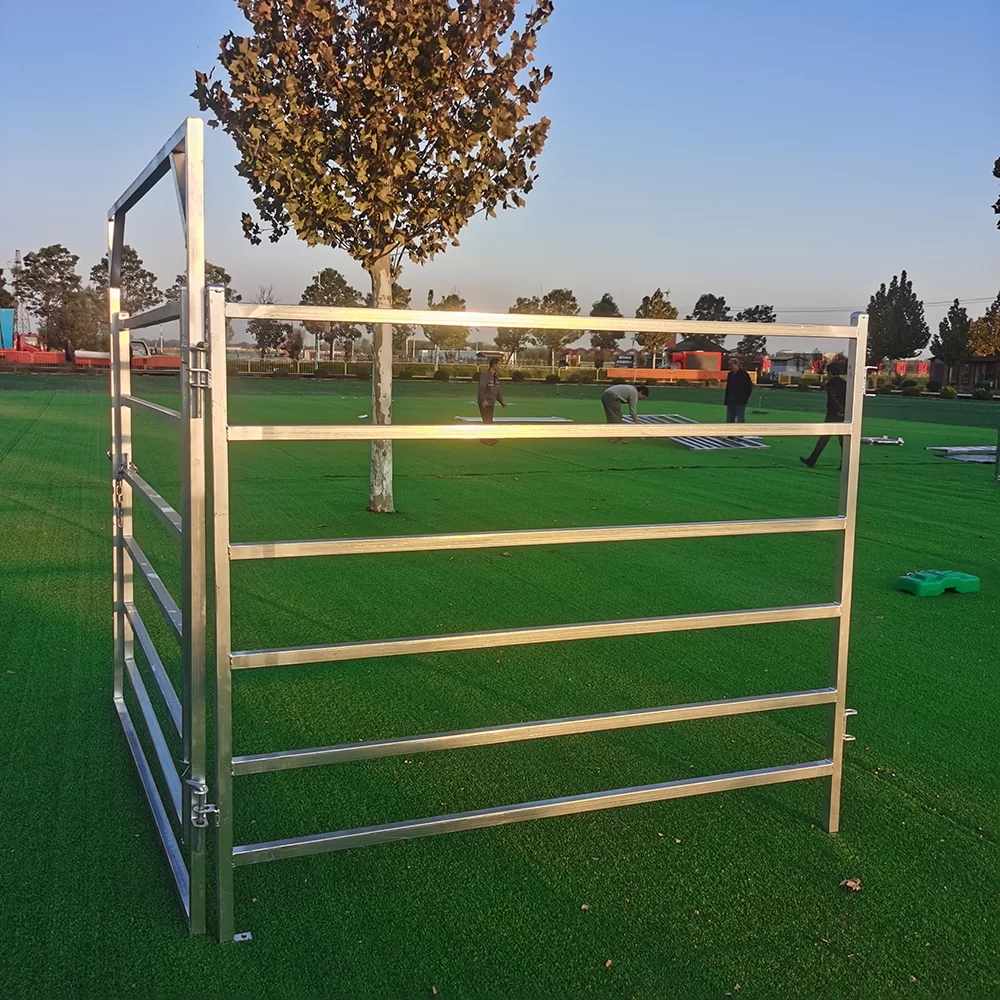
Simply put, a 4x4 cattle panel fence consists of rectangular or square grids, each 4 inches by 4 inches, constructed from welded steel wires. These panels typically measure 16 feet in length and around 50 inches in height, although variants exist. The mesh size and panel dimensions are optimized to allow visibility and airflow, while preventing cattle from escaping or getting stuck.
The steel is often galvanized or coated with polymer for rust resistance. Fundamentally, these panels offer an industrial-strength barrier supporting modern livestock farming’s need for safe, cost-effective, and adaptable fencing infrastructure.
Core Components & Factors of 4x4 Cattle Panel Fence
Durability
The panels’ welded wire design and galvanization grant impressive longevity — resisting rust, bending, or breakage even under substantial animal pressure. This longevity is crucial in rural areas where frequent replacement is neither economical nor feasible.
Modularity & Scalability
Since these panels come in standard sizes, farmers can easily expand or modify their fences as herd size or terrain changes. The modular structure allows rapid assembly without heavy machinery or expertise.
Cost Efficiency
Compared with traditional post-and-rail fencing, 4x4 panels require less labor and maintenance, offering lower total cost of ownership over time, making it accessible for small-scale farmers and NGOs.
Safety
The smooth wire intersections reduce injury risk to animals, a factor often overlooked but vital for ethical farming practices and animal welfare regulations.
Portability
Because the panels are uniform and lightweight enough for manual transport, emergency responders or relief organizations can deploy fencing quickly in remote or disaster-hit areas.
Typical Specifications of a 4x4 Cattle Panel Fence
| Specification | Details |
|---|---|
| Material | Galvanized steel wire, 12.5 - 14 gauge |
| Mesh Size | 4 inches x 4 inches |
| Panel Length | 16 feet (approx. 4.88 m) |
| Panel Height | 48-52 inches (121.9 - 132 cm) |
| Coating | Hot-dip galvanization / Powder coating options |
| Weight | ~25-30 kg per panel |
Global Applications & Use Cases
From large ranches in North America to remote villages in East Africa, 4x4 cattle panel fencing is widely adopted for numerous purposes:
- Post-disaster livestock containment: In flooding or drought-affected zones, NGOs employ these panels to quickly secure displaced herds, preventing loss and disease spread.
- Community farming cooperatives: Shared grazing lands can be divided efficiently, improving herd management and conflict resolution among farmers.
- Wildlife management: Some conservation projects use these fences to protect livestock from predators while allowing wildlife passage through integrated openings.
- Industrial agricultural zones: Large-scale cattle operations rely on them for subdividing pastures in cost-effective ways without sacrificing durability.
If you want to order or learn more about these fencing panels, consider how the modular design supports 4x4 cattle panel fence solutions tailored for diverse needs.
4x4 Cattle Panel Fence Vendors: A Quick Comparison
| Feature | Vendor A | Vendor B | Vendor C |
|---|---|---|---|
| Material Quality | Heavy galvanized steel | Standard galvanization | Powder-coated option |
| Customization | Panel length and height available | Limited sizes | Wide range, including colors |
| Lead Time | 2 weeks | 1 week | 3 weeks |
| Price Range | $$$ | $$ | $$$ |
| Typical Customers | Large ranches, government projects | Small farmers, NGOs | Specialty agricultural businesses |
Advantages & Long-Term Value
Why do so many turn to 4x4 cattle panel fencing? Well, it boils down to reliability, affordability, and versatility. The fence stands up to weather extremes and livestock pressure, which means less worry about breakage or costly repairs. Plus, there’s something reassuring about a visible, physical boundary for both animals and farm workers — safety builds trust and dignity.
From a sustainability perspective, using galvanized steel extends the fence's life and reduces waste. Additionally, the ability to rapidly deploy panels means communities can restore livelihoods quickly after crises, preserving economic security and nutrition.
Future Trends & Innovations
The industry is gradually embracing eco-friendly coatings reducing environmental footprints during manufacture. Smart fencing technologies, such as embedded sensors for tracking animal movement or detecting breaches, may soon integrate with these panels.
Furthermore, automation in installation using drones or robotic arms could transform large-scale fencing projects, making them quicker and less labor-intensive than ever before.
Challenges & Solutions
Of course, nothing is perfect. Some challenges include panel weight, which can be a hurdle for very remote areas lacking transport. Also, initial costs might seem high for ultra-smallholder farmers, even if long-term value is solid.
Innovative approaches, such as modular lighter alloys or cooperative leasing of fencing materials, offer promising solutions. Working closely with local communities to customize fencing strategies ensures the systems fit practical realities, instead of a one-size-fits-all approach.
FAQ: Frequently Asked Questions About 4x4 Cattle Panel Fence
1. How easy is it to install a 4x4 cattle panel fence by oneself?
Installation is designed to be user-friendly — you’ll mostly need basic tools like a post driver and pliers. Panels connect quickly with clamps or bolts. However, assistance is recommended for larger fences for safety and speed. Many farmers say that within a day or two, a standard plot can be fenced.
2. Can a 4x4 cattle panel fence withstand harsh weather conditions?
Yes, thanks to galvanization and sturdy wire gauge, these panels resist rust, wind, and even snow loads well. Still, local conditions matter, so combining panels with appropriate posts and grounding techniques enhances stability.
3. Are there eco-friendly alternatives to traditional galvanized fencing panels?
Producers are exploring powder-coated and recycled steel versions to reduce environmental impact. While these may have a higher upfront cost, they typically last longer and avoid zinc runoff into soil.
4. What is the typical lifespan of a 4x4 cattle panel fence in tropical conditions?
When maintained properly, these panels can last 10-15 years or more, even in humid climates. Regular inspections and minor touch-ups to coatings can extend this lifespan further.
5. How do NGOs manage to import and deploy these panels internationally?
NGOs usually source panels from manufacturers with global shipping capabilities, like the ones referenced at haotianmesh.com. Bulk orders accompanied by clear installation guidelines enable rapid deployment in field operations.
Conclusion
To wrap it up, the 4x4 cattle panel fence is a practical, cost-efficient, and versatile fencing solution with far-reaching impacts — from enhancing livestock safety across continents to supporting sustainable agricultural livelihoods and empowering disaster relief. Its role might sound simple, but it’s foundational in securing one of humanity’s oldest yet vital practices: animal husbandry.
If you’re looking to equip your farm or humanitarian project with reliable fencing, explore available options at 4x4 cattle panel fence. This small investment can generate solid long-term dividends in safety and sustainability.
Oddly enough, when you stop and think about the humble cattle panel fence, it’s a little marvel of engineering meeting real-world needs — and that’s why it deserves a place in your planning conversation.
Quick Takeaways
- 4x4 cattle panel fences provide durable, cost-effective livestock containment worldwide.
- Modularity allows flexibility for expanding or customizing fenced areas.
- Applications span agriculture, disaster relief, wildlife management, and beyond.
- Future innovations promise sustainability and smart monitoring integration.
- Choosing the right panel and vendor can optimize value and longevity.
References
-
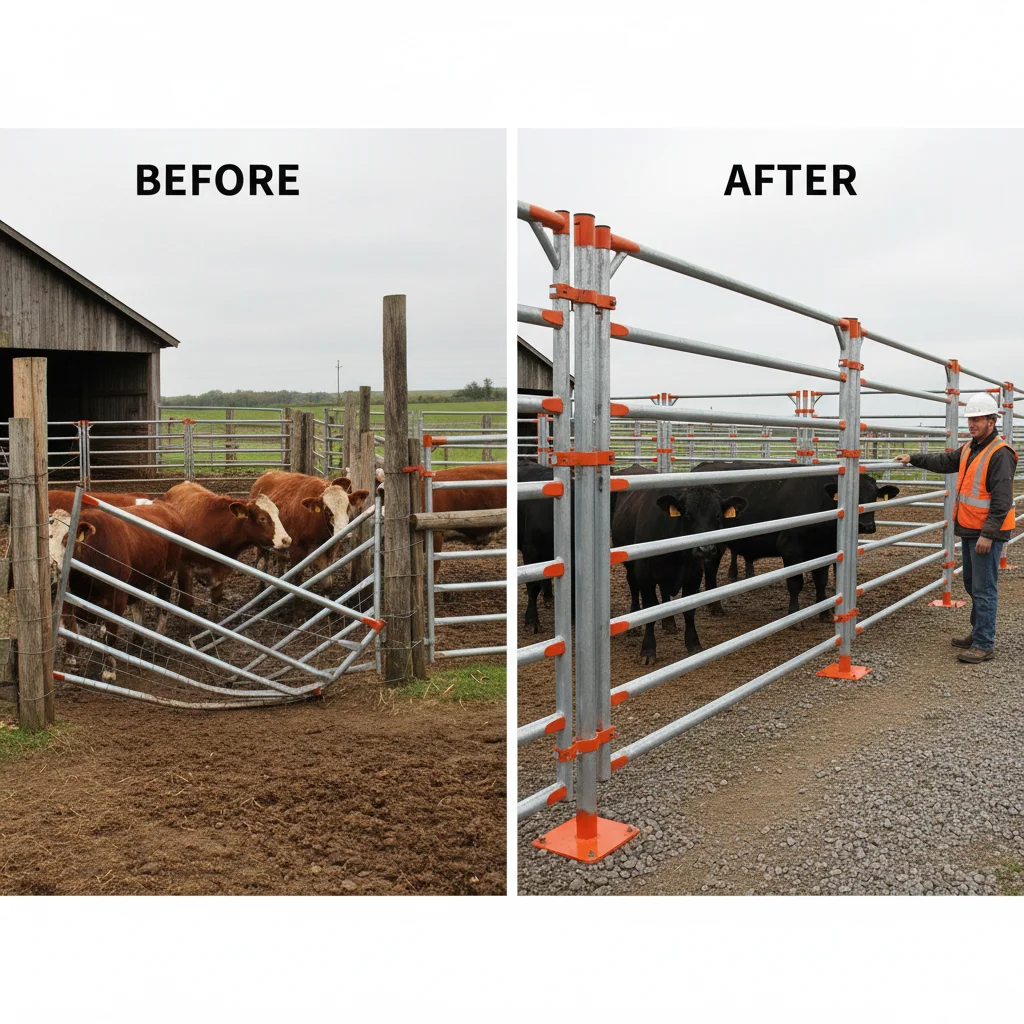
Durable Freestanding Livestock Panels for Efficient Animal Handling In the demanding world of agricultural management, the need for flexible and robust containment solutions has never been more critical. freestanding livestock panels offer a sophisticated answer to the challenges of animal handling, providing a secure yet adaptable barrier that does not require permanent installation or deep grounding. By allowing farmers and ranchers to redefine their spatial layouts in minutes, these panels maximize the efficiency of existing infrastructure while ensuring the safety of both the handlers and the livestock. Read More >26 Apr, 17
-
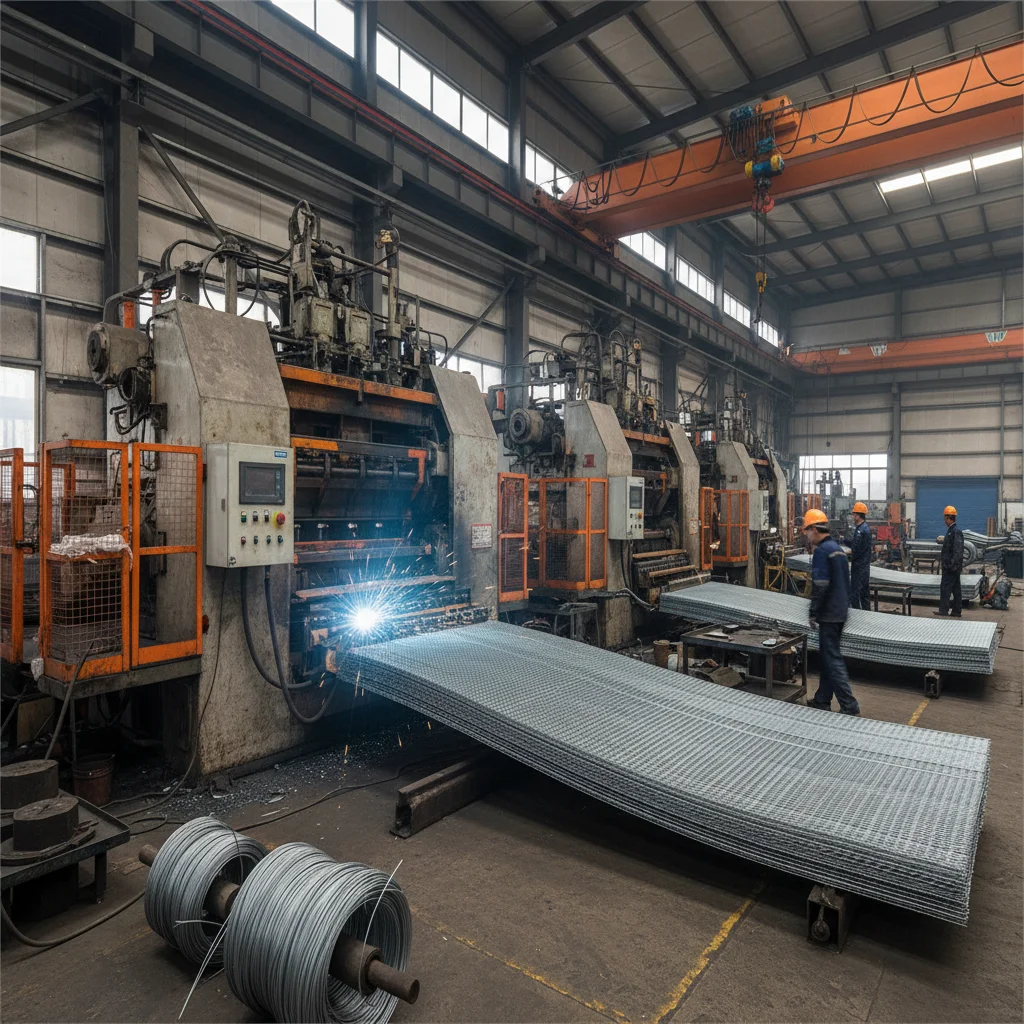
Professional Galvanized Welded Mesh Factory for Industrial Projects Finding a reliable galvanized welded mesh factory is critical for ensuring the structural integrity and longevity of your industrial or agricultural installations. Galvanized welded mesh is prized for its exceptional strength and resistance to corrosion, making it the go-to choice for fencing, animal cages, and construction reinforcement. However, not all factories adhere to the same quality standards. Whether you are sourcing for a large-scale infrastructure project or a specialized commercial application, understanding the manufacturing process and quality benchmarks is key to making a cost-effective investment that lasts for decades. Read More >26 Apr, 16
-
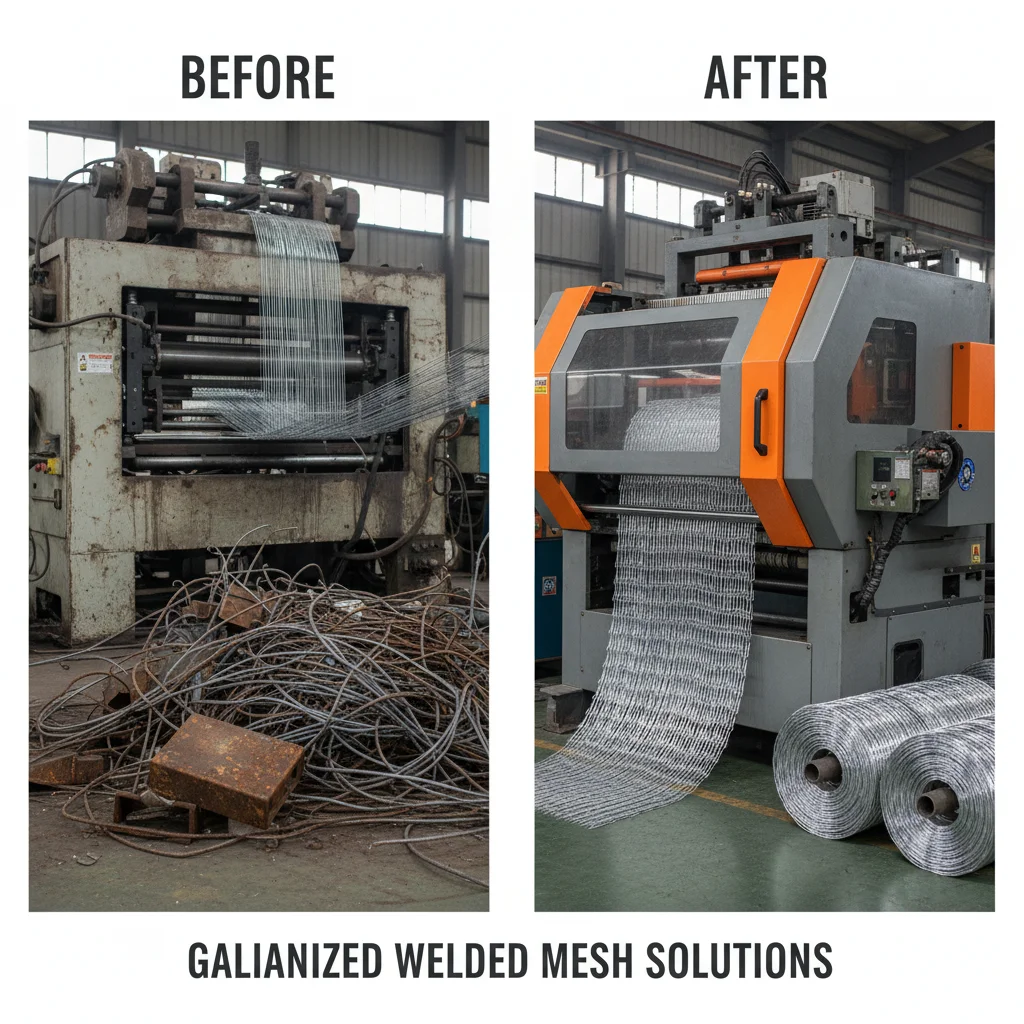
Professional Galvanized Welded Mesh Exporter for Quality Projects Selecting a high-quality fencing or screening solution requires more than just picking a product; it requires partnering with a reliable galvanized welded mesh exporter who understands the balance between structural integrity and corrosion resistance. Whether you are securing an industrial perimeter, building animal enclosures, or implementing architectural reinforcements, the quality of the galvanization process determines the lifespan of your installation. In this guide, we will explore the technical advantages of galvanized welded mesh and how to identify a global supplier that meets international quality standards to ensure your investment stands the test of time. Read More >26 Apr, 09
-
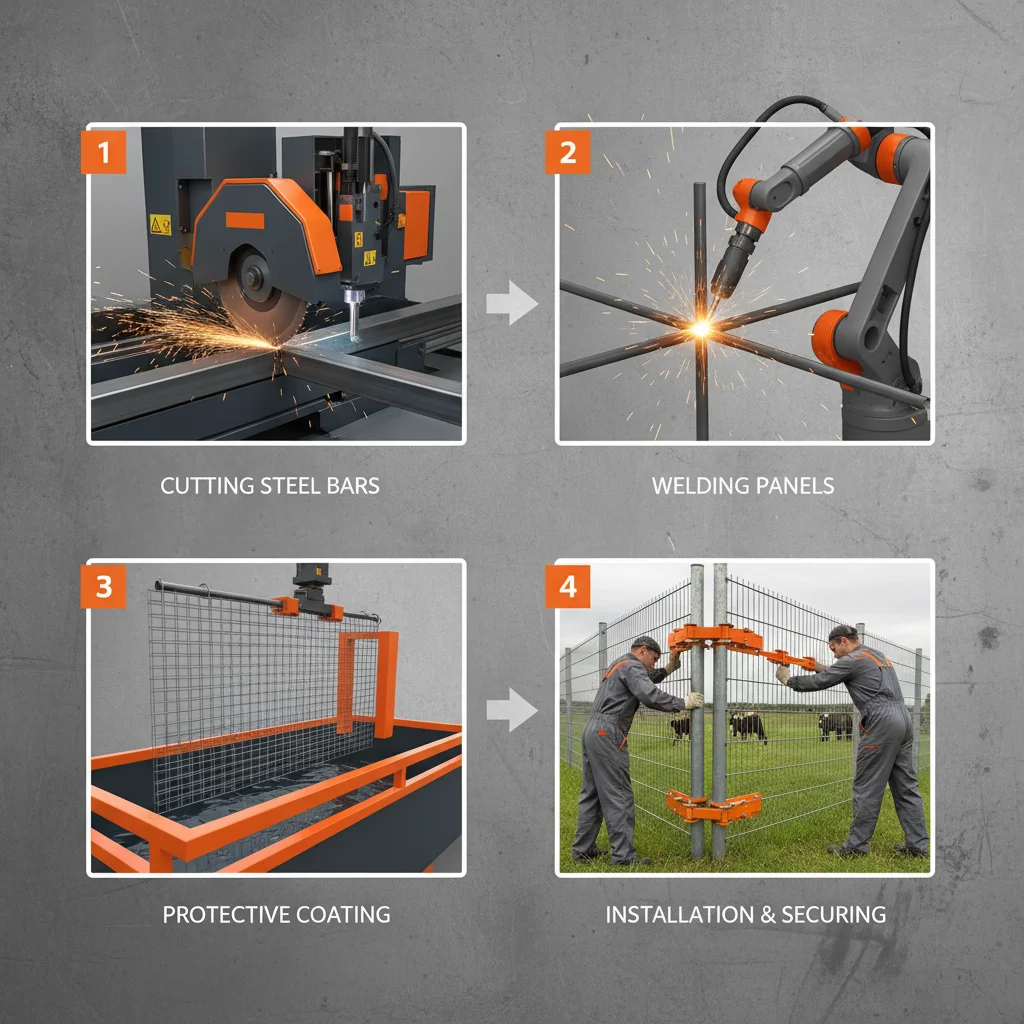
Essential Fencing Panels for Livestock Management and Farm Productivity Fencing panels for livestock are essential components in modern animal husbandry, playing a critical role in efficient farm management, animal welfare, and land utilization. Globally, the demand for robust and reliable fencing solutions is increasing due to the expanding livestock industry and the need to protect grazing lands from encroachment and predation. These panels aren’t simply barriers; they represent a vital investment in a farm's productivity and the health of its animals. Read More >26 Apr, 08
If you are interested in our products, you can choose to leave your information here, and we will be in touch with you shortly.


