


Buy Durable 4×4 Cattle Panels for Livestock & Agricultural Fencing | Haotian Mesh
The Global Impact of 4x4 Cattle Panels: More Than Just Livestock Fencing
When you think of 4x4 cattle panels, images of sprawling ranches and cow pastures probably come to mind. But these sturdy, square-grid fences are far more than just a cowboy’s toolkit. Across the globe, from rural farming communities to disaster relief zones, these panels provide essential solutions to a host of challenges. Understanding their design, application, and benefits isn't merely agricultural trivia—it’s a window into how simple engineering helps feed populations, secure environments, and support sustainable livelihoods worldwide.
Why 4x4 Cattle Panels Matter: A Global Perspective
Livestock farming is a cornerstone for food security and economic stability in many countries. According to the United Nations Food and Agriculture Organization (FAO), over 40% of the global agricultural GDP is linked to livestock production. Yet, overgrazing and inadequate management threaten land health and animal safety. Here’s where 4x4 cattle panels step in, offering a durable, cost-effective fencing solution that helps farmers control grazing patterns, protect animals from predators, and minimize land degradation.
Moreover, with increasing climate unpredictability, protecting livestock against floods or wildfires becomes crucial. Panels designed on a uniform 4x4-inch grid provide not just strength but also modularity—allowing quick repairs and reconfigurations in challenging environments.
Mini takeaway: Globally, 4x4 cattle panels bolster livestock safety and sustainable land use, answering a pressing need in food security.
What Exactly Is a 4x4 Cattle Panel?
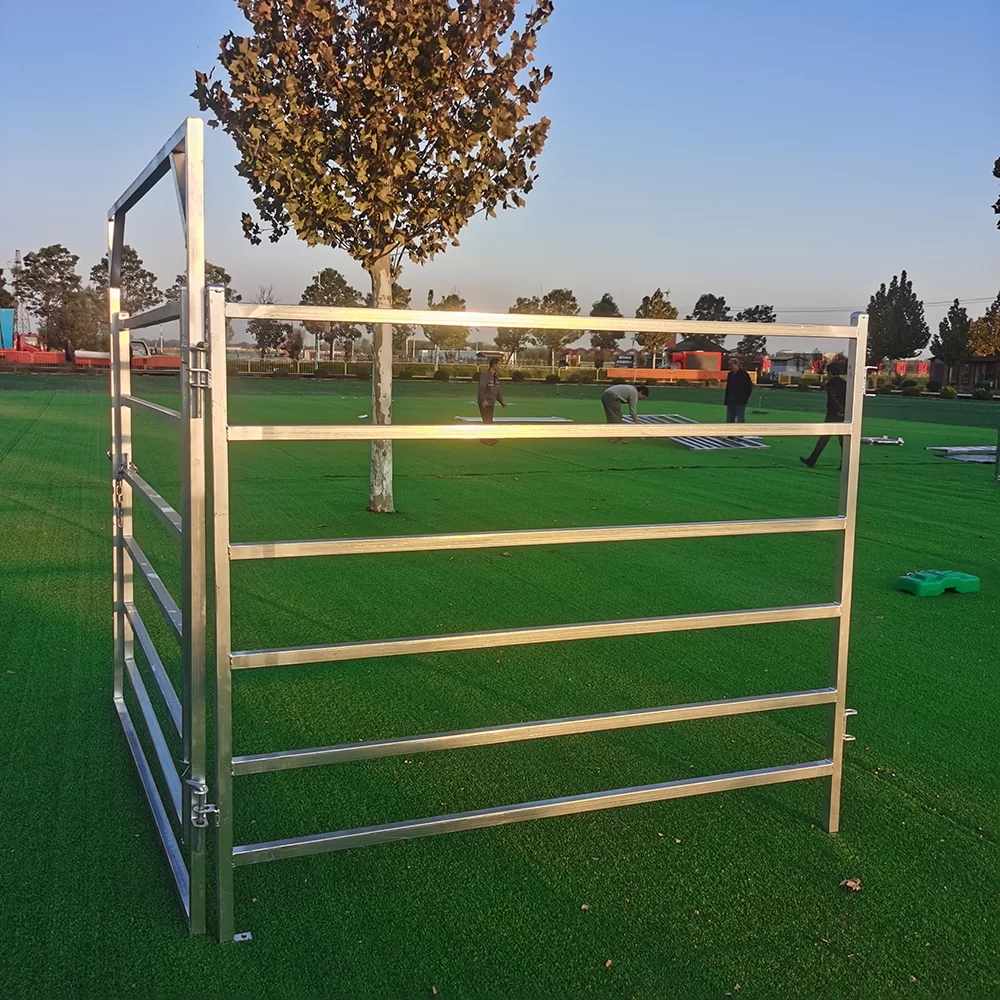
Simply put, a 4x4 cattle panel is a metal fencing panel composed of horizontal and vertical wires welded to form 4-inch by 4-inch square openings. Typically constructed from galvanized steel to prevent rust, these panels commonly measure about 16 feet long and 50 inches high. They're engineered with high tensile strength to withstand the weight and pressure from heavy livestock like cattle, horses, and goats.
Beyond ranching, these panels find their way into construction sites as temporary fencing, or even modular shelters, bearing witness to their versatility and ruggedness.
Mini takeaway: 4x4 cattle panels equal straightforward durability, with versatility that extends far beyond farms.
Key Features That Define Quality and Performance
Durability
The backbone of any good cattle panel is its resistance to weather, animals, and time. Galvanized steel coatings fend off rusts and corrosion, especially useful in humid or rainy climates. The welded joints provide extra toughness, keeping panels intact under heavy pressure.
Modularity and Scalability
The uniform 4x4 grid makes panels easy to connect, stack, or bend, allowing for quick fences around irregular layouts without expensive customization. This modularity lends itself well to emergency scenarios where speed equals safety.
Cost Efficiency
Compared to traditional wood fences that demand frequent repairs and painting, galvanized steel cattle panels offer a one-time investment with longevity that can surpass 15 years, cutting down maintenance costs dramatically.
Ease of Installation
Thanks to their standardized size and weight, even small teams can install them relatively quickly with basic tools – no heavy machinery required. The lightweight design keeps transport costs manageable, an essential factor for remote farming operations.
Versatility
While primarily for livestock, these panels work well in a variety of scenarios—from supporting plant growth in vertical gardening to creating barriers in construction zones.
| Specification | Detail |
|---|---|
| Panel Dimensions | 16 ft length × 50 in height |
| Grid Size | 4 in × 4 in square openings |
| Material | Galvanized steel wire, 12.5 gauge (approx. 2.7 mm) |
| Coating | Hot-dipped galvanized or PVC coated |
| Weight | Approx. 57-65 lbs per panel |
| Load Capacity | Up to 6,000 lbs intermittent pressure |
The Many Ways 4x4 Cattle Panels Are Used Globally
In practical terms, their usage spans continents and sectors. In Africa and South Asia, NGOs use these panels during post-disaster relief to fence livestock quickly, preventing loss and disease spread. In Australia and the American Midwest, farmers deploy them extensively for rotational grazing—a practice to improve soil health and pasture productivity.
Even surprisingly, urban farms and community gardens have adopted 4x4 cattle panels as trellis frames and animal enclosures, showing their usefulness transcends traditional farming. Industrial zones and event management also utilize them as temporary security fencing, thanks to their easy installation and ability to be repositioned.
Mini takeaway: The humble 4x4 cattle panel is an unsung hero in agriculture, disaster relief, and beyond.
Advantages and Long-Term Value of 4x4 Cattle Panels
- Cost Savings: One upfront cost, decades of service.
- Animal Welfare: Provides safe containment, reducing stress and injury.
- Land Preservation: Controls grazing, preventing overuse of pastureland.
- Flexibility: Easy to reconfigure or expand as needs evolve.
- Sustainability: Long life reduces waste and supports eco-conscious resource use.
It feels like no coincidence that the best ranchers value quality cattle panels as much as a trusty truck—both trustworthy, rugged, and essential to daily success. In social terms, they support dignity for small farmers who count on their livestock. That’s a kind of value you can’t measure just in dollars.
Emerging Trends: What the Future Holds for 4x4 Cattle Panels
Innovators are now combining traditional steel panels with coatings that improve corrosion resistance even further or using composites to produce lighter, yet equally strong alternatives. Digital tracking of panel deployment via RFID tags is also being tested to improve inventory management on large ranches and humanitarian missions alike.
Environmental policies encouraging sustainable farming practices mean the 4x4 cattle panel market is likely to see more demand for “green” coatings and recyclable materials. Automation in installation—robotic fence-building machines—though still nascent, will eventually reduce labor costs and accelerate deployment. So, this modest panel isn’t going anywhere soon.
Common Challenges and Practical Solutions
Despite their strengths, challenges remain. Panels can bend under extreme pressure or be damaged by rust if coatings fail or suffer scratches. Transporting large panels into remote areas can be costly or logistically complex. But many manufacturers, for example, offer sectional or foldable panels to ease this problem.
Furthermore, training farmers and field teams on proper installation techniques has proven essential. Many organizations now include demo videos and onsite coaching to maximize the panels’ lifespan and efficiency.
So while not a panacea, strategic approaches help 4x4 cattle panels deliver peak performance practically anywhere.
| Vendor | Material Quality | Customization Options | Pricing | Lead Time | Global Reach |
|---|---|---|---|---|---|
| Haotian Mesh Co. | High-grade galvanized steel | Sizes, coatings, lengths | Competitive bulk pricing | 2-4 weeks | Worldwide export |
| GreenFencings Ltd. | Hot-dip galvanized, eco coatings | Limited panel sizes | Moderate | 3-6 weeks | EU & North America focus |
| RanchCraft Panels | Standard galvanized wire | Custom lengths by MOQ | Lower budget options | 1-3 weeks | North America only |
FAQ: Common Questions About 4x4 Cattle Panels
1. How long do 4x4 cattle panels typically last outdoors?
If properly galvanized and maintained, these panels can last 15 years or more, even under fairly harsh weather conditions. Regular inspections and minor repairs extend this lifespan considerably.
2. Can 4x4 cattle panels be customized for smaller or larger livestock?
Absolutely. While the typical grid is 4x4 inches, manufacturers often offer variations to suit smaller animals like sheep or larger ones such as bison. Lengths and coating types may also be customized.
3. Are 4x4 cattle panels suitable for temporary fencing?
Yes. Their lightweight and modular design allow quick assembly and disassembly, making them ideal for seasonal grazing, events, or emergency containment.
4. What tools are needed to install 4x4 cattle panels?
Basic post drivers, wire cutters, pliers, and clamps usually suffice. No heavy machinery needed unless installing over very large acreage.
5. How do I import 4x4 cattle panels internationally?
Work with vendors like Haotian Mesh who have established export logistics. Understand import duties and shipping regulations ahead to avoid delays.
Wrapping It Up: Why 4x4 Cattle Panels Still Matter Tomorrow
Whether you’re managing a modest farm or coordinating humanitarian livestock operations halfway across the world, 4x4 cattle panels represent a reliable, flexible, and sustainable fencing solution. Their proven durability, cost-effectiveness, and ease of use make them indispensable. And as materials and tech evolve, these panels will only become smarter and greener in their impact.
Honestly, sometimes it’s the simplest things—like a grid of metal squares—that quietly keep our food systems stable and ecosystems healthier.
If you’re considering your next fencing solution or involved in livestock management, visit Haotian Mesh for detailed product info and custom options.
References
-
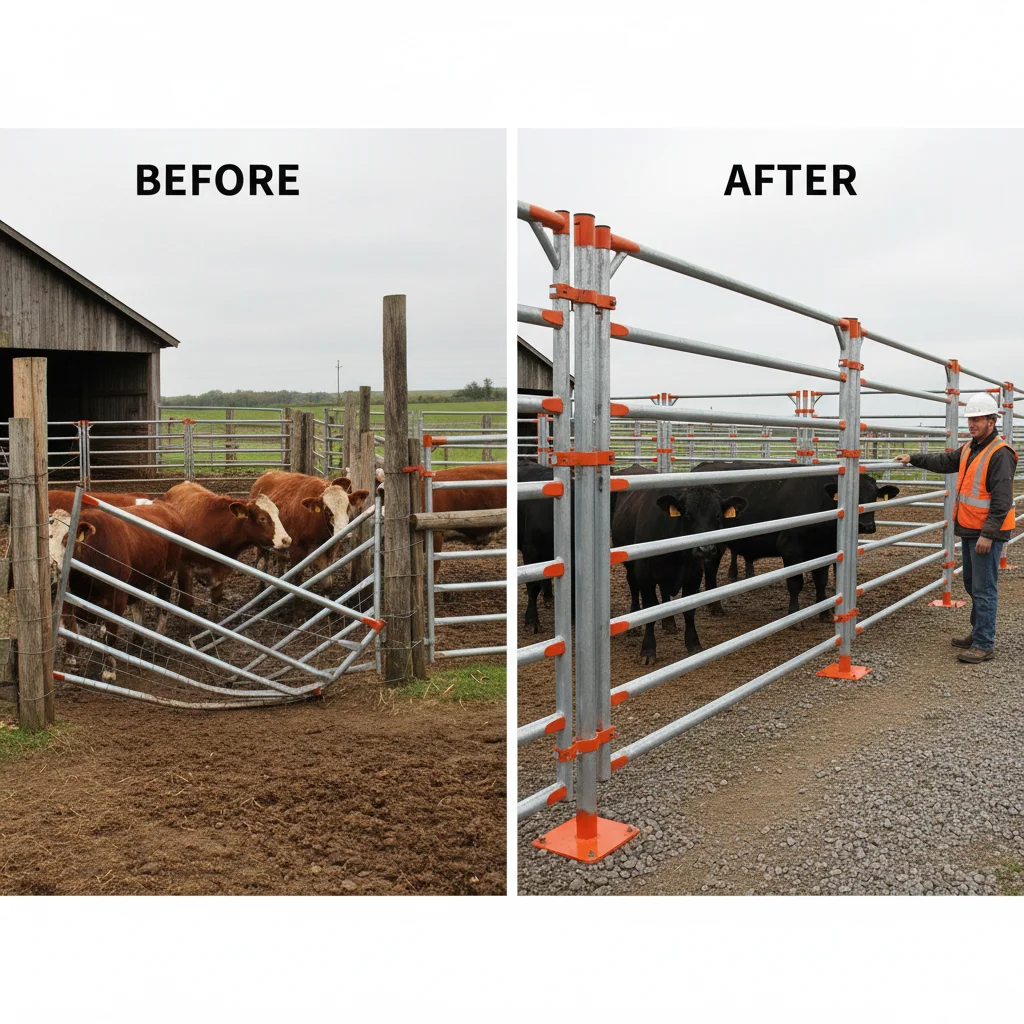
Durable Freestanding Livestock Panels for Efficient Animal Handling In the demanding world of agricultural management, the need for flexible and robust containment solutions has never been more critical. freestanding livestock panels offer a sophisticated answer to the challenges of animal handling, providing a secure yet adaptable barrier that does not require permanent installation or deep grounding. By allowing farmers and ranchers to redefine their spatial layouts in minutes, these panels maximize the efficiency of existing infrastructure while ensuring the safety of both the handlers and the livestock. Read More >26 Apr, 17
-
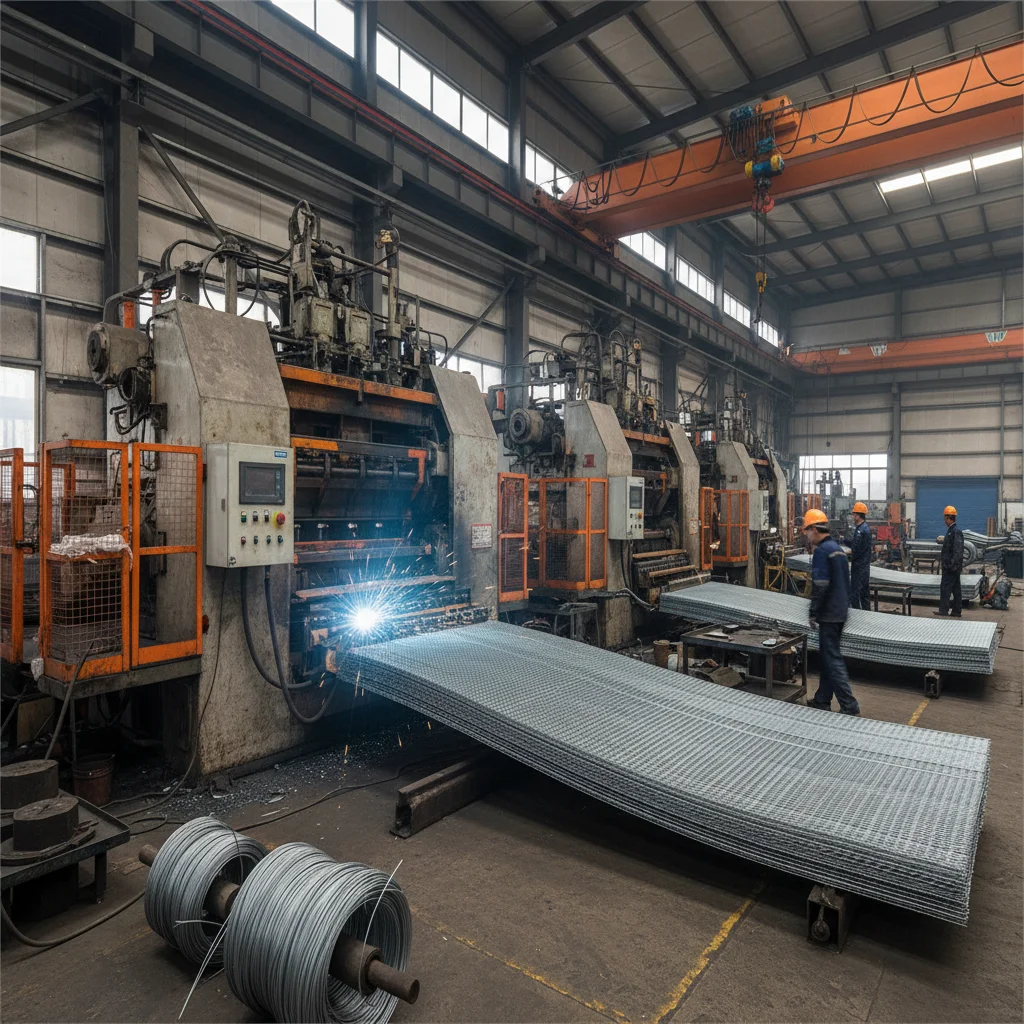
Professional Galvanized Welded Mesh Factory for Industrial Projects Finding a reliable galvanized welded mesh factory is critical for ensuring the structural integrity and longevity of your industrial or agricultural installations. Galvanized welded mesh is prized for its exceptional strength and resistance to corrosion, making it the go-to choice for fencing, animal cages, and construction reinforcement. However, not all factories adhere to the same quality standards. Whether you are sourcing for a large-scale infrastructure project or a specialized commercial application, understanding the manufacturing process and quality benchmarks is key to making a cost-effective investment that lasts for decades. Read More >26 Apr, 16
-
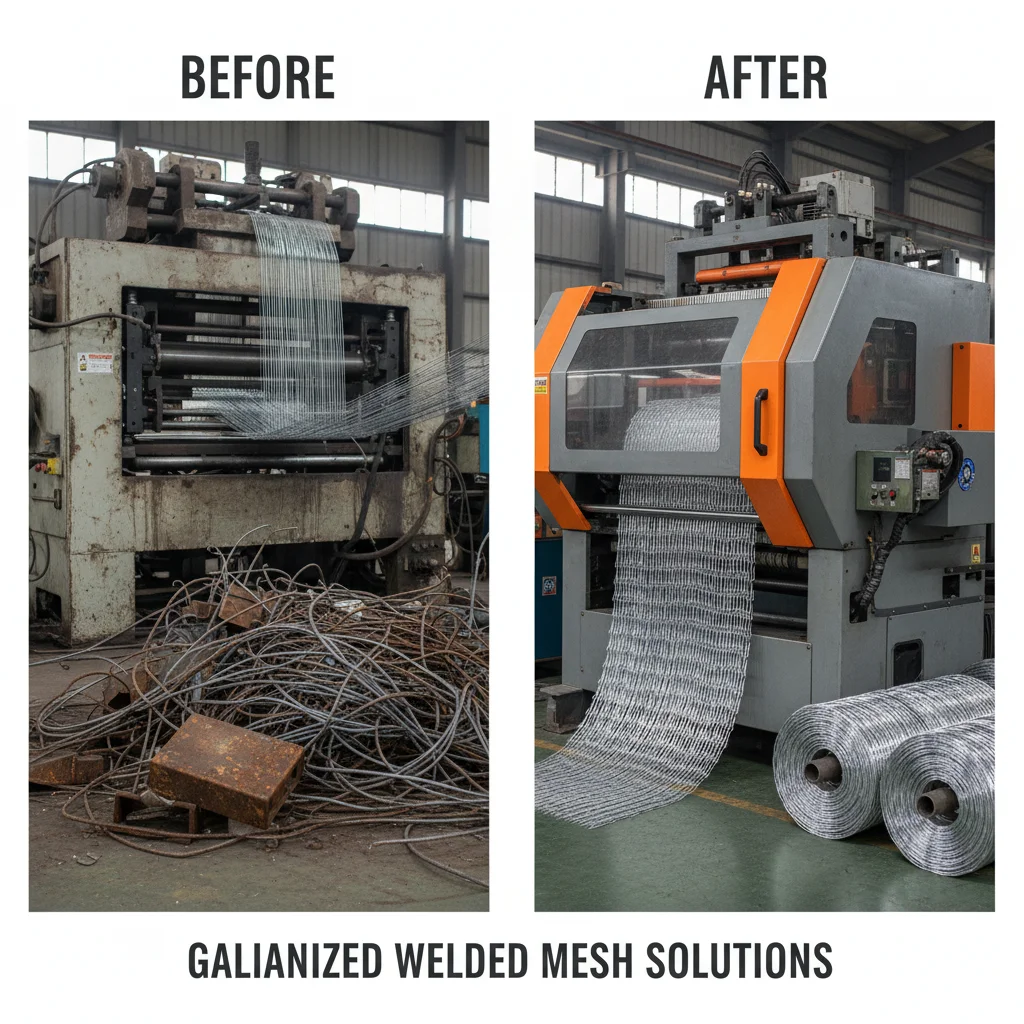
Professional Galvanized Welded Mesh Exporter for Quality Projects Selecting a high-quality fencing or screening solution requires more than just picking a product; it requires partnering with a reliable galvanized welded mesh exporter who understands the balance between structural integrity and corrosion resistance. Whether you are securing an industrial perimeter, building animal enclosures, or implementing architectural reinforcements, the quality of the galvanization process determines the lifespan of your installation. In this guide, we will explore the technical advantages of galvanized welded mesh and how to identify a global supplier that meets international quality standards to ensure your investment stands the test of time. Read More >26 Apr, 09
-
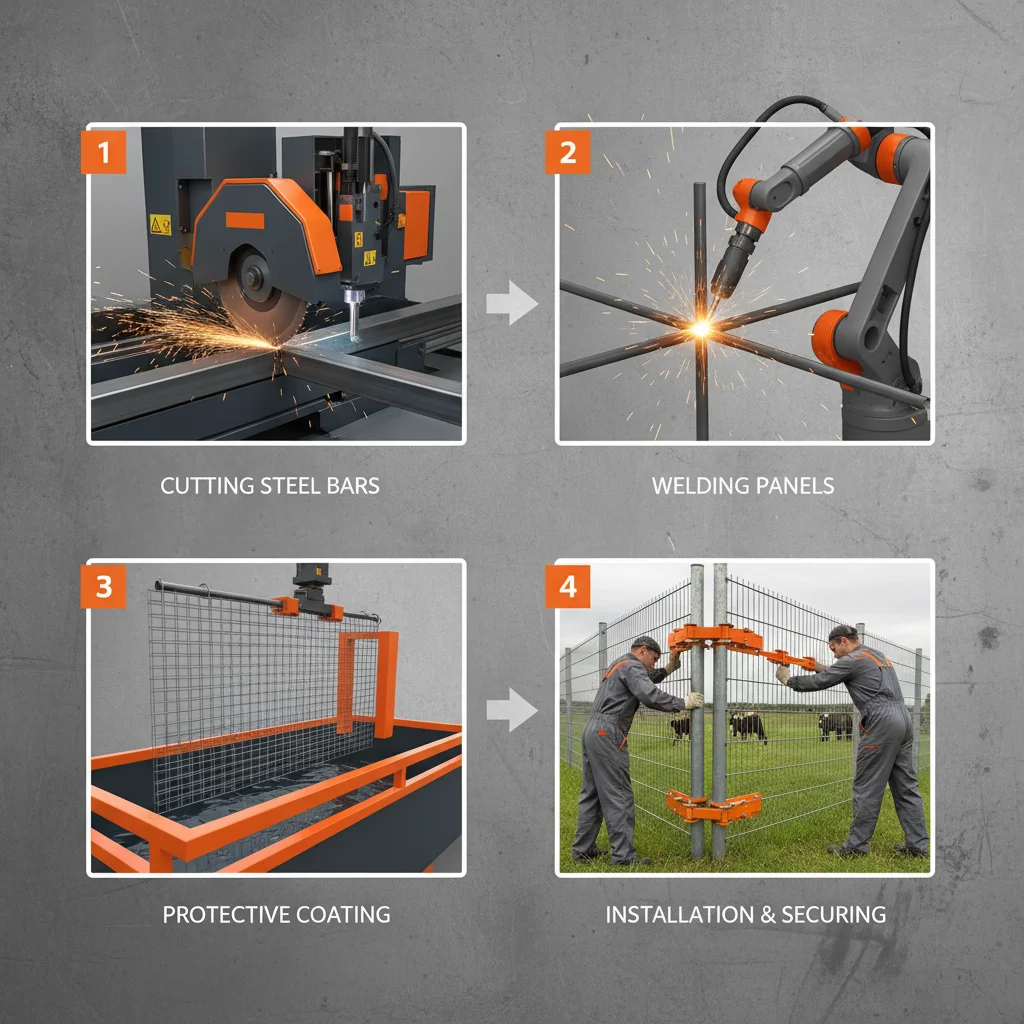
Essential Fencing Panels for Livestock Management and Farm Productivity Fencing panels for livestock are essential components in modern animal husbandry, playing a critical role in efficient farm management, animal welfare, and land utilization. Globally, the demand for robust and reliable fencing solutions is increasing due to the expanding livestock industry and the need to protect grazing lands from encroachment and predation. These panels aren’t simply barriers; they represent a vital investment in a farm's productivity and the health of its animals. Read More >26 Apr, 08
If you are interested in our products, you can choose to leave your information here, and we will be in touch with you shortly.


