


Durable and Cost-Effective 4 x 8 Cattle Panels for Livestock Management
Understanding 4 x 8 Cattle Panels: Small Pieces with Big Global Impact
When you hear "4 x 8 cattle panels," you might picture a simple piece of farm hardware. But, oddly enough, these steel grids carry significance that stretches way beyond barns and ranches. Globally, cattle panels play a subtle yet crucial role in livestock management, rural economies, and even large-scale humanitarian projects. Their benefits? They’re durable, versatile, and surprisingly cost-effective on a global scale. Understanding these panels gives you insight into how simple infrastructure can support sustainable farming, protect animals, and enhance safety — all while being eco-friendly.
Why 4 x 8 Cattle Panels Matter Worldwide
Livestock farming remains a backbone for billions across Asia, Africa, and rural America. According to the FAO, around 1.3 billion people depend on livestock for their livelihoods. Yet, managing these animals safely and efficiently is a persistent challenge. Enter the humble 4 x 8 cattle panels. These panels offer a solution for containment, transport, and protection that addresses safety risks and animal welfare for farmers worldwide.
Statistics from the World Bank highlight rural poverty reduction strongly linked to better livestock infrastructure. Without sturdy fencing or pens, animals suffer injuries or escapes, which ultimately impacts farmer income and food security. These panels help bridge the gap, boosting reliability in animal handling.
Mini takeaway: 4 x 8 cattle panels might feel niche, but their role in global food chains and rural economies can’t be overstated.
What's a 4 x 8 Cattle Panel, Exactly?
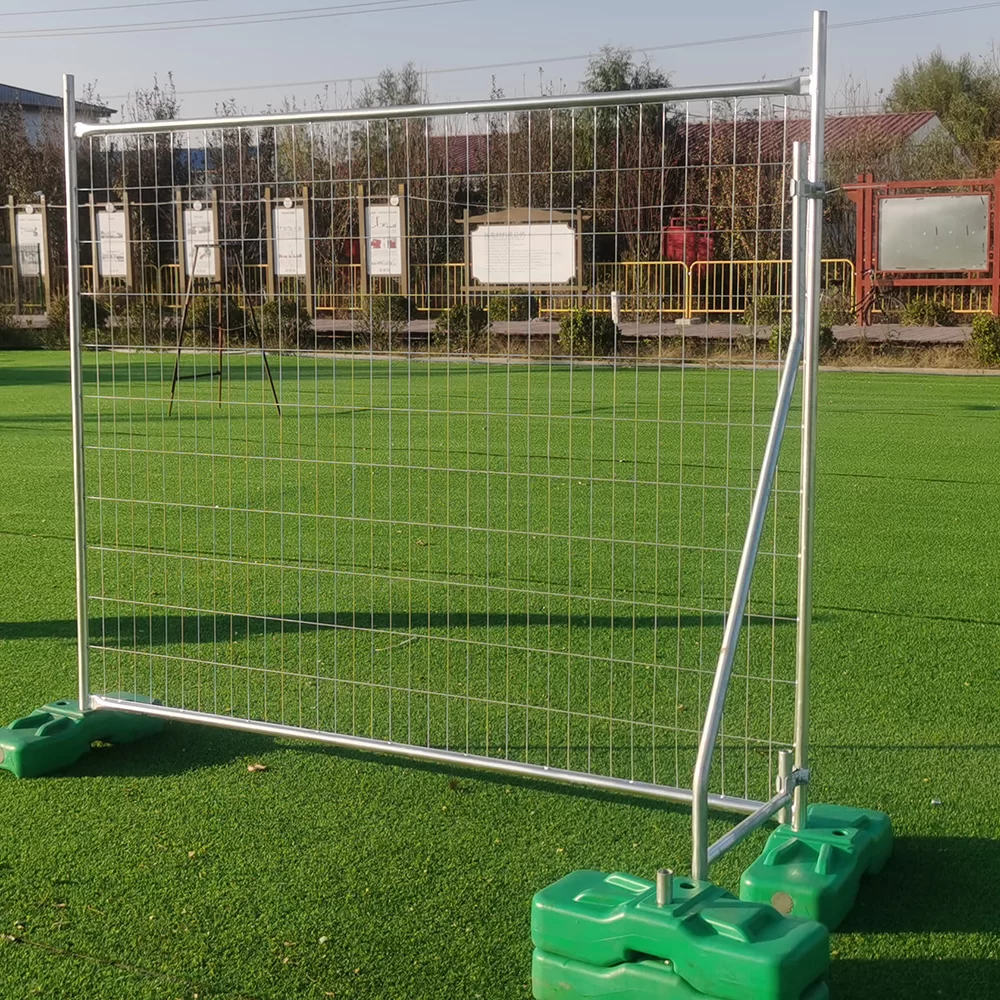
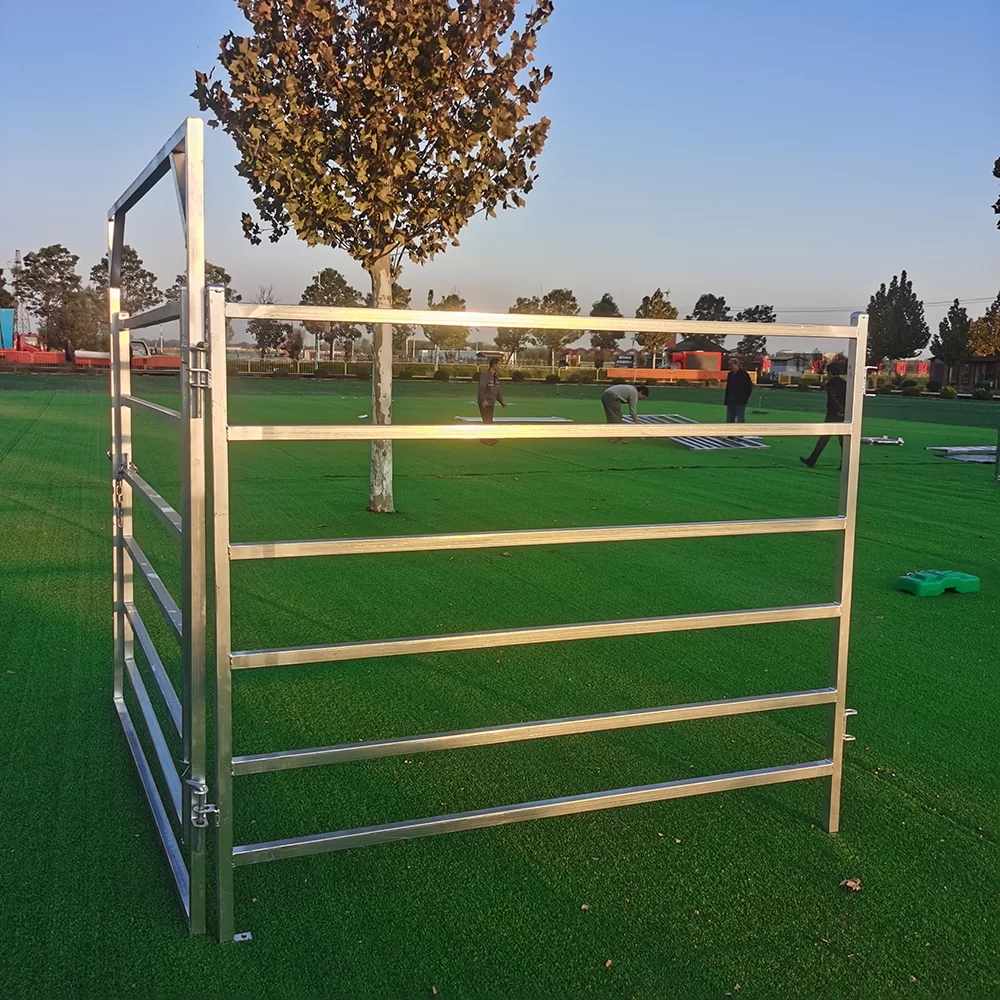
Put simply, a 4 x 8 cattle panel is a welded wire mesh fence measuring roughly 4 feet in height and 8 feet in length. Designed originally to contain livestock, these panels consist of steel rods welded at intersections to create a grid pattern—usually with square or rectangular openings about 6 to 8 inches wide. Steel tubing frames the edges for durability. The panels are heavy-duty but portable and often coated in galvanized or powder finishes to resist corrosion.
For modern industries or even humanitarian uses — for example, creating temporary animal shelters post-disaster — these panels are a modular, repeatable solution. They can be linked together, arranged into pens, chutes, or crowd-control barriers with minimal tools.
Mini takeaway: It’s just steel mesh, but it’s the size and finish that make 4 x 8 cattle panels so widely adaptable.
Key Factors That Make 4 x 8 Cattle Panels Essential
Durability
Outdoors, rain or shine, rough weather or accidental knocks — these panels take a beating. The steel is either galvanized or powder-coated, which stops rust before it starts. We’re talking about products that easily last 15+ years with minimal upkeep, something farmers and suppliers cherish.
Portability & Scalability
At 4 feet by 8 feet, these panels aren’t unwieldy but still offer ample coverage. Farmers can carry and rearrange them quickly, allowing dynamic pen shapes or temporary fencing for rotational grazing. For NGOs, that ease of transport — often packed flat — is a literal lifesaver when deploying aid in rural or disaster zones.
Cost Efficiency
Cost matters, right? Compared to traditional barbed wire fencing or concrete pen walls, 4 x 8 cattle panels offer an upfront cost saving plus long-term value. Less damage, fewer repairs, and the ability to reuse panels across seasons contribute to a low total cost of ownership.
Animal Welfare
Panels can be configured to minimize injury risks — the smooth, rounded steel edges avoid cuts, and the grid size prevents hoof entrapment. Animals are safer and less stressed, which means better weight gain and health for farmers.
Ease of Installation
Unlike some fencing, no specialized tools or labor crews are necessary. A few basic clamps and some muscle will erect a secure corral. That reduces downtime and dependency on skilled help, especially important in remote areas.
Global Applications: More Than Just Cattle Fencing
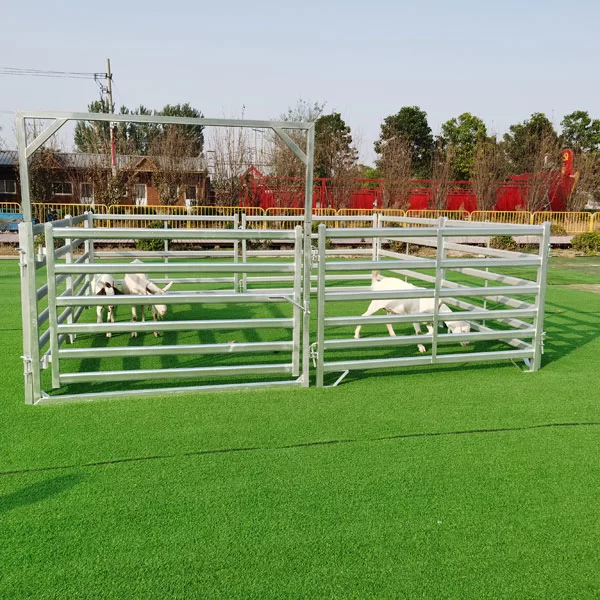
You think these panels are just for Midwestern ranchers? Think again. In East Africa, smallholder farmers use 4 x 8 cattle panels to protect goats from predators. Meanwhile, large ranches across Australia design mega-pens tailored for managing thousands of sheep. 4 x 8 cattle panels also feature in temporary setups for livestock fairs in India, where transportable fencing must handle heavy crowds and busy surroundings.
Humanitarian organizations frequently deploy these panels post-disaster to safely quarantine livestock, preserving food supplies and preventing disease spread. In industrial mining zones, they prevent stray animals from entering hazardous worksites, protecting both workers and wildlife.
Mini takeaway: The real magic lies in versatility — whether rural or industrial, permanent or temporary, these panels adapt to the need.
The Real Advantages and Long-Term Value of 4 x 8 Cattle Panels
- Cost Savings: Less maintenance and damage reduce lifetime expenses.
- Sustainability: Long lifecycle and recyclable steel support green initiatives — especially if powder-coated with low-VOC finish.
- Reliability & Safety: Better containment means fewer escapes, less injury, more predictability.
- Social Impact: Improved animal welfare can translate into better livelihoods and community trust.
- Innovation Backbone: Their modularity encourages creative setup designs and integration with modern tech like remote monitoring.
Technical Specifications of Typical 4 x 8 Cattle Panels
| Specification | Typical Value | Units/Notes |
|---|---|---|
| Panel Dimensions | 48 x 96 | inches (height x length) |
| Grid Opening Size | 6 x 6 or 8 x 8 | inches (width x height) |
| Wire Diameter | 4.0 - 5.0 | mm (varies by model) |
| Weight per Panel | 35 - 40 | kg |
| Finish | Galvanized / Powder-coated | For corrosion resistance |
Comparing Leading 4 x 8 Cattle Panel Vendors
| Vendor | Panel Weight (kg) | Finish Options | Price Range (USD) | Custom Sizes |
|---|---|---|---|---|
| Haotian Mesh | 38 | Galvanized, Powder-coated | $45 - $55 | Yes |
| Global Farm Supplies | 40 | Galvanized only | $40 - $48 | Limited |
| RanchPro Panels | 35 | Powder-coated | $50 - $60 | Yes (custom request) |
The Future of 4 x 8 Cattle Panels: Trends and Innovations
Technology doesn’t stop at fiber optics and smartphones — it trickles down to the fences around our farms. For cattle panels, emerging trends include smart coatings that repel dirt, reducing cleaning needs; integration with IoT sensors to monitor pen stress or breaches; and eco-conscious finishes reducing volatile organic compounds (VOCs). In some regions, modular panels are now combined with solar-powered gates or lighting — supporting animal safety during night-time handling.
Common Challenges & How We're Tackling Them
While these panels are sturdy, there are some bumps in the road. Corrosion in extreme coastal or humid environments is a hassle, especially for lower-grade coatings. Also, panels sometimes need extra reinforcements when managing particularly large or spirited breeds. Then there’s logistics — shipping panels in bulk to remote areas can be pricey and delicate if poorly packed.
Manufacturers and users fix these by improving steel quality, extending powder-coat warranties, and using modular packaging. On-site support and assembly instructions increasingly come with multimedia aids to prevent user error. It’s not perfect yet, but compared to decades ago, the evolution is clear.
FAQs About 4 x 8 Cattle Panels
- How strong are 4 x 8 cattle panels against aggressive animals?
- The steel construction typically handles normal livestock movements well. For aggressive breeds, thicker wire diameters or double-panel setups can add extra strength and safety.
- Can these panels be customized for different animal types?
- Absolutely. Many suppliers offer different grid sizes, heights, and finishes tailored for horses, sheep, goats, or even wildlife fencing. Custom fabrication is often available.
- Are these fencing panels easy to transport and store?
- Yes. Their modular size and relatively light weight make them stackable for shipping and re-deployment, which is one reason humanitarian groups appreciate them.
- How long does installation typically take?
- For a mid-sized pen, a small crew can set up in a few hours with simple tools. Larger setups might need more planning but remain straightforward compared to concrete or welded barriers.
- What maintenance is required?
- Routine inspections to check for damage or rust spots are recommended. Cleaning may be necessary in muddy or corrosive environments, but overall upkeep is minimal.
In Conclusion: Why 4 x 8 Cattle Panels Are a Smart Investment
From remote villages safeguarding their herds, to large commercial ranches optimizing their operation, 4 x 8 cattle panels bring solid, practical value. Their balance of durability, scalability, and cost-efficiency offers a rare win-win for users looking to protect animals, save money, and simplify daily farm operations. I’d say it’s no coincidence that these panels remain a staple across continents and industries.
If you want to explore options or need custom solutions, don’t hesitate to visit our website: www.haotianmesh.com.
References & Further Reading:
-
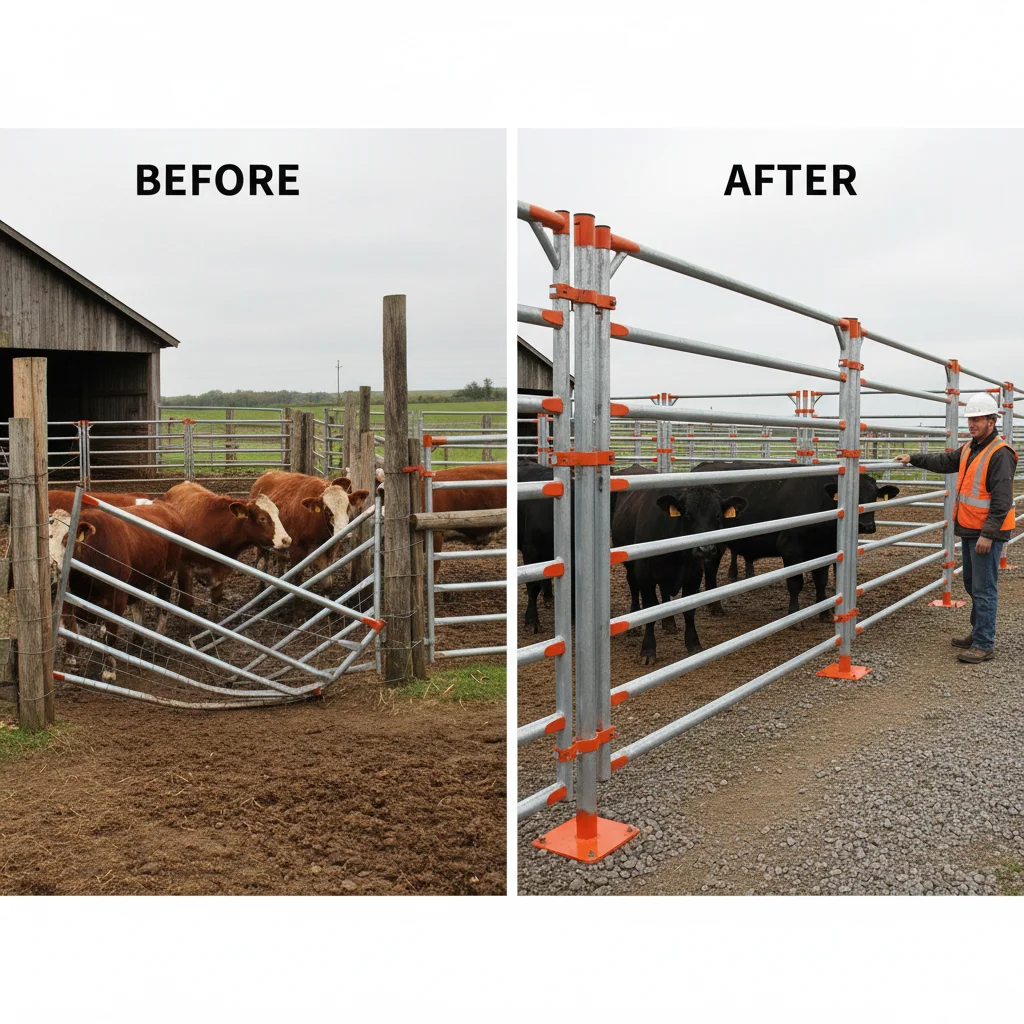
Durable Freestanding Livestock Panels for Efficient Animal Handling In the demanding world of agricultural management, the need for flexible and robust containment solutions has never been more critical. freestanding livestock panels offer a sophisticated answer to the challenges of animal handling, providing a secure yet adaptable barrier that does not require permanent installation or deep grounding. By allowing farmers and ranchers to redefine their spatial layouts in minutes, these panels maximize the efficiency of existing infrastructure while ensuring the safety of both the handlers and the livestock. Read More >26 Apr, 17
-
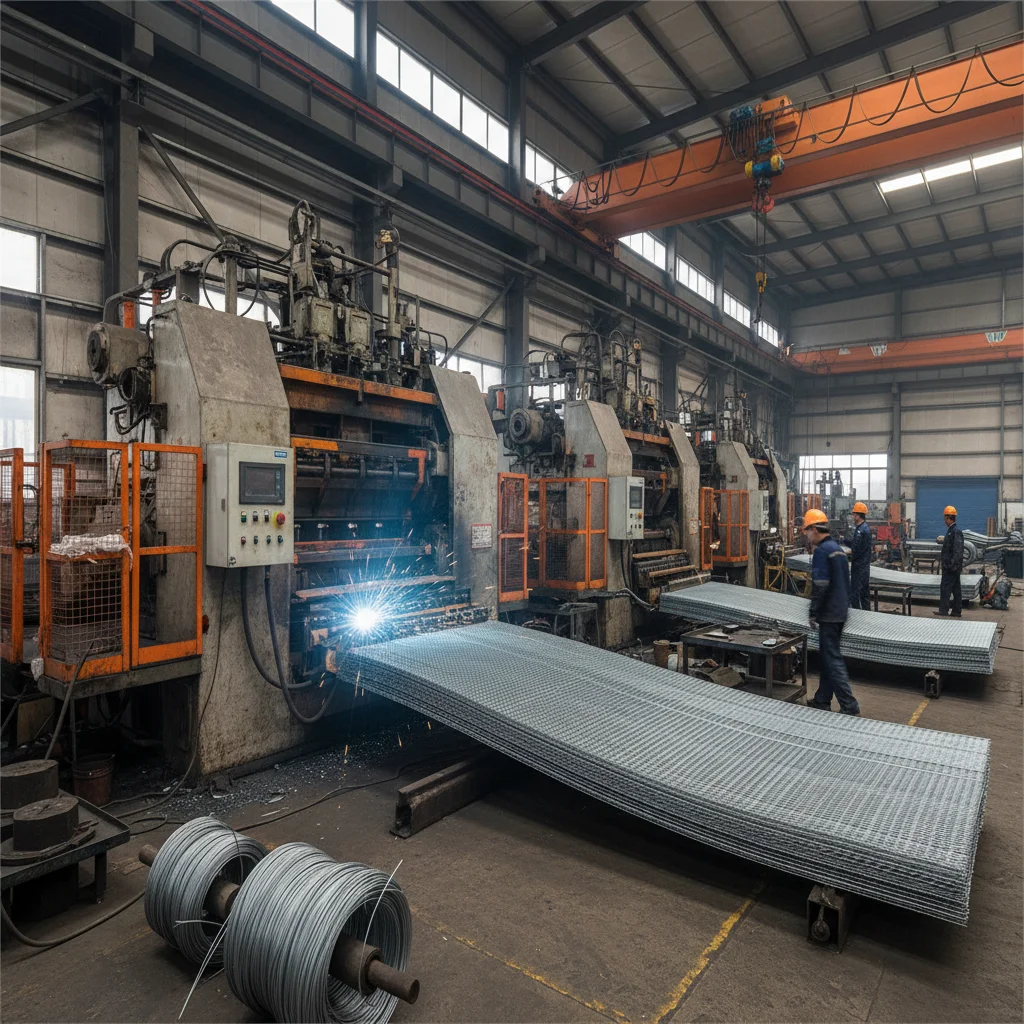
Professional Galvanized Welded Mesh Factory for Industrial Projects Finding a reliable galvanized welded mesh factory is critical for ensuring the structural integrity and longevity of your industrial or agricultural installations. Galvanized welded mesh is prized for its exceptional strength and resistance to corrosion, making it the go-to choice for fencing, animal cages, and construction reinforcement. However, not all factories adhere to the same quality standards. Whether you are sourcing for a large-scale infrastructure project or a specialized commercial application, understanding the manufacturing process and quality benchmarks is key to making a cost-effective investment that lasts for decades. Read More >26 Apr, 16
-
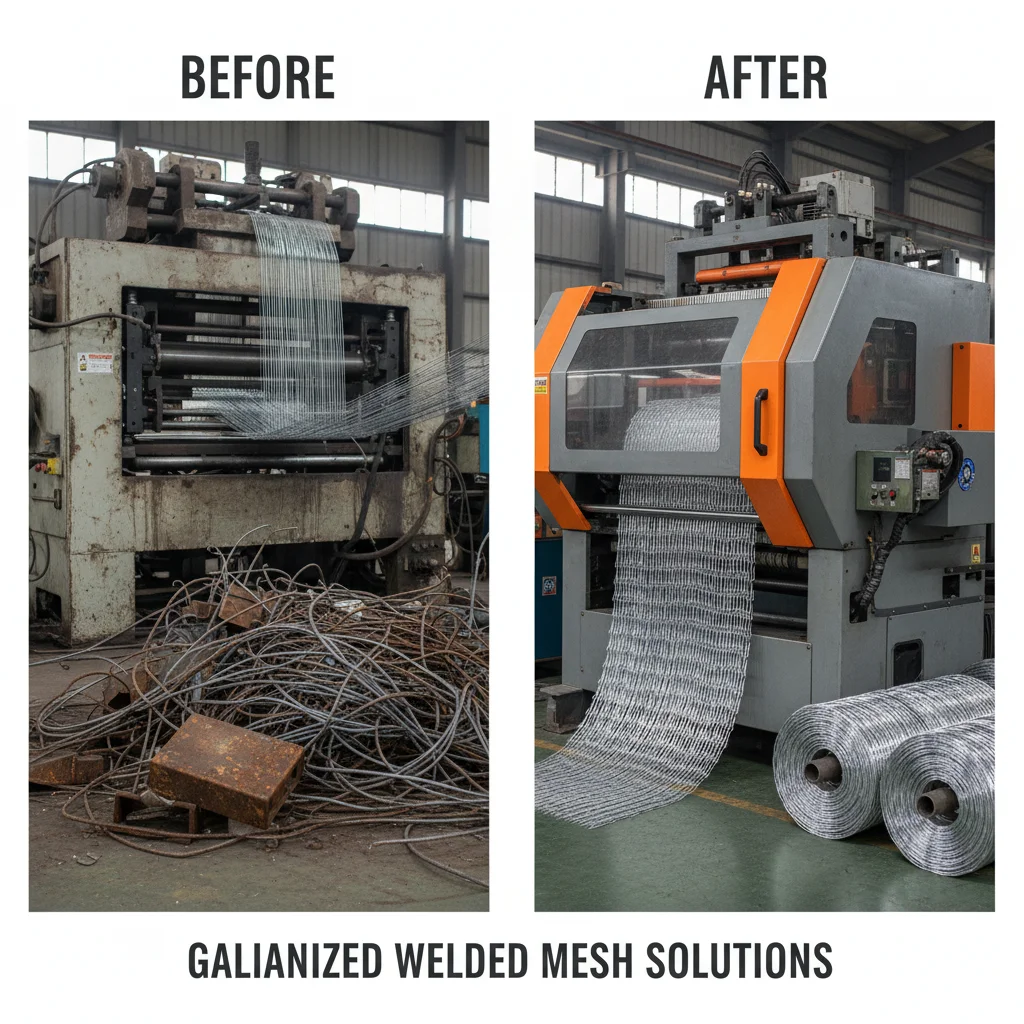
Professional Galvanized Welded Mesh Exporter for Quality Projects Selecting a high-quality fencing or screening solution requires more than just picking a product; it requires partnering with a reliable galvanized welded mesh exporter who understands the balance between structural integrity and corrosion resistance. Whether you are securing an industrial perimeter, building animal enclosures, or implementing architectural reinforcements, the quality of the galvanization process determines the lifespan of your installation. In this guide, we will explore the technical advantages of galvanized welded mesh and how to identify a global supplier that meets international quality standards to ensure your investment stands the test of time. Read More >26 Apr, 09
-
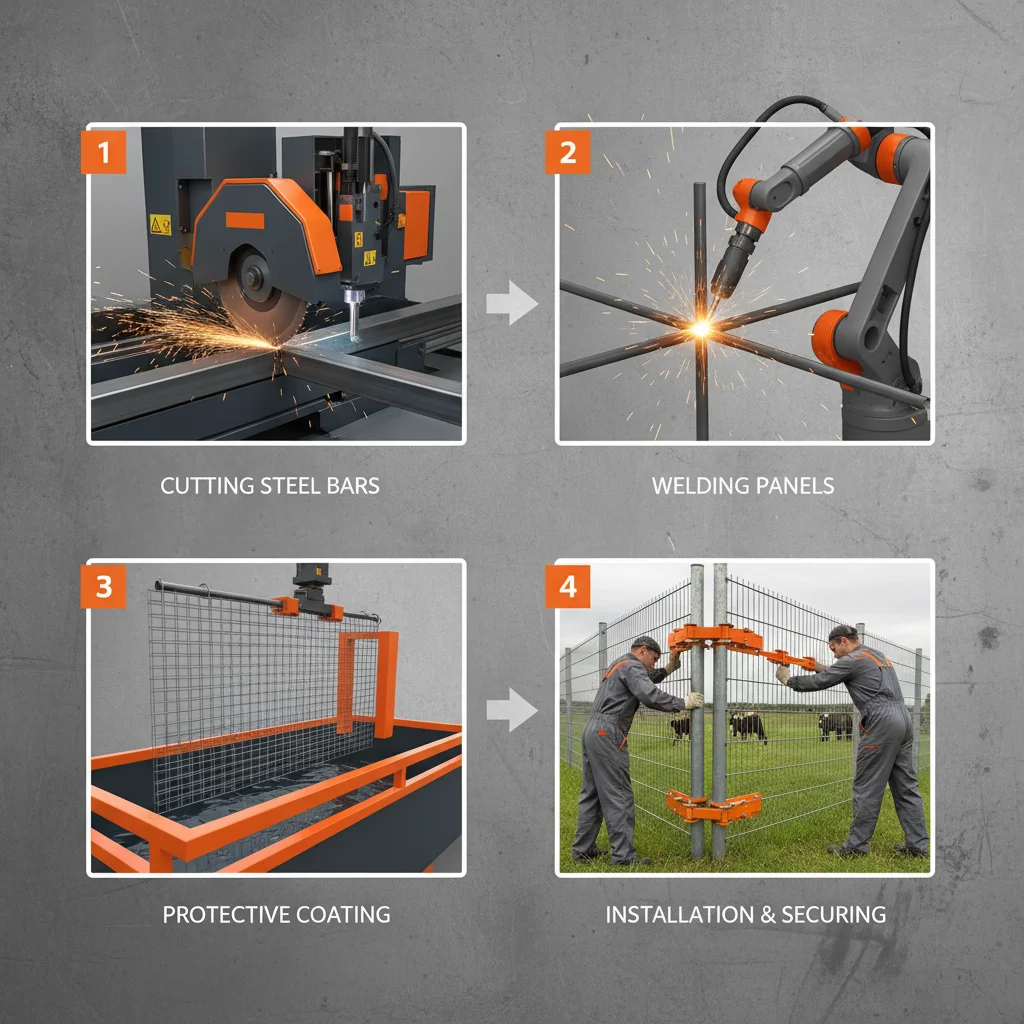
Essential Fencing Panels for Livestock Management and Farm Productivity Fencing panels for livestock are essential components in modern animal husbandry, playing a critical role in efficient farm management, animal welfare, and land utilization. Globally, the demand for robust and reliable fencing solutions is increasing due to the expanding livestock industry and the need to protect grazing lands from encroachment and predation. These panels aren’t simply barriers; they represent a vital investment in a farm's productivity and the health of its animals. Read More >26 Apr, 08
If you are interested in our products, you can choose to leave your information here, and we will be in touch with you shortly.


