


Durable 4 x 4 Cattle Panels for Farming & Industrial Use | Haotian Mesh
Understanding 4 x 4 Cattle Panels: Why They Matter Worldwide
At first glance, a 4 x 4 cattle panel might just look like a sturdy, wire grid designed for corralling livestock. But zoom out a bit, and you’ll see how these panels play a surprisingly important role across farming, construction, humanitarian projects, and even environmental efforts worldwide. Whether you’re a rancher wrestling with fencing needs, a disaster relief coordinator seeking quick, reliable containment solutions, or an emerging market infrastructure planner—getting your head around these panels can save you time, money, and headaches.
Globally, agriculture continues to underpin economies and food security. The United Nations estimates that nearly 40% of the world’s population depends on livestock for their livelihood, driving demand for affordable yet durable fencing solutions. Here’s where the humble 4 x 4 cattle panel steps in: a practical, scalable, and cost-effective product that provides containment, protection, and peace of mind.
The Worldwide Context: Why 4 x 4 Cattle Panels Are a Growing Necessity
Think about it—the global demand for animal products is rising steadily. According to the World Bank’s latest agricultural report, global meat consumption is projected to grow by 25% in the next decade. Livestock containment is foundational to managing this demand responsibly and sustainably. At the same time, climate change and land pressures are forcing more efficient, secure farming methods worldwide.
Despite their simplicity, 4 x 4 cattle panels address several critical challenges:
- Efficiency: Quickly assembled fencing reduces labor costs and delays in operations.
- Mobility: Easily relocated panels let farmers adapt to rotational grazing and seasonal changes.
- Durability: Resilience to weather, rust, and animal impact protects investments.
Still, challenges remain: inconsistent manufacturing standards can compromise quality; in developing regions, high import costs limit accessibility. But more on that a little later.
Mini takeaway:
The global importance of cattle panels stretches beyond mere farm fences — they’re about feeding people, protecting animals, and supporting economies in a rapidly changing world.
What Exactly Are 4 x 4 Cattle Panels?
Simply put, a 4 x 4 cattle panel is a section of welded wire fencing measuring roughly 4 feet tall by 16 feet long, made from steel wires arranged in a grid where each square opening is about 4 inches by 4 inches. The “4 x 4” mainly references the square spacing, which balances visibility, strength, and animal safety.
Originally designed for cattle enclosures, their rugged yet versatile design now suits many modern uses — from livestock containment to perimeter fencing in industrial zones or temporary barriers in emergency relief scenarios. Because they’re relatively lightweight but sturdy, users can easily form pens, gates, or fences without elaborate tools or foundations.
How It Connects To Modern Needs
With shifting demands in food safety, environmental protection, and rapid deployment infrastructure, the cattle panel’s simple design makes it a surprisingly adaptable tool for both industry and humanitarian sectors worldwide.
Core Features That Make 4 x 4 Cattle Panels Stand Out
1. Durability & Material Quality
Panels are typically galvanized or powder coated to resist corrosion. This is a game-changer in wet climates or areas prone to rust, giving the panel a lifespan that can easily stretch over a decade — or longer with maintenance.
2. Scalability & Modular Design
The modular nature allows farmers and contractors to add, remove, or reshape fences according to need — not having to start fresh each time.
3. Cost Efficiency
Compared to traditional wood or stone fences, panels offer a lower upfront investment and require less ongoing upkeep.
4. Transportability
4 x 4 cattle panels can be stacked compactly. For NGOs or remote operations, this means easier shipping and deployment — essential when time and space are tight.
5. Versatility
Beyond cattle, users employ these panels to secure wildlife areas, protect crops, or even construct temporary event enclosures.
Mini takeaway:
Essentially, these panels provide a robust, adaptable fencing method that fits many budgets and multiple scenarios — which explains their global popularity.
Real-World Applications of 4 x 4 Cattle Panels
Across North America, Australia, and parts of Africa, cattle panels help ranchers control herds efficiently. But oddly enough, their use has expanded far beyond pure agriculture.
- Humanitarian Aid: In post-disaster zones, panels create quick animal pens to protect livestock from stray hazards, thus preserving community livelihoods.
- Industrial Sites: Factories and mining sites use cattle panels as temporary safety barriers because they’re easy to modify according to changing site conditions.
- Wildlife Reserves: Conservancies use them to create corridors or small sanctuaries without blocking natural light and airflow.
Example: In Mozambique’s rural recovery efforts after cyclones, NGOs utilized 4 x 4 cattle panels received via donations to secure newly distributed livestock — allowing displaced families to rebuild more robustly.
The Advantages and Longevity of 4 x 4 Cattle Panels
From a farmer’s perspective, cattle panels mean less worry about animals escaping or predators entering. For relief organizations, dependable panels reduce administrative headaches and foster trust among beneficiaries.
Psychologically, the sense of secure containment allows communities to focus on growth and resilience instead of constant care. Innovatively, some panels now integrate recycled steel or eco-friendly coatings, contributing to sustainability goals.
| Feature | Specification |
|---|---|
| Dimensions | 4 ft (H) x 16 ft (L) |
| Wire Gauge | 12.5 to 14 gauge steel wire |
| Grid Spacing | 4 in x 4 in squares |
| Coating | Galvanized or powder coated |
| Weight | Approx. 50-60 lbs per panel |
Innovations and Trends: Where 4 x 4 Cattle Panels Are Heading
Industry designers are now experimenting with coatings that reduce reflective glare—handy for animals that startle easily—and recyclable composite polymers that hold up longer in extreme environments. Digitally, some companies embed RFID tags on panels for inventory tracking and anti-theft monitoring.
In sustainability realms, manufacturers are shifting toward lower carbon footprint production methods, reflecting global ISO standards on responsible resource management. This is key as livestock farming comes under scrutiny for its environmental impact.
Challenges On The Ground — And How To Tackle Them
Of course, no solution is perfect. Cattle panels can face problems including:
- Rusting: Poor coating adds to maintenance headaches.
- Installation Complexity: Without proper posts or tools, panels may not hold up under stress.
- Supply Chain Delays: Especially for NGOs importing panels to remote spots.
Expert advice? Invest a bit more upfront in cutting-edge galvanizing. Use modular post systems to speed assembly. And for international procurement, seek reliable vendors with transparent tracking — many recommend pre-shipment inspections and partnerships with established distributors.
| Vendor | Material Quality | Price Range (USD) | Delivery Options | Customer Support |
|---|---|---|---|---|
| Haotian Mesh | Premium galvanized steel | $55 - $65 per panel | Global shipping, bulk discounts | 24/7 multilingual support |
| GreenFencing Co. | Eco-friendly powder coat | $60 - $70 per panel | Regional only | Business hours support |
| FarmForte Panels | Standard galvanized | $45 - $55 per panel | Domestic only | Email only |
FAQ: Your Burning Questions About 4 x 4 Cattle Panels
Q1: How long do 4 x 4 cattle panels typically last outdoors?
A: When properly galvanized or powder coated, panels last 10–15 years or more depending on climate and maintenance. Rust protection is key for longevity.
Q2: Can I customize the length or height of cattle panels?
A: Most vendors offer standard sizes, but custom cuttings or sections can be arranged—especially for large orders or specialized fencing needs.
Q3: Are 4 x 4 cattle panels easy to install without professional help?
A: Generally yes, thanks to modular design. Having proper posts and basic tools helps, but many farmers assemble them solo or with minimal help.
Q4: How can NGOs import these panels internationally without issues?
A: Working with experienced vendors like Haotian Mesh, who provide clear documentation, quality assurances, and shipping partners, smooths import procedures significantly.
Q5: Are these panels environmentally sustainable?
A: Advances in recycled steel use and eco-friendly coatings make modern panels more sustainable. Plus, their durability reduces frequent replacements, lowering overall impact.
Wrapping It Up: Why 4 x 4 Cattle Panels Are a Smart Investment
In the grand landscape of farming and infrastructure, 4 x 4 cattle panels feel like one of those quietly indispensable tools. They blend strength, flexibility, and affordability better than many alternatives, meeting diverse global needs with surprising elegance. Whether you’re fencing cattle in Kansas or supporting displaced communities in Africa, these panels offer security, reliability, and a bit of peace of mind.
Curious to explore the options? Check out 4 x 4 cattle panels to find tailored solutions that fit your project, budget, and location. Sometimes, the simplest ideas hold the greatest power.
Final mini takeaway:
Invest in quality panels today. Your herds, your community, and your future will thank you.
References:
-
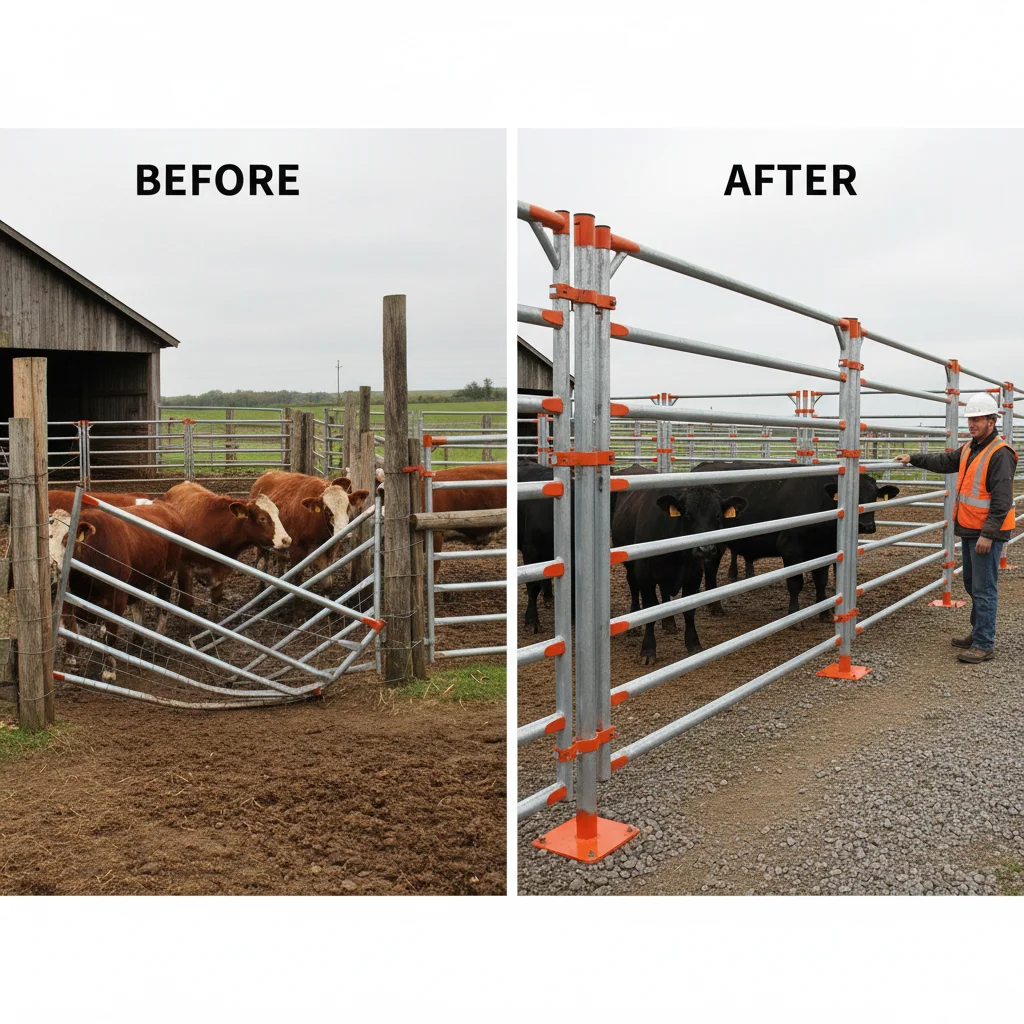
Durable Freestanding Livestock Panels for Efficient Animal Handling In the demanding world of agricultural management, the need for flexible and robust containment solutions has never been more critical. freestanding livestock panels offer a sophisticated answer to the challenges of animal handling, providing a secure yet adaptable barrier that does not require permanent installation or deep grounding. By allowing farmers and ranchers to redefine their spatial layouts in minutes, these panels maximize the efficiency of existing infrastructure while ensuring the safety of both the handlers and the livestock. Read More >26 Apr, 17
-
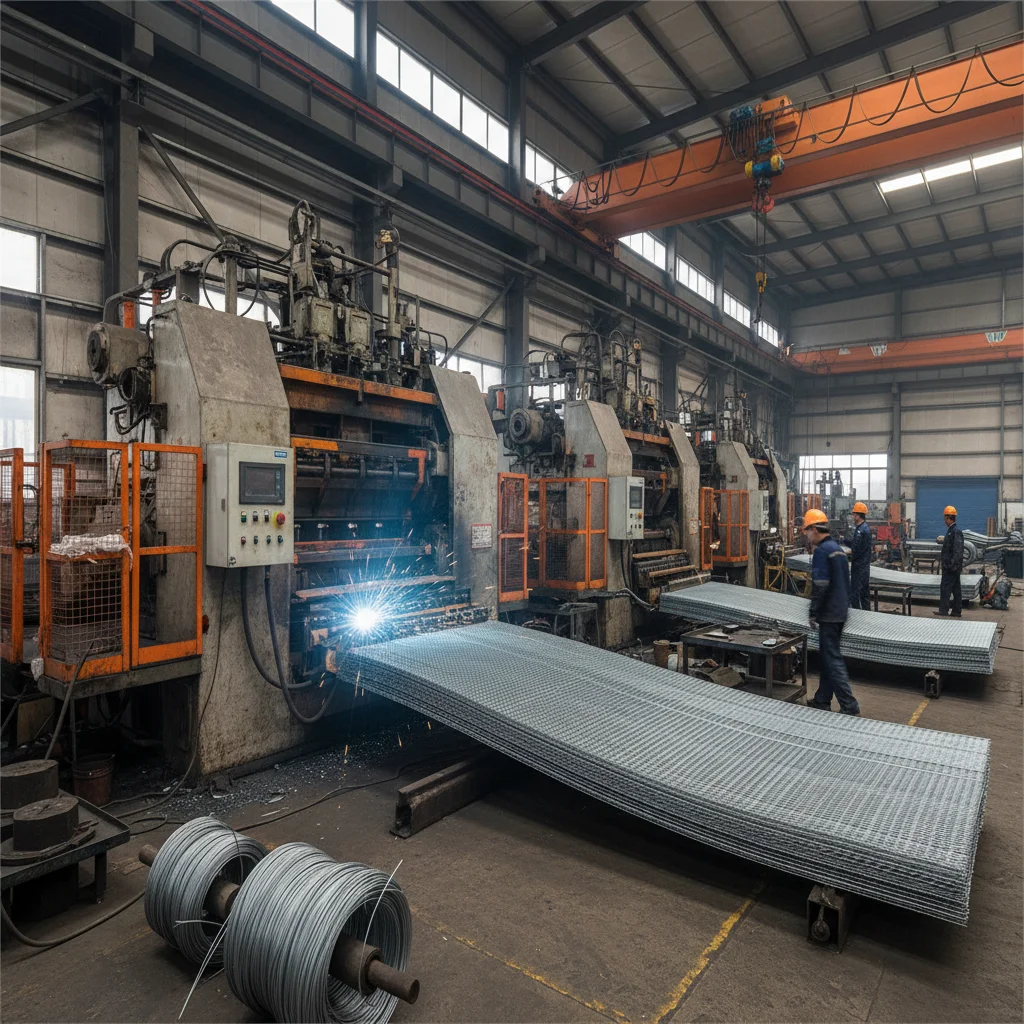
Professional Galvanized Welded Mesh Factory for Industrial Projects Finding a reliable galvanized welded mesh factory is critical for ensuring the structural integrity and longevity of your industrial or agricultural installations. Galvanized welded mesh is prized for its exceptional strength and resistance to corrosion, making it the go-to choice for fencing, animal cages, and construction reinforcement. However, not all factories adhere to the same quality standards. Whether you are sourcing for a large-scale infrastructure project or a specialized commercial application, understanding the manufacturing process and quality benchmarks is key to making a cost-effective investment that lasts for decades. Read More >26 Apr, 16
-
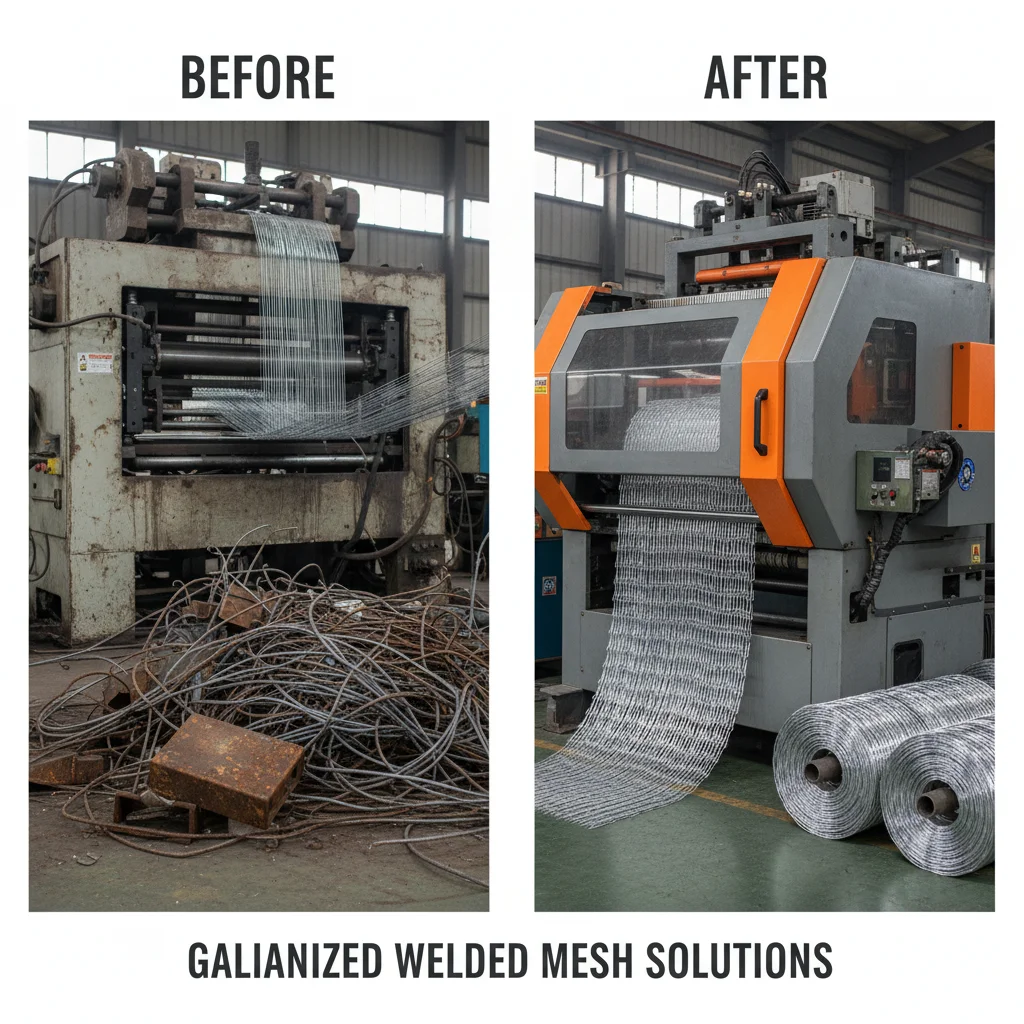
Professional Galvanized Welded Mesh Exporter for Quality Projects Selecting a high-quality fencing or screening solution requires more than just picking a product; it requires partnering with a reliable galvanized welded mesh exporter who understands the balance between structural integrity and corrosion resistance. Whether you are securing an industrial perimeter, building animal enclosures, or implementing architectural reinforcements, the quality of the galvanization process determines the lifespan of your installation. In this guide, we will explore the technical advantages of galvanized welded mesh and how to identify a global supplier that meets international quality standards to ensure your investment stands the test of time. Read More >26 Apr, 09
-
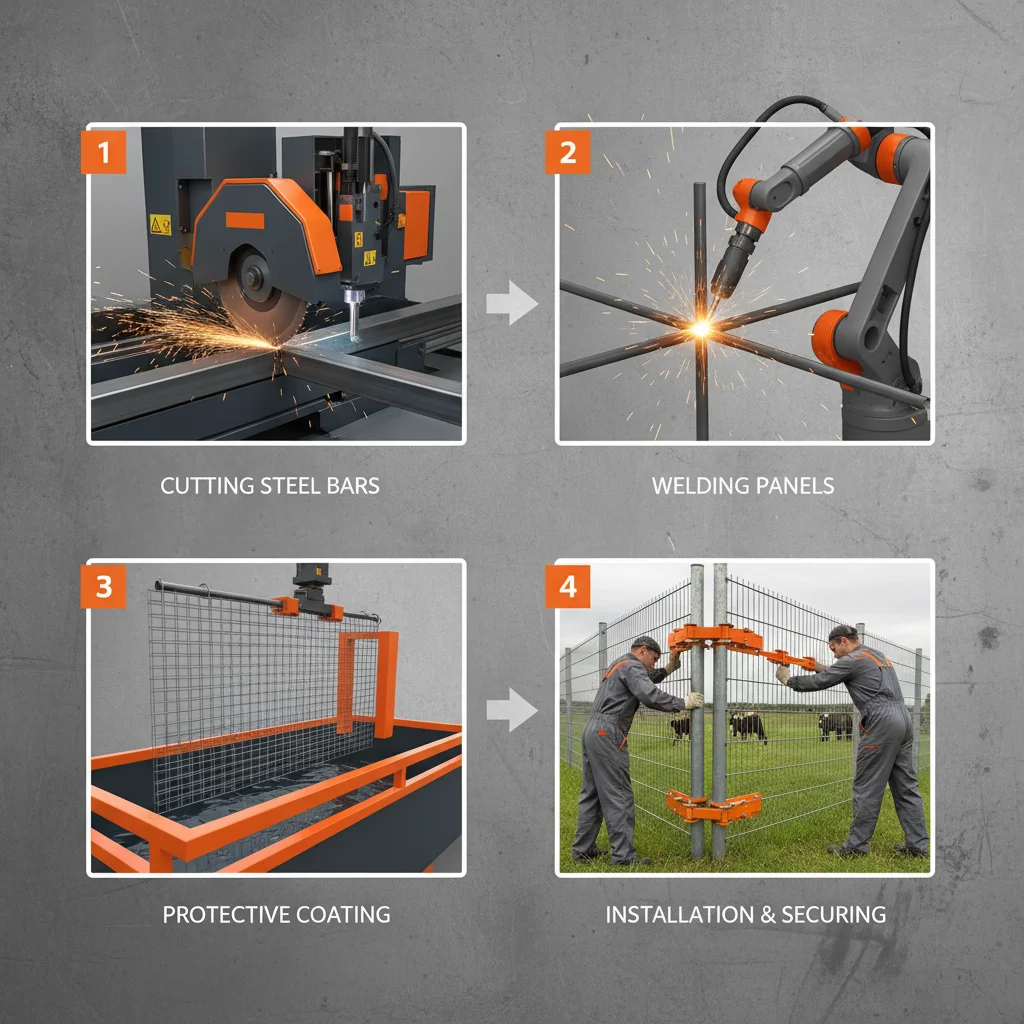
Essential Fencing Panels for Livestock Management and Farm Productivity Fencing panels for livestock are essential components in modern animal husbandry, playing a critical role in efficient farm management, animal welfare, and land utilization. Globally, the demand for robust and reliable fencing solutions is increasing due to the expanding livestock industry and the need to protect grazing lands from encroachment and predation. These panels aren’t simply barriers; they represent a vital investment in a farm's productivity and the health of its animals. Read More >26 Apr, 08
If you are interested in our products, you can choose to leave your information here, and we will be in touch with you shortly.


