


Durable and Versatile 4 x 16 Cattle Panel Fencing for Modern Livestock Management
What Is a 4 x 16 Cattle Panel and Why Does It Matter?
In agricultural and livestock industries worldwide, fencing solutions are more than just barriers — they're vital tools that influence animal welfare, operational efficiency, and even community safety. The 4 x 16 cattle panel is one such practical innovation. It refers to a section of sturdy wire panel fencing, commonly measuring 4 feet high and 16 feet long, designed specifically to contain cattle safely. From small rural farms to large-scale ranching operations, these panels help protect livestock, reduce loss, and maintain controlled grazing patterns.
But understanding the 4 x 16 cattle panel goes beyond just barnyard practicality. Globally, with rising demand for sustainable livestock management and land-use optimization, such panels offer a scalable, cost-efficient, and reliable fencing system that directly ties into efforts to enhance food security and rural livelihoods, especially in emerging economies.
Mini Takeaway: The 4 x 16 cattle panel isn't just a fence piece; it's a foundational element in global livestock management that balances cost, durability, and animal safety.
The Global Context: Why Fencing Panels Are Essential in Agriculture
Across continents, the livestock sector accounts for a significant share of agricultural GDP — for example, the World Bank estimates that in low-income countries, livestock can represent up to 40% of agricultural value. However, this value is constantly threatened by inadequate fences that allow escapes, predator attacks, or crop destruction. According to the UN Food and Agriculture Organization (FAO), improving livestock infrastructure, including fencing, directly correlates with increased productivity and sustainability.
The 4 x 16 cattle panel has thus emerged as a common solution to these challenges, offering managers a practical way to create large enclosures efficiently. Without proper fencing, farmers risk excessive cattle loss and damage to surrounding ecosystems.
Mini Takeaway: Robust, scalable cattle panels are key to securing livestock and supporting rising global food demands, especially in vulnerable rural communities.
Defining the 4 x 16 Cattle Panel: What Makes It Special?
In simple terms, a 4 x 16 cattle panel is a single piece of welded wire fencing, 4 feet in height and roughly 16 feet long. These panels consist of a grid made from high-tensile galvanized steel wire, with rectangular openings designed to prevent cattle from escaping without injuring them. The wire thickness and spacing offer the optimal strength-to-weight ratio, meaning the panels can withstand pressure yet remain light enough for easy handling.
Beyond farms, these panels are used in wildlife reserves, livestock auctions, and sometimes even emergency relief zones where rapid temporary fencing is needed to confine animals. Their modular nature allows quick assembly into larger enclosures, adaptable to almost any terrain.
Mini Takeaway: The 4 x 16 cattle panel blends durability, portability, and safety — an unsung hero in modern animal husbandry and humanitarian efforts.
Core Aspects of 4 x 16 Cattle Panels
Durability and Weather Resistance
Most cattle panels feature galvanized steel, which naturally resists rust and corrosion, expanding their lifespan even in humid or rainy climates. Some providers offer powder coating for extra protection. This quality is vital since fences often face elements unchecked for years.
Simple Scalability and Modularity
The 4 x 16 size is a standard building block. Farmers and ranchers can combine several panels up to any length needed. This modularity is useful for shifting fence lines during rotational grazing or seasonal changes.
Cost Efficiency
Compared to wooden or concrete fencing, these wire panels offer a significantly lower upfront cost and reduce maintenance expenses over time. The ease of quick installation saves labor costs and downtime.
Animal Welfare Considerations
The size of the wire openings accommodates safety needs, reducing the chance of injuries from sharp edges. Plus, the panels contain animals effectively while allowing visibility — important for stress reduction.
Ease of Transport and Setup
Since each panel is lightweight, they can be moved with minimal equipment or manpower. This mobility is valuable for temporary fencing or adapting to seasonal grazing.
Product Specification Table
| Specification | Details |
|---|---|
| Dimensions | 4 feet (height) x 16 feet (length) |
| Material | Galvanized Steel Wire (14 - 16 gauge) |
| Mesh Opening Size | 4” x 6” rectangular grids |
| Coating | Hot-dipped galvanized; optional powder coating |
| Weight (per panel) | Approximately 40-50 lbs (varies by gauge) |
| Typical Usage | Cattle fencing, livestock pens, temporary enclosures |
Global Applications & Use Cases
Across the US Midwest and Australia’s pastoral areas, 4 x 16 cattle panels form the backbone of countless fencing projects. But oddly enough, in less developed regions of Africa and Asia, NGOs working to modernize rural livestock farming see these panels as invaluable for boosting food security. In post-disaster relief operations, the panels quickly rebuild makeshift enclosures to protect displaced herds — a critical step in helping affected families regain livelihoods.
In industrial settings—mining or pipeline sites—these panels create quick animal exclusion zones to protect equipment yet maintain ecological balance. The panels’ flexibility also appeals to hobby farmers and agrotourism ventures aiming for a rustic but functional aesthetic.
Mini Takeaway: Whether it’s a sprawling ranch or an emergency shelter, the 4 x 16 panels prove their worth as adaptable, practical, and trusted fencing—they're truly everywhere you’d want livestock secured.
Advantages & Long-Term Impact
- Cost-effective: Low initial investment with long-term durability
- Environmentally friendly: Recyclable steel reduces waste compared to timber
- Animal safety: Reduces injury risk compared to barbed wire or electric fences
- Operational efficiency: Saves time on installation and future maintenance
- Social impact: Stable fencing supports farmer income and community food supplies
Emotionally, farmers often say the peace of mind—that their cattle are secure and safe—cannot be overstated. This creates a strong sense of trust and reliance on these panels that simple specs don’t capture.
Comparing Top Vendors of 4 x 16 Cattle Panels
| Vendor | Material Quality | Pricing (per panel) | Customization Options | Shipping & Support |
|---|---|---|---|---|
| Haotian Mesh | Galvanized, powder coated available | $70 - $85 | Multiple gauges & sizes Custom lengths |
Global shipping, technical support |
| FarmPro Supply | Standard galvanized only | $65 - $75 | Limited sizes | US domestic only |
| GlobalFence Co. | High tensile galvanized | $80 - $95 | Custom coatings & panels | Worldwide with extra fees |
Looking Ahead: Trends & Innovations in Cattle Panel Design
Going into 2024 and beyond, the industry is looking at integrating sustainable materials — like recycled steel and biodegradable coatings — to lower environmental footprints. Smart fencing isn’t far off, either: embedded sensors to detect pressure or breaches are being piloted for the most high-value herds. Automation through drones or robotic assembly could speed fence setup in remote locations.
This digital transformation matches a broader agricultural push for precision livestock farming, where data-driven decisions optimize animal welfare and resource use.
Challenges & What’s Next
Of course, no solution is perfect. Some complaints about 4 x 16 cattle panels center on transport difficulty in rugged areas, or initial investment perceived as high for small farmers. Sometimes galvanization quality varies leading to rust. Yet expert installers emphasize that combining proper anchoring techniques with quality products will solve most problems.
To tackle cost, NGOs and co-ops increasingly pool purchasing power or offer financing. For terrain issues, modular designs with angled panels or flexible wire alternatives complement traditional setups.
FAQ: Your Top Questions on 4 x 16 Cattle Panels
- Q: How much weight can a 4 x 16 cattle panel hold?
- A: These panels are designed to handle significant pressure from cattle leaning or pushing, generally tolerating several hundred pounds of lateral force without bending. Still, installation with sturdy posts improves strength.
- Q: Can these panels be used for animals other than cattle?
- A: Absolutely! While optimized for cattle, many farmers use 4 x 16 panels for horses, goats, and other large livestock. Adjustments to mesh sizes might be necessary for smaller animals to prevent escapes.
- Q: How long do these panels last outdoors?
- Under normal conditions with galvanized steel and regular maintenance, cattle panels can last 15+ years. However, coastal areas with salty air might see faster corrosion without extra protective coatings.
- Q: Are there eco-friendly options available?
- Yes, several manufacturers now offer panels made with recycled steel or using powder coatings that are less toxic than traditional galvanization, contributing to greener farming.
- Q: What’s the easiest way to install these panels?
- Simple post-and-brace methods with T-posts or wood poles are popular. For quicker deployment, clip systems and portable panel frameworks reduce setup time and tools needed.
Wrapping It Up: Why 4 x 16 Cattle Panels Deserve Your Attention
When you think about it, the humble 4 x 16 cattle panel isn’t just a piece of metal; it’s a cornerstone of modern livestock care and a silent partner in global food sustainability efforts. Durable, scalable, and increasingly innovative, these panels embody the balance of tradition and technology—a testament to how a simple idea, executed well, can protect livelihoods and promote progress worldwide.
For farmers, NGOs, or industrial managers looking for reliable fencing solutions, exploring the full range of high-quality cattle panels is a smart move. After all, when your animals are safe, your operations can thrive.
Discover more about specifications and custom options by visiting our website today.
References:
-
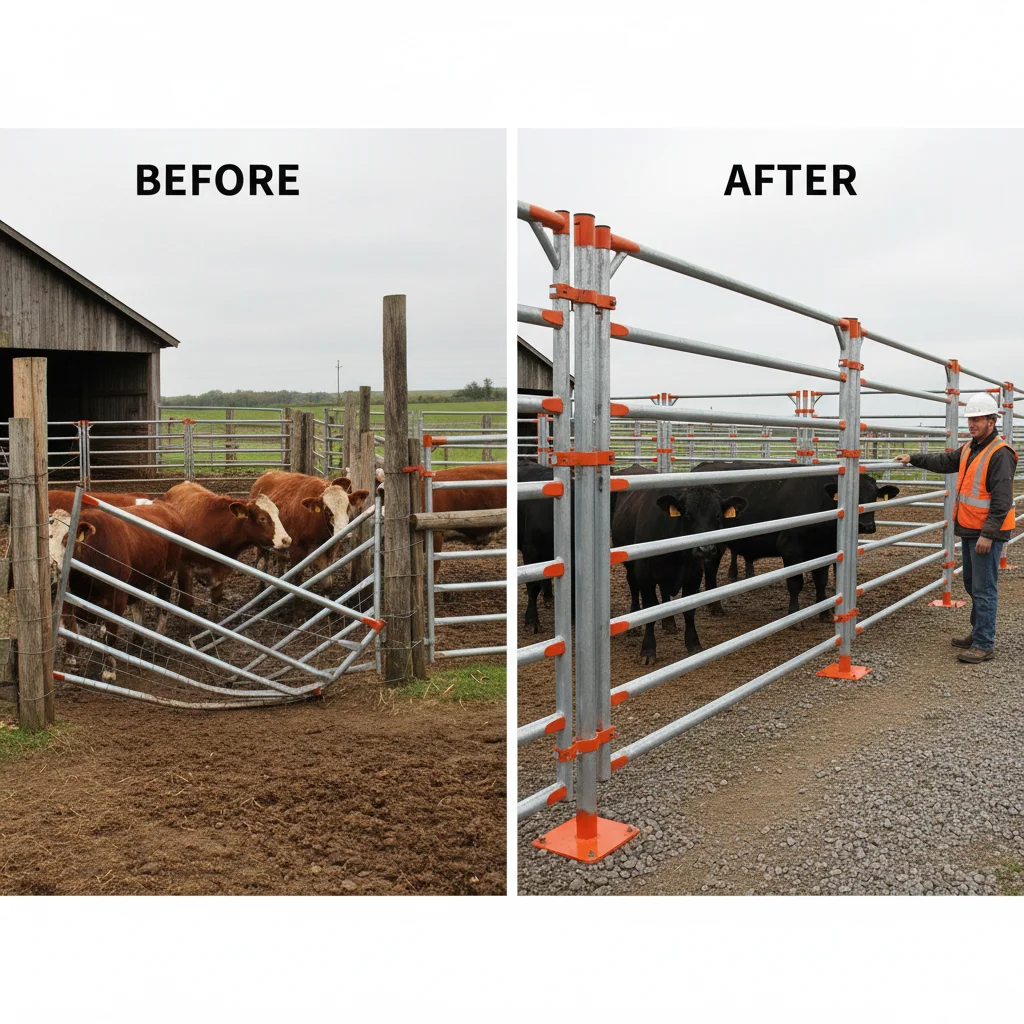
Durable Freestanding Livestock Panels for Efficient Animal Handling In the demanding world of agricultural management, the need for flexible and robust containment solutions has never been more critical. freestanding livestock panels offer a sophisticated answer to the challenges of animal handling, providing a secure yet adaptable barrier that does not require permanent installation or deep grounding. By allowing farmers and ranchers to redefine their spatial layouts in minutes, these panels maximize the efficiency of existing infrastructure while ensuring the safety of both the handlers and the livestock. Read More >26 Apr, 17
-
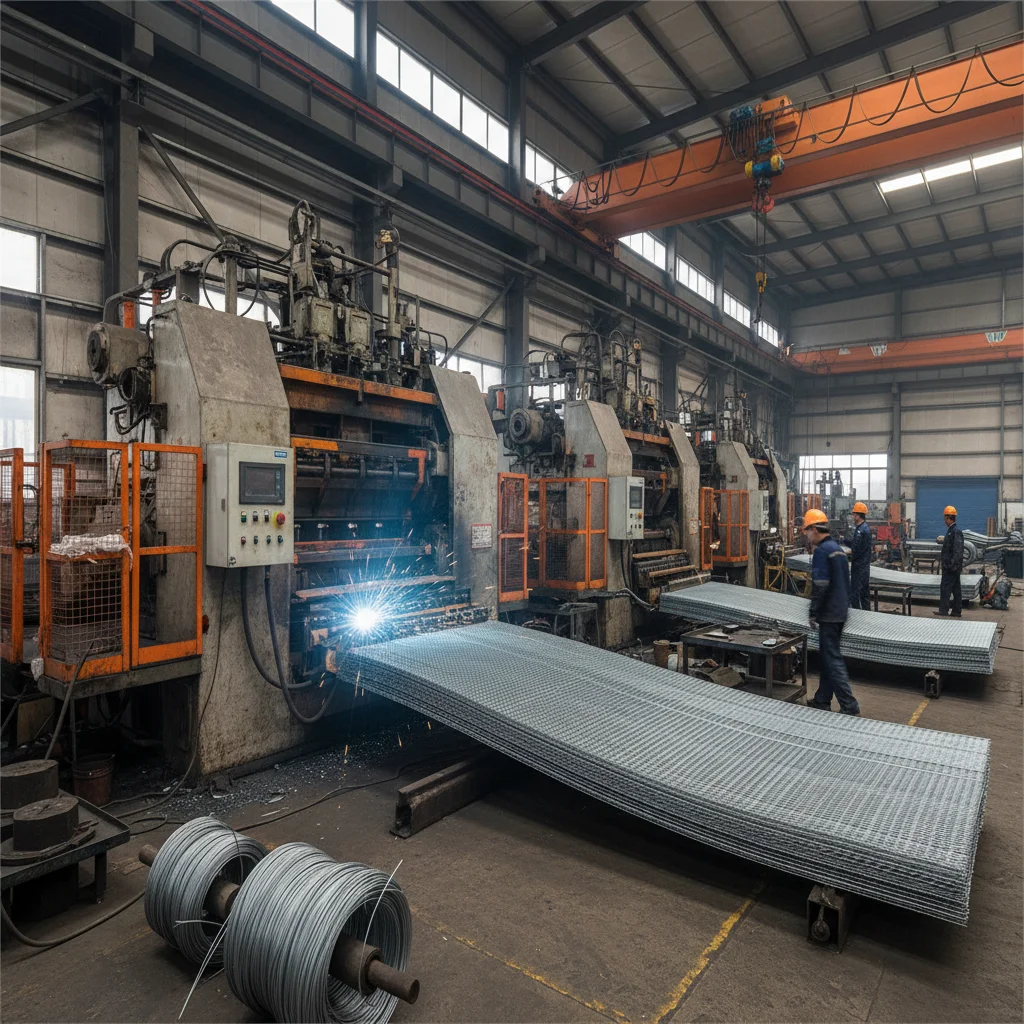
Professional Galvanized Welded Mesh Factory for Industrial Projects Finding a reliable galvanized welded mesh factory is critical for ensuring the structural integrity and longevity of your industrial or agricultural installations. Galvanized welded mesh is prized for its exceptional strength and resistance to corrosion, making it the go-to choice for fencing, animal cages, and construction reinforcement. However, not all factories adhere to the same quality standards. Whether you are sourcing for a large-scale infrastructure project or a specialized commercial application, understanding the manufacturing process and quality benchmarks is key to making a cost-effective investment that lasts for decades. Read More >26 Apr, 16
-
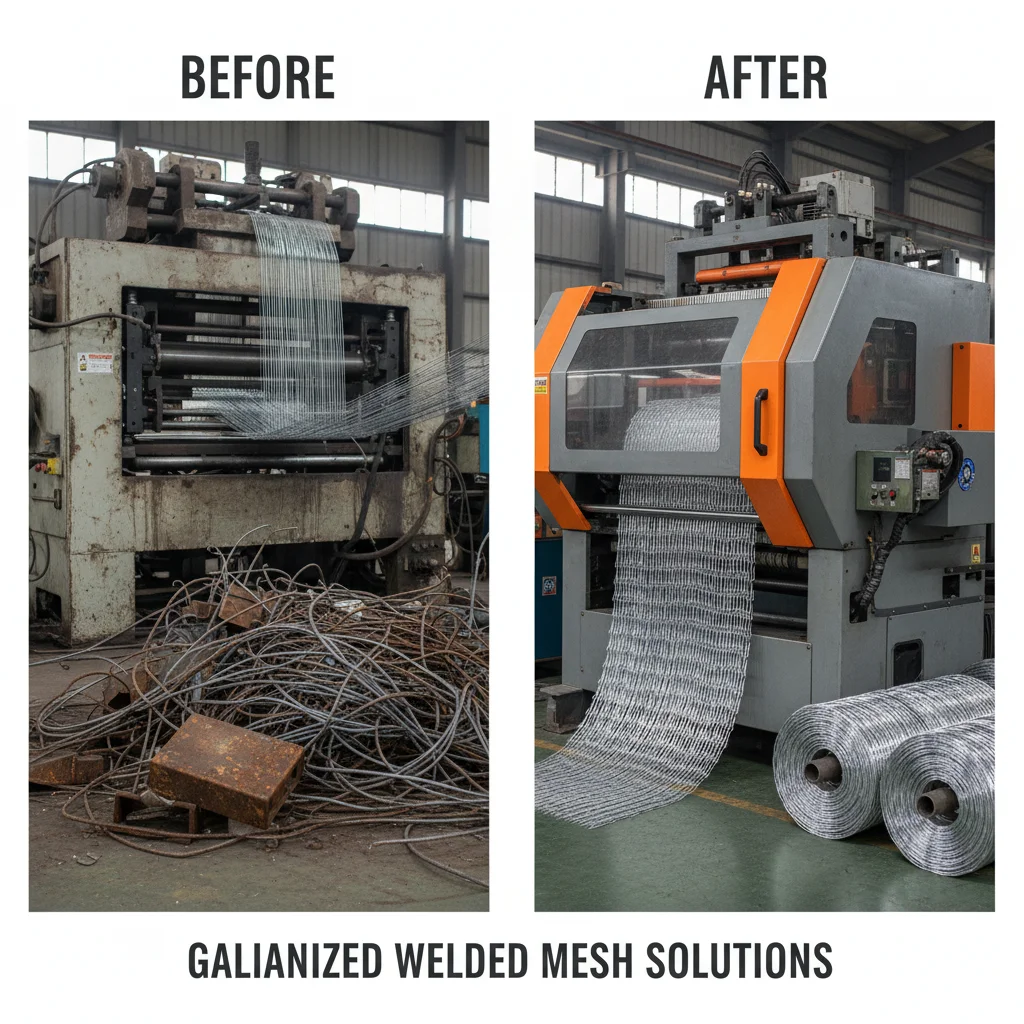
Professional Galvanized Welded Mesh Exporter for Quality Projects Selecting a high-quality fencing or screening solution requires more than just picking a product; it requires partnering with a reliable galvanized welded mesh exporter who understands the balance between structural integrity and corrosion resistance. Whether you are securing an industrial perimeter, building animal enclosures, or implementing architectural reinforcements, the quality of the galvanization process determines the lifespan of your installation. In this guide, we will explore the technical advantages of galvanized welded mesh and how to identify a global supplier that meets international quality standards to ensure your investment stands the test of time. Read More >26 Apr, 09
-
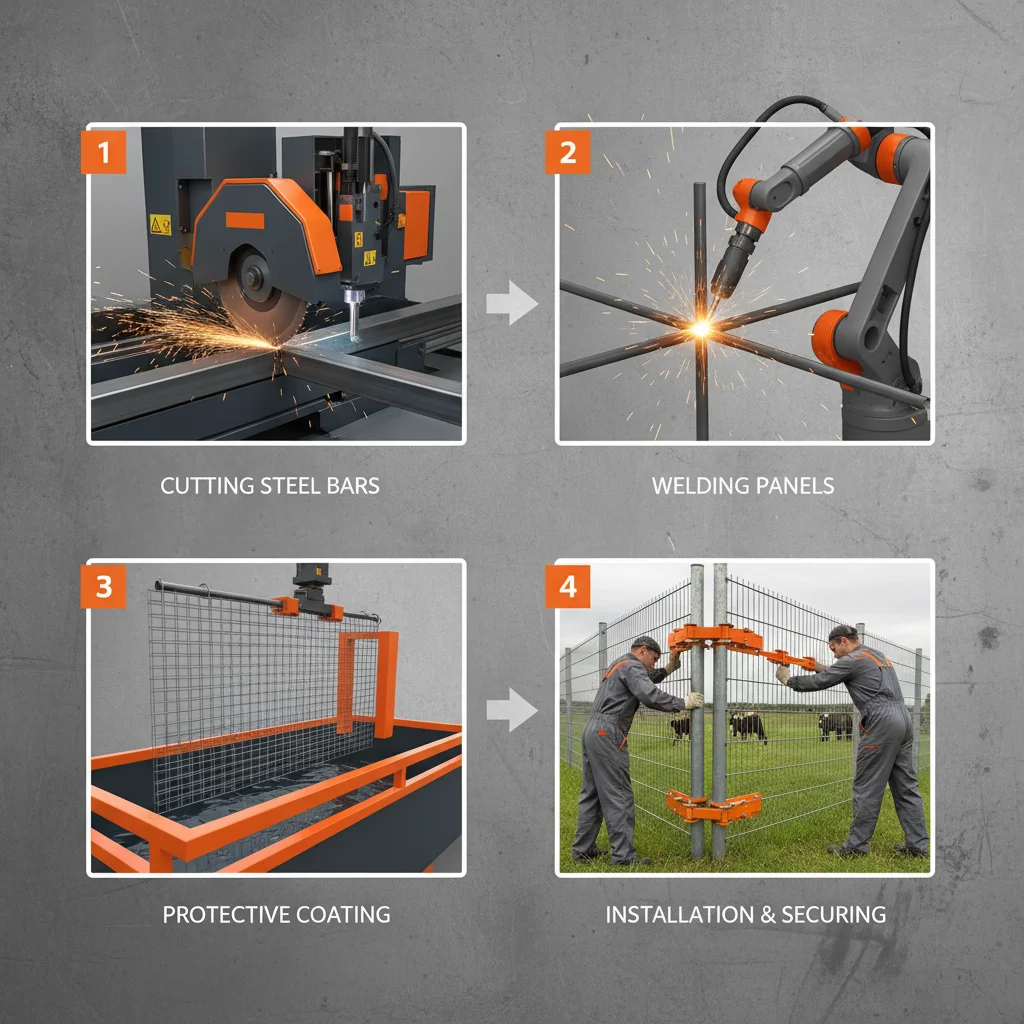
Essential Fencing Panels for Livestock Management and Farm Productivity Fencing panels for livestock are essential components in modern animal husbandry, playing a critical role in efficient farm management, animal welfare, and land utilization. Globally, the demand for robust and reliable fencing solutions is increasing due to the expanding livestock industry and the need to protect grazing lands from encroachment and predation. These panels aren’t simply barriers; they represent a vital investment in a farm's productivity and the health of its animals. Read More >26 Apr, 08
If you are interested in our products, you can choose to leave your information here, and we will be in touch with you shortly.


