


Durable and Versatile 16 x 50 Cattle Panels for Global Livestock Solutions
1 December 2025
Why the 16 x 50 Cattle Panel is a Global Game-Changer in Livestock Management
If you’ve ever peeked into what keeps cattle safe, organized, and happy in farms worldwide, the humble cattle panel is likely behind the scenes. Specifically, the 16 x 50 cattle panel has found a sweet spot in blending practicality with durability, becoming a staple for ranchers and agribusinesses alike. Why does this particular panel size matter so much globally? Well, for starters, livestock fencing isn't just about containment—it’s about animal welfare, farm productivity, and even environmental conservation. Getting those panels right can make a real impact in food security and sustainable farming, which are top global priorities today. ---A Snapshot of the Global Context for 16 x 50 Cattle Panels
Worldwide, agriculture contributes roughly 4% to the global GDP and employs over a billion people. With the steady demand for meat and dairy, especially in emerging markets, there's an urgent need for reliable livestock containment solutions. The 16 x 50 cattle panel meets this challenge head-on by offering a standardized, cost-effective, and durable fencing option. But here’s the kicker — the challenge isn’t just building fences; it’s building smarter fences that keep animals safe, minimize damage, and last under tough environmental conditions. According to reports from the Food and Agriculture Organization (FAO), improving farm infrastructure like fencing can reduce livestock losses by up to 15%, a big deal for food security in developing regions. Mini takeaway: The 16 x 50 cattle panel isn’t just a fence component — it’s part of a wider push towards more efficient and sustainable livestock farming globally. ---Defining the 16 x 50 Cattle Panel
At its core, a 16 x 50 cattle panel refers to a livestock fencing panel that measures roughly 16 feet in length and 50 inches in height. Crafted usually from heavy-gauge galvanized steel wire, these panels feature a grid design where the spacing between rods (around 4 inches vertically and horizontal wire thickness appropriate to contain cattle) is optimized to prevent escapes and injuries. These panels serve as modular building blocks in the cattle industry, connected to form corrals, feeding stations, and temporary holding areas. Given their portability and robustness, humanitarian agencies also sometimes turn to variants of these panels for quick animal containment in emergency relief zones. ---Key Features That Make 16 x 50 Cattle Panels So Practical
Durability
These panels endure rain, sun, snow, and the occasional elbow from a curious cow. Steel wires are typically galvanized or powder-coated for rust-resistance, ensuring fewer replacements over time.Portability & Flexibility
Weighing around 50-60 pounds each, they strike a balance between being hefty enough to stay upright but light enough for one or two people to carry and install. That’s handy when changing pasture layouts seasonally or setting up temporary pens.Cost Efficiency
Compared to custom-built fencing, 16 x 50 cattle panels reduce labor and material costs. Their standard size means they can be mass-produced and replaced without specialized parts.Animal Comfort & Safety
The wire grid spacing minimizes injury risks. Too wide, and calves slip through. Too tight, and there’s too much metal to cause scrapes. This size is a thoughtful balance, helping animals feel secure without the panic of tight confinement.Scalability
Farmers can connect multiple panels seamlessly, tailoring pen sizes from small handfuls of cattle to hundreds. The modular nature minimizes upfront investment and spreads costs over multiple seasons. Mini takeaway: The seemingly simple specs - length, height, wire spacing - reflect a toolbox that ranchers trust for daily animal welfare and farm efficiency. ---Global Applications and Where the 16 x 50 Cattle Panel Shines
Regions from North American ranchlands to Australian outbacks rely on these panels. Interestingly, in parts of East Africa’s arid zones, NGOs have used adapted versions to protect livestock from predators while water access improves. In the United States and Canada, the panels form the backbone of feedlots and auction sites, sometimes even combined with electric fencing for enhanced control. In post-disaster relief operations, temporary cattle containment using these modular panels prevents stray animals from exacerbating chaos — a subtle but critical detail. Industrially, factories raising beef or dairy cattle depend on these panels daily. Their durability supports heavy use — cows don’t exactly tiptoe in their pens. The versatility extends to horse trainers, alpaca farmers, and sometimes, even for human crowd control at large outdoor events. ---Advantages That Keep Farmers and Producers Coming Back
- Reliability: These panels keep livestock secure with minimal maintenance.
- Cost Savings: Long lifespan and ease of setup reduce labor and replacement spending.
- Animal Well-being: Reduced injury rates foster healthy growth and reduce veterinary bills.
- Environmental Impact: Durable materials mean less waste, and by efficiently managing grazing, land degradation slows.
- Flexibility: Prefab solution adapts to multiple farming scales and needs.
The Future of 16 x 50 Cattle Panels: Innovations on the Horizon
As sustainability gains momentum, companies are exploring green coating technologies reducing chemical use and improving recyclability. Some panels now feature composite reinforcements that blend steel with recycled plastics, enhancing strength without extra weight. On the tech side, sensors integrated into panels may soon track animal movement or panel damage remotely — imagine a rancher getting alerts via smartphone if a panel is breached. Here's a thought — blockchain traceability tied to livestock containment might add transparency to meat supply chains, with panels as “smart” infrastructure points. Automation might see robot-guided fence repairs or repositioning in fields, radically changing how panels deploy. Solar-powered lighting attached to panels could improve nighttime visibility with a small carbon footprint. ---Challenges and How the Industry is Addressing Them
Despite their strengths, 16 x 50 cattle panels face some issues: - Weight concerns: While portable here and there, it’s still bulky for very large-scale fencing. - Susceptibility to corrosion: Cheaper, non-galvanized versions rust quicker, so quality matters. - Predator resistance: In some regions, heavier gating or electric reinforcement is necessary. Innovative solutions include powder-coating for extra protection, hybrid frames combining lightweight aluminum with steel, and modular electric fencing additions for vulnerable spots. Many manufacturers also enable custom panel sizes or mesh densities, accommodating species beyond cattle, like goats or sheep, reflecting a move toward more adaptable, customer-centered design. ---FAQ: Your Questions About 16 x 50 Cattle Panels Answered
- What makes the 16 x 50 cattle panel a better choice than custom-built fencing?
- Its standardization means consistent quality, quicker installation, and easier replacement — all translating to cost and time savings for farmers.
- How long do these panels typically last outdoors?
- With proper galvanization and maintenance, panels often last 10-15 years, sometimes longer if protected from extreme conditions.
- Are these cattle panels environmentally friendly?
- Steel is highly recyclable and panels reduce the need for treated wood posts, making them a greener option when sourced responsibly.
- Can the panels be used in uneven or hilly terrain?
- Yes, their modular design allows slight adjustments and angling, especially when combined with flexible connectors and stakes.
- How do NGOs import and deploy these panels in remote areas?
- They typically partner with local suppliers or use modular kits shipped via container, facilitating fast assembly in field conditions.
Conclusion: Why the 16 x 50 Cattle Panel Holds Its Ground
In the vast, sometimes tough world of livestock management, the 16 x 50 cattle panel stands out as a dependable, adaptable, and economically smart choice. Its widespread adoption speaks volumes about its practicality marrying tradition with modern agricultural demands. For any farmer, NGO, or industrial operation looking to optimize livestock containment, this panel size offers stability and peace of mind. Intrigued or ready to upgrade your fencing system? Visit our website at https://www.haotianmesh.com — where quality meshes with innovation and experience. ---Product Specification Table
| Specification | Details |
|---|---|
| Panel Length | 16 feet (approx. 4.9 meters) |
| Panel Height | 50 inches (approx. 1.27 meters) |
| Material | Galvanized Steel Wire |
| Wire Gauge | 12-14 gauge |
| Spacing | 4 inch mesh grid |
| Weight | Approximately 55 lbs (25 kg) |
| Coating | Hot-dip Galvanized or Powder Coated |
Vendor Comparison Table
| Vendor | Price per Panel (USD) | Material Quality | Lead Time | Customization Options |
|---|---|---|---|---|
| Haotian Mesh Co. | $110 | Galvanized steel, 12-gauge | 2-3 weeks | Size, coating, custom branding |
| RanchPro Fencing | $125 | Powder-coated steel, 14-gauge | 4-6 weeks | Limited size options |
| AgriFences Ltd. | $100 | Galvanized steel, 13-gauge | 3-4 weeks | Standard panels only |
References
-
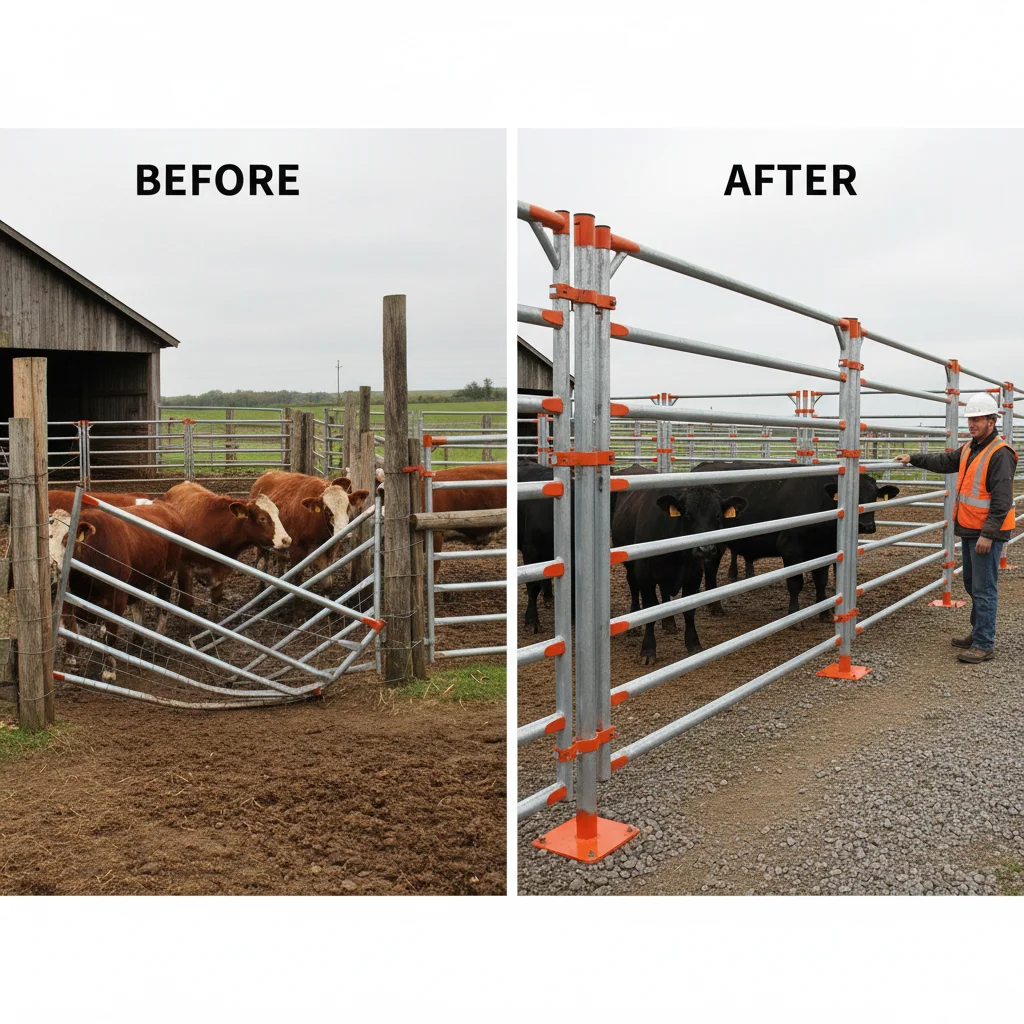
Durable Freestanding Livestock Panels for Efficient Animal Handling In the demanding world of agricultural management, the need for flexible and robust containment solutions has never been more critical. freestanding livestock panels offer a sophisticated answer to the challenges of animal handling, providing a secure yet adaptable barrier that does not require permanent installation or deep grounding. By allowing farmers and ranchers to redefine their spatial layouts in minutes, these panels maximize the efficiency of existing infrastructure while ensuring the safety of both the handlers and the livestock. Read More >26 Apr, 17
-
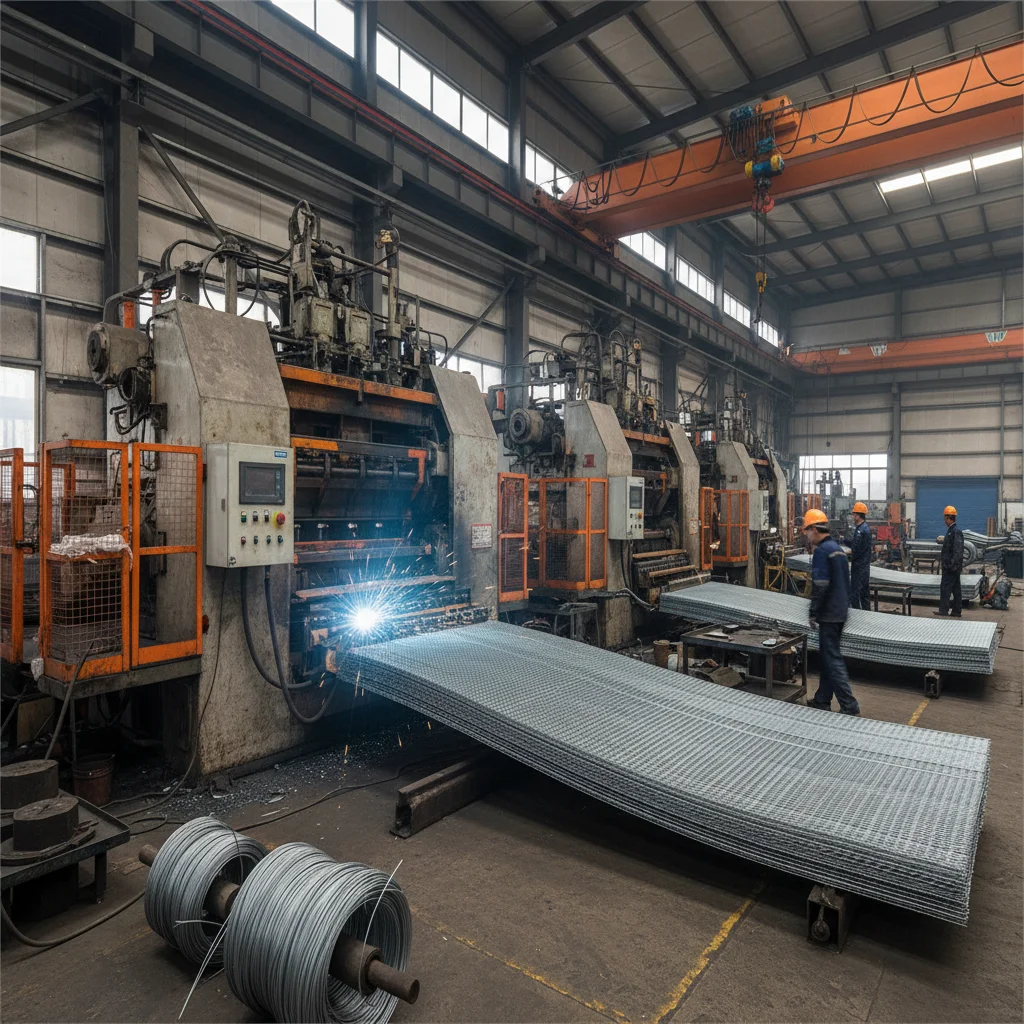
Professional Galvanized Welded Mesh Factory for Industrial Projects Finding a reliable galvanized welded mesh factory is critical for ensuring the structural integrity and longevity of your industrial or agricultural installations. Galvanized welded mesh is prized for its exceptional strength and resistance to corrosion, making it the go-to choice for fencing, animal cages, and construction reinforcement. However, not all factories adhere to the same quality standards. Whether you are sourcing for a large-scale infrastructure project or a specialized commercial application, understanding the manufacturing process and quality benchmarks is key to making a cost-effective investment that lasts for decades. Read More >26 Apr, 16
-
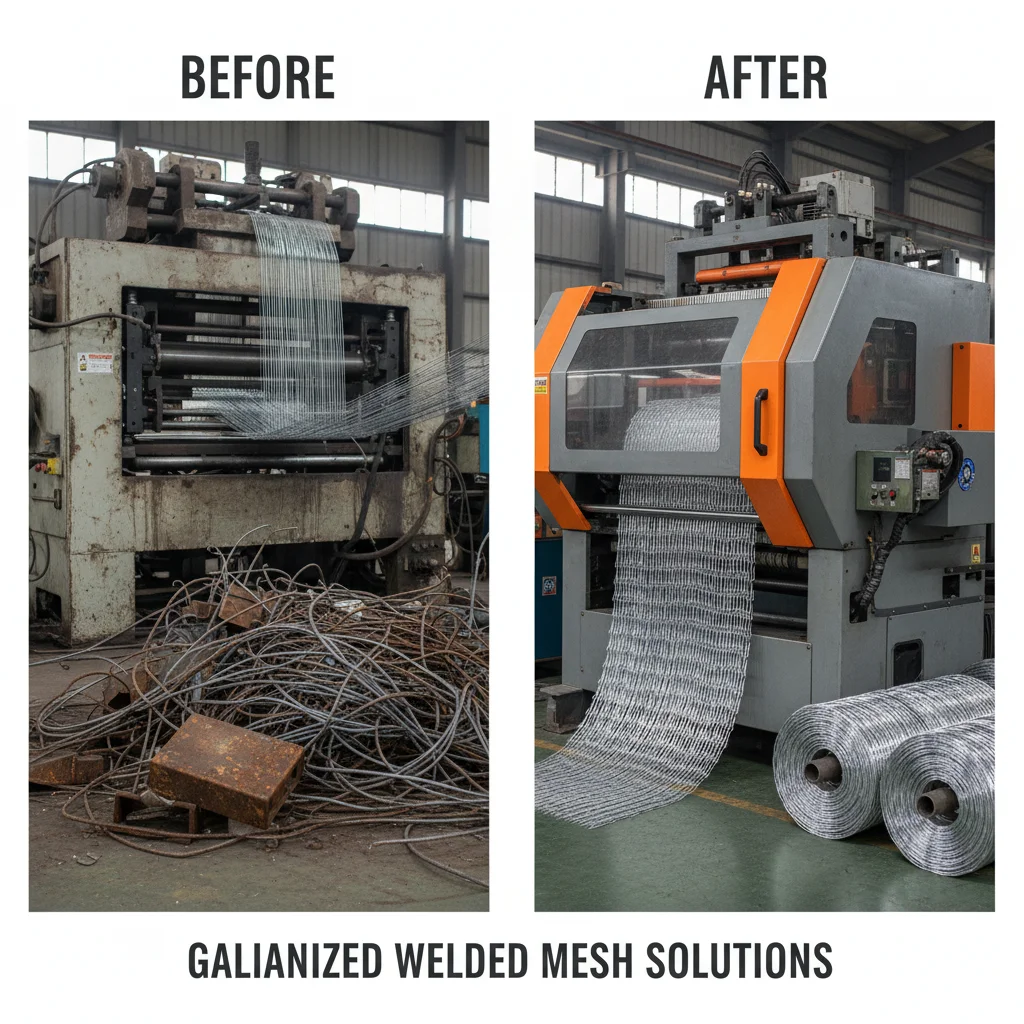
Professional Galvanized Welded Mesh Exporter for Quality Projects Selecting a high-quality fencing or screening solution requires more than just picking a product; it requires partnering with a reliable galvanized welded mesh exporter who understands the balance between structural integrity and corrosion resistance. Whether you are securing an industrial perimeter, building animal enclosures, or implementing architectural reinforcements, the quality of the galvanization process determines the lifespan of your installation. In this guide, we will explore the technical advantages of galvanized welded mesh and how to identify a global supplier that meets international quality standards to ensure your investment stands the test of time. Read More >26 Apr, 09
-
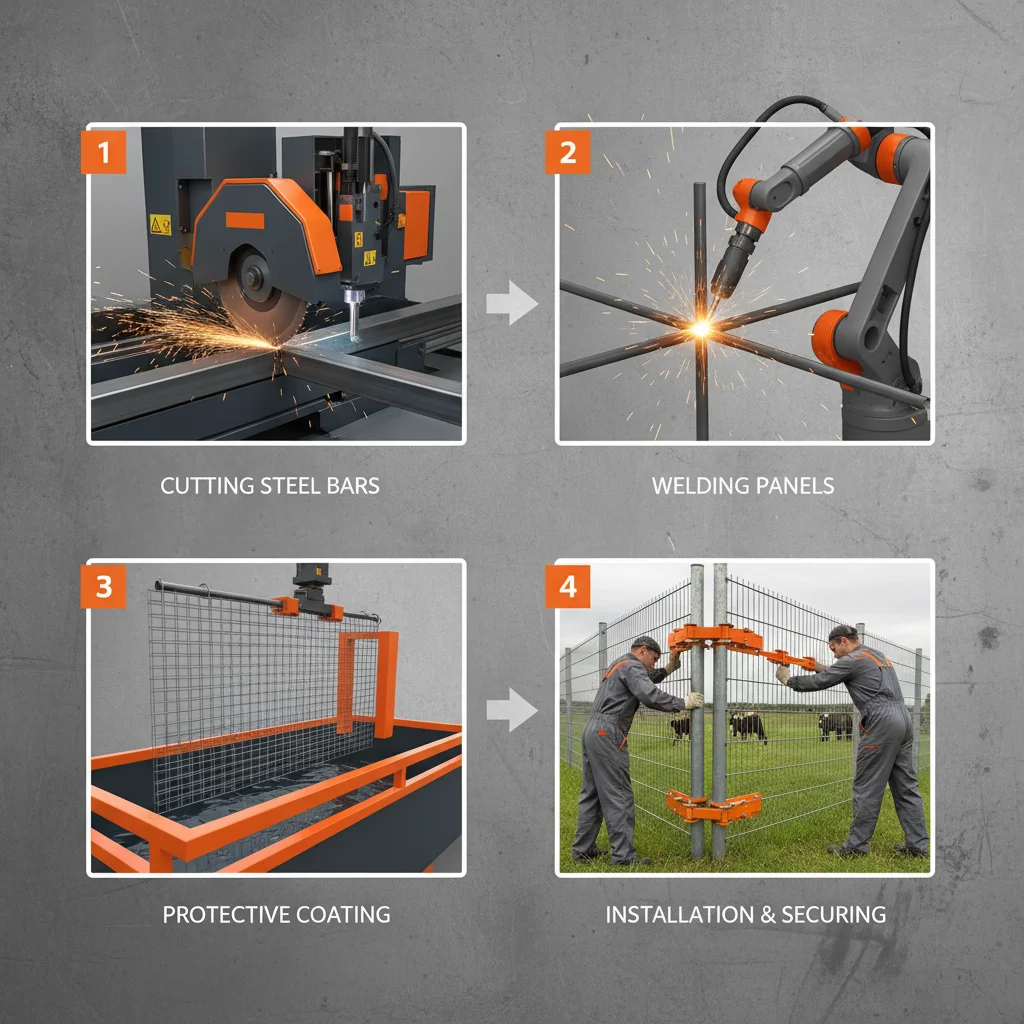
Essential Fencing Panels for Livestock Management and Farm Productivity Fencing panels for livestock are essential components in modern animal husbandry, playing a critical role in efficient farm management, animal welfare, and land utilization. Globally, the demand for robust and reliable fencing solutions is increasing due to the expanding livestock industry and the need to protect grazing lands from encroachment and predation. These panels aren’t simply barriers; they represent a vital investment in a farm's productivity and the health of its animals. Read More >26 Apr, 08
If you are interested in our products, you can choose to leave your information here, and we will be in touch with you shortly.


