


Durable and Versatile Cattle Panel Fencing Solutions for Global Livestock Management
30 November 2025
What Is Cattle Panel Fencing and Why Should We Care?
You might think, “Cattle panel fencing? Isn’t that just some boring agricultural thing?” Well, yes and no. While it’s true that cattle panel fencing is mainly used in livestock management, its importance stretches far beyond pastures and ranches. This simple yet sturdy mesh solution impacts global farming efficiency, humanitarian relief efforts, and even sustainable land use strategies. Understanding its applications and advantages helps industries minimize waste, protect livestock, and support eco-friendly land management — all of which are pretty essential if you care about food security and rural livelihoods worldwide.Setting the Stage: Why Cattle Panel Fencing Matters Globally
Around the world, especially in developing regions, agriculture is still the backbone of local economies. According to the Food and Agriculture Organization, over 60% of rural households depend on livestock for income and nutrition. But managing animals safely and efficiently is a consistent challenge. Here’s where cattle panel fencing comes in — it provides a cost-effective way to contain animals, reduce land degradation, and improve operational scalability. A quick glance at global stats shows that fencing infrastructure investments can reduce cattle theft by up to 30% and improve pasture rotation, leading to a 15% productivity gain. Plus, in post-disaster or crisis zones, modular fencing like cattle panels can be deployed fast for temporary animal sheltering, preventing disease spread and loss. That’s no small thing when millions rely on a single herd.So, What Exactly Is Cattle Panel Fencing?
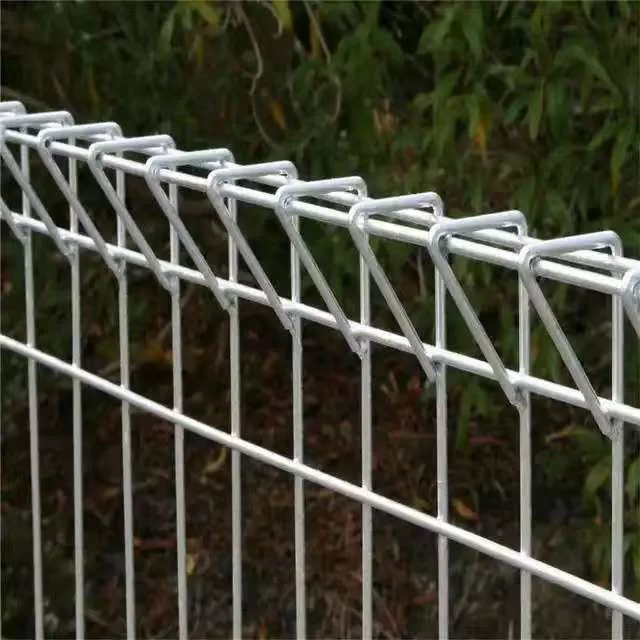
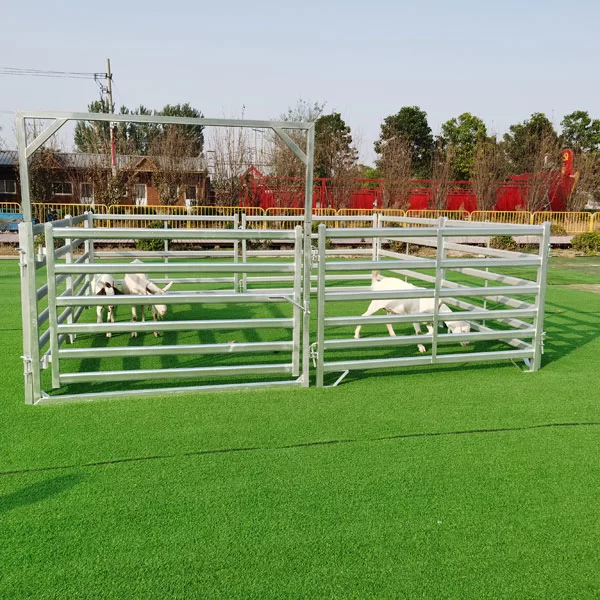
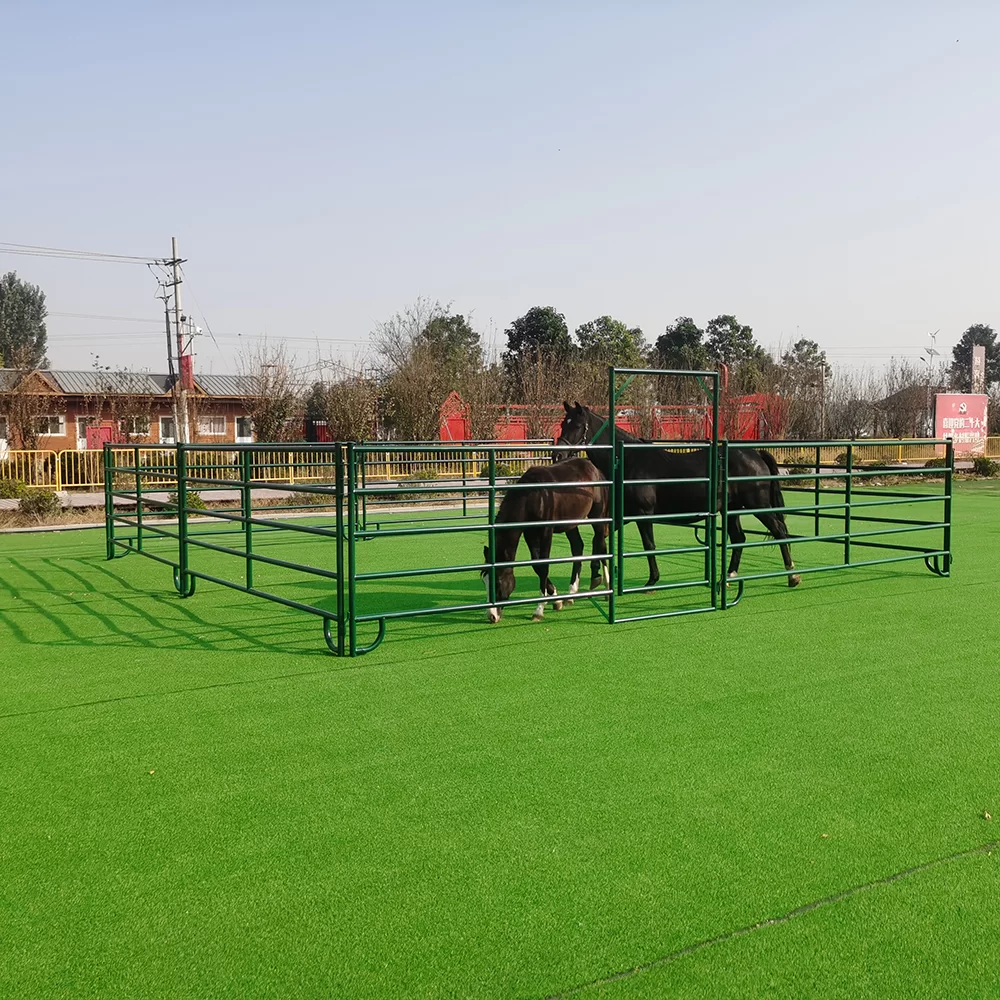
Plainly put, cattle panel fencing consists of welded steel wire mesh panels designed to form strong, durable barriers for livestock containment. You’ll see these panels connected to form fences or gates, often 4 to 6 feet tall, with rectangular openings sized to prevent animal escape but allow visibility and airflow. It’s not just a fence. In modern contexts, cattle panel fencing acts as a modular, reusable system that can be quickly deployed or moved as needed. This pliability makes it invaluable among farmers, breeders, and even NGOs working in remote or disaster-prone areas. The strength-to-weight ratio is key here; it’s tough but not unwieldy.Core Components That Define Effective Cattle Panel Fencing
Durability and Material Quality
Typically made from galvanized steel, cattle panels resist rust and corrosion, even in harsh weather or rough terrain. This extends fence lifespan to a decade or more, with minimal maintenance — a huge plus when running farms on thin margins.Modular and Scalable Design
Each panel is sized standardly (usually 16’ long by 50” high, though variations exist), so you can combine and customize layouts easily. Whether you’re securing a small backyard herd or a sprawling ranch, cattle panel fencing grows with your needs.Cost Efficiency
When measured against alternatives (wood fences, electric barriers), these panels offer a swift return on investment through fewer replacements and reduced labor cost. Oddly enough, installing them yourself is often feasible even with limited tools.Ease of Transport and Installation
Cattle panel fencing’s portability is a standout. They’re lightweight enough to ship, carry, and assemble quickly. This makes them particularly useful in temporary setups or emergency shelters.Safety and Visibility for Animals
The evenly-spaced wire mesh allows animals to see surroundings, lowering stress levels — crucial when transporting or isolating cattle for health reasons.Adaptability to Terrain
Thanks to their rigidity yet slight flexibility, panels conform to uneven ground, requiring fewer fillers or supports. This is a blessing on rocky or mountainous farmland.Mini takeaway:
Quality, size, and modularity matter most. If durability and adaptability are right, you have a fencing system that’s an investment instead of a cost.Global Applications: Beyond the Farmgate
While ranchers and farmers dominate users of cattle panel fencing, its use cases surprise some. For instance: - Disaster Relief: NGOs deploy panels swiftly to create temporary animal holding pens after floods or earthquakes, curbing livestock losses that would otherwise devastate livelihoods. - Wildlife Conservation: In reserve borders or migration corridors, these fences both protect endangered species and prevent damaging interactions. - Urban Farming: City farms and community gardens increasingly use panels to manage small-scale livestock efficiently. - Industrial Zones: Remote mining or construction sites employ fencing for onsite cattle herding or to cordon off dangerous equipment zones. Regions from sub-Saharan Africa to parts of North America and Australia have reported increased productivity and lower animal stress owing to the availability of robust cattle panel fencing solutions.Advantages and Long-Term Value
Putting it simply, cattle panel fencing brings several enduring benefits: - Cost Savings: Lower maintenance demands plus smarter pasture management equal steady economic gains. - Environmentally Friendly: Using galvanized steel panels avoids wood deforestation and reduces plastic waste from single-use wraps. - Animal Welfare: They create safe spaces, lessening injury and promoting better growth. - Trust and Security: Effective fencing reduces theft, increases control, and boosts consumer confidence in meat supply chains. On a more human level, farmers often say it “gives them peace of mind,” especially when away from the ranch. There’s something deeply satisfying about a fence that just works, no fuss.Emerging Trends in Cattle Panel Fencing
The fencing world isn’t standing still. Innovations promise greener manufacturing, smarter deployment, and greater integration: - Eco-Coatings and Smart Materials: Some vendors are experimenting with powder coatings and biodegradable components to reduce environmental footprint. - Automation and IoT: Imagine panels equipped with sensors monitoring breaches or animal movement, feeding data into farm management apps. - Recycled Steel Use: Circular economy approaches recycle metal scrap for new cattle panels, reducing mining demand. - Modular Design Evolution: Locking mechanisms and foldable panels enhance transportability. These developments inch toward farms that are not only efficient but technologically sophisticated.Challenges and How to Overcome Them
Like any solution, cattle panel fencing faces hurdles: - Initial Cost: Despite long-term savings, upfront expenses may deter smallholders. - Rust Without Proper Coating: Non-galvanized or poorly treated panels quickly deteriorate. - Vulnerability to Damage: Large animals can sometimes bend or break panels under stress. The good news? Many manufacturers offer customizable pricing and warranty packages. Regular maintenance, along with reinforcing vulnerable areas, often remedies durability concerns. Plus, training local installers improves deployment quality.Product Specification Table
| Specification | Typical Value | Notes |
|---|---|---|
| Panel Dimensions | 16 ft. length x 50 in. height | Standard size, varies by vendor |
| Wire Gauge | 12.5 - 14 gauge | Thicker wires = more strength |
| Grid Size | 4 in. x 8 in. Rectangular Openings | Allows visibility, airflow |
| Coating | Galvanized zinc, powder coat (optional) | Protects against rust |
| Weight per Panel | Around 60 lbs (27 kg) | Manageable by two people |
A Quick Vendor Comparison: Finding the Right Cattle Panel Fencing Supplier
| Vendor | Material Quality | Customization | Price Range | Global Shipping |
|---|---|---|---|---|
| Haotian Mesh | High - Hot-dip galvanized | Panels, gates, coatings | $$ | Yes |
| RanchGuard Fencing | Medium - Electro-galvanized | Limited panel sizes | $ | Domestic only |
| GlobalFencings | High - Powder coated | Full custom solutions | $$$ | Worldwide |
FAQ: What People Usually Want to Know About Cattle Panel Fencing
Q1: How long does cattle panel fencing usually last outdoors?A1: With proper galvanized coating and decent maintenance, panels can last 10–15 years outdoors. Harsh environments might shorten lifespan, but regular checks prevent early rusting.
Q2: Can I install cattle panel fencing myself?
A2: Absolutely. These panels are designed to be user-friendly. Basic post drivers, wire clips, or welds and a couple of helping hands usually suffice.
Q3: Is cattle panel fencing safe for young calves?
A3: Yes. The panel’s grid size prevents calves from squeezing through or getting stuck, and smooth wire surfaces reduce injury risks.
Q4: Where can I buy high-quality cattle panel fencing with international shipping?
A4: Vendors like Haotian Mesh specialize in global shipments, offering customizable panels and great support.
Q5: Are there eco-friendly versions of cattle panels?
A5: Increasingly, yes. Look for vendors using recycled steel or eco-friendly galvanizing processes, which reduce environmental footprint without sacrificing strength.
Wrapping It Up: Why Cattle Panel Fencing Is a Smart Long-Term Choice
If you’re managing livestock, running a ranch, or even coordinating relief projects, cattle panel fencing combines reliability, flexibility, and affordability in a package that’s hard to beat. It’s not just about holding cattle—it’s about safeguarding livelihoods, protecting ecosystems, and investing in sustainable practices. For anyone interested in checking out options or learning more, I highly recommend visiting cattle panel fencing providers like Haotian Mesh. Trust me, once you experience how easily these panels work, you’ll wonder why you waited so long to upgrade.References & Further Reading
-
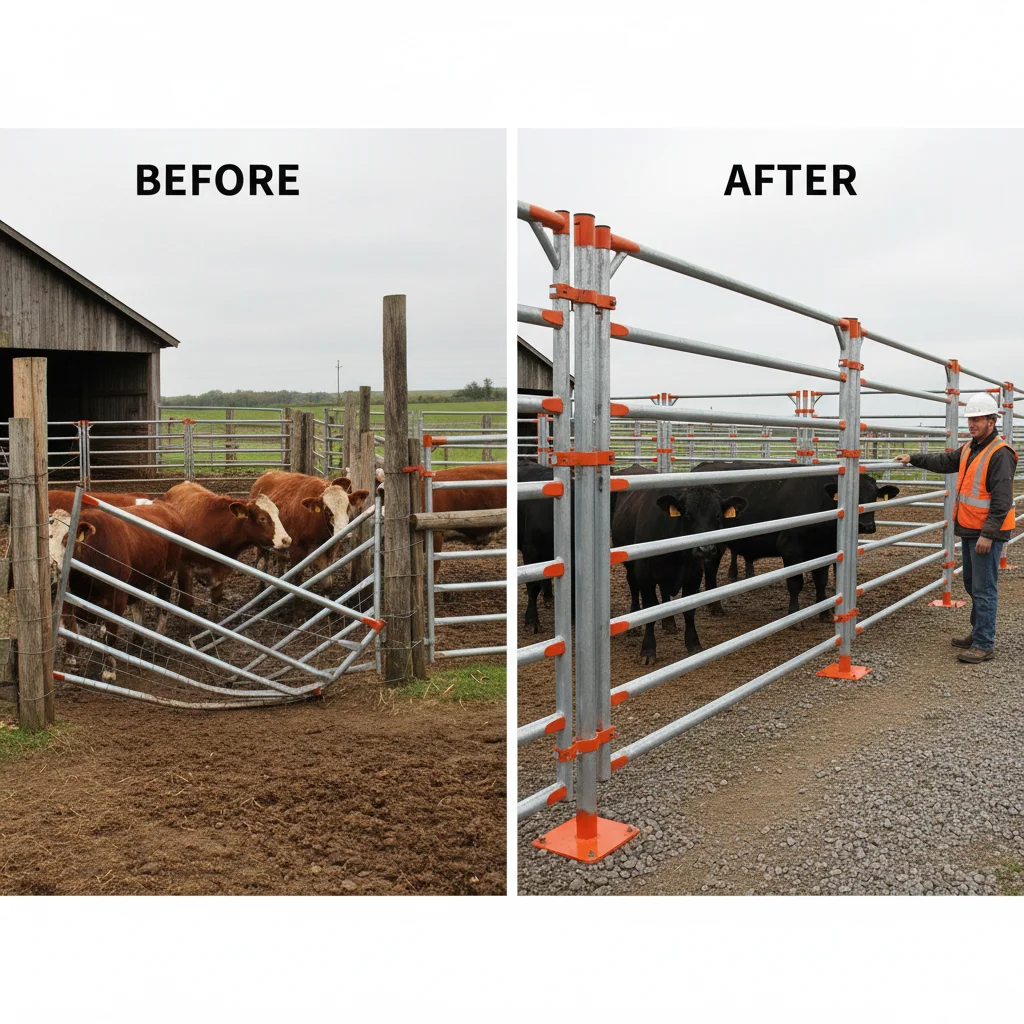
Durable Freestanding Livestock Panels for Efficient Animal Handling In the demanding world of agricultural management, the need for flexible and robust containment solutions has never been more critical. freestanding livestock panels offer a sophisticated answer to the challenges of animal handling, providing a secure yet adaptable barrier that does not require permanent installation or deep grounding. By allowing farmers and ranchers to redefine their spatial layouts in minutes, these panels maximize the efficiency of existing infrastructure while ensuring the safety of both the handlers and the livestock. Read More >26 Apr, 17
-
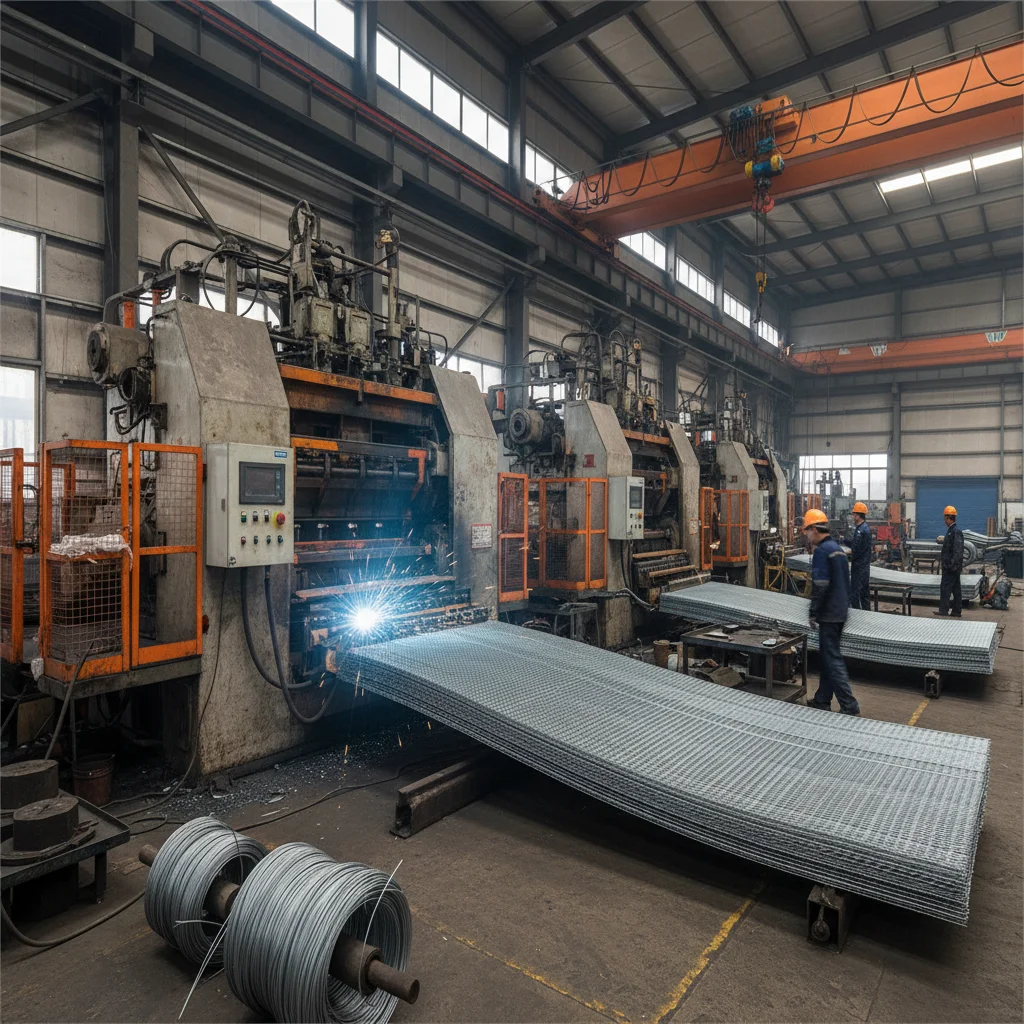
Professional Galvanized Welded Mesh Factory for Industrial Projects Finding a reliable galvanized welded mesh factory is critical for ensuring the structural integrity and longevity of your industrial or agricultural installations. Galvanized welded mesh is prized for its exceptional strength and resistance to corrosion, making it the go-to choice for fencing, animal cages, and construction reinforcement. However, not all factories adhere to the same quality standards. Whether you are sourcing for a large-scale infrastructure project or a specialized commercial application, understanding the manufacturing process and quality benchmarks is key to making a cost-effective investment that lasts for decades. Read More >26 Apr, 16
-
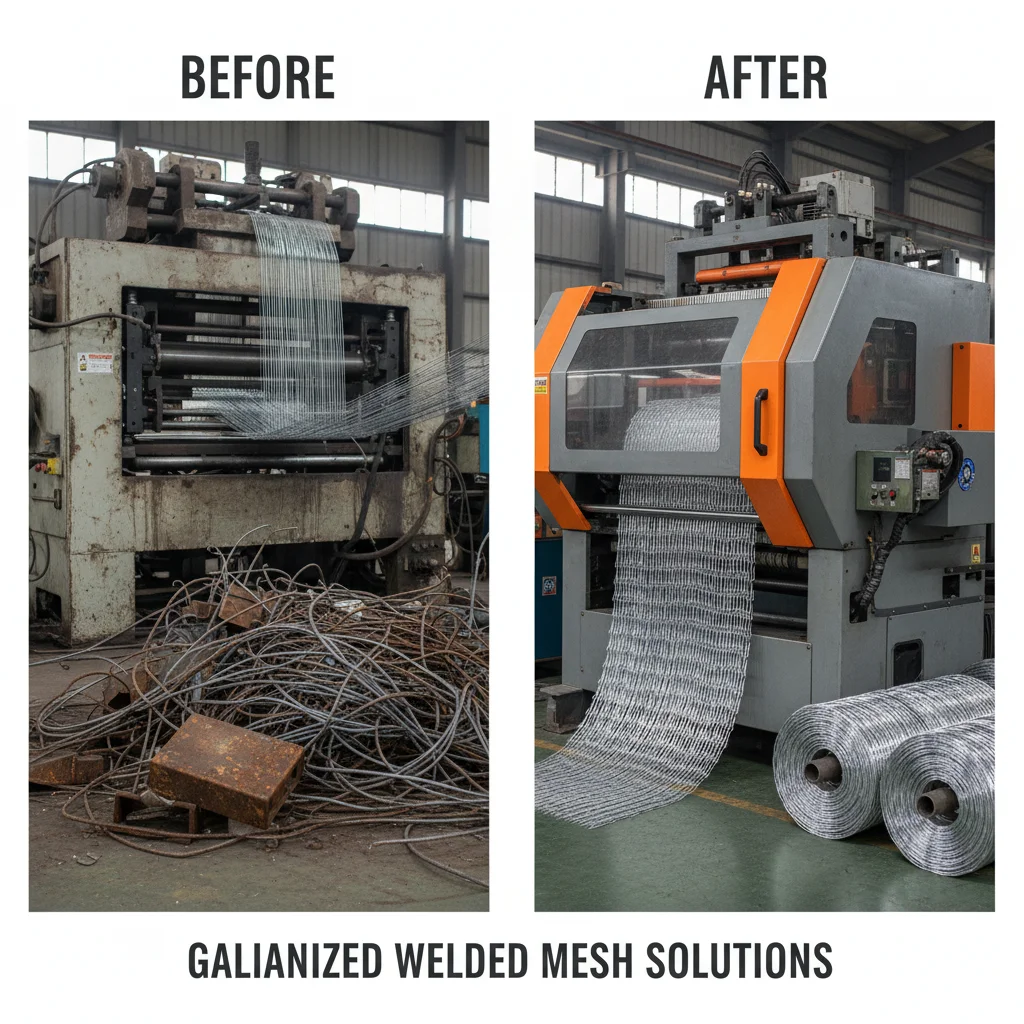
Professional Galvanized Welded Mesh Exporter for Quality Projects Selecting a high-quality fencing or screening solution requires more than just picking a product; it requires partnering with a reliable galvanized welded mesh exporter who understands the balance between structural integrity and corrosion resistance. Whether you are securing an industrial perimeter, building animal enclosures, or implementing architectural reinforcements, the quality of the galvanization process determines the lifespan of your installation. In this guide, we will explore the technical advantages of galvanized welded mesh and how to identify a global supplier that meets international quality standards to ensure your investment stands the test of time. Read More >26 Apr, 09
-
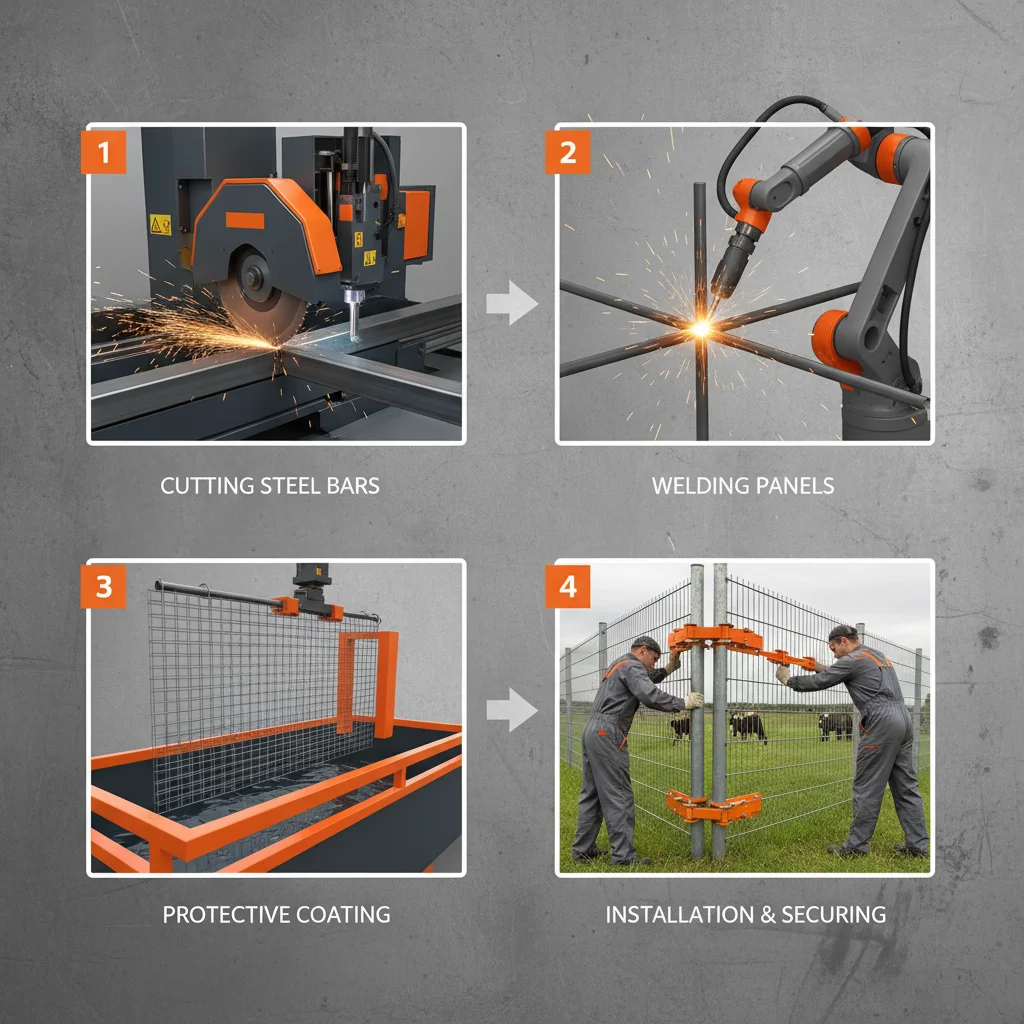
Essential Fencing Panels for Livestock Management and Farm Productivity Fencing panels for livestock are essential components in modern animal husbandry, playing a critical role in efficient farm management, animal welfare, and land utilization. Globally, the demand for robust and reliable fencing solutions is increasing due to the expanding livestock industry and the need to protect grazing lands from encroachment and predation. These panels aren’t simply barriers; they represent a vital investment in a farm's productivity and the health of its animals. Read More >26 Apr, 08
If you are interested in our products, you can choose to leave your information here, and we will be in touch with you shortly.


