


Durable & Flexible Combination Cattle Panels for Global Livestock Management | Haotian Mesh
Understanding Combination Cattle Panels and Their Growing Global Role
If you’ve ever walked onto a farm or a ranch, you probably noticed sturdy metal fences holding cattle in place. Among these, combination cattle panels have carved a unique niche — offering flexibility, strength, and convenience. But beyond just corralling animals, these panels matter on a global scale. With increasing livestock production, rising food demand, and the necessity for sustainable farming, understanding these panels touches on critical agricultural and economic themes worldwide.
Simply put, combination cattle panels are versatile fencing solutions made by welding mesh panels with strong metal tubing frames. They enable farmers and ranchers to build flexible pens, chutes, and enclosures that stand up to livestock pressure. Yet, their significance expands well beyond rural farms—into humanitarian relief zones, developing regions, and industrial setups, these panels assist in managing animals safely and efficiently.
In this article, we’ll unpack why combination cattle panels are more than just farm gear — how their rugged design meets global challenges, what makes them tick, and where they’re headed in the evolving world of livestock management. Plus, I’ll share quick facts, practical insights, and even answer some commonly asked questions.
The Global Context: Why Combination Cattle Panels Matter
Let’s zoom out a bit. The UN’s Food and Agriculture Organization estimates that global meat consumption is projected to rise by nearly 50% by 2050, fueled mostly by developing economies. That means more cattle, which means more infrastructure to manage these animals. Enter combination cattle panels — simple yet vital tools that help meet this rising demand efficiently.[1]
But that’s not all. Livestock-related infrastructure often suffers in disaster-hit regions or in large-scale industrial farms needing fast, reliable containment solutions. According to ISO standards on animal welfare and enclosure safety, sustainable and safe fencing solutions like combination cattle panels are crucial.[2] Their modularity and strength help reduce animal injury, theft, and environmental damage.
Problem is, traditional wooden fencing or primitive wire groups can’t cope with growing operational needs. They’re expensive to maintain, fall short on durability, and limit scalability. The challenge: finding fencing options that combine strength, portability, and cost-effectiveness.
There’s where combination cattle panels come in. Not just fences — they’re evolving into multipurpose solutions for modern animal husbandry and beyond.
Mini takeaway:
Globally, combination cattle panels represent a practical answer to livestock containment needs amplified by rising food demands and sustainability concerns.
What Exactly Are Combination Cattle Panels?
Simply put, these panels are rectangular metal grids welded within a tubular steel frame, designed to be linked or stand alone. The “combination” bit refers to variations in design, often combining mesh wiring with robust corner reinforcements — essentially merging the best of strength and flexibility in one unit.
Farmers, ranchers, and livestock managers use them to build pens, sorting alleys, loading ramps, or portable corrals. Their standardized sizes and connection points allow for easy assembly without heavy tools — crucial where labor or infrastructure is limited.
On a broader scale, combination cattle panels meet not just agricultural but humanitarian needs. For example, NGOs use them in emergency animal shelter setups post-disaster, offering quick yet sturdy containment for displaced livestock. Their lightweight but durable character ensures safety for animals and handlers alike.
Mini takeaway:
Combination cattle panels are simple yet smartly engineered modular fencing units, bridging practical livestock needs with wider applications.
Key Features that Make Combination Cattle Panels Stand Out
1. Durability and Strength
These panels are typically made from galvanized steel, protecting them against rust and weather damage. This means they last years under harsh outdoor conditions — a must when corralling powerful cattle that can lean, push, or even charge.
2. Portability and Scalability
You can move these panels easily and expand or reduce your pen size as needed. For ranchers adjusting herd sizes seasonally or relief organizations setting up temporary facilities, this flexibility is invaluable.
3. Cost Efficiency
Compared to building permanent stone or wood fences, combination panels reduce initial costs and ongoing maintenance. Their modular nature also cuts labor expenses during installation.
4. Safety and Animal Welfare
Because the panels have no sharp edges and robust welds, they minimize injury risks. The combination of mesh size and frame thickness also reduces animal stress by creating secure but visible boundaries.
5. Customization Potential
Manufacturers offer varied panel heights, mesh sizes, and connection types — allowing users to tailor solutions to specific breeds, layouts, or environmental conditions.
Mini takeaway:
The blend of durability, flexibility, and safety makes combination cattle panels a smart investment for diverse livestock containment needs.
How Combination Cattle Panels Are Used Worldwide
- North America & Australia: Large-scale cattle farms employ them for sorting yards and portable corrals, simplifying handling and transportation.
- Sub-Saharan Africa: NGOs deploy panels in pastoralist communities to protect livestock from predators and theft, especially important during seasonal migrations.
- Southeast Asia: Smallholder farmers use panels for pigs and goats, adapting sizes to multiple species, optimizing limited space.
- Post-Disaster Zones: Emergency response teams utilize combination cattle panels for fast setup of temporary animal shelters to safeguard livestock livelihoods.
One interesting case comes from a relief effort in Kenya, where combination panels enabled herders displaced by drought to quickly establish secure enclosures, protecting their animals from stray predators while authorities restored grazing land.
Mini takeaway:
From vast ranches to emergency camps, combination cattle panels prove their value across vastly different landscapes and scales.
Advantages and the Long-Term Value of Combination Cattle Panels
Yes, they’re affordable upfront, but the real win lies in long-term sustainability. Less need for repairs means fewer interruptions and lower lifetime costs. The resilience against weather and animal pressure ensures operations run smoothly rather than hit by unexpected downtime.
For farmers, this also means peace of mind and improved livestock welfare — crucial elements that affect productivity and, frankly, the dignity of both man and beast.
Socially, stable fencing reduces cattle theft and injury, impacting rural economies positively. Environmentally, extended durability reduces waste and lowers the carbon footprint compared to frequently replaced wooden or plastic fencing.
Mini takeaway:
Combination cattle panels aren’t just fences — they’re investments in safety, efficiency, and sustainability.
What’s Next? Trends and Innovations in Combination Cattle Panels
It’s not just metal and mesh anymore. New coatings focused on green technology are emerging, making panels more eco-friendly. Integration with digital tools — like RFID readers mounted on panels for automated livestock tracking — is gaining interest.
Materials labs are experimenting with lighter alloys and recycled composites to lower weight without sacrificing strength. Automation in manufacturing ensures consistent weld quality, enhancing durability.
Moreover, pressure from international animal welfare regulations means design tweaks to reduce stress and injury, such as curved edges and optimized mesh patterns.
Mini takeaway:
Innovation in combination cattle panels aligns with sustainability and smart farming trends, hinting at smarter, lighter, and greener enclosures.
Challenges and How Experts Are Tackling Them
Of course, no product is perfect. Combination cattle panels sometimes face issues like panel bending under extreme forces, or corrosion in extremely salty or acidic environments. Shipment logistics for remote users can be costly if panels aren't manufactured locally.
Experts recommend thicker gauge steel for high-stress zones and advanced galvanization for hostile climates. Some companies deploy modular kits with smaller components for easier shipping. Others partner with local welders to customize panels onsite, reducing costs and adapting designs for local needs.
Ultimately, ongoing user feedback and field testing help refine these panels continuously.
Technical Specifications of a Typical Combination Cattle Panel
| Specification | Details |
|---|---|
| Material | Galvanized steel (hot-dipped) |
| Panel Size | 2m height × 3m width (standard) |
| Tube Diameter | 32mm to 40mm round steel tubing |
| Mesh Size | 150mm × 150mm square openings |
| Weight | ~25-30 kg per panel |
| Connection | Hook/latch system or bolt-on clamps |
Comparison of Leading Combination Cattle Panel Vendors
| Brand | Material Quality | Customization | Price Range | Ideal Use |
|---|---|---|---|---|
| Haotian Mesh | Hot-dipped galvanized steel | High (custom sizes & finish) | $$ - Moderate | Large ranches, relief NGOs |
| Global Fence Co. | Standard galvanized | Low (standard sizes only) | $ - Budget | Small farms, budget projects |
| SteelAgri Solutions | Advanced alloy galvanized | Medium (limited customization) | $$$ - Premium | Industrial farms, export |
Frequently Asked Questions About Combination Cattle Panels
- Q1: How easy is it to set up combination cattle panels without special tools?
- A1: Very easy. Most panels come with pinch-lock or hook systems allowing quick assembly by as few as two workers — no welding or heavy machinery needed. This portability makes them ideal for temporary or rapidly changing setups.
- Q2: Can these panels withstand extreme weather like heavy snow or wind?
- A2: Generally yes, especially when connected firmly and anchored. The galvanized steel resists rust and corrosion. However, in extreme climates, thicker tubing or additional bracing might be required for added durability.
- Q3: Are combination cattle panels suitable for smaller animals like sheep or goats?
- A3: Yes, but mesh size may need to be adjusted smaller to prevent escape. Many manufacturers offer customized mesh options to suit smaller livestock while maintaining strength.
- Q4: How do I import combination cattle panels internationally?
- A4: Most suppliers handle export logistics and provide documentation. Working with experienced vendors who understand customs paperwork and offer modular packaging can simplify the process.
- Q5: What maintenance do these panels require?
- A5: Minimal. Periodic inspection for damage and cleaning to prevent dirt buildup generally suffice. Hot-dipped galvanization protects against rust, so repainting is rarely necessary.
Wrapping Up: Why Combination Cattle Panels Are Worth Considering
In real terms, combination cattle panels strike a nice balance between practical durability and adaptability. They’re not flashy, but they quietly solve tough problems—making livestock management simpler, safer, and more sustainable across countless global settings.
If you’re exploring modern fencing solutions for animal containment, do check out combination cattle panels from reliable manufacturers. Whether you’re a rancher, NGO operative, or industrial farm manager, these panels bring measurable value — a wise investment in your farm’s future.
References
-
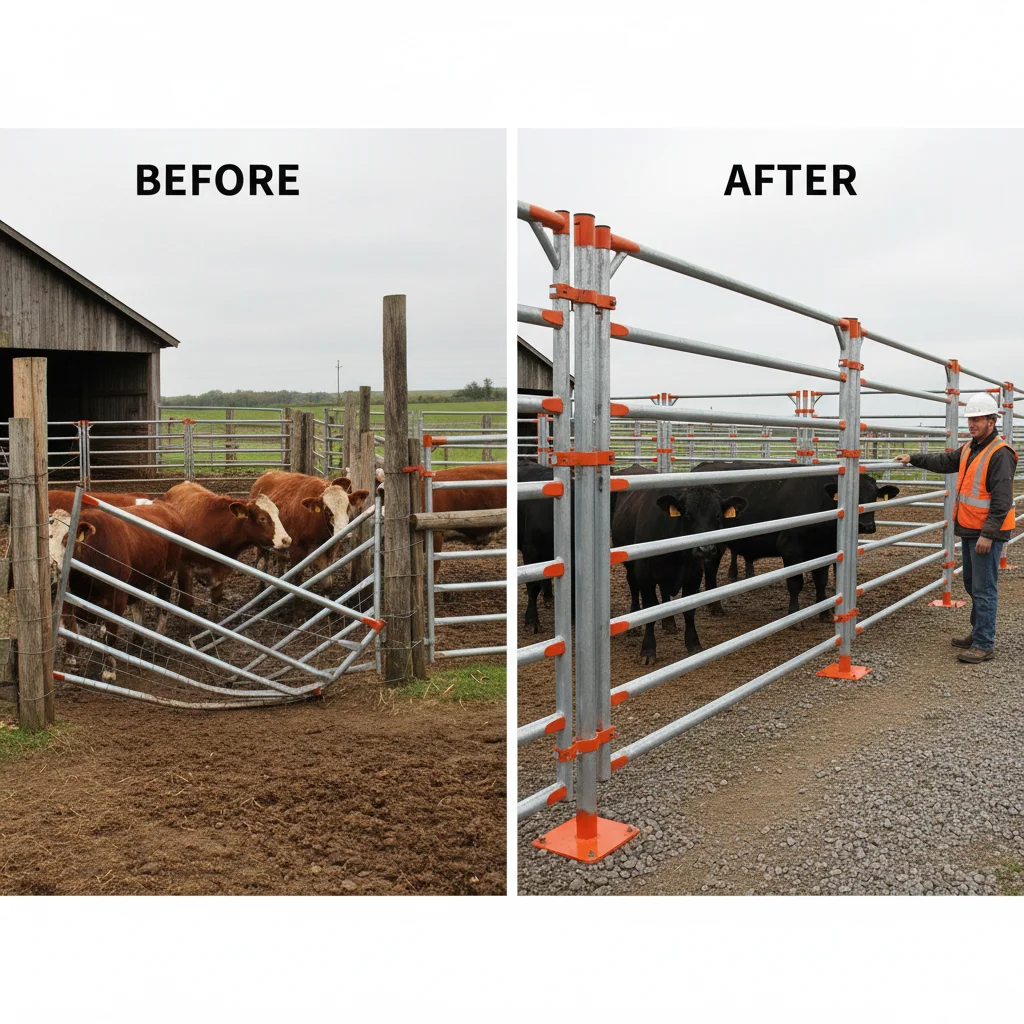
Durable Freestanding Livestock Panels for Efficient Animal Handling In the demanding world of agricultural management, the need for flexible and robust containment solutions has never been more critical. freestanding livestock panels offer a sophisticated answer to the challenges of animal handling, providing a secure yet adaptable barrier that does not require permanent installation or deep grounding. By allowing farmers and ranchers to redefine their spatial layouts in minutes, these panels maximize the efficiency of existing infrastructure while ensuring the safety of both the handlers and the livestock. Read More >26 Apr, 17
-
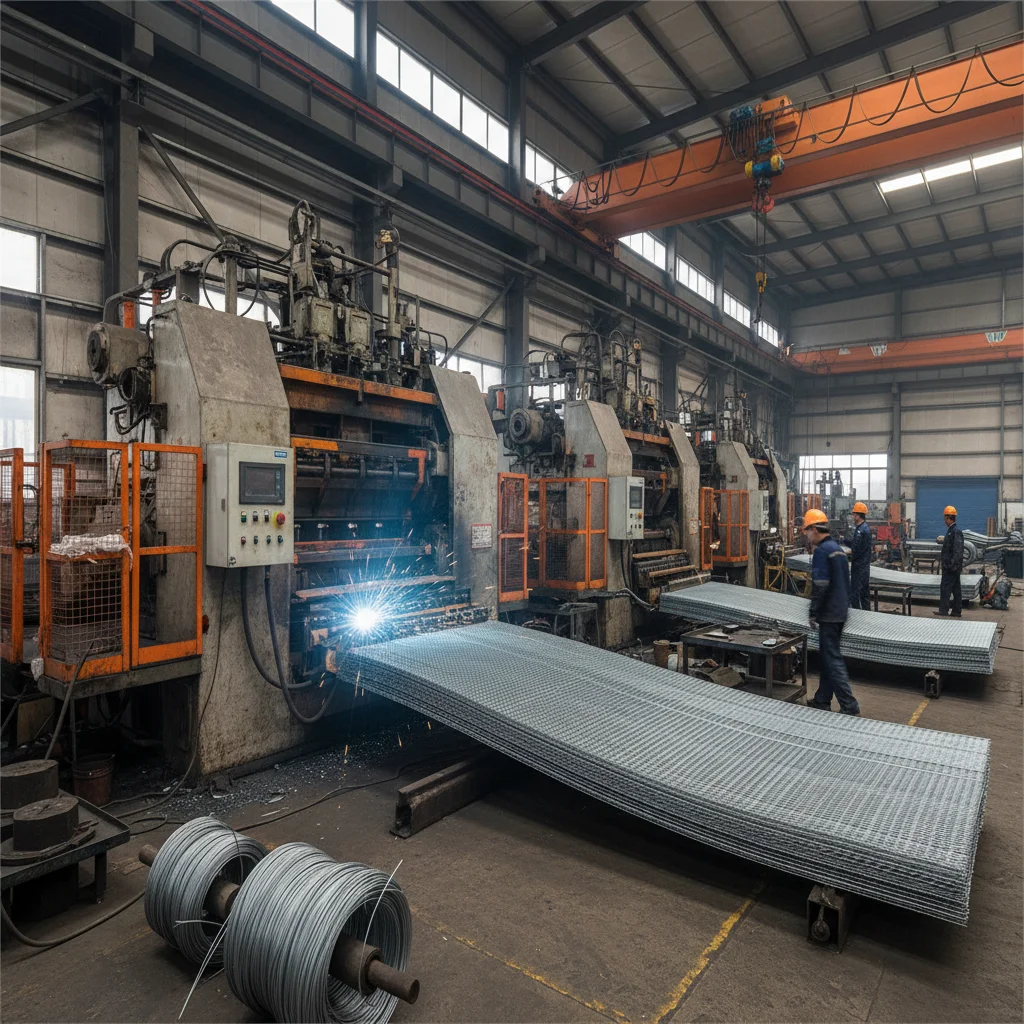
Professional Galvanized Welded Mesh Factory for Industrial Projects Finding a reliable galvanized welded mesh factory is critical for ensuring the structural integrity and longevity of your industrial or agricultural installations. Galvanized welded mesh is prized for its exceptional strength and resistance to corrosion, making it the go-to choice for fencing, animal cages, and construction reinforcement. However, not all factories adhere to the same quality standards. Whether you are sourcing for a large-scale infrastructure project or a specialized commercial application, understanding the manufacturing process and quality benchmarks is key to making a cost-effective investment that lasts for decades. Read More >26 Apr, 16
-
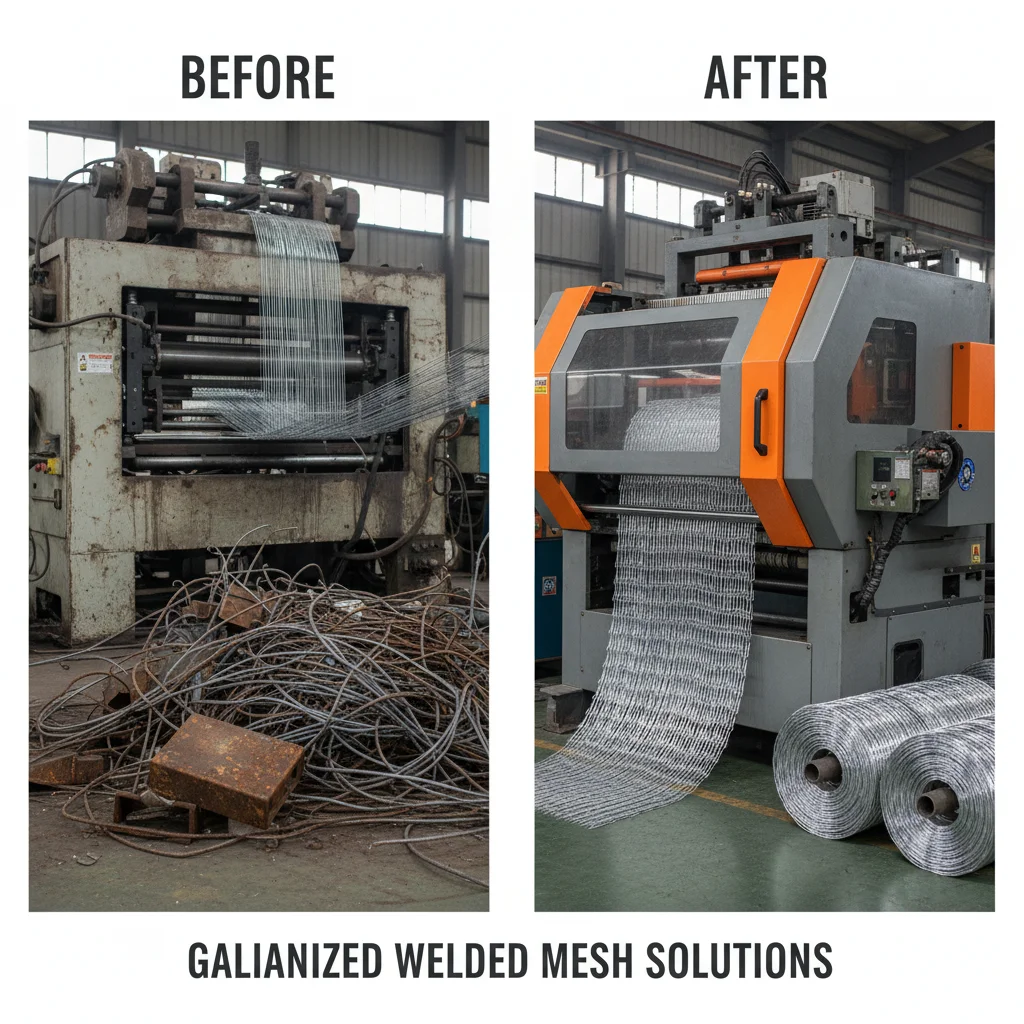
Professional Galvanized Welded Mesh Exporter for Quality Projects Selecting a high-quality fencing or screening solution requires more than just picking a product; it requires partnering with a reliable galvanized welded mesh exporter who understands the balance between structural integrity and corrosion resistance. Whether you are securing an industrial perimeter, building animal enclosures, or implementing architectural reinforcements, the quality of the galvanization process determines the lifespan of your installation. In this guide, we will explore the technical advantages of galvanized welded mesh and how to identify a global supplier that meets international quality standards to ensure your investment stands the test of time. Read More >26 Apr, 09
-
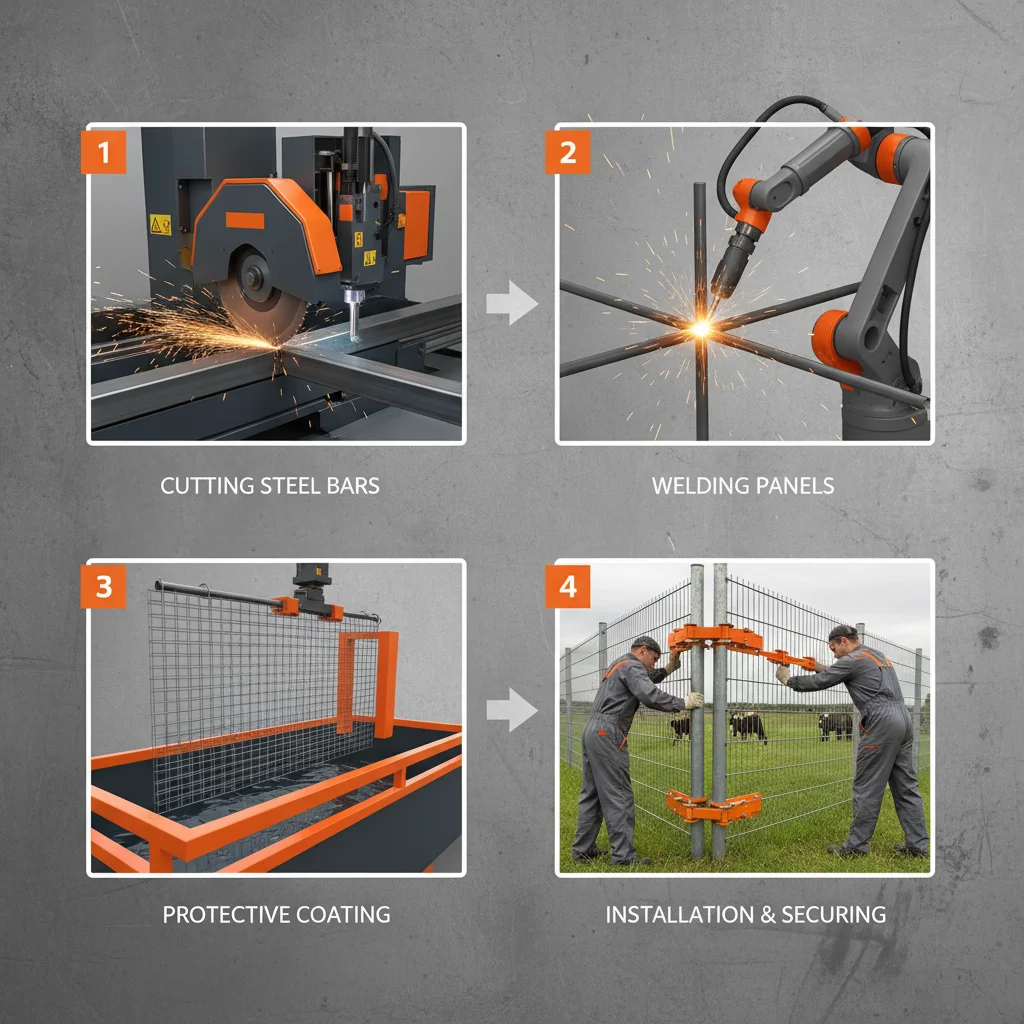
Essential Fencing Panels for Livestock Management and Farm Productivity Fencing panels for livestock are essential components in modern animal husbandry, playing a critical role in efficient farm management, animal welfare, and land utilization. Globally, the demand for robust and reliable fencing solutions is increasing due to the expanding livestock industry and the need to protect grazing lands from encroachment and predation. These panels aren’t simply barriers; they represent a vital investment in a farm's productivity and the health of its animals. Read More >26 Apr, 08
If you are interested in our products, you can choose to leave your information here, and we will be in touch with you shortly.


