


Durable Hog and Cattle Panels for Efficient Livestock Management | Haotian Mesh
Understanding Hog and Cattle Panels: A Critical Component in Global Livestock Management
At first glance, hog and cattle panels might sound like a niche farming product — and sure, they do serve something quite specific: fencing and containment for livestock. But zoom out a bit, and you see how important these panels really are on a global scale. With livestock farming feeding billions and supporting rural livelihoods worldwide, the right kind of fencing solution impacts animal welfare, operational efficiency, and regional food security. Knowing the benefits and innovations around hog and cattle panels isn’t just for farmers but anyone interested in sustainable agriculture and supply chains.
Global Context: Why Hog and Cattle Panels Matter More Than Ever
Globally, agriculture employs around 1.3 billion people (World Bank, 2023) and forms the backbone of many economies, particularly in developing regions. Within agriculture, livestock farming is a major player. The UN Food and Agriculture Organization (FAO) estimates around 1.4 billion cattle worldwide as of 2022. Managing these animals safely and efficiently is a challenge — that’s where hog and cattle panels enter the scene.
Modern livestock operations demand sturdy, reliable fencing to prevent loss, injury, and the spread of disease. Traditional wooden fences simply don’t hold up well, especially in tough weather or high-traffic situations. In countries facing rapid urbanization or land pressure, space optimization and safety of animals are ongoing challenges.
So, think of hog and cattle panels as the unsung heroes integrating into agriculture's global sustainability push — they help maintain herd health, reduce losses, and adapt to both small-scale family farms and industrial ranches.
What Are Hog and Cattle Panels?
Put simply, hog and cattle panels are metal fencing systems designed specifically for containing pigs, cows, and other livestock. Typically constructed from heavy gauge galvanized steel rods or wires, they form a rigid, modular grid structure. The panels break down into manageable sizes, making setup, transport, and reconfiguration far easier than permanent fencing. This practicality ties directly into their widespread use, from large feedlots in the U.S. plains to smallholder farms in sub-Saharan Africa.
Beyond just corralling animals, these panels are a key piece in modern animal husbandry — they help improve animal welfare by minimizing stress and injury through thoughtful design. They’re also an accessible technology for humanitarian agriculture development projects aiming to improve food security and livelihoods in vulnerable communities.
Key Components of Hog and Cattle Panels
Durability and Material Strength
These panels need to endure constant pressure — from heavy animals leaning or pushing, weather extremes, and sometimes even transportation bumps. Galvanized steel is the common material because of its corrosion resistance and tensile strength. Some manufacturers now use powder coatings or epoxy to extend panel life, particularly in humid or coastal regions.
Portability and Modularity
Most hog and cattle panels are designed to be freestanding and easy to move. This modularity means farmers can quickly adjust pasture boundaries or create temporary pens during activities such as vaccination, breeding, or shipping. In practice, these panels are often linked with clamps and coated wires that ensure fast setup without specialized tools.
Scalability and Versatility
The size and configuration options mean panels suit everything from single-pen farms to complex feedlots with hundreds of animals. Some panels come with gates and hinges, creating integrated livestock management solutions that don't rely solely on permanent infrastructure.
Cost Efficiency
Compared to timber or concrete barriers, these panels deliver excellent value over time. Their longevity and low maintenance requirements often repay the initial investment many times over — a crucial factor for farmers operating on tight margins.
Safety and Animal Welfare Features
Rounded edges, optimal grid spacing, and sturdy welds reduce injury risks for the animals. When pigs and cattle aren't stressed or hurt, they grow better — translating to measurable returns for producers.
Global Applications & Use Cases
- United States & Canada: Large-scale cattle ranches and hog operations rely heavily on panels for rotational grazing and feedlot confinement.
- Africa and Asia: NGOs and agricultural development agencies use rugged portable panels to assist smallholder farmers, fostering safer livestock practices in rural areas with limited infrastructure.
- Post-Disaster Relief: After events such as floods or earthquakes, panels are deployed to rebuild livestock containment quickly, preserving animal assets crucial to recovery.
- Industrial Zones & Research Farms: Panels help segregate livestock species and conduct controlled feeding or breeding experiments in cleaner, more manageable environments.
Overall, these fencing systems serve a surprisingly broad palette of livestock-related use cases, adapting to everything from intimate backyard farms to sprawling commercial operations.
Advantages & Long-Term Value of Using Hog and Cattle Panels
Choosing reliable hog and cattle panels means investing in a safer, more efficient farm operation. They offer:
- Improved Safety: Reduction in animal escapes and injuries.
- Sustainability: Durable materials minimize frequent replacements, which is good for both budgets and the environment.
- Animal Welfare: Thoughtful design limits stress, which is increasingly essential for ethically conscious consumers.
- Cost Savings: Lower maintenance than traditional fencing translates to less downtime and labor.
- Flexibility: Easy relocation means farms can adjust fencing layouts as needed without major investments.
On an emotional level, farmers often speak about the peace of mind these panels provide — it’s worth something to know your livelihood and animals are well secured.
Emerging Trends and Innovations
We’re seeing some really interesting innovations in this space, partly driven by sustainability goals and smart farming tech:
- Eco-Friendly Coatings: Using non-toxic, biodegradable coatings to further reduce environmental footprint.
- Integrated Sensors: Experimental panels embedded with RFID or motion detectors to monitor animal movement and security remotely.
- Lightweight Alloys: New materials make panels easier to transport and install without compromising strength.
- Automation: Electric gates and robotic feeders often integrate with panel systems for a more digitized farm experience.
Some companies are racing to develop “smart fencing” that links directly to farm management apps, which could be a game-changer.
Challenges & Practical Solutions
Of course, no solution is perfect. Common issues include:
- Corrosion in Harsh Environments: Coastal or high humidity zones test panel longevity.
- Initial Investment Cost: Despite long-term savings, some small producers find upfront prices steep.
- Installation Training: Improper setup can lead to loss of effectiveness.
Solutions? Better coatings, leasing options, and clear instructional materials help a lot. Plus, NGOs often arrange bulk purchases and training in developing regions.
Product Specifications of Typical Hog and Cattle Panels
| Specification | Details |
|---|---|
| Material | Galvanized Steel (Optional powder-coated finish) |
| Panel Size | 5 ft (height) x 10 ft (length) standard |
| Wire Diameter | 12 to 14 gauge |
| Weight | Approximately 40-50 lbs per panel |
| Load Capacity | Designed to withstand up to 1,000 lbs of lateral pressure |
| Typical Finish Lifespan | 7-10 years in moderate conditions |
Vendor Comparison: Top Hog and Cattle Panel Manufacturers
| Vendor | Material Quality | Customization Options | Global Availability | Price Range |
|---|---|---|---|---|
| Haotian Mesh | Premium galvanized steel, powder-coated | Panel sizes, wire gauges, and finishes | Available globally with strong logistics | Mid-range, good value |
| FarmFencetech | Standard galvanized with basic coatings | Limited options | North America-focused | Budget brand |
| Global Farm Panels | Heavy-duty galvanized, corrosion resistant | Custom engineering available | Wide export network | Higher-end pricing |
Frequently Asked Questions About Hog and Cattle Panels
1. How long do hog and cattle panels typically last in outdoor conditions?
With proper galvanized steel and good coating, cattle panels can last between 7-10 years under normal weather. Coastal or humid environments might reduce this lifespan unless additional corrosion resistance is added.
2. Can these panels be adapted for different livestock types?
Yes. Panels come in various sizes and wire spacings, making them suitable for hogs, cattle, sheep, goats, and even exotic farm animals. Customization ensures animals don’t get stuck or injured.
3. Are hog and cattle panels easy to install for small farms?
Generally, yes. Most panels are designed for quick setup with basic tools. For newcomers, many manufacturers provide assembly guides or videos, and hog and cattle panels suppliers often offer pre-assembled kits for hassle-free deployment.
4. How do the initial costs compare to traditional fencing?
Panels often have a higher upfront cost but lower maintenance requirements. Over 5-7 years, the total cost of ownership tends to be less than wood or wire fences that require frequent patching.
5. Can these panels be shipped internationally for large-scale projects?
Yes. Global vendors specialize in international shipping logistics and customs. They also provide consultation on compliance with local standards and help with bulk orders, making them a practical choice for development organizations.
Conclusion: Why Hog and Cattle Panels Remain a Sustainable Choice
So, what’s the bottom line? Hog and cattle panels represent an evolved, efficient solution to a very old challenge: keeping livestock safe, healthy, and productive. Their durability, flexibility, and growing integration with smart farming technology position them as a key part of modern agriculture worldwide. Whether you’re running a large ranch or supporting small farmers post-disaster, investing in well-made panels is a smart move. For the very best selection and customization options, don’t forget to visit our website: hog and cattle panels.
In the end, it’s funny how something so ‘simple’ — a sturdy fence panel — can impact food security and livelihoods on a global scale. Thought-provoking, right?
Key Takeaways:
- Hog and cattle panels are essential for safe and efficient animal containment worldwide.
- Durability, portability, and scalability are core features supporting diverse farm sizes.
- Ongoing innovations promise smarter, greener fencing solutions.
- Choosing quality panels brings long-term value through reduced maintenance and better animal welfare.
References
-
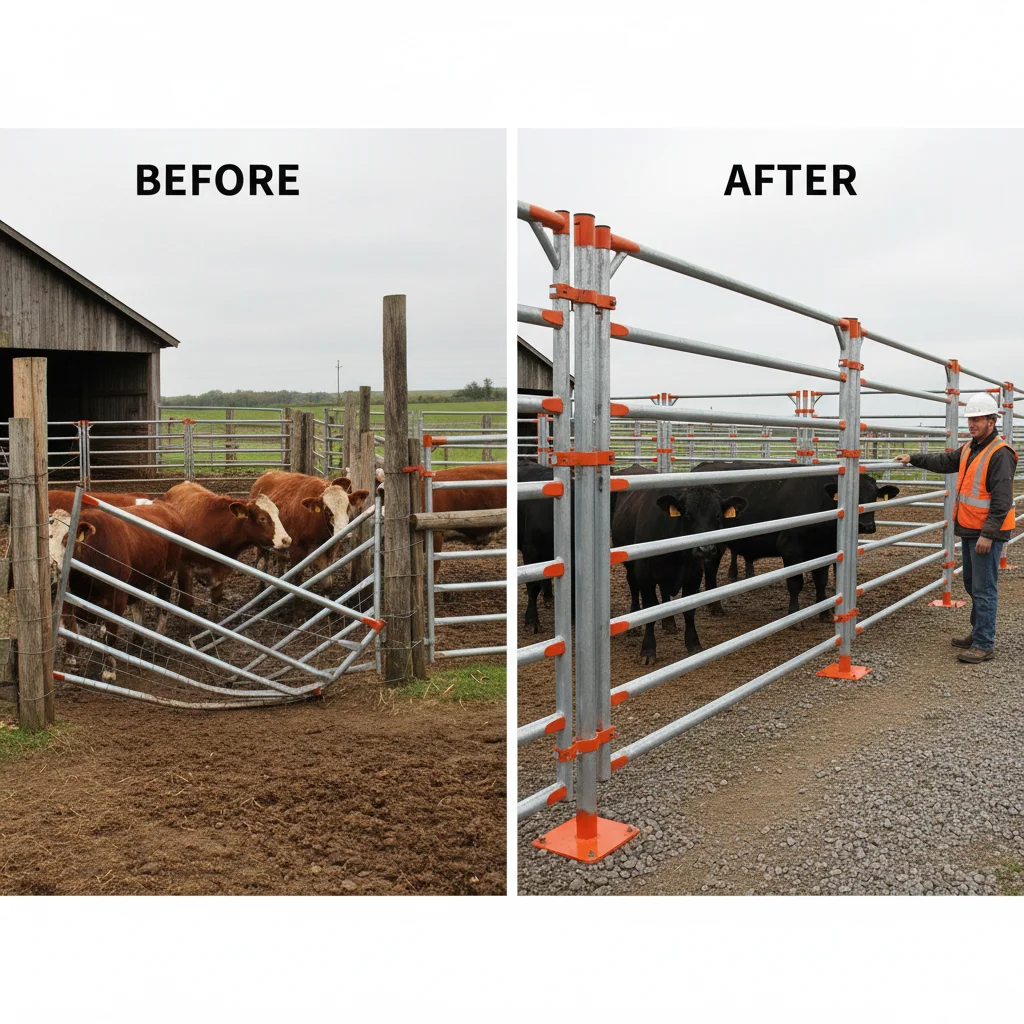
Durable Freestanding Livestock Panels for Efficient Animal Handling In the demanding world of agricultural management, the need for flexible and robust containment solutions has never been more critical. freestanding livestock panels offer a sophisticated answer to the challenges of animal handling, providing a secure yet adaptable barrier that does not require permanent installation or deep grounding. By allowing farmers and ranchers to redefine their spatial layouts in minutes, these panels maximize the efficiency of existing infrastructure while ensuring the safety of both the handlers and the livestock. Read More >26 Apr, 17
-
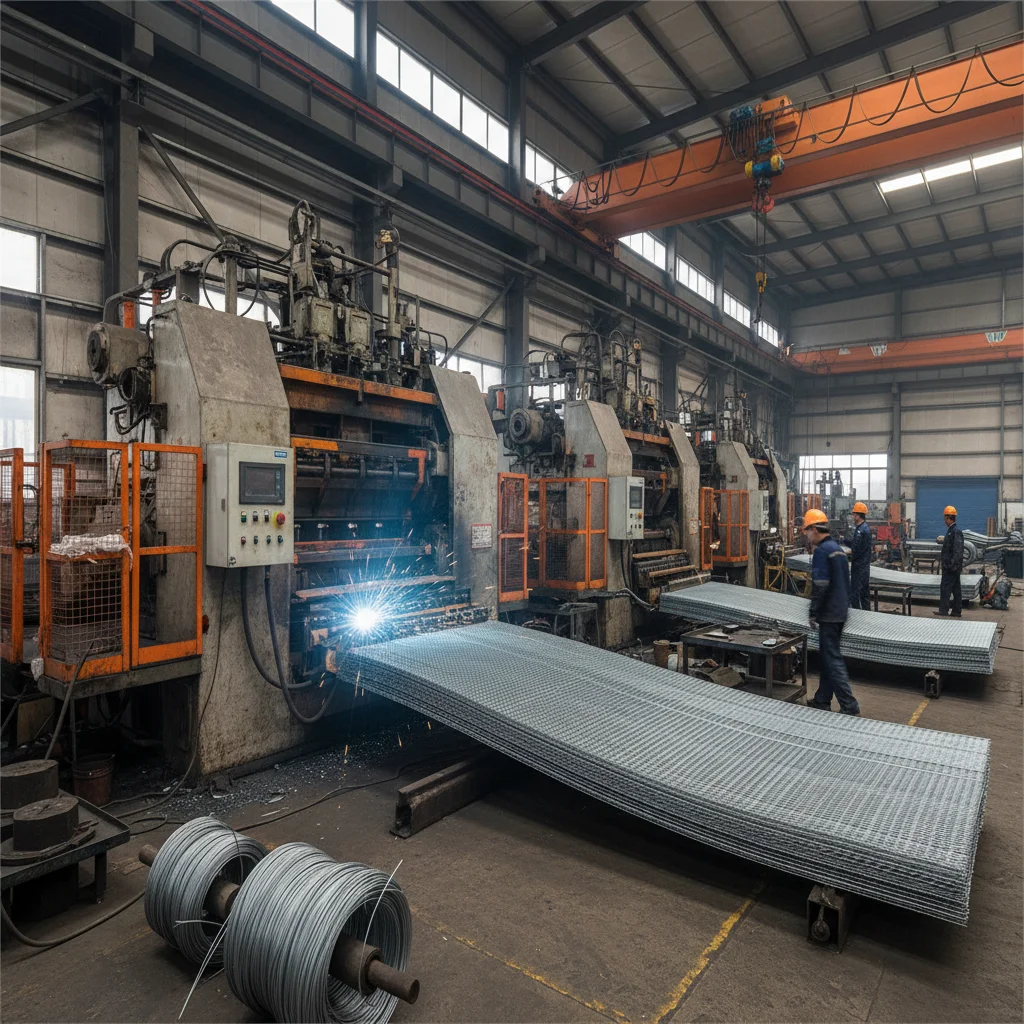
Professional Galvanized Welded Mesh Factory for Industrial Projects Finding a reliable galvanized welded mesh factory is critical for ensuring the structural integrity and longevity of your industrial or agricultural installations. Galvanized welded mesh is prized for its exceptional strength and resistance to corrosion, making it the go-to choice for fencing, animal cages, and construction reinforcement. However, not all factories adhere to the same quality standards. Whether you are sourcing for a large-scale infrastructure project or a specialized commercial application, understanding the manufacturing process and quality benchmarks is key to making a cost-effective investment that lasts for decades. Read More >26 Apr, 16
-
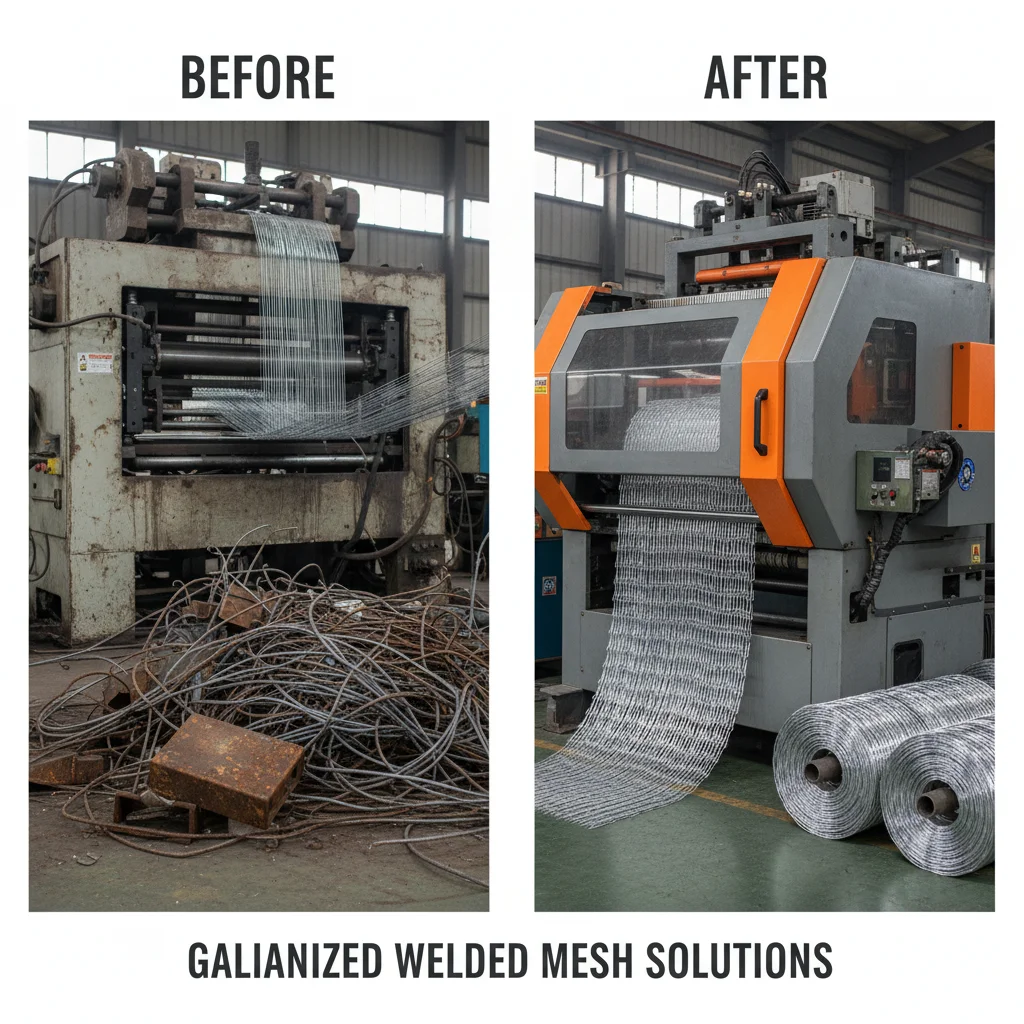
Professional Galvanized Welded Mesh Exporter for Quality Projects Selecting a high-quality fencing or screening solution requires more than just picking a product; it requires partnering with a reliable galvanized welded mesh exporter who understands the balance between structural integrity and corrosion resistance. Whether you are securing an industrial perimeter, building animal enclosures, or implementing architectural reinforcements, the quality of the galvanization process determines the lifespan of your installation. In this guide, we will explore the technical advantages of galvanized welded mesh and how to identify a global supplier that meets international quality standards to ensure your investment stands the test of time. Read More >26 Apr, 09
-
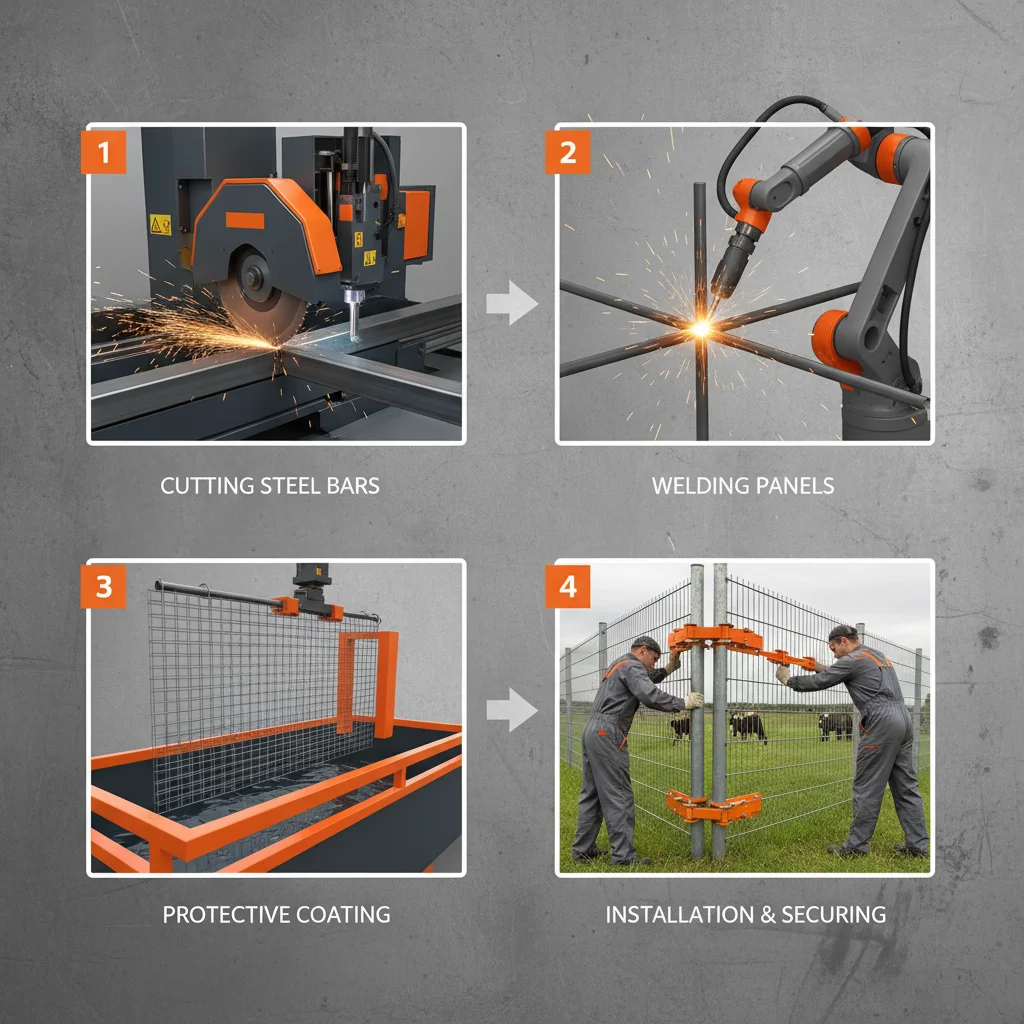
Essential Fencing Panels for Livestock Management and Farm Productivity Fencing panels for livestock are essential components in modern animal husbandry, playing a critical role in efficient farm management, animal welfare, and land utilization. Globally, the demand for robust and reliable fencing solutions is increasing due to the expanding livestock industry and the need to protect grazing lands from encroachment and predation. These panels aren’t simply barriers; they represent a vital investment in a farm's productivity and the health of its animals. Read More >26 Apr, 08
If you are interested in our products, you can choose to leave your information here, and we will be in touch with you shortly.


