


Heavy Duty Cattle Corral Panels – Durable & Safe Livestock Management Solutions
Heavy Duty Cattle Corral Panels: Why They Matter in Modern Livestock Management
In the sprawling fields of agricultural heartlands and pastoral communities worldwide, one element quietly holds everything together — heavy duty cattle corral panels. They aren’t glamorous, but without sturdy, reliable panels, managing herds effectively and safely would be an uphill battle. Globally, as livestock numbers grow alongside demand for meat, milk, and leather products, these panels help keep animal handling smooth, safe, and humane. Plus, they’re vital in reducing cattle stress during handling, which can directly improve meat quality and farm profitability.
Understanding these panels and their role in both traditional ranching and industrial-scale operations unlocks insights into improving efficiency, welfare, and sustainability in one of humanity’s oldest livelihoods.
Global Context: A Backbone in Livestock Industries
Roughly one billion cattle roam the earth, feeding billions of people, creating one of the world’s largest agribusiness sectors (FAO, 2022). Yet managing such massive herds presents challenges: disease control, animal welfare, worker safety, and logistical nightmares all intertwine. Heavy duty cattle corral panels are a practical response to many of these issues.
For example, according to the United Nations Food and Agriculture Organization (FAO), the demand for resilient cattle infrastructure is surging, especially in Latin America, Australia, and parts of Africa, where cattle rearing is a critical economic activity. The panels address problems of containment, stress reduction, and operational safety, which in turn enhance productivity and reduce loss.
Many ranchers have noted that poor containment infrastructure often leads to injuries—not just for the animals, but workers, too. It’s a serious issue that sometimes gets overlooked beyond trade shows and product pitches but can affect entire communities.
What Are Heavy Duty Cattle Corral Panels, Exactly?
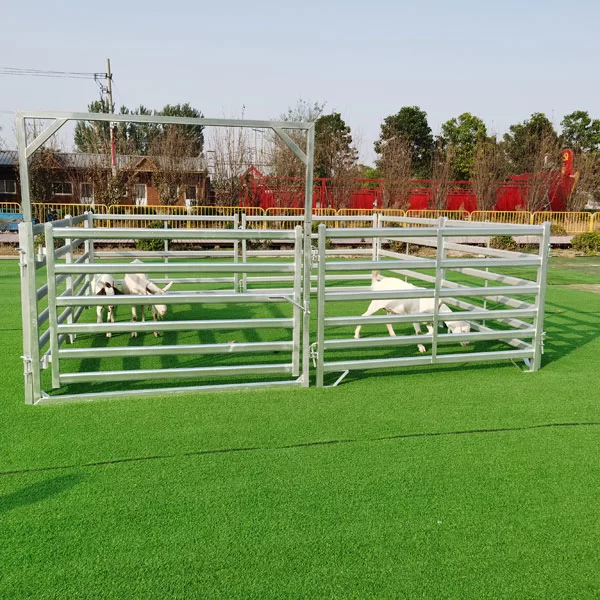
Simply put: they are the sturdy metal (usually steel) fencing units designed to form enclosures for cattle during handling, loading, or medical treatment. Unlike temporary or lightweight fencing, these panels are made to withstand aggressive animal pressure, weather extremes, and frequent relocation in some cases.
These panels are often modular—allowing quick assembly as needed—and typically feature rounded edges and smooth finishes to minimize injury. Their design reflects an intersection of agricultural knowledge, engineering, and animal behavior science.
They connect directly to modern farming methods, including rotational grazing and livestock auctions, and even support humanitarian efforts, such as in disaster zones where displaced herds require quick containment.
Core Features That Make These Panels Work
Durability and Strength
Heavy duty panels are fabricated from galvanized steel or powder-coated metals that can resist rusting and corrosion over years of use, often lasting decades if maintained well. Their high tensile strength withstands the brute force of panicked cattle and harsh weather.
Modular Scalability
The panels’ modular nature provides flexibility. Need a small pen for calving? Or a large-scale sorting chute for hundreds of head? The panels adapt quickly to scale without needing new tools or major reinforcements.
Animal Welfare Friendly Design
Rounded edges and standardized spacing reduce the chance of animals getting hurt or trapped. This promotes calmer handling environments—crucial in reducing cattle stress, which also improves yields and meat quality.
Cost Efficiency
Though the upfront investment may feel steep, the long-term savings on repair, veterinary bills, and labor make heavy duty panels more economical compared to cheaper fencing options that deteriorate quickly.
Ease of Transportation & Setup
Panels are designed to be loaded on standard trailers and assembled by small teams using basic tools. This makes them ideal for mobile ranches, auction yards, or relief agencies operating in the field.
Customization Options
Many manufacturers offer customizable heights, widths, gates, and accessories to suit different cattle breeds, terrain, or operational needs.
Real-World Applications Around the Globe
In Australia, where vast cattle stations cover thousands of acres, these corrals are essential for mustering and sorting operations. Ranchers there rely heavily on them to keep cattle safe during droving seasons.
In sub-Saharan Africa, NGOs distribute portable corral panels to pastoralists vulnerable to droughts, helping protect livestock heritage amid climate change.
North American feedlots use heavy duty panels in combination with smart tech—like RFID gates—to streamline identification and health monitoring.
Oddly enough, in certain disaster relief scenarios, panels serve as temporary containment for livestock displaced by floods or wildfires, preventing stampedes and theft.
Advantages & Long-Term Value
- Economic savings: Lower losses through injuries or escapes.
- Sustainability: Durable materials mean less frequent replacements; some manufacturers integrate recycled metals.
- Social impact: Safer cattle handling improves farmer well-being.
- Reliability: Proven to withstand challenging environmental and operational conditions.
- Innovation-driven trust: Many users note that modern panel systems inspire confidence in their day-to-day operations.
Product Specifications Table
| Specification | Details |
|---|---|
| Material | Galvanized steel, powder-coated options |
| Dimensions | Panels: 8 ft long × 5 ft high (standard) |
| Weight | Approx. 75 lbs per panel |
| Assembly | Interlocking clamps, no specialized tools needed |
| Finish | Corrosion resistant with 10–15 years minimum lifespan |
| Customization | Varied heights, gates, and accessories available |
Vendor Comparison: What to Look For
| Feature | Haotian Mesh | Competitor A | Competitor B |
|---|---|---|---|
| Material Quality | High grade galvanized steel | Mild steel, powder-coated | Galvanized but thinner gauge |
| Customization | Full range, bespoke options available | Limited sizes | Standard sizes only |
| Delivery Speed | 2–3 weeks globally | 4–6 weeks | 3–5 weeks |
| Warranty | 5 years corrosion | 3 years | 2 years |
Future Trends: What Lies Ahead for Heavy Duty Cattle Corral Panels?
One exciting trend is the introduction of smart fencing, where panels could incorporate IoT sensors detecting cattle movements, temperature, or stress levels. This helps farmers get real-time insights without disturbing animals.
Another trend is sustainability: panels made from recycled steel and coatings using eco-friendly materials. Some innovators are exploring lightweight yet ultra-strong composites to reduce transport emissions.
Automation also plays a role. Automated gates sync with RFID tags and farm management software improving workflows.
Overall, it feels like the industry is quietly evolving far beyond just “metal fences,” turning them into intelligent, sustainable assets.
Common Challenges & How to Overcome Them
Despite their strengths, panels sometimes face issues such as:
- Weight and portability: Heavy steel can strain small teams during transport. Solution: using modular design with ergonomic handles or lighter alloys.
- Corrosion in extreme environments: Coastal ranches experience faster rusting. Solution: premium coatings and regular maintenance.
- Cost barriers for smallholders: Heavy duty panels can be pricey upfront. Solution: leasing options, cooperative purchasing, or phased installation.
Addressing these helps widen access and effectiveness globally.
Frequently Asked Questions About Heavy Duty Cattle Corral Panels
- Q: How do heavy duty cattle corral panels improve animal welfare compared to traditional fencing?
- A: These panels reduce injury risks through smooth finishes and proper spacing, which minimizes animal stress during handling. This fosters calmer livestock, improving overall welfare and productivity.
- Q: Can these panels be easily relocated for seasonal grazing?
- A: Yes. Their modular design and interlocking mechanisms mean they can be dismantled and moved with basic tools, making them perfect for rotational grazing systems or mobile ranches.
- Q: What maintenance is required to ensure panel longevity?
- A: Routine inspections for rust, cleaning debris, and occasionally repainting or re-coating extend panel life. Galvanized steel panels need minimal upkeep but coastal or humid areas require more attention.
- Q: Are these panels customizable for different cattle breeds or farm sizes?
- A: Absolutely. Manufacturers often offer variable heights, widths, gate types, and add-ons tailored to specific breed sizes or operational demands.
- Q: How can small-scale farmers afford heavy duty cattle panels?
- A: Many vendors provide flexible financing, leasing, or cooperative purchase programs. Also, the long-term savings tend to offset initial investment costs.
Conclusion: Investing Smarter Into Livestock Management
Heavy duty cattle corral panels are more than just fences — they’re foundational to safe, efficient, and sustainable livestock farming globally. From large industrial feedlots to remote pastoral communities, their strength, safety, and adaptability make them a must-have. For those looking to improve herd handling or explore modern livestock solutions, investing in quality panels is a no-brainer. Visit heavy duty cattle corral panels to explore options that match your needs and future-proof your operation.
- Food and Agriculture Organization (FAO) — Livestock Sector Briefs
- Wikipedia: Cattle
- ISO Agricultural Equipment Standards
-
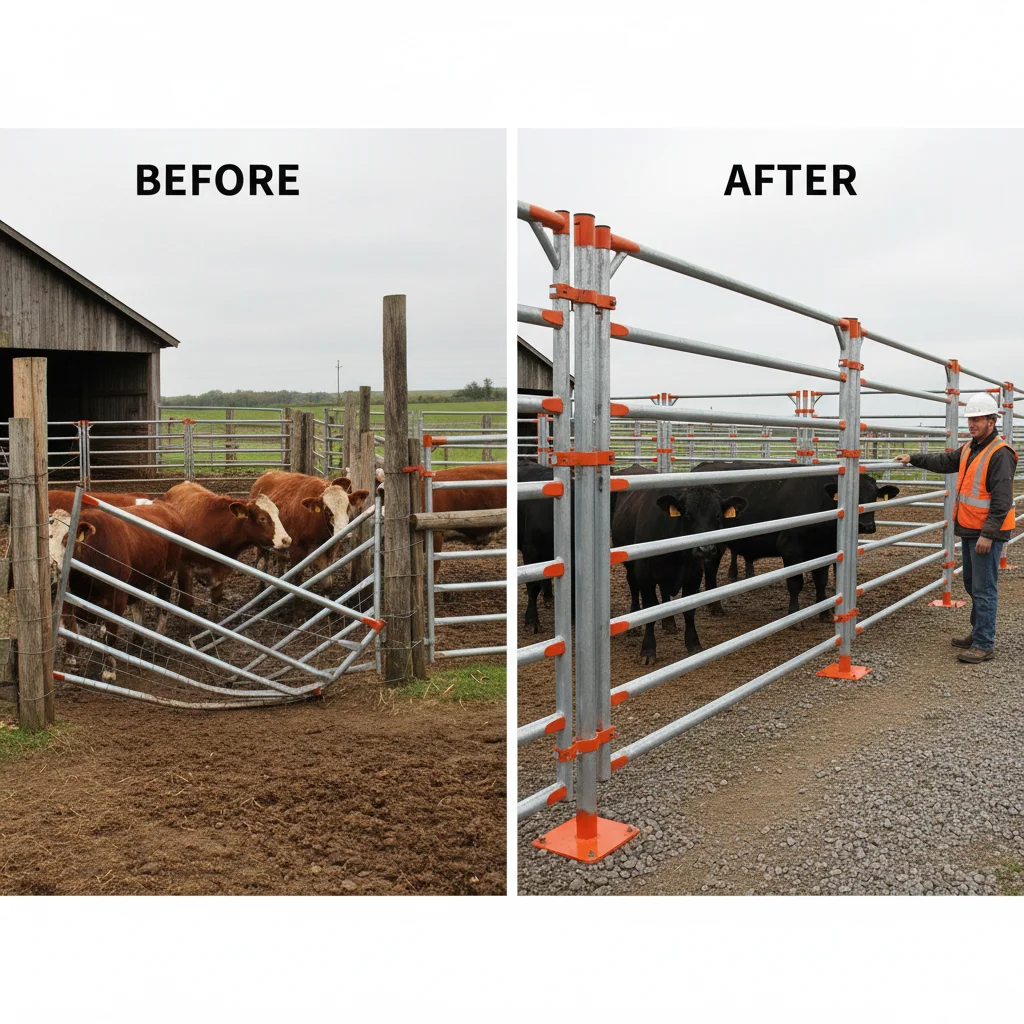
Durable Freestanding Livestock Panels for Efficient Animal Handling In the demanding world of agricultural management, the need for flexible and robust containment solutions has never been more critical. freestanding livestock panels offer a sophisticated answer to the challenges of animal handling, providing a secure yet adaptable barrier that does not require permanent installation or deep grounding. By allowing farmers and ranchers to redefine their spatial layouts in minutes, these panels maximize the efficiency of existing infrastructure while ensuring the safety of both the handlers and the livestock. Read More >26 Apr, 17
-
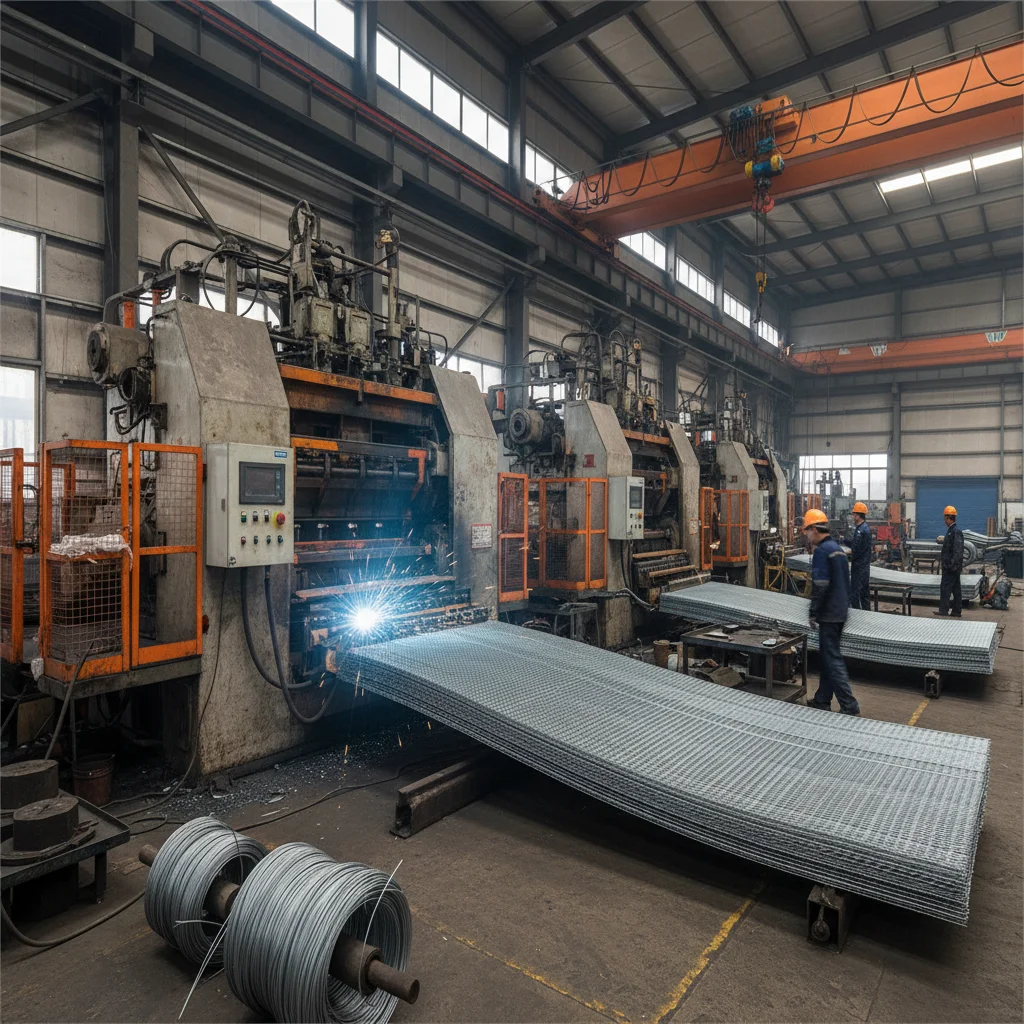
Professional Galvanized Welded Mesh Factory for Industrial Projects Finding a reliable galvanized welded mesh factory is critical for ensuring the structural integrity and longevity of your industrial or agricultural installations. Galvanized welded mesh is prized for its exceptional strength and resistance to corrosion, making it the go-to choice for fencing, animal cages, and construction reinforcement. However, not all factories adhere to the same quality standards. Whether you are sourcing for a large-scale infrastructure project or a specialized commercial application, understanding the manufacturing process and quality benchmarks is key to making a cost-effective investment that lasts for decades. Read More >26 Apr, 16
-
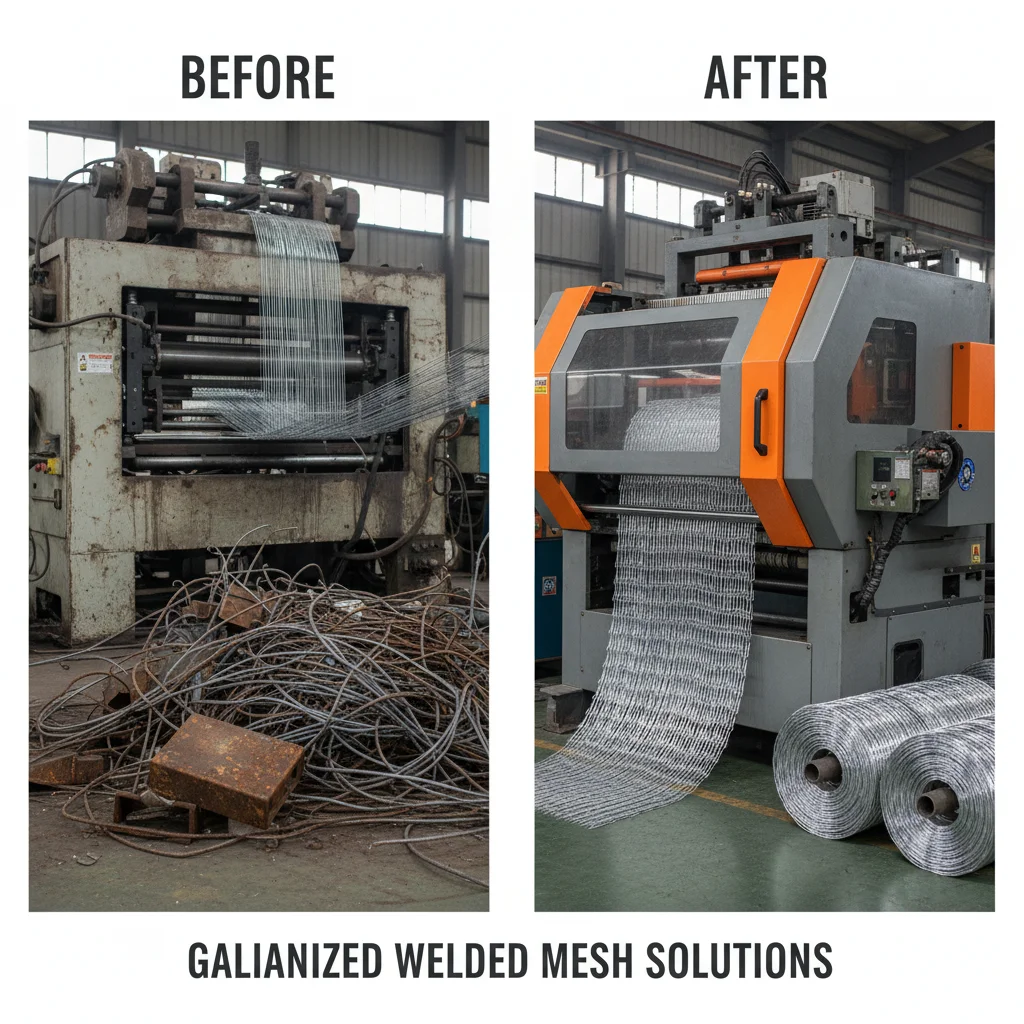
Professional Galvanized Welded Mesh Exporter for Quality Projects Selecting a high-quality fencing or screening solution requires more than just picking a product; it requires partnering with a reliable galvanized welded mesh exporter who understands the balance between structural integrity and corrosion resistance. Whether you are securing an industrial perimeter, building animal enclosures, or implementing architectural reinforcements, the quality of the galvanization process determines the lifespan of your installation. In this guide, we will explore the technical advantages of galvanized welded mesh and how to identify a global supplier that meets international quality standards to ensure your investment stands the test of time. Read More >26 Apr, 09
-
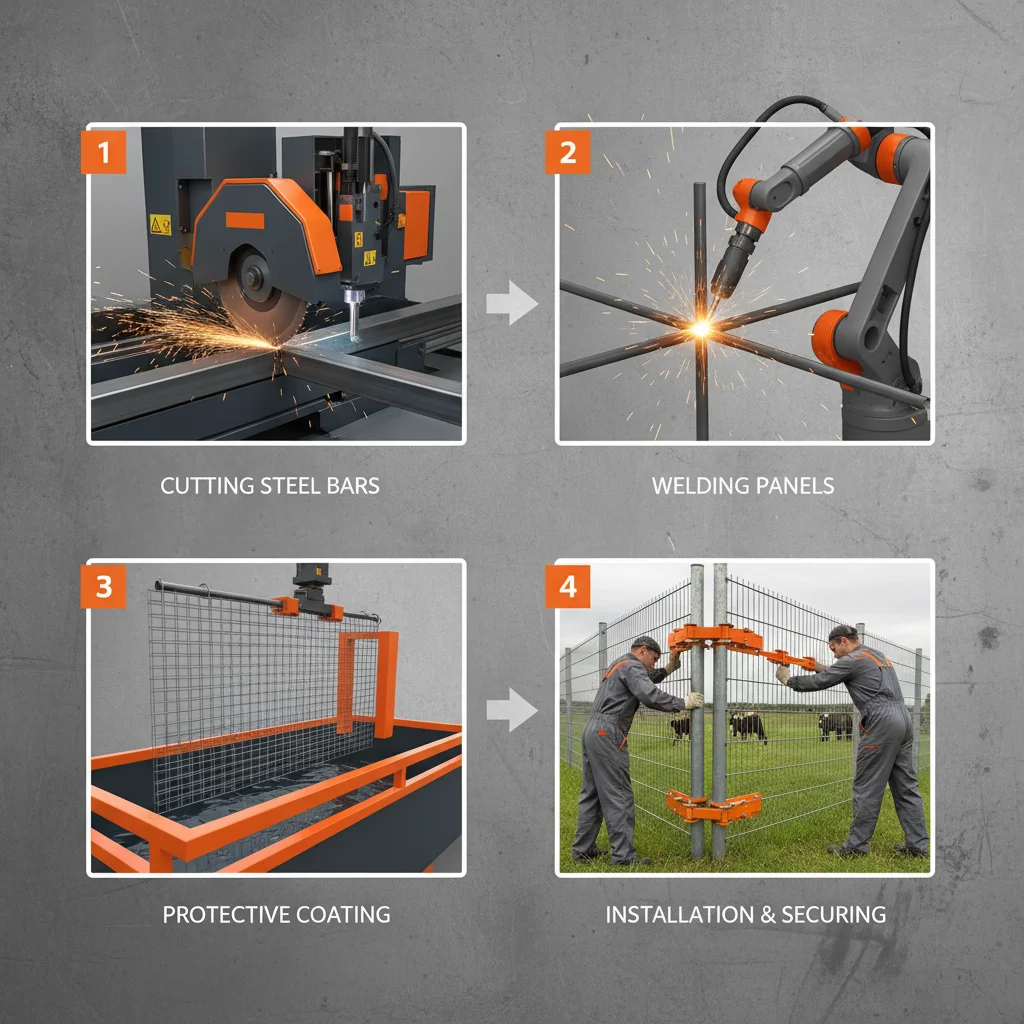
Essential Fencing Panels for Livestock Management and Farm Productivity Fencing panels for livestock are essential components in modern animal husbandry, playing a critical role in efficient farm management, animal welfare, and land utilization. Globally, the demand for robust and reliable fencing solutions is increasing due to the expanding livestock industry and the need to protect grazing lands from encroachment and predation. These panels aren’t simply barriers; they represent a vital investment in a farm's productivity and the health of its animals. Read More >26 Apr, 08
If you are interested in our products, you can choose to leave your information here, and we will be in touch with you shortly.


