


Heavy Duty Cattle Panels for Strong Livestock Containment | Durable & Portable
Heavy Duty Cattle Panels: Building Strong Foundations for Livestock Worldwide
At first glance, heavy duty cattle panels might seem like a simple piece of farm hardware — just steel bars welded together, right? But globally, the impact of these panels stretches far beyond fences and corrals. As the global population steadily approaches 8 billion and demand for meat and dairy products rises, securing safe, reliable containment for livestock becomes mission-critical.
Understanding heavy duty cattle panels and their role isn't just about farming efficiency anymore. It taps into big-picture themes of sustainable agriculture, animal welfare, and even disaster relief where rapid livestock containment is crucial. In this piece, we’ll explore why these steel grids matter globally and dive into the nuts and bolts of the heavy duty cattle panel industry.
Why Heavy Duty Cattle Panels Matter on a Global Scale
According to the Food and Agriculture Organization of the UN, livestock accounts for nearly 40% of agricultural GDP worldwide. Whether it's the massive ranches of the American West or smallholder farms across Africa and Asia, the need for durable containment is universal. But problems arise: traditional fencing can be weak, costly to maintain, or impossible to install quickly during emergencies.
Heavy duty cattle panels provide a practical response to these challenges. By offering robust, portable, and long-lasting livestock containment, they help farmers and relief agencies manage animals more safely and efficiently — improving animal health and minimizing losses. And with rising climate risks, more frequent extreme weather events, and growing rural populations, these panels fill a vital niche in agricultural resilience and humanitarian logistics.
What Exactly Are Heavy Duty Cattle Panels?
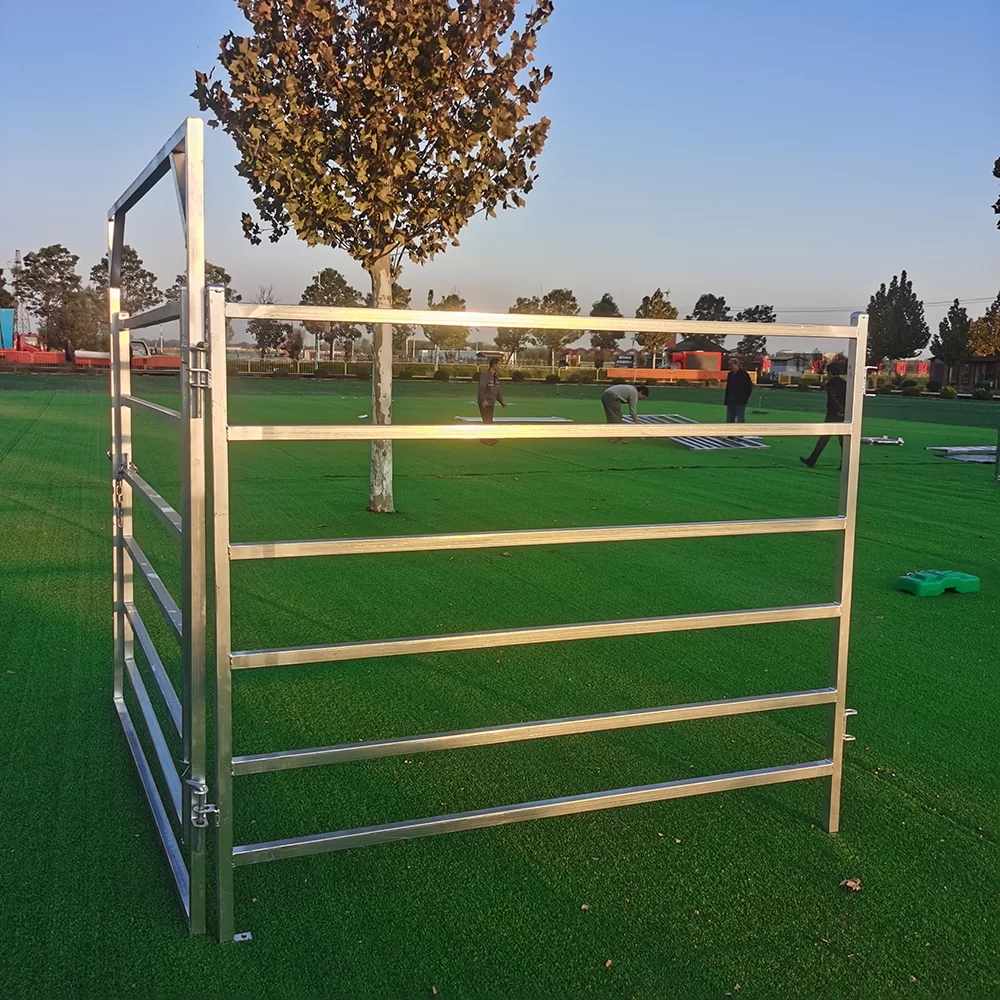
Simply put, heavy duty cattle panels are metal frameworks designed to corral large farm animals like cows, bulls, and sometimes horses. Typically made from galvanized or powder-coated steel, these panels are rectangular grids that connect easily into fences or pens. Their "heavy duty" label means thicker steel, stronger welds, and added resistance to rust and impact — all crucial for withstanding the force of large livestock or rough terrain.
Think of them as modular building blocks for safe animal handling spaces, used by ranchers, farmers, veterinarians, and disaster relief teams. Their relatively simple design hides a lot of engineering thought around strength, portability, and adaptability which makes them invaluable across agricultural and industrial settings.
Core Components That Make Heavy Duty Panels Tick
Durability
The backbone of these panels is their steel gauge and welding method. Most use 12 to 14 gauge steel, thick enough to resist denting or bending but still light enough to relocate. Many modern panels undergo galvanization to fend off corrosion, especially in humid or rainy climates.
Portability
One reason farmers love heavy duty cattle panels is the ease of setup and teardown. Thanks to standardized sizes and universal connectors, you can quickly reconfigure pens, fences, or corridors — even roll them up for transport. This flexibility is invaluable in rotational grazing systems or emergency containment.
Scalability
Because panels come in standard widths (usually about 16 feet long and 5 feet tall), it’s straightforward to build enclosures of different sizes, stacking or connecting as needed. Multiple panels create complex layouts that can even funnel animals toward chutes or loading ramps.
Cost Efficiency
While the upfront cost of heavy duty cattle panels might be higher than cheap wire fencing, their lifespan and reusability typically deliver better value over years. Less time repairing broken fences and safer livestock handling also translate into big savings.
Mini Takeaway:
Heavy duty cattle panels combine thoughtful engineering with practical needs — durability, convenience, and cost downward pressure — all woven into a single product that’s used worldwide.
Real-World Uses of Heavy Duty Cattle Panels Around the Globe
Let’s zoom out. Where are these panels making a difference right now?
- North American Ranching: Here, heavy duty cattle panels are essential for rotational grazing setups to preserve pasture health and prevent overgrazing. They’re also vital in feedlots and auction yards for managing thousands of animals daily.
- Disaster Relief Operations: Agencies like the Red Cross or local governments often need to quickly secure livestock after floods or wildfires. Portable heavy duty cattle panels enable rapid pen construction in unfamiliar terrains, safeguarding animals from wandering or injury.
- Developing Nations Agriculture: In places where fencing materials are scarce or expensive, heavy duty panels offer a long-term investment that reduces theft and predator attacks, boosting farmer income and food security.
- Industrial and Research Facilities: Heavy duty cattle panels are also adopted in controlled environments like veterinary centers, breeding stations, and research farms needing safe but flexible containment options.
Mini Takeaway:
From massive ranches to humanitarian crises, heavy duty cattle panels prove their worth in diverse, sometimes unpredictable conditions globally.
Heavy Duty Cattle Panel Specifications at a Glance
| Feature | Typical Specification | Practical Impact |
|---|---|---|
| Length | 16 feet (~4.88 meters) | Modular coverage for large pens |
| Height | 5 feet (~1.52 meters) | Prevents jumping or escaping |
| Steel Gauge | 12–14 gauge | Balance of strength and weight |
| Surface Treatment | Hot-dip galvanized or powder coated | Rust and weather resistance |
| Weight per panel | ~70-90 lbs (31.7–40.8 kg) | Heavy but portable by 2 people |
Comparing Popular Vendors of Heavy Duty Cattle Panels
| Vendor | Material Quality | Customization | Price Range | Lead Time |
|---|---|---|---|---|
| Haotian Mesh | Galvanized steel, 13 gauge | Yes, custom sizes & coatings | $$$ | 2–4 weeks |
| EcoLivestock Panels | Powder-coated tubular steel | Limited | $$ | 3–5 weeks |
| FarmStrong Fence Co. | Standard galvanized steel | No | $ | 1–2 weeks |
Why Invest in Heavy Duty Cattle Panels? The Advantages
Here’s the thing — these panels don’t just “hold cattle.” They affect day-to-day operations in ways you might not immediately realize:
- Reliability & Safety: A sturdy fence reduces injury risk for cattle and handlers, making pens safer environments.
- Longevity: High-quality steel panels last years, resisting corrosion and physical damage better than wood or wire fencing.
- Flexibility: Adaptable to different terrains, panel setups can be changed or expanded without major investment.
- Environmental Sustainability: Durable reusable panels mean fewer replacements and less waste. Some manufacturers embrace eco-friendly coatings.
- Emotional & Social Impact: For communities, better animal containment means more predictable livelihoods and less stress on farmers.
Emerging Trends & The Future of Heavy Duty Cattle Panels
As with many agricultural tools, innovation is hurrying along. Designers and engineers are exploring:
- Smart Panels: Integration of RFID or IoT sensors to monitor cattle movement, helping farmers remotely track livestock.
- Advanced Materials: Lighter composites with similar strength to steel for easier handling without sacrificing durability.
- Green Manufacturing: Using recycled steel and non-toxic coatings to reduce carbon footprints.
- Rapid Deployment Systems: Faster locking mechanisms and modular connectors speeding setup during emergencies.
Challenges Typical to Heavy Duty Cattle Panels — And How to Overcome Them
Not everything is perfect. Issues that users sometimes face include:
- Weight & Handling Difficulty: Steel panels can be heavy and awkward. Solution? Team lifts, mechanized movers, or lighter hybrids.
- Cost Barriers: High-quality panels cost more upfront. Forward-thinking farmers treat it as capital investment with excellent ROI.
- Corrosion in Harsh Environments: Salt air or wet climates accelerate rust. Proper sealing and maintenance are key — manufacturers are working on better coatings.
- Limited Standardization: Compatibility with existing fences can be tricky, but major vendors now provide adapter kits or custom sizes.
FAQ: Common Questions About Heavy Duty Cattle Panels
- Q: How long do heavy duty cattle panels typically last outdoors?
- A: With galvanized coatings and proper maintenance, these panels often last 10 to 20 years, sometimes longer in dry climates.
- Q: Can heavy duty cattle panels be used for animals other than cattle?
- A: Yes! They’re adaptable for horses, goats, and even deer, but size and strength requirements vary depending on the animal.
- Q: Are these panels easy to transport for remote jobs?
- A: Generally yes. They’re designed for portability, and with simple connectors, farmers or relief workers can transport and install them with minimal equipment.
- Q: How do I choose a vendor that fits my farming needs?
- A: Consider material quality, customization options, price, and delivery times. Also, check for after-sales support, especially if you need custom configurations.
- Q: What’s the best way to maintain heavy duty cattle panels?
- A: Routine inspections, cleaning off dirt or mud, touching up scratches with rust-proof paint, and keeping panels dry when stored can extend lifespan.
Wrapping It Up — Why Heavy Duty Cattle Panels Are Here to Stay
In real terms, investing in quality heavy duty cattle panels offers long-term peace of mind, animal safety, and operational convenience. The evolution of these sturdy, modular steel panels reflects a quietly profound shift in agricultural practices, disaster readiness, and rural economies worldwide.
If you’re thinking about upgrading your fencing or need reliable containment for your livestock, check out heavy duty cattle panels from trusted suppliers like Haotian Mesh. It feels like a simple decision today, but with these panels, you’re building solid foundations that last seasons, maybe generations.
Sometimes, those little grids just hold a lot — more than just cattle.
References & Resources
-
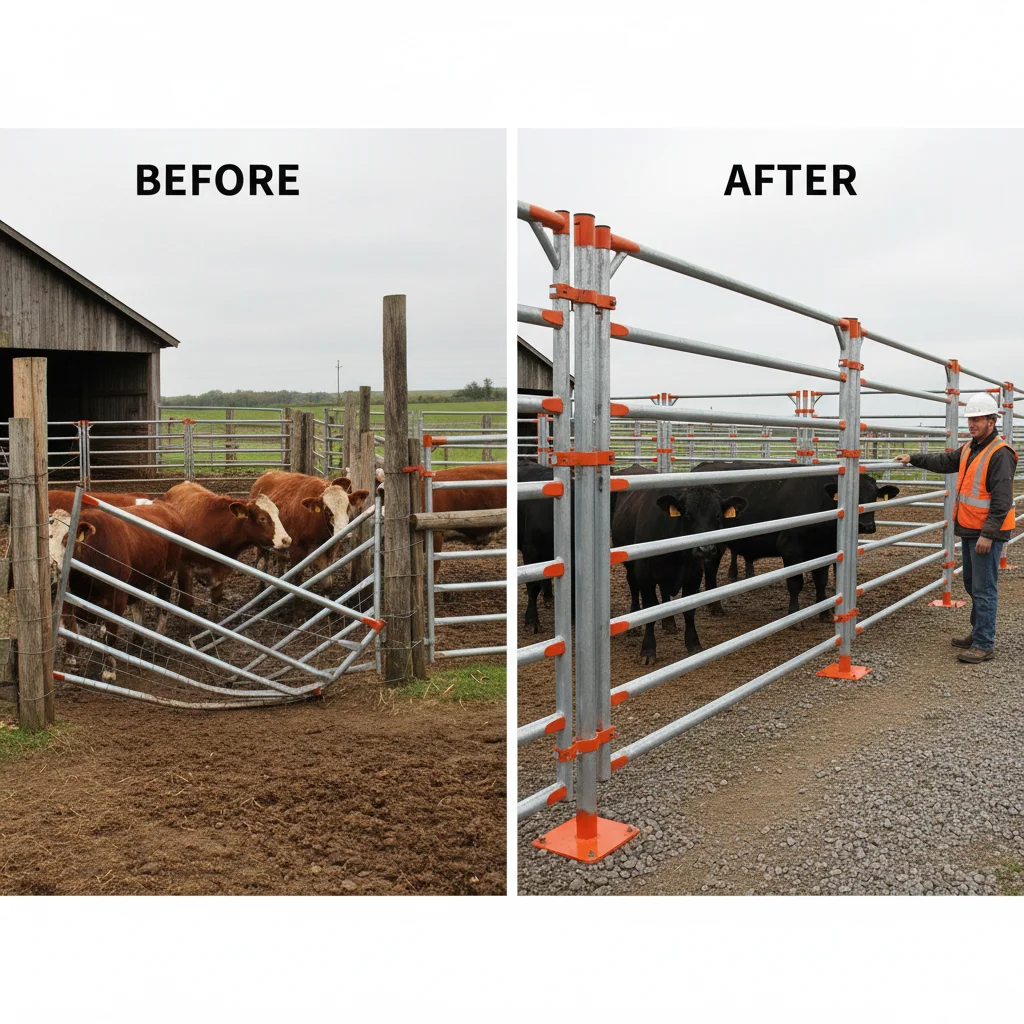
Durable Freestanding Livestock Panels for Efficient Animal Handling In the demanding world of agricultural management, the need for flexible and robust containment solutions has never been more critical. freestanding livestock panels offer a sophisticated answer to the challenges of animal handling, providing a secure yet adaptable barrier that does not require permanent installation or deep grounding. By allowing farmers and ranchers to redefine their spatial layouts in minutes, these panels maximize the efficiency of existing infrastructure while ensuring the safety of both the handlers and the livestock. Read More >26 Apr, 17
-
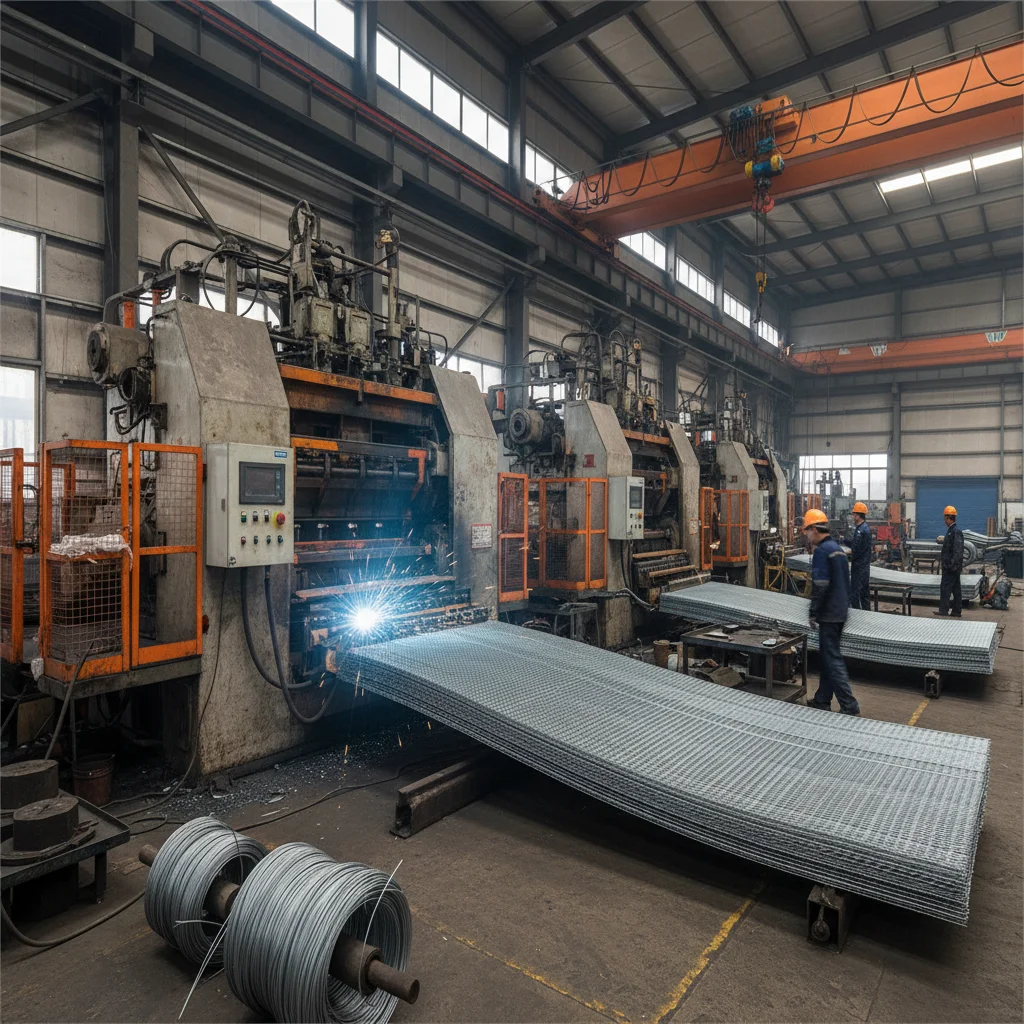
Professional Galvanized Welded Mesh Factory for Industrial Projects Finding a reliable galvanized welded mesh factory is critical for ensuring the structural integrity and longevity of your industrial or agricultural installations. Galvanized welded mesh is prized for its exceptional strength and resistance to corrosion, making it the go-to choice for fencing, animal cages, and construction reinforcement. However, not all factories adhere to the same quality standards. Whether you are sourcing for a large-scale infrastructure project or a specialized commercial application, understanding the manufacturing process and quality benchmarks is key to making a cost-effective investment that lasts for decades. Read More >26 Apr, 16
-
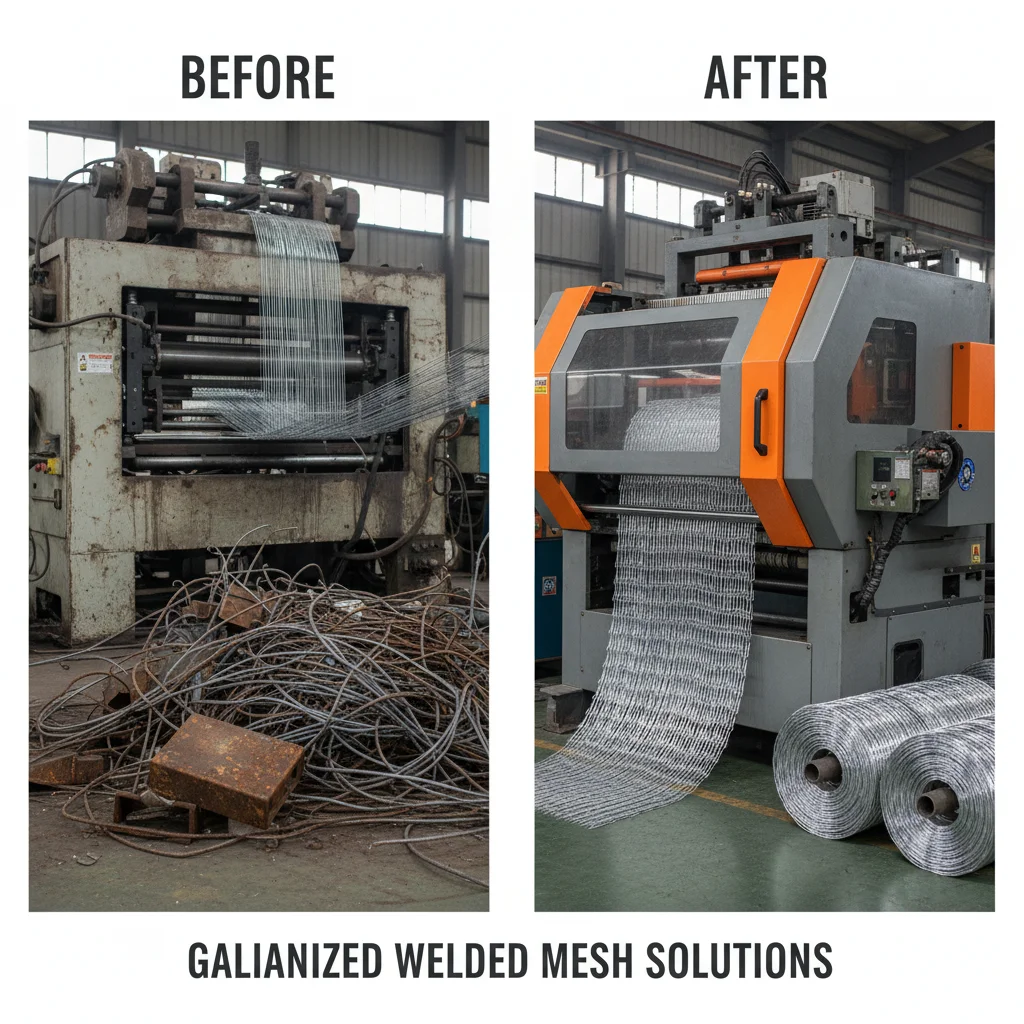
Professional Galvanized Welded Mesh Exporter for Quality Projects Selecting a high-quality fencing or screening solution requires more than just picking a product; it requires partnering with a reliable galvanized welded mesh exporter who understands the balance between structural integrity and corrosion resistance. Whether you are securing an industrial perimeter, building animal enclosures, or implementing architectural reinforcements, the quality of the galvanization process determines the lifespan of your installation. In this guide, we will explore the technical advantages of galvanized welded mesh and how to identify a global supplier that meets international quality standards to ensure your investment stands the test of time. Read More >26 Apr, 09
-
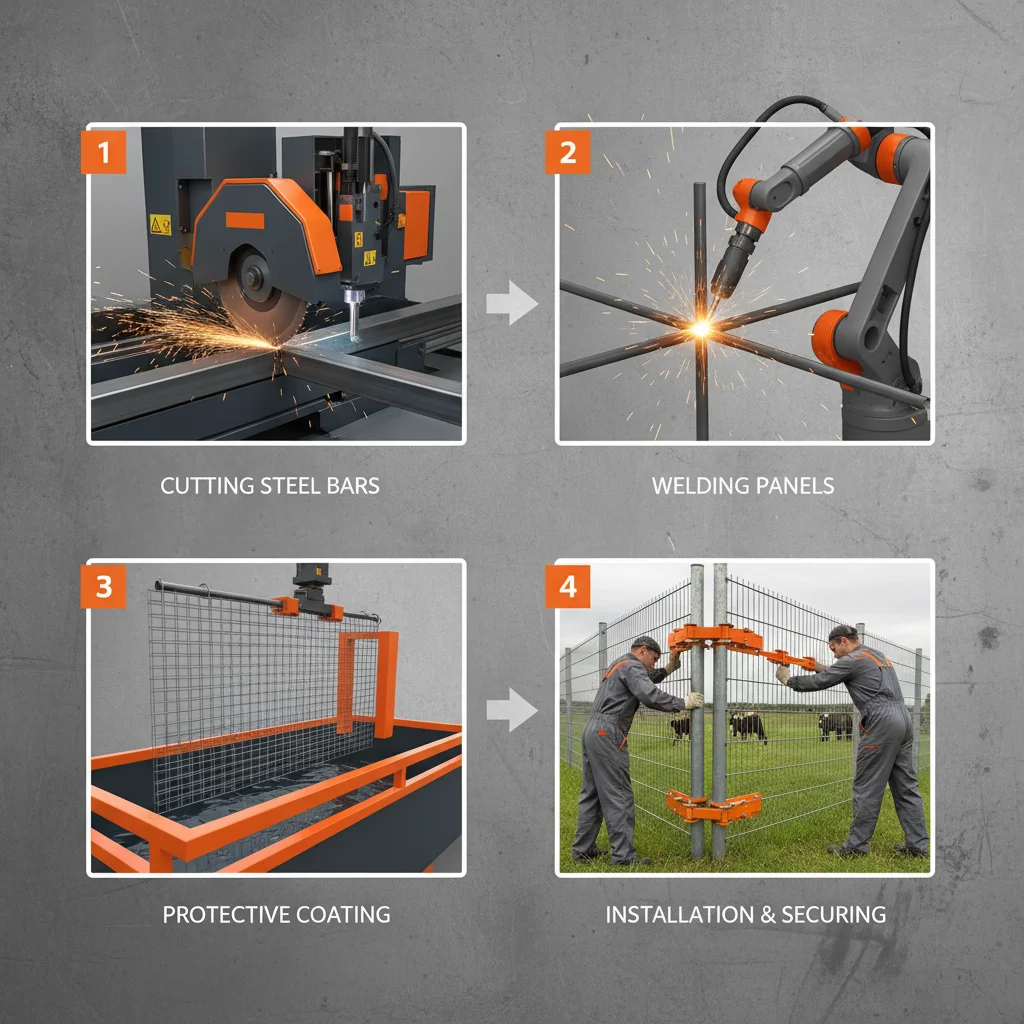
Essential Fencing Panels for Livestock Management and Farm Productivity Fencing panels for livestock are essential components in modern animal husbandry, playing a critical role in efficient farm management, animal welfare, and land utilization. Globally, the demand for robust and reliable fencing solutions is increasing due to the expanding livestock industry and the need to protect grazing lands from encroachment and predation. These panels aren’t simply barriers; they represent a vital investment in a farm's productivity and the health of its animals. Read More >26 Apr, 08
If you are interested in our products, you can choose to leave your information here, and we will be in touch with you shortly.


