


Heavy Duty Free Standing Cattle Panels – Durable, Portable Livestock Solutions
The World of Heavy Duty Free Standing Cattle Panels: Why It Matters
When it comes to managing livestock safely and efficiently, heavy duty free standing cattle panels stand out as a crucial piece of infrastructure worldwide. Whether it’s for farmers in rural Australia, NGO workers helping displaced communities, or food supply chains in remote industrial zones, robust and adaptable cattle panels ensure animals stay contained, protected, and calm. And frankly, that’s just the beginning. Understanding these panels gives insight into broader trends in agricultural innovation, animal welfare, and emergency response logistics. Plus, they often form the backbone of rapid deployable livestock systems where permanent fencing isn’t viable.
Introduction: Why Heavy Duty Free Standing Cattle Panels Matter Globally
Across the globe, the livestock industry accounts for roughly 40% of agricultural GDP (source: FAO). But with growing climate pressures and fluctuating markets, traditional fencing systems fall short, especially in disaster-prone or resource-scarce regions. Heavy duty, portable cattle panels offer an immediate, resilient solution to confine and move animals without permanent installation. The World Bank estimates that improved livestock containment can increase productivity by 15–20%. Yet many rural communities lack easy access to such technology, raising questions about supply chain, durability, and cost.
So essentially, these panels address a universal challenge: How do you keep cattle safe, manageable, and ready for transport or care — all while minimizing harm and expense? It’s a small piece of hardware, but it touches on food security, rural livelihoods, and even ecological sustainability.
What Exactly Are Heavy Duty Free Standing Cattle Panels?
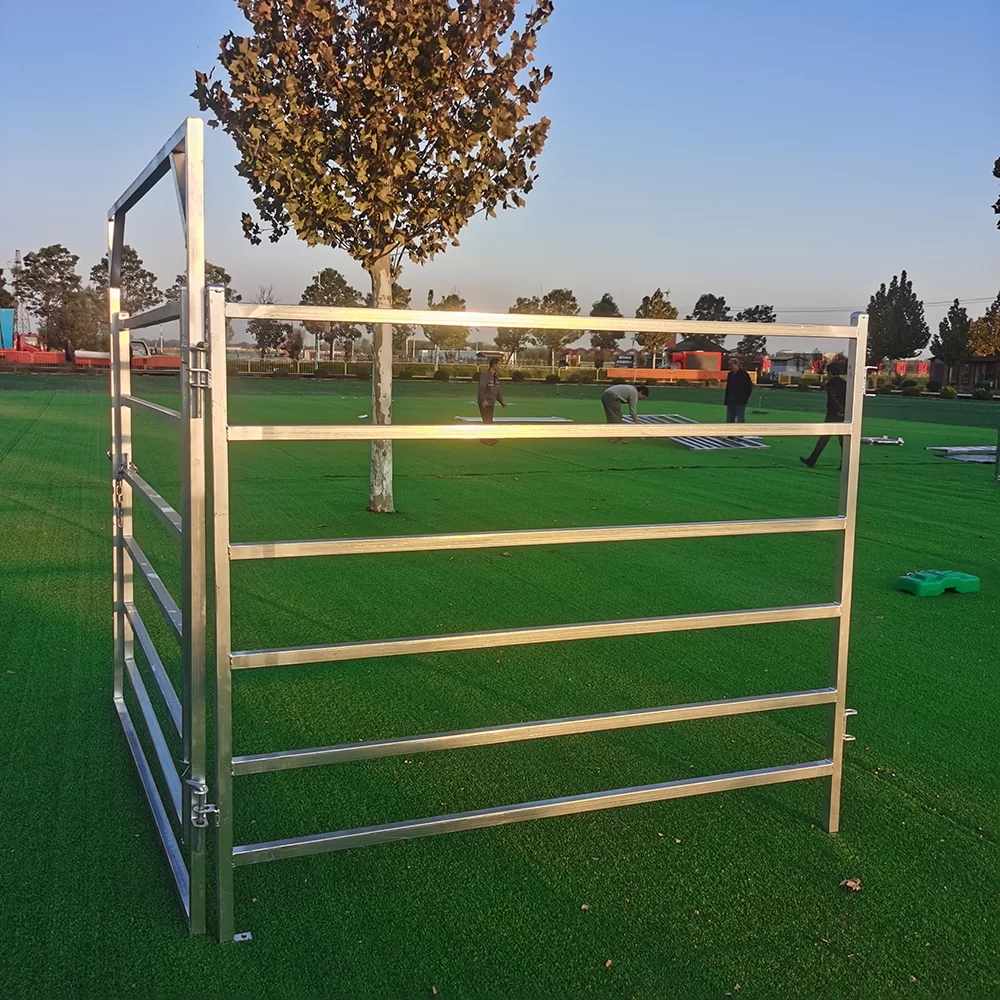
In plain terms, these cattle panels are modular fences made from thick gauge steel, designed to stand independently without needing to be buried or anchored into the ground permanently. They form a quick-assembly pen system that can be relocated or expanded as needed. Unlike traditional wire fences or embedded posts, these are all about flexibility and toughness. The "heavy duty" aspect refers to thicker metal tubes or reinforced welds, suited for larger, stronger livestock or harsh weather conditions.
These panels are especially critical in modern agriculture where infrastructure must be mobile — think of seasonal grazing, livestock shows, or emergency quarantine. NGOs also rely on them in refugee camps or post-disaster zones to create temporary yet sturdy corrals for displaced animals.
Core Components That Make These Panels Tick
Durability
Made from galvanized steel or coated alloys, the panels resist corrosion, rust, and damage from pressure. This longevity means fewer replacement costs and less downtime — which is a big deal when you’re thousands of miles from a hardware store.
Modularity & Scalability
Each panel connects with simple clamps or hinges, letting users build pens of any size or shape. This modular design also allows adding gates and sorting chutes as needed, offering adaptability uncommon in permanent fences.
Portability & Fast Deployment
Because they’re free standing, the panels require no digging or concrete. Teams can build and reconfigure livestock pens within minutes, making them invaluable for mobile operations or crisis responses.
Cost Efficiency
While initial costs can be higher than simple wire fencing, the reuse angle and reduced labor make them more economical in the long run. Plus, minimizing lost cattle or injury equals real savings.
Safety & Animal Welfare
Tables keep animals contained with smooth rounded edges, reducing stress or injury. Some designs include anti-kick or anti-climb meshes, ensuring cattle don’t hurt themselves or break free.
Mini Takeaway:
At their core, heavy duty free standing cattle panels are a marriage of rugged engineering, adaptability, and animal-friendly design — critical for modern farming and relief work.
Real-World Applications Across Continents and Industries
You might assume these panels are just for ranchers in the American Midwest or cattle stations Down Under, but their reach is far wider:
- Disaster Relief Operations: In regions hit by floods or earthquakes, NGOs use portable panels to quickly pen displaced livestock, preventing wandering animals from endangering humans or themselves.
- Remote Mining Camps: Industrial zones that temporarily host workers and support livestock feed lots depend on these panels for secure containment.
- Developing Nations’ Agricultural Advance: Smallholder farmers in Africa and Asia integrate these panels to improve herd management, reduce theft, and improve breeding programs.
- Seasonal Grazing & Rotational Systems: In Europe and North America, ranchers use panels to rotate cattle grazing areas, boosting soil health and pasture regeneration.
Informally, I’ve heard from a few livestock managers that panels from suppliers like Haotian Mesh feature strongly, thanks to their toughness and reliability.
Mini Takeaway:
The versatility of these panels truly shines when you consider how many different challenges — from climate to conflict — they help address.
Advantages & Long-Term Value of Heavy Duty Free Standing Cattle Panels
It’s easy to list benefits, but what really matters is the impact behind them:
- Cost Savings Over Time: Durable materials and reusability reduce the need for replacements.
- Sustainability: Many manufacturers now offer panels made from recycled steel and incorporate eco-friendly coatings.
- Improved Animal Welfare: Safer containment means less injury and stress on the animals — important ethically and financially.
- Enhanced Safety for People: Workers appreciate the reduced danger from breakout incidents or malfunctioning fences.
Tangibly, these benefits translate into higher productivity, lower losses, and a stronger trust relationship between farmers, their livestock, and consumers alike.
Future Trends & Next-Gen Innovations
Many companies are exploring lighter but stronger materials like carbon-fiber-reinforced composites or smarter coatings that self-heal scratches. Integration with IoT devices—such as sensor-enabled gates or virtual fencing trackers—could revolutionize livestock management. Green energy plays a role too; solar-powered electric panel sections assist in remote monitoring without relying on generators. And as policies favor environmental sustainability, expect more recyclable, modular solutions from companies leading the pack.
Common Challenges & Practical Solutions
Of course, no solution is perfect:
- Transport Logistics: Heavy panels can be tough to move across rough terrain. Innovative foldable or sectional designs help mitigate this.
- Cost Barriers for Small Farmers: Bulk purchasing programs or subsidies improve accessibility.
- Climate Extremes: Panels need ultra-resilience under snow, wind, or heat, pushing manufacturers to test rigorously against ISO or ASTM standards.
Solutions often come down to customizing design for local needs — and frankly, staying in close touch with end-users.
Product Specification Table
| Specification | Details |
|---|---|
| Material | Galvanized Steel Tubing (16 Gauge) |
| Dimensions (per panel) | 6 ft (H) x 10 ft (W) |
| Weight | ~50 kg (110 lbs) |
| Finish | Hot-dip galvanized with UV-resistant powder coat |
| Connection Type | Clamp & hinge swivel system |
| Load Rating | Up to 5000 N impact resistance |
Vendor Comparison Table
| Vendor | Panel Weight | Material Quality | Price per Panel (USD) | Warranty | Additional Features |
|---|---|---|---|---|---|
| Haotian Mesh | ~50 kg | High-Grade Galvanized Steel | $120 | 5 Years | UV Coating, Swivel Connectors |
| RanchPro | ~48 kg | Standard Galvanized Steel | $110 | 3 Years | Standard Clamps |
| FarmSecure | ~52 kg | Powder Coated Steel | $130 | 4 Years | Anti-Kick Panels Available |
Frequently Asked Questions About Heavy Duty Free Standing Cattle Panels
1. How quickly can heavy duty free standing cattle panels be deployed on a farm or site?
These panels are designed for rapid assembly, often requiring just a small team and basic tools. Setup times vary but typically range from 15 to 30 minutes for a standard-sized pen. The modular clamps and hinges simplify the process, making them ideal for emergency or seasonal use.
2. Are these panels suitable for extreme weather conditions?
Yes. High-quality panels are galvanized and coated to withstand rust, UV exposure, and temperature swings. However, some environments with corrosive soil or salt air may require additional maintenance. It’s wise to verify manufacturer specifications against your local climate.
3. Can these panels be customized for different livestock besides cattle?
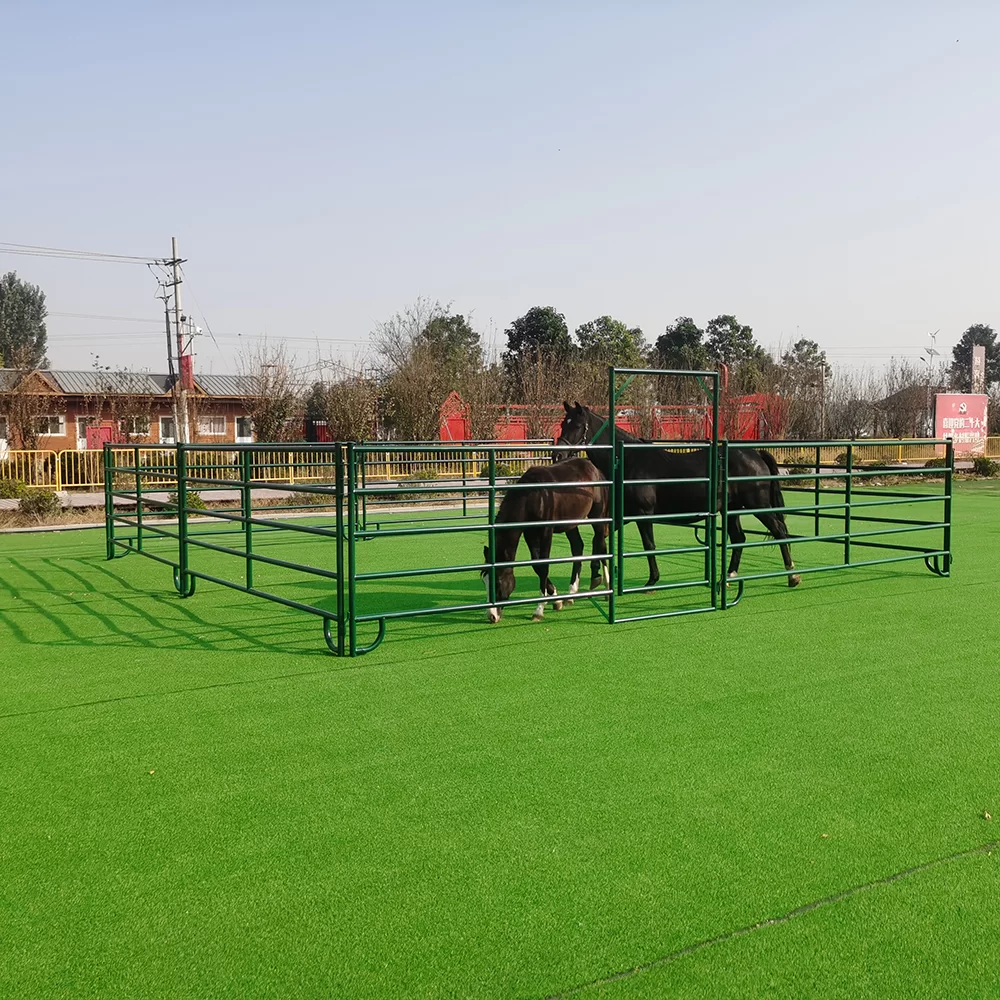
Absolutely. While optimized for cattle, these panels can be adjusted or configured for sheep, goats, and even horses with accessories like closer mesh or higher gates. Their modularity supports a wide range of farm animal containment needs.
4. What maintenance do heavy duty free standing cattle panels require?
Regular inspection for damage or loose fittings is advised, especially after transport or storms. Periodic cleaning to avoid buildup of mud or manure also helps extend their lifespan. Recoating may be necessary every few years depending on usage.
5. How do NGOs import these panels internationally for use in relief projects?
Suppliers often have export experience and can assist with customs paperwork, packaging for shipping containers, and tailored order quantities. Partnering with established vendors like Haotian Mesh may smooth the process considerably.
Conclusion: Why Heavy Duty Free Standing Cattle Panels Deserve Your Attention
In an era where flexibility, sustainability, and animal welfare are paramount, heavy duty free standing cattle panels offer a compelling solution. From durable materials and easy scalability to their indispensable role in emergency response and modern agriculture, these panels do a lot more than just hold animals—they support livelihoods worldwide. Curious to learn more or make a purchase? Visit Haotian Mesh for detailed product lines and expert advice.
They’re not just panels; they’re a small but vital piece of a global farming and humanitarian puzzle.
References
-
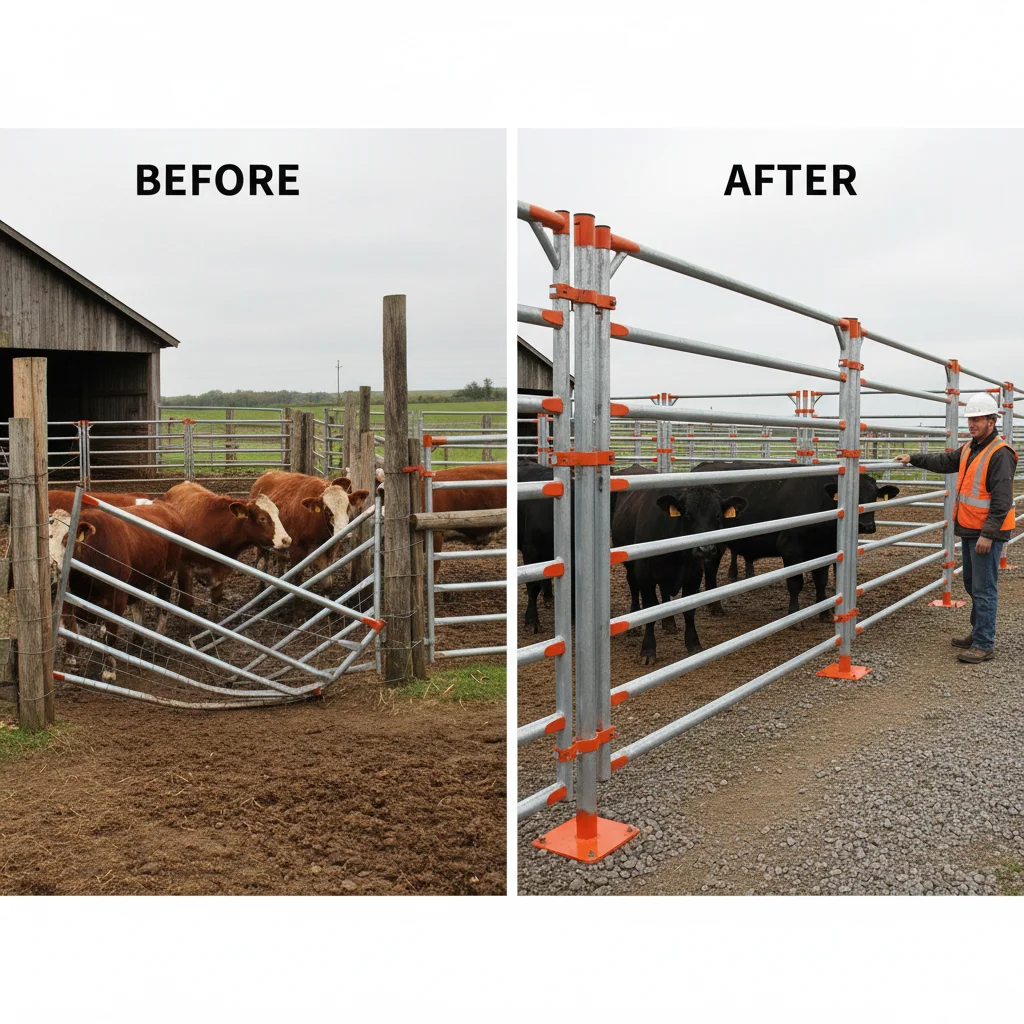
Durable Freestanding Livestock Panels for Efficient Animal Handling In the demanding world of agricultural management, the need for flexible and robust containment solutions has never been more critical. freestanding livestock panels offer a sophisticated answer to the challenges of animal handling, providing a secure yet adaptable barrier that does not require permanent installation or deep grounding. By allowing farmers and ranchers to redefine their spatial layouts in minutes, these panels maximize the efficiency of existing infrastructure while ensuring the safety of both the handlers and the livestock. Read More >26 Apr, 17
-
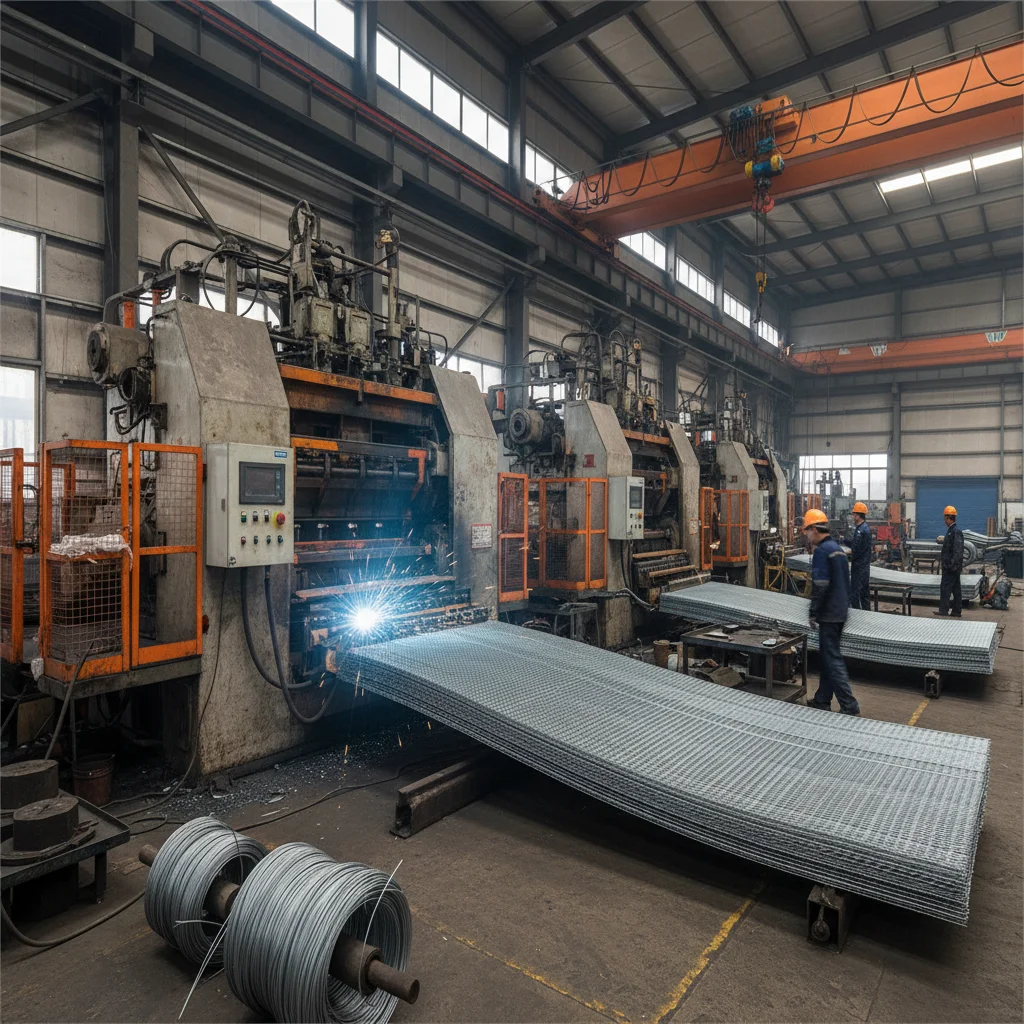
Professional Galvanized Welded Mesh Factory for Industrial Projects Finding a reliable galvanized welded mesh factory is critical for ensuring the structural integrity and longevity of your industrial or agricultural installations. Galvanized welded mesh is prized for its exceptional strength and resistance to corrosion, making it the go-to choice for fencing, animal cages, and construction reinforcement. However, not all factories adhere to the same quality standards. Whether you are sourcing for a large-scale infrastructure project or a specialized commercial application, understanding the manufacturing process and quality benchmarks is key to making a cost-effective investment that lasts for decades. Read More >26 Apr, 16
-
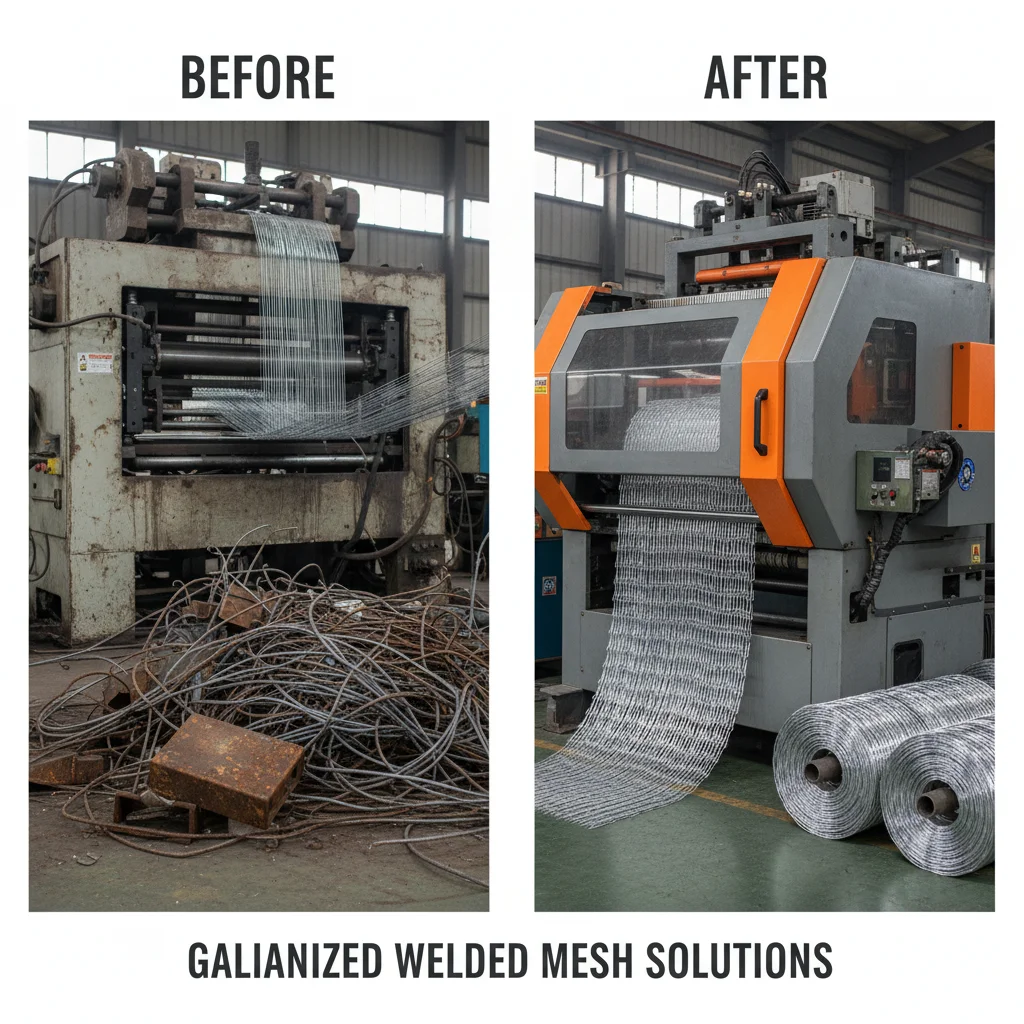
Professional Galvanized Welded Mesh Exporter for Quality Projects Selecting a high-quality fencing or screening solution requires more than just picking a product; it requires partnering with a reliable galvanized welded mesh exporter who understands the balance between structural integrity and corrosion resistance. Whether you are securing an industrial perimeter, building animal enclosures, or implementing architectural reinforcements, the quality of the galvanization process determines the lifespan of your installation. In this guide, we will explore the technical advantages of galvanized welded mesh and how to identify a global supplier that meets international quality standards to ensure your investment stands the test of time. Read More >26 Apr, 09
-
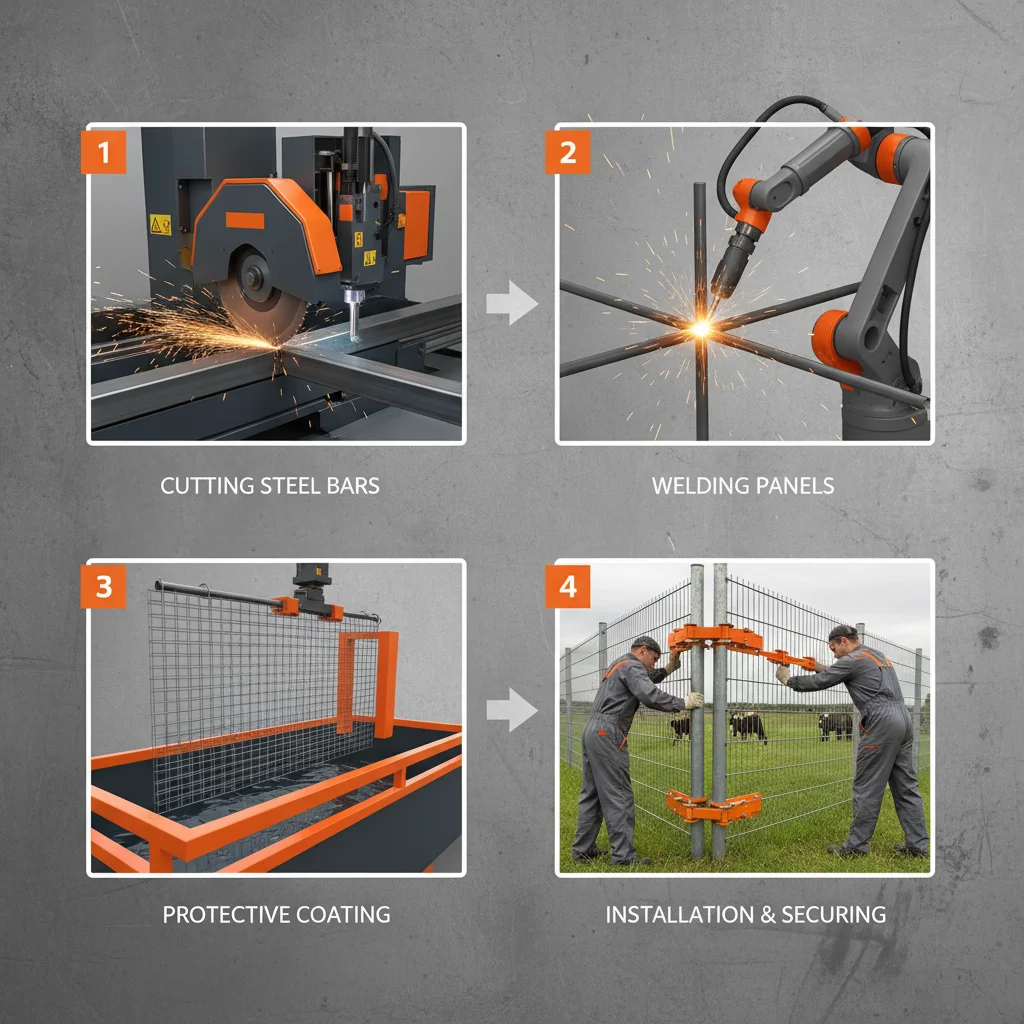
Essential Fencing Panels for Livestock Management and Farm Productivity Fencing panels for livestock are essential components in modern animal husbandry, playing a critical role in efficient farm management, animal welfare, and land utilization. Globally, the demand for robust and reliable fencing solutions is increasing due to the expanding livestock industry and the need to protect grazing lands from encroachment and predation. These panels aren’t simply barriers; they represent a vital investment in a farm's productivity and the health of its animals. Read More >26 Apr, 08
If you are interested in our products, you can choose to leave your information here, and we will be in touch with you shortly.


