


Durable & Versatile Round Cattle Panels for Livestock Management | Haotian Mesh
Round Cattle Panels: A Practical Overview Worth Understanding
If you've ever wandered onto a farm or seen livestock enclosed safely in a sturdy setup, chances are you’ve glimpsed round cattle panels. But these structures are far more than just traditional farm gear; they represent an intersection of durable design, animal welfare, and practical farming solutions. Globally, as the demand for sustainable livestock management increases, understanding round cattle panels becomes key—not just for farmers, but for industries ranging from veterinary services to humanitarian agencies. They offer security, adaptability, and often longevity that many other fencing options struggle to match.
Why does this matter on a bigger scale? Well, with the World Bank estimating that nearly 35% of the global workforce is in agriculture, effective livestock management tools aren’t just conveniences—they impact food security, economic stability, and even environmental health. Round cattle panels have carved out a niche in helping address such challenges efficiently.
Quick takeaway: Round cattle panels aren’t just about corralling animals—they’re an essential tool in modern agricultural sustainability and global food systems.
Why Are Round Cattle Panels Globally Relevant?
Think about the sheer scale of cattle farming worldwide. According to FAO estimates, global cattle population hovers around 1 billion heads. Managing this massive herd effectively demands reliable infrastructure. That’s where round cattle panels come into play.
The design isn't just farm-specific anymore. In remote industrial sites, wildlife rehab centers, and disaster relief shelters that require temporary yet dependable enclosures, these panels provide rapid setup and robust containment. They tackle issues livestock owners face daily—from preventing animal stress to safeguarding against predators.
But there's also an environmental angle: many modern panels are produced with galvanized steel or other corrosion-resistant materials, adopting ISO standards for durability and reducing replacement waste over time. No wonder, in developing nations and well-established markets alike, round cattle panels remain an unmatched solution.
Mini Summary: Their industrial-grade strength and ease of use make round cattle panels a worldwide answer to livestock containment and beyond.
What Exactly Are Round Cattle Panels?
Simply put, round cattle panels are circular or semi-circular sections made from welded steel wire mesh. They usually stand about 5 to 6 feet high and come in various diameters to make temporary or permanent corrals, handling pens, or fencing. What sets them apart is their inherent shape, which naturally guides animals along curves rather than sharp corners—reducing injury risk and behavioral stress.
These panels connect via clips or hooks, assembling quickly without special tools. They’re designed for portability and flexibility. More than just fencing, they’re an adaptable tool for modern ranching, veterinary interventions, and even mobile livestock events.
In humanitarian contexts, such as drought relief or disease containment zones, their quick deployment has proven a lifesaver. So in many ways, they bridge traditional farming with contemporary needs.
Thought to chew on: It’s remarkable how a relatively simple design can impact animal welfare and operational efficiency this profoundly.
Key Components and Functional Aspects of Round Cattle Panels
1. Durability and Material Quality
Most panels are fabricated from galvanized steel wire mesh, often coated for rust resistance. This ensures longevity under sun, rain, mud, and the occasional bovine bump. Durability here isn’t just about lasting years—it’s about maintaining safety standards for livestock and handlers.
2. Scalability and Modularity
The modular nature allows users to scale up or down, forming arenas, chutes, or paddocks. Whether managing a dozen head or hundreds, panels can be linked or rearranged swiftly.
3. Cost Efficiency
While initial costs might seem above a simple wooden fence, the longer life cycle, low maintenance, and reusability often make round cattle panels more economical over time. Plus, their easy installation cuts down labor expenses.
4. Portability and Setup
Many farmers love how quickly these panels can be folded or stacked. Without needing heavy machinery, they transform a workspace overnight.
5. Animal Welfare and Safety
The circular design discourages animals from crowding corners or fighting, which can happen in rectangular corrals. Reducing stress means healthier cows, which translates to better yields.
6. Adaptability for Various Livestock
Though labeled "cattle panels," the same design suits horses, sheep, and even exotic animals in zoos or sanctuaries.
Mini summary: Their sturdy, flexible, and animal-friendly design ticks many boxes crucial for modern livestock management.
Who Uses Round Cattle Panels and How?
From sprawling ranches in the American Midwest to communal farms in East Africa, round cattle panels find diverse applications:
- Ranchers and Farmers use them for handling corrals, quarantining new animals, and rotational grazing pens.
- Veterinary Clinics benefit during treatments needing temporary containment.
- Wildlife Conservation Centers employ them in animal rescue and relocation.
- Disaster Relief Efforts in regions affected by floods or droughts use panels to protect livestock swiftly.
- Industrial Sites needing containment or protection zones often opt for rugged, easy-to-move panels.
For example, following the 2015 drought in Australia, many farmers turned to modular round cattle panels to create makeshift pens during feed shortages—allowing better management and safer feeding.
Takeaway: This adaptability across sectors paints round cattle panels as versatile, not just specialized.
Round Cattle Panels: Advantages and Long-Term Value
What’s really compelling about round cattle panels is their mix of tangible and intangible benefits.
- Cost Savings: Initial investment pays off in repeated use and minimal repairs.
- Sustainability: Often recyclable materials, rust-resistant coatings, and fewer replacements reduce environmental footprint.
- Animal Welfare: Reduced stress leads to healthier livestock, indirectly enhancing profitability.
- Reputation and Trust: Reliable infrastructure signals professionalism and care within industry networks.
- Safety: Both for handlers and animals, less injury risk means fewer costly disruptions.
Psychologically, owners often express a sense of ease knowing animals have sturdy, well-thought enclosures. It’s not just practical—it’s emotional peace of mind.
Round Cattle Panel Specifications at a Glance
| Specification | Typical Range | Notes |
|---|---|---|
| Height | 5 ft to 6 ft (1.5m - 1.8m) | Varies per livestock type |
| Diameter | 10 ft to 20 ft (3m - 6m) | Flexible depending on usage |
| Wire Gauge | 12 to 14 gauge steel | Hot-dipped galvanized preferred |
| Panels per Set | 6 to 10 panels | Depends on configuration |
| Weight | 30-45 lbs per panel | Light enough for manual setup |
Comparing Vendors: What to Look for When Choosing Round Cattle Panels
| Feature | Vendor A | Vendor B | Vendor C |
|---|---|---|---|
| Material Quality | Hot-dipped galvanized steel | Electro-galvanized with powder coat | Galvanized mild steel |
| Customization Options | Sizes, panel counts, paint colors | Limited to size variations | Multiple sizes, custom joining clips |
| Delivery Time | 2-3 weeks | 4-5 weeks | 1-2 weeks (express available) |
| Pricing | $$$ | $$ | $$$ |
| Warranty | 5 years | 3 years | 7 years |
Innovations Shaping the Future of Round Cattle Panels
Technology is quietly creeping into these age-old tools. We’re seeing coatings that further resist UV damage, composite materials blending strength with lighter weights, and even integration of IoT sensors for livestock monitoring. Imagine not just the fencing but tracking animal movement or health markers embedded right into the pen itself.
Automation and digital transformation also touch the logistics — smart ordering systems, modular designs that snap together automatically, all reducing labor and downtime. Sustainability efforts encourage vendors to use recycled steel or bio-based coatings.
Frankly, the future panels might be smarter than any farmer expected.
Common Challenges and Practical Solutions
Despite their many benefits, round cattle panels aren’t perfect. Issues like rust if not properly coated, damage from high-impact animals, and theft in poorly secured areas arise. Moreover, improper panel size selection can lead to animal escapes or injuries.
Experts recommend:
- Regular maintenance and inspection, especially in wet climates.
- Choosing correct gauge and panel height for your specific livestock.
- Using vendor-approved connectors and clips to ensure structural integrity.
- Considering theft deterrents if used in vulnerable zones.
With attention to these details, the panels continue serving faithfully.
FAQs About Round Cattle Panels
- How do round cattle panels reduce animal stress compared to traditional fencing?
- The circular design minimizes sharp corners, which can confuse or trap cattle, reducing panic and potential injuries. Animals tend to move more calmly along curves, easing handling processes.
- Can I use these panels for other types of livestock?
- Absolutely. While designed with cattle in mind, they're commonly used for horses, sheep, goats, and even exotic animals. Adjust the size and panel spacing based on your specific animals.
- What is the typical lifespan of a galvanized round cattle panel?
- With proper care, galvanized panels often last 10 to 15 years or more. This depends on environmental exposure and maintenance but generally outperforms wood or plastic fencing.
- Are these panels easy to transport and set up for temporary uses?
- Yes. Their modular and lightweight nature allows quick assembly and breakdown. Many farmers carry them in trucks, setting up new pens within hours.
- How can I ensure my purchase of round cattle panels is sustainable and eco-friendly?
- Look for vendors offering recycled steel products, certifications for environmental standards (like ISO 14001), and non-toxic protective coatings.
Conclusion: Why Round Cattle Panels Should Be on Every Farmer's Radar
When you break it down, round cattle panels offer a blend of practicality, durability, and compassion for animals that few fencing solutions can match. They’ve become a quiet staple in agricultural and humanitarian toolkits worldwide, and for good reason.
If your farm or project could use some solid, reliable fencing solutions — especially ones that balance cost, flexibility, and animal welfare — you might want to check out the options at round cattle panels. Don’t just fence livestock; create safe, sustainable environments that grow with your needs.
It’s funny how a simple circle can change so many things — from bovine behavior to global livestock management.
References
-
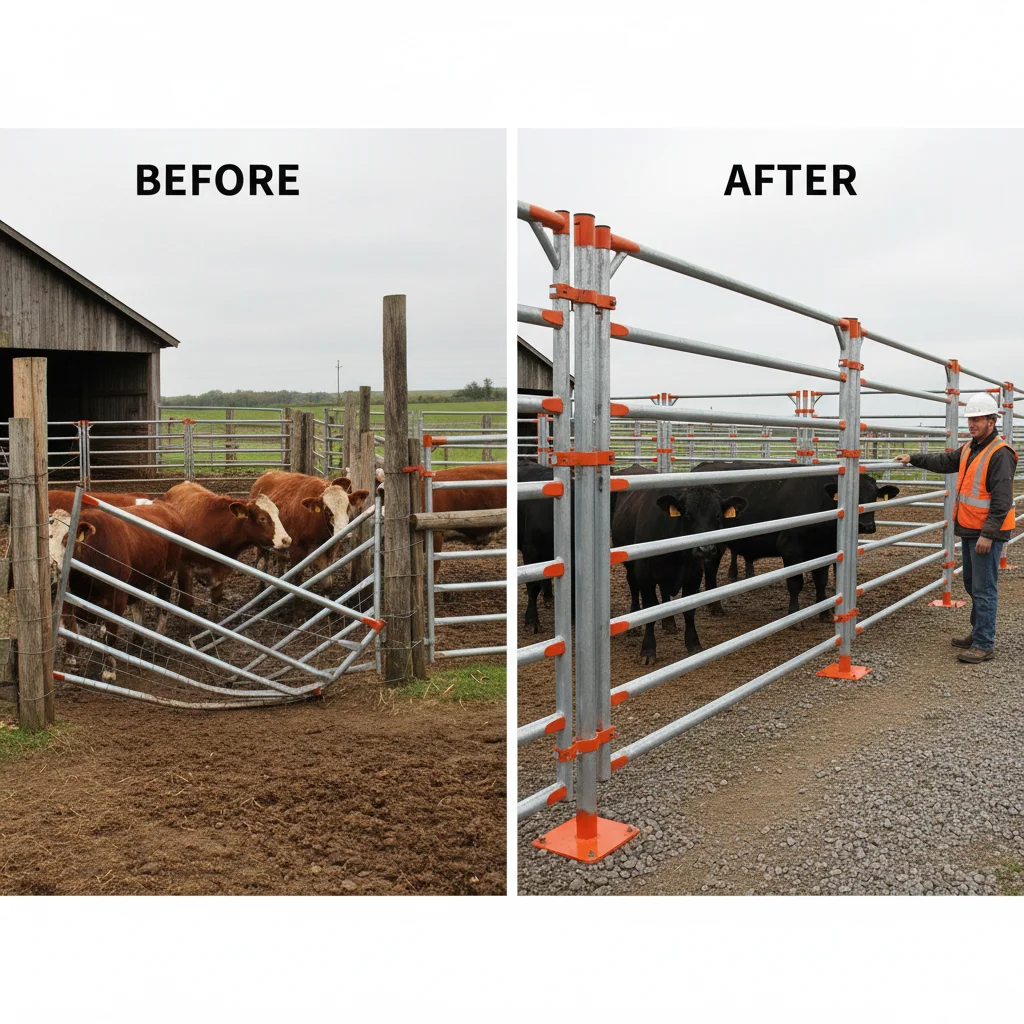
Durable Freestanding Livestock Panels for Efficient Animal Handling In the demanding world of agricultural management, the need for flexible and robust containment solutions has never been more critical. freestanding livestock panels offer a sophisticated answer to the challenges of animal handling, providing a secure yet adaptable barrier that does not require permanent installation or deep grounding. By allowing farmers and ranchers to redefine their spatial layouts in minutes, these panels maximize the efficiency of existing infrastructure while ensuring the safety of both the handlers and the livestock. Read More >26 Apr, 17
-
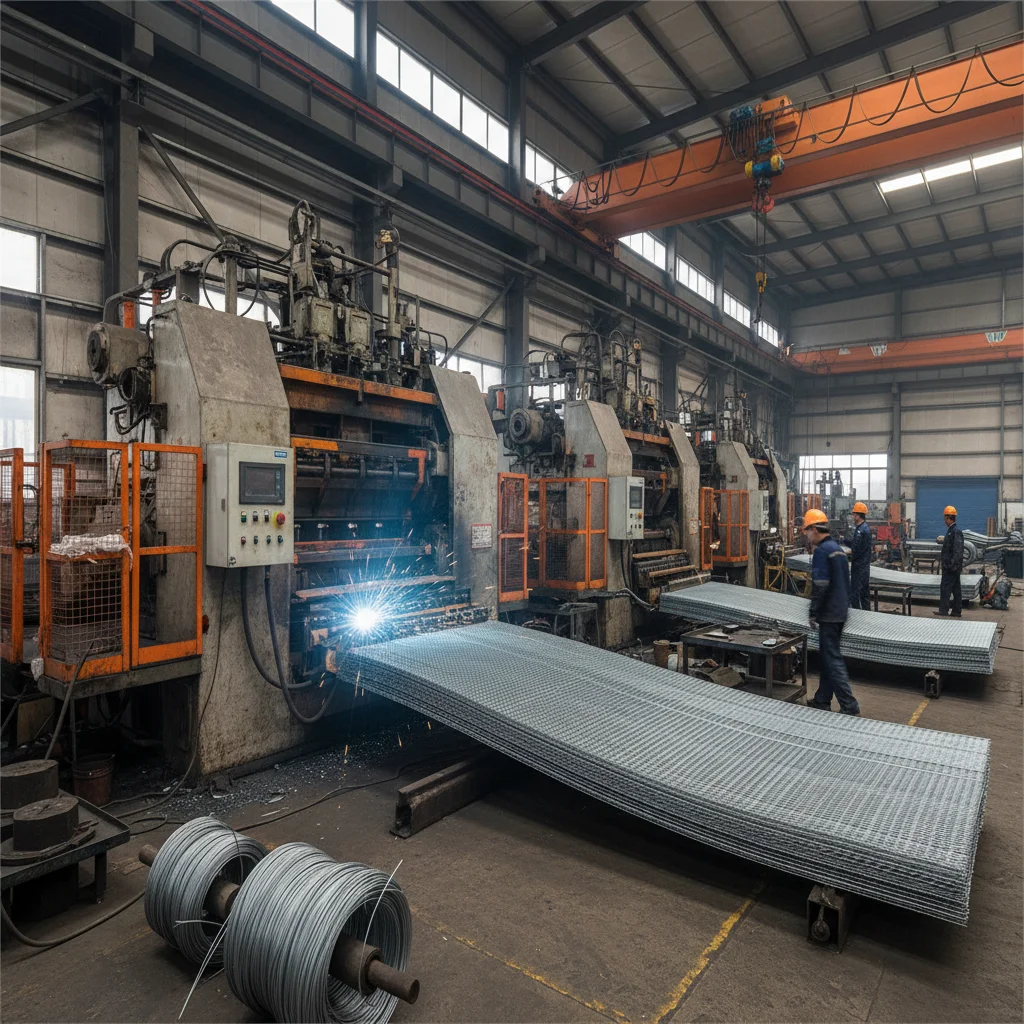
Professional Galvanized Welded Mesh Factory for Industrial Projects Finding a reliable galvanized welded mesh factory is critical for ensuring the structural integrity and longevity of your industrial or agricultural installations. Galvanized welded mesh is prized for its exceptional strength and resistance to corrosion, making it the go-to choice for fencing, animal cages, and construction reinforcement. However, not all factories adhere to the same quality standards. Whether you are sourcing for a large-scale infrastructure project or a specialized commercial application, understanding the manufacturing process and quality benchmarks is key to making a cost-effective investment that lasts for decades. Read More >26 Apr, 16
-
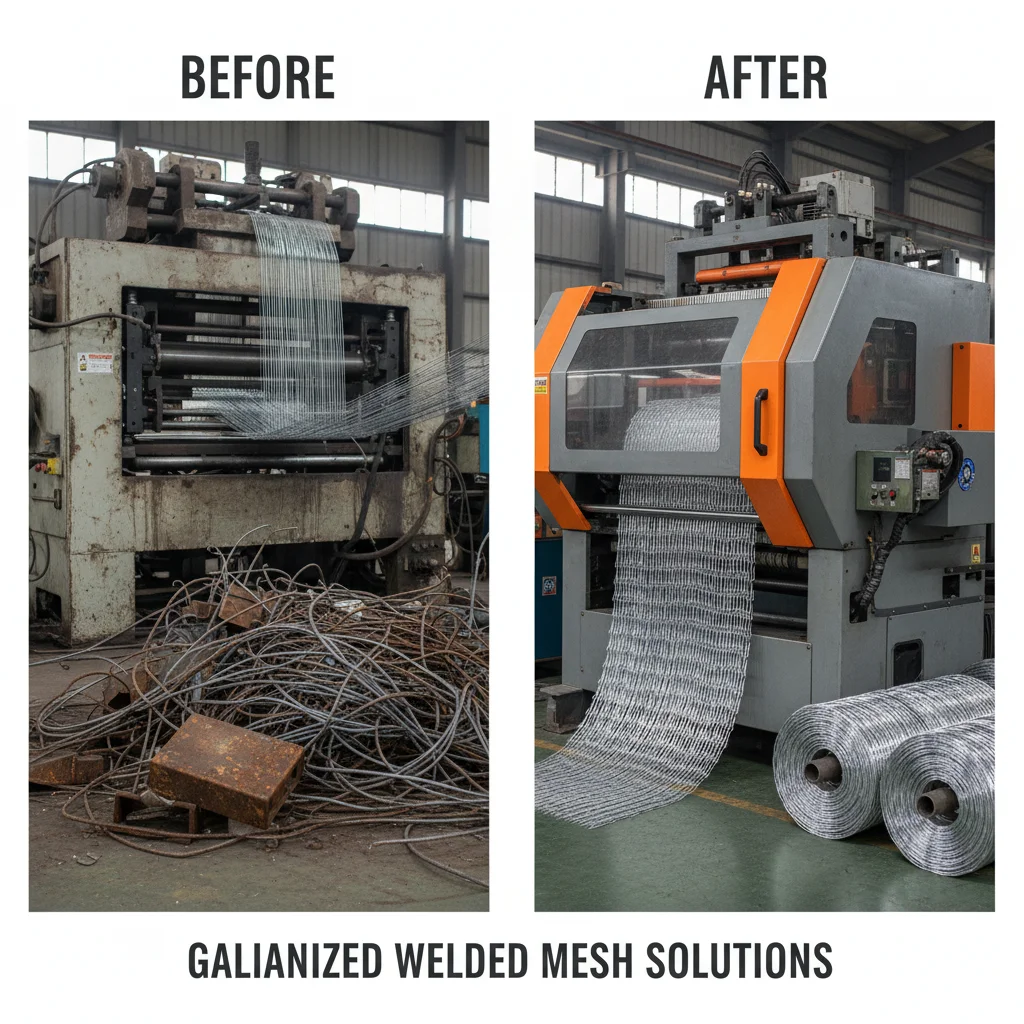
Professional Galvanized Welded Mesh Exporter for Quality Projects Selecting a high-quality fencing or screening solution requires more than just picking a product; it requires partnering with a reliable galvanized welded mesh exporter who understands the balance between structural integrity and corrosion resistance. Whether you are securing an industrial perimeter, building animal enclosures, or implementing architectural reinforcements, the quality of the galvanization process determines the lifespan of your installation. In this guide, we will explore the technical advantages of galvanized welded mesh and how to identify a global supplier that meets international quality standards to ensure your investment stands the test of time. Read More >26 Apr, 09
-
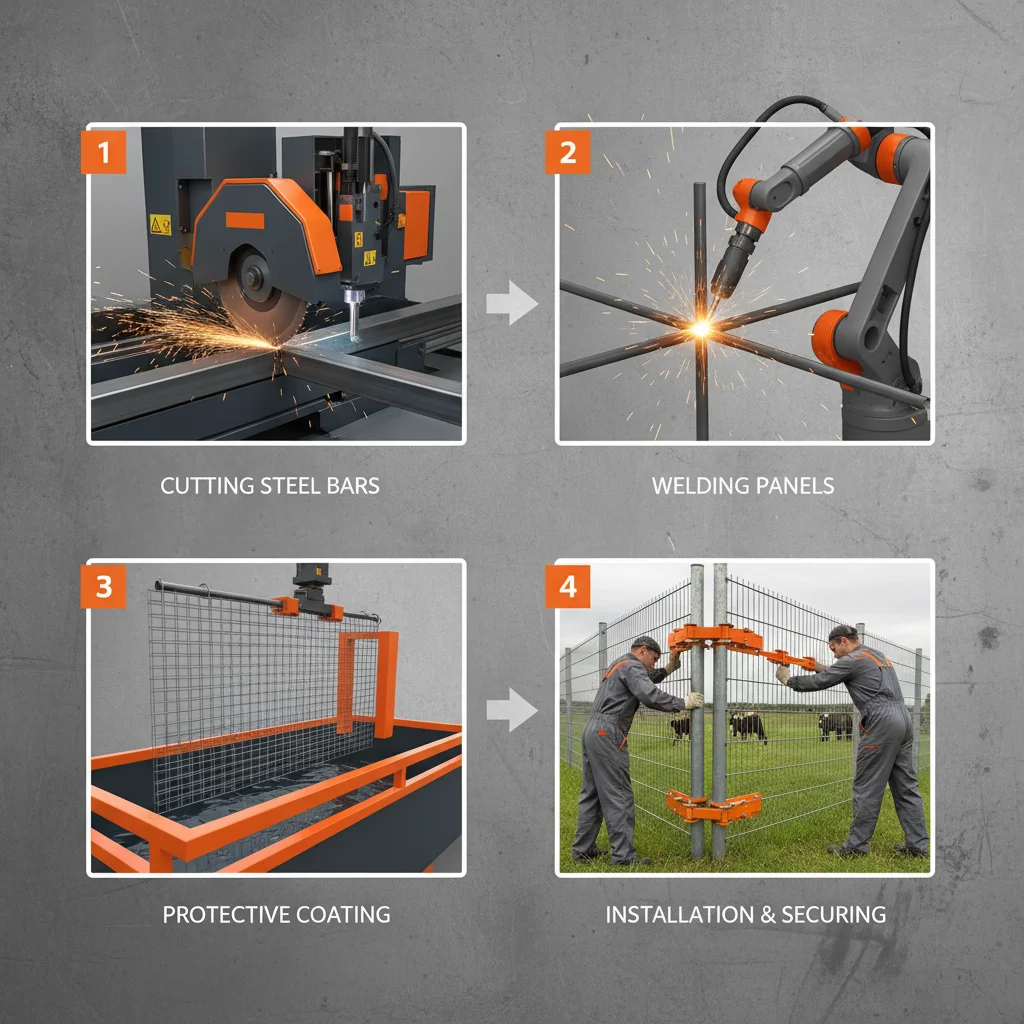
Essential Fencing Panels for Livestock Management and Farm Productivity Fencing panels for livestock are essential components in modern animal husbandry, playing a critical role in efficient farm management, animal welfare, and land utilization. Globally, the demand for robust and reliable fencing solutions is increasing due to the expanding livestock industry and the need to protect grazing lands from encroachment and predation. These panels aren’t simply barriers; they represent a vital investment in a farm's productivity and the health of its animals. Read More >26 Apr, 08
If you are interested in our products, you can choose to leave your information here, and we will be in touch with you shortly.


