


Durable and Versatile Fence Made Out of Cattle Panels | Global Uses & Benefits
The Growing Importance of a Fence Made Out of Cattle Panels
You might be wondering why such a specific topic deserves attention on a global scale. Well, a fence made out of cattle panels is more than just a farmyard staple. It's an elegant, cost-effective, and scalable fencing solution that’s increasingly relevant across agricultural, humanitarian, and industrial sectors worldwide. Populations are growing, land use is intensifying, and securing perimeters safely and sustainably — with minimal fuss — is a bigger challenge than ever. That's where these versatile fences come in.
Understanding fencing solutions like these is key to making smart decisions about labor, cost, and safety in environments from rural ranches in Texas to relief camps in East Africa.
Mini takeaway: A fence made out of cattle panels is a simple solution with complex global relevance, especially as land use intensifies and cost-effective security is needed.
Why Does a Fence Made Out of Cattle Panels Matter Globally?
When you think about fencing globally, the agricultural sector alone accounts for a massive portion of the world's land use. The Food and Agriculture Organization of the UN estimates that over 38% of global land is agricultural, supporting billions of livestock animals that need proper containment.
But beyond farms, fence solutions like these have started solving problems in disaster relief, conservation efforts, and industrial safety. A fence made out of cattle panels can be deployed quickly to create safe zones for people or animals, often where infrastructure is lacking.
However, challenges like resource scarcity, harsh weather, and varying terrain demand fences that are robust, quick to install, and adaptable.
What Exactly Is a Fence Made Out of Cattle Panels?
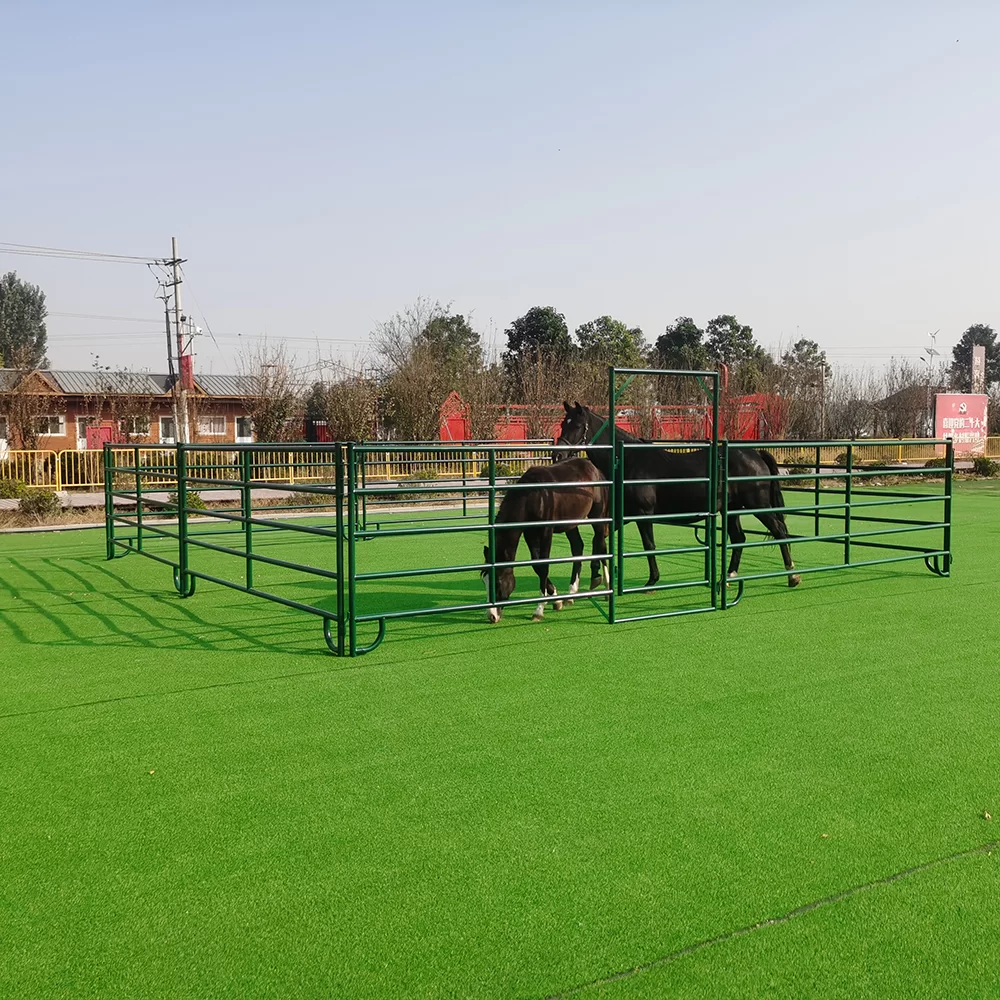
Put simply, it’s a fencing system using pre-fabricated metal panels originally designed to contain livestock. These panels—usually made from galvanized steel—are lightweight enough to be handled by a small team yet sturdy enough to secure animals, equipment, or property lines.
While traditionally used on farms to hold cattle safely, these panels have transitioned into modern industry and humanitarian contexts. In refugee camps, for instance, they mark boundaries or provide security, demonstrating an unexpected but critical versatility that goes beyond mere ranch fencing.
Key Components of These Fences
- Modular Metal Frames: Panels typically measure 10 ft by 5 ft, constructed from thick gauge steel tubing.
- Galvanized Coating: Rust-resistant and weatherproof, ensuring durability.
- Joinery Systems: Simple clips or welding points for easy and secure panel connections.
- Support Posts: Anchoring mechanisms, often steel or treated wood.
Four Core Factors That Make This Fence Option Stand Out
1. Durability
The galvanized steel construction means a fence made out of cattle panels can withstand rain, wind, and sunlight for years without significant corrosion. This is essential in remote or tough environments, where frequent upkeep is hardly feasible.
2. Scalability
Whether you need to enclose a small holding pen or secure several acres, panels can be added or removed with relative ease. They’re perfect for phased projects or evolving needs.
3. Cost Efficiency
Compared to custom-built wooden fences or electric barriers, cattle panels offer a highly economical choice. The panels are mass-produced and widely available, which drives down costs.
4. Ease of Installation
No heavy machinery is typically required, so a small crew can erect a sizeable fence quickly — often in under a day. This comes as a surprise to many who assume all fencing takes weeks.
Mini takeaway: Durability, scalability, cost efficiency, and easy installation combine to make a fence made out of cattle panels a no-brainer solution for many uses.
Real-World Applications Around the Globe
From sprawling ranches in North America to remote humanitarian zones in Asia, these fences find a surprising number of uses:
- Agriculture: Livestock containment to prevent overgrazing and protect crops.
- Disaster Relief: Setting up safe perimeters around camps quickly.
- Industrial Sites: Securing storage yards or hazardous zones.
- Wildlife Conservation: Protecting endangered species or managing habitats.
Take for example a ranch in Australia: they needed to quickly rotate cattle and protect tender seedlings in grazing pastures. Using these panels, they fashioned flexible pens within days. Or consider NGOs in East Africa, where temporary fencing defines boundaries for vulnerable populations during conflict displacement.
Advantages & Long-Term Value of These Fences
It’s not just about the upfront benefits, but the long game. Financially, they’re a low-cost, high-durability option that doesn’t strain tight budgets. From a sustainability standpoint, the steel panels often have a recycled content and are recyclable at end of life — ticking eco boxes that matter more every year.
Socially, a secure, durable boundary fosters a sense of safety and dignity, whether you’re a farmer or a displaced person. That emotional aspect can’t be overestimated.
Product Specification Table
| Specification | Typical Values |
|---|---|
| Panel Size | 10 ft (length) x 5 ft (height) |
| Material | Galvanized steel tubing |
| Weight | Approximately 50 lbs per panel |
| Coating | Hot-dipped galvanization |
| Installation | Handheld; small crew can install in hours |
| Expected lifespan | 10+ years with proper maintenance |
Vendor Comparison: Finding the Right Fence Made Out of Cattle Panels
| Vendor | Panel Material Grade | Coating Type | Average Lead Time | Price Range (per panel) |
|---|---|---|---|---|
| Hao Tian Mesh | High tensile galvanized steel | Hot-dip galvanizing | 1-2 weeks | $45 - $55 |
| FarmFlex Panels | Standard steel tubing | Powder coated | 2-3 weeks | $40 - $50 |
| SteelGuard Equip | Galvanized & painted | Dual coat (galvanized + paint) | 3-4 weeks | $55 - $65 |
Looking Ahead: Trends and Innovations in Fence Solutions
The fencing industry is not exactly flashy, but it’s evolving quietly. I’ve noticed more emphasis on environmental sustainability — for example, some manufacturers are now incorporating recycled steel and applying eco-friendly coating processes.
Another emerging trend is integrating smart sensors directly onto fence lines — think motion detectors or intrusion alerts that sync to your phone. While still niche, this digital transformation promises to upgrade traditional fences into smarter, more interactive boundary solutions.
In terms of materials, next-gen alloys and plastic composites are gaining traction, making panels even lighter and more corrosion resistant.
Overcoming Challenges: What Could Improve?
Of course, there are limits. Terrain can pose difficulties — rocky or extremely uneven ground needs special support posts. Panels might have to be customized, which raises costs. Also, galvanized steel isn’t bulletproof; in areas with heavy impacts or vandalism, reinforcements might be needed.
Some companies are testing flexible hinges or modular connectors for quicker custom configurations. The idea: adapt and overcome, without scrapping the core benefits.
FAQ: Your Questions About Fence Made Out of Cattle Panels
- How long does a fence made out of cattle panels typically last?
- With proper installation and minimal maintenance, galvanized steel panels last 10 years or more, sometimes up to 20 years under ideal conditions.
- Can these panels be reused or relocated easily?
- Yes, one of the biggest benefits is modularity. Panels can be dismantled and reassembled at a new site without damage, making them great for temporary or evolving needs.
- Are fences made out of cattle panels suitable for non-agricultural uses?
- Absolutely. They are often used in construction sites, disaster relief zones, and wildlife reserves for temporary or permanent boundaries.
- Is installation labor-intensive?
- Not at all. Typically, a small crew can set up several panels in a matter of hours using common tools, no heavy machinery required.
- Where can I find high-quality cattle panel fencing?
- Reliable suppliers like Hao Tian Mesh offer robust, galvanized panels with quality certifications, and you can learn more on their site here.
Wrapping It Up: Why a Fence Made Out of Cattle Panels Still Stands Tall
It’s remarkable how a simple idea — metal panels built initially for cattle — has grown into a versatile global fencing solution. From farms to disaster zones, the combination of durability, cost-effectiveness, and ease of use keeps these fences in high demand.
For anyone interested in resilient, adaptable fencing, a fence made out of cattle panels is certainly worth a closer look.
Explore options, compare vendors, and imagine the many ways these fences can fit your project. After all, boundaries are about more than fences — they’re about safety, care, and sometimes peace of mind.
Visit our website for more information: https://www.haotianmesh.com
References:
1. FAO - Land Use Statistics
2. Wikipedia - Cattle Panel
3. ISO - Steel and Steel Products
-
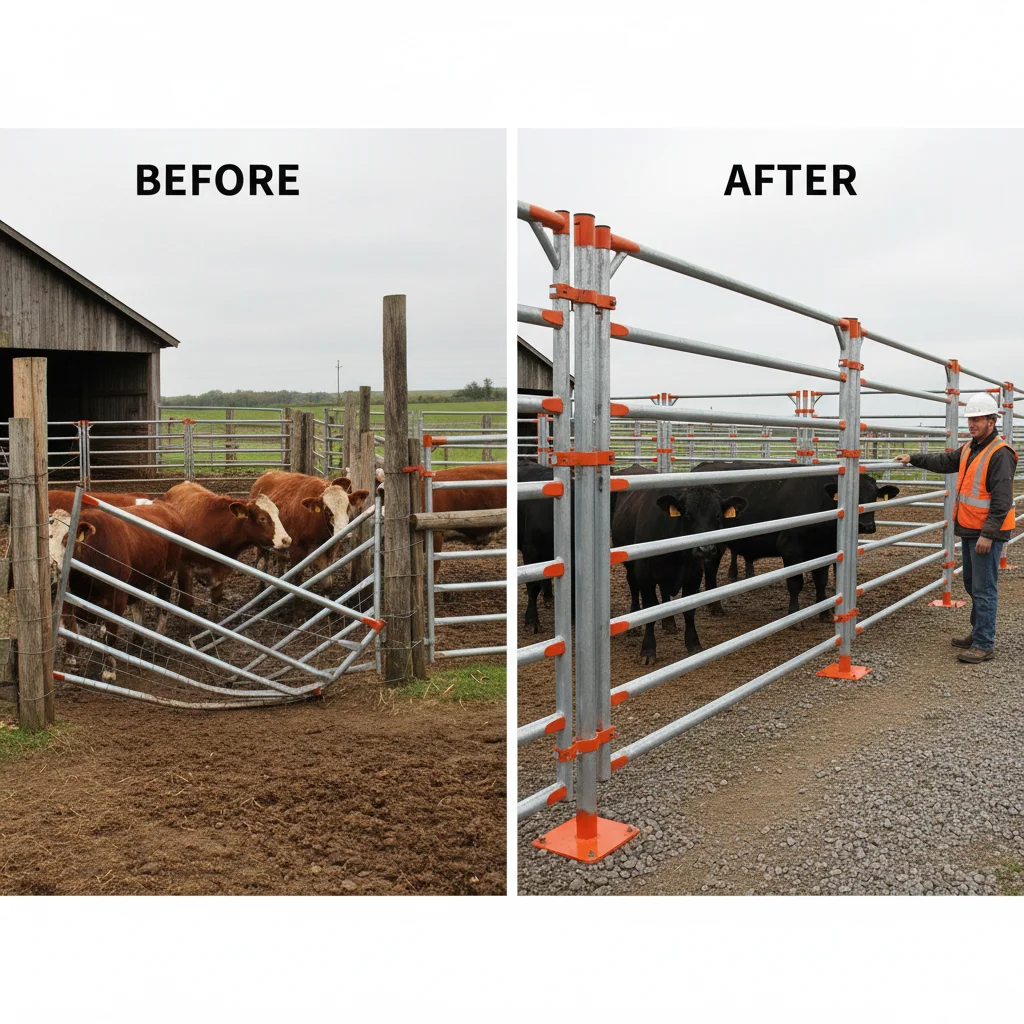
Durable Freestanding Livestock Panels for Efficient Animal Handling In the demanding world of agricultural management, the need for flexible and robust containment solutions has never been more critical. freestanding livestock panels offer a sophisticated answer to the challenges of animal handling, providing a secure yet adaptable barrier that does not require permanent installation or deep grounding. By allowing farmers and ranchers to redefine their spatial layouts in minutes, these panels maximize the efficiency of existing infrastructure while ensuring the safety of both the handlers and the livestock. Read More >26 Apr, 17
-
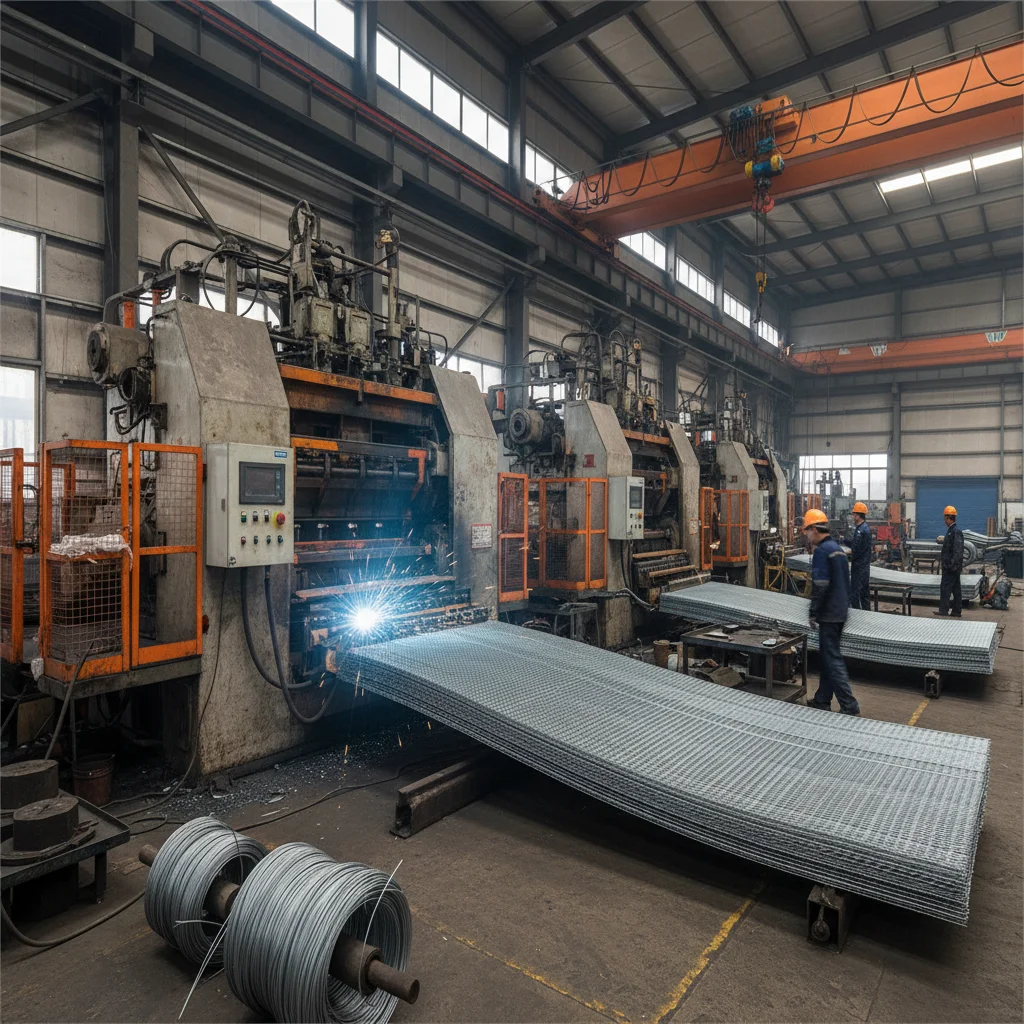
Professional Galvanized Welded Mesh Factory for Industrial Projects Finding a reliable galvanized welded mesh factory is critical for ensuring the structural integrity and longevity of your industrial or agricultural installations. Galvanized welded mesh is prized for its exceptional strength and resistance to corrosion, making it the go-to choice for fencing, animal cages, and construction reinforcement. However, not all factories adhere to the same quality standards. Whether you are sourcing for a large-scale infrastructure project or a specialized commercial application, understanding the manufacturing process and quality benchmarks is key to making a cost-effective investment that lasts for decades. Read More >26 Apr, 16
-
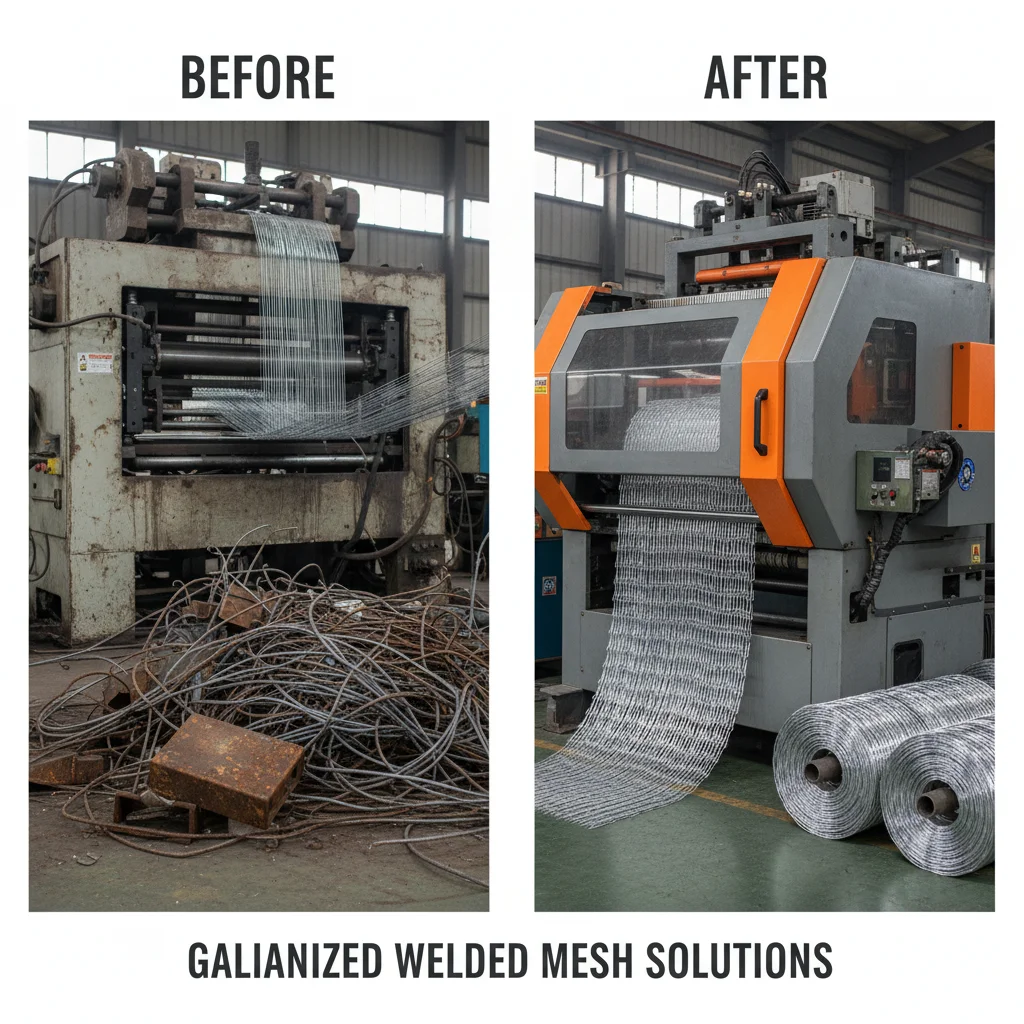
Professional Galvanized Welded Mesh Exporter for Quality Projects Selecting a high-quality fencing or screening solution requires more than just picking a product; it requires partnering with a reliable galvanized welded mesh exporter who understands the balance between structural integrity and corrosion resistance. Whether you are securing an industrial perimeter, building animal enclosures, or implementing architectural reinforcements, the quality of the galvanization process determines the lifespan of your installation. In this guide, we will explore the technical advantages of galvanized welded mesh and how to identify a global supplier that meets international quality standards to ensure your investment stands the test of time. Read More >26 Apr, 09
-
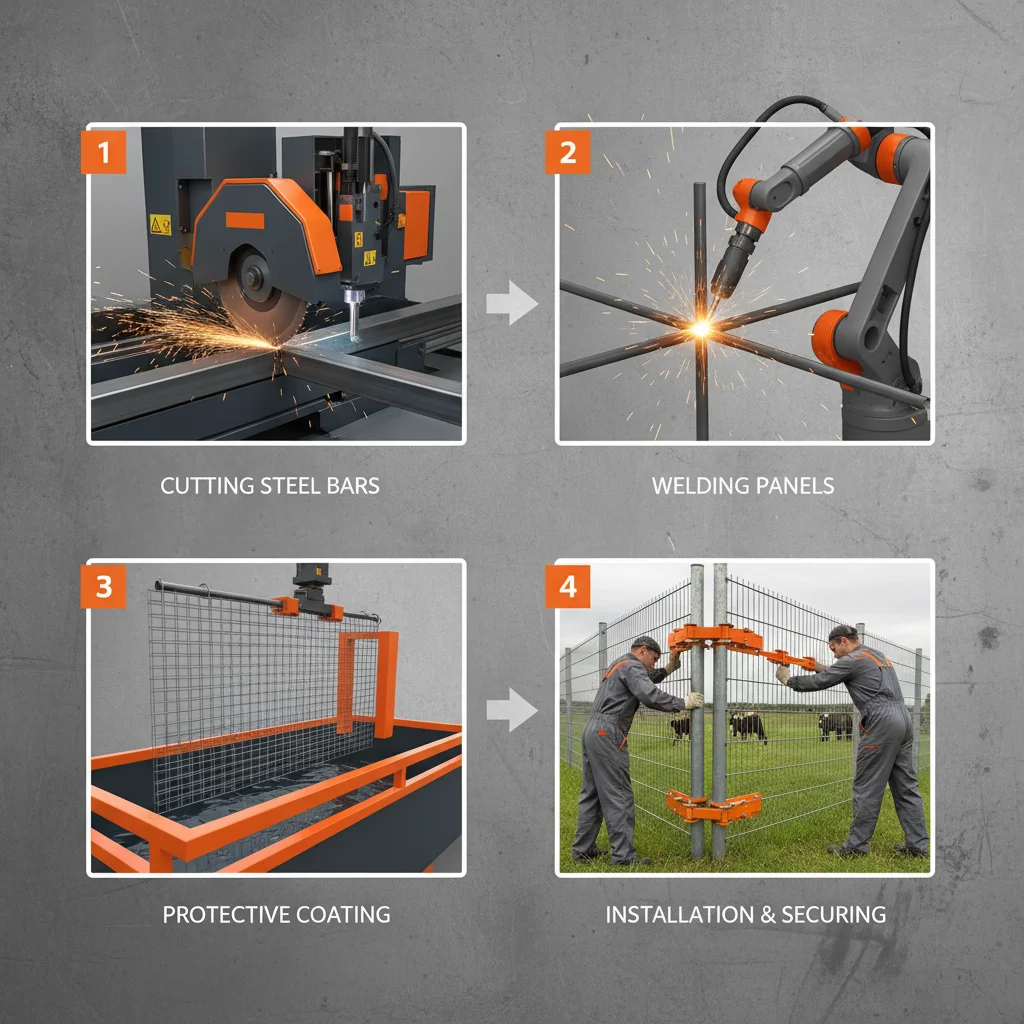
Essential Fencing Panels for Livestock Management and Farm Productivity Fencing panels for livestock are essential components in modern animal husbandry, playing a critical role in efficient farm management, animal welfare, and land utilization. Globally, the demand for robust and reliable fencing solutions is increasing due to the expanding livestock industry and the need to protect grazing lands from encroachment and predation. These panels aren’t simply barriers; they represent a vital investment in a farm's productivity and the health of its animals. Read More >26 Apr, 08
If you are interested in our products, you can choose to leave your information here, and we will be in touch with you shortly.


