


Durable and Cost-Effective Fence Made From Cattle Panels | Global Applications & Benefits
Fence Made from Cattle Panels: A Practical Solution with Global Reach
When you think “fence made from cattle panels,” you might just picture a simple agricultural barrier. But oddly enough, this humble structure actually plays a surprisingly vital role worldwide — from safeguarding livestock to securing remote industrial sites, and even aiding humanitarian efforts. Understanding how fences from cattle panels operate unlocks insights into cost-efficiency, durability, and scalability in fencing technologies that matter not only to farmers but also to industries and aid organizations.
The Global Context: Why Cattle Panel Fencing Matters Today
Globally, fencing solutions touch millions of lives—from agricultural economies in Latin America and Africa to sprawling pastoral areas in Australia and the US. According to the Food and Agriculture Organization (FAO), nearly 40% of the Earth’s land surface is used for livestock grazing. Protecting these grazing lands efficiently is therefore crucial.[1] But the challenge is significant: how do you secure large areas reliably without breaking the bank?
That’s where fences made from cattle panels come in. These panels offer a balance of affordability, ease of deployment, and ruggedness that traditional wooden or barbed-wire fences struggle to achieve. They answer the call in places where livestock losses could mean severe economic pain or food insecurity.
Mini Takeaway
Fence made from cattle panels serves as a flexible, durable barrier solution addressing key global challenges in agriculture and beyond.
What Exactly Is a Fence Made From Cattle Panels?
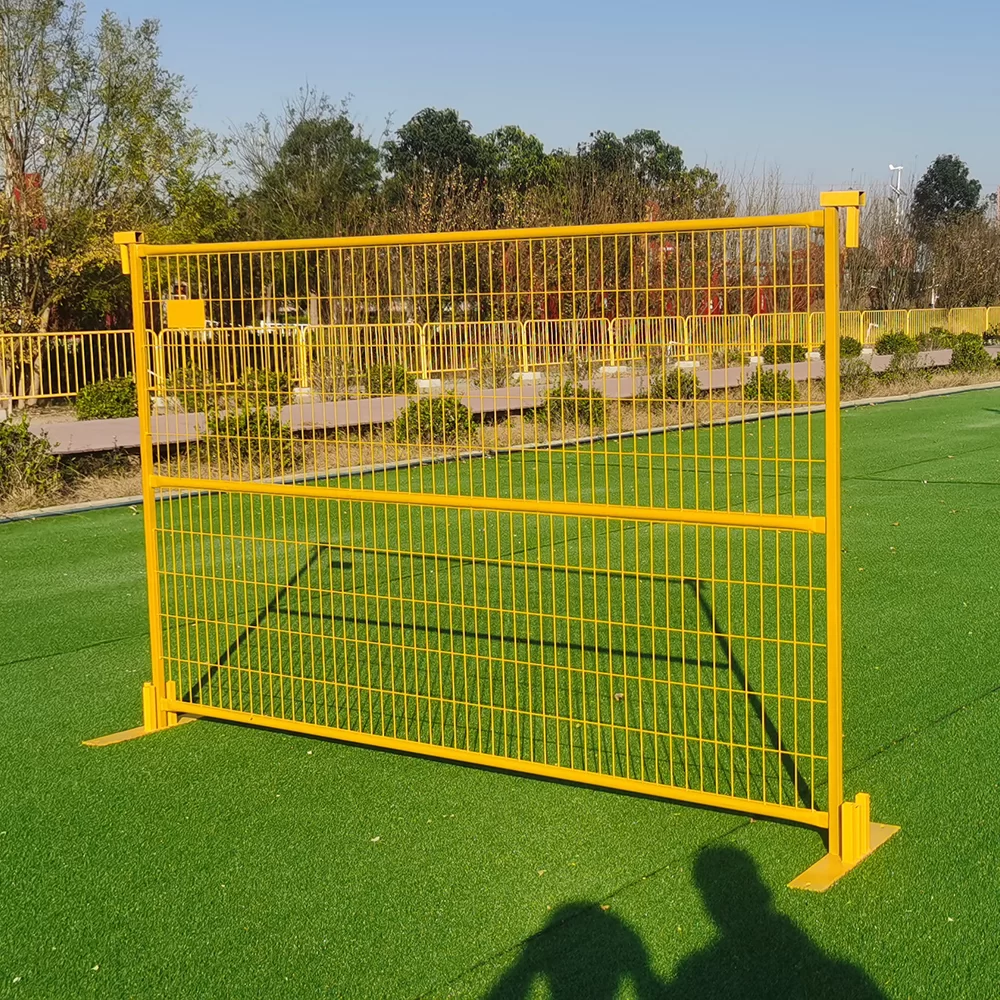
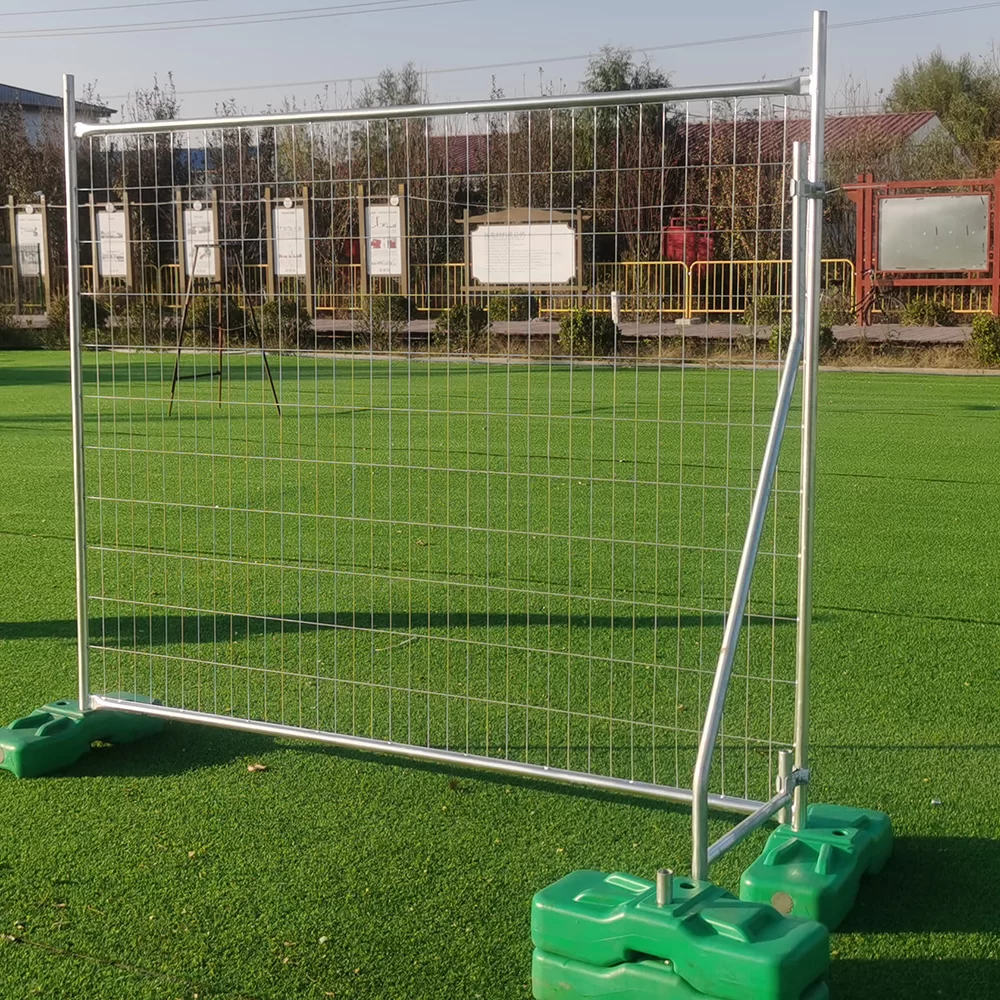
Simply put, a fence made from cattle panels consists of welded wire mesh sections typically around 50 inches tall and 16 feet long. These steel panels feature horizontal and vertical wires welded to form rectangular openings. They can be quickly attached to posts longitudinally to form sturdy fencing.
While originally designed to contain livestock safely, these panels' modular design and sturdy build have broadened their use in industrial fencing, perimeter security, and even humanitarian applications like camp construction. Their reputation rests largely on reliability without complicated construction.
Mini Takeaway
At its core, this fencing is a series of modular steel frames with welded wire mesh designed for rapid assembly and secure containment.
Core Aspects to Consider in Cattle Panel Fencing
1. Durability
Cattle panels are made of galvanized or powder-coated steel to resist rust and physical damage. This makes them suitable even in harsh climates — from humid tropics to cold winters. Many engineers point out that this durability extends fence life beyond 10 years with low maintenance.
2. Scalability and Flexibility
Need a small pen or a 100-acre corral? The modularity lets farmers and providers create custom configurations quickly. Sections can also be stacked or joined at various angles without expensive tools.
3. Cost Efficiency
Compared to traditional post and rail or chain-link fencing, cattle panels cut material and labor costs roughly by 20–30%. For developing regions, this offers critical budget relief.
4. Ease of Installation
Panels can often be installed by a handful of people using basic hardware. No heavy machinery needed, which means less downtime and quicker deployment — important when working with emergency camps or remote farms.
5. Safety and Containment
Traditional fences with barbed wire risk injuring animals or workers. Smooth wire panels reduce injuries and better contain a variety of animals — from cows to goats to horses.
| Specification | Details |
|---|---|
| Material | Galvanized Steel Wire, Powder Coated |
| Panel Dimensions | 50 inches (height) x 16 feet (length) |
| Mesh Opening Size | 4" x 6" Rectangular Grid |
| Weight | Approx. 45-50 lbs per panel |
| Installation Hardware | Post clips, bolts, brackets |
| Common Post Types | Steel T-posts, wooden posts |
Global Applications & Where You'll Find These Fences At Work
- Agricultural Zones: From Brazilian cattle ranches to US family farms, these fences protect herds efficiently.
- Humanitarian Aid: NGOs often deploy these fences quickly to section off animal or storage areas in camps after natural disasters.
- Industrial Sites: Mining or construction zones in Australia or Africa use panels as temporary security fences to manage personnel and equipment access.
- Wildlife Conservation: Some reserves employ them to keep livestock separated from sensitive habitats to reduce conflict.
In fact, I recently heard a case about a community in Kenya using these panels to rebuild school playground fencing after heavy rains destroyed wooden borders — a testament to their resilience and versatility.
Mini Takeaway
Fence made from cattle panels find home in diverse environments, proving adaptable beyond their original agricultural uses.
The Real Benefits: Why Choose Fences Made From Cattle Panels?
- Cost Savings: A reduced upfront investment and minimal maintenance make these fences accessible for tight budgets.
- Environmental Sustainability: High durability means less frequent replacement, conserving materials.
- Improved Safety: Fewer injuries to both humans and animals versus barbed-wire fencing.
- Quick Deployment: A huge plus for emergency situations.
- Trust and Reliability: Over decades, they’ve built a reputation that’s hard to beat.
To add a personal note — seeing farmers lean on cattle panel fencing because it “just works” in tough seasons makes you appreciate how sometimes the simplest solution is the best.
Future Trends & What’s Coming Next in Cattle Panel Fencing
Innovation doesn’t stop with galvanized steel anymore. New developments are weaving sustainability and tech together:
- Advanced Coatings: Eco-friendly powder coatings that extend life and reduce corrosion without heavy metals.
- Smart Fence Sensors: Embedded IoT devices detect breaches or wildlife activity remotely, enhancing security.
- Recycled Materials: Some manufacturers are exploring recycled steel or composites to reduce carbon footprints.
- Modular Automation: Automated assembly kits that reduce labor further.
And as global policies shift more toward sustainable agriculture and land use, fences like these could easily fit into carbon-offset or regenerative farming models.
Challenges and How Industry Experts Are Addressing Them
No solution is perfect, right? Common issues include:
- Weight and Handling: Cattle panels are sturdy but a bit heavy — causing difficulties in very remote or steep terrains.
- Standardization: Varying quality and size standards among vendors can complicate purchasing.
- Long-Term Corrosion: Poor-quality galvanization can lead to rust in particularly wet or saline environments.
To combat these, suppliers have improved galvanization methods, introduced lighter alloys, and implemented stringently verified quality processes. Plus, local training workshops help end-users optimize installation and maintenance, preventing premature failures.
Frequently Asked Questions About Fence Made From Cattle Panels
- Q: How long does a fence made from cattle panels typically last?
A: With proper installation and maintenance, galvanized steel cattle panels can last 10-15 years or more, depending on environmental factors like humidity and soil acidity. - Q: Can cattle panels be reused after relocation?
A: Yes, one of their advantages is modularity. Panels can be disassembled and reused in new layouts, saving cost and materials over time. - Q: Are these fences suitable for all livestock types?
A: Generally, yes — they work well for cattle, horses, goats, and sheep. However, very small or agile animals like rabbits might require smaller mesh sizes for effective containment. - Q: Is installation a DIY job?
A: For small setups, yes — many farmers install panels themselves with basic tools. Larger or complex fencing jobs might benefit from professional assistance to ensure safety and durability.
Final Thoughts and Next Steps
Fence made from cattle panels is more than just a traditional livestock barrier. It’s a reliable, cost-effective, and scalable fencing solution that has quietly proven its worth across continents and industries. When durability, flexibility, and quick installation matter, these fences deliver — balancing innovation with practicality.
If you’re after a fence that can keep livestock secure, support remote operations, or aid rapid humanitarian setups, it’s worth exploring the options in cattle panel-based fencing. To discover more about these panels' range and how they might fit your needs, visit fence made from cattle panels.
| Vendor | Panel Material Quality | Customization Options | Lead Time | Price Range (USD) |
|---|---|---|---|---|
| Haotian Mesh | Premium galvanized steel, powder coating | Custom sizes, coatings, galvanized finish | 2-3 weeks | $45 - $60 per panel |
| Farmpro Supplies | Standard galvanized wire | Limited customization | 3-5 weeks | $35 - $50 per panel |
| GreenField Mesh | Eco-friendly powder coated steel | Wide customization, recycled materials | 4 weeks | $50 - $65 per panel |
References:
1. FAO Statistical Yearbook 2021 - Livestock Sector Overview
2. ISO 4783: Steel Wire and Wire Products – Specifications
3. UNDP Reports on Livestock and Sustainable Agriculture
-
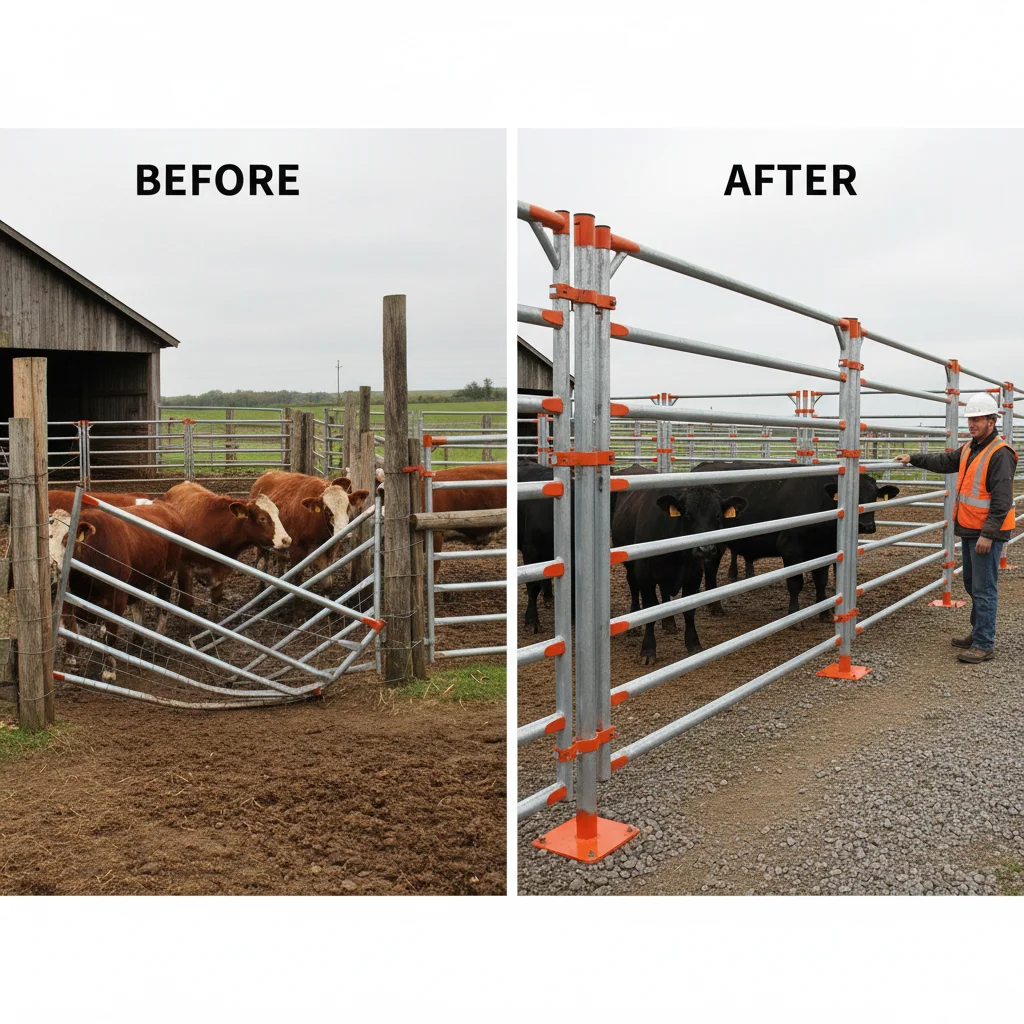
Durable Freestanding Livestock Panels for Efficient Animal Handling In the demanding world of agricultural management, the need for flexible and robust containment solutions has never been more critical. freestanding livestock panels offer a sophisticated answer to the challenges of animal handling, providing a secure yet adaptable barrier that does not require permanent installation or deep grounding. By allowing farmers and ranchers to redefine their spatial layouts in minutes, these panels maximize the efficiency of existing infrastructure while ensuring the safety of both the handlers and the livestock. Read More >26 Apr, 17
-
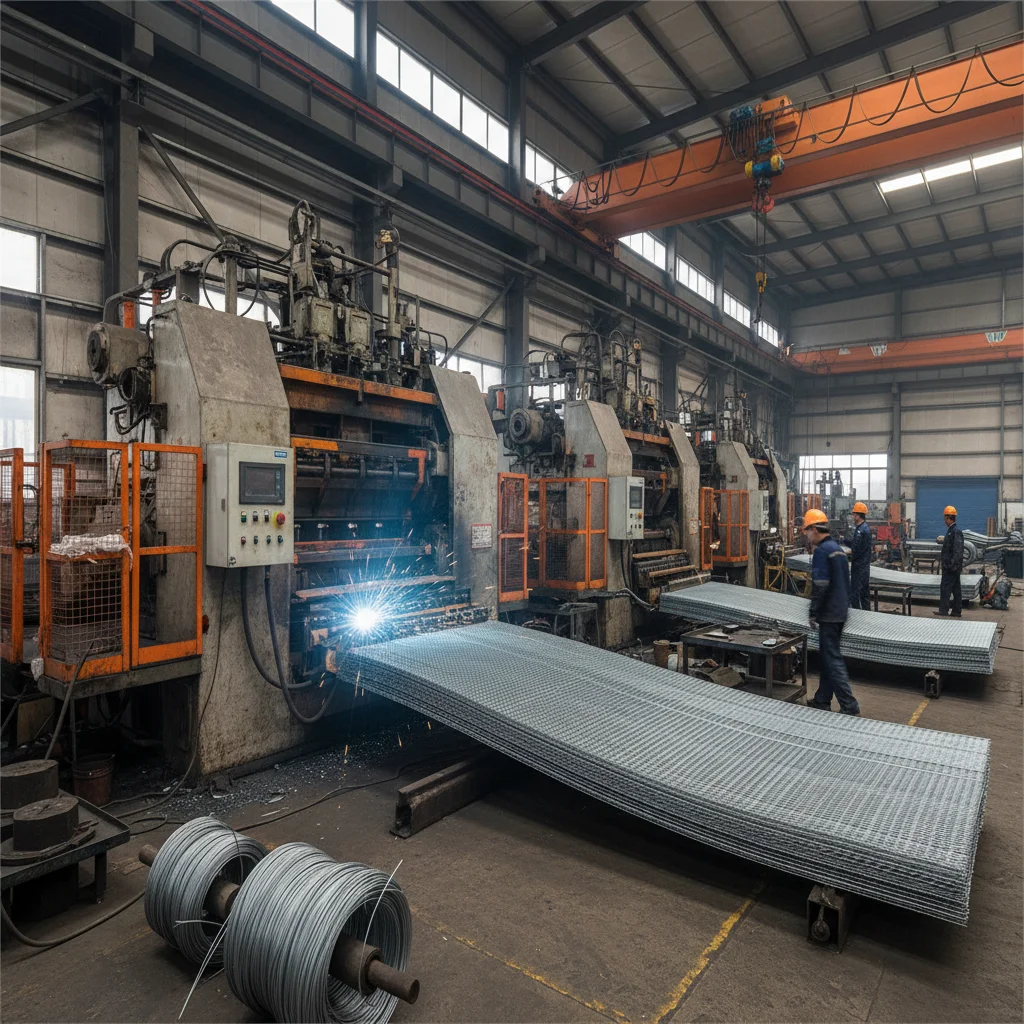
Professional Galvanized Welded Mesh Factory for Industrial Projects Finding a reliable galvanized welded mesh factory is critical for ensuring the structural integrity and longevity of your industrial or agricultural installations. Galvanized welded mesh is prized for its exceptional strength and resistance to corrosion, making it the go-to choice for fencing, animal cages, and construction reinforcement. However, not all factories adhere to the same quality standards. Whether you are sourcing for a large-scale infrastructure project or a specialized commercial application, understanding the manufacturing process and quality benchmarks is key to making a cost-effective investment that lasts for decades. Read More >26 Apr, 16
-
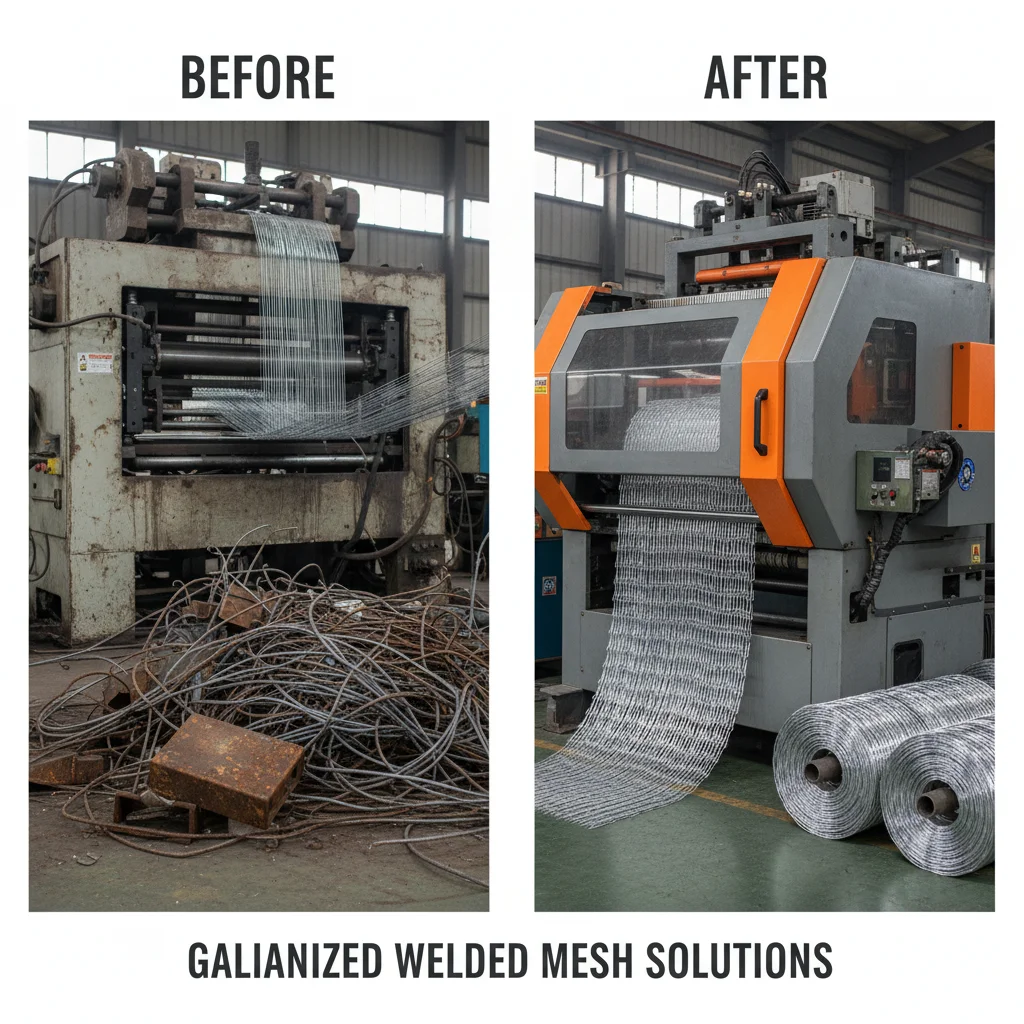
Professional Galvanized Welded Mesh Exporter for Quality Projects Selecting a high-quality fencing or screening solution requires more than just picking a product; it requires partnering with a reliable galvanized welded mesh exporter who understands the balance between structural integrity and corrosion resistance. Whether you are securing an industrial perimeter, building animal enclosures, or implementing architectural reinforcements, the quality of the galvanization process determines the lifespan of your installation. In this guide, we will explore the technical advantages of galvanized welded mesh and how to identify a global supplier that meets international quality standards to ensure your investment stands the test of time. Read More >26 Apr, 09
-
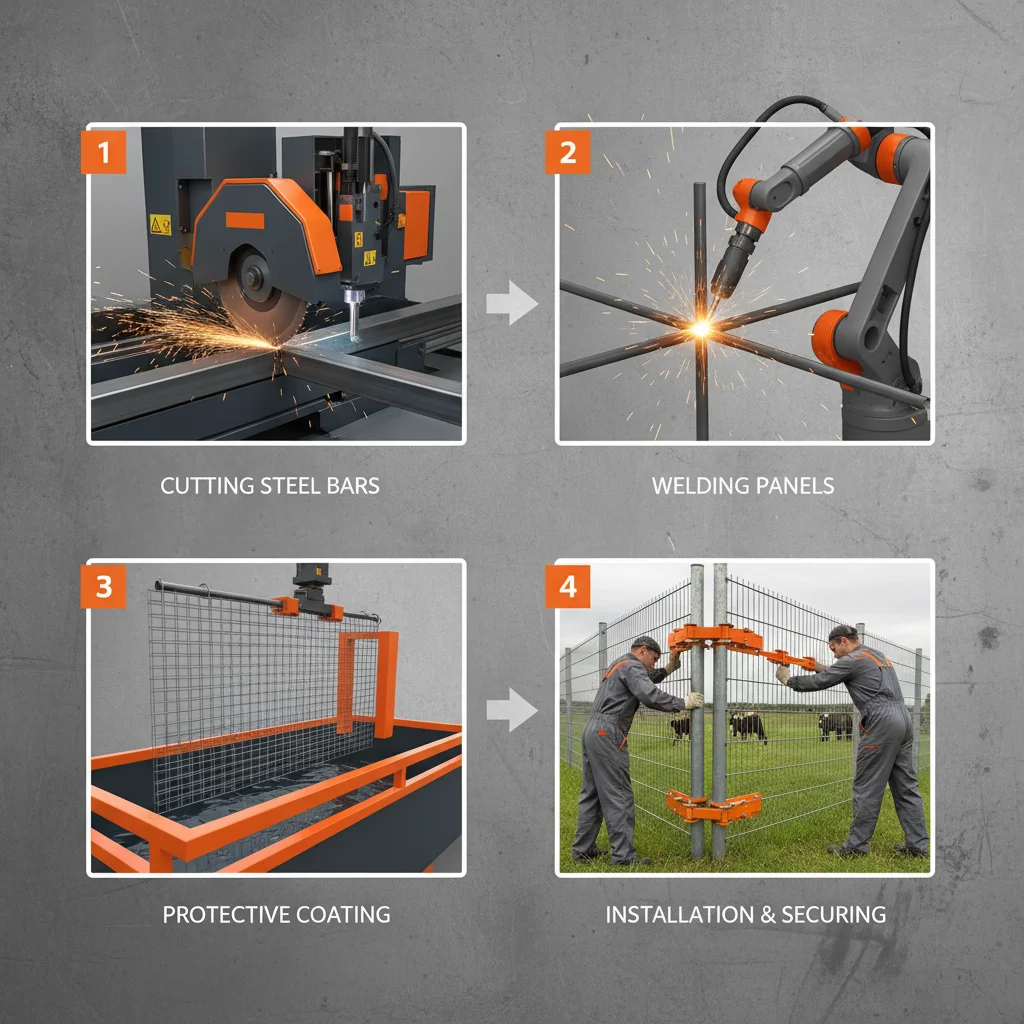
Essential Fencing Panels for Livestock Management and Farm Productivity Fencing panels for livestock are essential components in modern animal husbandry, playing a critical role in efficient farm management, animal welfare, and land utilization. Globally, the demand for robust and reliable fencing solutions is increasing due to the expanding livestock industry and the need to protect grazing lands from encroachment and predation. These panels aren’t simply barriers; they represent a vital investment in a farm's productivity and the health of its animals. Read More >26 Apr, 08
If you are interested in our products, you can choose to leave your information here, and we will be in touch with you shortly.


