


Durable and Cost-Effective Fence Made with Cattle Panels – Global Applications & Benefits
Understanding Fence Made with Cattle Panels: A Practical, Global Solution
Fences are more than just borders — they're guardians of property, livestock, and sometimes livelihoods. A fence made with cattle panels is one such surprisingly versatile and efficient fencing option gaining traction across global agricultural, industrial, and humanitarian sectors. Why does it matter? Well, as we seek solutions that balance cost, safety, and sustainability in land and livestock management, these fences tick many boxes.
We'll explore what these fences really are, why they've become relevant worldwide, and how mastering their use can bring both practical and ethical benefits to those who deploy them.
Global Context: Why Cattle Panel Fencing Has Grown in Importance
Livestock farming supports billions of people globally, especially in developing economies where agricultural output is crucial. According to the Food and Agriculture Organization, over 1.5 billion people rely on livestock for food, income, and cultural practices. Managing these animals safely is central to agricultural productivity and rural livelihoods. But fencing remains a challenge — traditional wood and wire fences can be expensive, vulnerable to wear, or labor-intensive to install.
Additionally, in regions experiencing rapid land-use changes or natural disasters, quick, effective fencing solutions are a must. Here’s where the sturdy, modular, and scalable design of fences made with cattle panels comes into play. These structures address many fencing problems, especially in areas where resources or skilled labor might be scarce.
What Is a Fence Made with Cattle Panels?
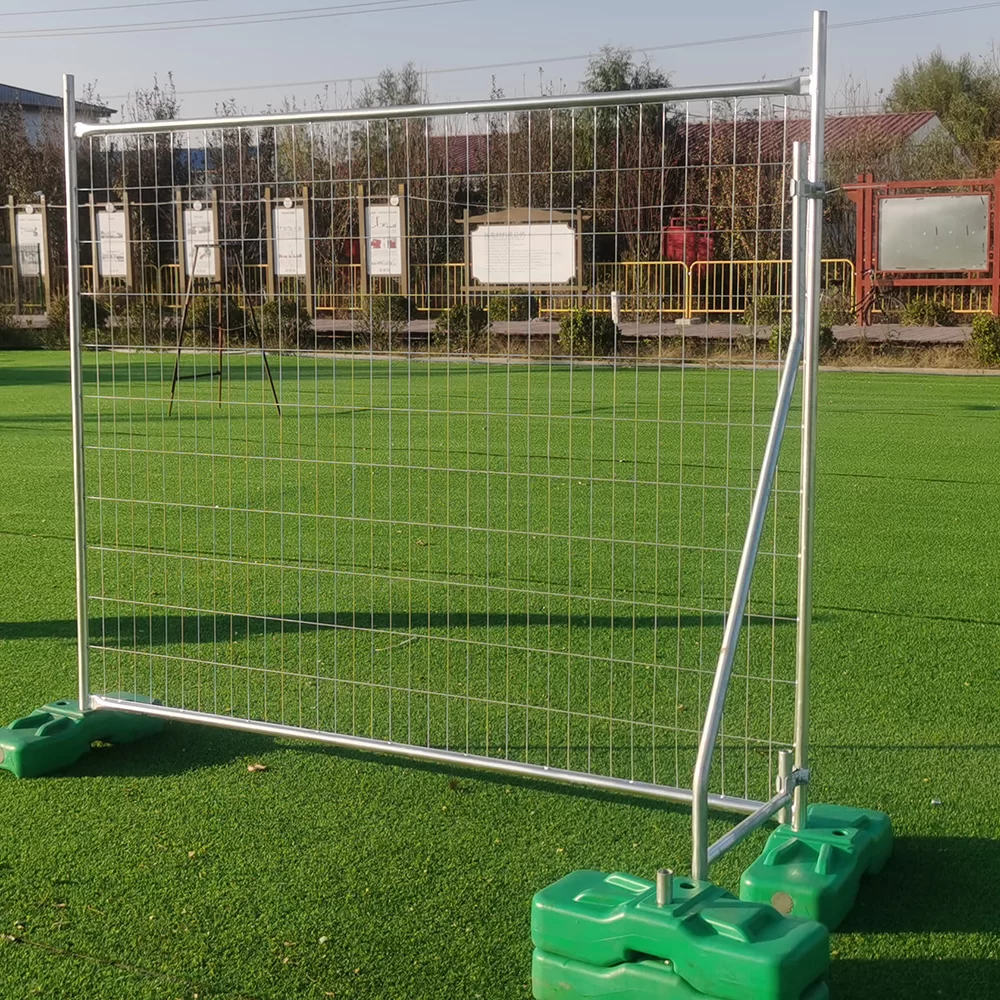
At its core, a fence made with cattle panels is constructed by installing prefabricated cattle panels—rigid frameworks made from heavy-gauge galvanized steel wires welded together to form rectangular or square openings. Mounted on posts or frames, these panels create a durable barrier that's easy to assemble and highly adaptable.
These fences originated in ranching and livestock management but have since found applications in industries from security to disaster relief owing to their quick installation and robustness. It's a great example of agricultural tech merging with broader humanitarian or industrial needs.
Key Features of Cattle Panels
- Heavy-gauge galvanized wire: Corrosion-resistant, built to last outdoors
- Modular design: Panels typically come in 16 or 20-foot lengths, can be cut to size
- Uniform grid spacing: Prevents livestock from escaping or predators from entering
- Light weight relative to strength: Easier to transport and install than poured concrete or wood fencing
Core Components That Make Fence Made with Cattle Panels Practical
1. Durability and Weather Resistance
The galvanized steel wires on cattle panels resist corrosion and rust, even in wet or humid climates. Unlike wooden fences which may rot or require ongoing treatment, these panels retain structural integrity for years.
2. Scalability and Flexibility
Need to fence a few hundred square meters or several hectares? With cattle panels, you simply add more panels and posts. The modular nature means fences can be extended or reconfigured without rebuilding from scratch.
3. Cost Efficiency
Compared to welded wire mesh or concrete block fences, fencing with cattle panels tends to be cheaper — factoring in transportation, installation, and maintenance. For many farmers in budget-conscious environments, that’s a huge win.
4. Ease of Installation
Panels are lightweight enough for two people to handle without heavy machinery. Installation is straightforward and requires common tools, enabling quick deployment — even in remote or challenging terrains.
5. Security and Safety
Besides keeping livestock in, these fences help protect crops and properties from trespassers or wild animals. The rigid mesh design also reduces injury risks for animals compared to electric fences or barbed wire.
Global Applications & Real-World Use Cases
These fences have proven their value in diverse contexts:
- Agricultural zones in Africa and Australia: Safeguarding cattle and small ruminants from predators and preventing overgrazing.
- Post-disaster relief programs: Rapidly establishing temporary animal enclosures and secure areas to restore farming operations, like after floods or wildfires.
- Industrial zones and construction sites: Temporary fencing to prevent unauthorized entry while being easy to relocate.
- Wildlife conservation areas: Creating barrier zones that allow selective animal movement without reliance on electrified grids.
For example, in Kenya’s arid regions, NGOs deploy fence made with cattle panels to protect small livestock during drought seasons — a simple solution with outsized impact on community resilience.
Advantages & Long-Term Value
What really strikes me about this type of fencing is how it combines immediate effectiveness with long-lasting benefits:
- Longevity: Panels can last 10+ years without major repairs.
- Cost savings: Fewer replacements, less maintenance.
- Sustainability: Galvanization reduces need for chemical treatments typical of wooden fences.
- Social impact: Secure fencing enables farmers to protect livelihoods and improve community food security.
- Emotional peace of mind: Knowing animals are safely enclosed reduces stress and workload.
When you think about it, fences are often the unsung infrastructure helping keep ecosystems, economies, and societies balanced.
Product Specification Table
| Specification | Details |
|---|---|
| Material | Heavy-gauge galvanized steel wire |
| Panel Length | 16 ft (typical), customizable |
| Panel Height | 4 ft to 6 ft standard |
| Grid Spacing | 4" x 6" rectangles on average |
| Coating | Hot-dip galvanized or PVC coated |
| Weight | ~30-40 lbs per panel |
Vendor Comparison: Choosing Your Cattle Panel Fence Supplier
| Vendor | Panel Quality | Customization | Price (per panel) | Delivery Speed |
|---|---|---|---|---|
| Haotian Mesh | High-grade galvanized steel, PVC option | Supports custom sizes & coatings | Competitive, volume discounts | Fast (3-5 days international shipping) |
| RanchPro Supplies | Standard galvanized wire only | Limited customization | Moderate price | Medium (7-10 days) |
| Global Fence Co. | Mixed quality, mostly lower grade | No custom options | Low price | Slow (10-14 days) |
Future Innovations in Fence Made with Cattle Panels
We’re seeing some interesting developments in this space:
- Eco-friendly coatings: New biodegradable, non-toxic anti-rust coatings reduce environmental footprints.
- Smart fencing integration: Sensors embedded for wildlife monitoring, livestock tracking, and intrusion alerts.
- Lightweight composites: Hybrid panels blending steel with recycled plastics for improved handling and longevity.
- Automated assembly: Advanced robotics enabling faster, precise field installations.
These trends underline an exciting horizon where traditional fencing meets tech and green innovation.
Challenges & How to Overcome Them
That said, using fences made with cattle panels isn’t without hurdles:
- Initial cost: While cheaper in the long run, upfront investment might be steep for smallholders.
- Transport to remote areas: Panel length and weight can complicate shipping logistics.
- Vandalism or wear in high-traffic zones: Panels can bend or get damaged unless reinforced.
Solutions involve bulk purchasing discounts, partnering with local fabrication shops to cut panels onsite, and integrating fencing with surveillance or community watch programs. Plus, talking to seasoned suppliers like Haotian Mesh pays off.
FAQ: Frequently Asked Questions About Fence Made with Cattle Panels
Q1: How long does a fence made with cattle panels typically last outdoors?
A1: Properly galvanized cattle panels usually last 10 to 15 years in outdoor environments. Adding PVC coating or regular maintenance can extend their lifespan, especially in highly corrosive zones like coastal regions.
Q2: Can cattle panels be customized for different heights or panel widths?
A2: Yes, many suppliers offer customization options. Panels can be cut to specific lengths and heights to fit your fencing needs, enabling use in varied terrains and livestock types.
Q3: Are these fences easy to dismantle and relocate?
A3: Indeed, their modular design makes them relatively simple to uninstall and move. This versatility is ideal for temporary fencing scenarios such as construction sites or seasonal grazing.
Q4: How does fencing with cattle panels impact animal safety compared to other types?
A4: These fences minimize injury risks with smooth, rounded panels and consistent grid spacing. Unlike barbed wire, they’re less likely to cause cuts or entanglement, improving animal welfare.
Q5: What do I need to know about installing cattle panel fences in remote regions?
A5: Logistics planning is crucial — broken down panels and modular posts simplify transport. Engaging local labor familiar with fence construction can reduce installation time and costs.
Conclusion: Practical, Durable, and Sustainable Fencing That Works
To wrap it up, a fence made with cattle panels is more than an agricultural tool — it’s an adaptable solution meeting the complex challenges of global livestock management, land security, and humanitarian needs. Its durability, scalability, and cost-effectiveness make it a smart choice for anyone needing a reliable fencing system.
Curious to see how this fencing solution could fit your project? Visit Haotian Mesh for detailed product info, custom orders, and expert advice. Sometimes, simplicity and strength are the best combination.
Mini Takeaways:
- Fence made with cattle panels delivers sustainable, cost-effective fencing globally.
- Modular, durable galvanized steel construction is easy to install and maintain.
- Applications extend beyond farming to disaster relief, industrial security, and conservation.
- Future innovations aim at combining ecology, technology, and automation.
- Vendor choice matters — quality, customization, and delivery influence success.
References
-
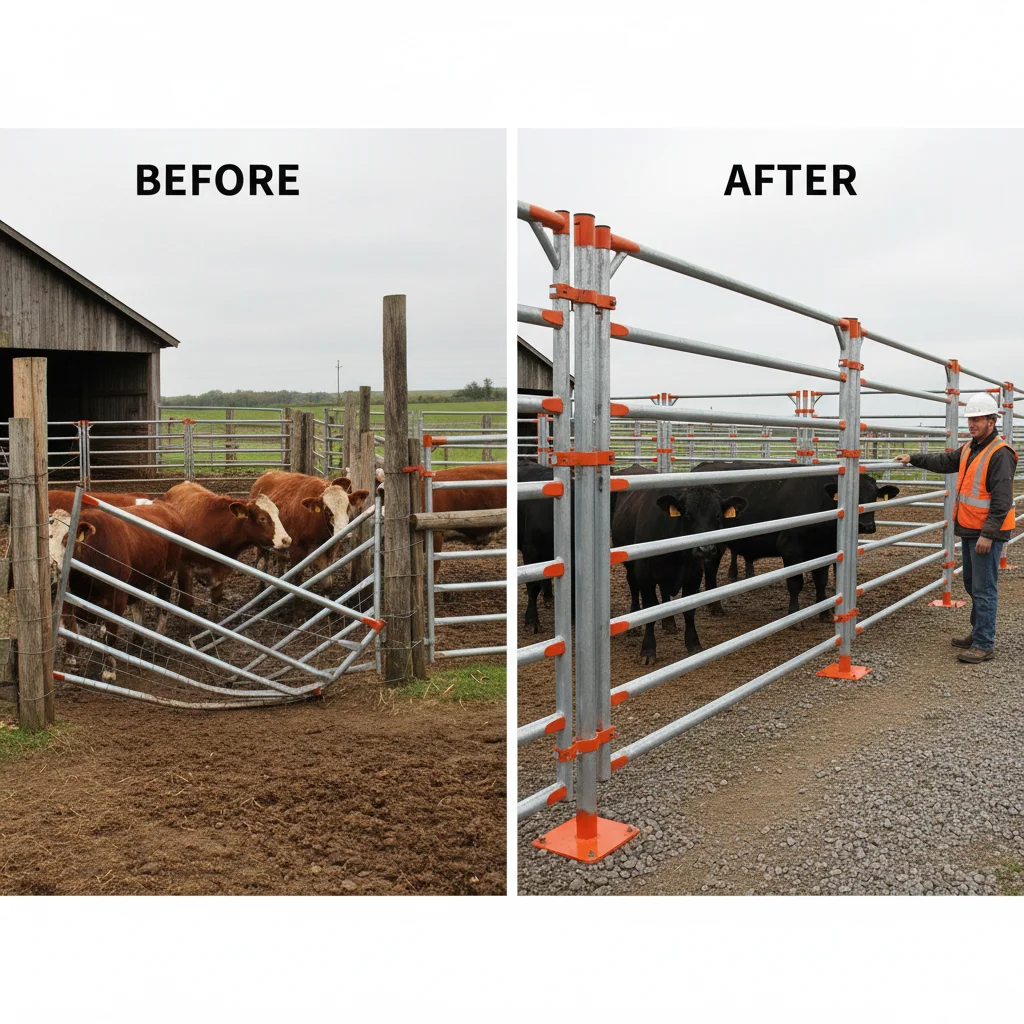
Durable Freestanding Livestock Panels for Efficient Animal Handling In the demanding world of agricultural management, the need for flexible and robust containment solutions has never been more critical. freestanding livestock panels offer a sophisticated answer to the challenges of animal handling, providing a secure yet adaptable barrier that does not require permanent installation or deep grounding. By allowing farmers and ranchers to redefine their spatial layouts in minutes, these panels maximize the efficiency of existing infrastructure while ensuring the safety of both the handlers and the livestock. Read More >26 Apr, 17
-
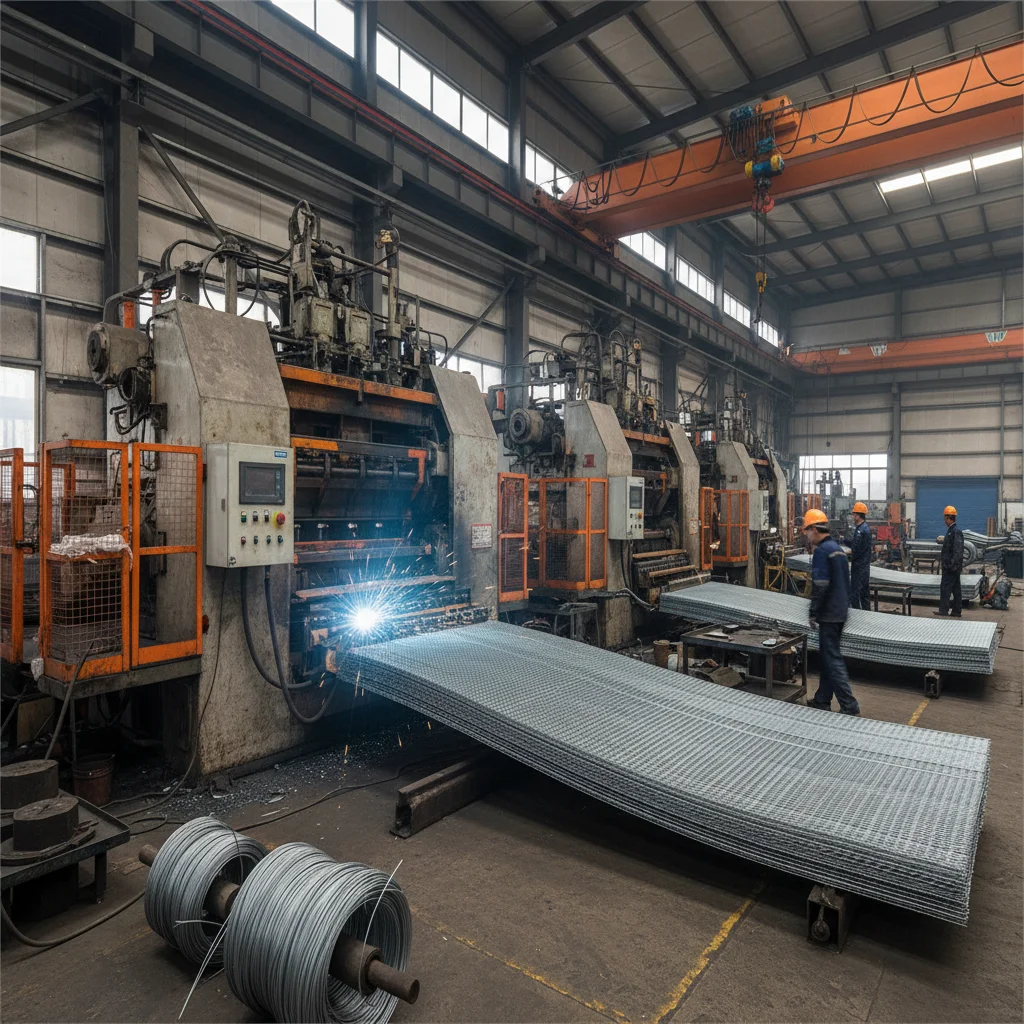
Professional Galvanized Welded Mesh Factory for Industrial Projects Finding a reliable galvanized welded mesh factory is critical for ensuring the structural integrity and longevity of your industrial or agricultural installations. Galvanized welded mesh is prized for its exceptional strength and resistance to corrosion, making it the go-to choice for fencing, animal cages, and construction reinforcement. However, not all factories adhere to the same quality standards. Whether you are sourcing for a large-scale infrastructure project or a specialized commercial application, understanding the manufacturing process and quality benchmarks is key to making a cost-effective investment that lasts for decades. Read More >26 Apr, 16
-
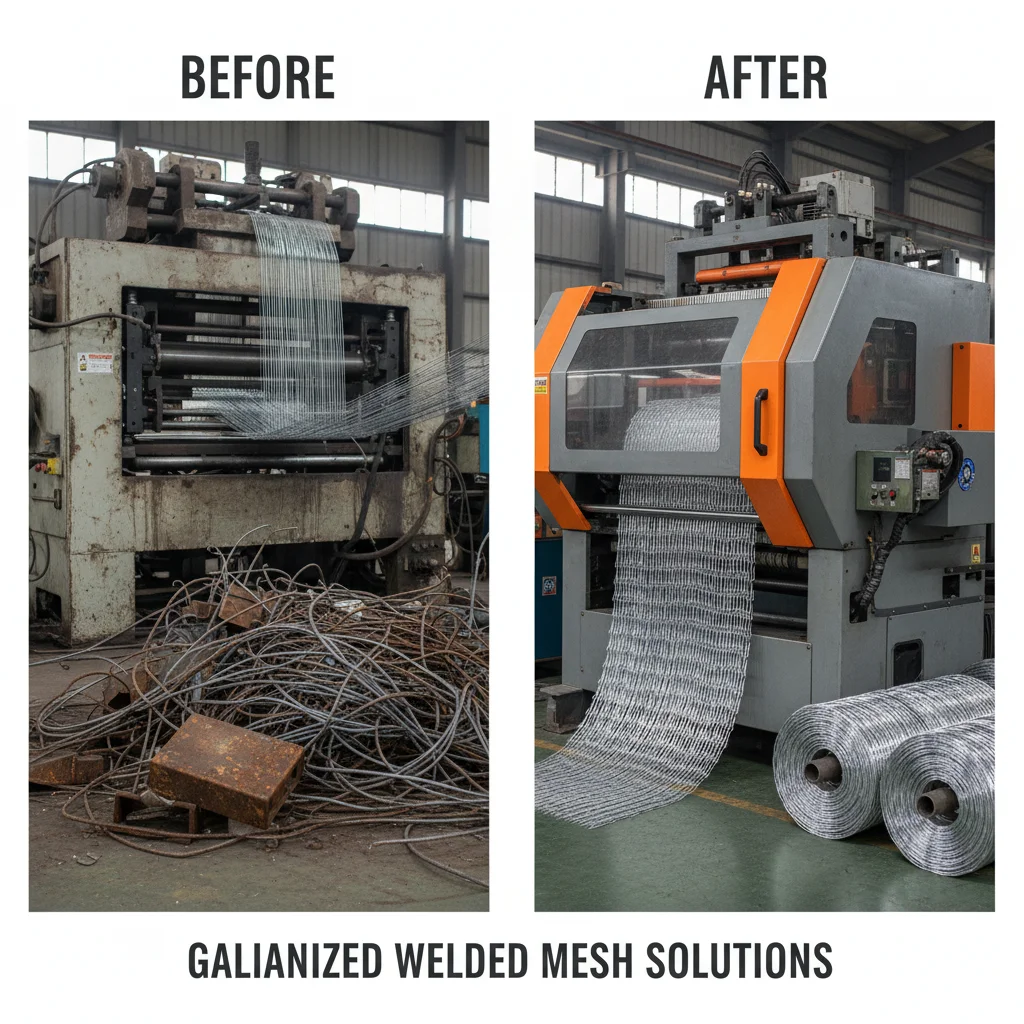
Professional Galvanized Welded Mesh Exporter for Quality Projects Selecting a high-quality fencing or screening solution requires more than just picking a product; it requires partnering with a reliable galvanized welded mesh exporter who understands the balance between structural integrity and corrosion resistance. Whether you are securing an industrial perimeter, building animal enclosures, or implementing architectural reinforcements, the quality of the galvanization process determines the lifespan of your installation. In this guide, we will explore the technical advantages of galvanized welded mesh and how to identify a global supplier that meets international quality standards to ensure your investment stands the test of time. Read More >26 Apr, 09
-
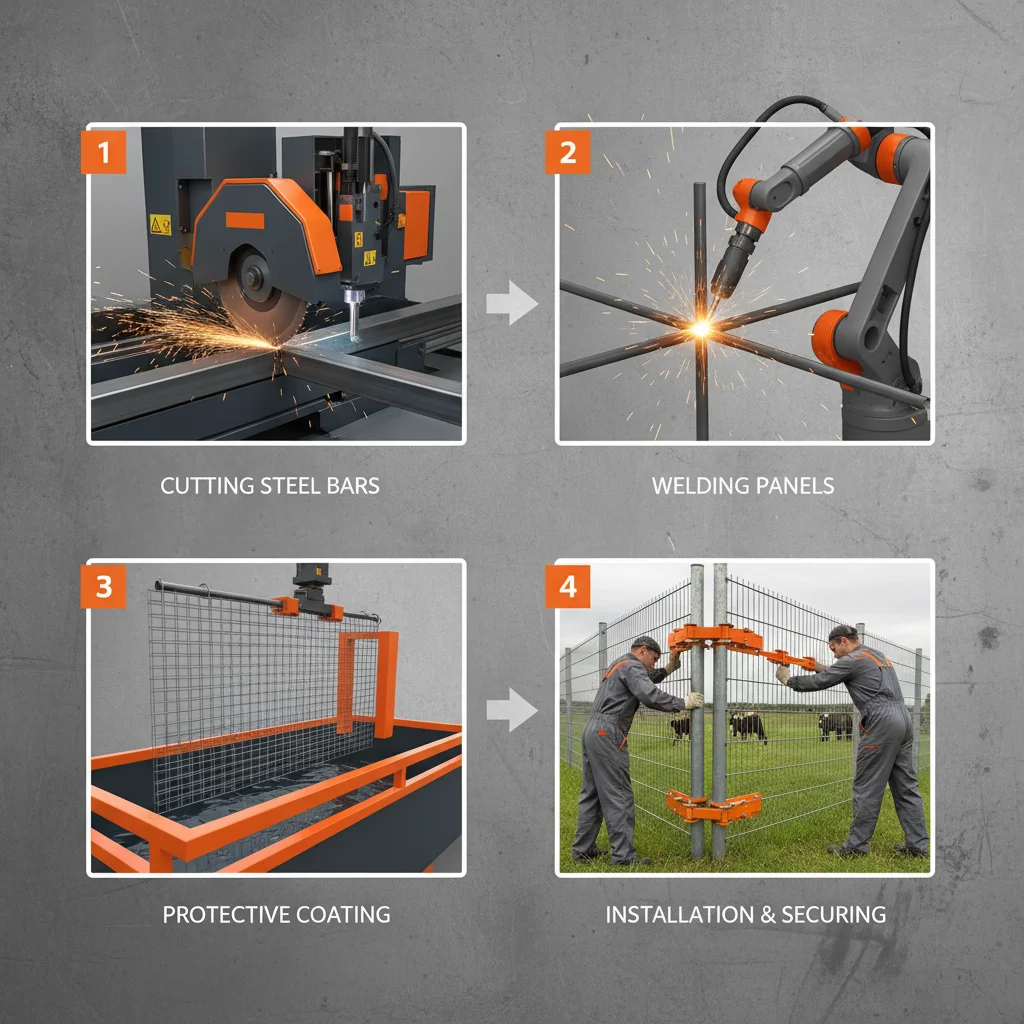
Essential Fencing Panels for Livestock Management and Farm Productivity Fencing panels for livestock are essential components in modern animal husbandry, playing a critical role in efficient farm management, animal welfare, and land utilization. Globally, the demand for robust and reliable fencing solutions is increasing due to the expanding livestock industry and the need to protect grazing lands from encroachment and predation. These panels aren’t simply barriers; they represent a vital investment in a farm's productivity and the health of its animals. Read More >26 Apr, 08
If you are interested in our products, you can choose to leave your information here, and we will be in touch with you shortly.


