


Small Cattle Panel – Durable & Portable Livestock Fencing Solutions
What Is a Small Cattle Panel and Why Does It Matter?
Whether you’re a rancher, a livestock enthusiast, or someone curious about sustainable farming solutions, the term small cattle panel might ring a bell. At its simplest, it's a type of fencing panel designed specifically to manage and contain smaller breeds of cattle as well as other livestock. But beyond that straightforward definition lies a world of global relevance—touching on animal welfare, sustainable agriculture, and even rural community development.
Globally, agriculture remains a backbone for many economies, with cattle farming representing a significant slice of the pie. According to the FAO, nearly 70% of agricultural land worldwide is dedicated to rangeland and pasture, where fencing solutions like small cattle panels are indispensable. Their proper use can reduce animal injuries, improve farm efficiency, and ultimately support more sustainable feeding systems. So understanding the ins and outs of small cattle panel designs and applications isn’t just a technicality—it’s a tiny piece of the puzzle that supports global food security and animal care.
Mini takeaway: Small cattle panels may seem niche, but they’re a fundamental part of keeping animals safe, farms efficient, and ecology balanced worldwide.
Small Cattle Panel: A Global Perspective
Let’s set the stage: In countries where livestock farming is critical—think India, Brazil, and parts of Eastern Europe—managing cattle movement efficiently is a big deal. Loose cattle can devastate crops, cause road accidents, and introduce diseases. Meanwhile, developing countries face barriers like limited resources and rough terrain that make conventional fencing less viable. This is where small cattle panels shine.
ISO standards (specifically ISO 11784/11785) have begun addressing livestock identification and management, but physical containment remains foundational. According to the World Bank, improving livestock fencing reduces crop losses in farming communities by up to 15%, highlighting the economic and social ramifications of good cattle management. Small cattle panels offer an accessible and scalable solution.
Oddly enough, one challenge that surfaces repeatedly is balancing strength with portability—especially for nomadic or small-scale farmers who often relocate livestock seasonally. So the fencing product must be versatile, light enough to shift, yet sturdy enough to keep animals safe.
Defining Small Cattle Panel in Practical Terms
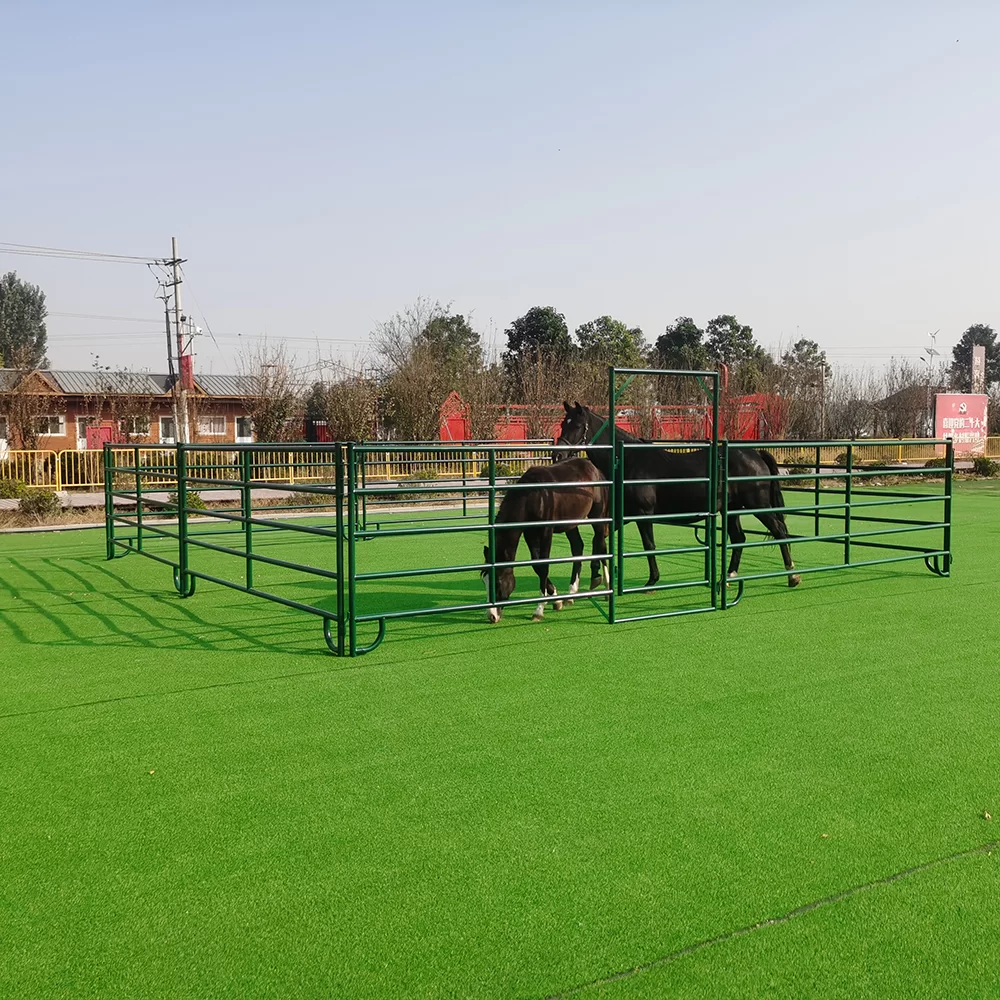
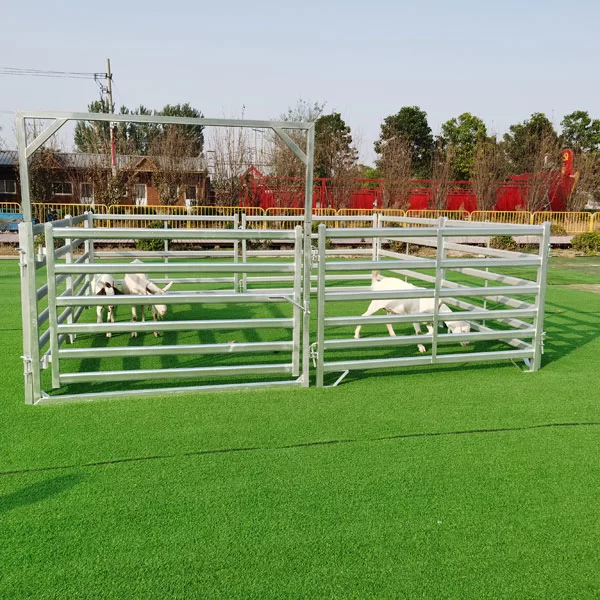
Simply put, a small cattle panel is a standardized grid-like metal panel, usually constructed from galvanized steel rods or wire, designed to form pens or temporary fences for containing smaller breeds of cattle. It differs from standard cattle panels because the mesh spacing is narrower (often around 4 to 6 inches) to prevent smaller animals from slipping through and to ensure better control.
More than farm equipment, these panels represent versatility: they’re used in ranches, fairs, auction yards, veterinary stations, and even in disaster-relief settings where temporary fencing might be required to protect livestock. That’s how they bridge agricultural needs with humanitarian concerns.
Core Components That Define the Best Small Cattle Panels
Durability
Look, cattle are not exactly choosing to be calm neighbors. The panels need to withstand occasional bumps and pushes without bending. Galvanized steel with rust-resistant coatings is usually the go-to because it offers longevity even in wet or rugged environments.
Portability and Scalability
I’ve noticed many farmers prefer panels that can be interlocked easily and moved quickly between locations. Smaller panels (like 4’ x 8’ or 4’ x 10’) make handling less of a chore. If you need to expand your pen quickly for more animals, the modular system lets you do so without a toolbox full of fuss.
Cost Efficiency
At the end of the day, farmers are very pragmatic. The panels need to be affordable for smallholder operations without compromising quality. Some manufacturers offer customization which helps reduce waste or unnecessary features.
Animal Welfare Compatibility
Panels with smooth surfaces and rounded edges mean fewer injuries to sensitive cattle skin. Additionally, smaller mesh size can prevent calves or smaller breeds from getting stuck. This is humane and reduces veterinary costs.
Environmental Impact
There’s a growing demand for sustainable farming tools. Using recyclable steel and coatings that don’t leach harmful chemicals fits modern eco-conscious farming models.
| Specification | Value / Range | Notes |
|---|---|---|
| Material | Galvanized Steel (often G-60 or G-90) | Zinc coating thickness varies by quality |
| Panel Dimensions | 4' x 8', 4' x 10' typical sizes | Modular and stackable |
| Mesh Spacing | 4" to 6" (mesh opening) | Smaller than standard cattle panels |
| Weight | 20-30 kg per panel (varies by size) | Portable but sturdy |
| Finish | Galvanized, Powder Coated (optional) | For rust resistance and aesthetics |
Real-World Applications Across Continents
Small cattle panels aren’t just “farm stuff.” Take Australia’s vast cattle stations: here, portable panels help isolate sick animals to prevent disease spread during outbreaks. In Africa, NGO programs use these panels to quickly set up livestock pens in resettlement camps, enhancing food security.
In Europe, smart farms integrate sensor technology into fencing, monitoring livestock location and health, where panels provide reliable structural support. Meanwhile, in the U.S., fairs and rodeos rely on the lightweight yet robust panels for temporary holding pens. Much of this can be seen at events where rapid setup and teardown are essential.
| Vendor | Material Quality | Customization Options | Lead Time | Price Range |
|---|---|---|---|---|
| Haotian Mesh | High-grade galvanized steel (G-90) | Size, coating, shape | 2–3 weeks | Mid-range |
| Generic Farm Supply | Standard galvanized, variable | Limited (mostly stock sizes) | 1–2 weeks | Budget |
| Premium Livestock Gear | Stainless steel option available | Fully customizable | 3–4 weeks | High-end |
Advantages and the Long-Lasting Value of Small Cattle Panels
One of the key wins of a small cattle panel is the balance it offers between durability and ease of use. By reducing animal stress and injury, these panels promote healthier herds—something every farmer chases like the pot of gold at the end of a rainbow.
In financial terms, these panels can reduce fencing maintenance costs by up to 30% because you’re investing in corrosion-resistant, long-life materials. They also afford an emotional “peace of mind” to caretakers, knowing their animals aren’t going to escape or get injured easily. Trust me, that counts.
Moreover, sustainable production techniques reduce environmental footprints, aligning with global trends toward greener farming. And socially, well-managed livestock pens support rural livelihoods by improving efficiency and safety.
Where Are Small Cattle Panels Headed Next?
Frankenstein tech or helpful tools? Increasingly, automation creeps into even farm basics. Imagine panels embedded with low-power sensors that detect animal pressure or fence breaches, sending alerts to farmers’ smartphones. Solar-powered coatings that resist rust without chemicals are no longer sci-fi, either.
Recycled metals and better powder coating technologies promise lighter, greener panels. Plus, 3D printing and modular designs allow bespoke sizing without the cost hike.
Governments and NGOs push for greener, smarter agriculture, meaning manufacturers keeping up with ISO sustainability standards and incorporating IoT features will lead the market.
Challenges and How to Navigate Them
No product is perfect. The main hitches with small cattle panels are:
- Weight versus strength: Some fear heavy panels are tough to move, while lightweight ones might sacrifice security.
- Corrosion over long-term usage: Especially in humid or coastal zones.
- Cost barriers for smallholder farmers: Premium panels might seem out of reach.
Innovative coatings, modular portability, and flexible pricing models (including rentals or subsidies in developing regions) offer practical fixes. DIY assembly options also help farmers customize on a budget.
Frequently Asked Questions About Small Cattle Panels
Q1: How do small cattle panels differ from regular cattle panels?
A1: Small cattle panels typically have narrower mesh spacing, designed to contain smaller animals like calves or goats more securely, minimizing escape or injury risk. This makes them a better fit for mixed livestock farms or specialized breeding programs.
Q2: Can these panels be used outdoors year-round?
A2: Yes, when constructed from galvanized steel with proper coatings, small cattle panels resist rust and can handle diverse weather conditions. However, maintenance checks are recommended to prolong lifespan.
Q3: Are these panels easy to install for a small-scale farmer?
A3: Absolutely. Thanks to their modular nature and lightweight design (typically 4' x 8'), most panels can be connected without heavy tools, even by one or two people.
Q4: Do small cattle panels support digital farming technologies?
A4: Emerging models integrate sensors or can be adapted with smart fencing tech, but most standard panels remain physical containment solutions that can complement digital systems.
Q5: Where can I buy quality small cattle panels?
A5: Reputable manufacturers like Haotian Mesh offer customizable options worldwide. Select vendors based on material specs, customization, and lead times to suit your needs.
Wrapping It Up: Small Cattle Panels as a Sustainable Investment
It’s funny how something as simple as a metal fence panel can carry such weight in agriculture, economics, and even community welfare. By opting for quality small cattle panels, you’re not just containing animals—you’re enabling safer herds, reducing losses, and reinforcing a more sustainable farming future.
Interested in stepping up your livestock management? Explore a broad selection and professional guidance at Haotian Mesh’s website. Because sometimes, the smallest panels can make the biggest difference.
References
-
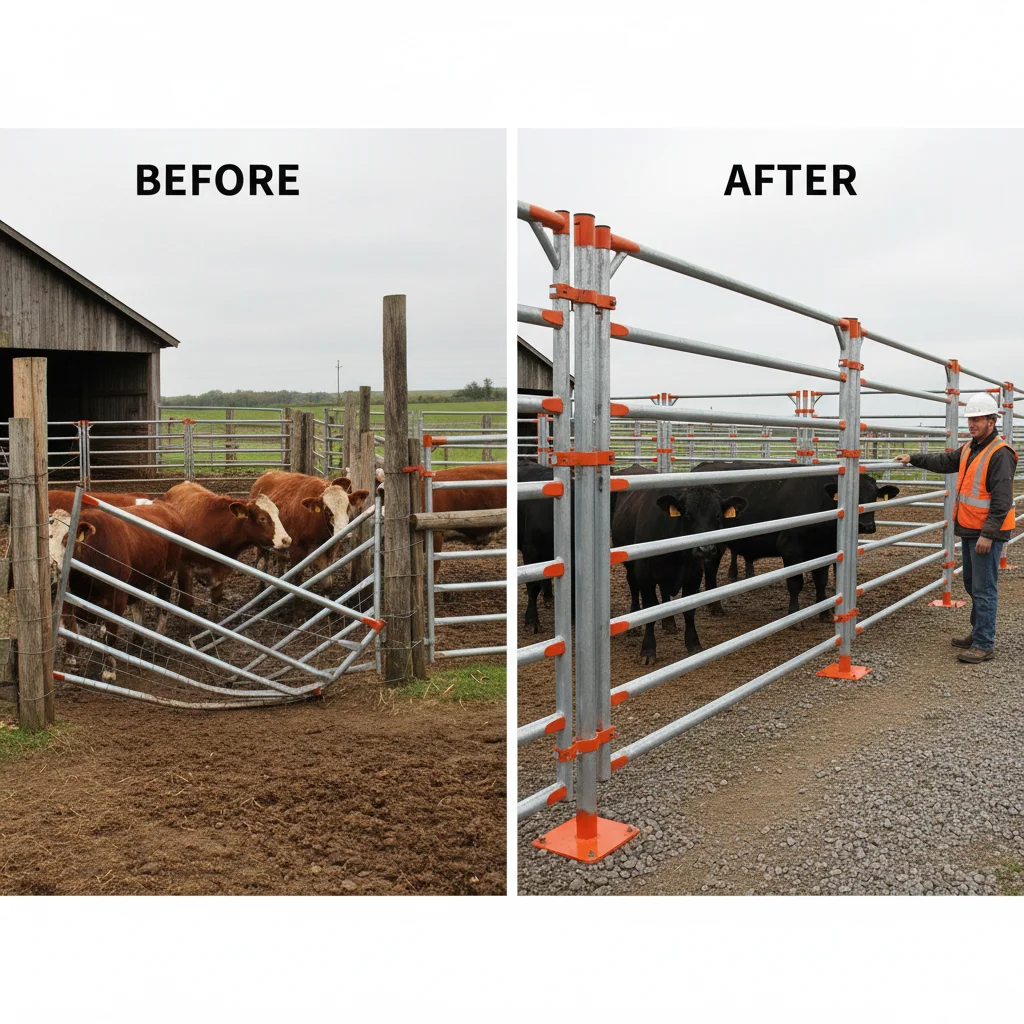
Durable Freestanding Livestock Panels for Efficient Animal Handling In the demanding world of agricultural management, the need for flexible and robust containment solutions has never been more critical. freestanding livestock panels offer a sophisticated answer to the challenges of animal handling, providing a secure yet adaptable barrier that does not require permanent installation or deep grounding. By allowing farmers and ranchers to redefine their spatial layouts in minutes, these panels maximize the efficiency of existing infrastructure while ensuring the safety of both the handlers and the livestock. Read More >26 Apr, 17
-
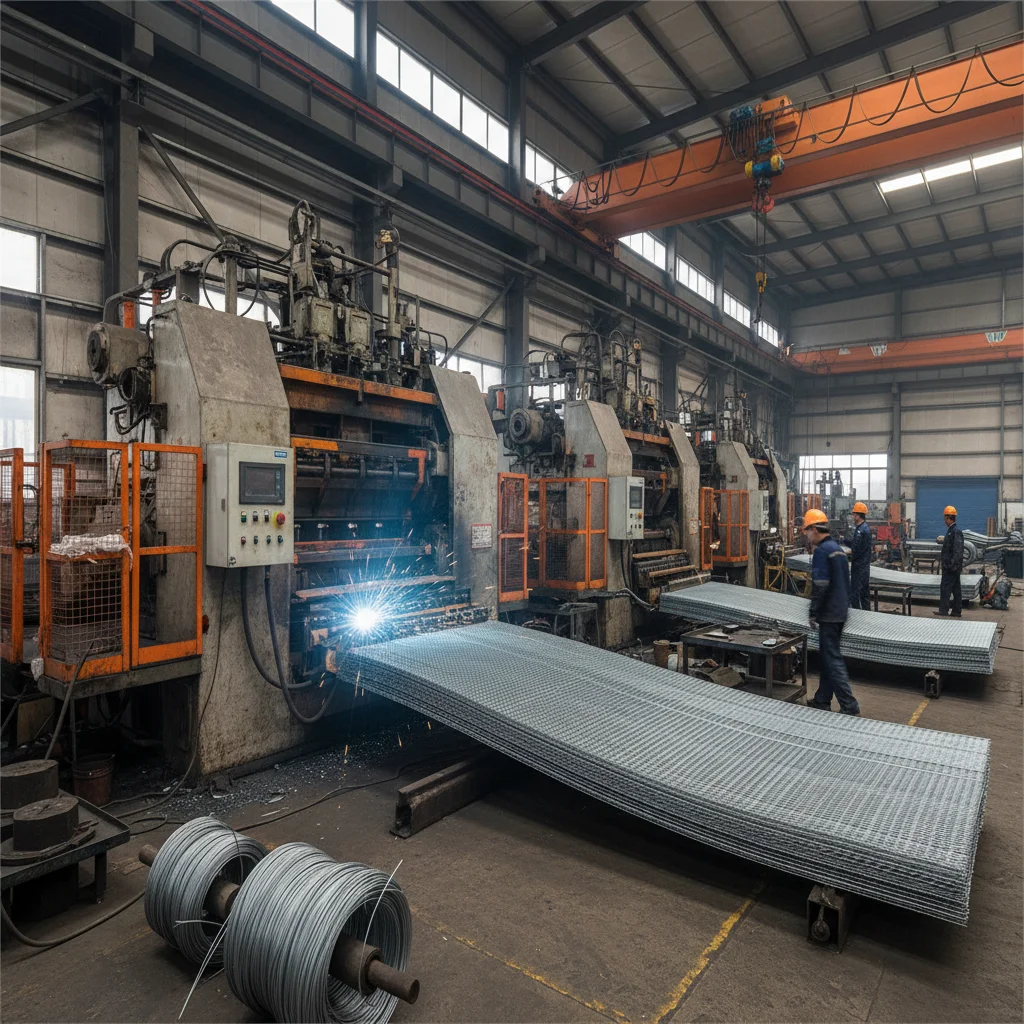
Professional Galvanized Welded Mesh Factory for Industrial Projects Finding a reliable galvanized welded mesh factory is critical for ensuring the structural integrity and longevity of your industrial or agricultural installations. Galvanized welded mesh is prized for its exceptional strength and resistance to corrosion, making it the go-to choice for fencing, animal cages, and construction reinforcement. However, not all factories adhere to the same quality standards. Whether you are sourcing for a large-scale infrastructure project or a specialized commercial application, understanding the manufacturing process and quality benchmarks is key to making a cost-effective investment that lasts for decades. Read More >26 Apr, 16
-
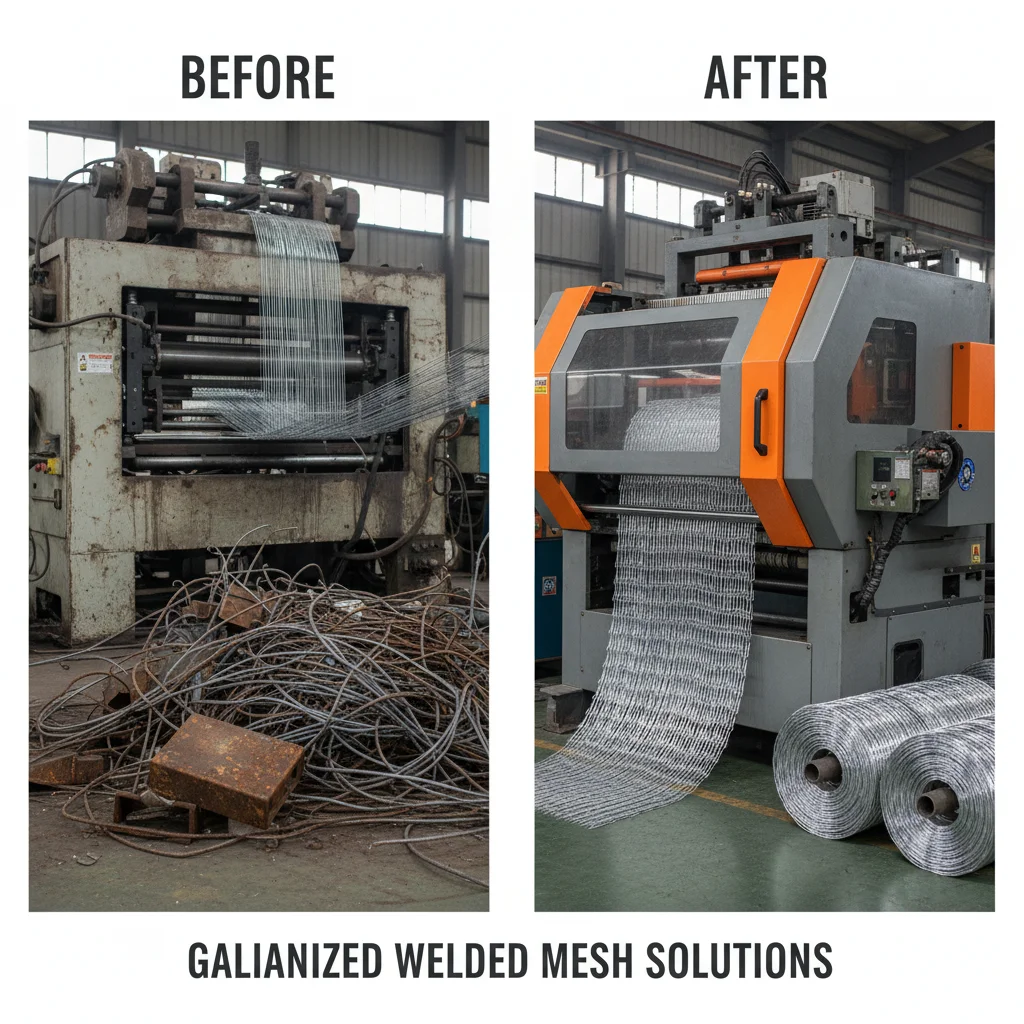
Professional Galvanized Welded Mesh Exporter for Quality Projects Selecting a high-quality fencing or screening solution requires more than just picking a product; it requires partnering with a reliable galvanized welded mesh exporter who understands the balance between structural integrity and corrosion resistance. Whether you are securing an industrial perimeter, building animal enclosures, or implementing architectural reinforcements, the quality of the galvanization process determines the lifespan of your installation. In this guide, we will explore the technical advantages of galvanized welded mesh and how to identify a global supplier that meets international quality standards to ensure your investment stands the test of time. Read More >26 Apr, 09
-
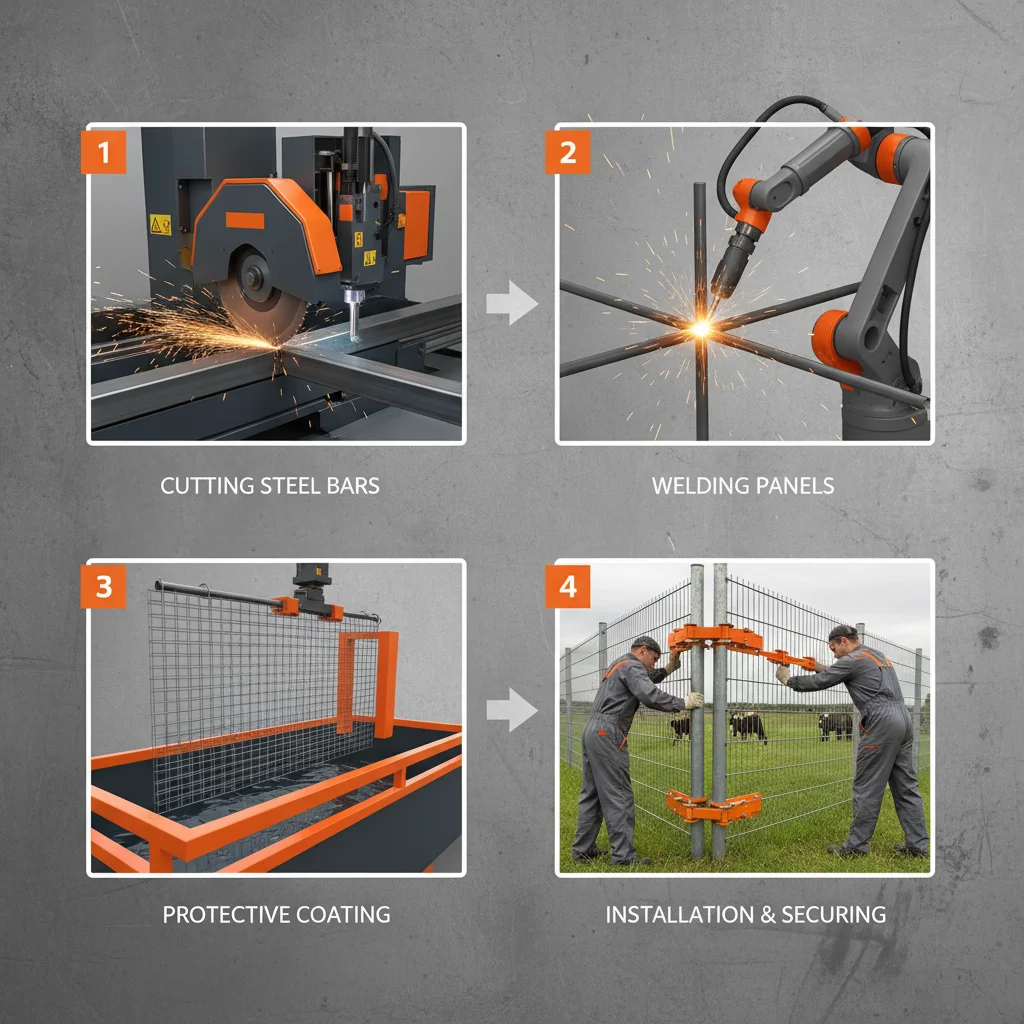
Essential Fencing Panels for Livestock Management and Farm Productivity Fencing panels for livestock are essential components in modern animal husbandry, playing a critical role in efficient farm management, animal welfare, and land utilization. Globally, the demand for robust and reliable fencing solutions is increasing due to the expanding livestock industry and the need to protect grazing lands from encroachment and predation. These panels aren’t simply barriers; they represent a vital investment in a farm's productivity and the health of its animals. Read More >26 Apr, 08
If you are interested in our products, you can choose to leave your information here, and we will be in touch with you shortly.


