


The Ultimate Guide to Small Square Cattle Panels: Benefits, Specs & Comparison
Small Square Cattle Panels: Why They Matter More Than You Think
If you’ve ever walked past a farm or a ranch, chances are you’ve seen cattle panels—those sturdy metal fences that keep livestock safe and secure. But here’s the thing: the small square cattle panels, a particular design variant, are becoming pivotal not just in farming but across industries worldwide. They offer structure, security, and scalability all wrapped in durable steel. Why does this matter globally? Well, given the rising demand for efficient livestock management, animal welfare, and even temporary modular fencing solutions during emergencies, understanding these panels unlocks a multitude of benefits—ranging from cost-efficiency to environmental sustainability.
Introduction: The Global Relevance of Small Square Cattle Panels
Across continents, from the sprawling plains of North America to the arid lands of Australia and the diverse farms of Europe, small square cattle panels have become an indispensable tool. According to UN data, livestock contributes upwards of 40% to agricultural GDP in many developing countries, making fencing solutions vital in protecting assets and ensuring productivity.
However, challenges like overgrazing, livestock theft, and animal welfare standards remain widespread. This is where small square cattle panels come in by providing a secure, easy-to-install, and versatile fencing option that addresses these challenges head-on.
What Are Small Square Cattle Panels?
Simply put, small square cattle panels are metal fencing sections composed of tightly spaced square openings, usually made from galvanized steel wires welded into a grid. The “small square” size makes these panels particularly effective for containing a variety of livestock — from cattle and sheep to goats and even more exotic animals.
Beyond traditional agriculture, these panels have increasingly found roles in humanitarian efforts, temporary enclosures in construction zones, and even wildlife parks. Their connection to modern livestock industry trends and global sustainability goals is more than coincidental; it’s intentional.
Core Elements Behind Effectiveness
Durability and Strength
One of the top reasons these panels thrive is their robust construction. Galvanized steel resists rust, weathering, and physical impact, providing years of reliable service. Engineers often emphasize how the small square mesh balances ventilation and strength—animals stay contained without feeling claustrophobic.
Scalability and Modularity
Small square cattle panels come in standardized sizes—commonly around 5 ft tall and 16 ft long—which snap together easily. This modular design means farmers or contractors can build pens of any size, whether for a tiny lambing pen or a large cattle herd. Oddly enough, the simplicity here makes installation much faster than wood fences or concrete walls.
Cost Efficiency
Interestingly, although the upfront cost can seem higher than traditional barbed wire, the overall lifespan and minimal maintenance often make small square cattle panels a more affordable option over the long run. Add in fewer repairs and better animal safety, and the economics often favor these panels.
Animal Welfare and Safety
Because of the smooth, square mesh and fewer sharp edges, these panels reduce the risk of injury to animals. Their design also allows for clear visibility, reducing animal stress and easing handling during veterinary checks or transport.
Portability and Reusability
In disaster relief scenarios or even seasonal grazing rotations, the ability to quickly dismantle and relocate fencing can be a game changer. Small square cattle panels excel at this, as several NGOs have reported when deploying temporary pens in remote or emergency areas.
Mini Takeaway:
In a nutshell, these panels combine durability, flexibility, and affordability—traits that explain their growing global footprint.
Global Applications and Real-World Use Cases
In Australia’s vast cattle stations, the use of small square cattle panels has revolutionized rotational grazing, improving pasture health and boosting yields. In Sub-Saharan Africa, NGOs use them to create secure livestock pens that protect animals from theft and predation during rest periods, improving food security.
Meanwhile, in Europe, farms increasingly adopt these panels for organic-certified operations, where animal welfare standards are particularly strict. Even in urban settings, these panels are used in small-scale urban farming and community gardens, showing their versatility.
Example:
One relief organization shared how, after flooding in Southeast Asia in 2022, temporary small square cattle panels were deployed rapidly to set up secure shelters and grazing enclosures for displaced livestock, helping farmers avoid total economic ruin.
Advantages and Long-Term Value
- Economic Savings: Minimal maintenance costs and longevity add up to big savings.
- Environmental Impact: Reusable panels reduce demand for wooden fencing, lowering deforestation rates.
- Social Benefits: Safer, more comfortable environments for livestock improve productivity and reduce stress on farmers.
- Reliability: Strong against harsh weather, panels deliver consistent performance over years.
Beyond numbers, many ranchers swear by the peace of mind these panels bring. Knowing your herd is enclosed safely is priceless — a trust you build panel by panel.
Product Specifications at a Glance
| Specification | Details |
|---|---|
| Material | Hot-dipped galvanized steel wire |
| Panel Size (Typical) | 5 ft (height) x 16 ft (length) |
| Mesh Size | Approximately 6 x 6 inches squares |
| Weight | Approx. 70-100 lbs per panel (varies by thickness) |
| Coating | Zinc galvanized for corrosion resistance |
| Typical Use | Livestock containment, temporary fencing, modular enclosures |
How Do Vendors Compare?
| Vendor | Material Quality | Price Range | Customization Options | Shipping & Support |
|---|---|---|---|---|
| Haotian Mesh | Premium galvanized steel, 5-year rust warranty | Mid-range | Custom sizes, powder coating available | Global shipping, 24/7 support |
| RanchPro Fences | Standard galvanized steel | Low to mid | Limited custom panels | North America only, 9-5 support |
| SteelMesh Corp | Heavy gauge galvanized steel | High | Custom fabrication available | International shipping, premium support |
Future Trends & Innovations Surrounding Small Square Cattle Panels
Looking ahead, the industry is moving quickly towards integrating sustainability and tech. Many manufacturers investigate using recycled steel and eco-friendly coatings that reduce the carbon footprint significantly. Automation is another big buzzword — robots and drones equipped with sensors can soon monitor panel integrity in real-time, catching damage before animals escape or get hurt.
And don’t forget: blending these panels with small square cattle panels and solar-powered surveillance makes fencing smarter and more reliable. It’s not just about metal and mesh anymore—it’s about intelligent livestock management.
Challenges and Smart Solutions
Of course, no product is perfect. Handling heavy panels during installation can be physically challenging—especially in rugged terrain. Additionally, panels might need occasional recoating if exposed to saltwater environments. Thankfully, modular designs and professional installation services have minimized these pain points.
New composite materials combining fiberglass with steel wires are also promising, offering reduced weight without sacrificing strength. Some experts predict these will be the panels of the next decade.
FAQ: Frequently Asked Questions About Small Square Cattle Panels
- Q1: How do small square cattle panels compare to standard barbed wire fences?
- A1: Small square cattle panels provide better containment and animal safety due to their mesh design, reducing injury risk and preventing escape better than barbed wire, which can be less secure and more harmful.
- Q2: Are these panels suitable for harsh climates?
- A2: Yes, especially when hot-dipped galvanized, these panels resist corrosion and stand up well to rain, snow, and sun. However, regular inspections in extreme environments are recommended.
- Q3: Can small square cattle panels be reused for multiple seasons?
- A3: Absolutely. Their modular construction and durable coating mean panels can be stored and redeployed season after season without losing effectiveness.
- Q4: What customization options are available?
- A4: Many vendors, like Haotian Mesh, offer different heights, lengths, and coatings, allowing you to tailor panels to your operation’s specific needs.
- Q5: How quickly can fences be installed?
- A5: Panels snap together easily, allowing a skilled team to build large enclosures within days rather than weeks, a significant advantage over traditional fencing.
Conclusion: Why Small Square Cattle Panels Are a Long-Term Win
At the end of the day, small square cattle panels symbolize more than just fencing material—they represent a shift toward smarter, safer, and more sustainable livestock management. Their cost effectiveness, global versatility, and adaptability make them a trusty partner for modern farmers and industries alike.
Curious to explore these in your operations or projects? Visit our site for detailed info, specs, and support: https://www.haotianmesh.com. It might just be the upgrade your setup needs.
Mini Takeaway:
Quality panels save time, money, and animals—simple as that.
References
-
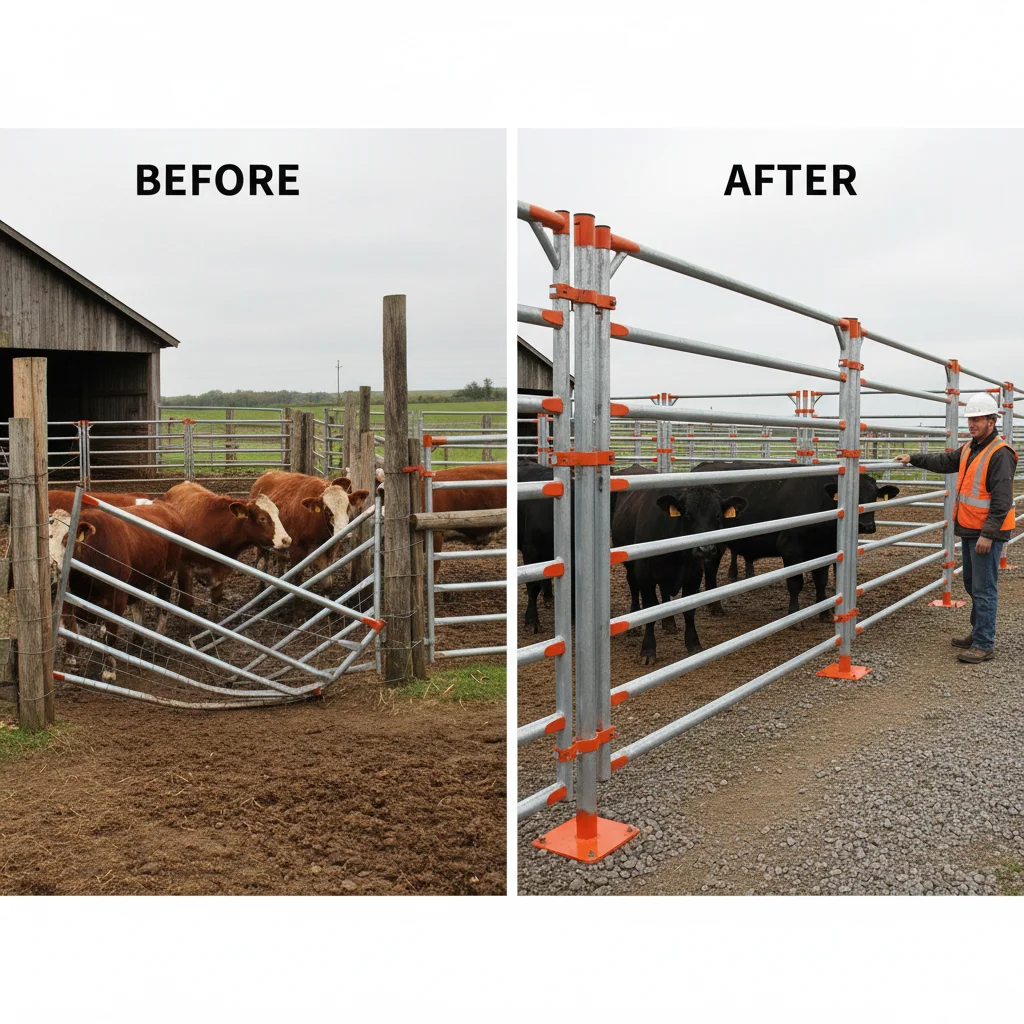
Durable Freestanding Livestock Panels for Efficient Animal Handling In the demanding world of agricultural management, the need for flexible and robust containment solutions has never been more critical. freestanding livestock panels offer a sophisticated answer to the challenges of animal handling, providing a secure yet adaptable barrier that does not require permanent installation or deep grounding. By allowing farmers and ranchers to redefine their spatial layouts in minutes, these panels maximize the efficiency of existing infrastructure while ensuring the safety of both the handlers and the livestock. Read More >26 Apr, 17
-
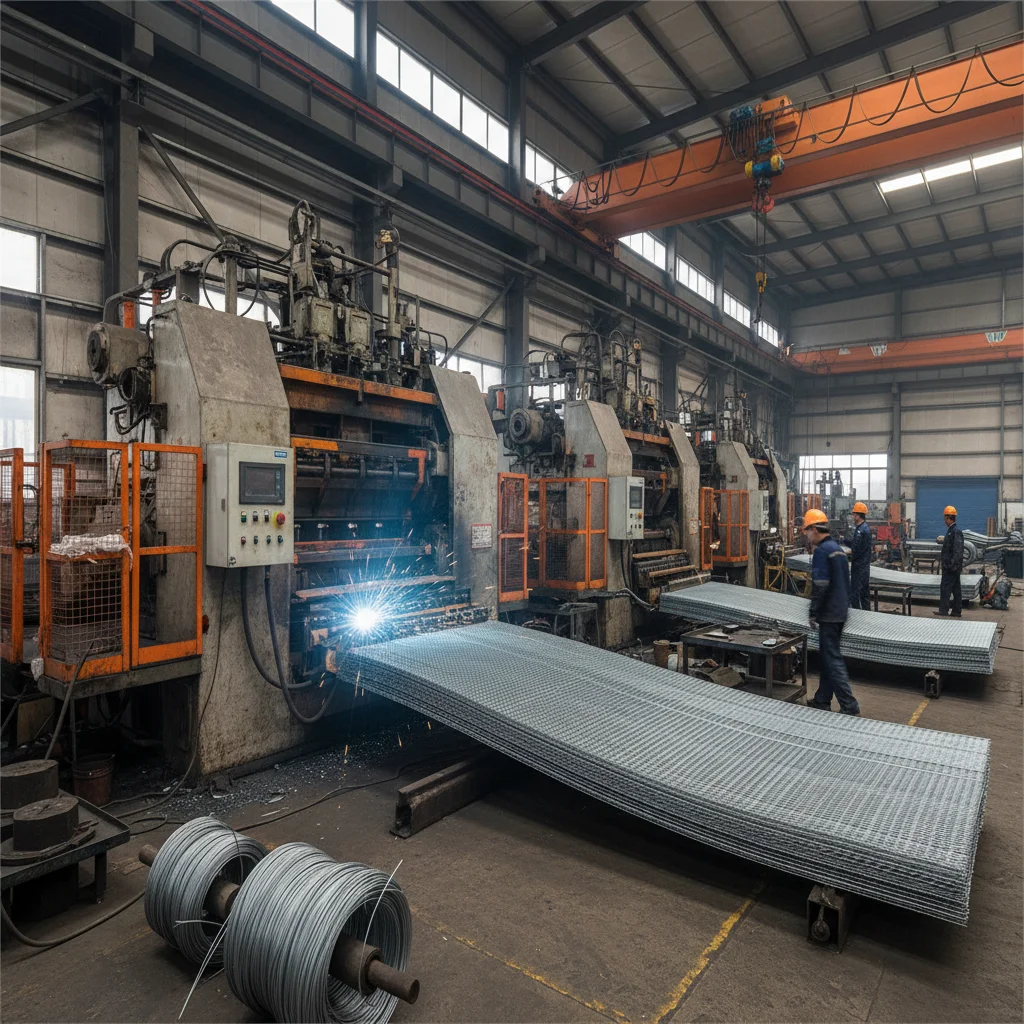
Professional Galvanized Welded Mesh Factory for Industrial Projects Finding a reliable galvanized welded mesh factory is critical for ensuring the structural integrity and longevity of your industrial or agricultural installations. Galvanized welded mesh is prized for its exceptional strength and resistance to corrosion, making it the go-to choice for fencing, animal cages, and construction reinforcement. However, not all factories adhere to the same quality standards. Whether you are sourcing for a large-scale infrastructure project or a specialized commercial application, understanding the manufacturing process and quality benchmarks is key to making a cost-effective investment that lasts for decades. Read More >26 Apr, 16
-
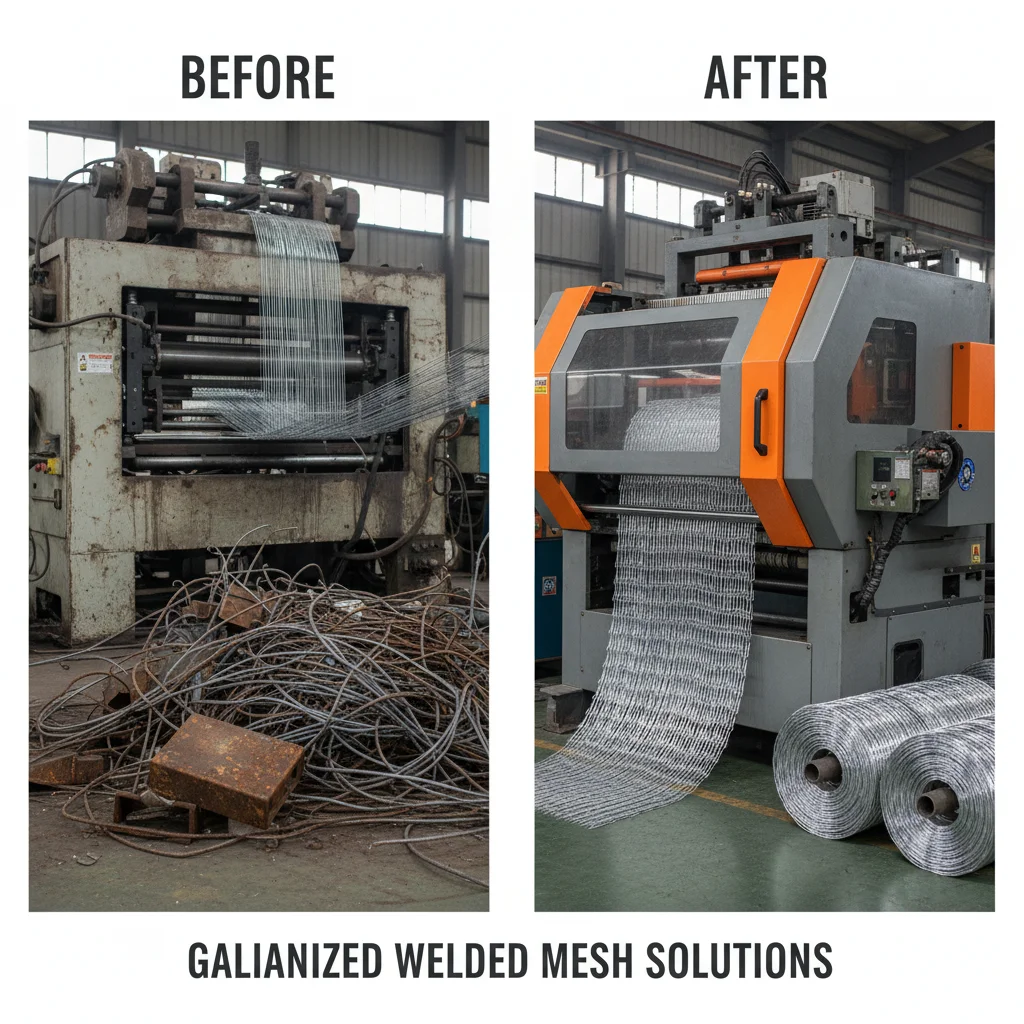
Professional Galvanized Welded Mesh Exporter for Quality Projects Selecting a high-quality fencing or screening solution requires more than just picking a product; it requires partnering with a reliable galvanized welded mesh exporter who understands the balance between structural integrity and corrosion resistance. Whether you are securing an industrial perimeter, building animal enclosures, or implementing architectural reinforcements, the quality of the galvanization process determines the lifespan of your installation. In this guide, we will explore the technical advantages of galvanized welded mesh and how to identify a global supplier that meets international quality standards to ensure your investment stands the test of time. Read More >26 Apr, 09
-
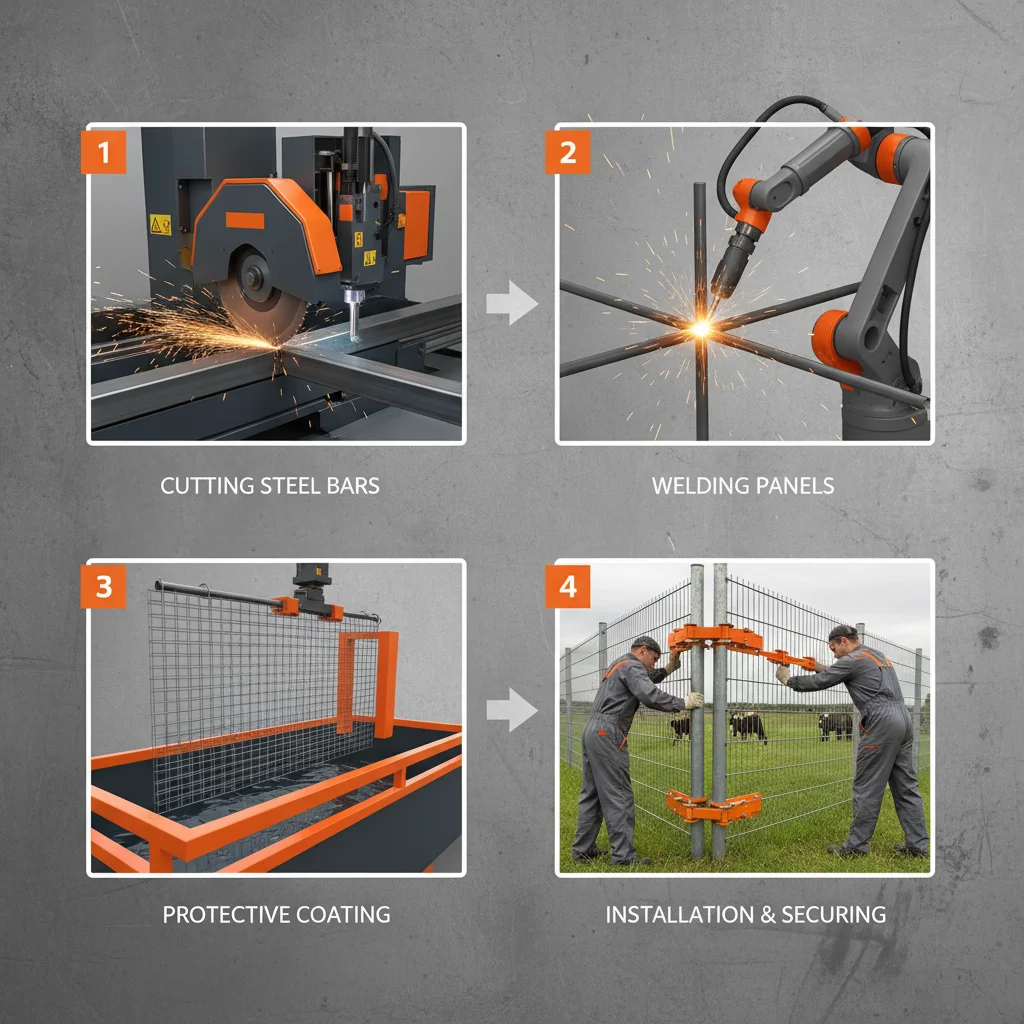
Essential Fencing Panels for Livestock Management and Farm Productivity Fencing panels for livestock are essential components in modern animal husbandry, playing a critical role in efficient farm management, animal welfare, and land utilization. Globally, the demand for robust and reliable fencing solutions is increasing due to the expanding livestock industry and the need to protect grazing lands from encroachment and predation. These panels aren’t simply barriers; they represent a vital investment in a farm's productivity and the health of its animals. Read More >26 Apr, 08
If you are interested in our products, you can choose to leave your information here, and we will be in touch with you shortly.


