


Modern Cattle Panel Fence: Durable, Flexible Fencing Solutions for Livestock Management
Modern Cattle Panel Fence: Why It Matters in a Changing World
When was the last time you really thought about fences? Not just any fences, but the modern cattle panel fence, the rugged backbone of livestock management around the globe. Despite its humble appearance, it solves a surprisingly large set of problems that ripple across industries, rural communities, and even humanitarian efforts. At its core, the modern cattle panel fence is about securing assets, keeping animals safe, and easing the logistical challenges faced in many agricultural setups.
It might sound a bit mundane at first—which I get—but understanding the evolution and application of these fences unlocks a window on global issues like food security, land use, and sustainable farming. For anyone in agribusiness, rural development, or even disaster relief, knowing about these panels is far from trivial.
Setting the Scene: Global Relevance of Modern Cattle Panel Fence
Look around the world—according to the Food and Agriculture Organization (FAO), over 1.3 billion people depend on livestock for their livelihoods. Yet managing these herds doesn’t come without its challenges. The World Bank estimates that losses from uncontrolled livestock movement can impact economies by billions annually, particularly in developing regions. That's where a solid, effective modern cattle panel fence comes in.
These fences aren’t just steel bars standing quietly in fields; they represent technological advances aimed at reducing theft, preventing animal escape, and ultimately improving productivity and sustainability. As more rural communities face land pressure and climate stressors, traditional fencing often can’t keep up, opening a door to innovation.
What Exactly Is a Modern Cattle Panel Fence?
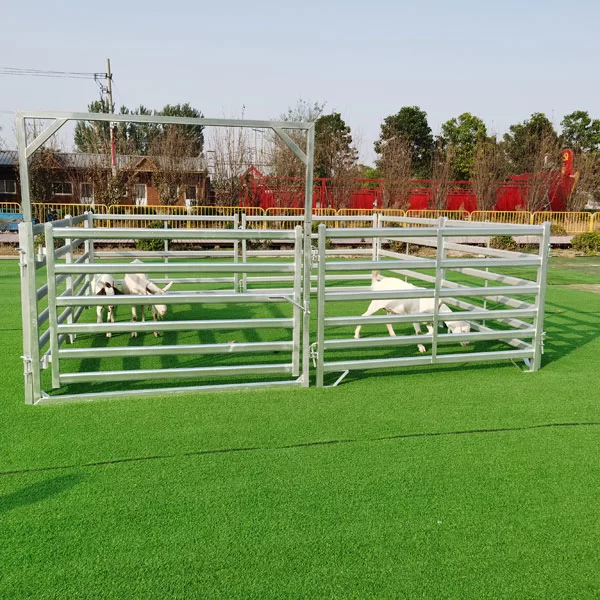
In simplest terms, it’s a pre-fabricated mesh panel made of galvanized steel or other durable metals, designed specifically to confine cattle and other livestock. Unlike rudimentary wooden or barbed-wire fences, modern cattle panel fences come with standardized dimensions, corrosion resistance, and ease of assembly that matches the demands of today’s farming and livestock herding practices.
This kind of fencing neatly fits into modern agricultural ecosystems and even humanitarian uses, like temporary animal enclosures for disaster-hit areas where quick setup and durability are critical.
Mini takeaway:
So, modern cattle panel fences aren’t just preservation barriers—they're engineered solutions that improve animal welfare and operational efficiency in a wide range of environments.
Core Components that Make Modern Cattle Panel Fences Stand Out
Durability and Material Quality
Many engineers swear by galvanization and powder coating for weather resistance. It’s essential—these fences face harsh sun, rain, and sometimes harsh chemicals without cracking or degrading quickly.
Modular Design for Scalability
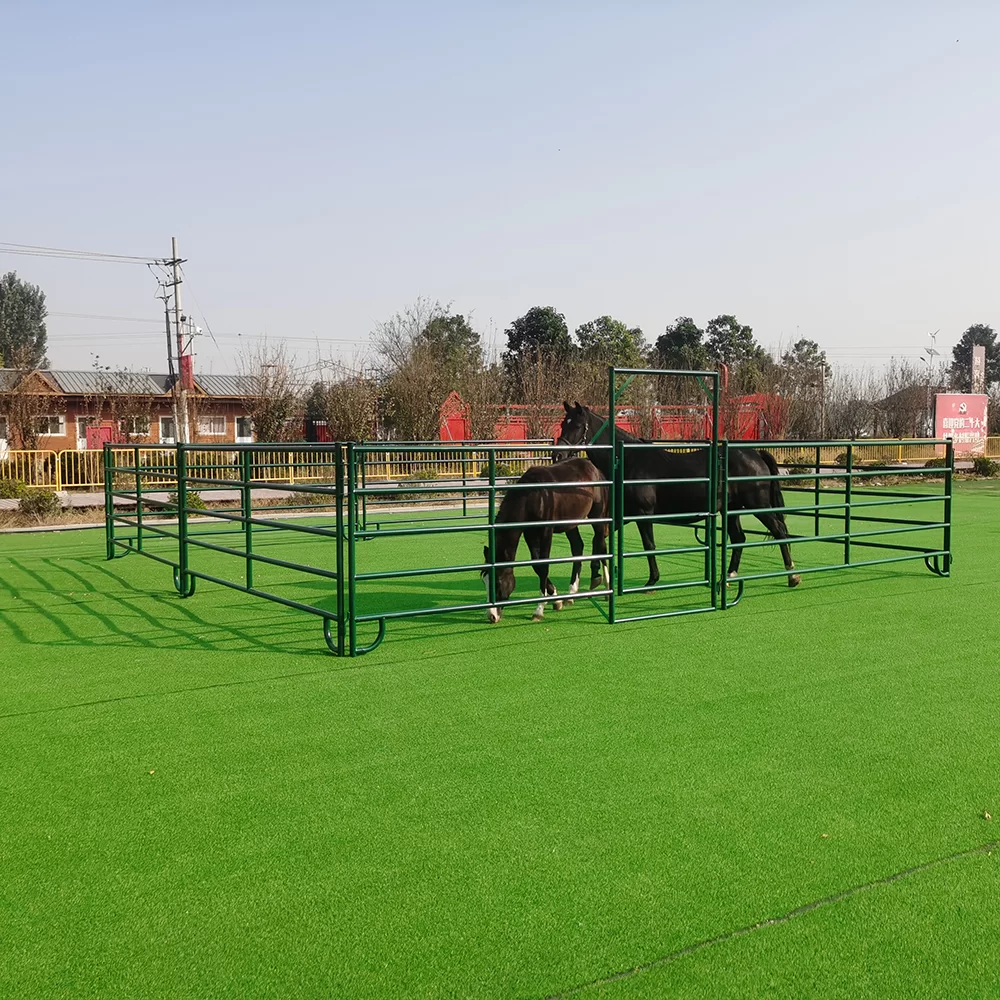
Panels come in standard sizes—usually 16 feet long by 50 inches high—which makes expanding or reshaping a fence as easy as adding or moving a few panels around. This flexibility is a lifesaver in dynamic farming plots or shifting disaster relief camps.
Ease of Installation and Maintenance
Typically, these panels weigh roughly between 50-60 lbs, light enough for two people to install on site with simple tools. This minimizes labor costs and reduces downtime.
Cost Efficiency Over Lifespan
Compared to wooden fences, which often need replacement every few years, or barbed wire that requires constant upkeep, a galvanized steel panel can last upwards of 15 years with minimal maintenance—pretty impressive if you ask me.
Safety and Security Features
The smooth wire design prevents injuries from sharp edges, and the robust construction deters predators and thieves alike. This builds trust with stakeholders concerned about animal welfare and property loss.
Adaptability to Environment
Panels can be customized for specific terrains—from flat plains to sloped hills—often using adjustable stake connectors or braces to keep everything upright and secure.
Mini takeaway:
- Durability, modularity, ease of setup, and cost-effectiveness form the pillars of what makes modern cattle panel fences preferred worldwide.
Real-World Use Cases: Where Do Modern Cattle Panel Fences Shine?
Let’s wander a bit across continents. In Sub-Saharan Africa, where pastoralists often migrate seasonally, having sturdy but portable cattle panels means livestock can be contained quickly without permanent structures obstructing settlements or farmland.
Down in Australia, large-scale cattle stations spanning thousands of hectares use these panels extensively for rotational grazing, improving pasture longevity and controlling invasive species. It’s a pretty clever way to turn fences into tools rather than constraints.
Even NGOs have caught on: In post-disaster zones like after floods or earthquakes, organizations deploy pre-made cattle panels to establish animal holding areas quickly, preventing further damage and helping communities recover livelihoods.
Product Specification Table
| Feature | Specification |
|---|---|
| Material | Galvanized Steel / Powder-coated Steel |
| Standard Panel Size | 16 ft (L) x 50 in (H) |
| Weight Per Panel | 50-60 lbs (approx.) |
| Wire Gauge | 12-14 gauge |
| Corrosion Resistance | 10-15 years typical lifespan |
| Installation Time | 1-2 hours per 100 ft (with 2 people) |
Advantages and Long-Term Value
- Cost Savings: Reduced maintenance compared to traditional fences.
- Sustainability: Often recyclable materials and longer life reduce environmental footprint.
- Security & Safety: Keeps animals contained humanely, protects rural livelihoods.
- Community Trust: Offers reliable investments farmers can count on, which boosts local economies.
- Innovation Edge: Encourages adoption of better livestock management practices that can scale into smart farming.
Frankly, that kind of long-term peace of mind feels rare these days.
Vendor Comparison Table: Finding the Right Modern Cattle Panel Fence Supplier
| Vendor | Material Quality | Customization Options | Global Shipping | Price Range (USD) |
|---|---|---|---|---|
| Haotian Mesh | Galvanized & PVC Coated Steel | Custom sizes & coatings | Worldwide including Africa & Australia | $35 - $50 per panel |
| FarmFencing Co. | Standard Galvanized Steel | Limited customization | North America & Europe | $30 - $45 per panel |
| Global Fence Solutions | High-grade steel, powder coated | Modular kits, custom lengths | Selective worldwide | $40 - $60 per panel |
Emerging Trends and Innovations
If you look closely, modern cattle panel fences are beginning to integrate with digital technology—think RFID tags on panels to monitor breaches, solar-powered smart gates, or sensors that alert farmers when animals come close. Sustainability is also driving R&D in biodegradable coatings and lightweight alloys that maintain strength but reduce carbon footprint.
National policy shifts toward greener agriculture also support adoption, especially where livestock methane emissions are linked to land use. These fences are just one piece of a much larger puzzle toward future-proof farming.
Common Challenges and How Experts Tackle Them
Of course, no solution is perfect. One challenge is theft or vandalism in certain high-risk areas. Manufacturers are experimenting with anti-theft coatings and integrated alarms. Terrain adaptability can be tricky where soils are rocky or swampy; here, customized stake designs emerge as a practical fix.
Weather extremes can also cause warping over extended years. Proper installation technique and periodic inspections are essential to keep the fence functional and safe.
FAQ: Practical Questions About Modern Cattle Panel Fence
- How quickly can a modern cattle panel fence be installed compared to traditional fencing?
- Generally, panels can be assembled and installed twice as fast. For instance, two people can set up about 100 feet in 1-2 hours, whereas wooden or barbed wire fencing often takes several additional hours, plus tools and prep work.
- Are modern cattle panel fences suitable for all types of livestock?
- While designed primarily for cattle, these panels also work well for goats, sheep, and sometimes horses. The mesh size and height might need slight adjustment based on livestock size and behavior.
- Can these fences withstand harsh weather like heavy snowfall or floods?
- Yes. Galvanized steel panels resist corrosion from moisture, and structural mounts can be reinforced for snow weight or flood standby. But local adaptations and regular maintenance check-ups are always recommended.
- Is it feasible to ship modern cattle panel fences internationally for large projects?
- Absolutely. Vendors like Haotian Mesh specialize in global shipping, providing packaging and logistics support, especially for largescale agricultural or relief efforts.
- What makes modern cattle panels better from a sustainability perspective?
- Longevity, recyclability, and the use of advanced coatings that reduce environmental impact all combine to make modern panels a greener alternative than many traditional options.
Wrapping Up: Why Modern Cattle Panel Fencing Is a Wise Investment
To sum it up, the modern cattle panel fence isn’t just a metal grid — it’s a testament to how innovation, practicality, and sustainability can come together to support a vital industry. From boosting agricultural productivity to aiding humanitarian relief, these fences play quiet but critical roles worldwide. Their longevity, flexibility, and safety benefits make them a go-to choice for anyone serious about livestock management.
If you’re intrigued, I’d recommend exploring panels like those from modern cattle panel fence providers who combine solid engineering with thoughtful service worldwide.
In a world where food security and sustainable farming are suddenly headline news, a good fence might just be more valuable than we ever realized.
References:
-
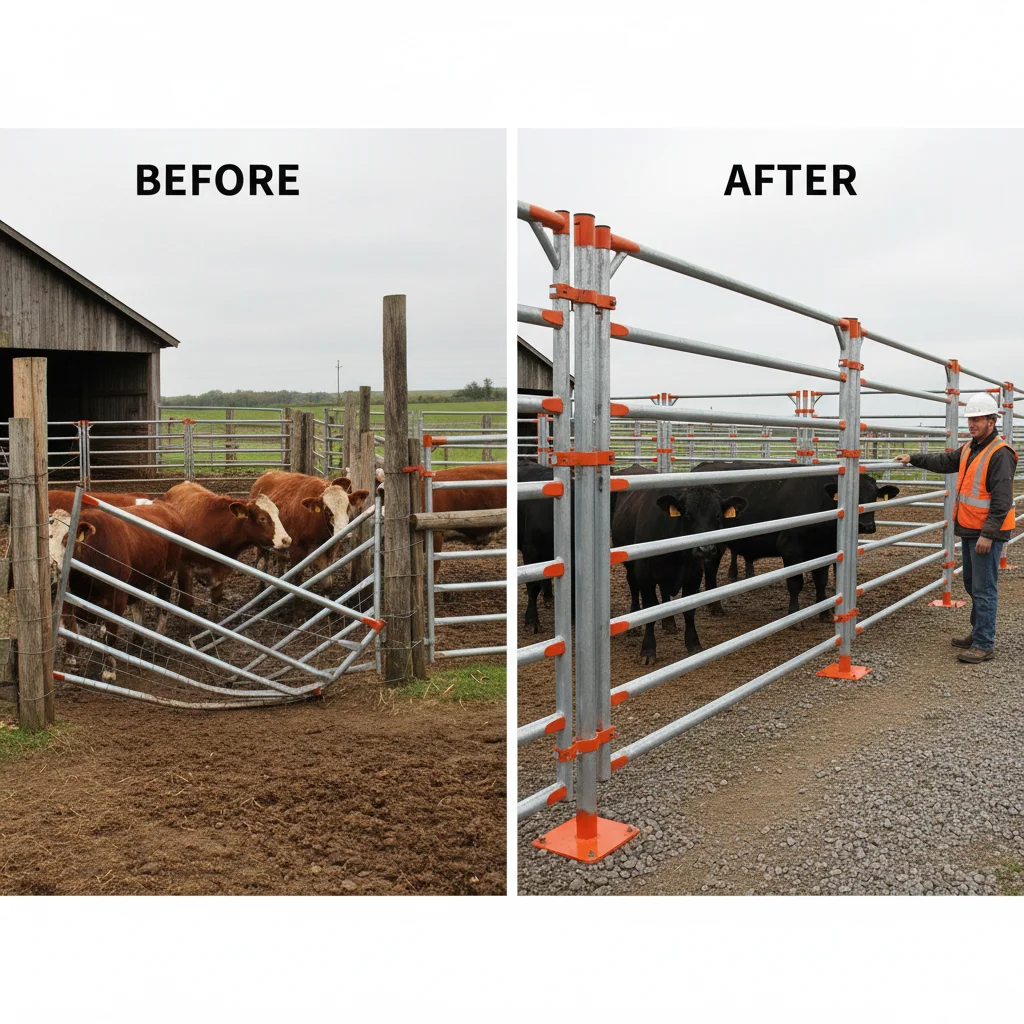
Durable Freestanding Livestock Panels for Efficient Animal Handling In the demanding world of agricultural management, the need for flexible and robust containment solutions has never been more critical. freestanding livestock panels offer a sophisticated answer to the challenges of animal handling, providing a secure yet adaptable barrier that does not require permanent installation or deep grounding. By allowing farmers and ranchers to redefine their spatial layouts in minutes, these panels maximize the efficiency of existing infrastructure while ensuring the safety of both the handlers and the livestock. Read More >26 Apr, 17
-
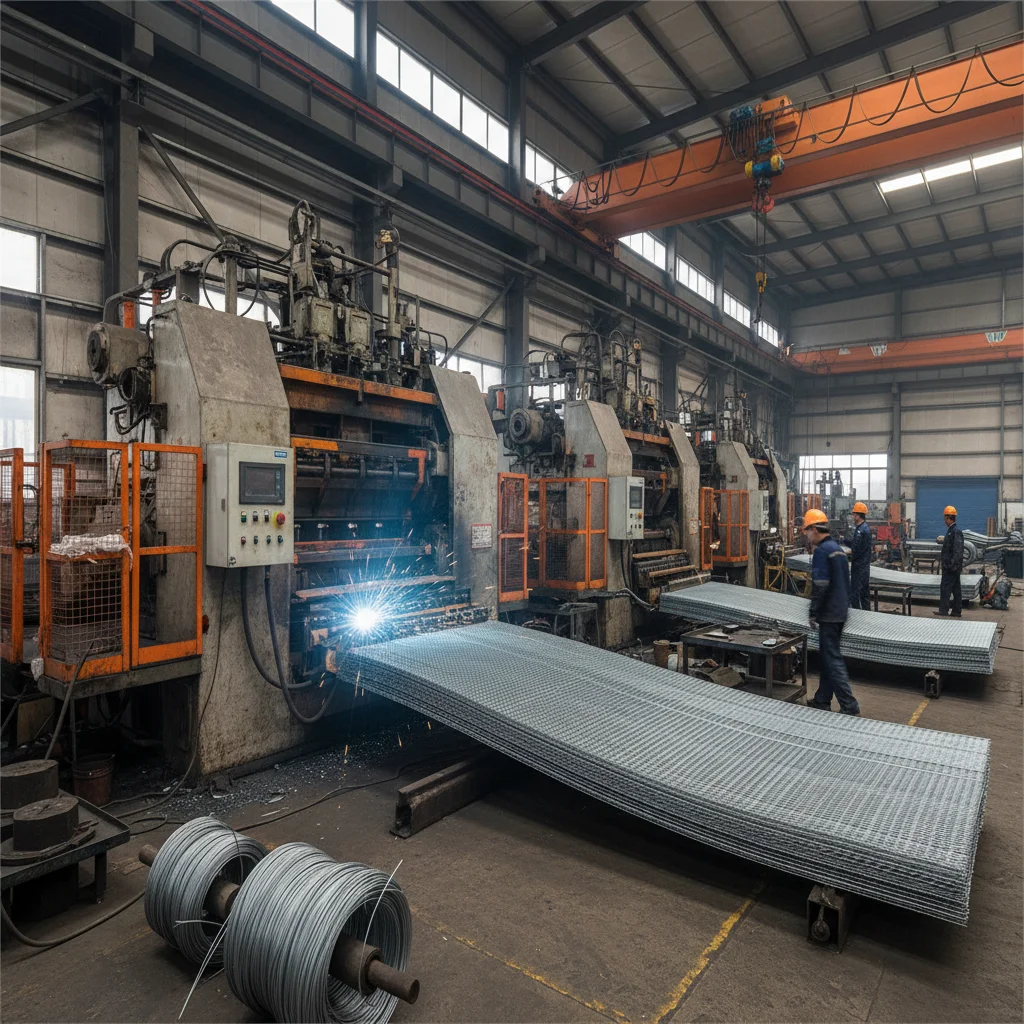
Professional Galvanized Welded Mesh Factory for Industrial Projects Finding a reliable galvanized welded mesh factory is critical for ensuring the structural integrity and longevity of your industrial or agricultural installations. Galvanized welded mesh is prized for its exceptional strength and resistance to corrosion, making it the go-to choice for fencing, animal cages, and construction reinforcement. However, not all factories adhere to the same quality standards. Whether you are sourcing for a large-scale infrastructure project or a specialized commercial application, understanding the manufacturing process and quality benchmarks is key to making a cost-effective investment that lasts for decades. Read More >26 Apr, 16
-
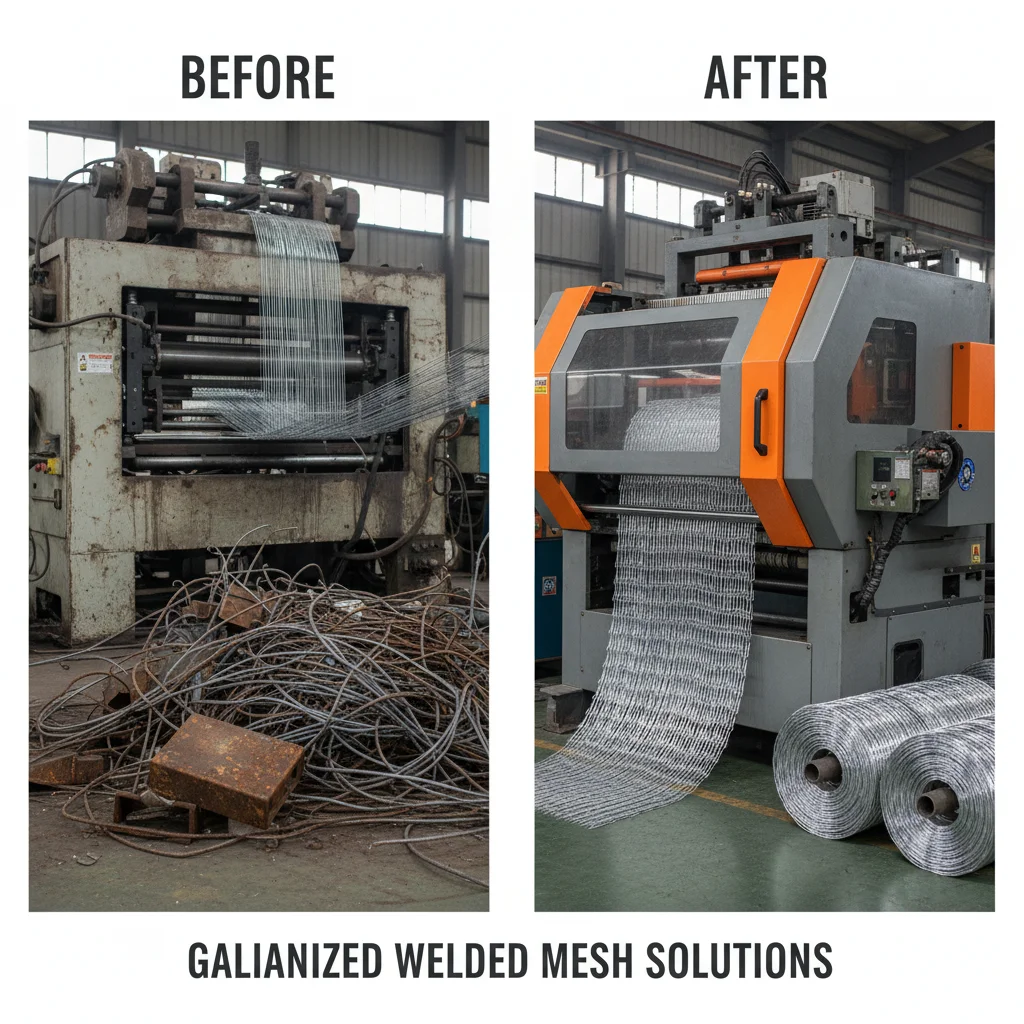
Professional Galvanized Welded Mesh Exporter for Quality Projects Selecting a high-quality fencing or screening solution requires more than just picking a product; it requires partnering with a reliable galvanized welded mesh exporter who understands the balance between structural integrity and corrosion resistance. Whether you are securing an industrial perimeter, building animal enclosures, or implementing architectural reinforcements, the quality of the galvanization process determines the lifespan of your installation. In this guide, we will explore the technical advantages of galvanized welded mesh and how to identify a global supplier that meets international quality standards to ensure your investment stands the test of time. Read More >26 Apr, 09
-
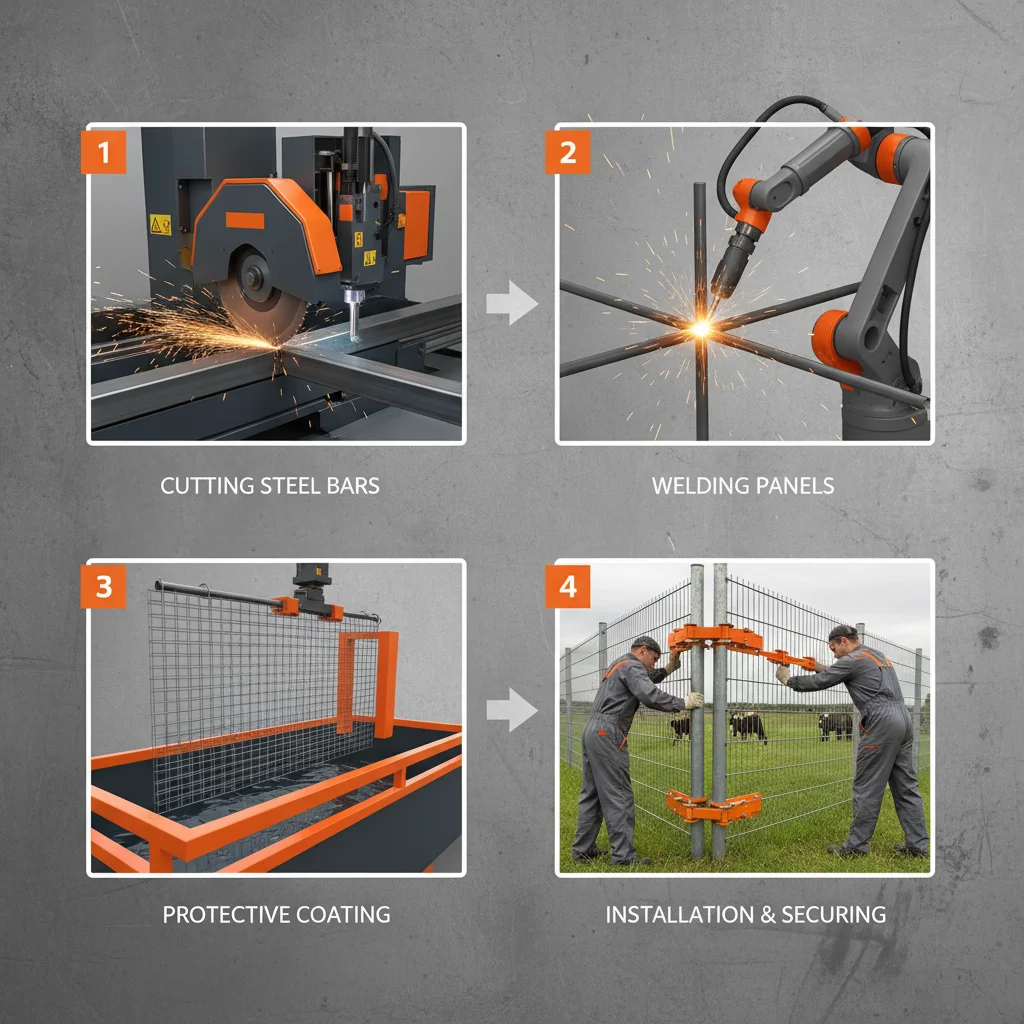
Essential Fencing Panels for Livestock Management and Farm Productivity Fencing panels for livestock are essential components in modern animal husbandry, playing a critical role in efficient farm management, animal welfare, and land utilization. Globally, the demand for robust and reliable fencing solutions is increasing due to the expanding livestock industry and the need to protect grazing lands from encroachment and predation. These panels aren’t simply barriers; they represent a vital investment in a farm's productivity and the health of its animals. Read More >26 Apr, 08
If you are interested in our products, you can choose to leave your information here, and we will be in touch with you shortly.


