


Durable & Sustainable Coated Cattle Panels for Modern Livestock Solutions
29 November 2025
What Are Coated Cattle Panels and Why Do They Matter Globally?
If you've ever been on a farm or passed by a ranch, you might’ve noticed these robust metal grids corralling livestock safely and efficiently. These sturdy structures are known as coated cattle panels. But what makes them stand out? In a world where sustainable farming practices, animal welfare, and infrastructure durability matter more than ever, coated cattle panels have taken on a global significance. Not just for farmhands in rural America or Australia, but in emerging agricultural economies across Africa, Asia, and Latin America. Understanding coated cattle panels means grasping how technology meets tradition — strong fences that improve livestock safety, reduce losses, and even help curb disease transmission. It’s an intersection of agricultural engineering, economics, and animal welfare that’s quietly reshaping farming communities at scale. ---The Global Context: Why Coated Cattle Panels Are More Relevant Than Ever
Livestock contributes nearly 40% of the global agricultural GDP, according to the Food and Agriculture Organization (FAO). With rising demand for animal proteins, farmers worldwide are intensifying production. Yet traditional fencing often falls short—prone to rust, damage, or inefficient design. Here’s where coated cattle panels step in. They provide durability suitable for harsh climates and rough handling — issues that often cause livestock escape or injury. For instance, in sub-Saharan Africa, where pastoral communities depend on reliable enclosures during seasonal migrations, coated panels can make a tangible difference. But more than fences, they symbolize innovation meeting necessity — helping to meet UN Sustainable Development Goals (SDG 2: Zero Hunger, SDG 15: Life on Land), by enhancing livestock management and sustainability. ---Mini Takeaway:
Coated cattle panels are not just farm tools — they’re critical infrastructures supporting global food security and livestock welfare in increasingly challenging environments. ---Defining Coated Cattle Panels: Simple Yet Ingenious
At their simplest, coated cattle panels are heavy-duty, metal wire grids, typically galvanized or PVC-coated to resist corrosion. They consist of vertical and horizontal bars welded or connected firmly to create a strong barrier designed specifically to contain cattle and other livestock. The “coated” part refers either to galvanization (zinc layering) or polymer coatings that extend the panel’s life dramatically, especially outside. This not only prevents rust but makes cleaning and maintenance easier. Modern agricultural needs emphasize easy installation, mobility, and robustness — qualities these panels tick off neatly. They’re more than fences; they’re modular solutions adaptable for everything from daily feeding pens, hospital pens, temporary holding during transport, to long-term fencing. ---Core Aspects of Coated Cattle Panels
Durability and Weather Resistance
The coating — usually PVC or galvanization — is crucial. Without it, steel panels rust quickly, especially in humid, salty, or muddy environments. With coating, these panels last 10+ years outdoors with minimal upkeep. For ranchers in coastal or tropical zones, this is a game-changer.Flexibility and Scalability
Panels usually come in set sizes (e.g., 8 ft x 5 ft or 12 ft x 6 ft), but they interlock, allowing you to create larger pens or customize shapes on the fly. This is ideal for seasonal herding or emergency needs, like post-disaster shelters for livestock.Cost Efficiency
Initial costs might seem higher than wooden fencing, but when you factor in maintenance, repairs, and replacement, coated panels often save money over 5–10 years. They also reduce livestock losses, boosting long-term returns.Safety and Animal Welfare
Panels have smooth coated surfaces and tightly spaced bars to prevent injuries and escape. The rigid structure keeps aggressive animals separated, helping reduce stress and injury rates.Ease of Transport and Installation
Since they’re modular and lightweight relative to solid steel gates, farmers and NGOs can ship and set up panels quickly, making them a favored choice in remote or disaster-prone zones. ---Mini Takeaway:
Durability, flexibility, cost-effectiveness, and safety are the pillars that give coated cattle panels their edge in real-world farming and livestock operations. ---Where in the World Are Coated Cattle Panels Making an Impact?
They’re everywhere, honestly—from the expansive ranches of the US to smallholder farms in Kenya. But here are a few hotspot examples: - Australia’s cattle stations: Facing intense sun and sudden storms, the coated panels stand up where untreated fences often fail. - East Africa: NGOs use these panels extensively in pastoralist communities to protect animals during floods or drought-related relocations. - South America: Large cattle operations in Brazil utilize coated panels to partition grazing areas and improve stock flow. - Post-disaster zones: After wildfires or floods, temporary livestock pens made of coated panels can be deployed rapidly, helping farmers resume operations. ---Product Specification Table
| Specification | Standard Size | Material | Coating Type | Weight (kg) | Typical Use |
|---|---|---|---|---|---|
| Small Panel | 6 ft x 4 ft | Steel Wire | PVC Coating | 12 | Temporary pens, small enclosures |
| Standard Panel | 8 ft x 5 ft | Galvanized Steel | Hot-Dip Galvanized | 18 | Permanent fencing, corrals |
| Heavy Duty | 12 ft x 6 ft | High-Tensile Steel | Powder Coated | 30 | Industrial ranches, transport fencing |
Vendor and Product Comparison
| Vendor | Coating Type | Price per Panel | Warranty | Lead Time | Regional Availability |
|---|---|---|---|---|---|
| Haotian Mesh | PVC Coating / Galvanized | $45–$60 | 5 years | 2-3 weeks | Worldwide |
| FarmTech Industries | Hot-Dip Galvanized | $50–$65 | 3 years | 3-4 weeks | North America, Europe |
| AgroMetal Co. | Powder Coated Steel | $55–$70 | 7 years | 4-6 weeks | Global (focus on South America, Asia) |
Advantages Beyond the Fence Line
Thinking through the value of coated cattle panels, it goes beyond just keeping animals inside. For many farmers, these panels are a trustable “partner” in their daily grind: - Economic Savings: Less damage, less replacement. Over years, this saves hundreds, sometimes thousands. - Sustainability: Longer-lasting panels mean less metal waste and fewer resources used. - Animal Safety: They protect livestock from cuts and bruises common with older fencing solutions. - Operational Efficiency: Quick setup and breakdown help farmers adapt to seasonal or emergency needs swiftly. - Peace of Mind: For those managing hundreds or thousands of head, knowing the fences won’t fail is priceless. ---Emerging Trends & Innovations on the Horizon
Recently, I saw some vendors experimenting with smart coatings — antimicrobial layers that reduce bacteria buildup, or even solar-powered fence sensors that monitor fence integrity remotely. Kind of sci-fi, but real. Sustainability trends push for recycled steel and biodegradable coatings. Plus, blockchain-integrated supply chains ensure provenance, which in regulated markets adds huge value. Digital twins and automated fencing farms might sound far-fetched, but remotely monitoring and even remotely controlling livestock enclosures is gaining traction — all built upon sturdy foundations like coated cattle panels. ---Challenges Farmers Face with Coated Cattle Panels (And How to Solve Them)
No product is perfect. Current challenges include: - Initial cost perceptions make some hesitate, especially in low-income countries. - Damage from wildlife or heavy machinery can still occur if not installed properly. - Limited local availability in remote areas can delay projects. Solutions? Training local installers, modular shipment strategies, and educating farmers about long-term savings help immensely—plus partnerships with NGOs to bring panels to less served areas. ---FAQ: Common Questions About Coated Cattle Panels
- Q: How long do coated cattle panels typically last?
- A: Properly coated panels, like galvanized or PVC-coated, last 10+ years outdoors. Factors like climate and maintenance affect longevity.
- Q: Are coated cattle panels easy to relocate for seasonal farming?
- A: Yes. Their modular design and manageable weight make setup and relocation straightforward, even with minimal tools.
- Q: Can these panels prevent disease spread among cattle?
- A: Indirectly. They keep animals separated reliably, reducing close contact and thus limiting some disease transmission risks.
- Q: Is buying coated cattle panels a good investment for small-scale farmers?
- A: Absolutely. Though the upfront price is higher than wood or basic wire, the durability and reduced labor costs add up to savings.
- Q: How can I order coated cattle panels internationally?
- A: Many vendors like Haotian Mesh offer global shipments and can assist with customs paperwork and logistics.
Wrapping Up: Why Coated Cattle Panels Are a Smart Choice for the Future
At the end of the day, coated cattle panels represent more than a fence. They’re a durable, efficient, and humane solution addressing agricultural challenges worldwide. The mix of sustainability, flexibility, and cost-effectiveness makes them a cornerstone for modern livestock management. If you want to dive deeper into the practical specs or explore sourcing options, don’t hesitate to visit our website https://www.haotianmesh.com. Because when your fences work well, everything else on the farm tends to flow a bit smoother. ---References
-
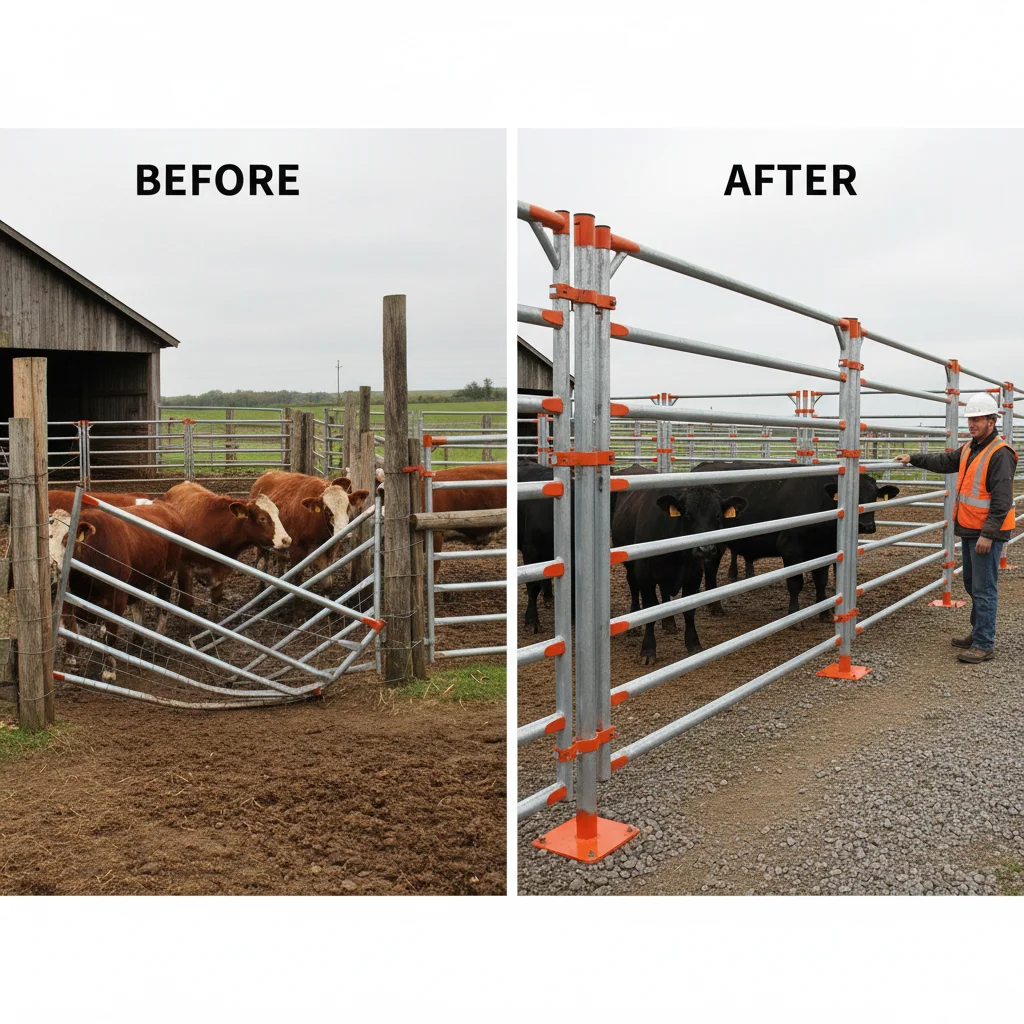
Durable Freestanding Livestock Panels for Efficient Animal Handling In the demanding world of agricultural management, the need for flexible and robust containment solutions has never been more critical. freestanding livestock panels offer a sophisticated answer to the challenges of animal handling, providing a secure yet adaptable barrier that does not require permanent installation or deep grounding. By allowing farmers and ranchers to redefine their spatial layouts in minutes, these panels maximize the efficiency of existing infrastructure while ensuring the safety of both the handlers and the livestock. Read More >26 Apr, 17
-
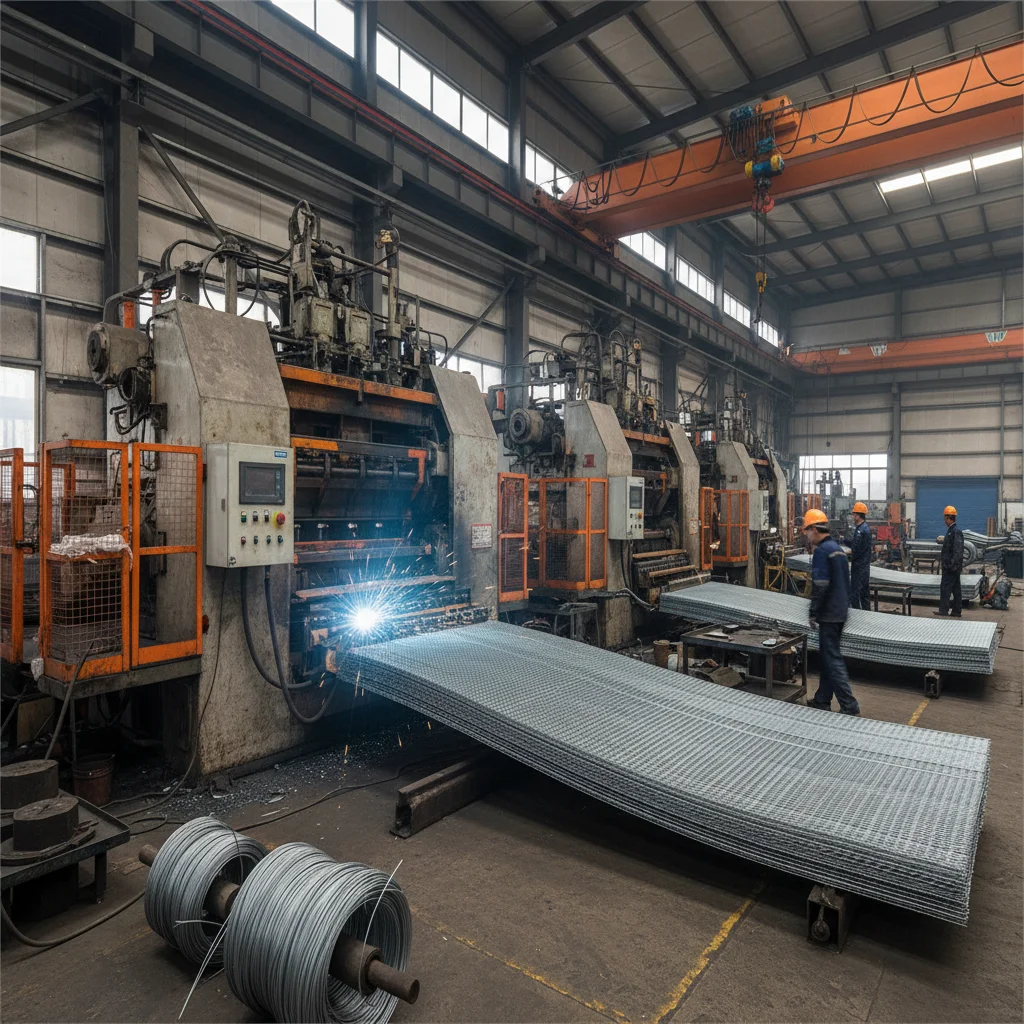
Professional Galvanized Welded Mesh Factory for Industrial Projects Finding a reliable galvanized welded mesh factory is critical for ensuring the structural integrity and longevity of your industrial or agricultural installations. Galvanized welded mesh is prized for its exceptional strength and resistance to corrosion, making it the go-to choice for fencing, animal cages, and construction reinforcement. However, not all factories adhere to the same quality standards. Whether you are sourcing for a large-scale infrastructure project or a specialized commercial application, understanding the manufacturing process and quality benchmarks is key to making a cost-effective investment that lasts for decades. Read More >26 Apr, 16
-
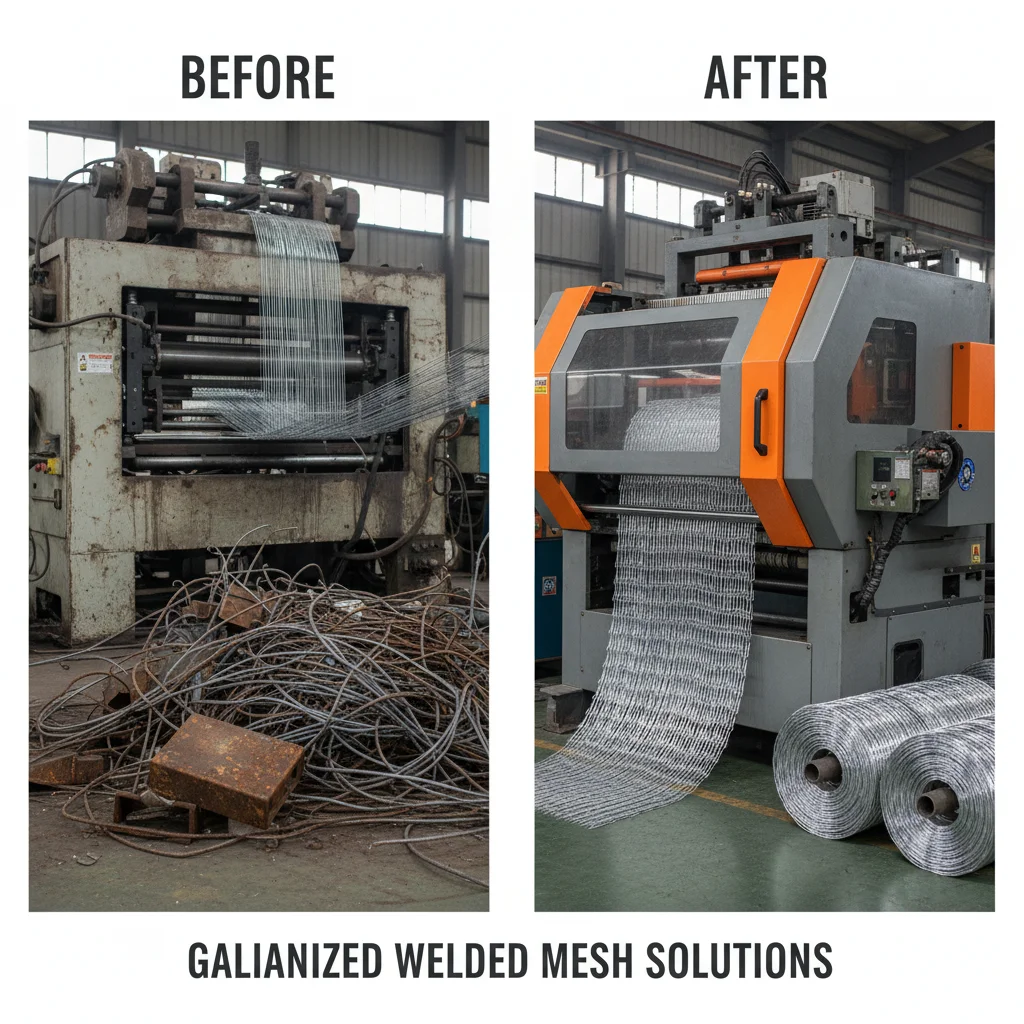
Professional Galvanized Welded Mesh Exporter for Quality Projects Selecting a high-quality fencing or screening solution requires more than just picking a product; it requires partnering with a reliable galvanized welded mesh exporter who understands the balance between structural integrity and corrosion resistance. Whether you are securing an industrial perimeter, building animal enclosures, or implementing architectural reinforcements, the quality of the galvanization process determines the lifespan of your installation. In this guide, we will explore the technical advantages of galvanized welded mesh and how to identify a global supplier that meets international quality standards to ensure your investment stands the test of time. Read More >26 Apr, 09
-
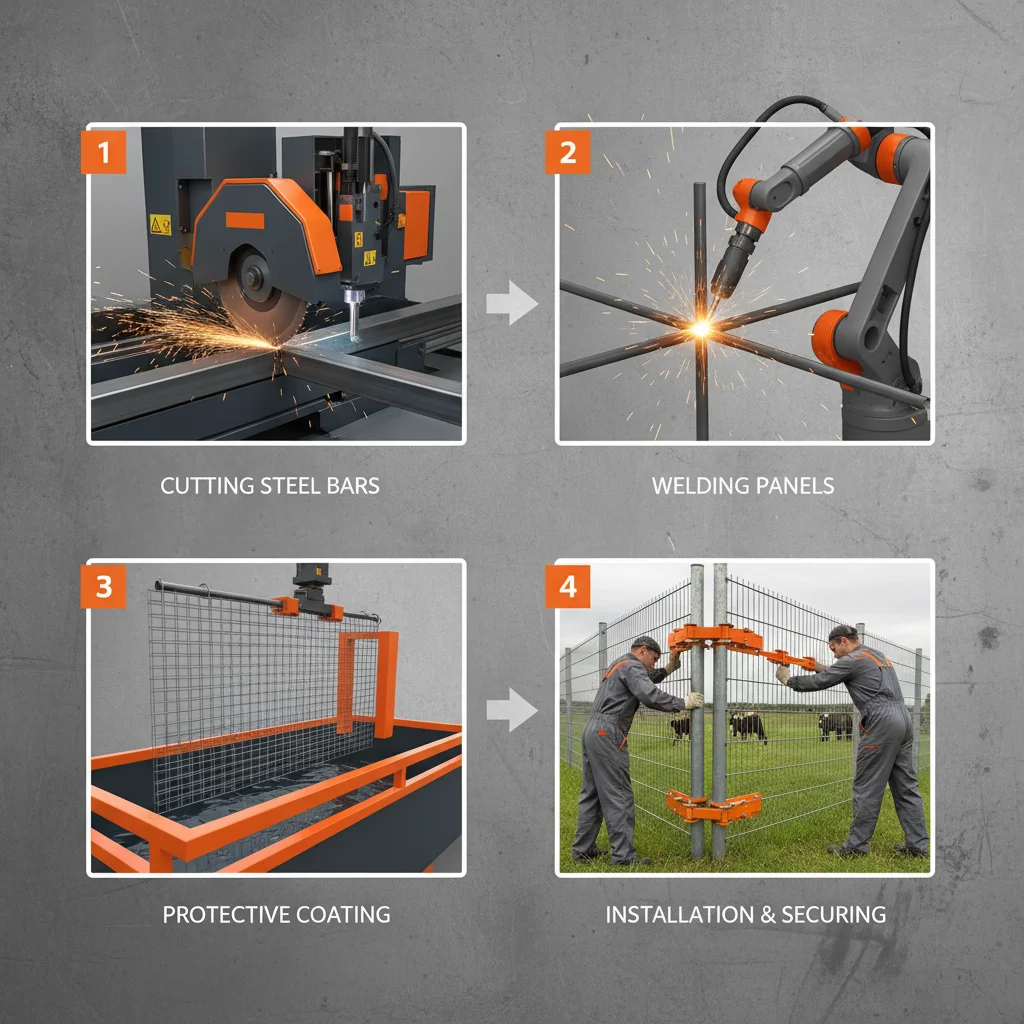
Essential Fencing Panels for Livestock Management and Farm Productivity Fencing panels for livestock are essential components in modern animal husbandry, playing a critical role in efficient farm management, animal welfare, and land utilization. Globally, the demand for robust and reliable fencing solutions is increasing due to the expanding livestock industry and the need to protect grazing lands from encroachment and predation. These panels aren’t simply barriers; they represent a vital investment in a farm's productivity and the health of its animals. Read More >26 Apr, 08
If you are interested in our products, you can choose to leave your information here, and we will be in touch with you shortly.


