


Exploring the Practical Uses and Global Impact of Cattle Panels Used
Understanding Cattle Panels Used: Why They Matter More Than You Might Think
If you’re at all involved in agriculture, construction, or even humanitarian aid, you’ve probably come across cattle panels used in various projects. These seemingly simple steel grids have a far bigger role on the global stage than their humble origin suggests. Think about the billions of livestock worldwide — they need secure, reliable fencing solutions. But beyond that, these panels are now popping up in disaster relief, construction sites, and even urban landscaping. Grasping what cattle panels can do is like discovering a Swiss Army knife in your toolbox — multipurpose, durable, and surprisingly cost-effective.
The Big Picture: Why Are Cattle Panels Used Globally?
Globally, livestock farming supports nearly 1.3 billion people according to the FAO. As the demand for meat, dairy, and leather rises, so does the need for secure animal containment. Cattle panels provide solutions that are both scalable and efficient, allowing farmers to manage herds without cumbersome construction efforts.
Moreover, international agencies like the UN and World Bank recognize that post-disaster relief often requires quick, reliable fencing to keep livestock safe and restore livelihoods. For example, after natural disasters in rural Africa or Asia, NGOs rely on portable cattle panels to set up temporary enclosures within days. This is crucial because protecting assets like animals translates directly into food security.
Ironically, one pressing challenge cattle panels address is fencing in areas where traditional materials (wood, stone) are scarce or expensive. Steel panels can be transported, reused, and customized—it’s a kind of logistical and financial silver bullet.
Mini takeaway: Understanding cattle panels is stepping into the heart of a globally intertwined system of food production, disaster resilience, and sustainable farming.
What Exactly Are Cattle Panels Used?
At its core, a cattle panel is a pre-fabricated steel fencing panel. Usually, it's made of galvanized steel wire rods welded together to form a rigid grid — often 4 to 6 feet high and 16 feet long. These panels are designed to be strong enough to contain large animals, resist weather, and be easy to install.
But they’re not just for traditional farms anymore. The panels find applications in innovative construction methods, outdoor event barriers, and even temporary fencing for industrial sites.
In humanitarian contexts, cattle panels are an affordable, practical component of what’s sometimes called “fast deployment infrastructure.” They help create secure zones for livestock quickly, which is critical for restoring communities.
Key Factors When Considering Cattle Panels Used
1. Durability and Materials
The first thing to check is the panel’s material and coating. Most cattle panels are galvanized to prevent rust — especially important in humid or flood-prone regions. Some vendors even offer powder-coated panels for enhanced corrosion resistance.
2. Scalability and Size Options
Cattle panels come in various sizes, but 16-feet long panels are pretty standard. This size balances transport ease with the ability to fence large areas quickly. Because of their modular design, you can link several panels together — scaling up for a small backyard pen or a sprawling ranch.
3. Cost Efficiency
Compared to traditional fencing methods — like wooden post and plank systems — cattle panels can be surprisingly cost-effective. The upfront expense is higher, sure, but they outlast many alternatives and need less maintenance. In the long run, many farmers find the ROI compelling.
4. Ease of Installation
This is where cattle panels shine. Often, just a couple of people can erect a panel fence within minutes, with very minimal tools. No heavy machinery, no excavation — just posts and clamps. That quick deployment is a must for emergency situations.
5. Adaptability and Multipurpose Use
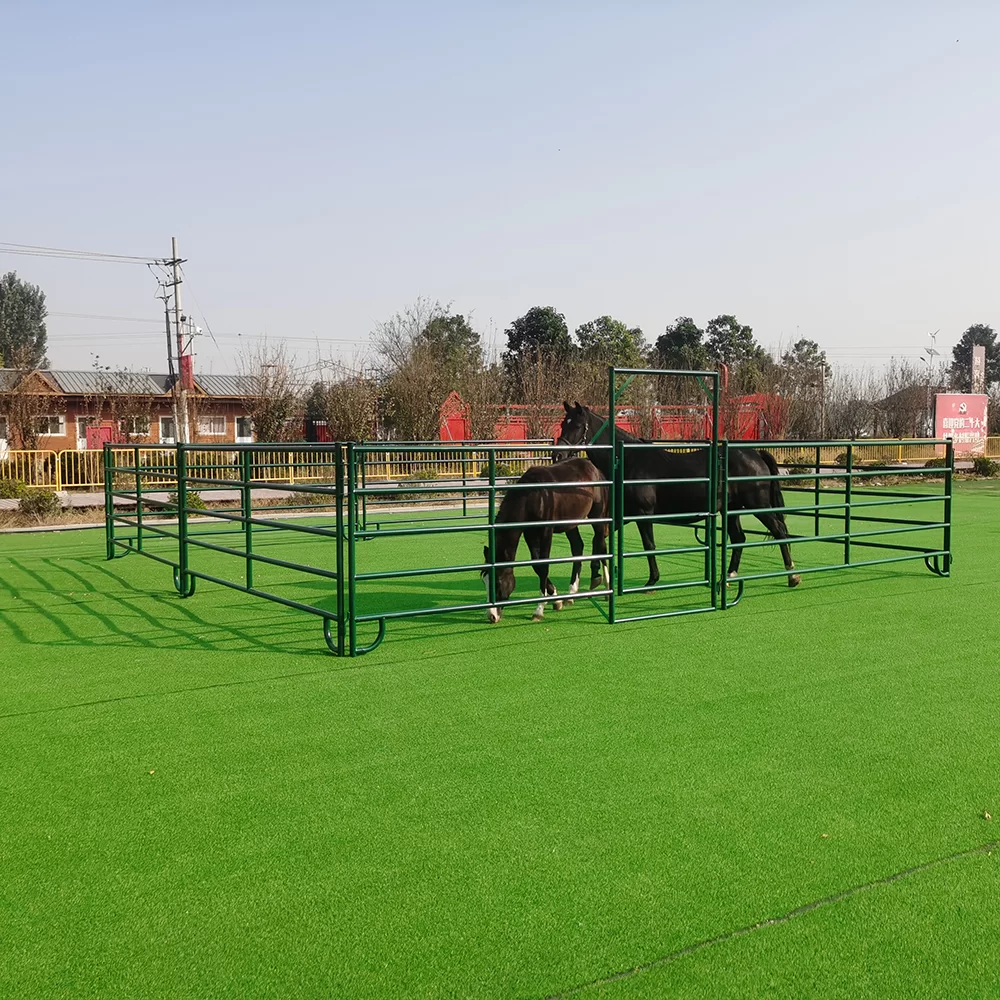
While designed for cattle, these panels also contain horses, sheep, goats, and even serve unusual roles like garden fencing or temporary staging areas during festivals. Their adaptability is a reason why industries beyond agriculture keep adopting them.
How Cattle Panels Are Used Around the World
From the ranches of Texas to pastoral lands in Kenya, cattle panels form the backbone of animal management. In North America, they’re a farmer’s go-to solution for subdividing pastures or creating temporary corrals for sorting animals.
Jump to Southeast Asia and you’ll find NGOs installing cattle panels to rebuild community resilience after typhoons. The quick setup helps locals keep their livestock safe and out of floodwaters.
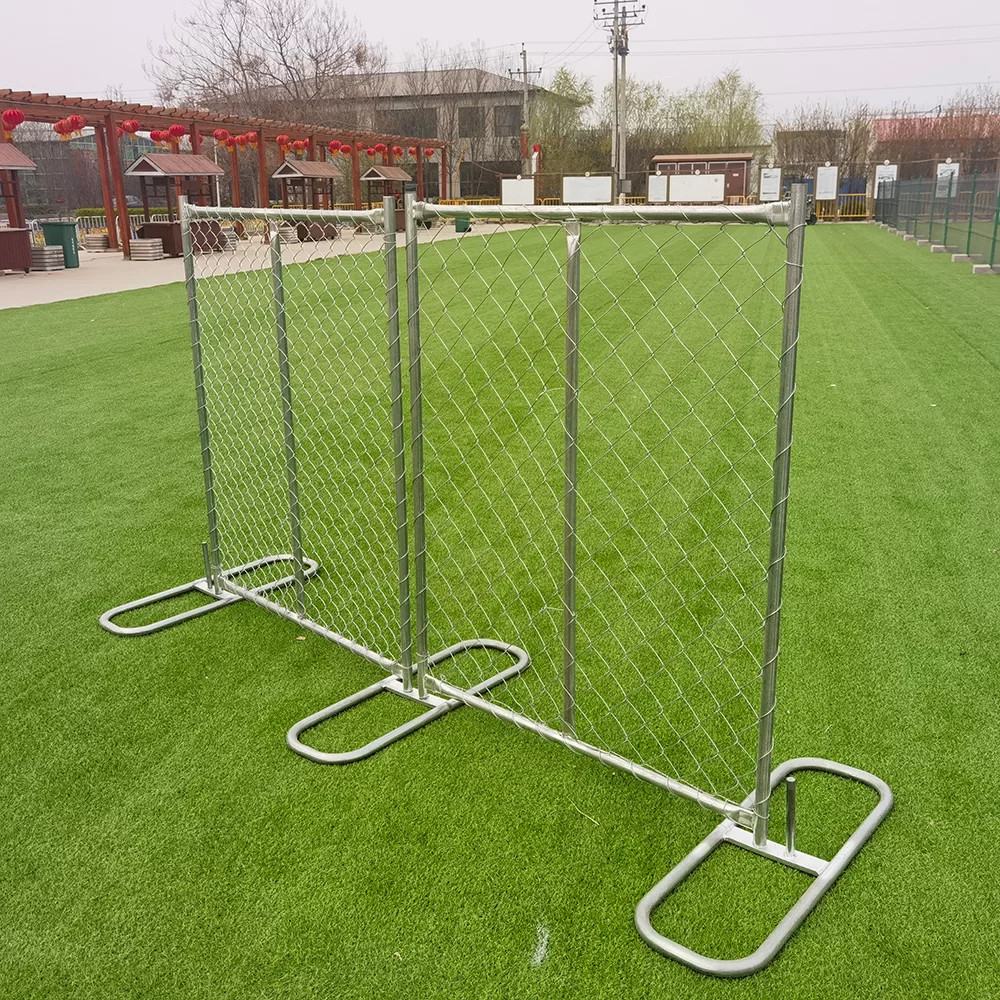
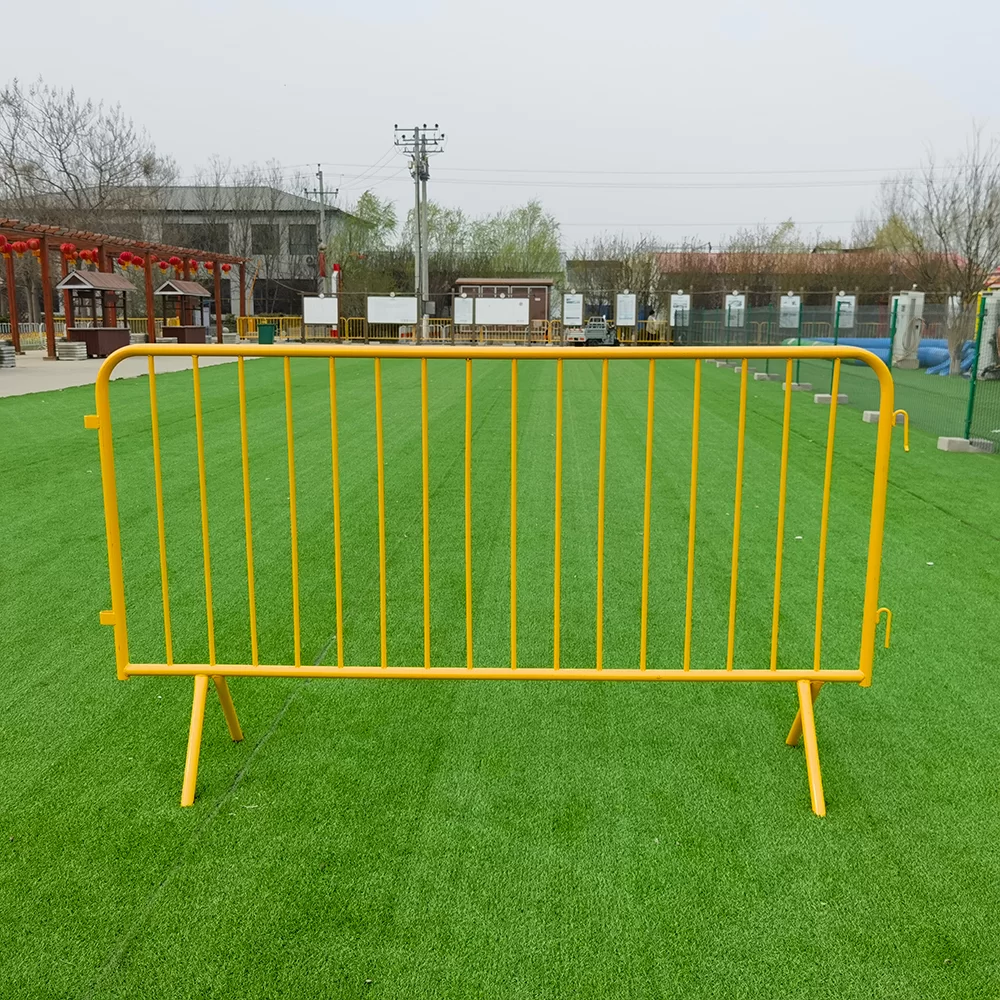
In industrial zones, I’ve noticed panels often double as crowd control barriers during large events — their sturdy construction and modularity make them ideal for temporary needs.
| Specification | Typical Value | Notes |
|---|---|---|
| Material | Galvanized Steel Wire | Rust-resistant coating |
| Dimensions | 16 ft (L) x 5 ft (H) | Standard panel size |
| Wire Gauge | 12.5 - 14 gauge | Balance of strength and weight |
| Weight | 45-60 lbs | Varies by size and gauge |
| Finish Types | Galvanized / Powder Coated | Depends on vendor & usage |
Mini takeaway: Cattle panels have evolved beyond farm fences to become universal solutions for containment, safety, and rapid deployment.
Advantages & The Long Haul Value of Cattle Panels
- Cost savings: Lower long-term maintenance, longer lifespan.
- Reliability: Solid construction keeps animals secure and safe.
- Sustainability: Reusable and recyclable materials reduce environmental footprint.
- Social impact: Supports food security and helps communities recover faster after crises.
- Emotional reassurance: Knowing your livestock are safe means peace of mind.
Many farmers I spoke with mentioned how cattle panels “feel like insurance” — that quiet, dependable kind. They inspire trust because, frankly, when you lose even one head of livestock, it stings financially and emotionally.
Looking Ahead: What’s Next for Cattle Panels?
Technology is starting to touch cattle panels in unexpected ways. Think lighter but stronger composite materials, or smart fencing equipped with sensors for monitoring animal movement remotely.
Environmental policies push manufacturers toward greener production methods — less energy-intensive galvanizing, or biodegradable packaging. Automation in installation, through modular clamps and quick-lock systems, is also becoming a thing.
And oddly enough, digital marketplaces are making it easier for farmers worldwide to find and order panels directly—faster distribution means faster project completion.
Challenges and How Innovators Are Tackling Them
Of course, cattle panels aren’t perfect. Transporting long steel sections can be tricky in remote areas. Also, if improperly installed, they risk animals escaping or getting hurt. Sometimes corrosion takes hold in extreme climates despite galvanizing.
Experts recommend using localized supplier networks to ease transport issues. Training local teams on installation best practices cuts downtime and damage. Vendors now offer enhanced coatings and even hybrid materials to address weathering.
And here’s a bit of a secret: pairing cattle panels with electric fencing or alarm systems can multiply security without significantly increasing costs.
Vendor Comparison: Finding the Best Cattle Panels Used
| Vendor | Material Quality | Customization | Pricing | Delivery Speed |
|---|---|---|---|---|
| Haotian Mesh | Premium galvanized steel | Highly flexible sizes | Competitive | Fast, reliable |
| FarmSteel Co. | Standard quality | Limited options | Affordable | Moderate |
| RanchPro Supplies | Galvanized with powder coat | Customization on request | Higher price | Fast |
FAQ: Practical Questions About Cattle Panels Used
- Q: How long do cattle panels typically last outdoors?
- A: With proper galvanizing and occasional maintenance, high-quality cattle panels can last 15-20 years. Environmental factors like humidity and soil acidity play a role, so choosing the right coating is key.
- Q: Are cattle panels difficult to install for a small farm?
- A: Not at all. Many farmers install panels using just stakes and clamps without heavy equipment. Two people can set up a standard panel in under 15 minutes.
- Q: Can cattle panels be reused if I need to relocate my fencing?
- A: Absolutely. Their modular design makes disassembly and moving easy. Just be sure to check for damage during transport.
- Q: Are there eco-friendly options for cattle panels?
- A: Some suppliers now offer panels with powder coatings that reduce harmful runoff, or manufacture from recycled steel. Always double-check certifications.
- Q: Where can I find reliable suppliers of cattle panels used worldwide?
- A: Trusted manufacturers like Haotian Mesh offer international shipping with quality guarantees and flexible customization.
Summing It Up & Next Steps
At the end of the day, cattle panels are much more than metal grids. They represent a blend of strength, flexibility, and practical innovation that benefits farmers, emergency responders, and industries worldwide. Investing in quality panels pays dividends through safety, ease of use, and lasting durability.
Curious to elevate your fencing game or secure your livestock effortlessly? Visit Haotian Mesh — the go-to source for premium cattle panels used globally with tailored solutions.
It's funny how sometimes the simplest tools have the biggest impact. Who knew cattle panels would be one of those?
References
-
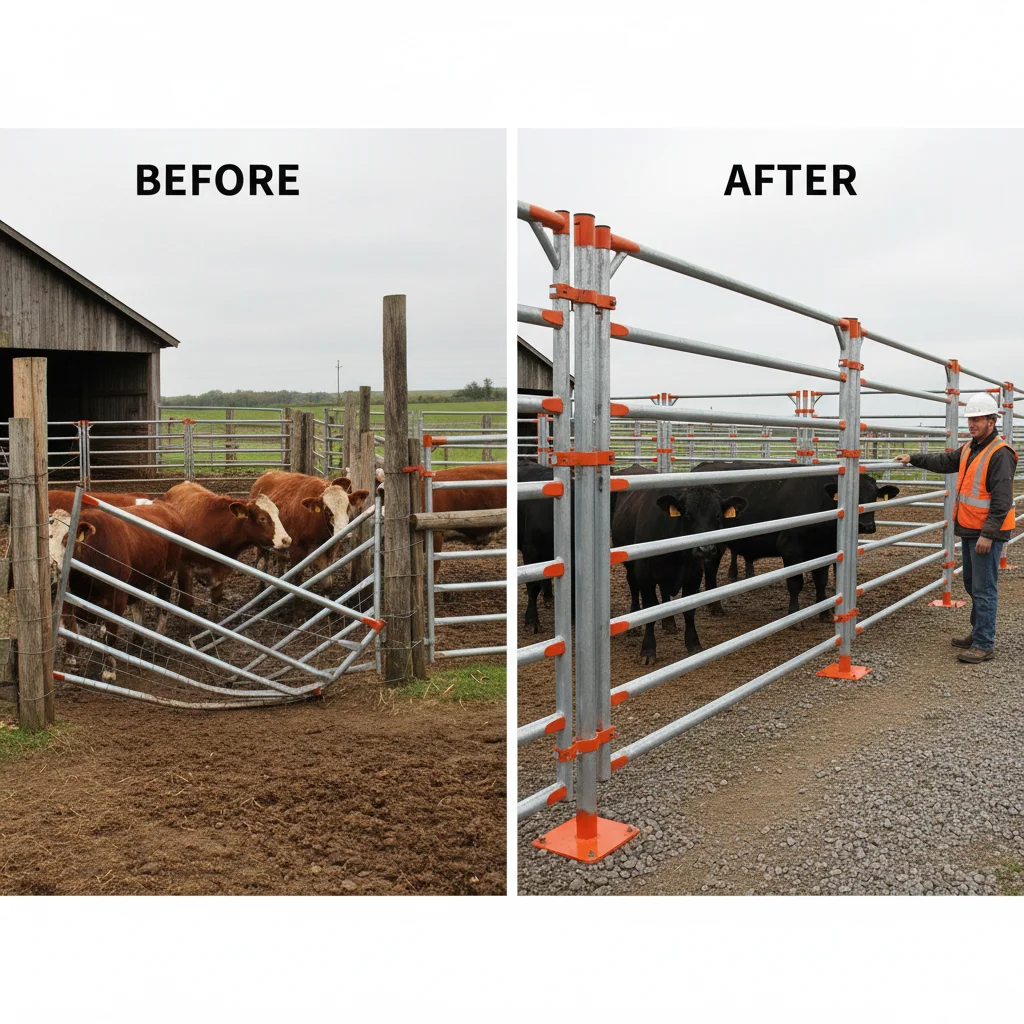
Durable Freestanding Livestock Panels for Efficient Animal Handling In the demanding world of agricultural management, the need for flexible and robust containment solutions has never been more critical. freestanding livestock panels offer a sophisticated answer to the challenges of animal handling, providing a secure yet adaptable barrier that does not require permanent installation or deep grounding. By allowing farmers and ranchers to redefine their spatial layouts in minutes, these panels maximize the efficiency of existing infrastructure while ensuring the safety of both the handlers and the livestock. Read More >26 Apr, 17
-
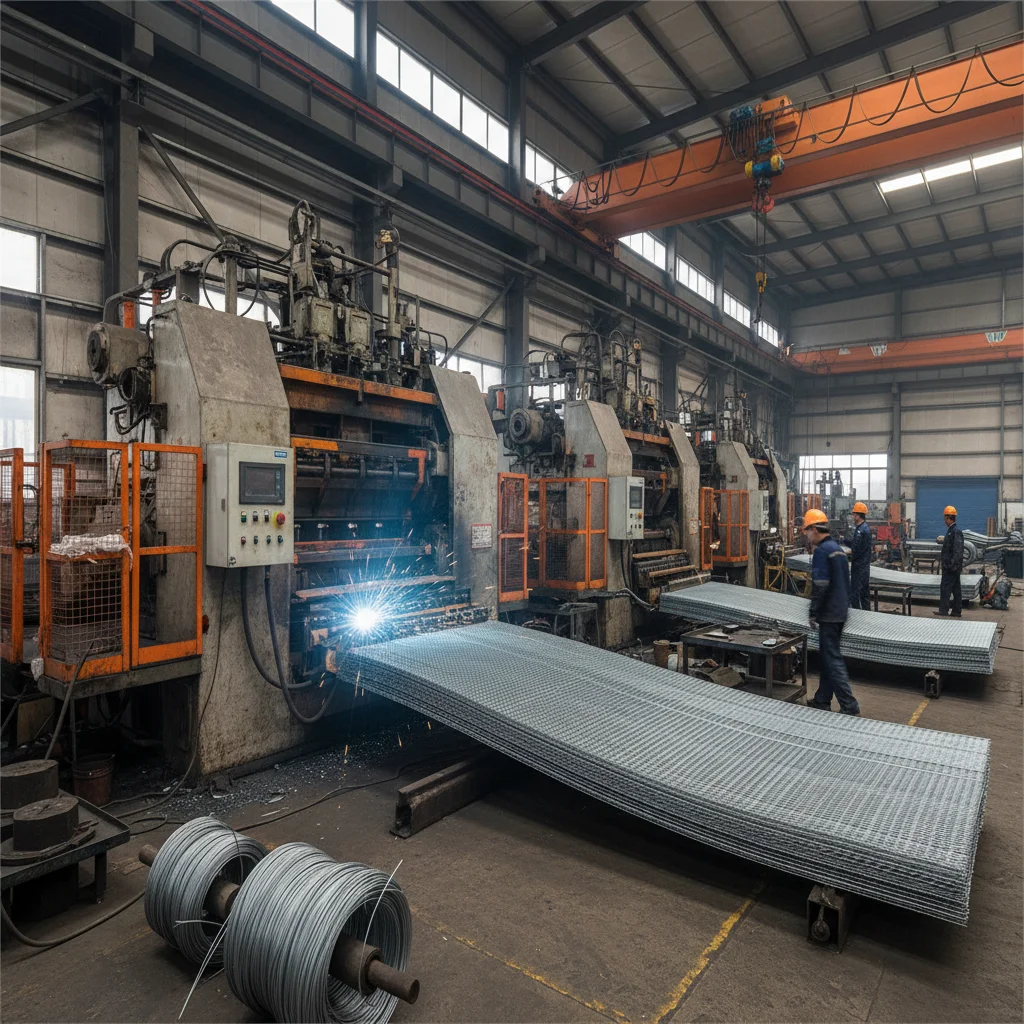
Professional Galvanized Welded Mesh Factory for Industrial Projects Finding a reliable galvanized welded mesh factory is critical for ensuring the structural integrity and longevity of your industrial or agricultural installations. Galvanized welded mesh is prized for its exceptional strength and resistance to corrosion, making it the go-to choice for fencing, animal cages, and construction reinforcement. However, not all factories adhere to the same quality standards. Whether you are sourcing for a large-scale infrastructure project or a specialized commercial application, understanding the manufacturing process and quality benchmarks is key to making a cost-effective investment that lasts for decades. Read More >26 Apr, 16
-
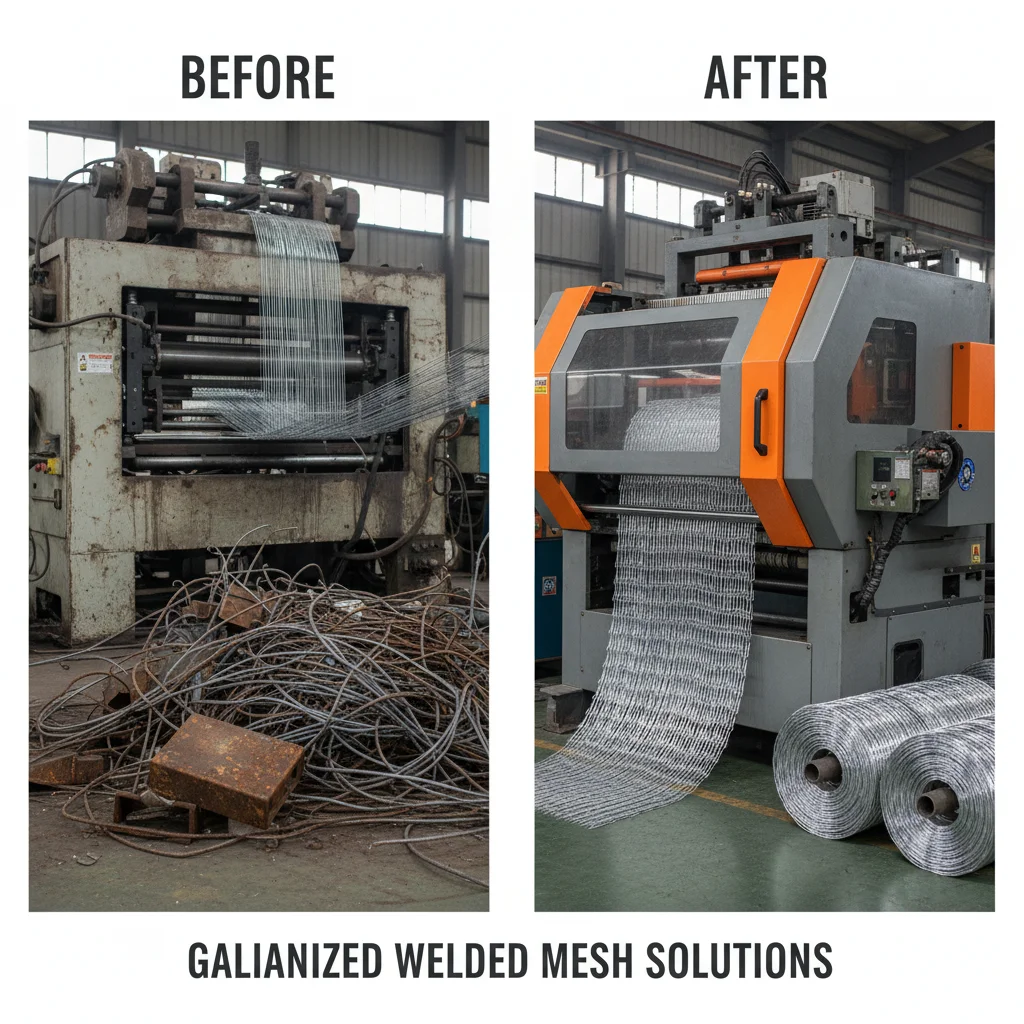
Professional Galvanized Welded Mesh Exporter for Quality Projects Selecting a high-quality fencing or screening solution requires more than just picking a product; it requires partnering with a reliable galvanized welded mesh exporter who understands the balance between structural integrity and corrosion resistance. Whether you are securing an industrial perimeter, building animal enclosures, or implementing architectural reinforcements, the quality of the galvanization process determines the lifespan of your installation. In this guide, we will explore the technical advantages of galvanized welded mesh and how to identify a global supplier that meets international quality standards to ensure your investment stands the test of time. Read More >26 Apr, 09
-
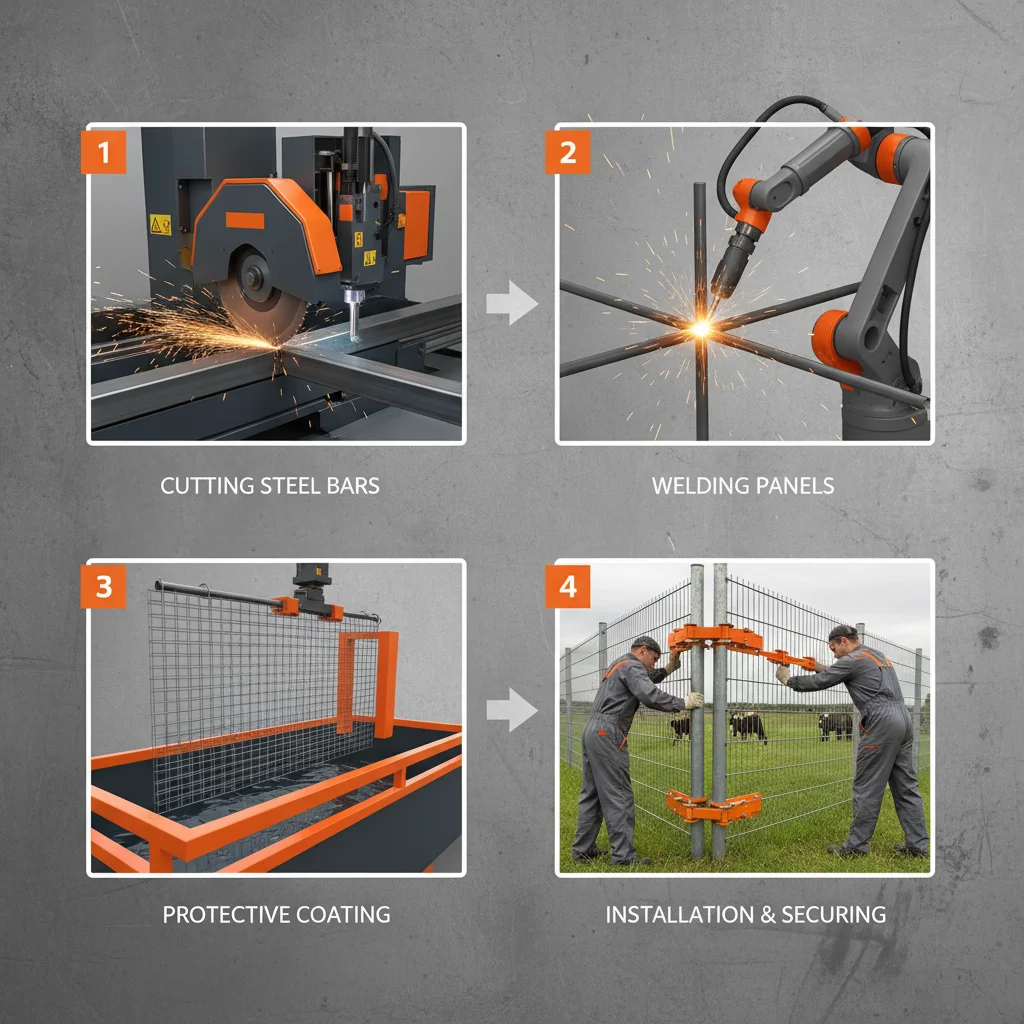
Essential Fencing Panels for Livestock Management and Farm Productivity Fencing panels for livestock are essential components in modern animal husbandry, playing a critical role in efficient farm management, animal welfare, and land utilization. Globally, the demand for robust and reliable fencing solutions is increasing due to the expanding livestock industry and the need to protect grazing lands from encroachment and predation. These panels aren’t simply barriers; they represent a vital investment in a farm's productivity and the health of its animals. Read More >26 Apr, 08
If you are interested in our products, you can choose to leave your information here, and we will be in touch with you shortly.


