


Durable and Versatile Cattle Combo Panels for Modern Livestock Management
Understanding Cattle Combo Panels: Why They Matter Globally
At first glance, cattle combo panels might seem like just another agricultural accessory, but their impact spreads far beyond barnyards and ranches. Globally, as livestock farming evolves, securing and managing cattle safely and efficiently becomes crucial to food security, rural economies, and even environmental stewardship. These panels provide an essential foundation for how farmers and large-scale ranchers handle livestock—with benefits like improved animal welfare, reduced labor, and better land management. In today’s world, where sustainable agriculture and livestock welfare are more than buzzwords, understanding and selecting the right cattle combo panels is a smart move.
For those unfamiliar, the ‘combo’ in cattle combo panels literally refers to their dual-purpose design, combining fencing and gating functions into one flexible modular system. This hybrid makes them popular wherever cattle handling must be safe, straightforward, and sometimes temporary.
Global Context: How Cattle Combo Panels Fit Into Industry Challenges
Worldwide, livestock accounts for 40% of agricultural gross domestic product according to the UN’s Food and Agriculture Organization (FAO). Yet, controlling herd movements safely is a constant challenge—cattle escapes, injuries, disease transmission risks, and excessive labor costs hamper productivity. Additionally, in areas prone to drought or changing climates, movable fencing solutions like cattle combo panels help farmers adapt swiftly.
Even in industrialized countries such as the United States, Brazil, and Australia, ranchers face daily hurdles in managing large herds efficiently and humanely. For emerging economies, where livestock supports livelihoods and food security more directly, cost-effective solutions that can be deployed quickly and withstand rough terrain are essential. So, the simple panel actually addresses a cluster of problems: durability under intense use, scalable deployment across different terrains, and smooth integration with existing infrastructure.
Put simply: cattle combo panels tackle the dual headaches of safety and cost-efficiency while supporting positive welfare outcomes in a diverse set of environments worldwide.
What Exactly Are Cattle Combo Panels?
Let’s break it down. A cattle combo panel is a modular livestock fencing product designed to combine gate functionalities with standard panel fencing. Unlike plain sections of fence, combo panels usually include hinged gates or are reinforced with sturdier frameworks to make handling animals easier. Often made of galvanized steel or other sturdy metals, these panels are crafted for quick assembly and disassembly without specialized tools.
They’re widely used in corrals, chutes, loading ramps, and temporary pens. The “combo” factor means each panel can serve as fence and pen gate alike—clearly a win for anyone needing versatile, scalable livestock management.
This hybrid approach links closely to modern livestock farming demands: flexibility, reliability, and reduced stress on animals and handlers alike. Plus, their adoption is rising in sectors like humanitarian relief, where makeshift livestock enclosures may be needed fast and sturdy, for displaced communities dependent on livestock for survival.
Core Components Driving Their Popularity
1. Durability and Material Quality
Most cattle combo panels are constructed from high-grade galvanized steel or powder-coated metals. This ensures resistance to rust, weather extremes, and the constant pressure of cattle pushing or rubbing. I’ve noticed many ranchers swear by powder-coating for added protection, especially in humid or coastal zones. The longevity here isn’t just a feature, it’s an investment in years of problem-free performance.
2. Modular Design and Scalability
One panel often sparks an entire pen system. They interlock, allowing farmers to tailor enclosures to herd size or specific jobs. Scalability means you’re never locked in—you can expand or downsize on the fly, or relocate panels quickly when needs change. Think of this modularity like Lego blocks for ranchers; you can get creative, practical, or very precise.
3. Safety and Animal Welfare
The smooth rounded rails and carefully calculated gaps lower injury risks for the animals while handling. Fencing too rigid or sharp-edged can cause bruises, bruised cattle reduce value, so this is more than just kindness—it’s sound business. Plus, panels facilitate trickle flow during sorting or loading, minimizing stress and chaotic movement.
4. Cost Efficiency Over Time
While upfront costs may seem significant, farmers and facility managers quickly appreciate long-term savings. Less time lost to repairs, less labor waiting on assembly, and gradual replacements instead of full rebuilds add up. In turn, this relieves budget pressure especially in areas with fluctuating agricultural income or limited resources.
5. Ease of Transport and Setup
Many cattle combo panels pack down compactly and are designed for tool-free connection systems. This portability is vital in disaster zones or nomadic farming systems where animals need to be moved swiftly to fresh grazing land or secure enclosures in emergencies.
Real-World Applications Around the Globe
Industries from ranching in Australia’s sprawling Outback to pastoralists in East Africa’s savannahs rely heavily on these panels. In the U.S., feedlots and livestock fairs turn to combo panels for their speed and reliability. Relief agencies in drought-hit regions have also distributed modular panels to help displaced farmers maintain livestock health and productivity.
In my chats with ranch managers, many recall how shifting to combo panels resolved bottlenecks during peak seasons—faster rounds, smoother auctions, and safer loading. Cropping farms that integrated livestock rotations saw benefits in pasture management thanks to combo panel portability.
For more localized insights, you might want to explore cattle combo panels solutions tailored for specific climates and herd sizes.
Advantages and Why They’re a Long-Term Investment
- Cost Savings: Durable construction reduces replacements and costly breakdowns.
- Enhanced Animal Welfare: Safer enclosures promote health and productivity.
- Sustainability: Modular designs reduce waste versus single-use fencing.
- Labor Efficiency: Faster setup frees up valuable time for farmers and ranch workers.
- Flexibility: Adaptable to varied terrains and climates with minimal hassle.
In a nutshell: owning a good set of cattle combo panels is like having a trusted sidekick in the field—dependable, easygoing, and always ready. It’s no wonder industry experts consistently rank them among top investments for livestock infrastructure.
Product Specifications: A Snapshot
| Feature | Typical Value | Notes |
|---|---|---|
| Material | Galvanized Steel / Powder-Coated Steel | For rust and weather resistance |
| Height | 5 to 6 feet (approx. 1.5–1.8 m) | Comfortable for large cattle species |
| Width | 8 to 12 feet (approx. 2.4–3.6 m) | Varies for gates or solid panels |
| Weight | 40–65 kg per panel | Depends on size and metal thickness |
| Connection Style | Pin and clip / Bolt fasteners | Tool-free options available |
| Accessories | Gate latches, hinges, feet brackets | Customizable in combos |
Vendor Comparison: Finding the Right Cattle Combo Panels Supplier
| Vendor | Material Quality | Customization | Price Range | Delivery Speed |
|---|---|---|---|---|
| Haotian Mesh | High-grade galvanized/powder-coated steel | Panels, gates, accessories at custom sizes | Mid to High (Value-focused) | Typically 2–3 weeks worldwide |
| FarmGuard Co. | Standard galvanized steel | Basic pre-made sizes, limited gate options | Lower mid-range | 1–2 weeks (domestic shipping) |
| AgriLine Supplies | Powder-coated steel high corrosion resistance | Full custom panels and colors | Premium pricing | 3–5 weeks (depending on order size) |
Advantages in the Long Run: What Makes These Panels Stand Out?
After spending time with farmers and ranchers, understanding how they value cattle combo panels feels like understanding a quietly revolutionary tool. It’s not just about metal bars—it's about peace of mind and trust between humans and animals. The most cited benefits include reducing cattle stress with safer handling environments, lowering labor demands during muster or transport, and cutting replacement costs through durable design.
On the sustainability front, using quality panels extends the lifecycle of fencing infrastructure thus reducing metal wastage. Some innovations also focus on environmentally friendlier coatings and recyclable materials, advancing green agriculture goals.
Emerging Trends & Innovations
- Smart Materials: Coatings resistant to UV and corrosion lasting even longer in harsh climates.
- Digital Integration: RFID gates and panels that integrate with herd tracking—still in development but certainly the future.
- Automation: Mechanized gate systems incorporated into combo panels easing opening/closing during heavy handling.
- Sustainability: Use of recycled metals and eco-friendly powder coatings gaining traction as eco-conscious farming rises.
Oddly enough, while tech is creeping in, the core simplicity of cattle combo panels remains their anchor. It’s a reminder that sometimes solving big problems doesn't require reinvention, just refinement.
Common Challenges & Practical Solutions
Like all good tools, cattle combo panels come with hiccups. Transport can be tricky for bulky panels if not planned well. In extremely rough terrains, securing panels can require more anchoring and specialized feet. Some cheaper panels rust prematurely if coatings are thin or compromised during shipping.
Experts suggest opting for powder-coated options where possible, choosing vendors with strong QA processes, and combining panels with custom stakes or ground anchors for uneven terrain. Planning layout before assembly saves headache. For international buyers, working with a supplier that handles export logistics and certifications eases customs hassles.
FAQ: Your Cattle Combo Panels Questions Answered
Q1: How long do cattle combo panels typically last?
A: With proper maintenance and high-quality galvanized or powder-coated finishes, cattle combo panels can last 10–15 years or more. Environmental exposure and usage intensity affect longevity.
Q2: Can these panels be used for other livestock?
A: Absolutely. While designed primarily for cattle, many ranchers use combo panels for sheep, goats, and even horses by adjusting panel height or gap sizes.
Q3: What makes haotianmesh cattle combo panels stand out?
A: Haotianmesh offers customizable sizes, durable powder coatings, and quick turnaround—ideal for diverse farming conditions. Plus, their customer service improves ordering for complex global shipments.
Q4: Are cattle combo panels easy to install without special tools?
A: Most modern cattle combo panels feature pin-and-clip or bolt-fastener designs requiring minimal tools, making assembly straightforward on-site by small teams.
Q5: How to maintain these panels for maximum lifespan?
A: Regularly inspect for damaged coatings, clean mud/debris buildup, lubricate hinges, and quickly address any rust spots or loose fasteners.
Wrapping It Up: Why Cattle Combo Panels Are a Quiet Backbone of Modern Ranching
Investing in cattle combo panels means investing in safety, efficiency, and animal welfare—a triple win that resonates from family farms to vast export operations. Their modular adaptability means you never outgrow your fencing, and their sturdy build means fewer interruptions down the line. If you’re seeking reliable livestock fencing that blends practicality with modern design, exploring the range at Haotian Mesh could be your next smart move.
Ultimately, these panels remind us: sometimes, the best technology is the one that quietly gets the job done, day after day.
References:
-
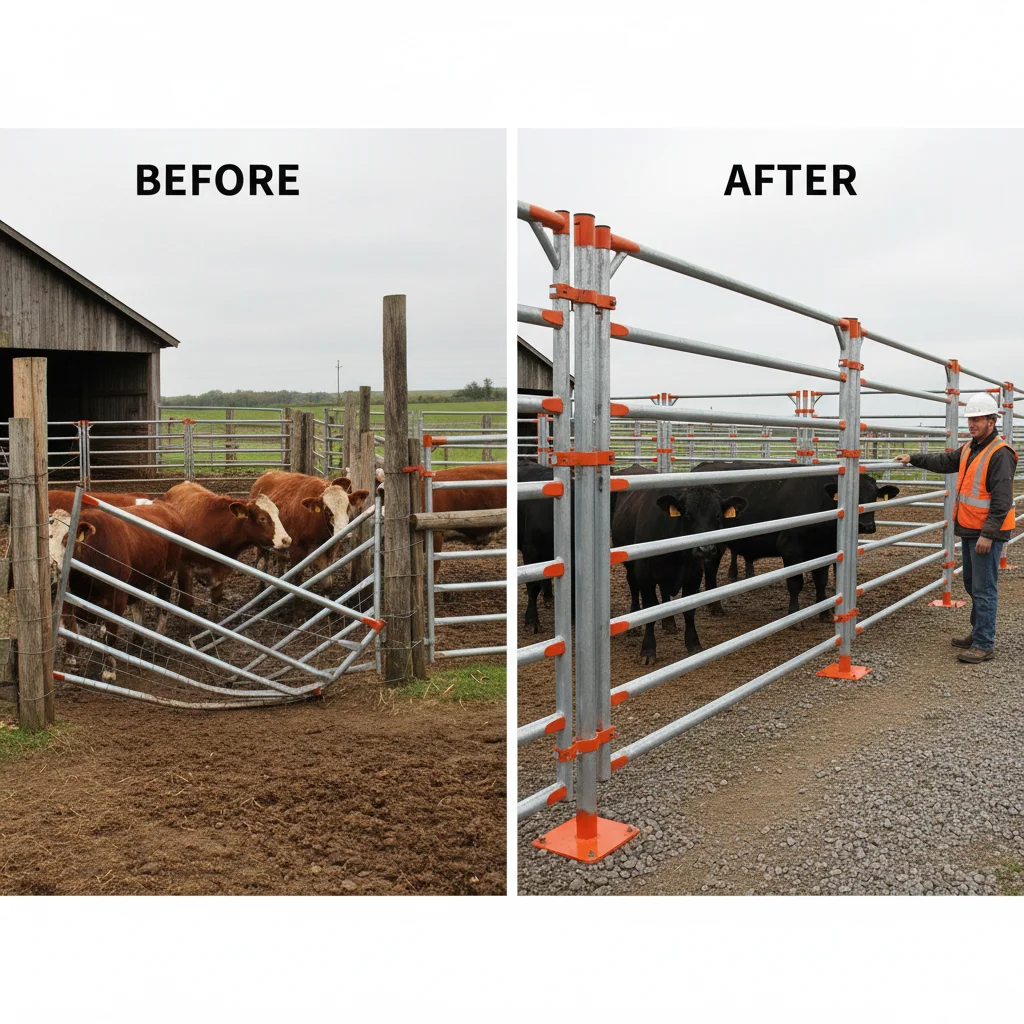
Durable Freestanding Livestock Panels for Efficient Animal Handling In the demanding world of agricultural management, the need for flexible and robust containment solutions has never been more critical. freestanding livestock panels offer a sophisticated answer to the challenges of animal handling, providing a secure yet adaptable barrier that does not require permanent installation or deep grounding. By allowing farmers and ranchers to redefine their spatial layouts in minutes, these panels maximize the efficiency of existing infrastructure while ensuring the safety of both the handlers and the livestock. Read More >26 Apr, 17
-
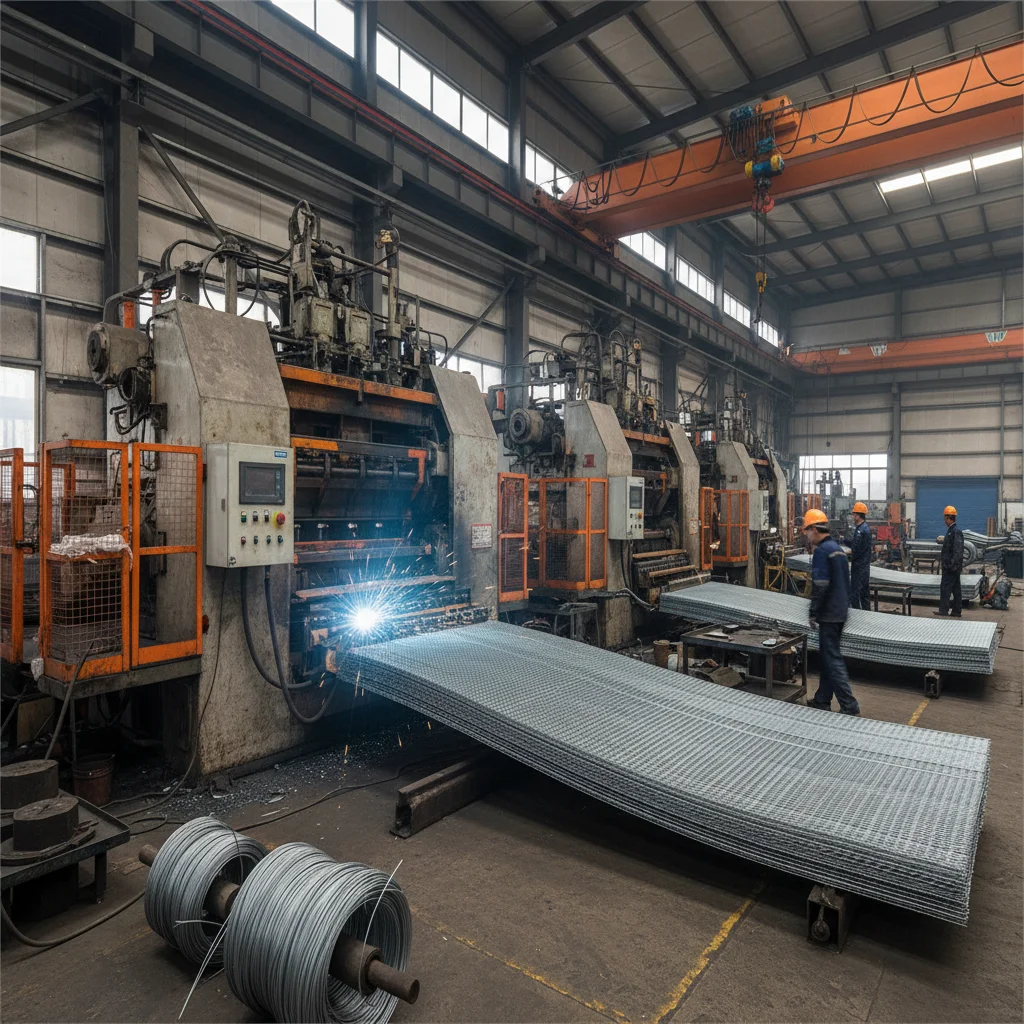
Professional Galvanized Welded Mesh Factory for Industrial Projects Finding a reliable galvanized welded mesh factory is critical for ensuring the structural integrity and longevity of your industrial or agricultural installations. Galvanized welded mesh is prized for its exceptional strength and resistance to corrosion, making it the go-to choice for fencing, animal cages, and construction reinforcement. However, not all factories adhere to the same quality standards. Whether you are sourcing for a large-scale infrastructure project or a specialized commercial application, understanding the manufacturing process and quality benchmarks is key to making a cost-effective investment that lasts for decades. Read More >26 Apr, 16
-
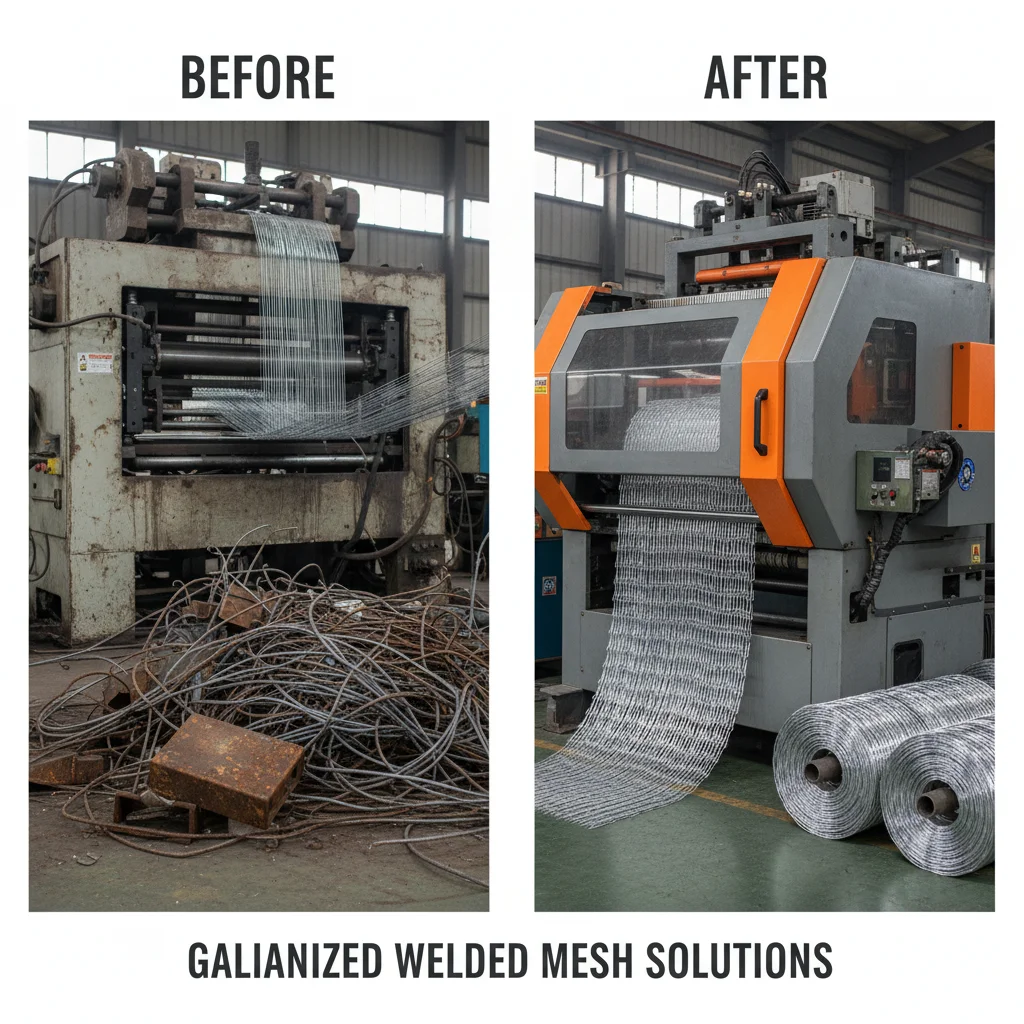
Professional Galvanized Welded Mesh Exporter for Quality Projects Selecting a high-quality fencing or screening solution requires more than just picking a product; it requires partnering with a reliable galvanized welded mesh exporter who understands the balance between structural integrity and corrosion resistance. Whether you are securing an industrial perimeter, building animal enclosures, or implementing architectural reinforcements, the quality of the galvanization process determines the lifespan of your installation. In this guide, we will explore the technical advantages of galvanized welded mesh and how to identify a global supplier that meets international quality standards to ensure your investment stands the test of time. Read More >26 Apr, 09
-
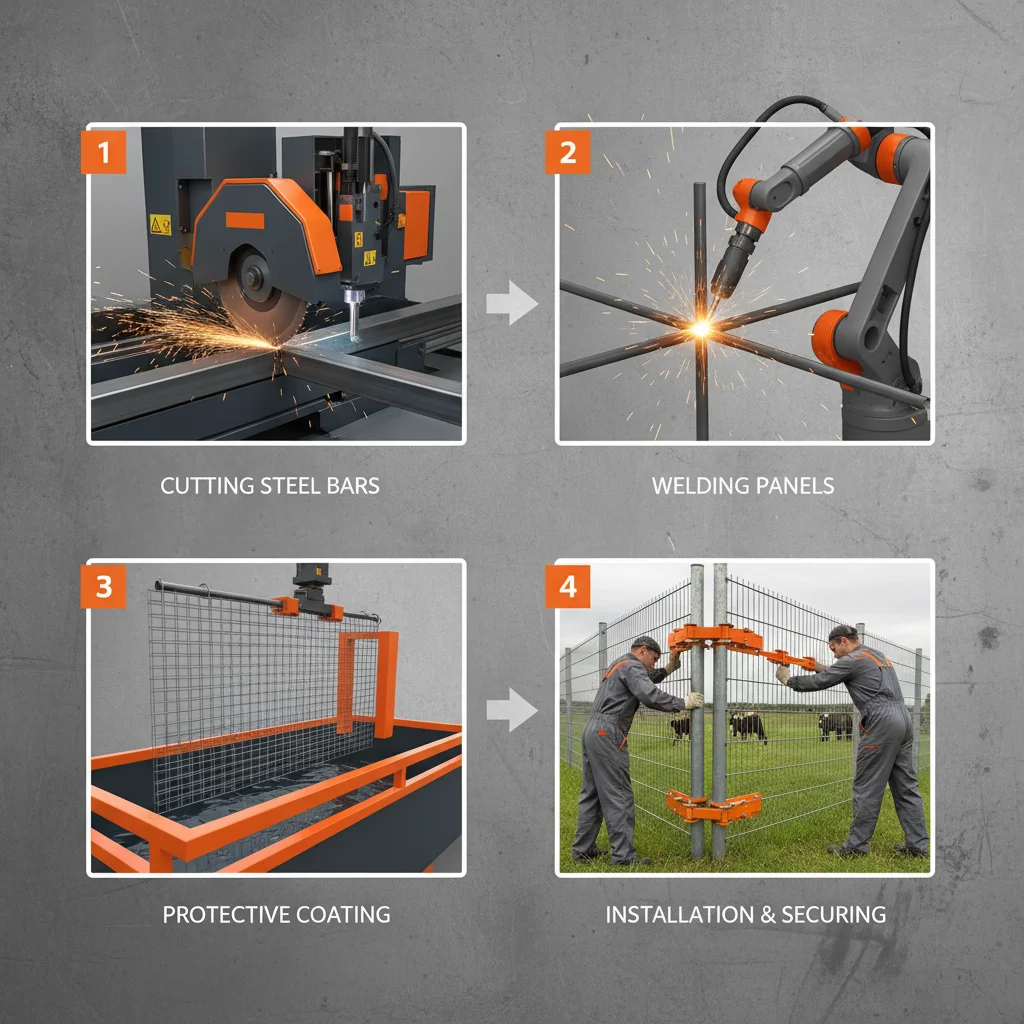
Essential Fencing Panels for Livestock Management and Farm Productivity Fencing panels for livestock are essential components in modern animal husbandry, playing a critical role in efficient farm management, animal welfare, and land utilization. Globally, the demand for robust and reliable fencing solutions is increasing due to the expanding livestock industry and the need to protect grazing lands from encroachment and predation. These panels aren’t simply barriers; they represent a vital investment in a farm's productivity and the health of its animals. Read More >26 Apr, 08
If you are interested in our products, you can choose to leave your information here, and we will be in touch with you shortly.


