


Gate for Cattle Panel Fence: Durable, Secure & Easy Install Solutions for Livestock Management
The Unsung Hero of Livestock Management: The Gate for Cattle Panel Fence
At first glance, a gate for cattle panel fence might sound like just another piece of farm hardware. But scratch beneath the surface, and it’s clear this simple tool plays a significant role—globally—in sustainable farming, animal welfare, and even food security. As the livestock industry grows alongside rising populations and climate challenges, understanding how these gates function can lead to smarter investments and safer, more efficient operations.
Why the Gate for Cattle Panel Fence Matters Worldwide
Globally, over 1.5 billion cattle are raised for food, fiber, and livelihoods. That’s a lot of animals to manage safely. Fencing and gating solutions are pivotal in reducing losses, preventing disease spread, and protecting both livestock and handlers. According to the UN Food and Agriculture Organization, effective animal containment increases productivity and reduces environmental degradation.
Yet many farms—especially in developing regions—still wrestle with makeshift or inefficient fencing that can fail under pressure or harsh weather. That’s where robust, well-designed gates for cattle panel fence come in, bridging gaps between functionality and cost.
What Exactly Is a Gate for Cattle Panel Fence?
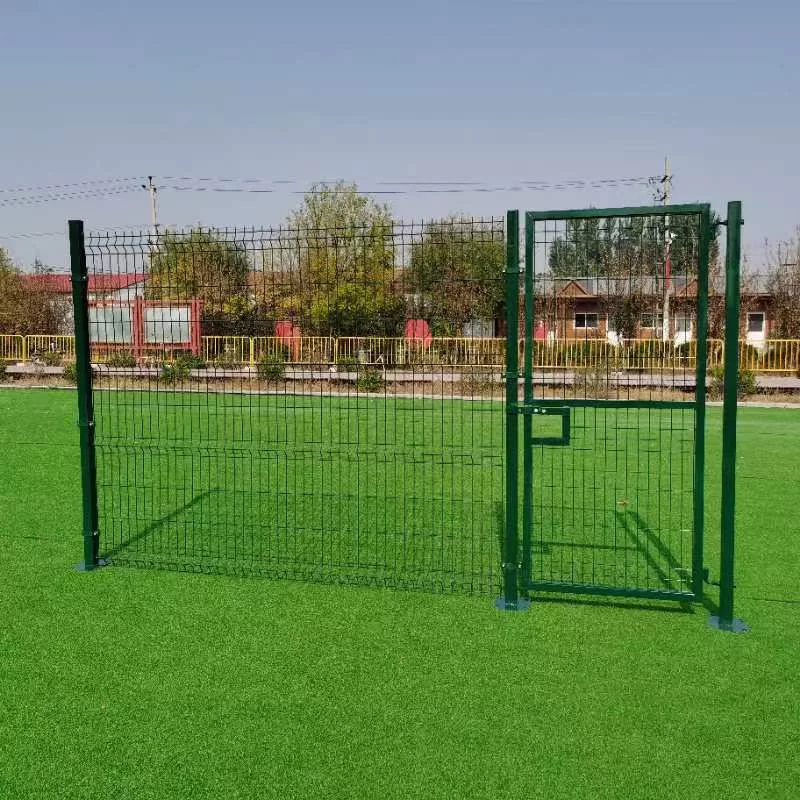
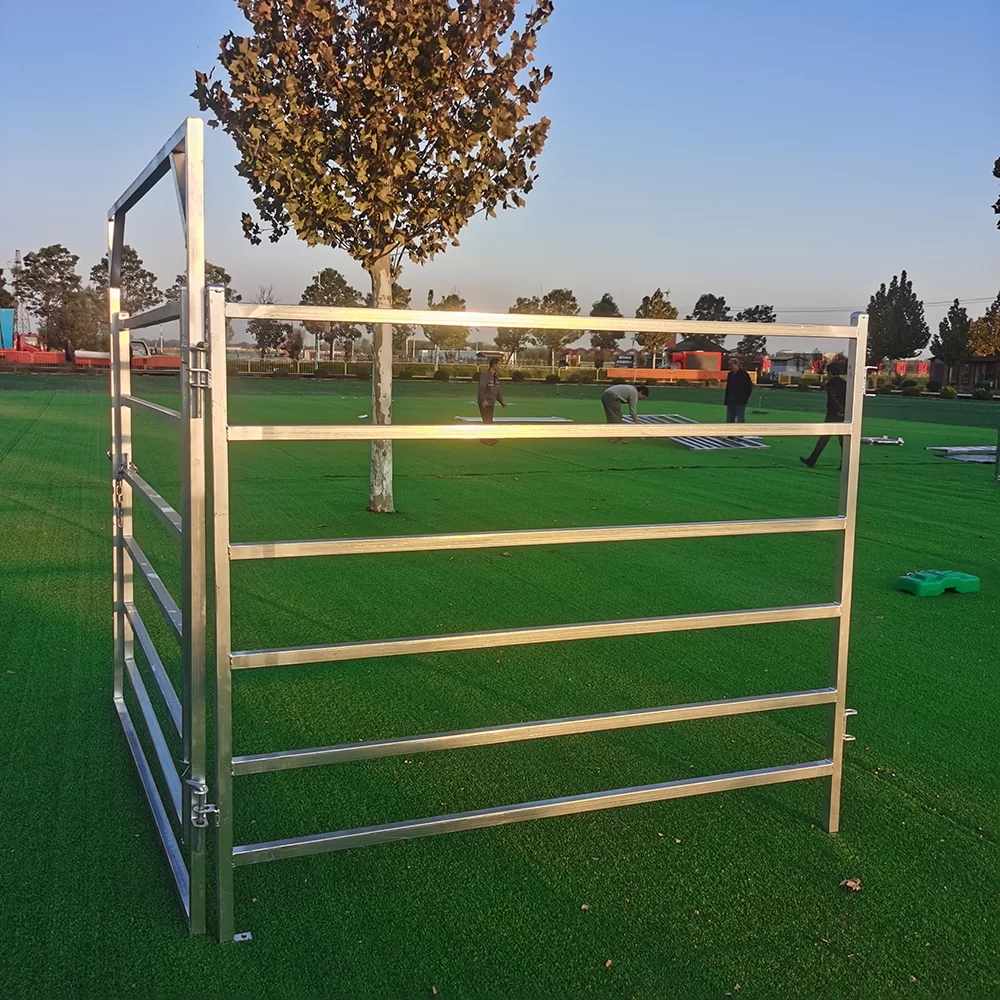
At its core, a gate for cattle panel fence is a specially designed entryway built to fit cattle panels—those welded wire panels you see in pens and corrals. These gates let farmers and handlers move animals in and out easily while keeping the livestock securely contained. If you think of the fence as the protective wall, the gate is the controlled doorway that balances access and security.
Its design reflects both practicality—easy to open and close—and resilience against curious, strong animals. In humanitarian contexts, for example, NGOs often use these gates to set up temporary livestock holdings when rebuilding after disasters, making sure animals stay safe but accessible.
Core Features That Make a Gate for Cattle Panel Fence Effective
1. Durability and Material Strength
Crafted typically from galvanized steel, these gates resist rust and endure harsh environments—whether that’s the dusty plains of Africa or the wet, cold winters of Canada. Strong hinges and latches ensure they stand up to daily use and livestock pressure.
2. Ease of Installation
One reason these gates are so popular is how straightforward they are to set up. Most designs bolt onto standard cattle panels without special tools, saving time—critical for large ranches or emergency setups.
3. Size and Compatibility
Modern gates come in various sizes to fit the common panel widths (4, 5, or 6 feet). Compatibility plays into flexibility—farmers can mix and match panels and gates for different pen configurations.
4. Security Features
Locks and latches are designed to be livestock-proof but handler friendly—simple enough to operate quickly, yet sturdy enough that animals can’t accidently open them.
5. Portability
Some gates prioritize lightness for easy relocation. This mobility is vital in rotational grazing systems or where pens shift regularly.
Where Do These Gates Come Into Play Globally?
In the sprawling ranches of Australia, gates for cattle panel fence keep thousands of head of cattle contained over vast acres, reducing costly escapes. In African pastoral communities, they support nomadic herding, offering movable yet secure containment.
In Europe and the U.S., these gates often appear in dairy farms where hygiene and quick access matter, enabling rapid animal sorting during milking and treatment. NGOs eye them closely for relief work too—as in post-disaster Haiti, gates helped form temporary livestock corrals to prevent animal loss and disease transmission.
Industrially, they’re featured in feedlots, auction yards, and transport hubs, illustrating their wide-reaching impact across agriculture and agribusiness.
Product Specifications Snapshot
| Feature | Specification | Common Benefit |
|---|---|---|
| Material | Galvanized steel (usually 14-16 gauge) | Corrosion resistance, longevity |
| Size | 4 ft, 5 ft, 6 ft compatible widths | Fits standard cattle panels |
| Latch Type | Sliding bolt or spring-loaded latch | Secure yet easy to operate |
| Weight | Approx. 15-25 lbs, depending on size | Portable but sturdy |
| Installation | Bolt-on, no welding required | Quick setup |
Vendor Comparison for Popular Gate for Cattle Panel Fence Solutions
| Vendor | Gate Material | Price Range (USD) | Unique Features | Warranty |
|---|---|---|---|---|
| Haotian Mesh | Hot-dip galvanized steel | $40 - $65 | Custom sizes, bolt-on design | 3 years |
| FarmPro Supply | Powder-coated steel | $45 - $70 | Spring latch, lighter weight | 2 years |
| RanchGuard | Galvanized steel with reinforced frame | $50 - $80 | Heavy-duty hinges, higher weight | 5 years |
Why Investing in Quality Gates Pays Off Long-Term
It’s tempting for farms to cut costs by picking cheaper, flimsy gating options, but this rarely saves money in the long run. A solid gauge gate prevents costly livestock escapes, injuries, or the need for frequent repairs. It frankly feels reassuring on busy days when animals refuse to cooperate.
From a sustainability angle, durable gates mean fewer replacements and less metal waste. Socially, they reflect a farmer’s commitment to animal welfare. You might find that your neighbors admire a neat, well-maintained setup—it builds trust in the community.
Looking Ahead: Innovations Affecting Gates for Cattle Panel Fence
There’s a slow but steady move toward incorporating recycled materials without compromising strength, which appeals to environmentally conscious producers. Some firms are experimenting with solar-powered smart latches to monitor gate usage remotely — imagine no more wondering “did I close that gate?”
Automation is slowly creeping into livestock farming, with digital fencing and RFID tags complementing traditional panels. But oddly enough, the trusty gate remains the literal entry point to these high-tech systems.
Handling Hurdles: Common Challenges and How to Fix Them
- Corrosion in humid areas: Opt for hot-dip galvanization or stainless steel components.
- Improper fitting: Measure precisely and choose adjustable or custom gates.
- Latch failures: Choose spring-loaded latches tested for livestock strength, and inspect regularly.
These minor issues are easily solvable, and pro tip: routine maintenance dramatically extends gate lifespan.
FAQ: Your Quick Questions Answered
Q1: What size gate should I choose for my cattle panel fence?
A: Generally, gates come in 4, 5, or 6 feet widths to match standard panel sizes. Choose a gate matching your panel width for easy installation and optimal security.
Q2: Are these gates difficult to install myself?
A: Not at all. Most are designed for bolt-on installation with basic tools. Instructions typically come with the product, making DIY manageable for most farmers.
Q3: How do I prevent rust from damaging my gate?
A: Selecting hot-dip galvanized steel or stainless materials helps. Regular cleaning and occasional repainting can also reduce corrosion over time.
Q4: Can these gates be used for animals other than cattle?
A: Yes, they’re suitable for goats, sheep, and sometimes horses, although gate height and latch strength should be chosen based on the specific livestock.
Q5: Where can I buy high-quality gates for cattle panel fences?
A: Established manufacturers like Haotian Mesh offer reliable options with customization and warranties.
Wrapping It Up: Why the Right Gate Matters
There’s an old farming saying: “Good fences make good neighbors.” Well, good gates for your cattle panel fences are just as critical. They bring order, safety, and peace of mind, whether on vast ranches or smaller family farms. And as the livestock world evolves, these gates blend tradition with innovation, quietly standing guard at the frontline of animal management.
Ready to upgrade your fencing solution? Visit our website and explore a range of gates for cattle panel fence tailored to your needs.
References:
1. FAO Livestock Statistics
2. Wikipedia: Fencing
3. ISO Standards on Agricultural Fencing
-
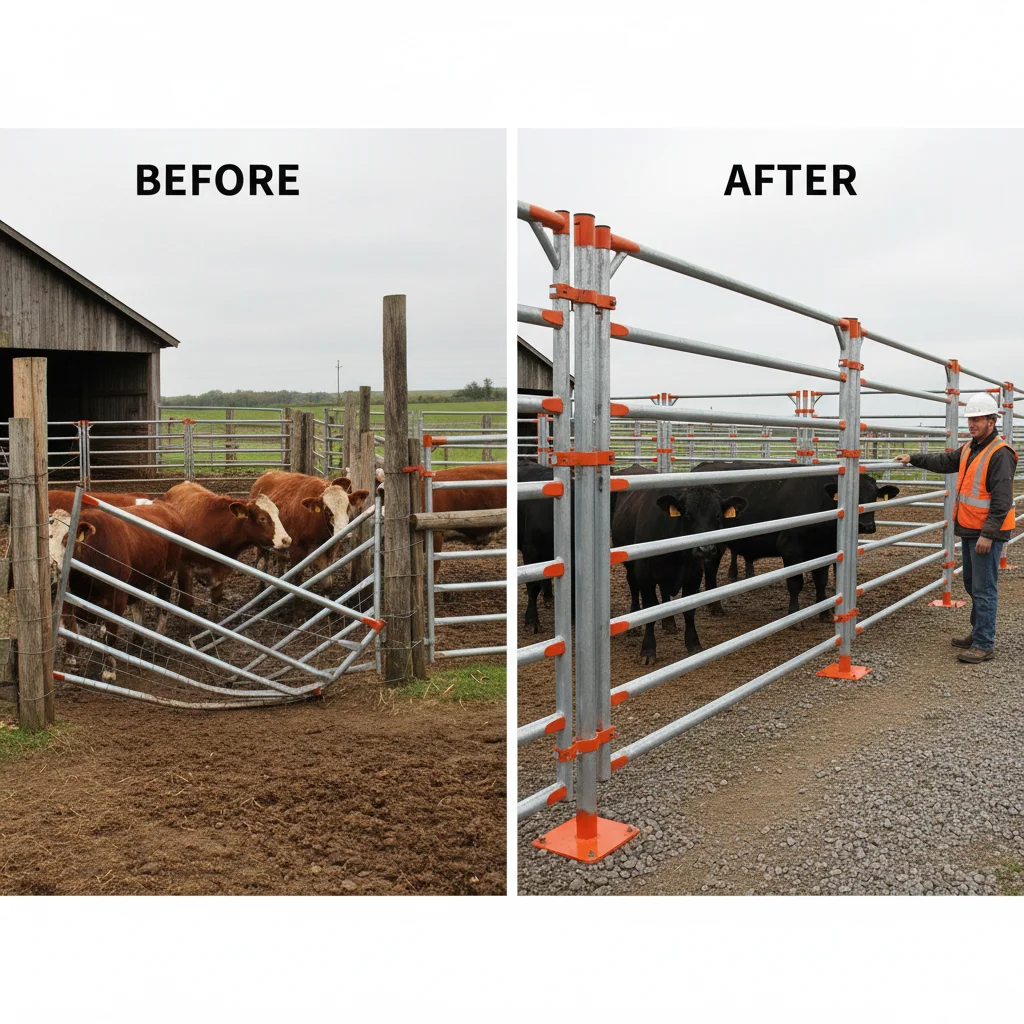
Durable Freestanding Livestock Panels for Efficient Animal Handling In the demanding world of agricultural management, the need for flexible and robust containment solutions has never been more critical. freestanding livestock panels offer a sophisticated answer to the challenges of animal handling, providing a secure yet adaptable barrier that does not require permanent installation or deep grounding. By allowing farmers and ranchers to redefine their spatial layouts in minutes, these panels maximize the efficiency of existing infrastructure while ensuring the safety of both the handlers and the livestock. Read More >26 Apr, 17
-
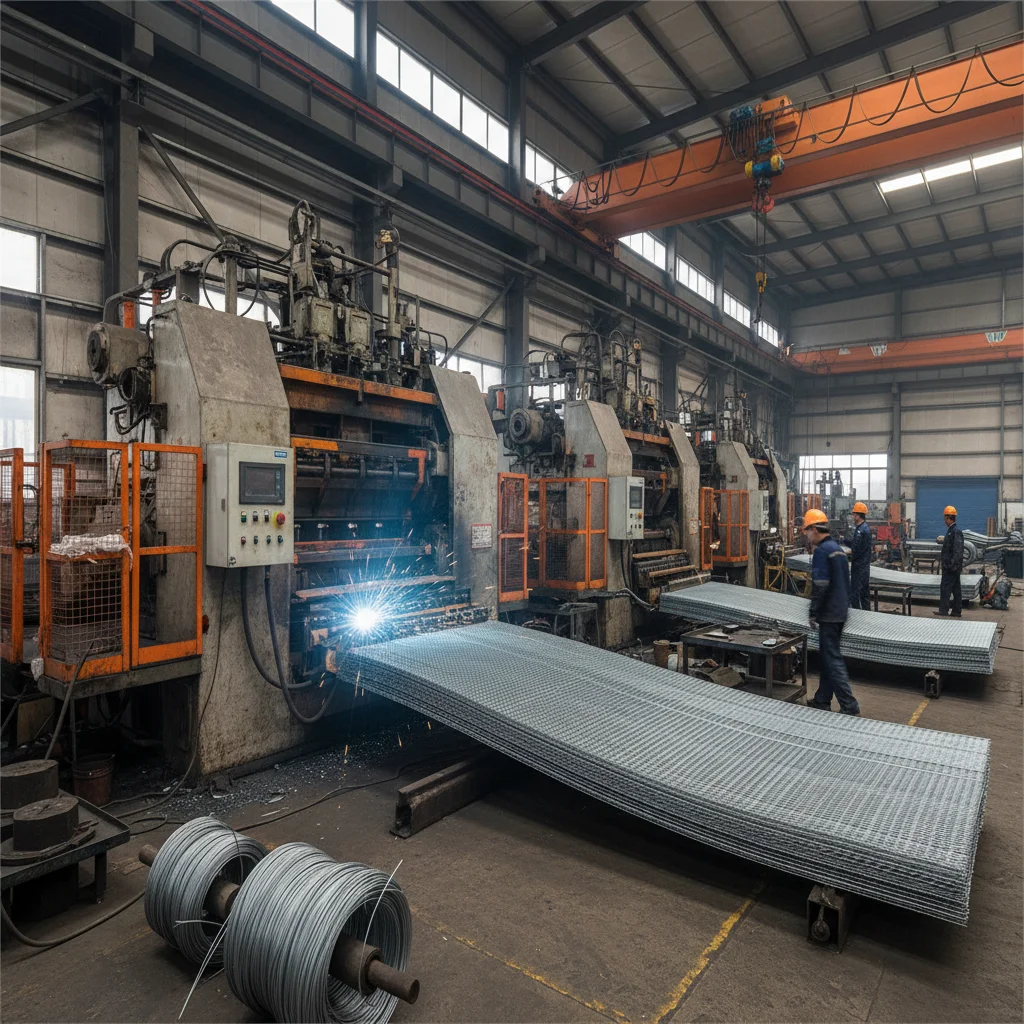
Professional Galvanized Welded Mesh Factory for Industrial Projects Finding a reliable galvanized welded mesh factory is critical for ensuring the structural integrity and longevity of your industrial or agricultural installations. Galvanized welded mesh is prized for its exceptional strength and resistance to corrosion, making it the go-to choice for fencing, animal cages, and construction reinforcement. However, not all factories adhere to the same quality standards. Whether you are sourcing for a large-scale infrastructure project or a specialized commercial application, understanding the manufacturing process and quality benchmarks is key to making a cost-effective investment that lasts for decades. Read More >26 Apr, 16
-
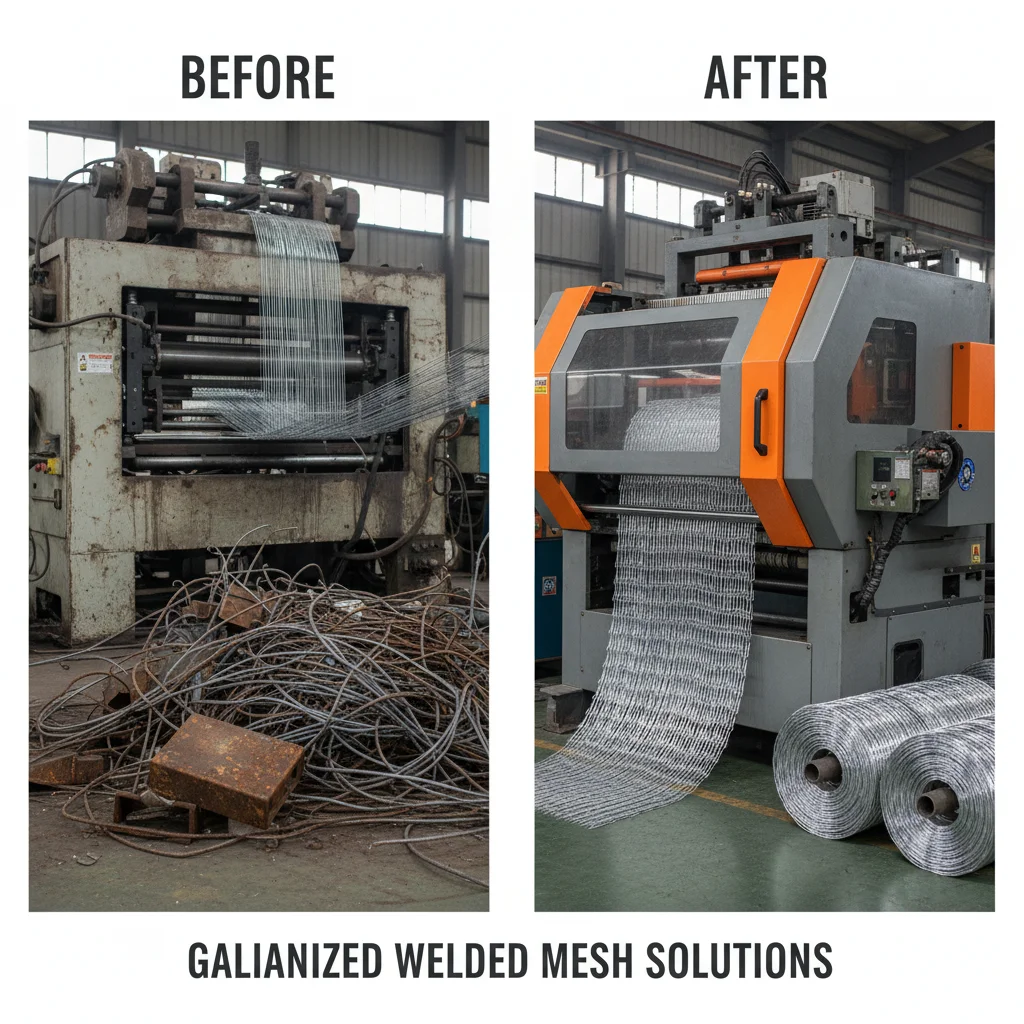
Professional Galvanized Welded Mesh Exporter for Quality Projects Selecting a high-quality fencing or screening solution requires more than just picking a product; it requires partnering with a reliable galvanized welded mesh exporter who understands the balance between structural integrity and corrosion resistance. Whether you are securing an industrial perimeter, building animal enclosures, or implementing architectural reinforcements, the quality of the galvanization process determines the lifespan of your installation. In this guide, we will explore the technical advantages of galvanized welded mesh and how to identify a global supplier that meets international quality standards to ensure your investment stands the test of time. Read More >26 Apr, 09
-
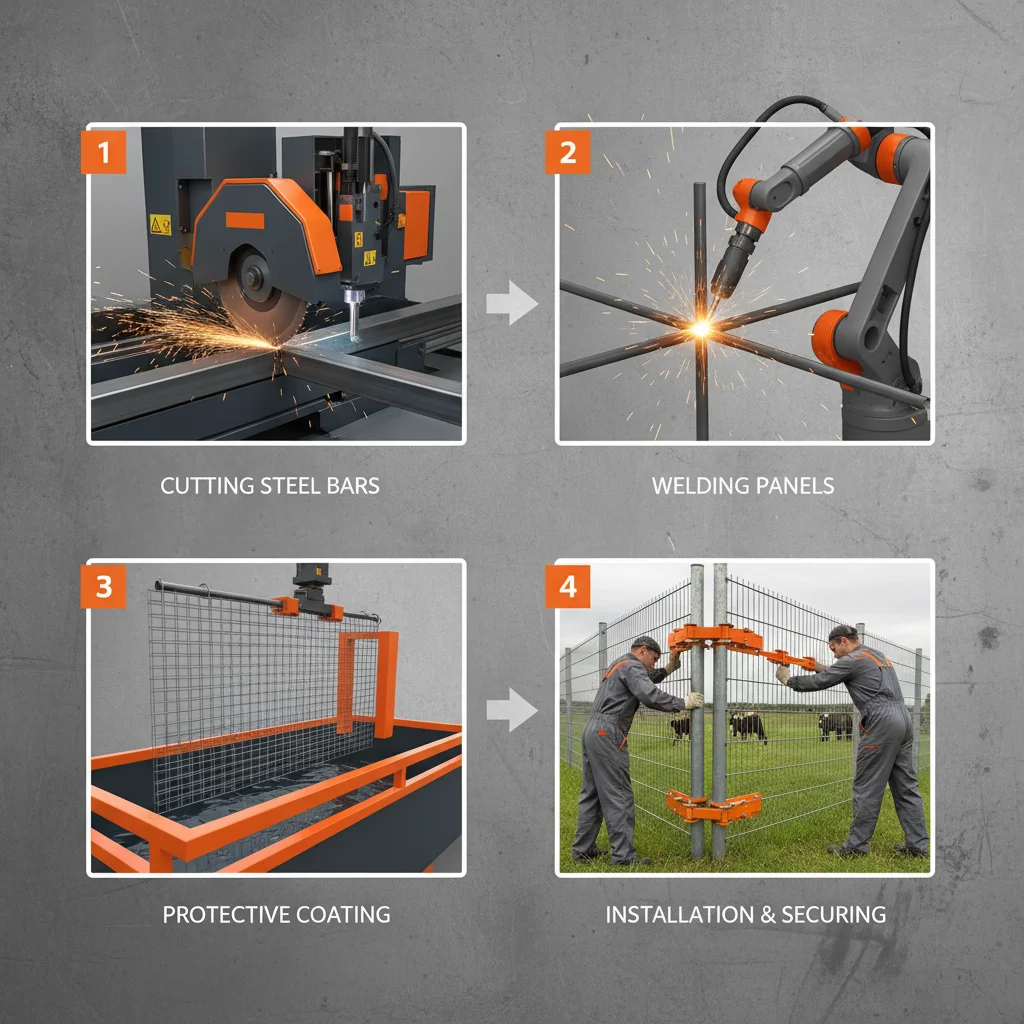
Essential Fencing Panels for Livestock Management and Farm Productivity Fencing panels for livestock are essential components in modern animal husbandry, playing a critical role in efficient farm management, animal welfare, and land utilization. Globally, the demand for robust and reliable fencing solutions is increasing due to the expanding livestock industry and the need to protect grazing lands from encroachment and predation. These panels aren’t simply barriers; they represent a vital investment in a farm's productivity and the health of its animals. Read More >26 Apr, 08
If you are interested in our products, you can choose to leave your information here, and we will be in touch with you shortly.


