


Durable and Cost-Effective Cattle Panel Fence Garden Solutions for Agriculture and More
Cattle Panel Fence Garden—A Practical Solution with Global Impact
If you’ve ever wrestled with keeping your garden safe or managing livestock enclosures, you’ve probably come across the idea of a cattle panel fence garden. It might sound like just another agricultural product, but its relevance stretches far beyond simple fencing. Around the world, from sprawling rural farms to backyard urban oasis projects, this fencing approach offers affordable, resilient, and scalable solutions that address pressing challenges related to security, resource management, and even disaster relief. Understanding cattle panel fence gardens helps farmers, humanitarian organizations, and small growers alike create practical barriers quickly—and with less fuss than traditional methods.
Why Cattle Panel Fence Gardens Matter Globally
In our increasingly resource-strapped world, securing land efficiently and sustainably is a universal need. According to the Food and Agriculture Organization of the UN, over 80% of rural populations in developing nations rely on livestock farming, which directly ties into the demand for reliable fencing solutions. Yet, in many places, low-cost, easily installed fencing that balances durability with affordability is scarce. This is where the cattle panel fence garden enters the picture, offering a versatile structure that can be adapted for both animal containment and crop protection.
Frankly, failing to protect your resources means losses—whether stolen livestock, trampled plants, or damage from wildlife. It's not just about security; it’s about creating a sustainable environment that supports livelihoods and fosters community resilience.
What Exactly Is a Cattle Panel Fence Garden?
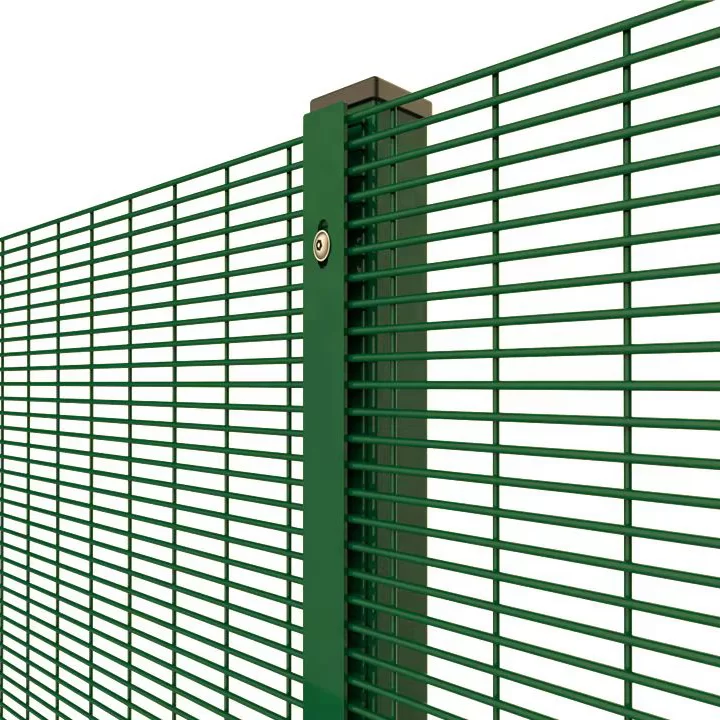
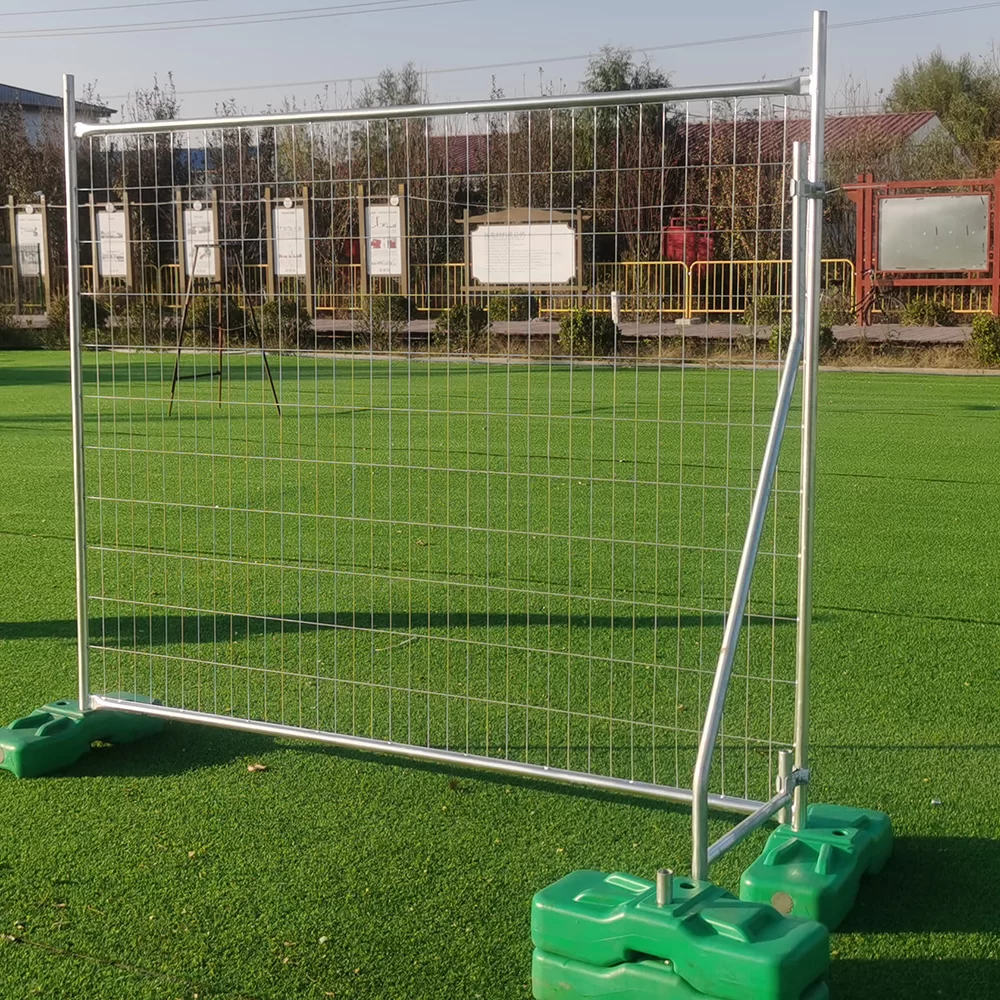
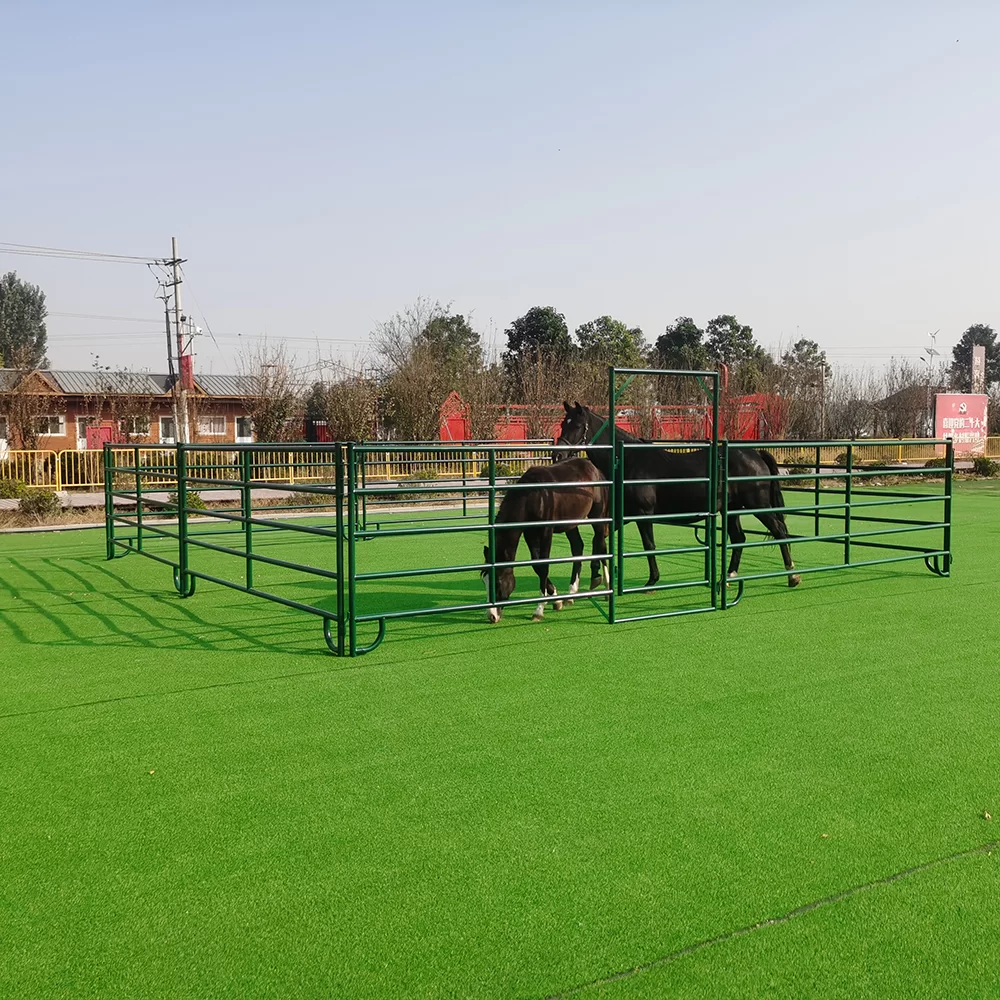
At its core, a cattle panel fence garden is a fencing system constructed from sturdy metal panels originally designed for containing cattle. These panels usually consist of galvanized or coated steel wire grids welded to form rectangular sections, typically 16 feet long and 5 feet high. The open grid pattern allows visibility and air passage while providing a strong physical barrier.
In modern agriculture and gardening, these panels have found a second life: enclosing garden plots, supporting climbing plants, or creating partitions that are tougher than chicken wire but more flexible than solid walls. Their industrial-grade construction makes them weather-resistant and relatively pest-proof — ideal for various climates and environments.
Core Features That Make This Fencing Essential
Durability: Built to Withstand
The galvanized steel wire is corrosion-resistant and designed to last years with minimal maintenance. This longevity means less worry about weather damage or rust, which is crucial especially in humid or rainy regions.
Cost Efficiency: Tough Price, Gentle on Budget
Compared to custom wood or stone fences, cattle panel fencing offers a cheaper alternative without sacrificing strength. This is particularly important in remote or underserved locations, where import or maintenance costs can balloon unexpectedly.
Scalability and Modularity
Panels can be connected end-to-end and easily extended or modified. This flexibility means you can start small and expand your fencing based on immediate needs—a godsend for communities still building their agricultural infrastructure.
Ease of Installation
Unlike foundations or poured concrete, setting up cattle panel fences requires just stakes and simple tools, which means local labor can often handle the work without specialized training or equipment.
Versatility Beyond Fencing
Gardeners use these panels as trellises for beans or cucumbers, or even temporary cages for compost heaps. This multi-use aspect helps stretch the value far beyond just “fence.”
Specifications at a Glance
| Specification | Details |
|---|---|
| Panel Length | 16 ft (standard) |
| Panel Height | 4 ft to 6 ft (varies by model) |
| Wire Gauge | 12 to 14 gauge galvanized steel |
| Mesh Opening Size | 4 to 6 inches square |
| Weight per Panel | Approximately 50–60 lbs |
| Finish | Hot-dip galvanized, powder coated options |
Mini takeaway: Cattle panel fences deliver robust, versatile fencing with established industrial specs—but often get overlooked outside livestock farming. Their garden applications turn them into a multi-tool for protection and crop support.
Who’s Using Cattle Panel Fence Gardens and How?
Across continents, these fences appear in somewhat surprising places. In the American Midwest, small farms rely on them as a quick fix for rotational grazing. In East Africa, NGOs deploy them as part of humanitarian aid kits—helping vulnerable populations safeguard vegetable patches post-disaster. Closer to home, urban gardeners transform cattle panel fence garden panels into vertical vegetable gardens or protective fences against urban wildlife.
They’re also common in remote mining operations and industrial sites where quick perimeter security is needed but welding or concrete work isn’t feasible. Oddly enough, some developers even use cattle panels for artistic public gardens due to their industrial-chic aesthetic and modularity.
Mini takeaway: The cattle panel fence garden transcends traditional farming, blending into humanitarian, industrial, and urban green spaces with equal ease.
Advantages That Last Beyond the First Season
- Financial Savings: Less need for replacement, minimal setup costs.
- Environmental Sustainability: Recyclable steel and long usage reduce waste.
- Social Impact: Improves food security and safety, especially critical in poverty-stricken rural areas.
- Trustworthiness: The tough, visible barrier instills confidence in protection.
In emotional terms, farmers often mention the “peace of mind” aspect, citing less fear of losing crops or livestock. From a logical standpoint, the reduced downtime during installation means more time growing or focusing on other farm tasks. This combined emotional and practical edge explains their growing popularity.
Next-Gen Trends: What Lies Ahead for Cattle Panel Fence Gardens?
Looking forward, innovation is happening quietly but steadily. Companies are experimenting with powder coatings infused with nanotechnology to improve anti-rust qualities and UV protection. Others are developing lightweight composite panels that mimic steel’s strength but weigh less—a boon for transport and setup in rugged terrain.
There’s also curiosity about integrating solar-powered sensors attached to panels, enabling remote monitoring of fence integrity or livestock movement. And sustainability efforts include making fencing from recycled metals or adding biodegradable plastic supports.
Of course, digital transformation and IoT integration will likely elevate even simple cattle panel fence gardens into “smart” agricultural infrastructure sooner than you’d expect.
Mini takeaway: The humble cattle panel fence garden is on track from a static asset to a digitally enhanced, greener solution.
Hurdles and How to Get Past Them
Despite many virtues, there are challenges. The panels can be heavy, so those with limited manpower might struggle with installation. Also, in regions with extremely high humidity or salt exposure, steel degradation can accelerate without proper coatings.
Innovative solutions include better training programs for community assembly teams, plus developing hybrid fences that combine panels with renewable wooden posts to balance weight and durability. For corrosion, recent coatings and maintenance kits are making a difference.
Another issue is theft risk, since metal is valuable scrap—so creative use of locking mechanisms and community awareness campaigns play a role in protection.
Frequently Asked Questions About Cattle Panel Fence Gardens
1. How long can a cattle panel fence garden last outdoors?
With galvanized steel and proper installation, panels typically last 10–20 years. Powder-coated options can extend the lifespan further, especially in wet climates.
2. Can I install a cattle panel fence garden myself?
Absolutely! They are designed to be installed using basic tools like posts and clips. However, heavier panels might require at least two people to handle safely.
3. Are these fences suitable for protecting small garden crops from wildlife?
Yes. The mesh openings and sturdy construction keep out larger animals like deer or dogs but allow sunlight and air, making it ideal for healthy plants.
4. Where can I purchase quality cattle panel fencing materials?
Many agricultural supply vendors sell them, but for specialty applications you might want to check providers with extensive product lines and customization—like cattle panel fence garden specialists.
5. Can cattle panel fences be customized for different landscape terrains?
Yes. Panels can be cut and reconfigured for slopes, curves, or uneven terrain. Modular design means you aren’t locked into a rigid setup.
Comparing Popular Vendors in Cattle Panel Fence Gardens
| Vendor | Material Quality | Customization Options | Lead Time | Price Range |
|---|---|---|---|---|
| Haotian Mesh | High-grade galvanized steel, powder coating | Panels, sizes, coatings customizable | 2–4 weeks | $$ – competitive |
| AgriPanel Co. | Standard galvanized, heat-treated steel | Limited sizes | 3–5 weeks | $ |
| FencePro Solutions | Powder-coated steel, corrosion resistant | Custom mesh sizes | 4–6 weeks | $$$ |
Wrapping It Up: Why Cattle Panel Fence Gardens Deserve a Spot in Your Next Project
Until recently, the cattle panel fence garden may have seemed like a niche farm product. But its adaptability, durability, and cost-efficiency place it at the center of sustainable agricultural practices and community-driven land protection worldwide. Whether you’re an industrial site manager, a gardener in need of a sturdy trellis, or an NGO implementing a small-scale rural project, these panels bring tangible benefits that few other fencing options can match.
Want to explore reliable, customizable fencing solutions? Visit our website at https://www.haotianmesh.com and find the perfect match to protect your garden or pasture.
In essence, this simple grid of steel wire kind of holds the promise of making life safer, easier, and more sustainable—one panel at a time.
References
-
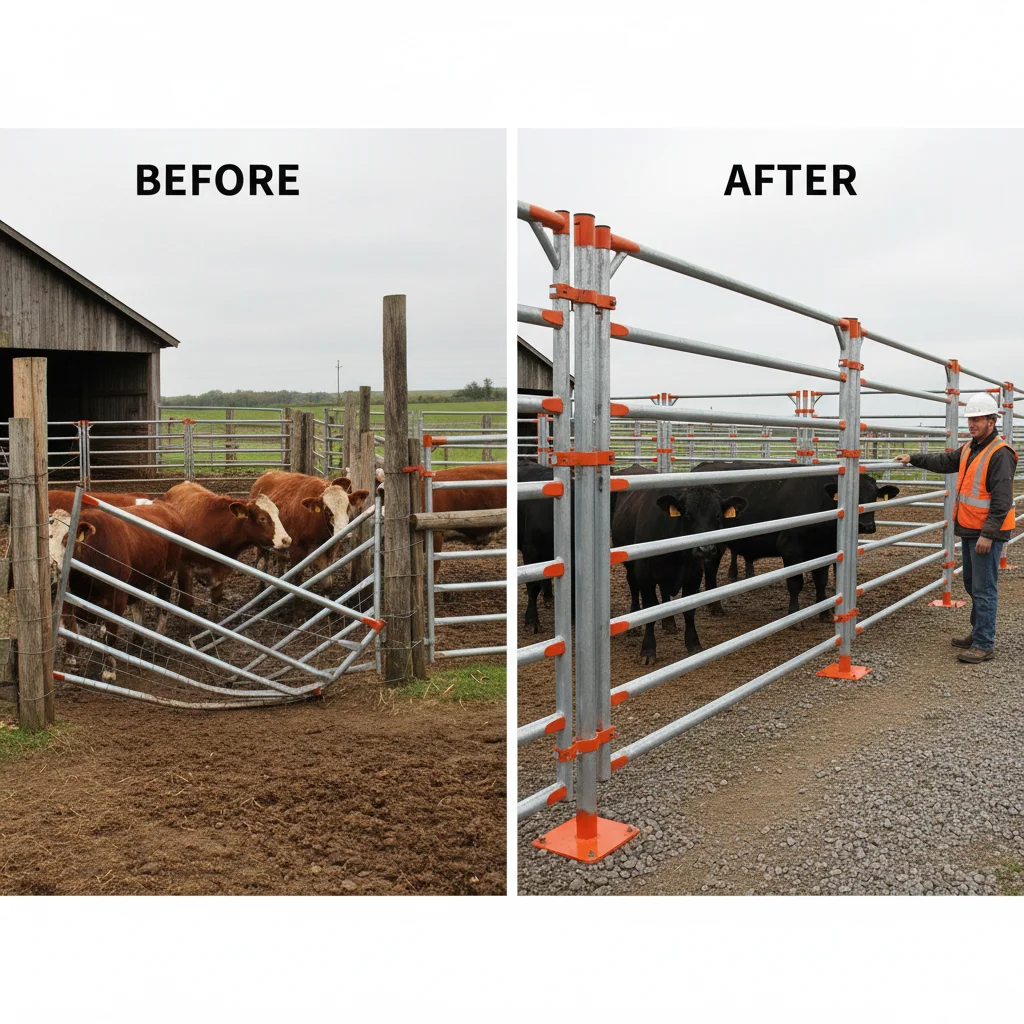
Durable Freestanding Livestock Panels for Efficient Animal Handling In the demanding world of agricultural management, the need for flexible and robust containment solutions has never been more critical. freestanding livestock panels offer a sophisticated answer to the challenges of animal handling, providing a secure yet adaptable barrier that does not require permanent installation or deep grounding. By allowing farmers and ranchers to redefine their spatial layouts in minutes, these panels maximize the efficiency of existing infrastructure while ensuring the safety of both the handlers and the livestock. Read More >26 Apr, 17
-
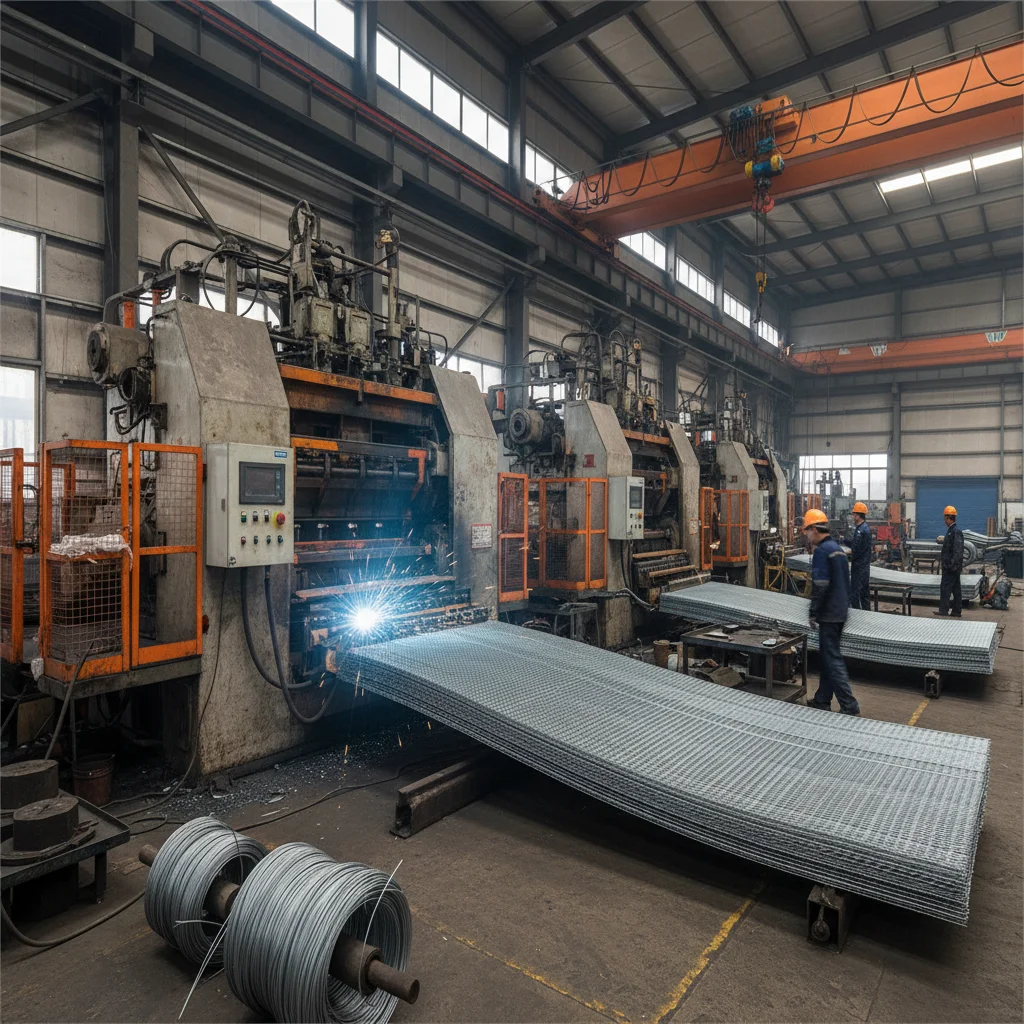
Professional Galvanized Welded Mesh Factory for Industrial Projects Finding a reliable galvanized welded mesh factory is critical for ensuring the structural integrity and longevity of your industrial or agricultural installations. Galvanized welded mesh is prized for its exceptional strength and resistance to corrosion, making it the go-to choice for fencing, animal cages, and construction reinforcement. However, not all factories adhere to the same quality standards. Whether you are sourcing for a large-scale infrastructure project or a specialized commercial application, understanding the manufacturing process and quality benchmarks is key to making a cost-effective investment that lasts for decades. Read More >26 Apr, 16
-
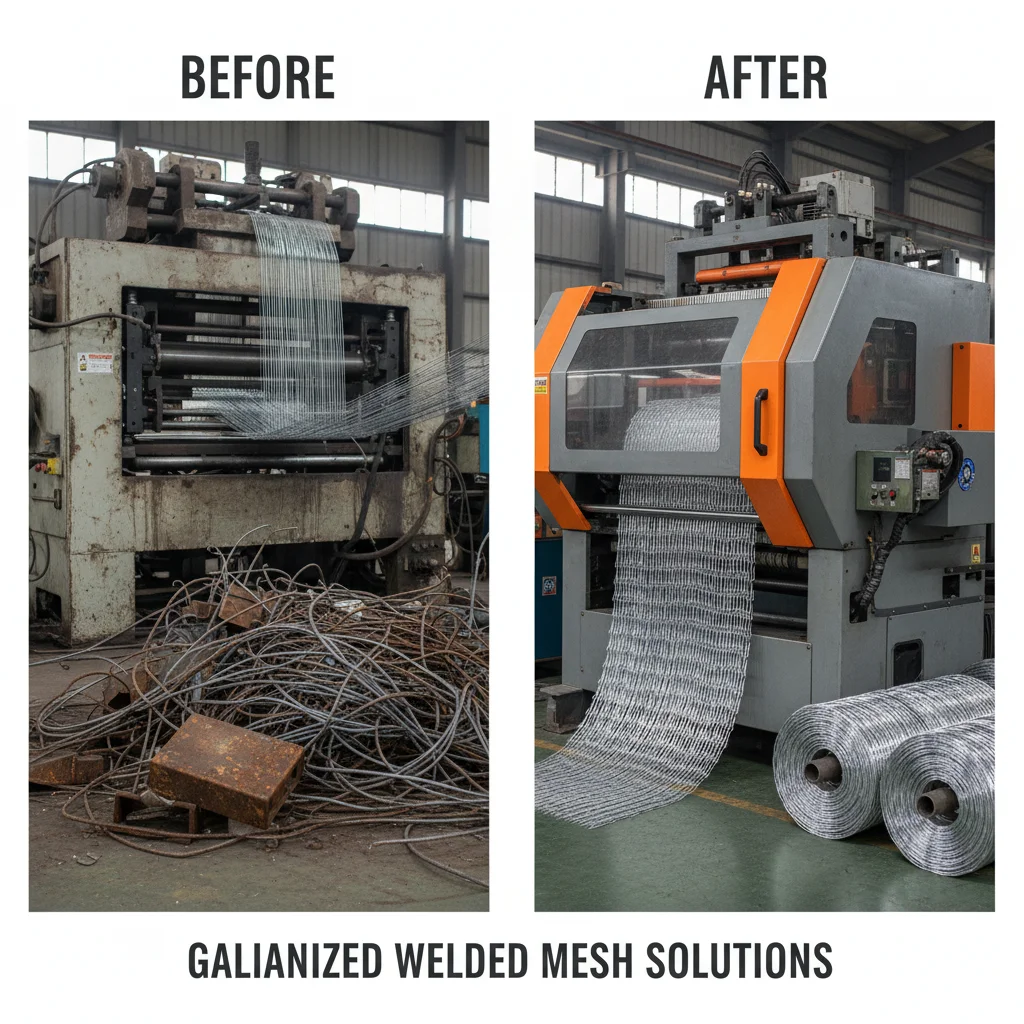
Professional Galvanized Welded Mesh Exporter for Quality Projects Selecting a high-quality fencing or screening solution requires more than just picking a product; it requires partnering with a reliable galvanized welded mesh exporter who understands the balance between structural integrity and corrosion resistance. Whether you are securing an industrial perimeter, building animal enclosures, or implementing architectural reinforcements, the quality of the galvanization process determines the lifespan of your installation. In this guide, we will explore the technical advantages of galvanized welded mesh and how to identify a global supplier that meets international quality standards to ensure your investment stands the test of time. Read More >26 Apr, 09
-
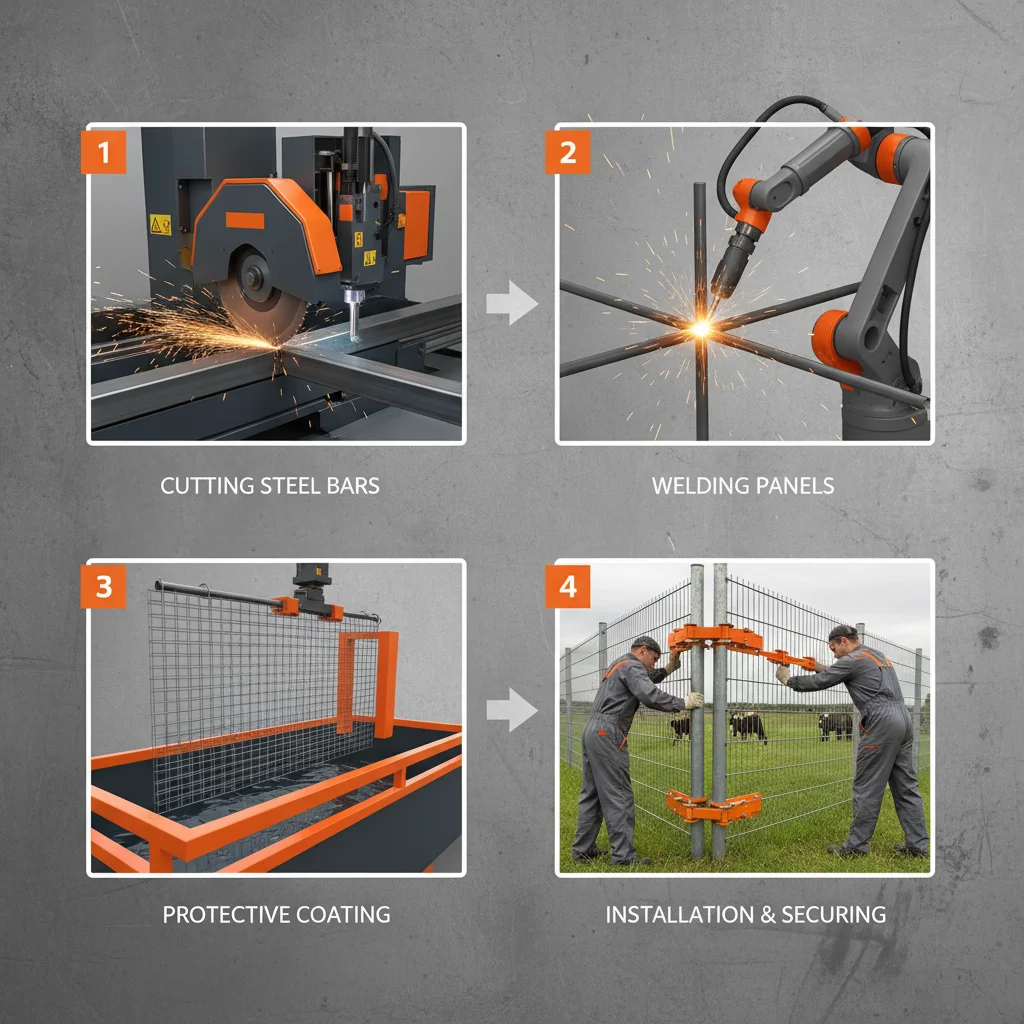
Essential Fencing Panels for Livestock Management and Farm Productivity Fencing panels for livestock are essential components in modern animal husbandry, playing a critical role in efficient farm management, animal welfare, and land utilization. Globally, the demand for robust and reliable fencing solutions is increasing due to the expanding livestock industry and the need to protect grazing lands from encroachment and predation. These panels aren’t simply barriers; they represent a vital investment in a farm's productivity and the health of its animals. Read More >26 Apr, 08
If you are interested in our products, you can choose to leave your information here, and we will be in touch with you shortly.


