


Durable & Custom Cattle Head Gate Panels for Safe Livestock Handling
The Practical Power of Cattle Head Gate Panels: Why They Matter Worldwide
If you’re not from the livestock or agricultural industry, the term cattle head gate panels might sound niche or even obscure. But globally, these simple yet indispensable pieces of equipment play a critical role in sustainable farming, animal welfare, and even safety compliance across the world. From small family farms in South America to massive ranches in Australia, understanding the benefits and proper use of these panels can have a ripple effect — boosting productivity, improving animal handling, and ensuring safer work environments.
How Cattle Head Gate Panels Fit into the Global Agricultural Landscape
Cattle farming is a backbone of food supply worldwide. According to the Food and Agriculture Organization (FAO), nearly 1.5 billion cattle roam the Earth — from the green pastures of Europe to the arid landscapes of Africa. Managing these animals safely and efficiently is a significant challenge. Mishandling can cause injury to both livestock and workers, reduce product quality, and slow down operations.
This is where cattle head gate panels come in. They address these challenges by providing a durable, modular way to safely restrain and guide cattle for vaccination, branding, or transport loading. Without them, the risk of accidents skyrockets and operational costs rise. In real terms, these panels reflect a thoughtful intersection of animal husbandry and engineering that supports food security, a topic more vital than ever as the world’s population edges beyond 8 billion.
What Exactly Are Cattle Head Gate Panels?
Put simply, cattle head gate panels are metal frameworks designed to secure the head of a cow or bull, safely restricting its movement during procedures like veterinary care or loading onto trucks. Think of it as a sturdy “frame” that locks gently but firmly, lowering stress for animals and handlers alike. The panels typically integrate with larger pen or chute systems, giving handlers better control and protecting both animal and human.
In modern agriculture, these panels are not just tools but part of a broader movement toward ethical and efficient livestock management. As concerns about animal welfare rise, these restraints allow for humane treatment without excessive force, demonstrating how technology supports both productivity and compassion.
Key Components and Features that Define Effective Head Gate Panels
Durability and Material Quality
Almost universally, manufacturers use galvanized steel or heavy-duty alloy to make these panels. Why? Because cattle are strong animals — these panels have to withstand constant force, rough use, and harsh outdoor environments. Corrosion resistance through galvanization or powder coating means fewer replacements and maintenance costs.
Adjustability and Flexibility
Cattle head gates come in adjustable sizes to accommodate calves through adult bulls. Some panels have sliding locks or hydraulic assists, offering more precision. This adaptability makes them useful across different farming scales and tasks.
Safety Features
Non-slip surfaces, rounded edges, and secure locking mechanisms protect livestock from injury. Simultaneously, easy-release handles ensure quick removal in emergencies — a critical feature that many experienced ranchers insist upon.
Ease of Installation and Modular Design
If you’re managing a large facility, the ability to combine multiple gate panels into a complete handling system is a game changer. Modular designs allow configurations specific to your needs — a benefit often overlooked but key to operational efficiency.
| Feature | Details |
|---|---|
| Material | Galvanized steel with powder coating |
| Height | 1.5 to 1.8 meters (adjustable) |
| Width | 60-80 cm (adjustable for different sizes) |
| Locking Mechanism | Manual and hydraulic options available |
| Weight | 40-60 kg |
| Compliance | Meets ISO 10900 animal welfare standards |
Where and How Are These Panels Used Around the World?
From vast ranches in Texas to smallholder farms in sub-Saharan Africa, cattle head gate panels reduce stress and injury during handling. In Australia, where livestock is a pillar of the economy, head gates are integrated into mobile yards allowing farmers to shift cattle safely between paddocks. Meanwhile, in developing countries, NGOs use sturdy but affordable panels in community farms as part of sustainable agriculture projects.
Oddly enough, these panels have also found roles in post-disaster scenarios. For example, after floods or earthquakes have displaced livestock, temporary penning equipped with head gates helps keep animals calm and healthy until long-term solutions arrive. So it’s not just farming — it’s part of a wider humanitarian toolkit.
Overall, the adoption of quality head gate panels indicates modern farming’s increasing sophistication and attention to animal welfare, which ultimately benefits food security everywhere.
Why Invest in Quality Cattle Head Gate Panels? The Advantages That Matter
- Improved animal welfare: Safer restraining lowers cattle stress and injuries, leading to better health and productivity.
- Worker safety: Less physical risk during cattle handling means fewer accidents and lower insurance costs.
- Operational efficiency: Quicker, smoother workflows mean less time spent managing cattle.
- Long-term cost savings: Durable materials and adaptable designs provide years of service with minimal maintenance.
- Ethical compliance & trust: More consumers care about humane treatment — compliant farms build better brand images and customer loyalty.
The Road Ahead: Innovations and Trends in Cattle Head Gate Panels
In a sector that might sound traditional, there’s an interesting push toward innovation. Some manufacturers are experimenting with lighter, composite materials reducing panel weight without sacrificing strength. Others are adding sensors to monitor cattle stress or automate gate operation — sort of like the “smart farm” concept finally reaching livestock handling.
Eco-friendly coatings and locally sourced materials also tie into green farming initiatives gaining momentum globally. Plus, integration with digital record-keeping helps farmers track health interventions made during cattle restraint. It’s fascinating, if you think about it: even something as classic as a head gate is entering the digital age.
Common Challenges and Practical Solutions
Still, no system is perfect. Some users report that lower-quality panels rust or deform under harsh weather. Installation can be tricky if equipment isn’t modular or intuitive. Occasionally, a less-than-ideal locking mechanism leads to slowdowns or safety risks.
Experts recommend investing upfront in certified panels that meet animal welfare standards and offer clear installation guides or after-sales support. Training staff on proper handling is equally vital — no gear can replace good technique. And continual maintenance checks ensure panels remain safe and effective season after season.
| Vendor | Price Range | Material Quality | Customization | Warranty |
|---|---|---|---|---|
| Haotian Mesh | $$$ | Galvanized High-grade Steel | Yes, modular designs | 5 years |
| AgroSteel Co. | $$ | Powder-coated Steel | Limited | 3 years |
| FarmTech Solutions | $$$$ | Stainless Steel Alloy | Fully customizable | 7 years |
FAQs About Cattle Head Gate Panels
Q: How do I know which cattle head gate panel size is right for my operation?
A: Most panels come adjustable or in standard sizes intended for calves, heifers, or adult cattle. It's best to measure your animals’ average neck circumference and consult vendor specifications. Many suppliers, like Haotian Mesh, offer guidance to pick the ideal size or provide custom options.
Q: What maintenance is required to keep head gate panels functional?
A: Regular inspection for rust, loose bolts, and operating locks is advisable. Cleaning after muddy or wet use prolongs the life of the metal coatings. If the head gate is hydraulic, check fluid levels and hoses quarterly to avoid failures. Preventive upkeep reduces downtime and risks.
Q: Can I use these panels for animals other than cattle?
A: While designed primarily for cattle, adjustable panels sometimes accommodate other similarly sized livestock like buffalo or large goats. Always verify weight and size compatibility with the manufacturer before repurposing to avoid injury.
Q: Are there safety certifications I should look for?
A: Yes. Look for compliance with ISO 10900 or equivalent animal welfare standards. These guarantee the equipment minimizes animal stress and injury and meets worker safety concerns. Certifications also reflect better manufacturing quality control.
Wrapping It Up: Why Cattle Head Gate Panels Are Worth Your Attention
Investing in quality cattle head gate panels isn’t just about equipment. It’s a step toward more ethical, efficient, and safe livestock management. As global trends push for higher animal welfare and operational excellence, these simple yet cleverly engineered panels become strategic assets — protecting animals, workers, and ultimately your bottom line.
For those ready to explore robust, customizable solutions designed with care and compliance, visiting cattle head gate panels suppliers like Haotian Mesh is a smart move. After all, a good gate means smoother handling — and smoother handling means peace of mind.
Quick Summary Takeaways:
- Cattle head gate panels are essential for safe and humane livestock management worldwide.
- Durability, adaptability, and safety features set quality panels apart.
- Modern innovations include smart tech and eco-friendly materials.
- Choosing certified, customizable vendors ensures long-term satisfaction.
References:
-
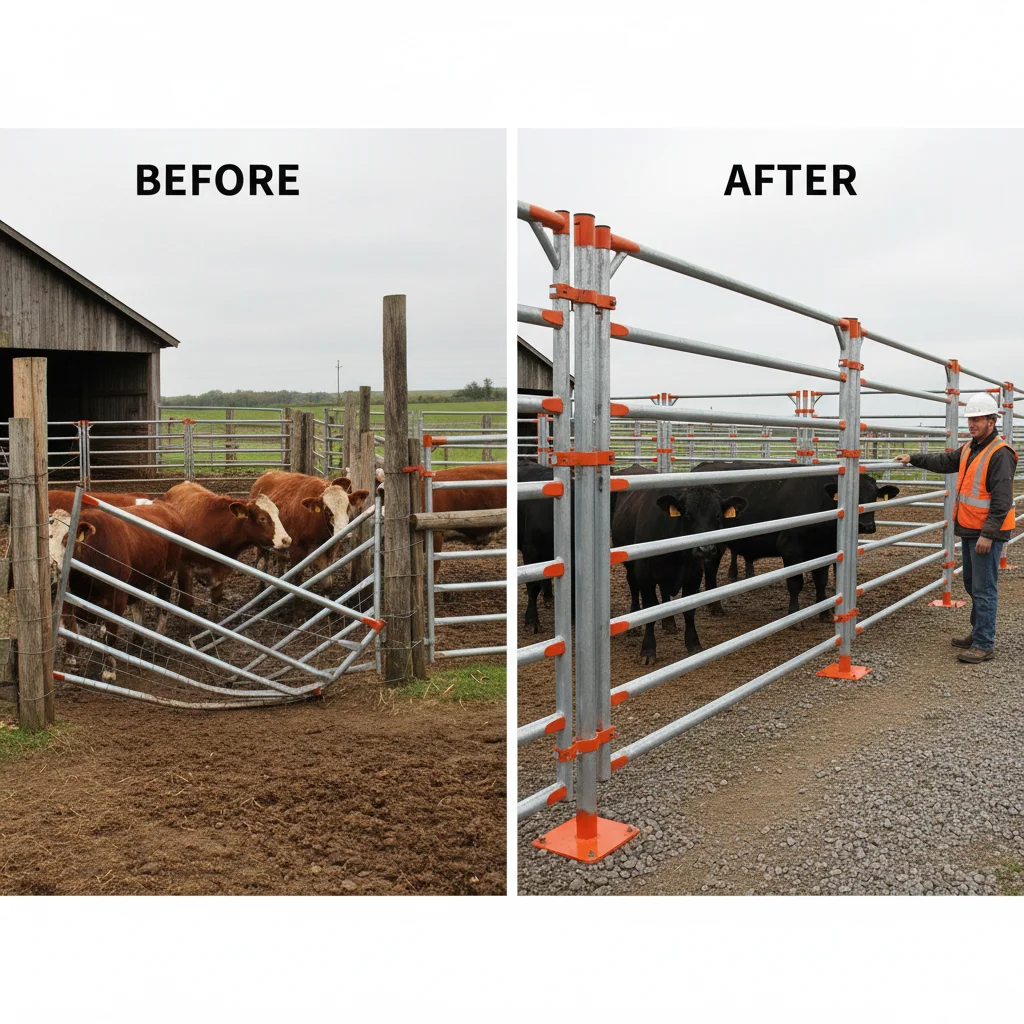
Durable Freestanding Livestock Panels for Efficient Animal Handling In the demanding world of agricultural management, the need for flexible and robust containment solutions has never been more critical. freestanding livestock panels offer a sophisticated answer to the challenges of animal handling, providing a secure yet adaptable barrier that does not require permanent installation or deep grounding. By allowing farmers and ranchers to redefine their spatial layouts in minutes, these panels maximize the efficiency of existing infrastructure while ensuring the safety of both the handlers and the livestock. Read More >26 Apr, 17
-
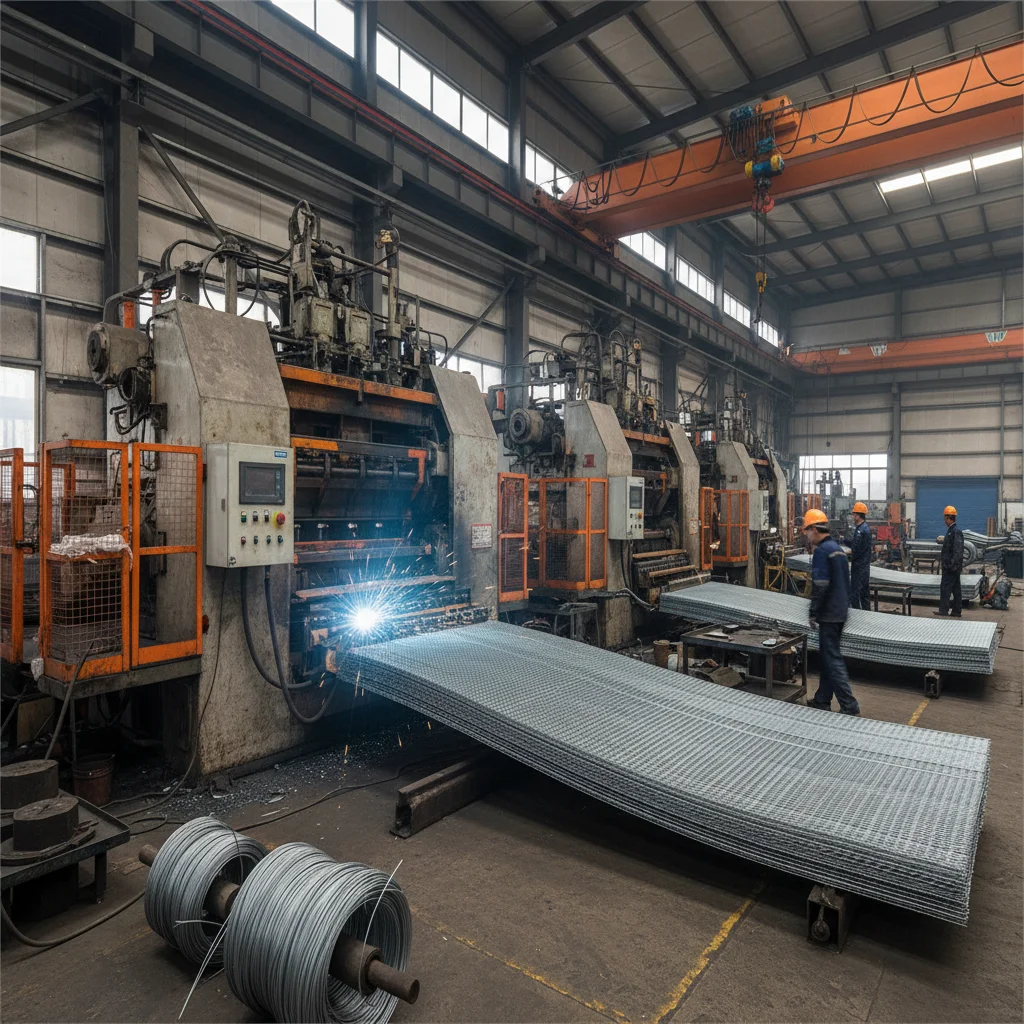
Professional Galvanized Welded Mesh Factory for Industrial Projects Finding a reliable galvanized welded mesh factory is critical for ensuring the structural integrity and longevity of your industrial or agricultural installations. Galvanized welded mesh is prized for its exceptional strength and resistance to corrosion, making it the go-to choice for fencing, animal cages, and construction reinforcement. However, not all factories adhere to the same quality standards. Whether you are sourcing for a large-scale infrastructure project or a specialized commercial application, understanding the manufacturing process and quality benchmarks is key to making a cost-effective investment that lasts for decades. Read More >26 Apr, 16
-
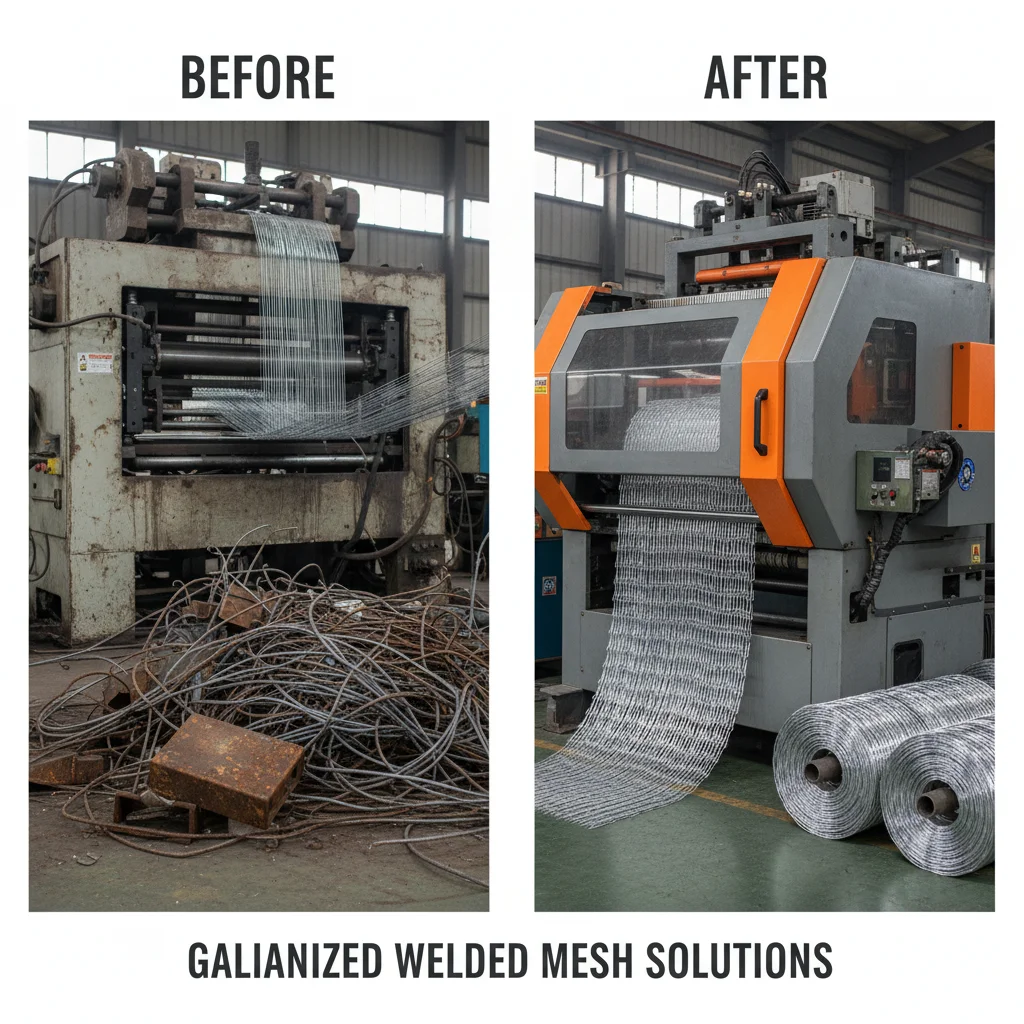
Professional Galvanized Welded Mesh Exporter for Quality Projects Selecting a high-quality fencing or screening solution requires more than just picking a product; it requires partnering with a reliable galvanized welded mesh exporter who understands the balance between structural integrity and corrosion resistance. Whether you are securing an industrial perimeter, building animal enclosures, or implementing architectural reinforcements, the quality of the galvanization process determines the lifespan of your installation. In this guide, we will explore the technical advantages of galvanized welded mesh and how to identify a global supplier that meets international quality standards to ensure your investment stands the test of time. Read More >26 Apr, 09
-
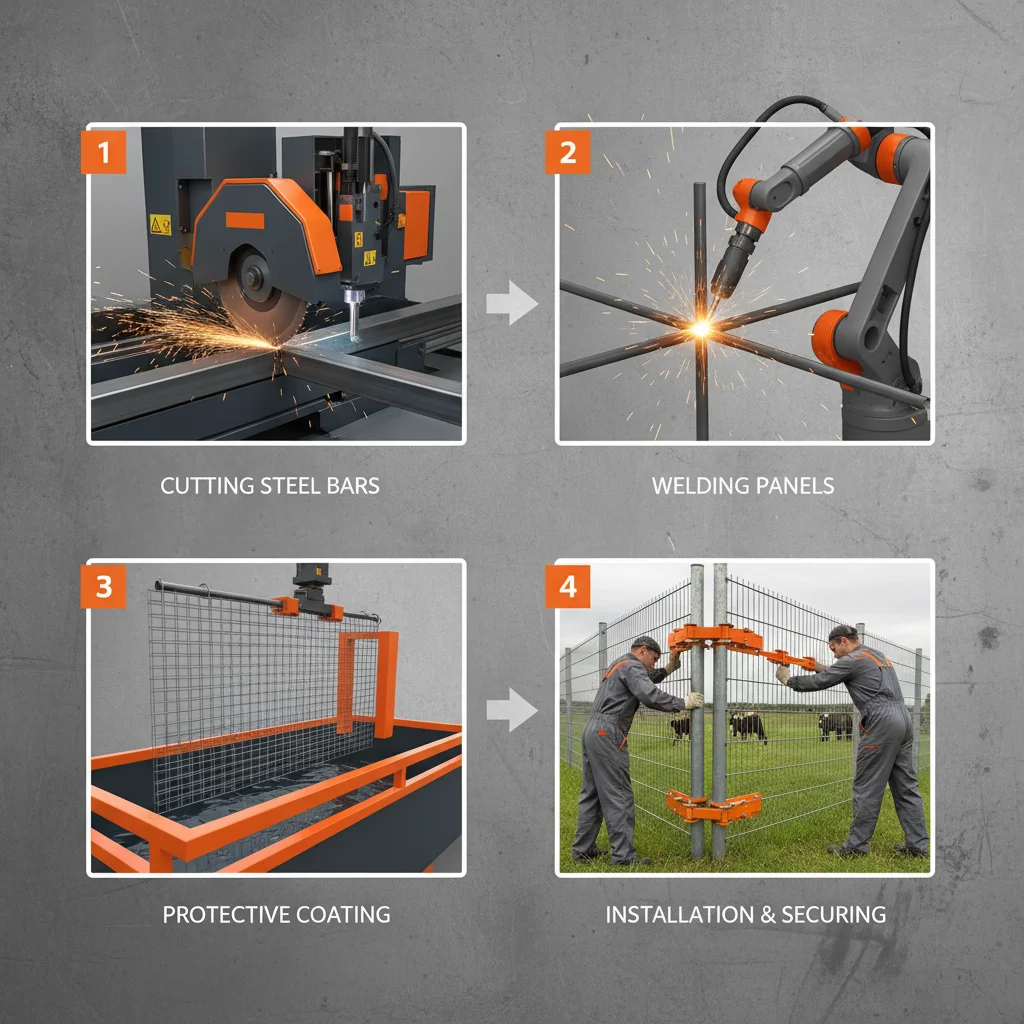
Essential Fencing Panels for Livestock Management and Farm Productivity Fencing panels for livestock are essential components in modern animal husbandry, playing a critical role in efficient farm management, animal welfare, and land utilization. Globally, the demand for robust and reliable fencing solutions is increasing due to the expanding livestock industry and the need to protect grazing lands from encroachment and predation. These panels aren’t simply barriers; they represent a vital investment in a farm's productivity and the health of its animals. Read More >26 Apr, 08
If you are interested in our products, you can choose to leave your information here, and we will be in touch with you shortly.


