


Durable & Versatile Cattle Panel 4 Gauge for Farming and Industry
The Essential Role of Cattle Panel 4 Gauge in Modern Agriculture and Beyond
When you first hear “cattle panel 4 gauge,” it might sound niche, technical, or something only livestock farmers deal with. But oddly enough, this simple piece of sturdy, galvanized steel mesh actually touches a vast range of industries worldwide— agriculture, construction, disaster relief, even wildlife protection. In real terms, understanding the true value of cattle panel 4 gauge helps unlock smarter fencing, more efficient enclosures, and even cost-effective safety solutions globally. It’s not just about cows.
So why does it matter? Well, around the globe, ensuring safe containment for animals, people, equipment, and resources can be surprisingly tricky—and expensive. Using the right panel, with the right gauge, changes that. It offers durability, affordability, quick deployment, and long-term reliability.
Setting the Stage: Why Cattle Panels Are a Global Concern
The World Bank estimates that over 60% of rural populations globally rely on livestock for livelihood—often in developing countries where infrastructure is lacking. This puts pressure on affordable, durable fencing to keep animals secure and manage land efficiently.
ISO certifications on agricultural fencing emphasize the need for corrosion-resistant, standardized materials to ensure safety. But add to that challenge an urgent need in many regions to prevent wildlife conflicts, create temporary shelters, or secure construction sites, and suddenly the humble cattle panel 4 gauge is more than farm equipment.
Yet, a recurrent problem is the limited availability of strong, easy-to-install fencing that holds up against weather, animal pressure, and time without relentless maintenance costs. That’s precisely where the cattle panel 4 gauge becomes a global solution.
What Exactly Is Cattle Panel 4 Gauge?
In simplest terms, a cattle panel 4 gauge is a prefabricated steel mesh panel made of 4 gauge steel wire—meaning it’s roughly 5.19 mm thick. These panels usually feature rectangular grids roughly 6 inches high and 16 inches wide, providing excellent rigidity and visibility.
This panel type is mostly galvanized, making it resistant to rust and corrosion, which means it lasts years exposed to rain, sun, and even harsh environments. Farmers use them primarily to fence cattle and other livestock because the panels can withstand hits, bites, and pushes.
But think about it—this mesh’s strength and form have also made it popular in secure temporary structures, erosion control, and in disaster zones where speed, strength, and modularity are all key.
Core Features You Can’t Ignore
Durability
Cattle panel 4 gauge’s 4 gauge steel wire means it stands tough under strain. Many engineers note it holds up well against rust, animal pressure, and impacts. This durability translates into lower maintenance and better long-term return.
Scalability & Modularity
One of the best things is how easily panels link together to form continuous fencing or enclosure systems. This makes sizing flexible from small pens to large pastures or even construction zones.
Cost Efficiency
Compared with custom-built fences or welded wire mesh alternatives, using cattle panel 4 gauge is generally cheaper upfront and cheaper over time because it requires fewer repairs.
Portability & Quick Setup
These panels are lightweight enough for quick transport and installation, making them ideal for temporary use or rapidly changing layouts in farming or emergency settings.
Visibility & Airflow
The grid openings strike a good balance between confinement and openness, allowing for airflow and line of sight—important to animal welfare and site security.
Global Applications: Real-World Use Cases
- Agriculture: Widely used in North and South America to fence cattle pastures and protect crops.
- Disaster Relief: NGOs in cyclone-prone regions utilize panels to quickly erect safe holding areas for livestock and displaced livestock.
- Construction Sites: Panels serve as temporary barriers securing materials and limiting worker hazards in Europe’s industrial zones.
- Wildlife Reserves: Panels help create removable, low-impact enclosures to protect endangered species in Africa and Australia.
One compelling example comes from a community in rural Kenya, where cattle panel 4 gauge fencing was adopted by a grassroots cooperative to reduce livestock theft dramatically within months. The panels’ quick setup and durability meant their investment paid off faster than expected.
Advantages & Lasting Value
At its core, cattle panel 4 gauge offers:
- Cost savings: Material longevity and less frequent replacement yield financial relief.
- Safety: Strong, secure pastures reduce animal escapes and injuries.
- Sustainability: Galvanized steel is recyclable, and longer panel life means fewer raw materials consumed overall.
- Emotional reassurance: Farmers and workers gain peace of mind knowing their animals and equipment are well-protected.
Using these panels also communicates modernity and professionalism, something many agricultural businesses need to thrive in competitive markets.
What’s Next? Future Trends & Innovation
In the coming years, expect cattle panel 4 gauge to evolve with materials that reduce environmental impact even further—think zinc-aluminum coatings or powder-coatings replacing traditional galvanization for improved rust resistance.
Digitization plays a role, too: some manufacturers are embedding RFID tags or QR codes into panels for inventory tracking and theft prevention, part of a larger smart farming trend.
And oddly enough, automation could extend to panel installation, with robotic helpers precisely positioning and securing these panels—cutting costs and setup time.
Challenges & How Experts Are Tackling Them
While hard-wearing, cattle panel 4 gauge isn’t indestructible. In extreme climates, corrosion can still creep in unless well-maintained.
Installation on uneven terrain can cause gaps or weak spots. Experts recommend combining the panels with sturdy posts and tension wires to maintain integrity.
Finally, supply chain disruptions (especially recently) mean sourcing quality panels can be tricky. Providers with local manufacturing hubs, or diversified supply chains, fare better.
FAQ: Your cattle panel 4 gauge Questions Answered
Q: How thick is 4 gauge wire in cattle panels?A: Four gauge wire measures about 5.19 millimeters (roughly 0.204 inches) in diameter, offering strong resistance to bending and breaking in fencing applications.
Q: Can cattle panel 4 gauge panels be used in coastal environments?A: With proper galvanization, yes — but additional coatings or stainless options might be better long-term in salty, humid air to prevent rust.
Q: How quickly can I install these panels?A: Depending on the site and helpers, a single panel can often be installed within 15–30 minutes, especially with pre-set posts.
Q: Are these panels recyclable?A: Absolutely. Made from steel, cattle panels can be melted down and reformed, helping reduce environmental impact.
Q: How do I connect multiple panels securely?A: Using heavy-duty clips or wire ties along with posts and tension wires gives the best long-term stability.
Conclusion: Why Cattle Panel 4 Gauge Deserves Your Attention
Whether you’re securing a pasture in Patagonia, setting up a temporary relief enclosure in Southeast Asia, or managing a busy construction site in Europe, cattle panel 4 gauge is a go-to solution that marries toughness, versatility, and affordability. It’s that rare product that quietly underpins so many sectors without much fuss.
For those ready to explore the benefits firsthand, be sure to check out the offerings at https://www.haotianmesh.com—their range is notable for quality, compliance, and customization options.
Product Specification Table
| Specification | Detail |
|---|---|
| Wire Gauge | 4 gauge (5.19 mm thickness) |
| Panel Size | 16 ft length x 50 in height (typical) |
| Mesh Opening | 16 in width x 6 in height |
| Material | Steel, galvanized coating |
| Weight | Approx. 70–85 lbs per panel |
| Corrosion Resistance | High, due to zinc galvanization |
Vendor Comparison at a Glance
| Vendor | Coating Type | Standard Compliance | Customization Options | Lead Time |
|---|---|---|---|---|
| Haotian Mesh | Hot-dip galvanized & powder coated | ISO 9001, ASTM compliant | Size, length, and coating | 2–3 weeks |
| Generic Supplier A | Electro-galvanized only | Partially compliant | Limited | 4–6 weeks |
| Premium Mesh Co. | Hot-dip galvanized only | Full ASTM & ISO certified | Coating upgrades available | 3–4 weeks |
Final Thoughts
To sum it up, cattle panel 4 gauge is much more than just a farming supply—it's a durable, adaptable, and cost-effective tool that undergirds important infrastructures worldwide. Whether you’re a farmer, builder, or relief organizer, investing in these panels makes practical sense. And frankly, it feels good knowing you’ve got something you can rely on, no matter what gets thrown at it.
For top-tier quality and service, remember to check cattle panel 4 gauge options detailed on our partner’s site.
-
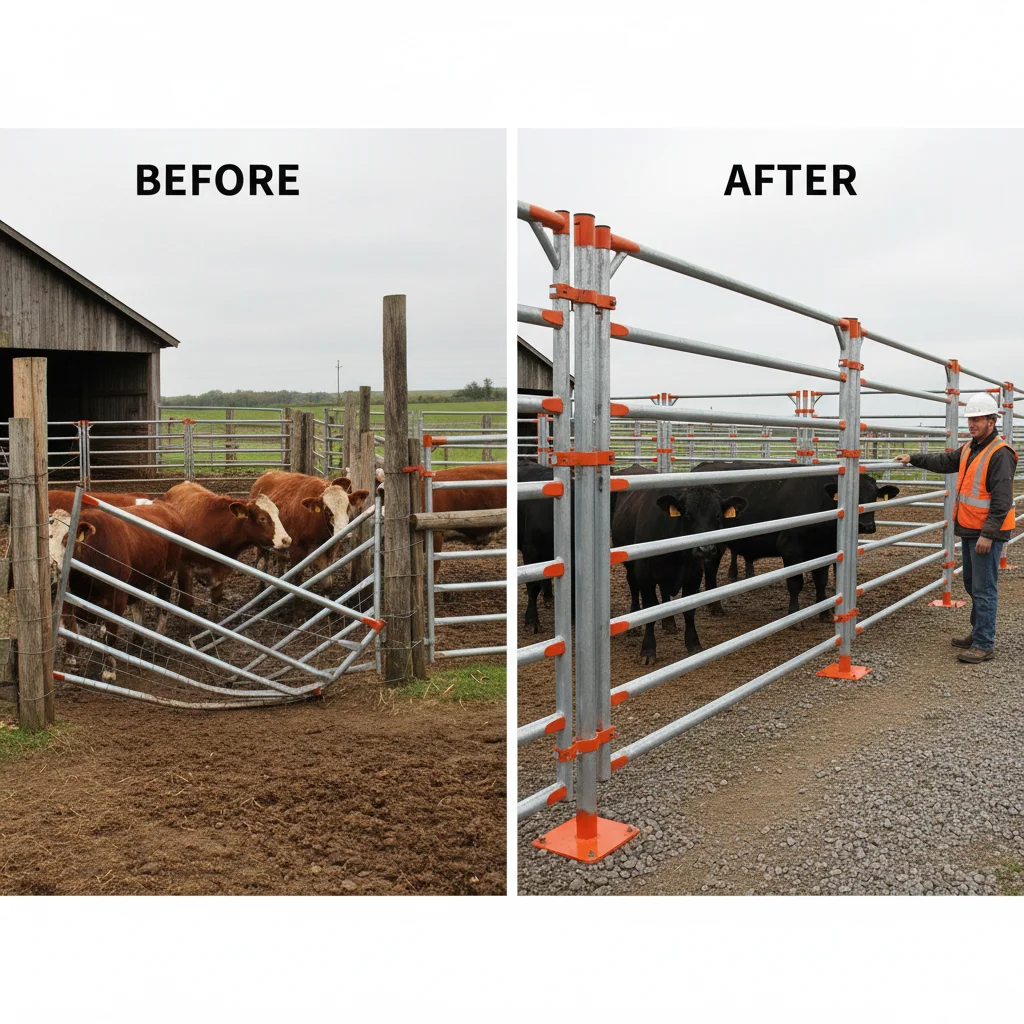
Durable Freestanding Livestock Panels for Efficient Animal Handling In the demanding world of agricultural management, the need for flexible and robust containment solutions has never been more critical. freestanding livestock panels offer a sophisticated answer to the challenges of animal handling, providing a secure yet adaptable barrier that does not require permanent installation or deep grounding. By allowing farmers and ranchers to redefine their spatial layouts in minutes, these panels maximize the efficiency of existing infrastructure while ensuring the safety of both the handlers and the livestock. Read More >26 Apr, 17
-
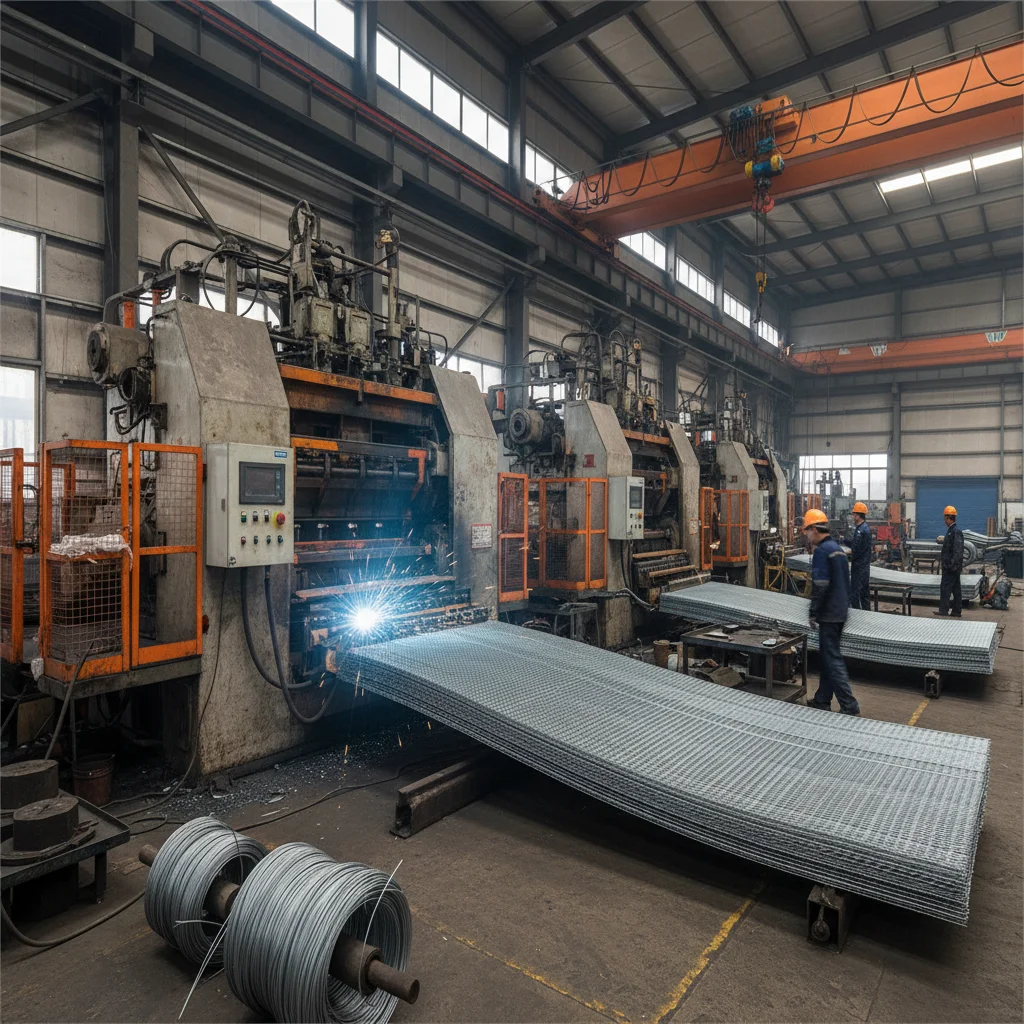
Professional Galvanized Welded Mesh Factory for Industrial Projects Finding a reliable galvanized welded mesh factory is critical for ensuring the structural integrity and longevity of your industrial or agricultural installations. Galvanized welded mesh is prized for its exceptional strength and resistance to corrosion, making it the go-to choice for fencing, animal cages, and construction reinforcement. However, not all factories adhere to the same quality standards. Whether you are sourcing for a large-scale infrastructure project or a specialized commercial application, understanding the manufacturing process and quality benchmarks is key to making a cost-effective investment that lasts for decades. Read More >26 Apr, 16
-
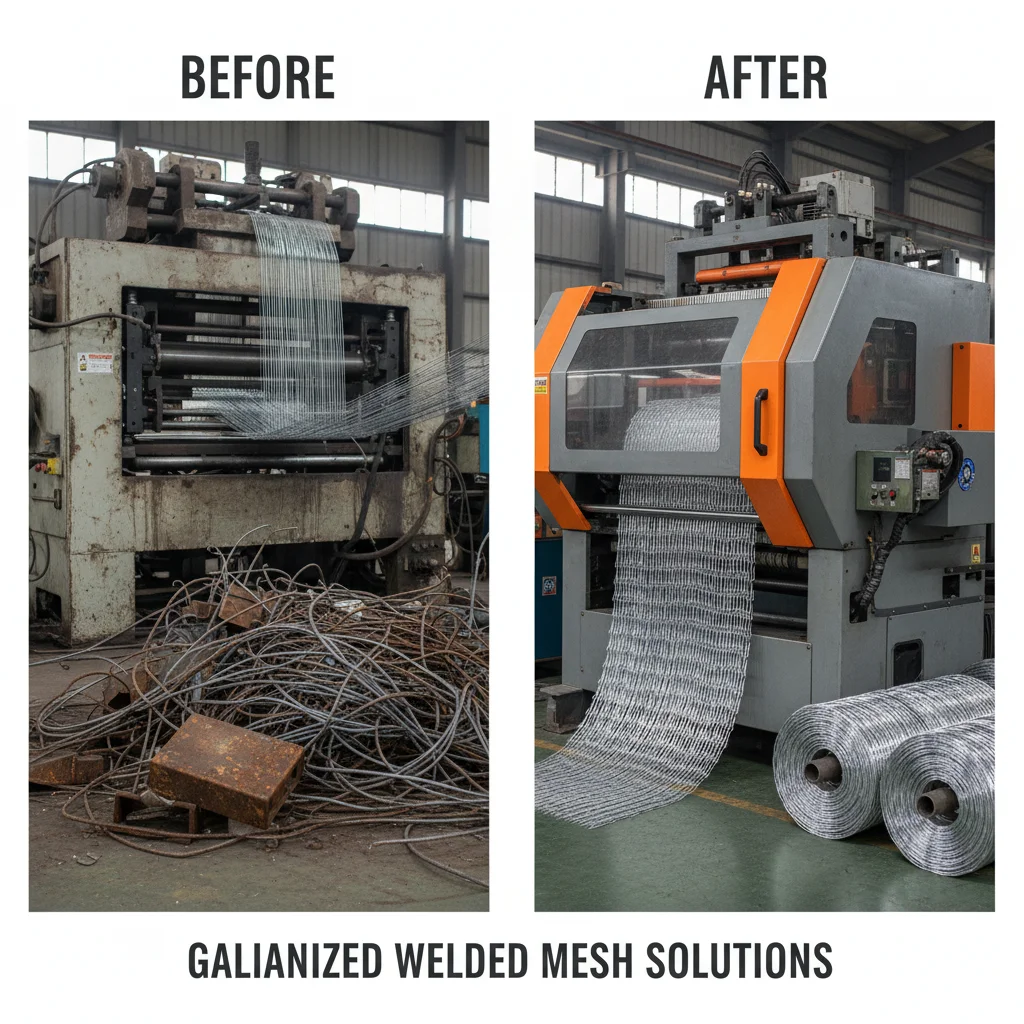
Professional Galvanized Welded Mesh Exporter for Quality Projects Selecting a high-quality fencing or screening solution requires more than just picking a product; it requires partnering with a reliable galvanized welded mesh exporter who understands the balance between structural integrity and corrosion resistance. Whether you are securing an industrial perimeter, building animal enclosures, or implementing architectural reinforcements, the quality of the galvanization process determines the lifespan of your installation. In this guide, we will explore the technical advantages of galvanized welded mesh and how to identify a global supplier that meets international quality standards to ensure your investment stands the test of time. Read More >26 Apr, 09
-
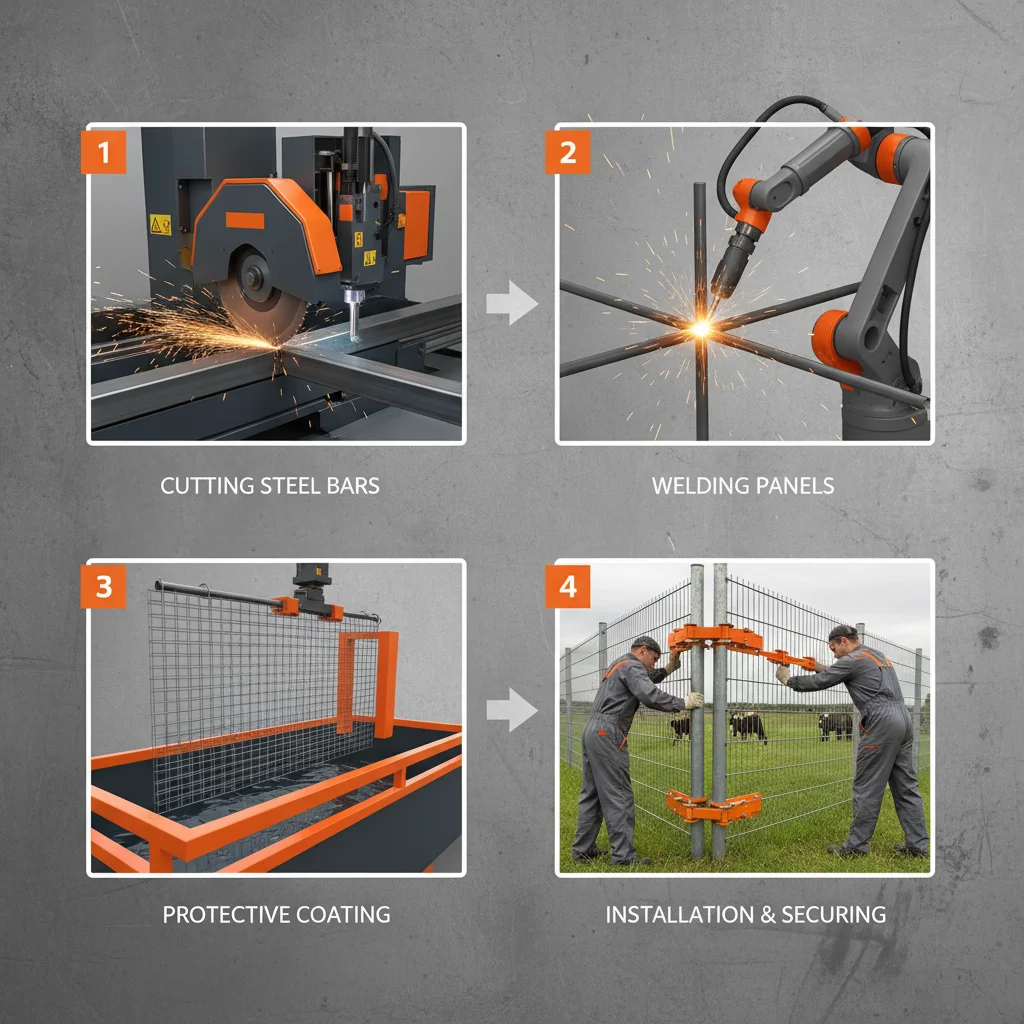
Essential Fencing Panels for Livestock Management and Farm Productivity Fencing panels for livestock are essential components in modern animal husbandry, playing a critical role in efficient farm management, animal welfare, and land utilization. Globally, the demand for robust and reliable fencing solutions is increasing due to the expanding livestock industry and the need to protect grazing lands from encroachment and predation. These panels aren’t simply barriers; they represent a vital investment in a farm's productivity and the health of its animals. Read More >26 Apr, 08
If you are interested in our products, you can choose to leave your information here, and we will be in touch with you shortly.


