


Durable Cattle Gates and Panels for Global Livestock Management | Haotian Mesh
Understanding Cattle Gates and Panels: Why They Matter Worldwide
At first glance, cattle gates and panels might just seem like basic farm equipment — simple barriers to keep livestock contained. But in reality, these structures play a pivotal role in agriculture, animal welfare, and even broader humanitarian and industrial efforts across the globe. From the sprawling ranches of North America to the remote pastoral communities of Sub-Saharan Africa, effective cattle containment solutions impact economic livelihoods, environmental sustainability, and food security. Understanding their design, application, and future trends is key for farmers, NGOs, and industries alike.
Global Context: The Far-Reaching Importance of Cattle Gates and Panels
Globally, livestock farming supports over one billion people’s livelihoods and contributes approximately 40% of global agricultural GDP (source: FAO Livestock Sector). With such a vast number of animals to manage, the infrastructure for safe and efficient containment — including cattle gates and panels — becomes a critical factor in minimizing losses due to theft, escape, or accidents.
Moreover, regions facing rapid urbanization and land-use changes often struggle with outdated or improvised fencing solutions. This not only endangers animals but can contribute to human-wildlife conflicts and environmental degradation. That’s why modern, adaptable cattle gates and panels are more than just farm gear — they’re essential tools supporting sustainable agriculture worldwide.
But the challenge remains: How do you design these products so they function well in varied climates, terrains, and economic conditions, while remaining affordable and durable?
What Exactly Are Cattle Gates and Panels?
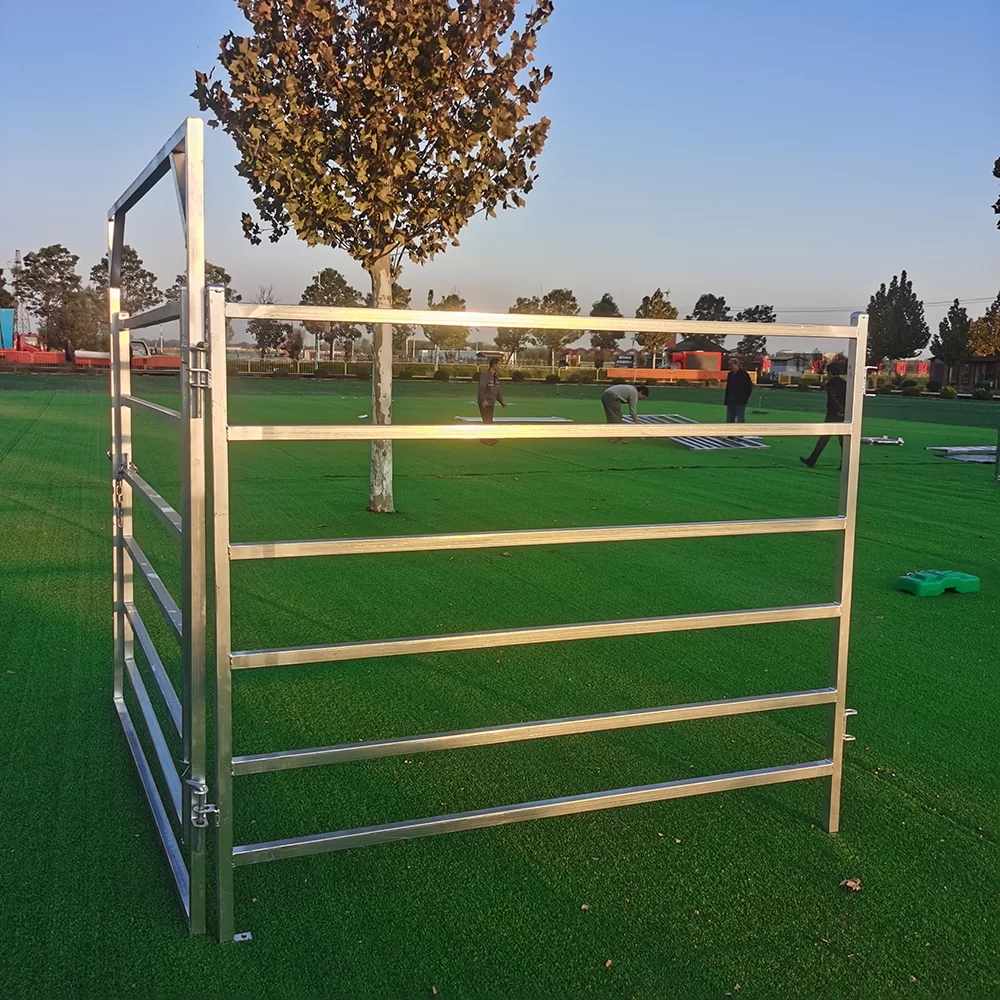
Simply put, cattle gates are hinged openings integrated into fences or enclosures for the movement of cattle, while panels are prefabricated sections of fencing that can be assembled to create pens or corrals. Think of panels as the building blocks and gates as the controlled access points.
Modern versions are typically crafted from galvanized steel or durable alloys to resist rust, withstand impact, and last several years under harsh weather. Their role? To secure livestock for feeding, medical treatment, loading for transport, or containment during breeding.
Beyond farms, these panels and gates are also adapted for use in cattle gates and panels projects involving disaster relief, temporary animal shelters, and even industrial zones where livestock needs safe segregation.
Core Factors Influencing Effective Cattle Gates and Panels
Durability and Material Strength
These barriers must endure constant pressure from large animals, weather changes, and sometimes rough handling. Galvanization is key — it’s a zinc coating that prevents rust, making the structures more robust and longer-lasting.
Portability and Scalability
Often, farmers or aid agencies need to adjust the size of a pen quickly. Modular panels that can be rearranged easily offer that flexibility. Lightweight yet sturdy materials help with transport and rapid setup.
Cost Efficiency
For many users, especially in developing regions, affordability can be the deciding factor. Smart design that reduces wasted material and labor time — without sacrificing quality — makes a huge difference.
Animal Safety and Welfare
Beyond containment, gates and panels need to minimize injury. Rounded edges, smooth welds, and appropriate spacing prevent animals from getting stuck or hurt, which promotes better health and productivity.
Ease of Installation and Maintenance
A product that requires minimal tools and expertise to install, plus low maintenance, is far more attractive to end-users, especially in remote areas with limited resources.
Global Applications: Where and How They’re Used
In the Americas, large ranches rely on high-tensile steel panels to control thousands of head, facilitating rotational grazing and veterinary care. Meanwhile, pastoral communities in East Africa use lighter, often portable, panels to create enclosures during drought seasons or to protect animals from predators at night.
Organizations like the UN’s Food and Agriculture Organization have supported projects providing modular cattle containment to displaced communities, where rebuilding infrastructure quickly is essential. In remote oil fields or mining operations, portable panels help segregate livestock from heavy machinery zones, reducing accidents.
Oddly enough, these simple solutions touch so many industries outside conventional farming — from conservation efforts to temporary event management where large animals are present.
Specification Table: Typical Cattle Gate and Panel Features
| Feature | Description | Common Specs |
|---|---|---|
| Material | Galvanized Steel Tubing | 1.5-2 inches diameter; Zinc coating 80-100 g/m² |
| Panel Size | Modular sections | 8 ft length × 5 ft height (others available) |
| Weight | Balance between portability and strength | ~30-40 kg per panel |
| Gate Type | Swing gates with locking latch mechanisms | Standard 4 ft or 6 ft width |
| Surface Finish | Hot-dip galvanizing or powder coating | 10-15 years lifespan under normal conditions |
Comparing Leading Vendors in Cattle Gates and Panels
| Vendor | Material Quality | Price Range (USD) | Customization Options | Lead Time |
|---|---|---|---|---|
| Haotian Mesh | Premium galvanization, alloy steel | $120 - $150 per panel | Size, coating, gate styles | 2-4 weeks |
| RustGuard Panels | Standard galvanized steel | $100 - $130 | Limited customization | 1-3 weeks |
| FieldPro Equipment | Powder-coated steel, mid-grade | $110 - $140 | Gate styles, sizes | 3-5 weeks |
Why Investing in Quality Cattle Gates and Panels Makes Sense Long Term
When it comes down to it, investing in well-made cattle gates and panels delivers clear benefits that aren’t always headline-grabbing but matter deeply on a day-to-day level. You get reduced loss from escapes, decreased injury rates among animals, and less time spent on repairs or rebuilding fences after storms. That means better herd health, higher productivity, and greater peace of mind.
There's also a social angle: sturdy, humane containment solutions contribute to animal welfare standards that are increasingly demanded by consumers and regulators alike. On a logical note, quality infrastructure reduces waste and environmental impact by lasting longer and avoiding the need for constant replacement.
In some ways, you could say it builds trust — between farmers, distributors, communities, and even the market.
Looking Ahead: Innovations Shaping the Future of Cattle Gates and Panels
Today’s cattle gates and panels are already moving beyond plain steel. Lightweight composites, recycled materials, and anti-microbial coatings are gaining traction. Digital integration — smart sensors to alert if a gate is left open — might sound futuristic, but it’s a natural progression in livestock management as IoT (Internet of Things) expands.
There’s also a strong push toward sustainability: vendors incorporating green manufacturing practices or offering panels made from recycled metals. In terms of policy, newer animal welfare guidelines could drive demand for more ergonomic and safety-conscious designs.
Challenges in the Industry and How They’re Being Tackled
Despite the advances, challenges remain. Remote users often face difficulties with transportation and installation. Corrosion can still be an issue in particularly wet or coastal regions. And affordability continues to be a barrier, especially for smallholder farmers.
To counteract these, many manufacturers offer installation training and modular designs requiring minimal tools. Advances in coatings enhance corrosion resistance, and financing or subsidy programs help farmers invest in long-term solutions.
FAQ: Common Questions About Cattle Gates and Panels
- What materials are best for cattle gates in humid climates?
- Galvanized steel with a high-quality zinc coating or powder-coated panels are typically best, as they resist rusting better. Composites can also be effective but might cost more upfront.
- How easy is it to expand a pen using modular cattle panels?
- Very easy. Modular panels are designed to connect securely with clamps or bolts, allowing users to quickly add or remove sections to suit changing livestock numbers or management needs.
- Can cattle gates prevent injuries to animals?
- Yes, when designed with smooth edges, adequate spacing, and secure locking mechanisms, they minimize risks like bruising or getting limbs caught, promoting better welfare.
- Are portable cattle panels suitable for disaster relief operations?
- Absolutely. Their lightweight and modular nature mean they can be deployed quickly to provide temporary containment, supporting displaced farmers and protecting livestock during emergencies.
- What maintenance is required for cattle gates and panels?
- Regular inspection for damage or loose fittings is recommended, along with occasional cleaning and touch-up of protective coatings to prolong lifespan.
Wrapping Up: The Long-Term Value of Reliable Cattle Gates and Panels
In the grand scheme, cattle gates and panels might not headline news about agricultural innovation, but they’re quietly indispensable. They safeguard livestock, streamline operations, and ultimately support the complex web of global food security and rural economies.
For anyone looking to improve their farming infrastructure or support community livestock management, exploring quality, customizable solutions is a must — and a worthwhile investment.
Want to learn more? Visit our website for a detailed range of cattle gates and panels to fit your specific needs.
References
-
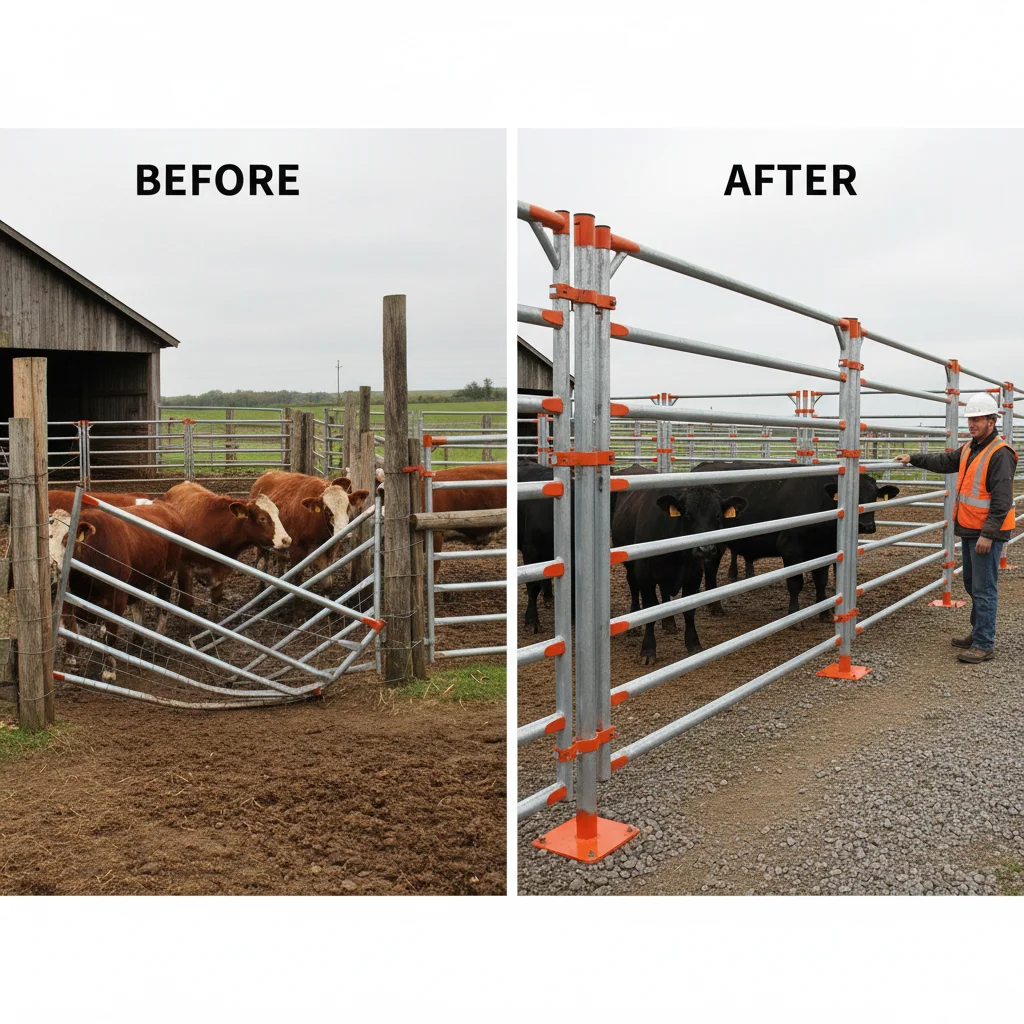
Durable Freestanding Livestock Panels for Efficient Animal Handling In the demanding world of agricultural management, the need for flexible and robust containment solutions has never been more critical. freestanding livestock panels offer a sophisticated answer to the challenges of animal handling, providing a secure yet adaptable barrier that does not require permanent installation or deep grounding. By allowing farmers and ranchers to redefine their spatial layouts in minutes, these panels maximize the efficiency of existing infrastructure while ensuring the safety of both the handlers and the livestock. Read More >26 Apr, 17
-
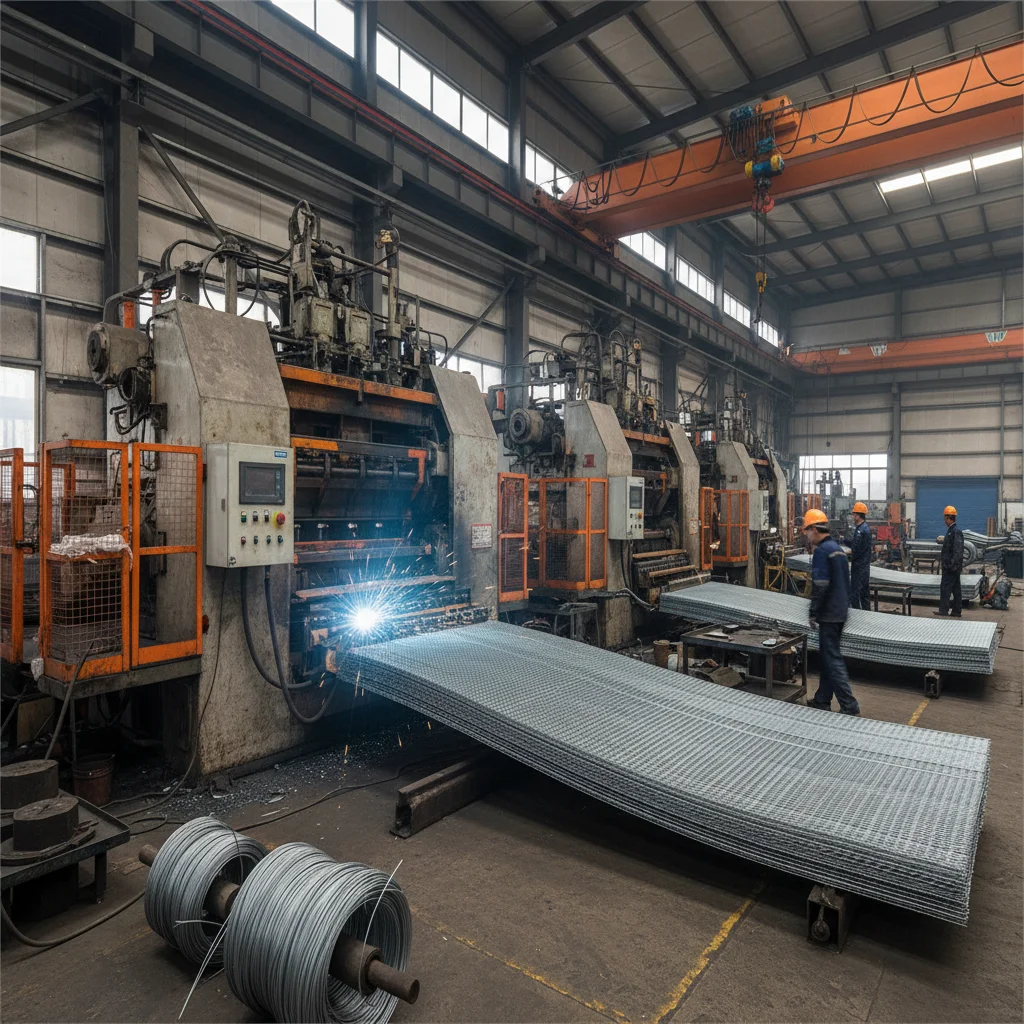
Professional Galvanized Welded Mesh Factory for Industrial Projects Finding a reliable galvanized welded mesh factory is critical for ensuring the structural integrity and longevity of your industrial or agricultural installations. Galvanized welded mesh is prized for its exceptional strength and resistance to corrosion, making it the go-to choice for fencing, animal cages, and construction reinforcement. However, not all factories adhere to the same quality standards. Whether you are sourcing for a large-scale infrastructure project or a specialized commercial application, understanding the manufacturing process and quality benchmarks is key to making a cost-effective investment that lasts for decades. Read More >26 Apr, 16
-
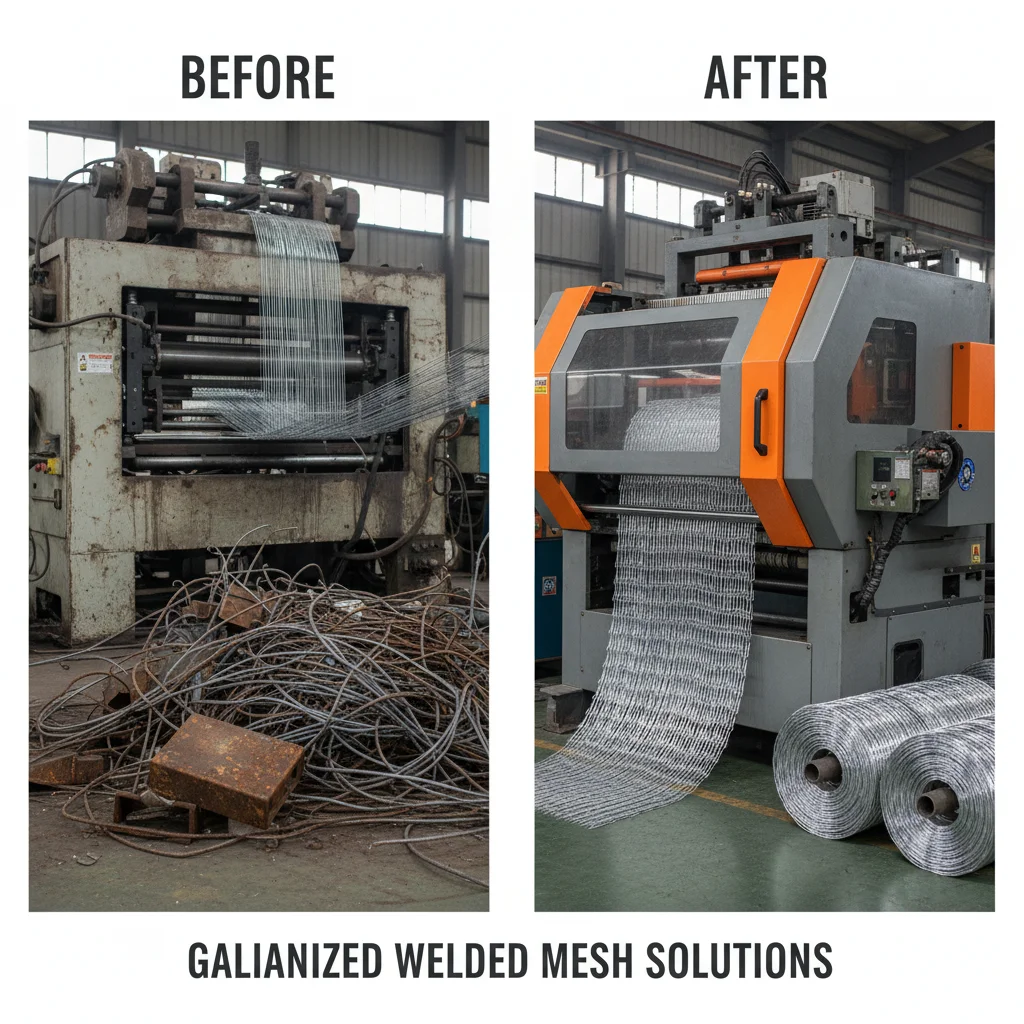
Professional Galvanized Welded Mesh Exporter for Quality Projects Selecting a high-quality fencing or screening solution requires more than just picking a product; it requires partnering with a reliable galvanized welded mesh exporter who understands the balance between structural integrity and corrosion resistance. Whether you are securing an industrial perimeter, building animal enclosures, or implementing architectural reinforcements, the quality of the galvanization process determines the lifespan of your installation. In this guide, we will explore the technical advantages of galvanized welded mesh and how to identify a global supplier that meets international quality standards to ensure your investment stands the test of time. Read More >26 Apr, 09
-
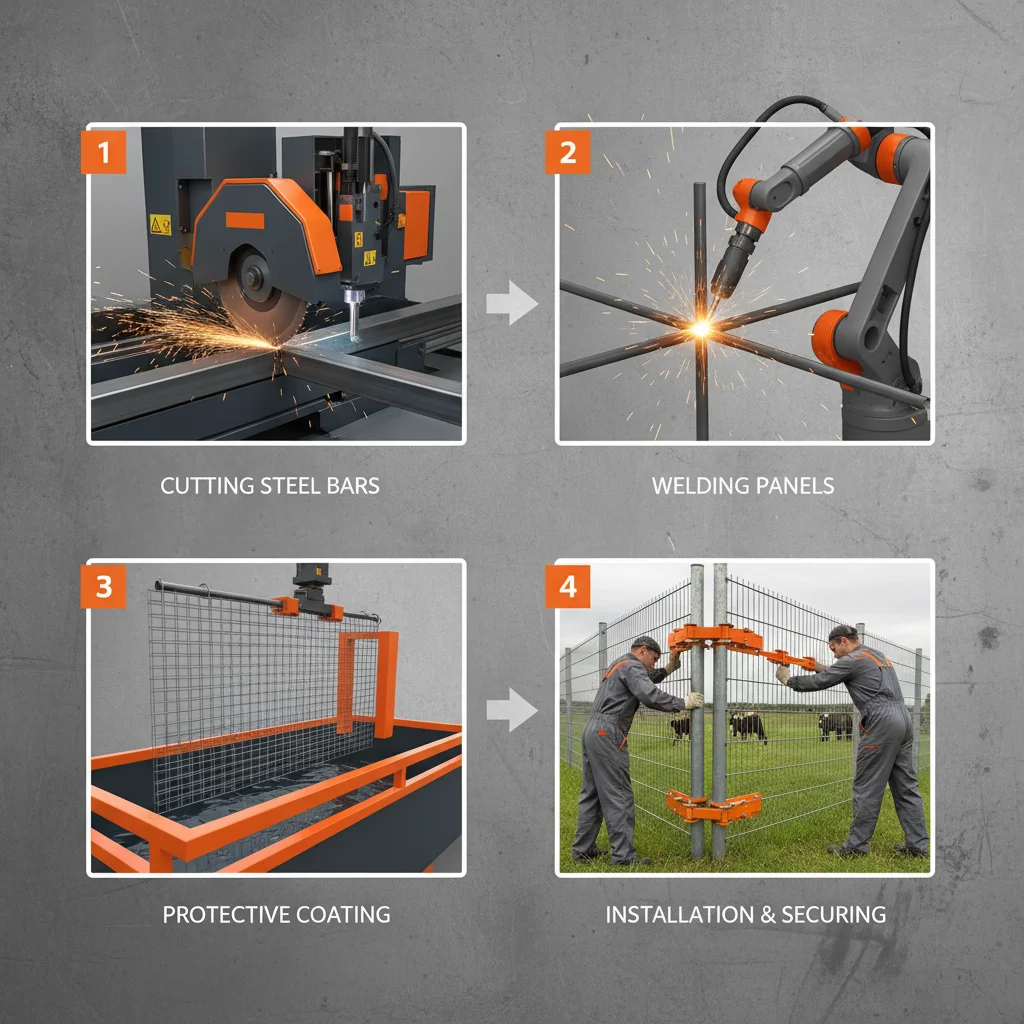
Essential Fencing Panels for Livestock Management and Farm Productivity Fencing panels for livestock are essential components in modern animal husbandry, playing a critical role in efficient farm management, animal welfare, and land utilization. Globally, the demand for robust and reliable fencing solutions is increasing due to the expanding livestock industry and the need to protect grazing lands from encroachment and predation. These panels aren’t simply barriers; they represent a vital investment in a farm's productivity and the health of its animals. Read More >26 Apr, 08
If you are interested in our products, you can choose to leave your information here, and we will be in touch with you shortly.


