


Durable and Efficient Cattle Panel Posts | Global Applications & Innovations
What Are Cattle Panel Posts and Why They Matter Globally
If you’ve ever strolled through a pasture or spotted a ranch, you might have noticed the sturdy, grid-like fencing holding it all together. Those are cattle panel posts in action — the unsung heroes that keep livestock secure, farms organized, and often, communities safer.
On a global scale, these posts and their accompanying panels play a surprisingly vital role. As livestock farming remains essential for food security—accounting for nearly 40% of agricultural GDP worldwide according to the World Bank—having reliable fencing is crucial. Poor fencing risks animal escape, crop damage, and even conflicts in rural areas.
Understanding cattle panel posts means grasping one small but meaningful piece of global agriculture, rural livelihoods, and even humanitarian efforts where fencing helps rebuild stable environments.
The Global Context of Cattle Panel Posts
Livestock farming, especially in developing nations, is often accompanied by issues like land disputes, predation by wild animals, and uncontrolled grazing, which harm ecosystems. The United Nations Food Systems Summit has spotlighted the need for sustainable and resilient farming infrastructure—including fencing solutions.
Cattle panel posts come into play by offering a robust, flexible, and scalable way to erect protective barriers. In disaster-affected regions, where infrastructure may be damaged, quick fencing using cattle panel posts restores order—helping farmers restart their livelihoods fast.
However, traditional fencing methods can be slow, expensive, or unsuited for harsh terrains. These issues draw attention to modern cattle panel posts as an effective alternative.
Defining Cattle Panel Posts
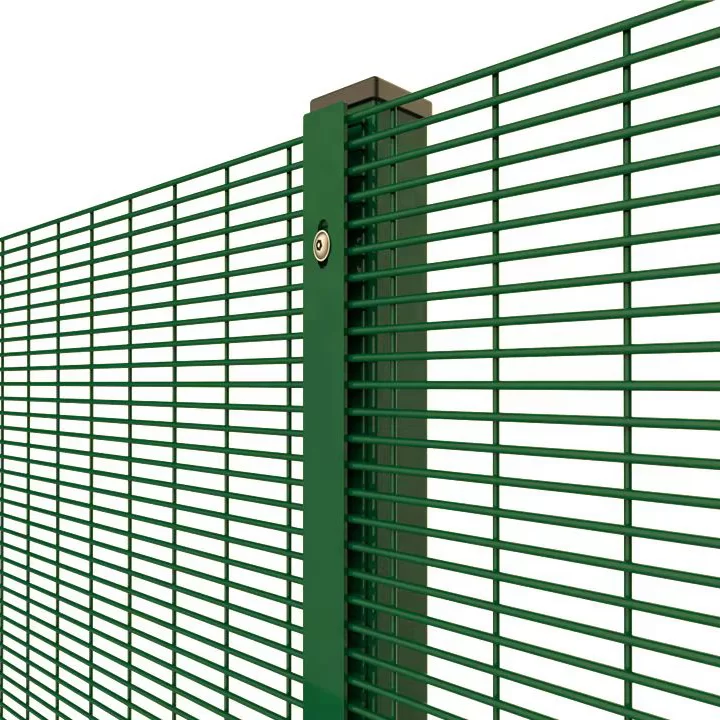
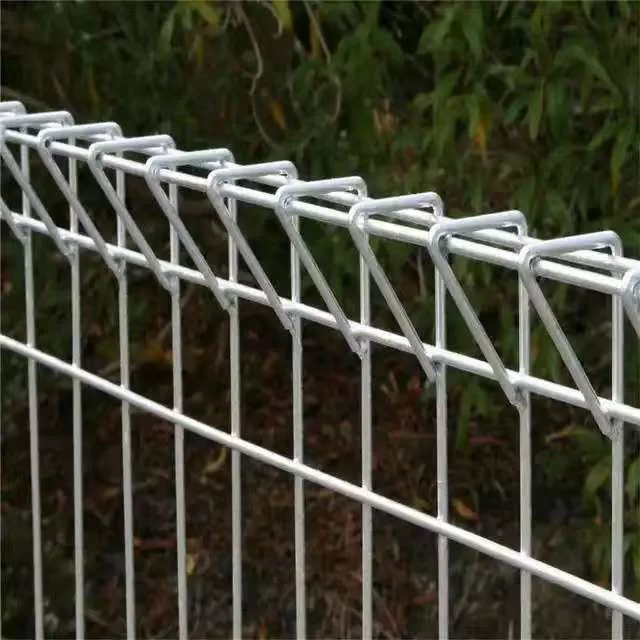
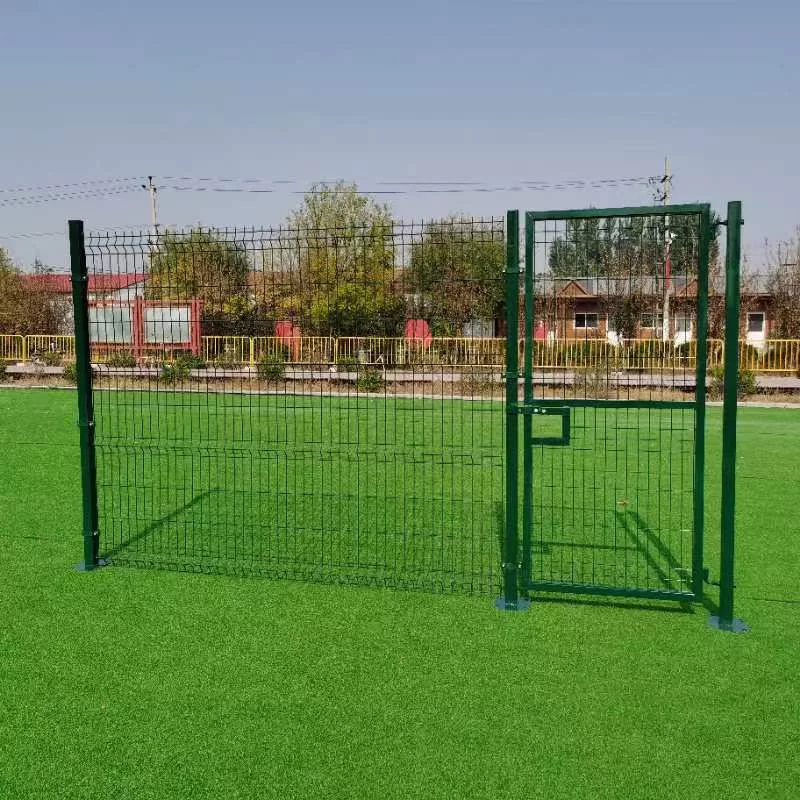
In simple terms, cattle panel posts are vertical supports designed to hold cattle panels—the rectangular, welded wire grids used in fencing. Typically made of galvanized steel or powder-coated metals, they're engineered to withstand livestock pressure, weathering, and time.
The panels attach securely to the posts, creating a fence system that's easy to customize in length and height, making it suitable for everything from small farms to large ranches or even wildlife preserves.
Their significance extends beyond agriculture—used in construction sites, temporary barriers, and sometimes in humanitarian contexts for shelter and containment zones.
Key Factors That Define Quality in Cattle Panel Posts
Durability and Material Strength
These posts must resist rust, bending, or breaking under pressure—not just from animals but environmental factors like rain, UV rays, or soil acidity. Galvanized steel is the go-to choice due to its long life and low maintenance.
Ease of Installation and Scalability
Fast deployment often makes or breaks fencing projects. Cattle panel posts designed with uniform sizes, pre-drilled holes, and compatible connectors reduce setup time. Plus, their modular nature lets farmers scale fences up or down effortlessly.
Cost Efficiency
When budgets are tight, getting the right balance of upfront cost against lifespan matters. Cheap posts may corrode fast and require replacement; quality ones usually save money over time.
Compatibility with Panels and Accessories
Posts that match standard panel sizes and support accessories like gates or tensioners simplify assembly and increase fence stability.
Environmental Impact
Sustainable sourcing of materials and recyclability factor into long-term environmental goals, increasingly important in modern agriculture.
Security and Safety Features
Smooth finishes, proper post spacing, and height contribute to animal welfare and prevent injuries or escapes.
Real-World Applications of Cattle Panel Posts
The variety of scenarios where cattle panel posts shine is impressive. In the American Midwest, ranchers rely on these posts to section off grazing areas efficiently. Meanwhile, in East Africa, NGOs use panel posts and fencing to protect livestock from predators and theft, essential to livelihoods.
In remote mining zones in Australia, livestock fencing built with cattle panel posts delineates animal-free perimeters near industrial activity, safeguarding both machinery and animals. Even in post-disaster zones, such as after floods or wildfires, these posts facilitate quick repairs to broken fencing infrastructure, allowing rapid resumption of farming comfort.
Curious about a sturdy product? Check out cattle panel posts options designed for diverse environments.
Specifications: Typical Cattle Panel Posts Compared
| Feature | Standard Post | Heavy Duty Post | Galvanized Post |
|---|---|---|---|
| Material | Mild Steel | Reinforced Steel | Hot-dip Galvanized Steel |
| Height | 6 ft | 7 ft | 6 ft |
| Diameter | 1.5 inch | 2 inch | 1.5 inch |
| Weight | 4.5 lbs | 7 lbs | 5 lbs |
| Anti-rust Treatment | Painted | Powder-coated | Galvanized |
Advantages and Long-Term Value of Using Cattle Panel Posts
What really seals the deal with cattle panel posts is their balance of tangible and intangible benefits. Firstly, they’re cost-effective—not just as an upfront purchase but as durable assets requiring minimal maintenance.
Emotionally, fencing secures the farmer’s peace of mind: knowing livestock won’t wander off or fall prey to predators helps sleep better. Socially, using reliable posts shows community responsibility, since escapes or broken fences can cause disputes or accidents.
Let’s also not forget environmental sustainability. High-grade posts last longer and need fewer replacements, reducing waste. Plus, many manufacturers now offer recyclable steel posts, tying into circular economy principles.
Vendor Comparison: Popular Cattle Panel Post Manufacturers
| Vendor | Materials | Price Range | Lead Time | Customization |
|---|---|---|---|---|
| Haotian Mesh Co. | Galvanized Steel | $$ | 10-15 days | Yes |
| FarmTech Supplies | Powder-coated Steel | $$$ | 7-10 days | Limited |
| Global Fence Gear | Mild Steel | $ | 15-20 days | No |
Future Trends and Innovations in Cattle Panel Posts
Honestly, the industry might not grab headlines often, but innovation is bubbling under the surface. New alloys and composites aim to make posts lighter yet stronger. I've seen ideas about integrating sensors on posts to monitor fence integrity remotely—imagine alerting farmers instantly if the fence breaks or an animal escapes.
Environmentally, greener coating techniques and recycling programs align with global sustainability targets such as the ISO 14001 environmental management standards.
Digitally, some manufacturers are pairing their products with apps that help landowners plan fence layouts efficiently. It feels like the next wave will be about integration—making fences smarter instead of just stronger.
Challenges and Practical Solutions
Of course, there’s no perfect product. Challenges can include soil conditions that complicate post installation (rocky or sandy soils), variability in local manufacturing quality, and logistics in remote areas.
Experts recommend site-specific pre-installation surveys to choose suitable post designs or supplemental anchoring techniques. Increasingly, modular post kits and local assembly workshops aim to reduce supply chain issues.
FAQ About Cattle Panel Posts
-
Q: How long do cattle panel posts typically last outdoors?
A: With proper galvanization or coating, posts can last 15–25 years depending on exposure to elements and maintenance—much longer than untreated alternatives. -
Q: Can cattle panel posts be reused after disassembly?
A: Absolutely. Quality steel posts are designed for multiple installs if handled carefully, promoting sustainability and reducing costs. -
Q: What factors affect the choice between standard and heavy-duty posts?
A: It depends on animal type, fence height needed, and site conditions. Heavy-duty posts suit larger livestock or high-stress environments. -
Q: Are there eco-friendly options for cattle panel posts?
A: Yes, manufacturers increasingly use recycled steel and eco-friendly coatings; longevity also reduces environmental footprint by lowering replacements. -
Q: How can I source quality cattle panel posts internationally?
A: Partnering with reputable suppliers like Haotian Mesh can streamline import logistics and ensure quality standards.
Wrapping Up: Why Cattle Panel Posts Are Still Essential
So, while cattle panel posts might seem like a humble commodity, their global importance is anything but minor. They’re foundational to farms, ecosystems, community safety, and even rebuilding efforts after disasters.
Their blend of durability, cost efficiency, and adaptability—combined with ongoing innovations—positions them to remain a key part of rural infrastructure worldwide.
Interested in seeing which posts fit your needs? Visit Haotian Mesh for a great selection tailored to diverse applications.
-
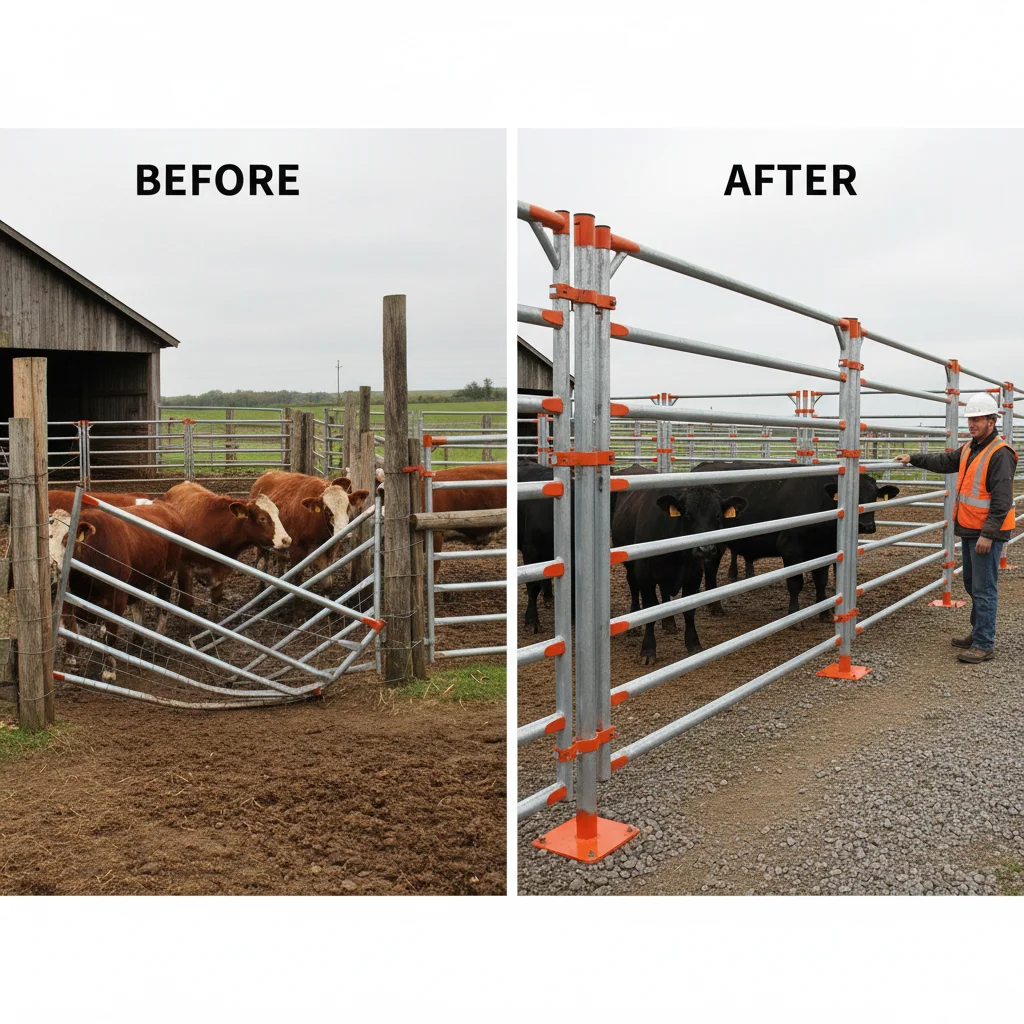
Durable Freestanding Livestock Panels for Efficient Animal Handling In the demanding world of agricultural management, the need for flexible and robust containment solutions has never been more critical. freestanding livestock panels offer a sophisticated answer to the challenges of animal handling, providing a secure yet adaptable barrier that does not require permanent installation or deep grounding. By allowing farmers and ranchers to redefine their spatial layouts in minutes, these panels maximize the efficiency of existing infrastructure while ensuring the safety of both the handlers and the livestock. Read More >26 Apr, 17
-
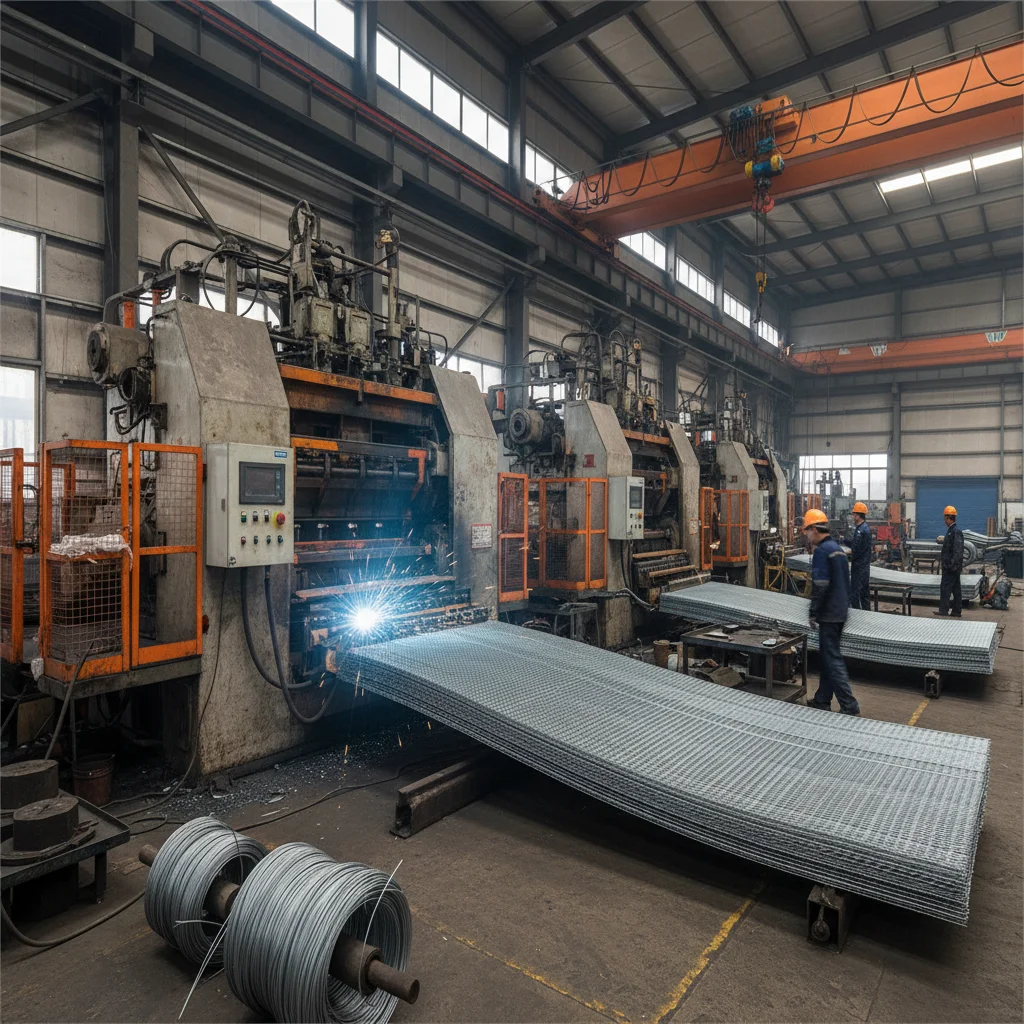
Professional Galvanized Welded Mesh Factory for Industrial Projects Finding a reliable galvanized welded mesh factory is critical for ensuring the structural integrity and longevity of your industrial or agricultural installations. Galvanized welded mesh is prized for its exceptional strength and resistance to corrosion, making it the go-to choice for fencing, animal cages, and construction reinforcement. However, not all factories adhere to the same quality standards. Whether you are sourcing for a large-scale infrastructure project or a specialized commercial application, understanding the manufacturing process and quality benchmarks is key to making a cost-effective investment that lasts for decades. Read More >26 Apr, 16
-
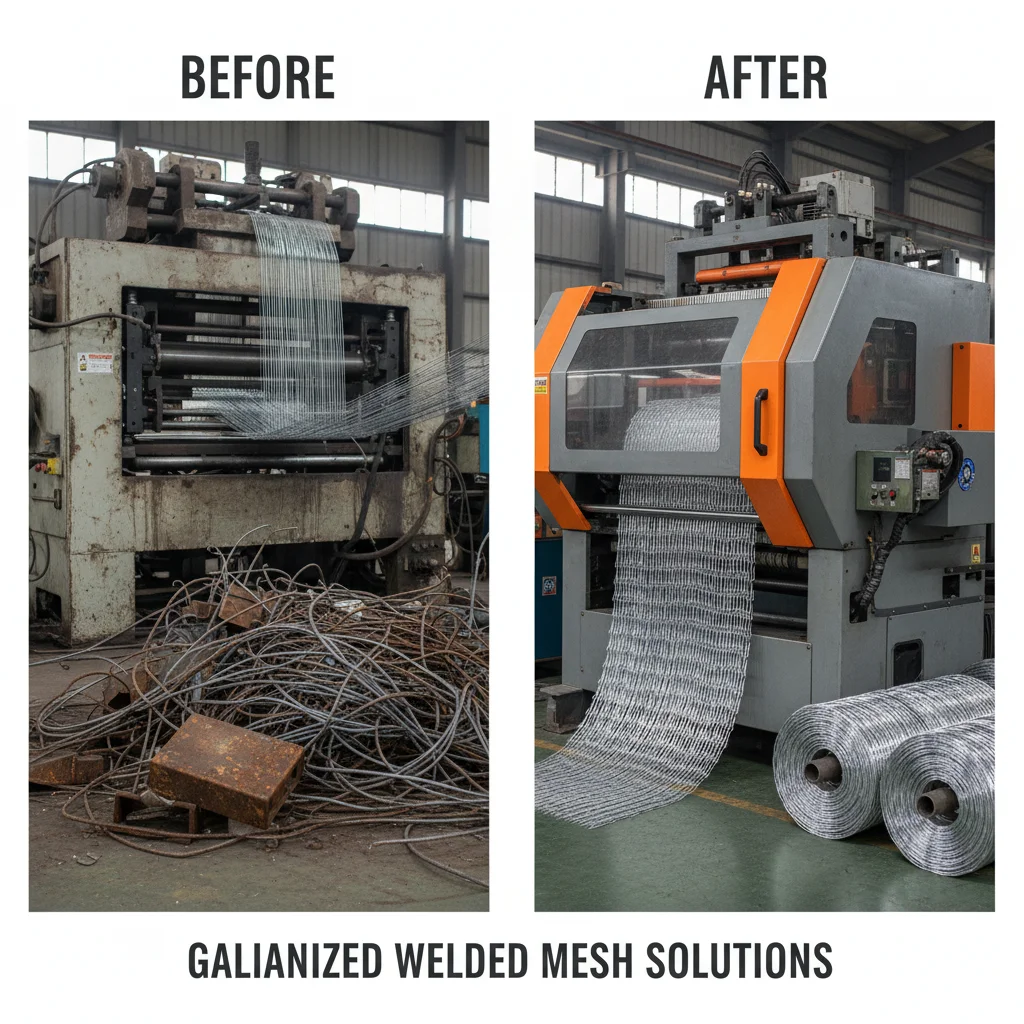
Professional Galvanized Welded Mesh Exporter for Quality Projects Selecting a high-quality fencing or screening solution requires more than just picking a product; it requires partnering with a reliable galvanized welded mesh exporter who understands the balance between structural integrity and corrosion resistance. Whether you are securing an industrial perimeter, building animal enclosures, or implementing architectural reinforcements, the quality of the galvanization process determines the lifespan of your installation. In this guide, we will explore the technical advantages of galvanized welded mesh and how to identify a global supplier that meets international quality standards to ensure your investment stands the test of time. Read More >26 Apr, 09
-
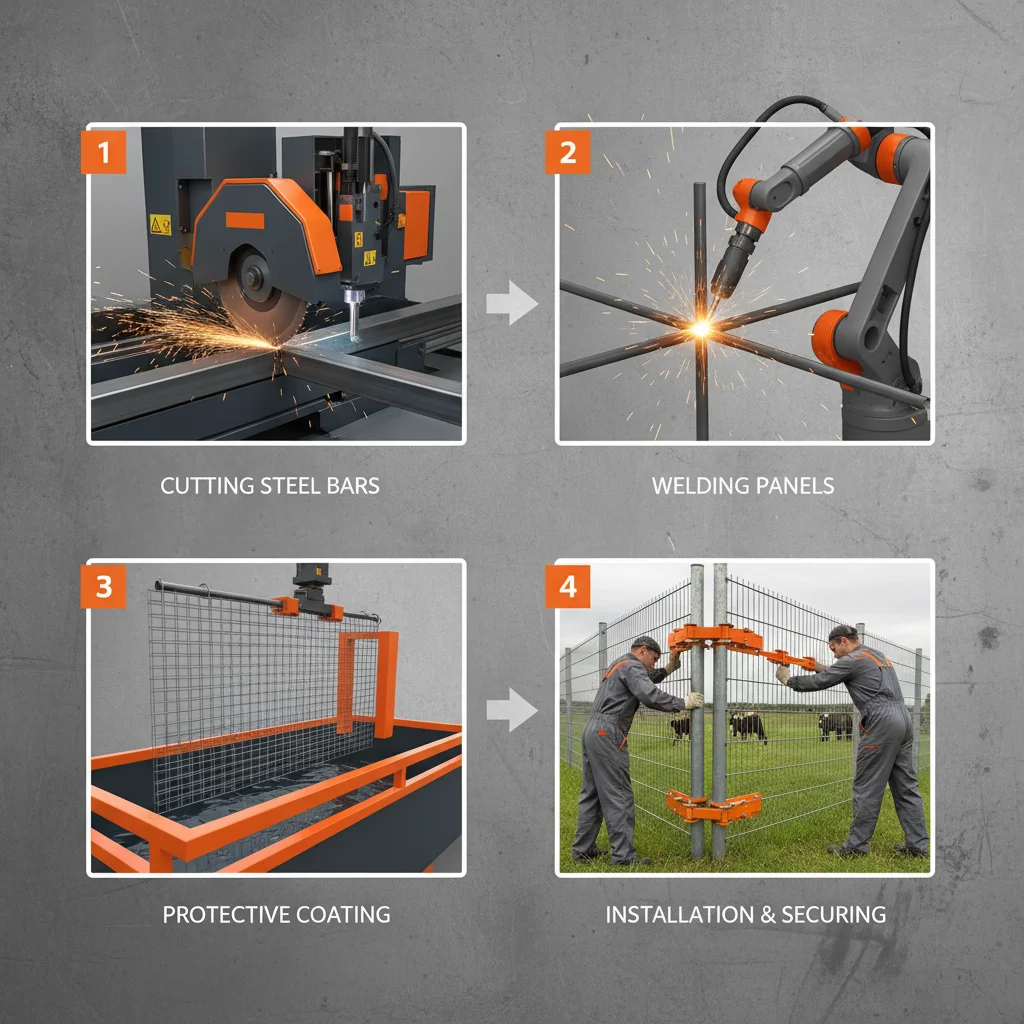
Essential Fencing Panels for Livestock Management and Farm Productivity Fencing panels for livestock are essential components in modern animal husbandry, playing a critical role in efficient farm management, animal welfare, and land utilization. Globally, the demand for robust and reliable fencing solutions is increasing due to the expanding livestock industry and the need to protect grazing lands from encroachment and predation. These panels aren’t simply barriers; they represent a vital investment in a farm's productivity and the health of its animals. Read More >26 Apr, 08
If you are interested in our products, you can choose to leave your information here, and we will be in touch with you shortly.


