


Durable and Flexible Cattle Panel Corral Solutions – Efficient Livestock Management
Understanding Cattle Panel Corral: A Key to Sustainable Livestock Management
If you’re in livestock management or just curious about farm infrastructure, you might have heard the term cattle panel corral floating around. Frankly, it's one of those practical solutions that many underestimate, yet it shapes much of how cattle are handled safely and efficiently worldwide. These structures help not only farmers but also NGOs, disaster relief workers, and industrial outfits dealing with livestock movement. Grasping what a cattle panel corral is, why it’s globally relevant, and how it contributes to better agricultural practices is essential today — especially as the world’s food demands grow and animal welfare takes center stage.
The Global Context of Cattle Panel Corrals
Livestock production remains a backbone for millions globally. According to the UN Food and Agriculture Organization, over 1.3 billion people depend on livestock for their livelihood, making efficient and humane animal management a global priority. That’s where cattle panel corrals come in. With growing concerns about sustainability, biosecurity, and humane handling, these corrals have become more than just fences — they’re strategic assets for food security and rural development.
In many developing countries, the lack of proper livestock handling facilities leads to unsafe practices, animal stress, and even economic losses. World Bank reports emphasize that improved livestock infrastructure — including proper corrals — can enhance productivity and reduce cattle mortality rates. Plus, with increased cattle transport and trade, having reliable corrals supports safer loading, vaccination, sorting, and more.
Mini takeaway: Cattle panel corrals stand at the intersection of global food security, animal welfare, and economic resilience.
What Exactly Is a Cattle Panel Corral?
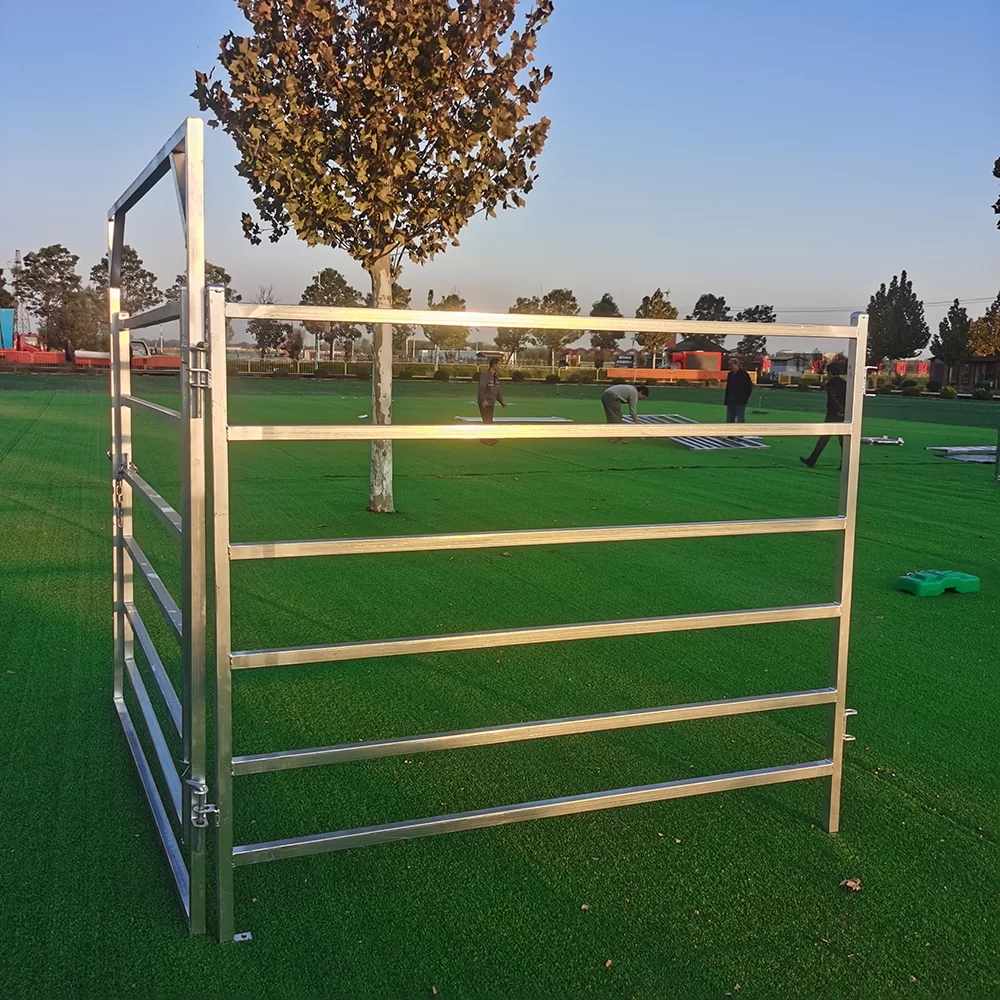
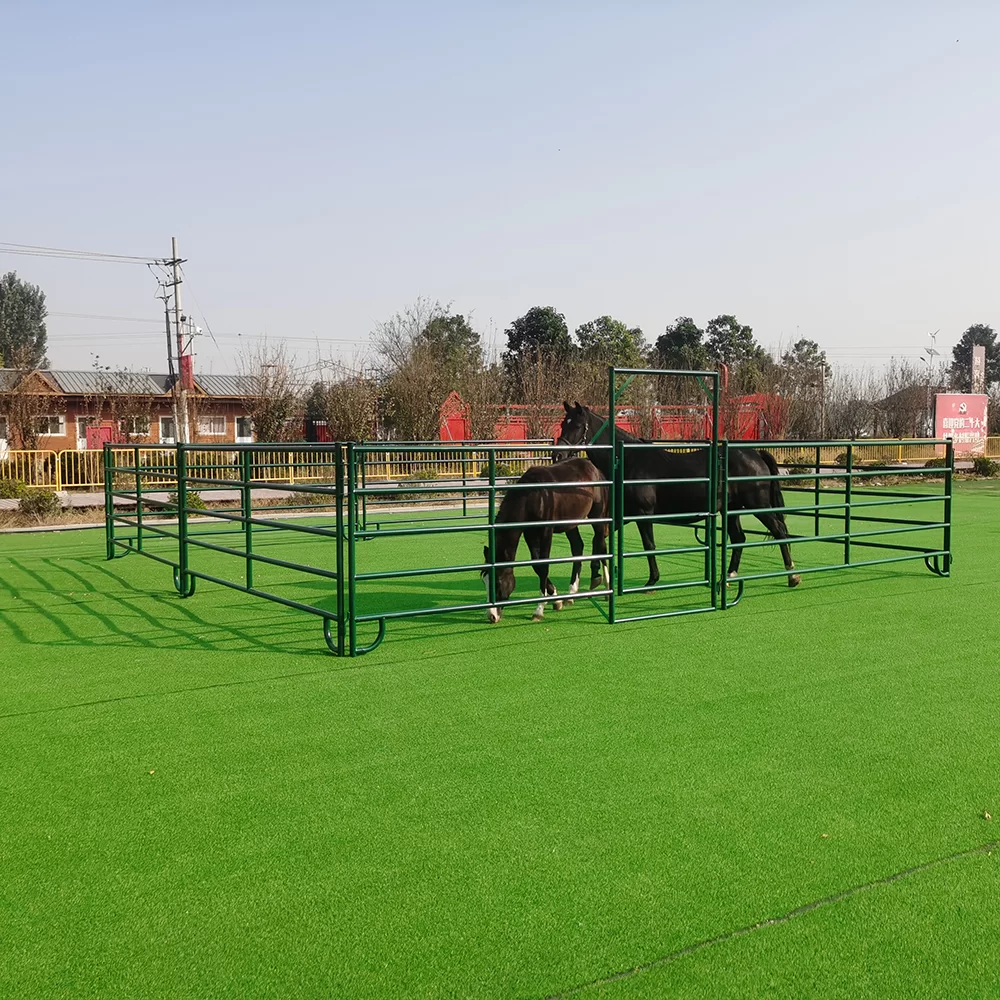
At its core, a cattle panel corral is a constructed enclosure using modular panels designed to contain and manage cattle or other livestock. These panels are typically metal, welded for strength, and designed with spacing that prevents cattle from escaping but allows handlers to see and interact safely. Think of it as a versatile, moveable yet sturdy pen system that can be tailored to different herd sizes and terrain.
Originally rooted in traditional livestock fencing, modern cattle panel corrals have evolved to meet both industry and humanitarian needs. For example, they’re widely used in veterinary clinics, ranches, disaster relief zones, and even wildlife reserves to temporarily house animals or facilitate medical treatments.
Mini takeaway: Simple in concept, but clever in design — cattle panel corrals combine durability with flexibility for multiple livestock handling scenarios.
Core Components That Make a Difference
Durability
The metal composition—usually galvanized steel—resists rust and physical wear, which makes these panels reliable for years outdoors. Many engineers say that buying quality panels pays off down the line, especially in harsh or humid climates where cheaper materials just don’t hold up.
Modularity & Scalability
Panels typically come in standardized sections (like 16ft length by 5ft height) that lock together easily. This modularity means corrals can be quickly expanded or reconfigured, which is great if your herd size changes seasonally or you've got a temporary need in a remote spot.
Cost Efficiency
Compared to building permanent stone or wooden pens, cattle panel corrals save time and money. They combine the best of robustness and portability, which makes them popular among startup farms, NGOs, or cooperatives working under budget constraints.
Safety for Animals and Handlers
Proper corrals reduce animal stress because cattle aren’t jerking against fences that could harm them. Also, well-designed gates and chutes integrated with panels let handlers move animals with less risk of injury or escape, which frankly keeps everyone calmer.
Environmental Adaptability
Whether it’s rocky ground, muddy fields, or uneven terrain, panels with adjustable feet and secure anchor systems can adapt. This versatility becomes critical in places where permanent structures aren’t feasible.
Mini takeaway: From weather resistance to easy setup, these core features blend practicality with sustainability.
Where Are Cattle Panel Corrals Used Globally?
In the US and Canada, ranchers rely heavily on corrals for sorting and medical treatment. Africa and South America, where livestock is vital for food and income, have seen NGOs deploy panel corrals post-disaster to rehousing displaced herds. Even remote mining camps in Australia set up mobile corrals to manage cattle moved between resting pastures.
One neat example comes from a relief operation in Kenya, where corrals helped protect nomadic cattle during drought. The modular panels were moved easily between villages, saving thousands of livestock from predation and stress.
Perhaps oddly enough, some wildlife conservation projects use modified cattle corral panels to temporarily hold rescued animals like antelope or deer during veterinary checks.
Mini takeaway: No matter the region or purpose — from commercial ranches to humanitarian efforts — cattle panel corrals are proving indispensable.
Advantages and Long-Term Value
- Economic savings: Reusable for years with minimal maintenance.
- Improved animal welfare: Less injury and stress during handling.
- Flexibility and reliability: Easy to adjust for herd size changes or emergency relocation.
- Social impact: Supports livelihoods and community resilience worldwide.
- Trust-building: Farmers who adopt better handling practices often see higher market demand for their livestock.
A Quick Glance: Product Specifications of Typical Cattle Panel Corrals
| Specification | Detail |
|---|---|
| Material | Galvanized steel with powder coating options |
| Panel Size | 16 ft length × 5 ft height (standard) |
| Weight per panel | ~55 kg |
| Connection System | Hook & clamp lock system for quick assembly |
| Load Capacity | Suitable for 1500+ lbs cattle |
| Customization | Available with gates, chutes, corners, and feet |
How Do Vendors Stack Up? A Quick Comparison
| Vendor | Material Quality | Customization | Price Range | Lead Time |
|---|---|---|---|---|
| HaotianMesh | Galvanized Steel, Powder Coated | Full range (gates, chutes, corners) | $$$ | 1-2 weeks |
| RanchPanel Co. | Standard Galvanized | Basic gates only | $$ | 2-3 weeks |
| Livestock Gear Ltd | Galvanized Steel with Limited Coating | Moderate options | $$$ | 1-3 weeks |
Looking Ahead: Trends Shaping Cattle Panel Corrals
The future is interesting here. Manufacturers are exploring smart sensors embedded in panels to monitor animal movement and health. Imagine a corral that alerts you if a gate is left open or tracks stress levels of cattle. Eco-friendly materials and coatings reducing soil contamination are also hot topics. Digital design and 3D printing could someday let farms print custom connectors or panels on site, reducing shipping carbon footprints. It’s clear that the cattle panel corral market is not just standing still; it’s evolving with sustainability and smart tech principles at the helm.
Challenges and Clever Solutions
No system is perfect. Common issues include panel corrosion in salty coastal regions, sometimes difficulty in stabilizing panels on sloped or rocky fields, and theft concerns in unsecured areas. Plus, assembling large corrals on-site requires training. The good news is, vendors now provide anti-theft options, rubber-coated feet to enhance grip, and comprehensive setup guides or even virtual tutorials. Also, collaborative projects with local communities improve maintenance culture and reduce damage over time.
FAQ: Your Questions About Cattle Panel Corral
- How easy is it to assemble a cattle panel corral?
- Most panels come with a hook and clamp system requiring minimal tools. A small team can set up a basic corral in a few hours, though complex configurations may take longer. Vendors often provide detailed manuals and quick-start guides.
- Can these corrals be moved after installation?
- Yes! Mobility is one of their strengths. Panels can be dismantled and reassembled without damage, ideal for rotating grazing or temporary livestock events.
- Are cattle panels safe for different breeds?
- The panel spacing and height are designed to suit a variety of cattle sizes. However, for smaller or more temperamental breeds, modifications like adding mesh or padding might be necessary.
- What maintenance is required?
- Regular cleaning and inspections for rust spots or loose connections are enough to keep panels in shape. High-end coatings minimize corrosion, making upkeep easier.
- How do NGOs acquire and ship these corrals internationally?
- Many vendors, including HaotianMesh, offer global shipping and help with customs paperwork. Bulk orders and modular packing make transport cost-efficient.
Wrapping Up
In real terms, the cattle panel corral is more than just a barrier. It’s a smart, sustainable tool that supports modern livestock handling’s many needs — from welfare to efficiency, and from emergency relief to everyday farming. If you want a solution that blends durability with flexibility and forward-thinking design, cattle panel corrals deserve a spot on your shortlist.
Curious to explore options or customize a solution for your needs? Visit our website at https://www.haotianmesh.com for more insights and product details.
References
-
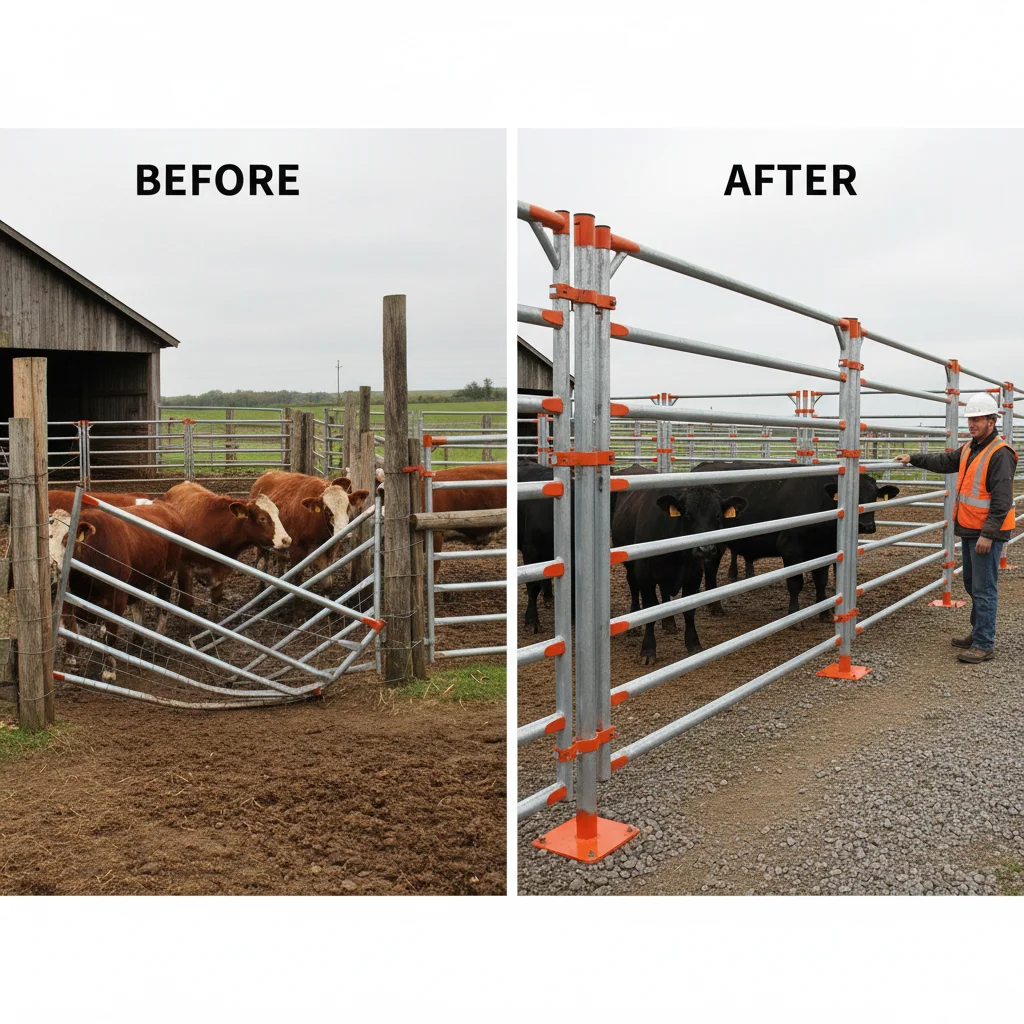
Durable Freestanding Livestock Panels for Efficient Animal Handling In the demanding world of agricultural management, the need for flexible and robust containment solutions has never been more critical. freestanding livestock panels offer a sophisticated answer to the challenges of animal handling, providing a secure yet adaptable barrier that does not require permanent installation or deep grounding. By allowing farmers and ranchers to redefine their spatial layouts in minutes, these panels maximize the efficiency of existing infrastructure while ensuring the safety of both the handlers and the livestock. Read More >26 Apr, 17
-
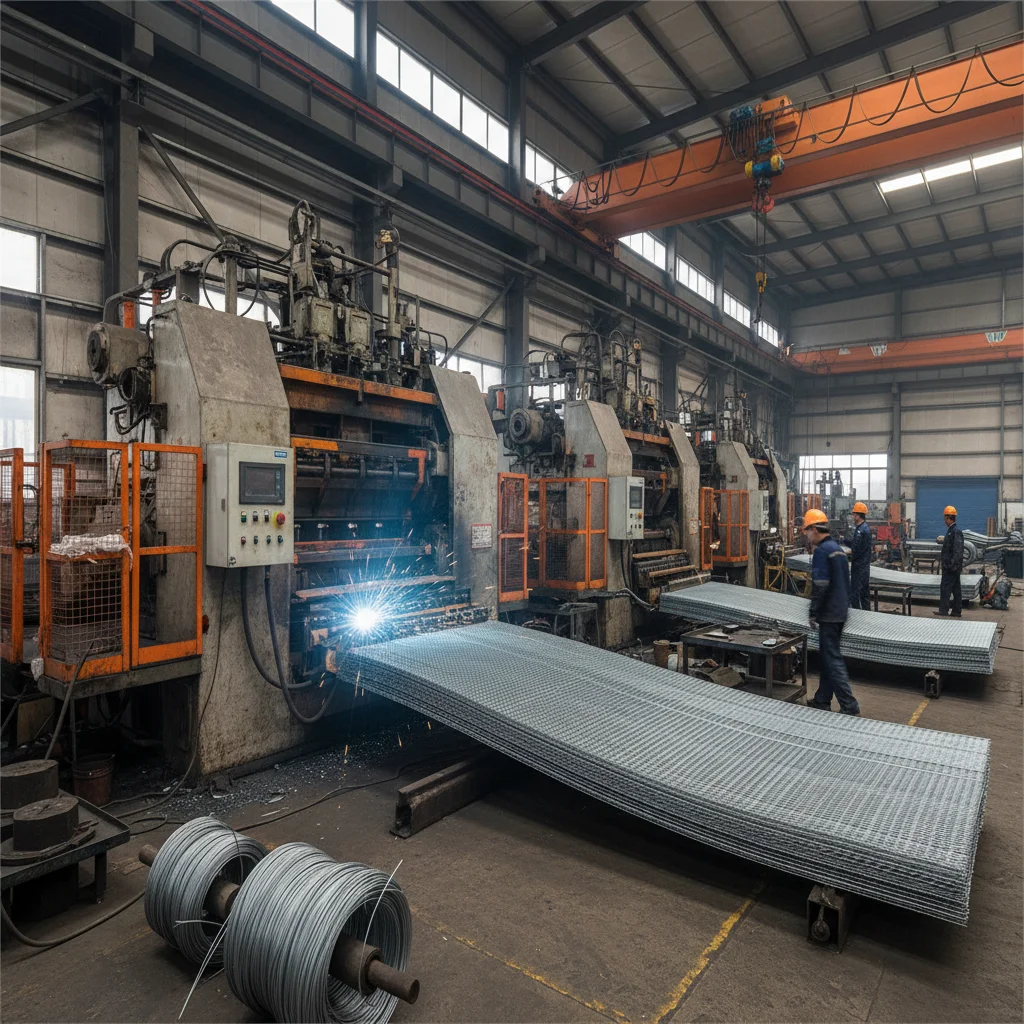
Professional Galvanized Welded Mesh Factory for Industrial Projects Finding a reliable galvanized welded mesh factory is critical for ensuring the structural integrity and longevity of your industrial or agricultural installations. Galvanized welded mesh is prized for its exceptional strength and resistance to corrosion, making it the go-to choice for fencing, animal cages, and construction reinforcement. However, not all factories adhere to the same quality standards. Whether you are sourcing for a large-scale infrastructure project or a specialized commercial application, understanding the manufacturing process and quality benchmarks is key to making a cost-effective investment that lasts for decades. Read More >26 Apr, 16
-
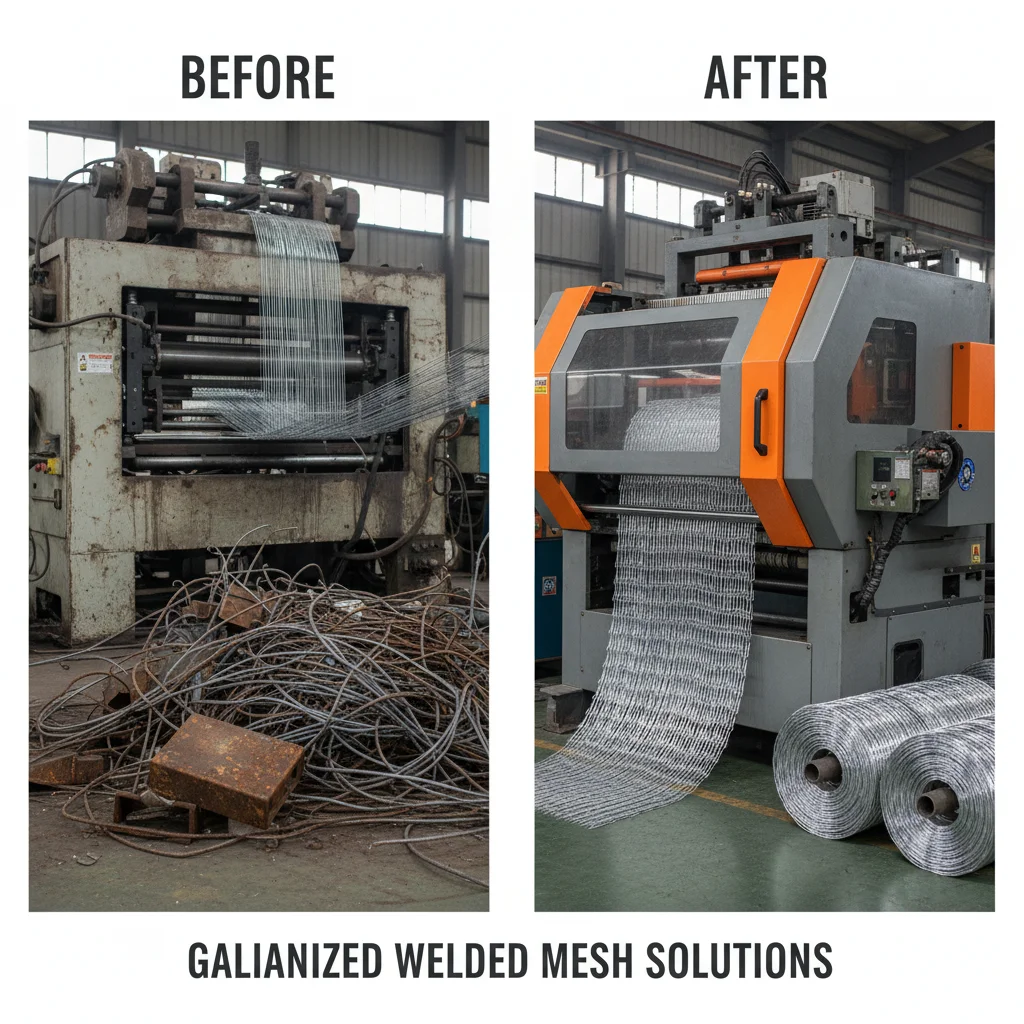
Professional Galvanized Welded Mesh Exporter for Quality Projects Selecting a high-quality fencing or screening solution requires more than just picking a product; it requires partnering with a reliable galvanized welded mesh exporter who understands the balance between structural integrity and corrosion resistance. Whether you are securing an industrial perimeter, building animal enclosures, or implementing architectural reinforcements, the quality of the galvanization process determines the lifespan of your installation. In this guide, we will explore the technical advantages of galvanized welded mesh and how to identify a global supplier that meets international quality standards to ensure your investment stands the test of time. Read More >26 Apr, 09
-
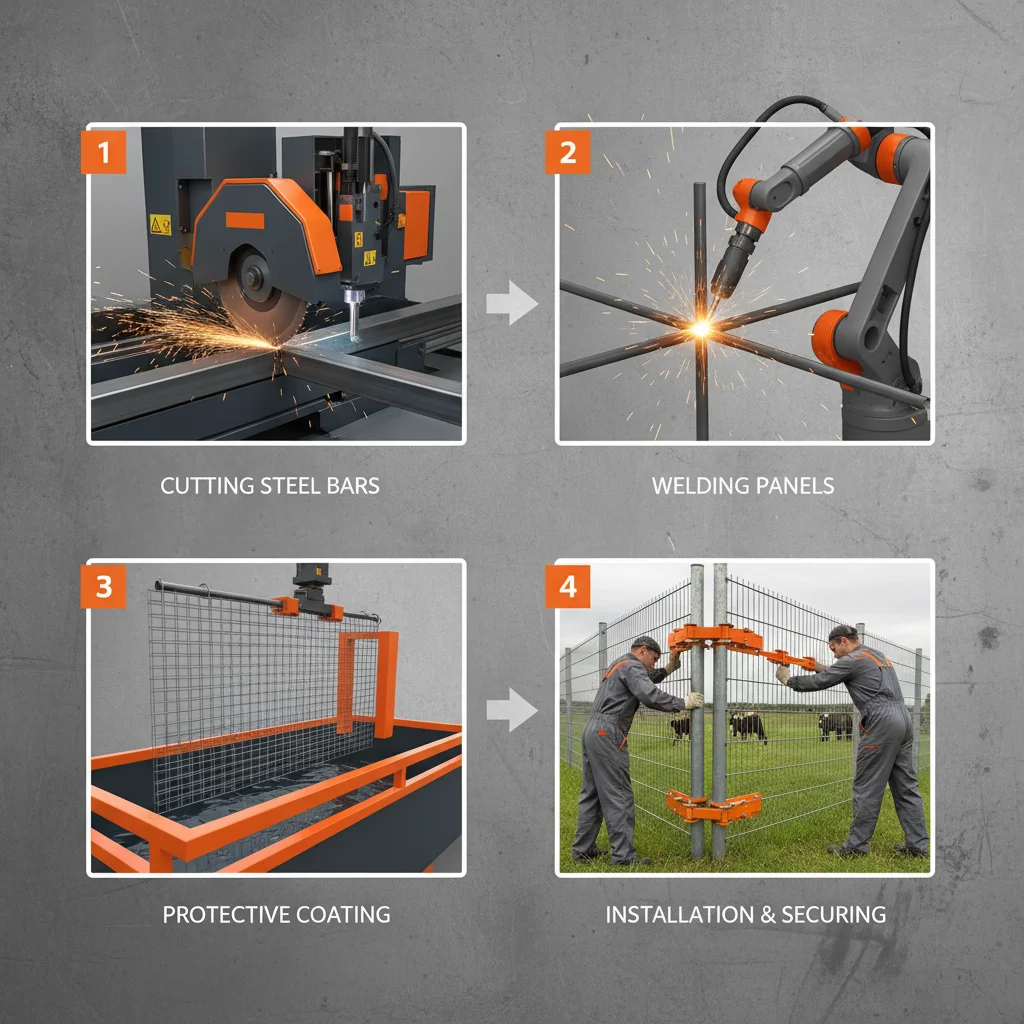
Essential Fencing Panels for Livestock Management and Farm Productivity Fencing panels for livestock are essential components in modern animal husbandry, playing a critical role in efficient farm management, animal welfare, and land utilization. Globally, the demand for robust and reliable fencing solutions is increasing due to the expanding livestock industry and the need to protect grazing lands from encroachment and predation. These panels aren’t simply barriers; they represent a vital investment in a farm's productivity and the health of its animals. Read More >26 Apr, 08
If you are interested in our products, you can choose to leave your information here, and we will be in touch with you shortly.


