


Cattle Crush Panels – Durable, Humane Livestock Handling Solutions | Haotian Mesh
Understanding Cattle Crush Panels: Why They Matter Globally
If you’ve ever been curious about how farmers manage to handle large livestock safely, then you’ve likely come across the term cattle crush panels. These essential pieces of livestock equipment may not make headlines, but they literally form the backbone of humane and efficient animal handling worldwide. Beyond just being sturdy metal frames, they play a vital role in improving animal welfare, worker safety, and operational efficiency in agriculture and industry.
Globally, millions of cattle are managed daily, and the need to safely restrain animals for procedures—vaccinations, health checks, or transportation—cannot be overstated. Not to mention the impact on productivity and reduced injury risks to both animals and staff. In a world continually striving for sustainable food production and humane livestock care, understanding cattle crush panels is more relevant than ever.
Mini takeaway: In essence, cattle crush panels are key tools fostering safer, kinder, and more effective cattle management worldwide.
The Global Context of Cattle Crush Panels
Cattle farming is a significant agricultural sector in many countries, from the great plains of the United States and Brazil to smallholder farms in East Africa and Australia's vast ranches. According to the Food and Agriculture Organization (FAO), there are roughly 1.5 billion head of cattle globally, with a significant portion involved in meat and dairy production chains that depend on safe handling equipment.
Yet, challenges persist. Injuries to both animals and farmers during routine handling are a widespread problem, leading to losses in productivity and welfare complaints. For example, rough or inadequate restraining equipment often results in stress-induced injuries. To address this, the design and deployment of cattle crush panels have become a critical part of modern livestock infrastructure — especially as producers aim to comply with evolving animal welfare standards and occupational health guidelines set forth by bodies like the International Organization for Standardization (ISO).
Put simply: without reliable cattle crush panels, handling cattle safely on a global scale is a much taller order than many realize.
Mini takeaway: Globally, cattle crush panels respond to urgent safety and welfare challenges in livestock management. They’re a silently heroic piece of the puzzle.
What Exactly Are Cattle Crush Panels?
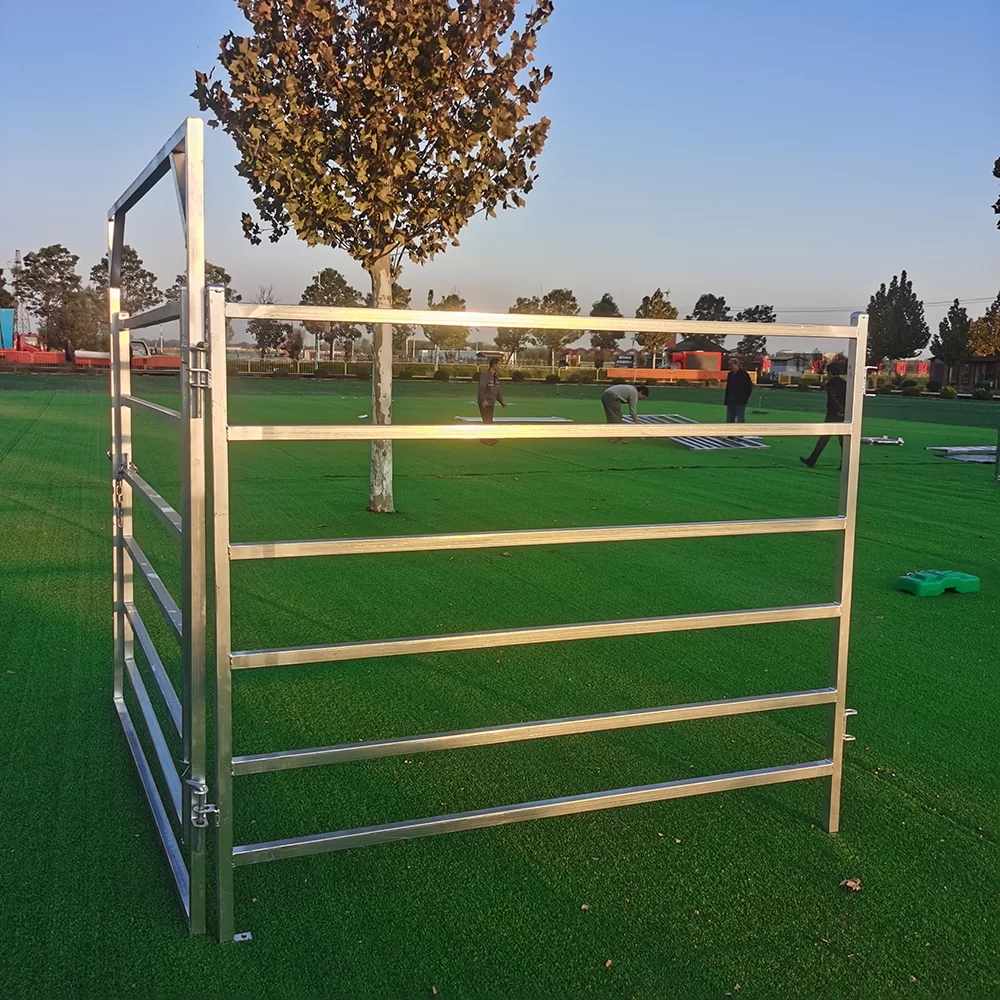
At its core, a cattle crush panel is a strong, often modular panel designed to form the sides of a cattle crush (sometimes referred to as a squeeze chute). This device safely restrains cattle during veterinary care, tagging, or loading onto trucks. Imagine a cage or gate system that adapts around the animal’s body, providing enough strength and flexibility to prevent escapes or injuries without causing undue stress.
These panels are usually made from steel or galvanized metal to resist corrosion and withstand the wear and tear of rough handling. They can be linked together to build varying crush sizes depending on the cattle breed or farm size. In humanitarian terms, they ensure that animals are treated with dignity during necessary handling and that workers avoid dangerous interactions—which is vital not only in farming but also in regulatory compliance and disaster relief livestock care.
Mini takeaway: Cattle crush panels are basically the building blocks of animal handling systems, offering customizable, strong, and safe restraint.
Key Aspects That Define Effective Cattle Crush Panels
Durability and Strength
When you think about it, these panels need to hold their ground against a hundred kilos of restless muscle. Most engineers recommend high-tensile steel or galvanized finishes to fight rust. Oddly enough, even paint layering can affect lifespan by reducing chipping or corrosion caused by repeated impact and weather exposure.
Modularity and Scalability
One size rarely fits all. The best cattle crush panel systems allow farmers to add or reduce panels, tailoring the crush sizes to regional cattle breeds or seasonal herd changes. This flexibility also helps vendors stock standardized panel parts, making repairs and upgrades less of a headache.
Cost Efficiency
Let’s be frank—budget constraints govern a lot of decisions on farms. A practical cattle crush panel balances initial investment with long-term maintenance. More affordable panels might lack corrosion resistance, while pricier ones generally earn their keep with longevity and less downtime.
Animal Welfare Features
Smoother edges, anti-panic locks, and adequate spacing between bars help reduce bruising or panic. These small but thoughtful design tweaks often reflect an operation’s commitment to better animal care — and reduce stress-related production losses.
Ease of Operation and Safety
Panels with intuitive locks and hinges can save a lot of time and cut down on accidents. Operators benefit hugely from automated locking systems or quick-release options that manage sudden animal movements more efficiently.
Mini takeaway: Durable, flexible, and user-friendly cattle crush panels are key to balancing cost, safety, and welfare on any size farm.
Real-World Applications and Who Benefits
From massive feedlots in the US Midwest to small pastoral communities in sub-Saharan Africa, cattle crush panels see extensive use. In industrial-scale farms, they support routine health inspections that would be impossible—at scale—without safe restraining equipment. Meanwhile, NGOs involved in disaster relief (think drought zones in Australia or East Africa) rely on portable crush panels for controlling livestock during vaccination campaigns or emergency culling.
Even governmental agencies use cattle crush panels to ensure compliance with animal movement laws, reducing disease transmission risks. In regions like New Zealand and Argentina, where animal welfare laws are particularly stringent, these panels are often customized and certified according to ISO standards.
Mini takeaway: Whether it's commercial farmers or humanitarian operations, cattle crush panels provide vital support for safe, compliant animal handling worldwide.
Advantages & Long-Term Value of Investing in Quality Panels
- Lower injury risk: For both animals and staff, reducing downtime and related costs.
- Sustainability: Durable panels with corrosion resistance help reduce waste and replacement needs.
- Respect and dignity: Humane handling builds better community relationships and supports ethical farming.
- Operational efficiency: Less time to restrain cattle equals more productive workdays.
- Regulatory compliance: Meets evolving animal welfare and workplace safety standards, avoiding costly fines.
Frankly, good cattle crush panels pay off more than you might guess. It’s not just about hardware — it’s about fostering trust between handlers and animals, and between farms and their wider communities.
Looking Ahead: Innovations and Emerging Trends
The cattle crush panel market is evolving with exciting tech: sensors for animal stress detection, digital locking mechanisms, and more eco-friendly materials entering production lineups. For instance, some manufacturers are experimenting with composite alloys that reduce weight but maintain strength while enhancing corrosion resistance.
Automation and integration with farm management software could soon allow handlers to monitor each animal’s capture and treatment remotely — minimizing staff exposure to hazards and improving record-keeping. Additionally, sustainability regulations push for recyclable materials and lower carbon footprints, prompting greener design philosophies.
Challenges and How Industry Is Tackling Them
The major hurdles? Balancing cost, durability, ease of transport, and welfare considerations remains tricky. As farms diversify and grow, one-size-fits-all approaches don’t cut it. Also, the rugged rural environments mean repairs or replacements can be slow or expensive.
Innovative manufacturers address this by developing modular, lightweight panels for easier shipping, combined with sturdy locking mechanisms tested extensively across climates. Research partnerships with universities and field trials further refine design tolerances, reducing failure points.
FAQ: Common Questions About Cattle Crush Panels
- Q: How do cattle crush panels improve animal welfare compared to older methods?
A: Modern cattle crush panels feature smooth finishes and adjustable sides that minimize stress and injury. Compared to ropes or wooden stocks, they provide a controlled environment reducing panic movements. This ultimately leads to calmer animals and safer handling procedures. - Q: What materials are best for long-term durability?
A: Galvanized steel remains the industry favorite due to its corrosion resistance and strength, but newer composite alloys are gaining traction for being lighter and just as robust. - Q: Can I customize cattle crush panels for different cattle breeds?
A: Absolutely. Most panel systems are modular, allowing you to adjust width and height or combine panels for larger or smaller animals—useful for mixed herds. - Q: How often should cattle crush panels be inspected or maintained?
A: Regular checks for weld integrity, rust, and locking functions should occur every 6 to 12 months, depending on use frequency and environment, to ensure safety and prolong use. - Q: Are these panels suitable for international shipping or remote operations?
A: Yes, many manufacturers design lightweight, modular panels that can be disassembled, facilitating easier shipping and set-up in remote or disaster-prone areas.
Specification Table of a Typical Cattle Crush Panel
| Feature | Specification | Comments |
|---|---|---|
| Material | Galvanized Steel (3mm thickness) | Corrosion resistant for longevity |
| Panel Dimensions | 2.1m H x 1.5m W (modular) | Easily configurable for size variation |
| Weight | ~45 kg per panel | Light enough to handle but sturdy |
| Locking Mechanism | Quick-release latch with safety pin | Ensures safe, efficient operation |
| Surface Finish | Powder-coated optional | Extra protection against weather |
Comparison of Leading Cattle Crush Panel Vendors
| Vendor | Material Quality | Customization Options | Price Range (USD) | Global Availability |
|---|---|---|---|---|
| Haotian Mesh | High-grade galvanized steel | Wide - modular panels, custom sizes | $$$ | Worldwide |
| Livestock Solutions Co. | Standard steel, optional coating | Limited modularity | $$ | North America, Europe |
| Farming Gear Ltd. | Galvanized steel with powder coat | Custom sizes available | $$$ | Europe, Australia |
Final Thoughts and Next Steps
In the grand scheme of livestock management, cattle crush panels might seem like unsung heroes—but they’re anything but unimportant. Their role in improving animal welfare, operator safety, and farm efficiency makes them indispensable. Especially as global livestock operations scale and regulations tighten, investing in quality panels is more than just good practice; it’s a necessity.
If you’re looking to explore or upgrade your cattle handling equipment, why not check out leading providers like cattle crush panels? They offer innovative, customizable solutions that keep farms running smoothly and animals safe.
So next time you hear about a crush panel, remember: it’s a small piece of metal, but a big step toward smarter, kinder farming.
References
-
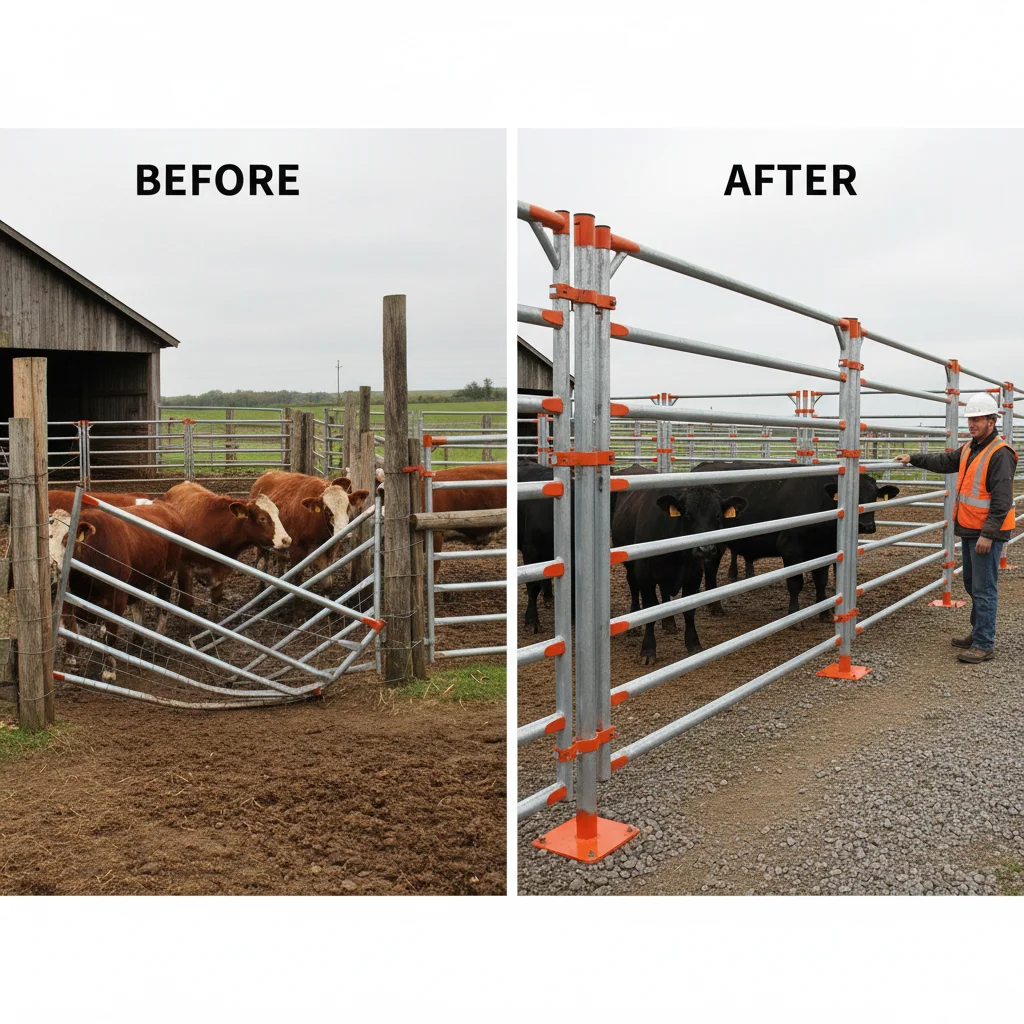
Durable Freestanding Livestock Panels for Efficient Animal Handling In the demanding world of agricultural management, the need for flexible and robust containment solutions has never been more critical. freestanding livestock panels offer a sophisticated answer to the challenges of animal handling, providing a secure yet adaptable barrier that does not require permanent installation or deep grounding. By allowing farmers and ranchers to redefine their spatial layouts in minutes, these panels maximize the efficiency of existing infrastructure while ensuring the safety of both the handlers and the livestock. Read More >26 Apr, 17
-
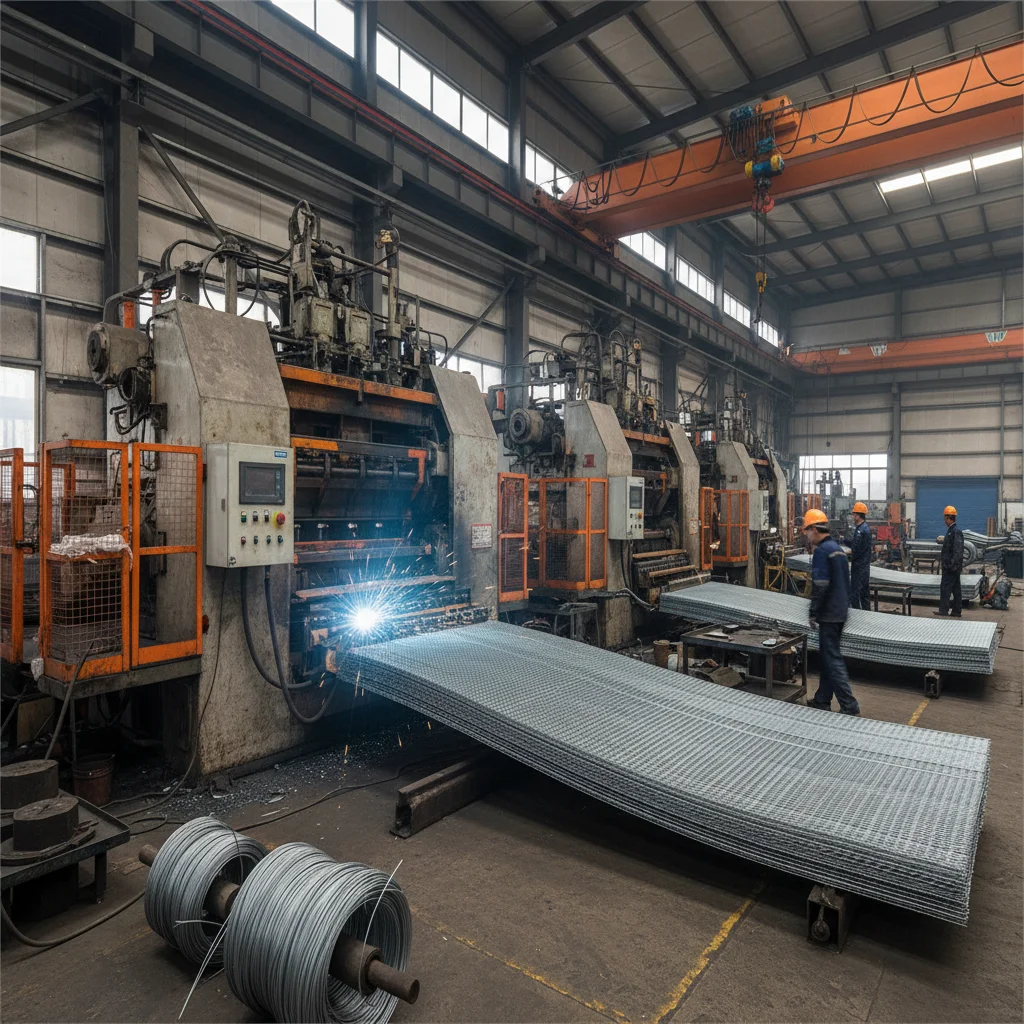
Professional Galvanized Welded Mesh Factory for Industrial Projects Finding a reliable galvanized welded mesh factory is critical for ensuring the structural integrity and longevity of your industrial or agricultural installations. Galvanized welded mesh is prized for its exceptional strength and resistance to corrosion, making it the go-to choice for fencing, animal cages, and construction reinforcement. However, not all factories adhere to the same quality standards. Whether you are sourcing for a large-scale infrastructure project or a specialized commercial application, understanding the manufacturing process and quality benchmarks is key to making a cost-effective investment that lasts for decades. Read More >26 Apr, 16
-
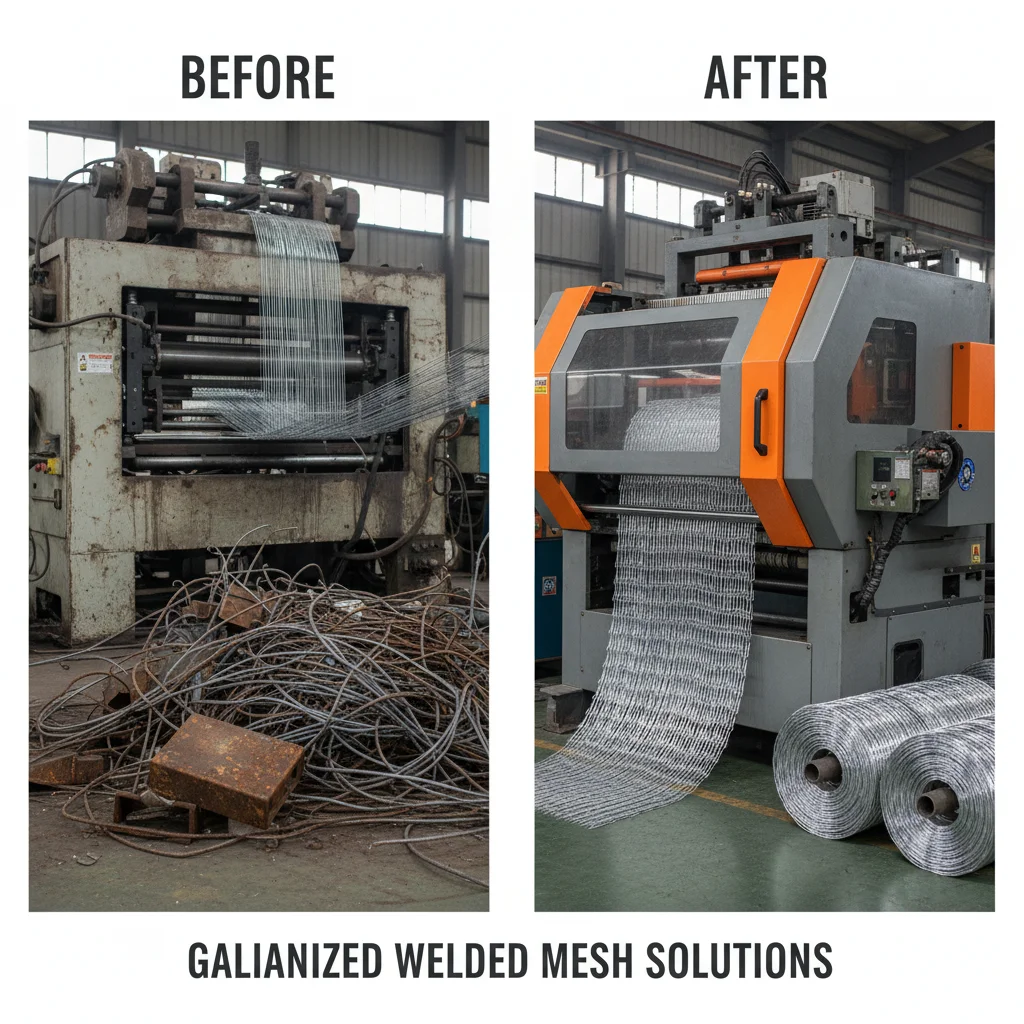
Professional Galvanized Welded Mesh Exporter for Quality Projects Selecting a high-quality fencing or screening solution requires more than just picking a product; it requires partnering with a reliable galvanized welded mesh exporter who understands the balance between structural integrity and corrosion resistance. Whether you are securing an industrial perimeter, building animal enclosures, or implementing architectural reinforcements, the quality of the galvanization process determines the lifespan of your installation. In this guide, we will explore the technical advantages of galvanized welded mesh and how to identify a global supplier that meets international quality standards to ensure your investment stands the test of time. Read More >26 Apr, 09
-
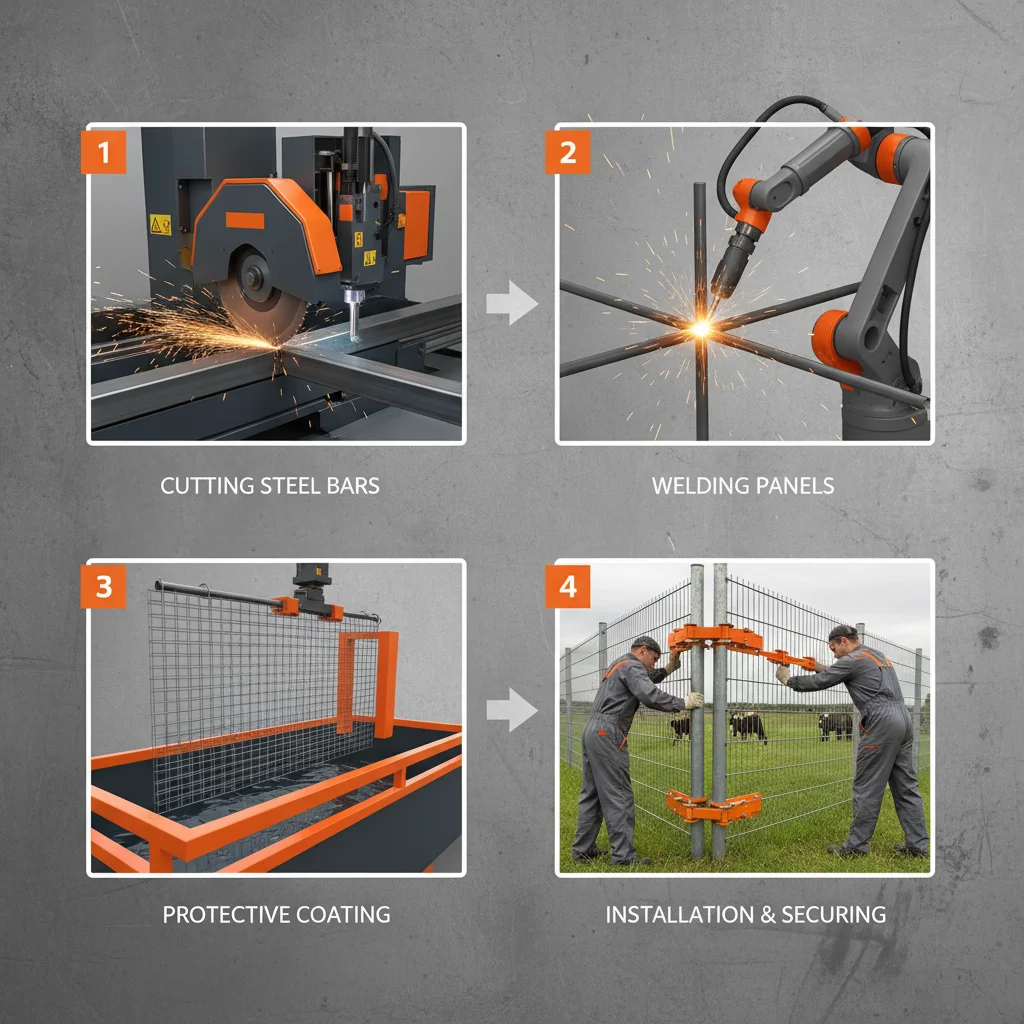
Essential Fencing Panels for Livestock Management and Farm Productivity Fencing panels for livestock are essential components in modern animal husbandry, playing a critical role in efficient farm management, animal welfare, and land utilization. Globally, the demand for robust and reliable fencing solutions is increasing due to the expanding livestock industry and the need to protect grazing lands from encroachment and predation. These panels aren’t simply barriers; they represent a vital investment in a farm's productivity and the health of its animals. Read More >26 Apr, 08
If you are interested in our products, you can choose to leave your information here, and we will be in touch with you shortly.


