


Durable Cattle Working Panels for Efficient Livestock Management | HaotianMesh
Understanding Cattle Working Panels: Why They Matter Worldwide
If you’ve ever been around livestock farms or ranches, you might have noticed the sturdy, fence-like structures guiding cattle around yards and barns. These are cattle working panels — specialized modular enclosures designed for handling, moving, and managing cattle safely. On the surface, it might seem like just simple fencing, but globally, their importance goes well beyond that. With the growing demand for sustainable livestock management, better animal welfare, and safer workplaces, understanding cattle working panels becomes key. They affect operational efficiency, animal stress levels, worker safety, and even environmental impact.
In an industry that supplies nearly 70 billion animals worldwide annually (source: FAO), having reliable and efficient working panels means fewer injuries, smoother processes, less animal stress, and ultimately, better meat and dairy products reaching tables around the world. This article maps out the essential facets of cattle working panels, their global significance, and the innovations shaping their future.
The Global Context: Why Cattle Working Panels Are More Relevant Than Ever
The world’s livestock population and demand for cattle products are expanding, especially in developing regions. According to the United Nations Food and Agriculture Organization (FAO), global beef production has steadily risen over the past decade. At the same time, organizations like the World Bank emphasize the importance of sustainable livestock handling to reduce greenhouse gas emissions and improve rural livelihoods.
Yet, a common and often overlooked bottleneck remains: how to handle cattle efficiently without causing undue stress to the animals or risking injury to handlers. This is where cattle working panels step in. A well-designed working panel system not only streamlines farm operations but also addresses animal welfare standards, which are increasingly critical for export markets and consumer demands.
Without them, farms risk losses through injuries, escapes, and slow handling times — all costly problems. Importantly, cattle working panels also play a role in humanitarian efforts; in post-disaster zones or remote rural development projects, robust and portable panels enable quick livestock management, supporting food security and economic resilience.
What Are Cattle Working Panels?
Simply put, cattle working panels are modular metal panels—usually made from galvanized steel—that link together to form chutes, pens, alleyways, or sorting areas on farms and ranches. They guide cattle calmly and safely to destinations such as weighing scales, vaccination areas, or loading ramps.
Think of them as the veins and arteries of a well-oiled cattle handling system. The panels must be strong enough to withstand the force of large animals, adjustable to various farm layouts, and designed to minimize animal stress and injury risk. Pretty straightforward, but achieving this balance involves a bit of art and engineering.
With livestock management evolving globally, these panels serve more than just a physical barrier; they embody the link between modern agricultural disciplines and humanitarian needs like food security and sustainable rural development.
Core Components and Design Features of Quality Panels
1. Durability
Cattle are heavy and powerful creatures. The panels should resist rust, bending, and warping over years of outdoor use. Galvanized and powder-coated steel is common, and sometimes even aluminum is used for lighter portability.
2. Modular Scalability
A big advantage is modularity. Farmers can adapt their setups easily — a panel today for a small pen, two years later for a larger sorting race. This flexibility boosts longevity and cost-effectiveness.
3. Animal-Centric Design
Curved edges and smooth surfaces reduce irritation and injury. Panels need to create a secure environment that guides the cattle calmly. White or natural metal colors are often used, as animals react differently to colors and reflections.
4. Ergonomics and Safety for Handlers
For the humans working in these pens, the design includes gates that linger in safe positions, non-slip footing options, and height adjustments for easier access to cattle parts needing care.
5. Weight & Portability (Where Relevant)
Some setups are permanent; others need to be portable for fairs, auctions, or emergency relief. Lightweight but strong materials make a real difference here.
Mini Takeaway:
Choosing cattle working panels is less about picking “a fence” and more like selecting an integrated livestock management tool. And every design choice affects sustainability, safety, and productivity.
Where and How Are Cattle Working Panels Used Globally?
Across continents, cattle working panels show their versatility.
- Commercial Ranches in North America: Complex sorting systems handle thousands of cattle daily, reducing labor and animal stress.
- Australia’s Remote Stations: Portable panels help in expansive, rugged terrains — handling animals without building permanent infrastructure.
- Africa’s Livestock Markets: Panels made from locally sourced steel support smallholder farmers in transporting and selling cattle safely, reducing injury and theft risks.
- Post-Disaster Humanitarian Relief: Organizations set up temporary cattle pens rapidly using modular panels to help displaced farmers secure and feed livestock.
Many engineers working on rural development projects stress — without sturdy working panels, livestock programs become significantly less effective. In fact, working panel installations often become centerpiece infrastructure, directly impacting economic recovery speeds.
Advantages and the Long-Term Value of Good Panels
At first glance, the cost of a high-quality set of cattle working panels might seem steep. Yet the long-term savings and intangible benefits stack up nicely over time.
- Cost Savings: Reduced injuries mean fewer vet bills and less loss of animals.
- Sustainability: Durable materials ensure extended lifespans, cutting replacement needs and waste.
- Safety & Trust: Farmworkers feel safer; animals endure less stress — fostering a respectful environment.
- Innovation Boost: Integrating digital scales or RFID readers into the panel system enhances herd management accuracy.
There’s also an emotional angle I notice talking with farmers: reliable working panels restore a sense of dignity and control, especially during difficult moments like livestock transport or vaccinations.
Future Trends in Cattle Working Panels
As with most agriculture tech, the future looks smart and sustainable. Some trends to keep an eye on:
- Automated Gates and Sensors: Systems that remotely control gates, track cattle movement, and even automate sorting.
- Eco-friendly Coatings: New biodegradable or low-impact paint finishes reduce environmental footprint.
- Recycled Materials: Panels produced from recycled metals without compromising strength.
- Integration with Data Platforms: Linking panels with herd management software for real-time monitoring.
It feels like cattle handling is gradually joining the digital revolution, much like how industrial equipment is transforming.
Challenges and How to Tackle Them
Of course, not everything is perfect. Some common hurdles include:
- High Initial Investment: Particularly tough for small-scale farmers.
- Maintenance: Steel panels need regular checks to prevent rust and wear.
- Customization Limits: Farms differ wildly; off-the-shelf panels sometimes don’t fit unique terrains.
Solutions come in many forms: leasing programs, local fabrication partnerships, and modular designs that are highly adjustable. Plus, training farmers on maintenance can lengthen panel life dramatically.
FAQ: Practical Answers on Cattle Working Panels
- Q: How do cattle working panels reduce animal stress during handling?
- A: Panels with smooth, curved edges and solid sides prevent animals from seeing distractions and feeling trapped, calming them during handling. Proper design mimics natural herd movement, reducing panic and injuries.
- Q: Can cattle working panels be used in extreme weather environments?
- A: Yes, quality panels made from galvanized steel or aluminum resist corrosion and maintain strength in harsh climates, from humid tropics to cold regions. Protective coatings extend durability further.
- Q: What size and configuration options are available for working panels?
- A: Modular panels typically come in 6 to 8-foot lengths, allowing farmers to build small pens or extensive chute systems. Customization is often offered by vendors to suit farm needs.
- Q: Are mobile, portable working panels effective for periodic use?
- A: Absolutely. Lightweight panels with locking brackets and carrying handles can be set up quickly for livestock auctions, fairs, or emergency relief operations, offering flexibility.
- Q: How do cattle working panels help improve farm worker safety?
- A: Thoughtful gate designs, non-slip base materials, and strategic panel heights reduce the risk of worker collisions or animal escapes, making handling less risky.
Specification Table: Typical Features of a Quality Cattle Working Panel
| Feature | Specification |
|---|---|
| Material | Galvanized steel (or aluminum for lightweight versions) |
| Length per panel | 6 ft to 8 ft (~1.8 to 2.4 meters) |
| Height | 5 ft to 6 ft (approx. 1.5 to 1.8 meters) |
| Coating | Powder-coated or galvanized for rust resistance |
| Weight | Approx. 50–70 lbs (23–32 kg) |
| Portability | Locking brackets, handles for easy transport (select models) |
Vendor Comparison: Leading Suppliers of Cattle Working Panels
| Feature/Vendor | HaotianMesh | RanchPro | AgriFence Co. |
|---|---|---|---|
| Material Quality | High-grade galvanized steel with powder coating | Galvanized steel, varied grades | Standard steel with occasional rust issues |
| Customization Options | Fully modular, custom sizes & finishes | Limited modular choices | Fixed sizes with minor adjustments |
| Portability | Lightweight models with handles | Some portable panels | Mostly permanent panels |
| Price Range | Mid to premium pricing with volume discounts | Budget-friendly but fewer features | Entry-level with low durability |
| Customer Support | Strong technical support and fast shipping | Moderate support, slower delivery | Minimal support |
Wrapping It Up: Why Investing in Good Cattle Working Panels Pays Off
Cattle working panels might seem like humble agricultural parts, but they play a crucial role in the global livestock ecosystem. From safeguarding animal welfare to improving worker safety and supporting sustainable farming operations, their value is undeniable. Choosing the right panels means investing in long-term efficiency, resilience, and innovation — a move farms and organizations worldwide continue to make.
So if you’re looking to upgrade or design your cattle handling system, remember: the panels are where functionality meets care. For high-quality, customizable cattle working panels, visit our website: cattle working panels. Because a farm’s strength is only as good as its foundation—and that foundation starts with solid panels.
References
-
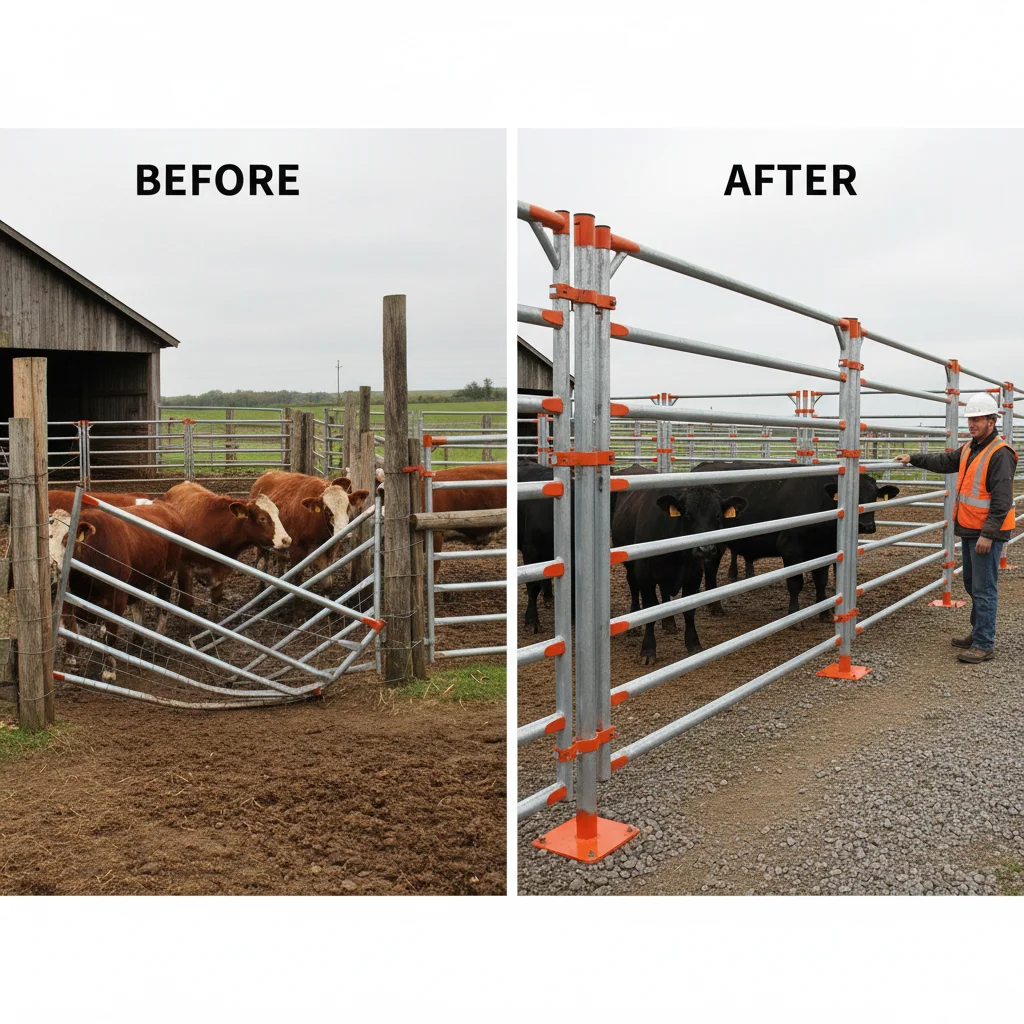
Durable Freestanding Livestock Panels for Efficient Animal Handling In the demanding world of agricultural management, the need for flexible and robust containment solutions has never been more critical. freestanding livestock panels offer a sophisticated answer to the challenges of animal handling, providing a secure yet adaptable barrier that does not require permanent installation or deep grounding. By allowing farmers and ranchers to redefine their spatial layouts in minutes, these panels maximize the efficiency of existing infrastructure while ensuring the safety of both the handlers and the livestock. Read More >26 Apr, 17
-
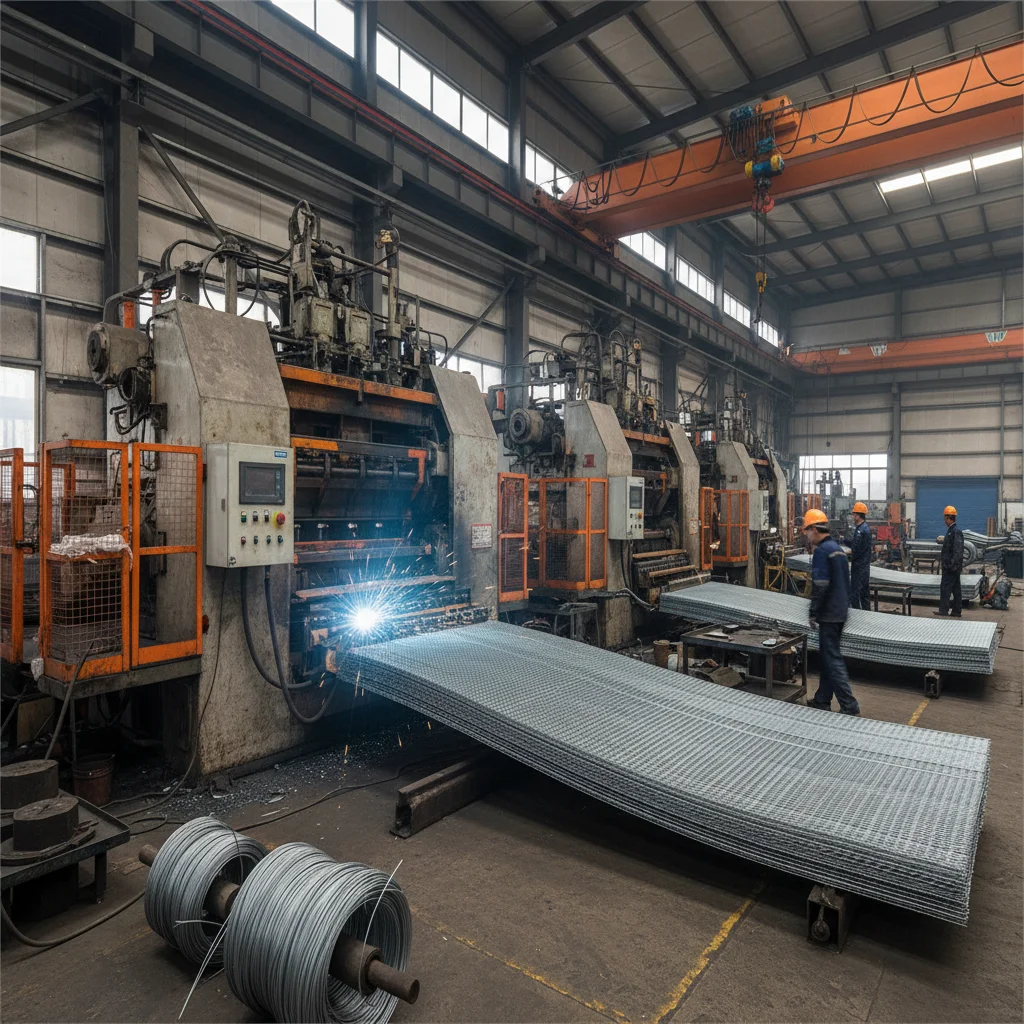
Professional Galvanized Welded Mesh Factory for Industrial Projects Finding a reliable galvanized welded mesh factory is critical for ensuring the structural integrity and longevity of your industrial or agricultural installations. Galvanized welded mesh is prized for its exceptional strength and resistance to corrosion, making it the go-to choice for fencing, animal cages, and construction reinforcement. However, not all factories adhere to the same quality standards. Whether you are sourcing for a large-scale infrastructure project or a specialized commercial application, understanding the manufacturing process and quality benchmarks is key to making a cost-effective investment that lasts for decades. Read More >26 Apr, 16
-
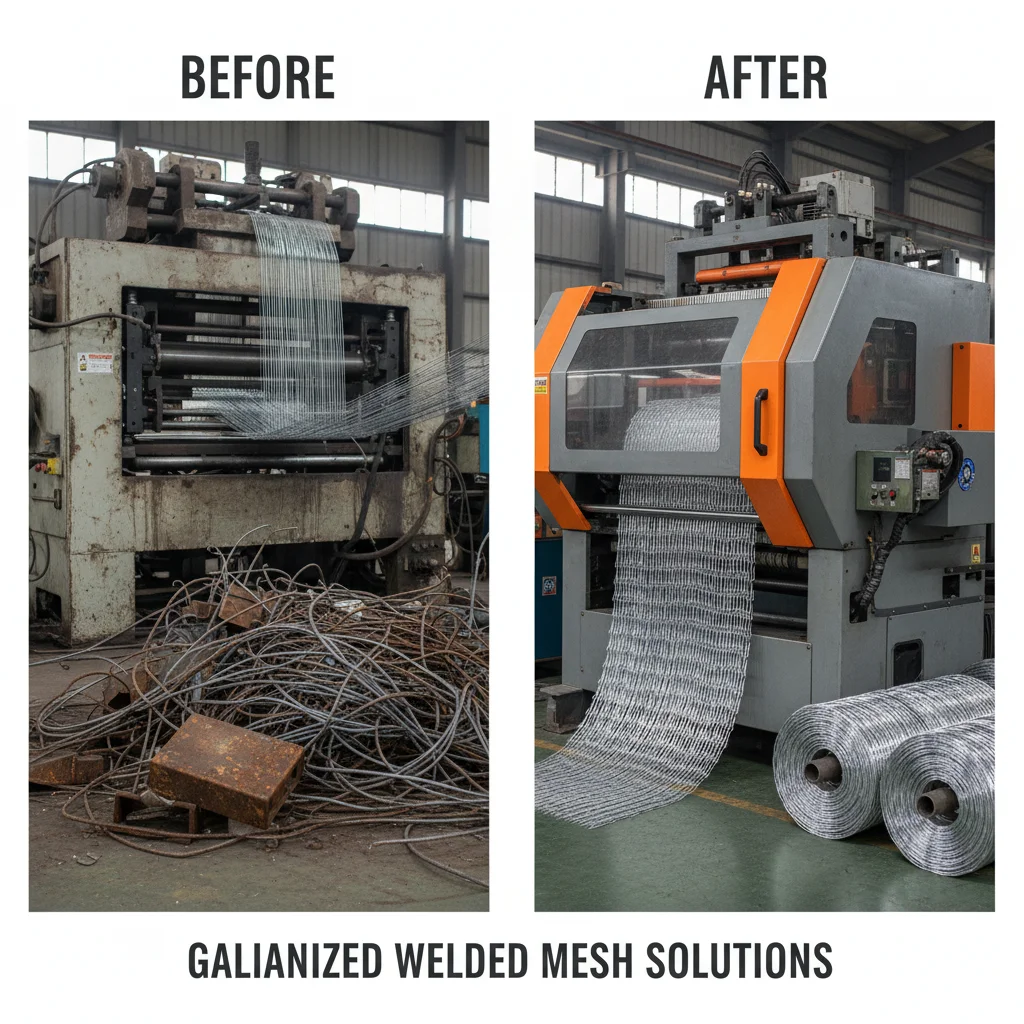
Professional Galvanized Welded Mesh Exporter for Quality Projects Selecting a high-quality fencing or screening solution requires more than just picking a product; it requires partnering with a reliable galvanized welded mesh exporter who understands the balance between structural integrity and corrosion resistance. Whether you are securing an industrial perimeter, building animal enclosures, or implementing architectural reinforcements, the quality of the galvanization process determines the lifespan of your installation. In this guide, we will explore the technical advantages of galvanized welded mesh and how to identify a global supplier that meets international quality standards to ensure your investment stands the test of time. Read More >26 Apr, 09
-
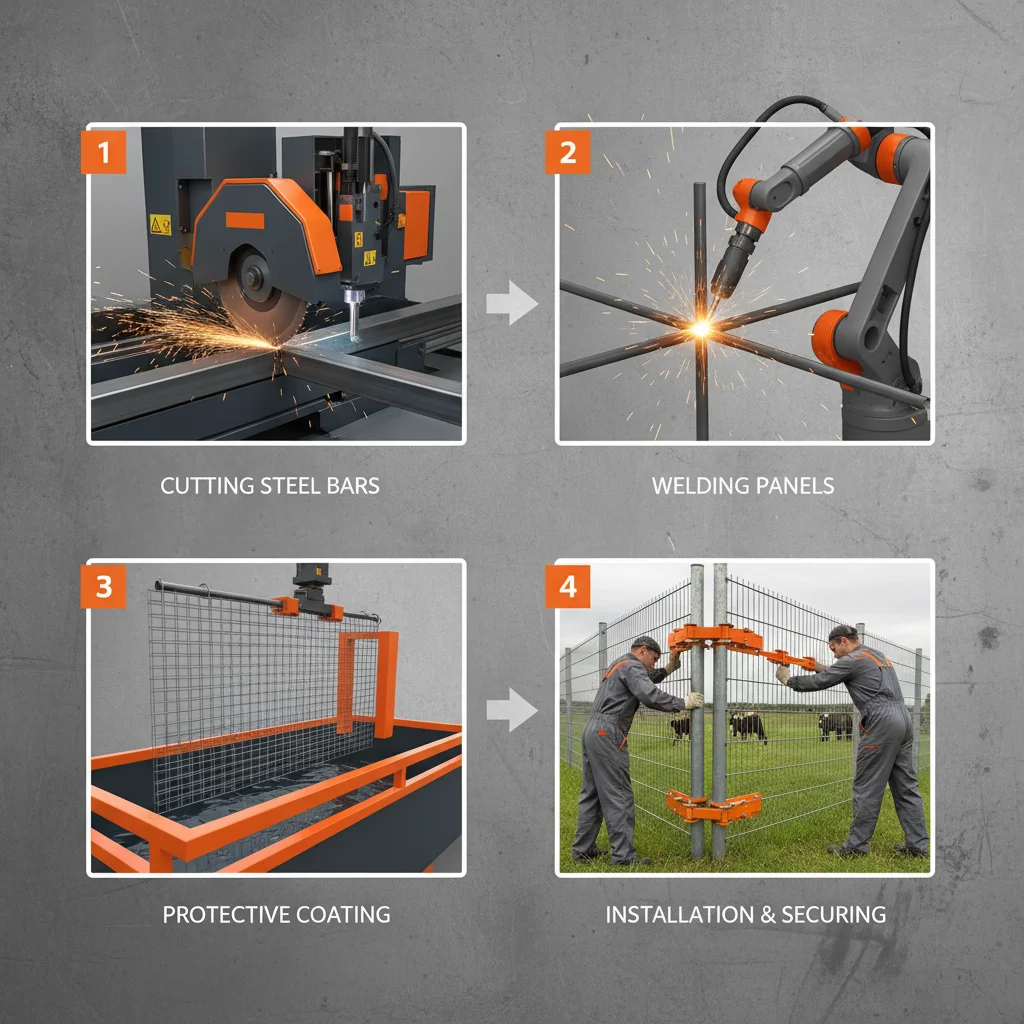
Essential Fencing Panels for Livestock Management and Farm Productivity Fencing panels for livestock are essential components in modern animal husbandry, playing a critical role in efficient farm management, animal welfare, and land utilization. Globally, the demand for robust and reliable fencing solutions is increasing due to the expanding livestock industry and the need to protect grazing lands from encroachment and predation. These panels aren’t simply barriers; they represent a vital investment in a farm's productivity and the health of its animals. Read More >26 Apr, 08
If you are interested in our products, you can choose to leave your information here, and we will be in touch with you shortly.


