


Durable and Effective Cattle Guard Panels for Livestock Management | Haotian Mesh
Understanding Cattle Guard Panels: A Practical Overview
Cattle guard panels might not be the flashiest topic at your dinner party, but they play an unexpectedly crucial role in modern livestock management and rural infrastructure worldwide. These panels ease the movement of animals without the hassle of gates — saving time, preventing injuries, and enhancing farm safety. With the global livestock population exceeding 1.5 billion cattle alone (FAO, 2023), innovations like these panels matter a lot more than we tend to realize. Whether you’re a rancher in Montana or a development planner supporting pastoralist communities in Africa, grasping how cattle guard panels function and their benefits offers a real edge.
The Global Context: Why Cattle Guard Panels Matter
Livestock farming underpins food security for millions, yet managing cattle movement can be tricky and costly. According to the World Bank, nearly 60% of rural livelihoods across developing regions depend on livestock — which often roam across vast, open landscapes. Here, the traditional gate is more burden than boon, slowing operations and exposing animals and handlers to risk.
Enter cattle guard panels: a clever alternative that solves the problem of barriers that animals can’t cross, without the cumbersome process of opening and closing gates. They facilitate smoother transit at fences and road crossings worldwide — saving hours daily on farms and improving animal welfare.
Mini takeaway: Cattle guard panels address a global need for safer, more efficient livestock management — a simple solution to a persistent problem.
What Are Cattle Guard Panels?
Simply put, cattle guard panels are modular metal grids embedded in or placed above the ground that prevent livestock from crossing certain boundaries by the animals’ natural avoidance of walking on spaced bars. Unlike a gate, these panels require no manual operation — passing vehicles and people easily cross, but cattle stay put.
Modern panels are crafted from durable steel or alloy materials, often coated to resist rust and wear. They’re typically designed to be portable or permanent fixtures, connecting to existing fencing systems. The concept blends practical engineering with insights into animal behavior — a nifty example of industrial design meeting nature’s inherent traits.
Mini takeaway: Cattle guard panels function as invisible fences that combine steel strength with smart design to control animal movement effortlessly.
Key Features of Cattle Guard Panels You Should Know
Durability
These panels face all kinds of weather — sun, rain, snow, and often, the high weight of automobiles or livestock. Many cattle guard panels are fabricated with galvanized steel and have anti-slip finishes to ensure longevity and safety. A well-made panel can last over a decade with minimal maintenance, making durability a major selling point.
Portability & Scalability
Some designs focus on portability, allowing ranchers or NGOs to install and relocate cattle guard panels within hours. This flexibility is especially valuable in disaster zones or nomadic grazing regions where fencing grids continuously evolve. Scalability also means farmers can customize sizes or combine panels to suit different entry points.
Cost Efficiency
Compared to steel gates requiring upkeep, cattle guard panels are relatively affordable in the long term. Installation costs are often offset by labor savings and reduced injuries or lost cattle. Furthermore, since no manual gate opening is required, it cuts down on delays during busy periods.
Safety
Panels minimize the risk of trapping animals or farm workers in gates, avoiding pinch points or broken latches. Their open-grid design also reduces the accumulation of debris or ice, common problems slowing traditional gates in cold climates.
Mini takeaway: Durability, portability, cost-effectiveness, and safety together make cattle guard panels a prized tool for modern livestock operations.
Real-World Uses and Global Examples
Cattle guard panels are everywhere — from sprawling ranches in Texas to Australian outback sheep stations and Kenyan pastoral lands.
- Remote industrial zones: In mining and oil extraction sites where fence lines cross roads, panels facilitate vehicle passage without livestock escapes.
- Post-disaster relief: Aid organizations working with displaced herders use temporary cattle guard panels to quickly restore safe grazing areas.
- National parks & reserves: Panels control wildlife movement while allowing visitor access and emergency vehicles to pass unobstructed.
For example, in Montana, local farms have upgraded to hybrid modular cattle guard systems allowing seasonal pasture shifts without fencing rebuild — a big cost and labor saver.
Advantages & Long-Term Value
At first glance, cattle guard panels save time and reduce frustration, but the impact runs much deeper:
- Sustainability: By limiting fence damage and need for repairs, they reduce resource waste.
- Social impact: Safer livestock management means better livelihoods for farmers and pastoralists.
- Reliability: Panels don’t fail like automated gates that depend on power or electronics.
Plus, using them aligns nicely with evolving agricultural innovation trends — envision integrating solar-powered lighting or sensors detecting fence breaches soon.
Looking Ahead: Innovations on the Horizon
The future of cattle guard panels is, oddly enough, a little high-tech. Some companies work on smart versions embedded with IoT sensors monitoring animal movement or environmental conditions remotely. Materials are also evolving, with composites reducing weight yet boosting strength.
Green energy integration is picking up steam, too. Solar panels illuminating crossings at night, or automated alerts for fence tampering, suggest a future where humble cattle guard panels become integral nodes in broader farm management systems.
Common Challenges & Modern Solutions
Of course, no solution is perfect. Installation on uneven terrain can be tricky, and improper sizing may confuse animals or cause injuries. Some older models may rust or lose shape under heavy traffic.
Experts recommend custom site surveys before purchase along with proper anchoring and regular inspections. Meanwhile, new anti-corrosion coatings and modular designs make upkeep easier than ever.
Frequently Asked Questions About Cattle Guard Panels
- How do cattle guard panels prevent animals from crossing without any barriers?
- Cattle naturally avoid walking on spaced gaps because their hooves feel unstable. Panels exploit this instinct, creating a crossing that animals won’t step on without requiring gates.
- Can cattle guard panels withstand heavy vehicles?
- Yes, high-quality panels made from galvanized steel are engineered to support heavy trucks and farm machinery, ensuring durability and safety during transit.
- Are cattle guard panels suitable for all types of livestock?
- Primarily designed for cattle, panels can also work for other large livestock like horses and goats, but smaller animals might cross more easily, so additional fencing may be needed.
- How often should cattle guard panels be maintained?
- Generally, twice yearly inspections are recommended to check for corrosion, loose fittings, or damage, ensuring panels stay effective and safe.
- Where can I purchase reliable cattle guard panels?
- Many farm supply companies and specialized vendors offer them. For custom options and expert advice, check trustworthy manufacturers such as Haotian Mesh.
Product Specifications of a Standard Steel Cattle Guard Panel
| Specification | Details |
|---|---|
| Material | Galvanized Steel (Grade A36) |
| Dimensions | 4 ft (width) × 8 ft (length) |
| Weight | Approx. 75 kg (165 lbs) |
| Load Capacity | Up to 20 tons (static) |
| Finish | Zinc galvanized with anti-slip texture |
| Installation | Bolt-down or embedded into concrete base |
Vendor Comparison Table: Leading Cattle Guard Panel Manufactures
| Vendor | Material Options | Customization | Lead Time | Price Range (USD) |
|---|---|---|---|---|
| Haotian Mesh | Galvanized Steel, Alloy Steel | Size, Coating, Finish | 2-4 weeks | $250 - $350 per panel |
| RanchPro Equip | Steel, Stainless Steel | Standard Sizes | 1-3 weeks | $220 - $400 |
| AgriFence Solutions | Galvanized Steel only | Limited | 3-5 weeks | $200 - $300 |
Wrapping it up: Why Cattle Guard Panels Deserve Your Attention
If you’re involved in livestock or rural infrastructure, cattle guard panels are a practical tool that save money, improve safety, and add a layer of efficiency that seems small, but in real terms, can transform daily operations. As global agriculture embraces smarter and greener solutions, these humble grids are poised to become even smarter.
Curious to explore options tailored to your needs? Visit Haotian Mesh for a range of robust, customizable cattle guard panels designed with real-world challenges in mind.
References
-
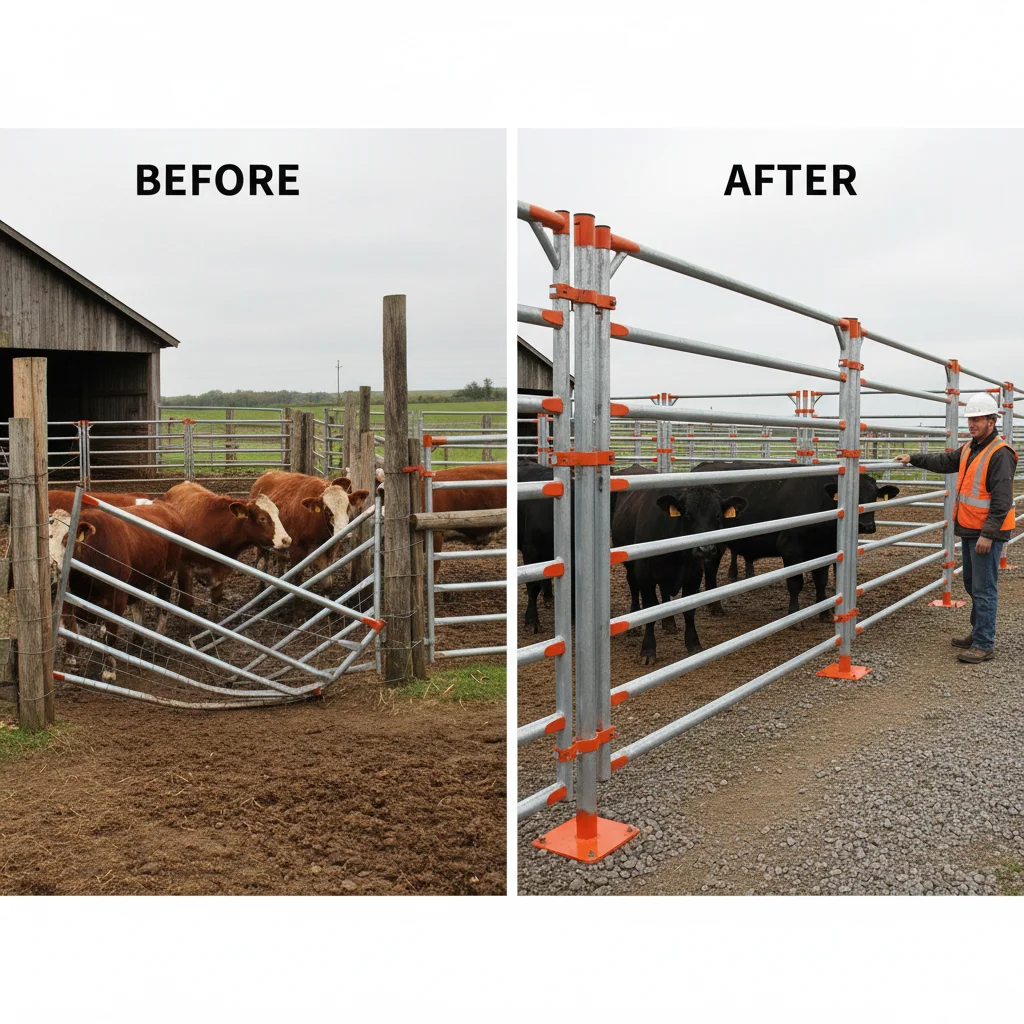
Durable Freestanding Livestock Panels for Efficient Animal Handling In the demanding world of agricultural management, the need for flexible and robust containment solutions has never been more critical. freestanding livestock panels offer a sophisticated answer to the challenges of animal handling, providing a secure yet adaptable barrier that does not require permanent installation or deep grounding. By allowing farmers and ranchers to redefine their spatial layouts in minutes, these panels maximize the efficiency of existing infrastructure while ensuring the safety of both the handlers and the livestock. Read More >26 Apr, 17
-
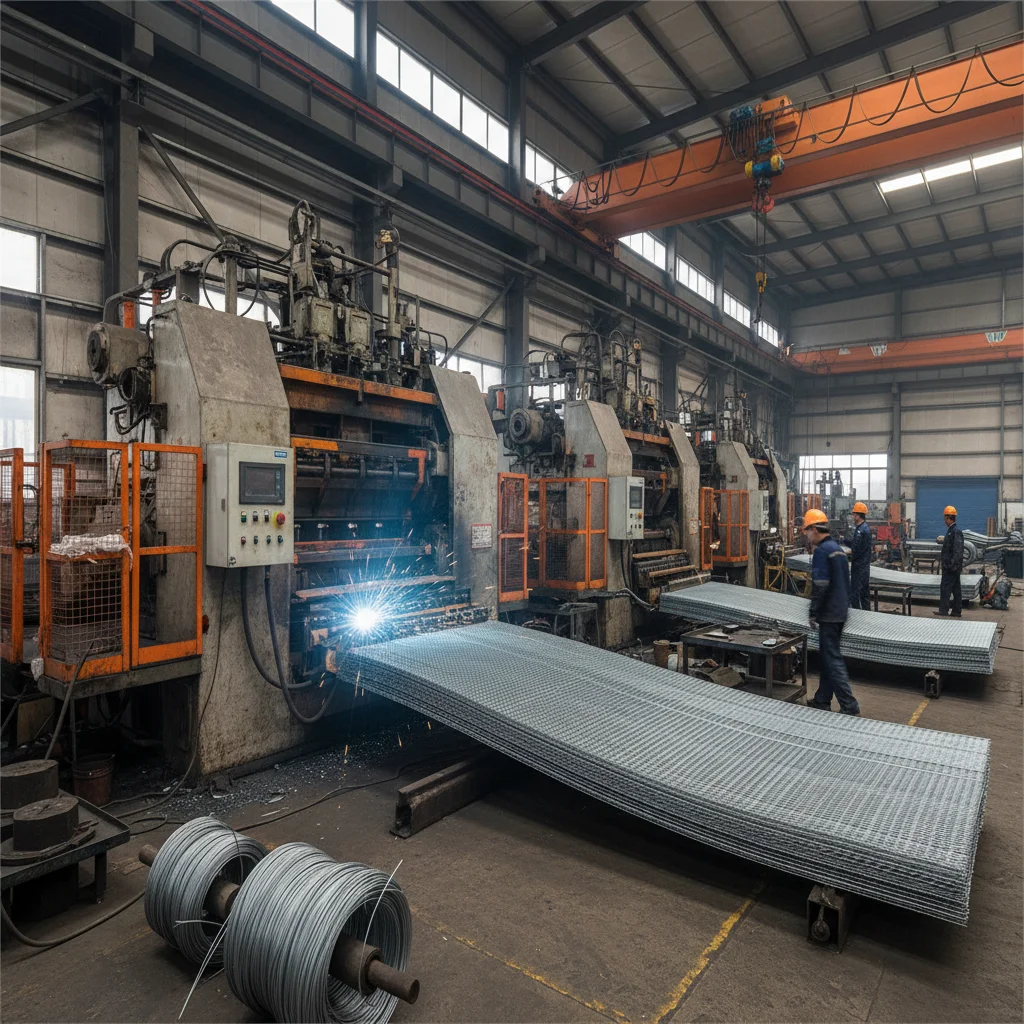
Professional Galvanized Welded Mesh Factory for Industrial Projects Finding a reliable galvanized welded mesh factory is critical for ensuring the structural integrity and longevity of your industrial or agricultural installations. Galvanized welded mesh is prized for its exceptional strength and resistance to corrosion, making it the go-to choice for fencing, animal cages, and construction reinforcement. However, not all factories adhere to the same quality standards. Whether you are sourcing for a large-scale infrastructure project or a specialized commercial application, understanding the manufacturing process and quality benchmarks is key to making a cost-effective investment that lasts for decades. Read More >26 Apr, 16
-
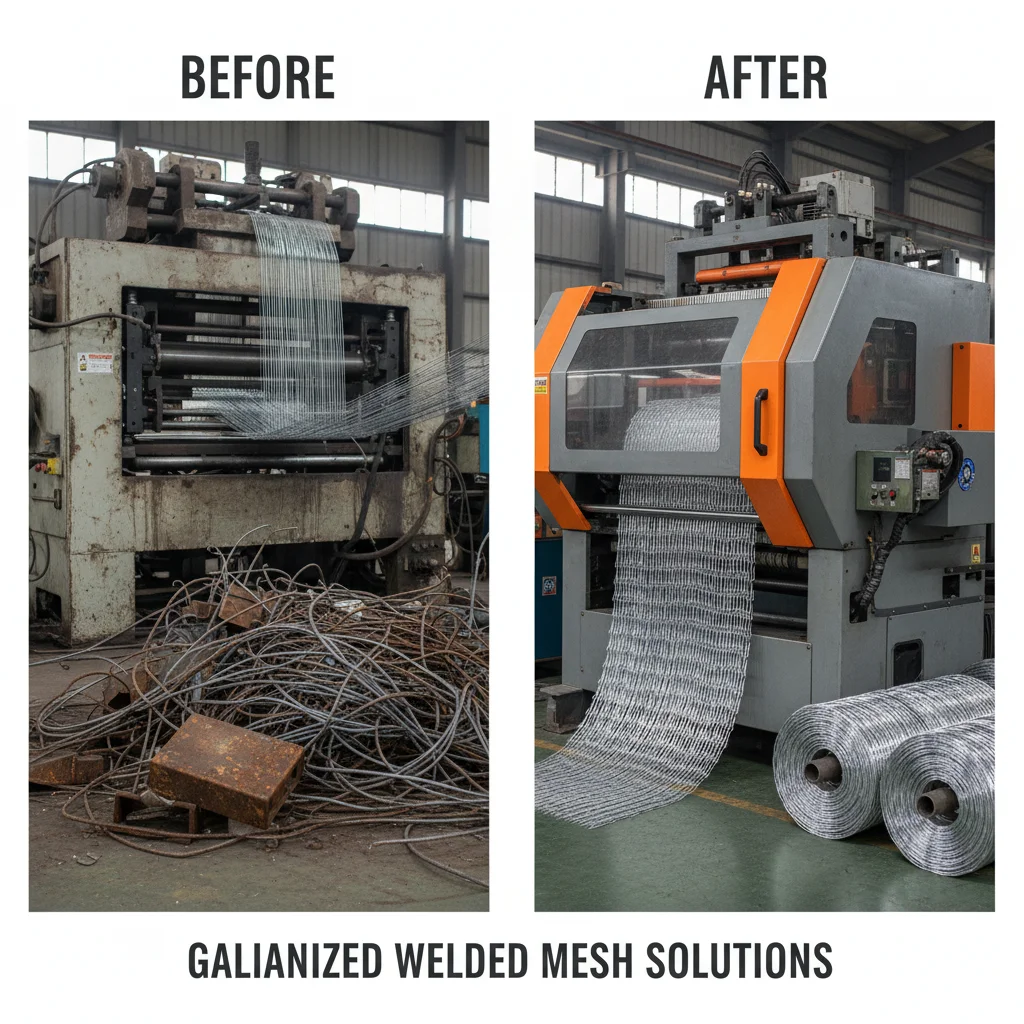
Professional Galvanized Welded Mesh Exporter for Quality Projects Selecting a high-quality fencing or screening solution requires more than just picking a product; it requires partnering with a reliable galvanized welded mesh exporter who understands the balance between structural integrity and corrosion resistance. Whether you are securing an industrial perimeter, building animal enclosures, or implementing architectural reinforcements, the quality of the galvanization process determines the lifespan of your installation. In this guide, we will explore the technical advantages of galvanized welded mesh and how to identify a global supplier that meets international quality standards to ensure your investment stands the test of time. Read More >26 Apr, 09
-
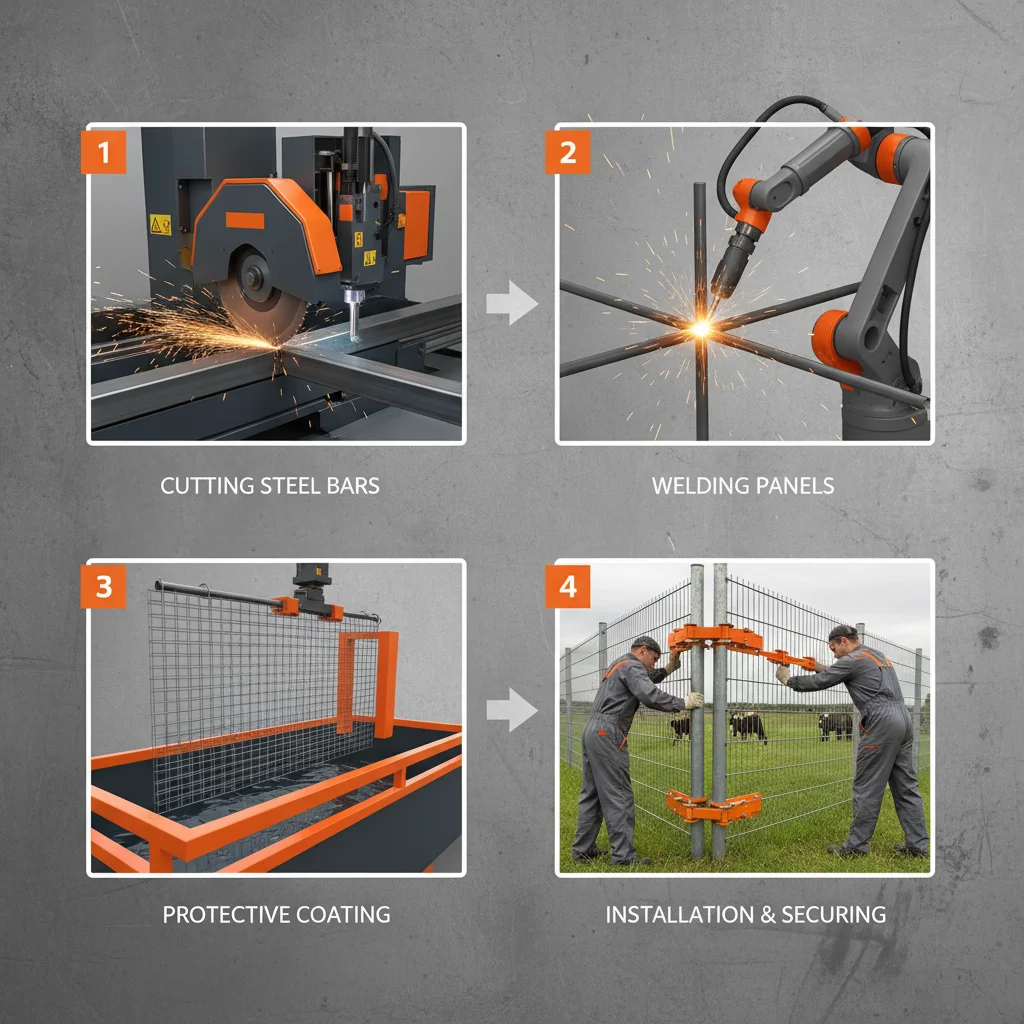
Essential Fencing Panels for Livestock Management and Farm Productivity Fencing panels for livestock are essential components in modern animal husbandry, playing a critical role in efficient farm management, animal welfare, and land utilization. Globally, the demand for robust and reliable fencing solutions is increasing due to the expanding livestock industry and the need to protect grazing lands from encroachment and predation. These panels aren’t simply barriers; they represent a vital investment in a farm's productivity and the health of its animals. Read More >26 Apr, 08
If you are interested in our products, you can choose to leave your information here, and we will be in touch with you shortly.


