


Durable & Efficient Cattle Windbreak Panels for Livestock Welfare | Haotian Mesh
The Growing Importance of Cattle Windbreak Panels in Modern Agriculture
Ever noticed how livestock seem a little more peaceful on chilly or blustery days? That’s no accident — giving animals shelter from harsh weather is more than comfort; it relates directly to their health and productivity. Enter cattle windbreak panels, a simple yet powerful tool used worldwide to shield cattle from wind, rain, and extreme temperatures. But why is this topic suddenly getting so much buzz, and why should farmers, ranchers, and even policymakers care?
Globally, livestock agriculture represents a huge slice of the food economy. According to the Food and Agriculture Organization (FAO), over 1.4 billion cattle are raised worldwide, many in climates where exposure to wind can affect animal wellbeing and productivity. Efficient sheltering solutions like cattle windbreak panels can reduce stress-induced diseases, improve weight gain, and even lower feed consumption — benefits that ripple through the entire industry.
Understanding Cattle Windbreak Panels: What Are They Really?
At its core, a cattle windbreak panel is a durable barrier designed to block and redirect wind to create a calmer microclimate for livestock. Typically made from metal, wood, or composite materials, these panels form fences or enclosures that prevent chilling drafts or harsh weather from directly battering the animals.
The concept is quite old, but modern innovations mean panels can now be modular, lightweight, and even decorative. They fit naturally into the agricultural ecosystem by boosting animal welfare and aligning with environmental stewardship – a key concern as the industry modernizes to meet global demands.
Key Factors That Make Cattle Windbreak Panels Effective
1. Durability
Many cattle farm owners will tell you the panels need to withstand more than just wind. They face physical pressure from animals leaning or rubbing, plus exposure to weather — rain, snow, UV rays. High-grade steel or treated wood often handles these pressures best, lasting years without major repairs.
2. Scalability and Modular Design
Farm sizes vary, from compact pastures to expansive ranches that sprawl for miles. The best cattle windbreak panels come modular, so you can tailor the length and arrangement per herd size or season. This also means setup can be quick — a real plus during sudden weather downturns.
3. Cost Efficiency
Upfront cost is always top of mind. While durable materials sometimes carry a higher price tag, they reduce long-term maintenance and replacement costs. Some farmers find that investing a bit more initially yields better returns through healthier cattle and lower feed bills.
4. Ease of Installation
We all know farmers have their hands full, so windbreak panels that can be installed without heavy machinery or skilled labor often get a thumbs up. Prefabricated kits, lightweight alloys, or clever clamp systems save time and manpower.
5. Environmental Sustainability
Oddly enough, these windbreak systems can contribute to greener farming. By reducing wind-related heat loss, they help conserve energy within the animals’ microclimate, potentially lowering the farm’s overall carbon footprint. Some newer panels even incorporate recyclable materials or eco-friendly finishes.
Summary:
- Durability ensures longevity and robust protection.
- Modular design adapts to various farm sizes and needs.
- Smart investment balances cost and long-term benefits.
- Easy installation matters in practical farm operations.
- Sustainability practices align with modern agricultural standards.
Global Applications of Cattle Windbreak Panels
The use of cattle windbreak panels spans diverse climates and continents. In Canada’s chilly prairies, ranchers rely heavily on sturdy metal panels to shield cattle from icy winter storms, reducing frostbite and stress. Down in Australia’s arid outback, lighter, portable panels provide drop-in shelter against fierce desert winds during hot summer months.
Icelandic farms have integrated panels to combat cold north winds while promoting easy access for the animals. And relief organizations working in vulnerable pastoral zones of East Africa provide quick-assembly panels as part of emergency livestock welfare kits, ensuring displaced cattle remain sheltered even amid crisis.
Even in Europe, traditional wooden windbreaks have evolved into modern composites that fit neatly into sustainable farming certifications, illustrating the panels’ widespread relevance.
Advantages & The Long-Term Value of Investing in Windbreak Panels
Animal welfare is the first and most obvious advantage. Cattle protected from wind chill show improved immune responses and typically gain weight faster — real bottom-line benefits. Plus, calmer herds reduce injuries from stress-induced agitation.
Environmentally, these panels help farmers meet sustainability goals. They create calmer microclimates that reduce energy needed for heating barns or supplemental feeding. For farm owners, this means reliable performance, less feed waste, and increased trust from consumers looking for ethically raised products.
On a personal note, I’ve spoken to ranchers who say windbreaks feel like “a fence with heart” — a simple way to show animals they’re worth the investment and care.
Product Specification Table for Typical Cattle Windbreak Panels
| Specification | Details |
|---|---|
| Material | Galvanized steel with powder coating |
| Panel Size | 2.4 m (length) x 1.5 m (height) |
| Weight (Per Panel) | Approx. 25 kg |
| Installation Method | Bolt and clamp system, no welding needed |
| Lifespan | 10+ years with maintenance |
| Color Options | Green, brown, standard grey metallic |
Comparing Top Vendors of Cattle Windbreak Panels
| Feature | Haotian Mesh | RanchPro Supplies | FarmShield Co. |
|---|---|---|---|
| Materials Used | Galvanized steel | Wood & metal composite | High-density polyethylene (HDPE) |
| Customization | Full modular systems | Standard panels only | Limited sizes |
| Lead Time | 2-3 weeks | 4-6 weeks | 3-5 weeks |
| Price Range | $$$ (mid-range) | $$ (budget) | $$$ (premium) |
| Warranty | 5 years | 2 years | 3 years |
What the Future Holds: Innovations in Cattle Windbreak Panels
Tech advancements and environmental awareness are reshaping the landscape of cattle windbreak panels. Imagine panels enhanced with solar-powered sensors that monitor wind speed, temperature, and air quality, allowing farmers to adjust shelter configurations in real time. Some companies are experimenting with biodegradable composites to reduce landfill waste. Others explore integrating panels with fencing systems that leverage IoT technology — digital yet rugged and farm-ready.
Green energy-compatible panels—like those absorbing solar energy or doubling as trellises for shade plants—add multi-functionality. The future is definitely about smarter, sustainable, and user-friendly solutions that blend with the ecosystem rather than overpower it.
Present Challenges and How to Overcome Them
Despite the benefits, a few hurdles remain. Initial investment costs can stall adoption among smallholders. Transporting bulky panels to remote areas is another snag. Weather extremes may damage lower-quality units prematurely. Then there's a bit of inertia in updating traditional farm practices.
Experts recommend:
- Promoting modular, lightweight designs that ship easier.
- Leveraging community buying groups to lower costs.
- Employing local materials where feasible to boost sustainability and reduce prices.
- Offering multifunctional panels that can be reused or repurposed.
With collaboration among manufacturers, NGOs, and farmers, solutions become more accessible and adapted.
Frequently Asked Questions About Cattle Windbreak Panels
Q: How quickly can cattle windbreak panels be installed on a typical farm?
A: Most modular panels can be installed within a few hours depending on farm size and workforce. Prefabricated designs with clamp systems require no welding, making assembly straightforward, even for smaller teams. This rapid deployment helps prepare cattle for sudden weather changes effectively.
Q: Are cattle windbreak panels suitable for all types of climates?
A: Generally, yes. Panels are designed to block wind, which is a factor in most climates. However, materials and design can be chosen to match specific environments — for example, rust-resistant steel for humid zones or UV-coated panels for high-sun areas.
Q: Do windbreak panels also offer protection from predators?
A: While primarily designed for weather protection, sturdier panels can act as partial deterrents to predators. However, additional fencing or security measures are recommended to fully protect livestock.
Q: Can these panels improve cattle health and productivity? How?
A: Yes, by reducing exposure to chilling winds, cattle experience less stress, better immune function, and maintain body heat more efficiently. This often translates to improved weight gain, lower feed consumption, and reduced illness rates.
Q: How can international buyers source these panels efficiently?
A: Teams looking to import should seek suppliers offering modular, lightweight, and customizable panels with global shipping. Working with vendors experienced in international logistics — like cattle windbreak panels manufacturers — can speed up delivery and ensure compliance with import regulations.
In Conclusion: Why Cattle Windbreak Panels Are a Smart Investment
It’s clear that investing in high-quality cattle windbreak panels does more than just keep animals out of the wind. It supports healthier herds, boosts farm efficiency, and aligns with sustainability goals increasingly demanded by consumers and regulators alike. Whether you run a small pasture in temperate zones or a sprawling ranch battling extreme weather, good windbreaks are a cornerstone of modern livestock welfare.
Feel free to explore further or get a custom consultation on your farm needs by visiting https://www.haotianmesh.com. Sometimes, a simple panel makes all the difference.
Mini takeaway: Good cattle windbreak panels are about durable, adaptable protection that pays dividends in animal health and farm profits. They’re evolving too — smart, sustainable, and increasingly essential.
References
-
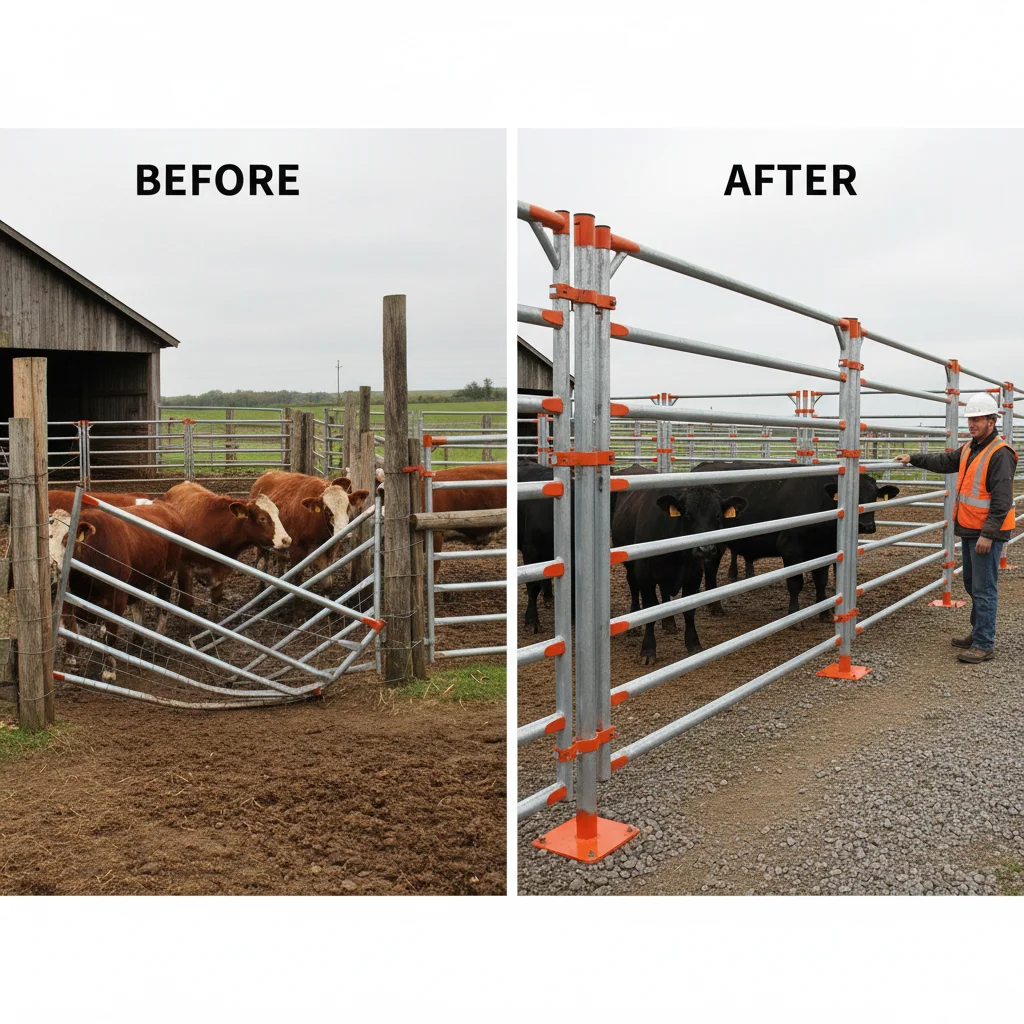
Durable Freestanding Livestock Panels for Efficient Animal Handling In the demanding world of agricultural management, the need for flexible and robust containment solutions has never been more critical. freestanding livestock panels offer a sophisticated answer to the challenges of animal handling, providing a secure yet adaptable barrier that does not require permanent installation or deep grounding. By allowing farmers and ranchers to redefine their spatial layouts in minutes, these panels maximize the efficiency of existing infrastructure while ensuring the safety of both the handlers and the livestock. Read More >26 Apr, 17
-
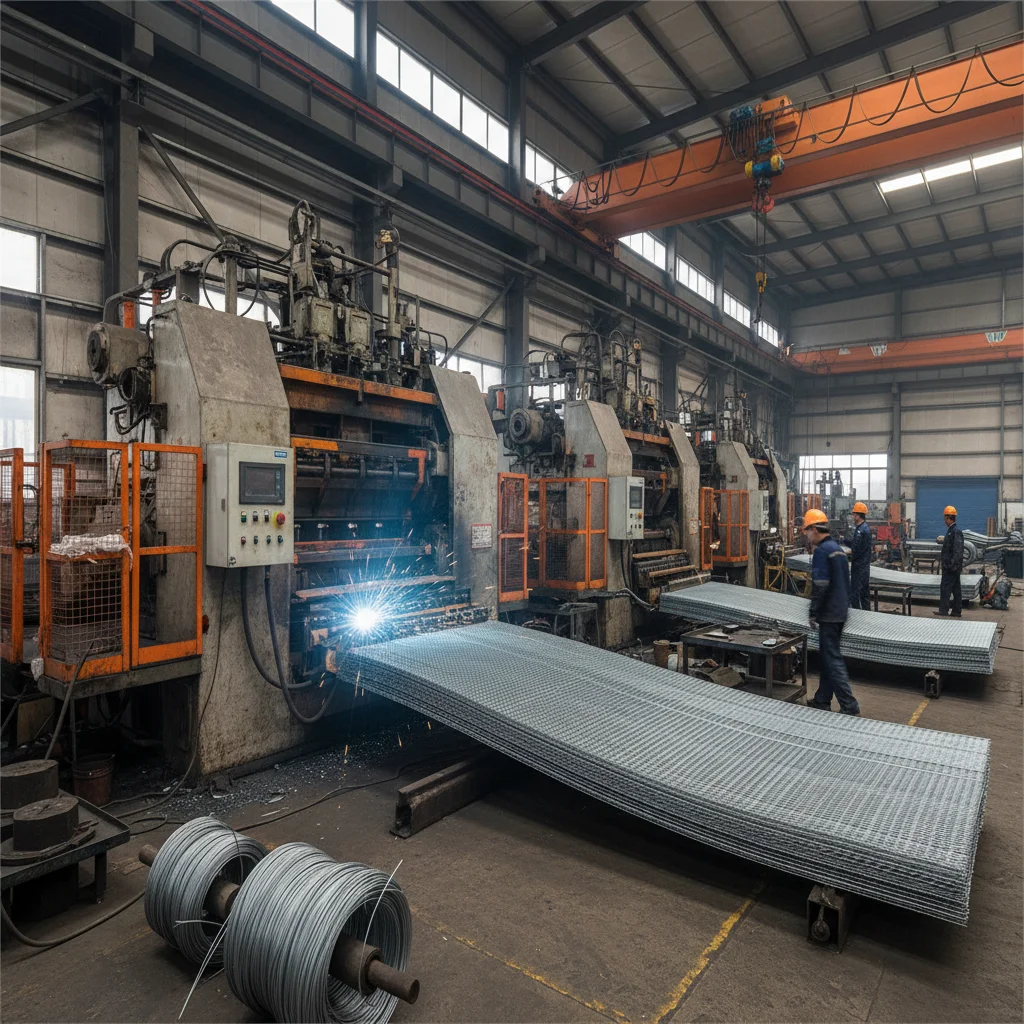
Professional Galvanized Welded Mesh Factory for Industrial Projects Finding a reliable galvanized welded mesh factory is critical for ensuring the structural integrity and longevity of your industrial or agricultural installations. Galvanized welded mesh is prized for its exceptional strength and resistance to corrosion, making it the go-to choice for fencing, animal cages, and construction reinforcement. However, not all factories adhere to the same quality standards. Whether you are sourcing for a large-scale infrastructure project or a specialized commercial application, understanding the manufacturing process and quality benchmarks is key to making a cost-effective investment that lasts for decades. Read More >26 Apr, 16
-
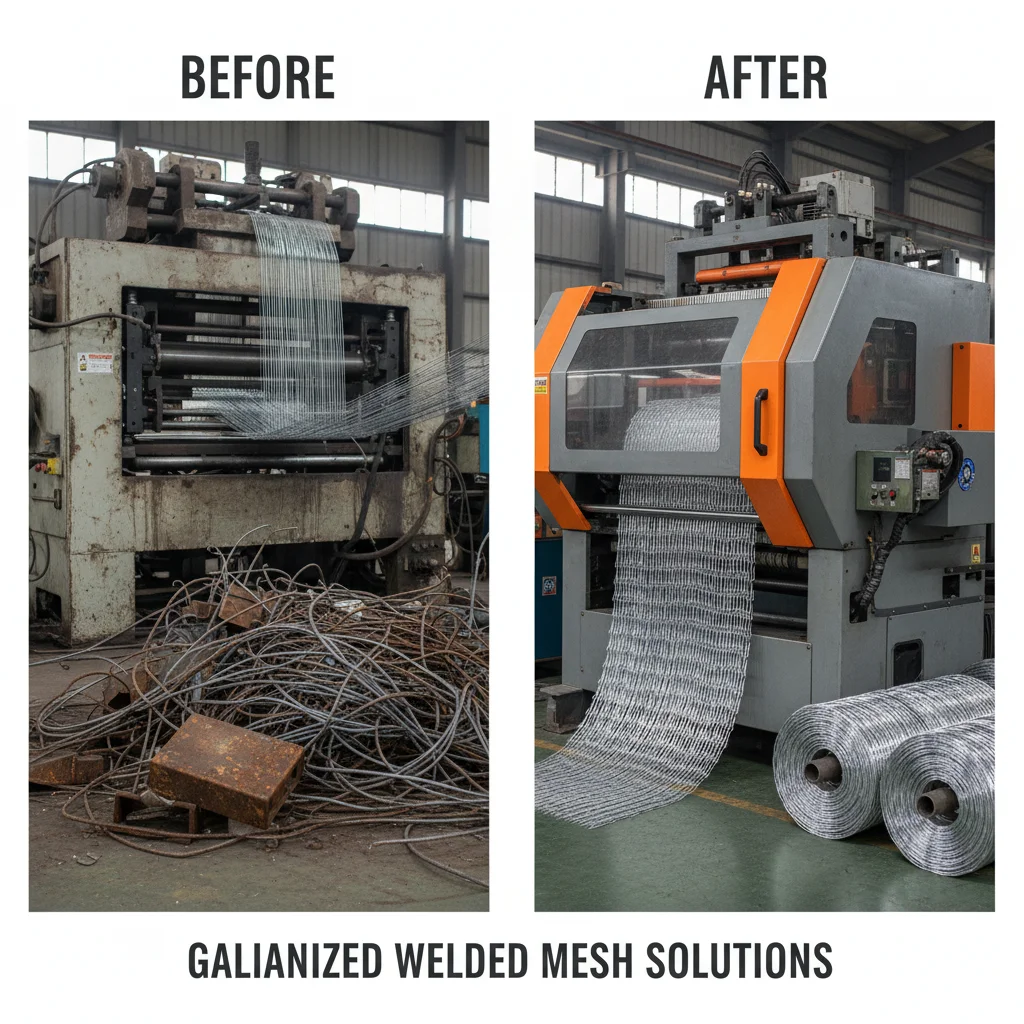
Professional Galvanized Welded Mesh Exporter for Quality Projects Selecting a high-quality fencing or screening solution requires more than just picking a product; it requires partnering with a reliable galvanized welded mesh exporter who understands the balance between structural integrity and corrosion resistance. Whether you are securing an industrial perimeter, building animal enclosures, or implementing architectural reinforcements, the quality of the galvanization process determines the lifespan of your installation. In this guide, we will explore the technical advantages of galvanized welded mesh and how to identify a global supplier that meets international quality standards to ensure your investment stands the test of time. Read More >26 Apr, 09
-
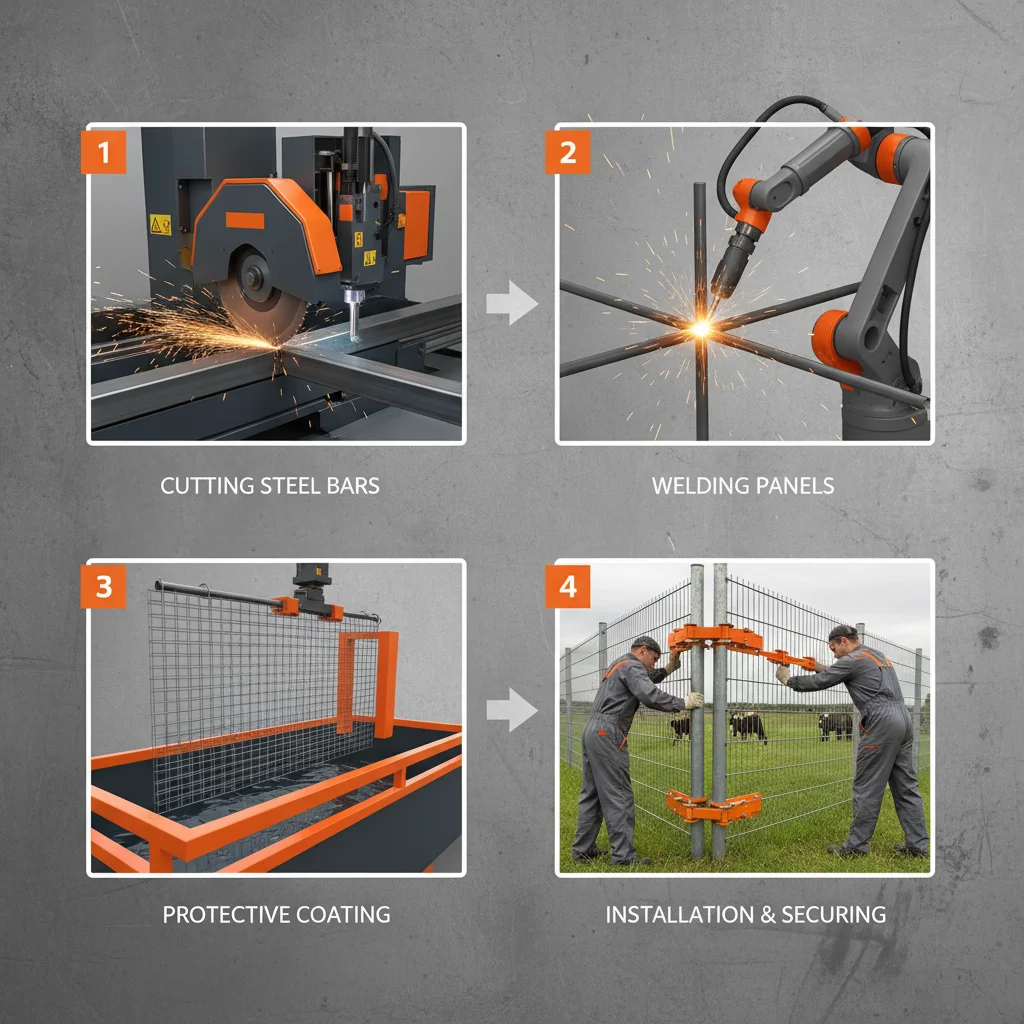
Essential Fencing Panels for Livestock Management and Farm Productivity Fencing panels for livestock are essential components in modern animal husbandry, playing a critical role in efficient farm management, animal welfare, and land utilization. Globally, the demand for robust and reliable fencing solutions is increasing due to the expanding livestock industry and the need to protect grazing lands from encroachment and predation. These panels aren’t simply barriers; they represent a vital investment in a farm's productivity and the health of its animals. Read More >26 Apr, 08
If you are interested in our products, you can choose to leave your information here, and we will be in touch with you shortly.


