


Durable Cattle Alley Panels for Efficient Livestock Management | Haotian Mesh
Understanding Cattle Alley Panels: Why They Matter Worldwide
If you've ever been curious about how livestock management stays efficient and humane across the globe, then cattle alley panels are integral—and often overlooked—building blocks of that story. These specially designed enclosures are not just pieces of metal or wood; they’re fundamental in ensuring animal welfare, optimizing farm productivity, and assisting industries linked to agriculture and food security. Globally, with over 1.5 billion cattle reported according to the Food and Agriculture Organization of the UN, managing movement safely and economically is a serious challenge. That’s where these panels come in—not only do they guide cattle through designated paths but also protect handlers and streamline operations.
Whether you're a livestock farmer, an agricultural supply chain professional, or just someone intrigued by modern farming innovations, grasping the importance of cattle alley panels has tangible benefits. From reducing stress in animals (resulting in better meat quality) to cutting farm labor costs, understanding these panels offers a window into efficient, humane animal management everywhere.
Global Context: The Critical Role of Cattle Alley Panels
Worldwide cattle populations continue to rise, and so does the complexity of managing them sustainably. According to the World Bank, agriculture accounts for roughly 27% of global employment, with livestock farming a massive chunk of that. But here’s the kicker: faulty or outdated handling facilities often lead to bottlenecks, injuries, or worse, animal stress that can ripple down the supply chain.
The International Organization for Standardization (ISO) has actually set forth guidelines to improve cattle handling equipment—highlighting concerns about durability, safety, and ergonomic design. This ushered in a wave of innovation for cattle alley panels, to ease bottlenecks in yards and processing plants worldwide. So, these panels aren’t just “fences”; they’re precision tools in a global effort to promote efficiency and animal welfare.
In regions like Australia, Brazil, and the US, where beef production is a significant part of the economy, using quality alley panels translates directly into millions of dollars saved annually just by preventing injury or loss. Even in developing countries, scalable and affordable panel designs help upgrade smallholder farms, aligning with several UN Sustainable Development Goals (SDGs).
What Exactly Are Cattle Alley Panels?
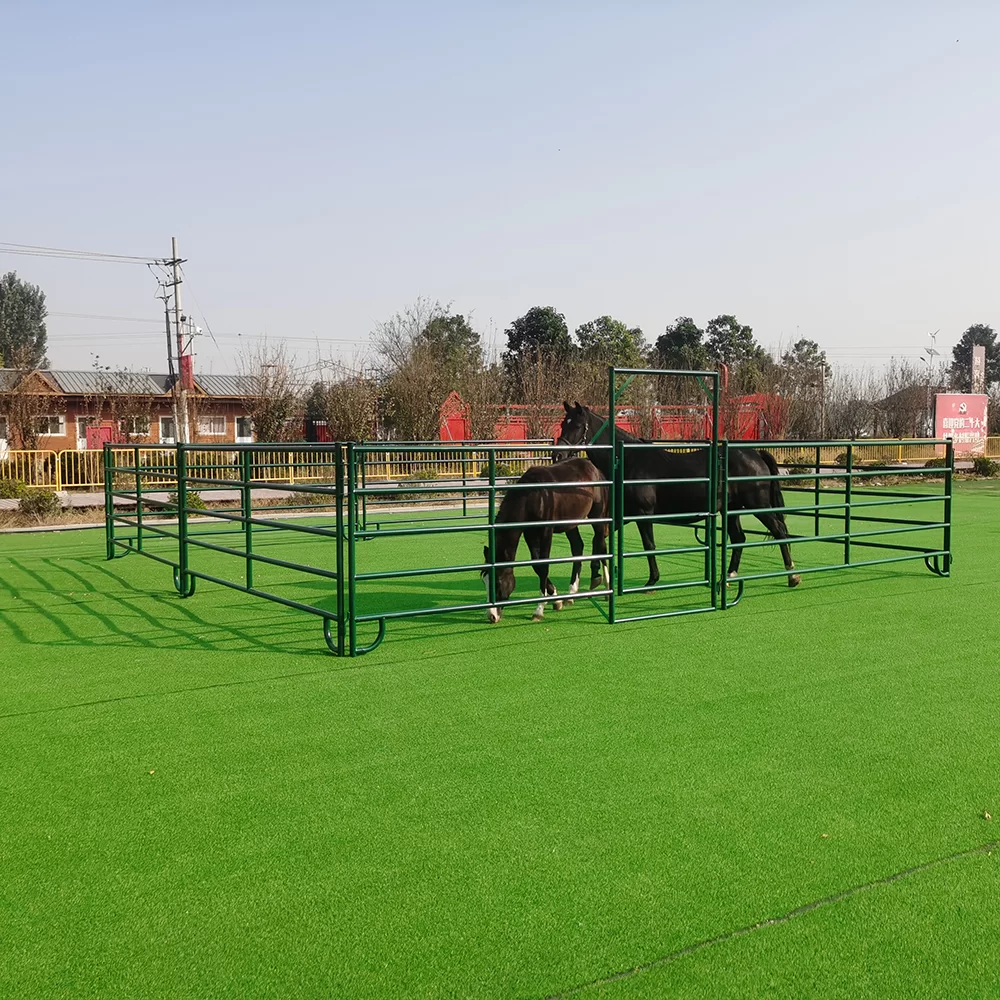
Simply put, cattle alley panels are modular or fixed barriers used to form passageways—or "alleys"—through which cattle are guided. Picture long rows of sturdy fencing sections that shepherd animals from the pasture into loading ramps, veterinary stations, or holding pens. The panels usually come in steel or heavy-duty plastic to withstand years of wear.
More than just dividing space, these panels support animal welfare by promoting calm movement, reducing crowding, and preventing injuries caused by chaotic mixing of herds. In many ways, they make modern, humane livestock management possible.
Interestingly, these panels also connect deeply with humanitarian logistics—especially how modular, durable solutions can be adapted for emergency animal care or temporary setups during outbreaks or natural disasters.
Core Components and Features of Cattle Alley Panels
Durability and Material Quality
Most cattle alley panels are made from galvanized steel, powder-coated for rust resistance—this is a must because livestock environments are harsh and outdoorsy. Some newer panels use composite or recycled plastics, aiming to reduce metal theft and lower long-term upkeep.
Modularity and Scalability
The ability to quickly connect or divide sections makes cattle alley panels suitable for farms of all sizes, from family-owned ranches to massive feedlots holding tens of thousands of heads. Modular systems foster flexibility to expand or reconfigure pens as herds grow or shrink.
Safety and Animal Comfort
Design details like smooth edges, proper spacing of bars to prevent head or leg injuries, and angled panels that naturally funnel cattle forward are crucial. These features make animals calmer, reducing stress-induced weight loss or bruising.
Cost Efficiency & Maintenance
While upfront costs can vary, panels optimized for quick assembly/disassembly save labor hours and reduce downtime during sorting or loading periods. Also, corrosion-resistant coatings and modular repair components help keep maintenance practical for farm budgets.
Portability and Deployment
In some setups, portable alley panels allow for seasonal moves or rapid deployment in emergencies, such as aerial spraying zones or disease containment. This mobility is an underappreciated logistics asset for livestock handlers and veterinarians alike.
Where Are Cattle Alley Panels Making a Difference Globally?
Adoption is strongest in countries with large cattle industries but growing elsewhere. Let’s unpack a few examples:
- Australia & New Zealand: Large-scale operations rely heavily on durable and lightweight panels that withstand extreme weather and rough terrain.
- Brazil & Argentina: Here, alley panels support the world’s top beef exports by streamlining massive feedlots and auction yards.
- United States & Canada: Innovation in panel materials and ergonomic designs is pushing welfare standards upwards, especially for organic and grass-fed beef farms.
- Africa and Asia: Adoption is burgeoning with NGOs helping smallholders upgrade facilities, improving animal health surveillance and boosting income.
For example, during drought crises in East Africa, modular panels provided quick solutions for temporary corrals to protect vulnerable herds—a lifesaver, literally.
The Long-Term Payoff: Why These Panels Matter Beyond the Farm
First, cost savings — fewer injuries mean less veterinary care and higher productivity. From an environmental lens, proper crowding reduces pasture destruction and runoff.
But emotionally, farmers often talk about the peace of mind that comes from knowing animals aren’t hurt unnecessarily. There's a dignity factor involved in good livestock handling—one that translates in better quality meat and sustainable farming reputations.
Innovation and the Road Ahead for Cattle Alley Panels
Roughly speaking, the future looks bright (or green!). Expect panels made from recycled, ultra-lightweight materials combined with sensors that track cattle movement in real-time. Such digital transformation, inspired by the Internet of Things (IoT), is already happening in some tech-savvy ranches.
Automation in herding, integrated with cattle alley design, might soon reduce human labor further while improving precision. And sustainability trends push for more recyclable or biodegradable panels—eco-conscious farmers are keen on that.
Common Hurdles and How Experts Overcome Them
Cattle alley panels are fairly robust, but challenges like corrosion, theft, improper installation, or non-standard sizing can hamper effectiveness. To counter these, many manufacturers offer tailored solutions with adjustable widths and reinforced fittings.
Some farms turn to custom fabricators to fit uneven or rocky terrains better. There’s also rising interest in training programs to teach farmers about panel maintenance and animal behavior nuances during handling.
FAQ: Common Questions About Cattle Alley Panels
Q1: How do cattle alley panels reduce stress in animals?
A1: Properly designed panels guide animals in calm, predictable paths that avoid overcrowding, sharp angles, or dead ends. This limits panic or aggressive behavior, resulting in less bruising and better overall health.
Q2: Are portable cattle alley panels reliable for frequent relocation?
A2: Yes, many panels are designed with lightweight materials and smart connectors enabling quick setup, tear-down, and transport without losing strength or integrity over time.
Q3: What materials are best for longevity in wet environments?
A3: Galvanized steel with powder coatings is excellent for rust resistance. Composite plastics also do well, especially in humid or salty coastal areas.
Q4: Can alley panels be customized to odd-shaped farm layouts?
A4: Absolutely. Many manufacturers offer modular sections with various sizes and connectors, enabling flexible installation on uneven ground or varied terrain.
Q5: How can smallholder farmers afford quality cattle alley panels?
A5: NGOs and government programs often subsidize costs or facilitate loans. Plus, modular designs mean farmers can buy in phases, expanding as budgets allow.
Product Specification Table
| Feature | Standard Panel | Heavy-Duty Panel | Portable Panel |
|---|---|---|---|
| Material | Galvanized Steel | Reinforced Steel Tubing | High-Density Plastic & Steel |
| Length | 3.0 m (10 ft) | 3.0 m (10 ft) | 2.4 m (8 ft) |
| Height | 1.5 m (5 ft) | 1.8 m (6 ft) | 1.5 m (5 ft) |
| Weight | 50 kg (110 lbs) | 75 kg (165 lbs) | 30 kg (66 lbs) |
| Corrosion Resistance | High | Very High | Medium |
| Assembly Time | Moderate | Lengthy | Quick |
Vendor Comparison: What to Look for When Choosing Cattle Alley Panels
| Vendor | Material Quality | Customization Options | Delivery & Support | Price Range |
|---|---|---|---|---|
| Haotian Mesh | Galvanized Steel, IPG Coating | High (modular designs) | Global freight with warranty | Mid-Range |
| Livestock Equip Co. | Standard Steel, Powder Coated | Medium (fixed sizes) | Regional only, limited support | Low |
| GreenFarm Solutions | Composite Plastic + Steel | High (eco designs) | International, eco-focused | High |
For further reading, and of course to explore detailed options, best check out cattle alley panels directly from manufacturers offering customization to fit any farm's needs.
Final Thoughts
It’s funny how something as seemingly straightforward as cattle alley panels can carry so much weight in global livestock management—quite literally. Their role in not only improving everyday agricultural productivity but also enhancing animal welfare, and supporting sustainable practices is undeniable. As farming continues to modernize, panels will likely get smarter, lighter, and greener, bridging traditional husbandry with cutting-edge tech.
So whether you’re managing a modest herd or operating a giant feedlot, paying close attention to your cattle alley setup is a down-to-earth investment that pays off long term. Check out the detailed specs and vendors above, and start planning your upgrades.
Visit our website: https://www.haotianmesh.com for the latest products, advice, and expert support.
References
-
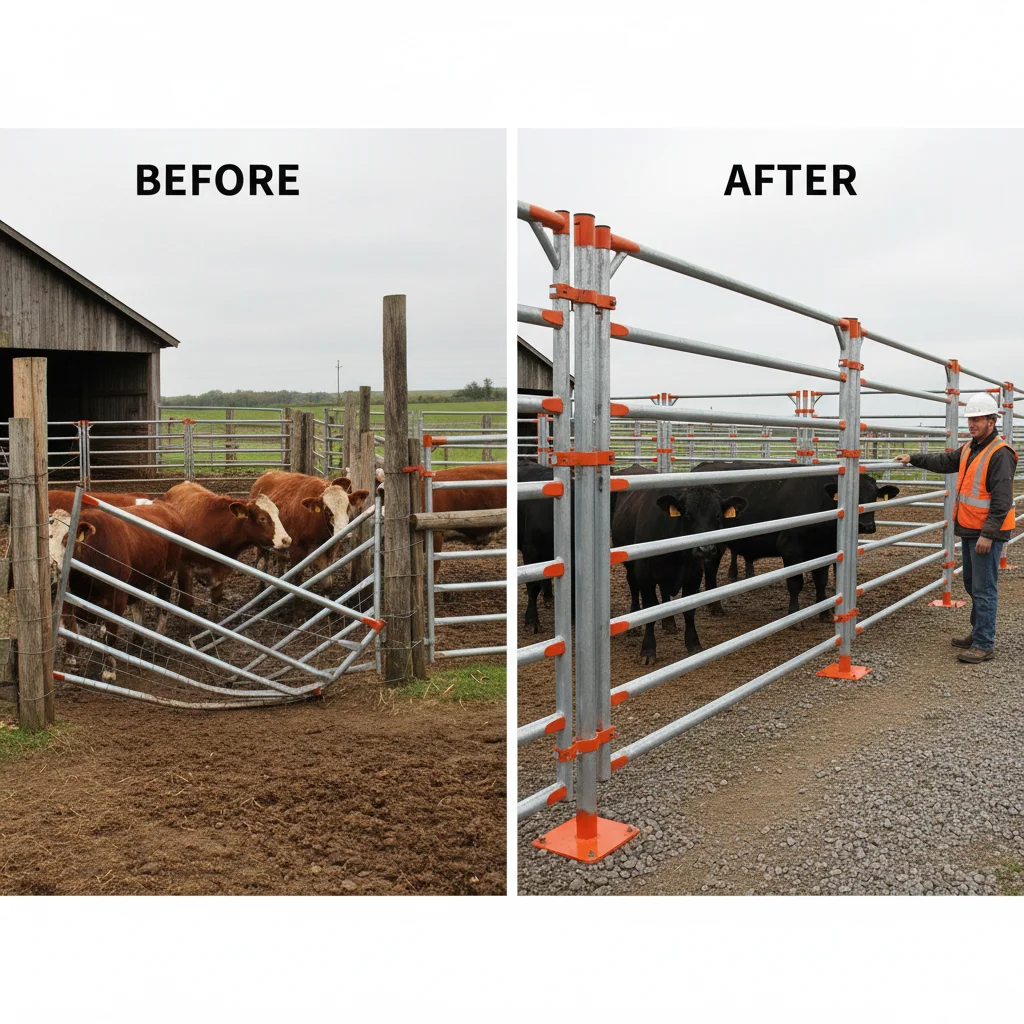
Durable Freestanding Livestock Panels for Efficient Animal Handling In the demanding world of agricultural management, the need for flexible and robust containment solutions has never been more critical. freestanding livestock panels offer a sophisticated answer to the challenges of animal handling, providing a secure yet adaptable barrier that does not require permanent installation or deep grounding. By allowing farmers and ranchers to redefine their spatial layouts in minutes, these panels maximize the efficiency of existing infrastructure while ensuring the safety of both the handlers and the livestock. Read More >26 Apr, 17
-
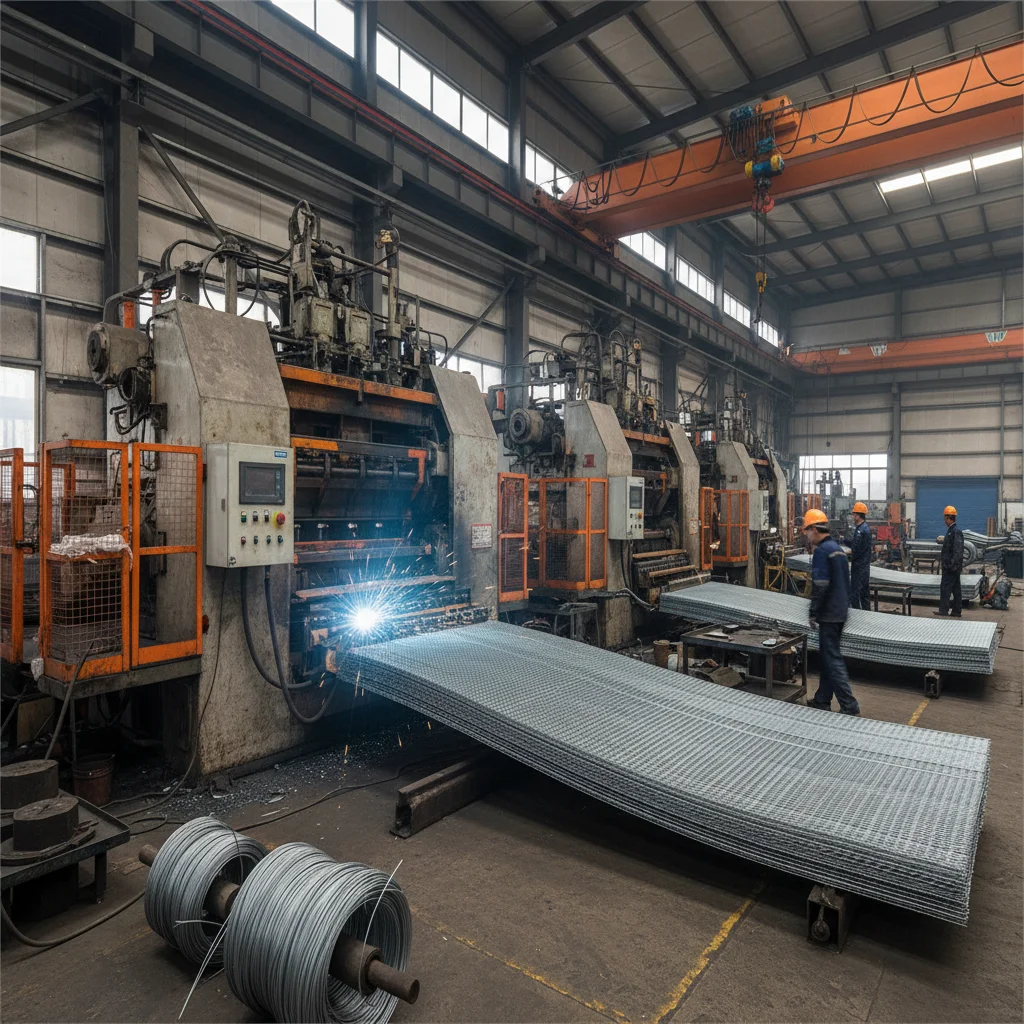
Professional Galvanized Welded Mesh Factory for Industrial Projects Finding a reliable galvanized welded mesh factory is critical for ensuring the structural integrity and longevity of your industrial or agricultural installations. Galvanized welded mesh is prized for its exceptional strength and resistance to corrosion, making it the go-to choice for fencing, animal cages, and construction reinforcement. However, not all factories adhere to the same quality standards. Whether you are sourcing for a large-scale infrastructure project or a specialized commercial application, understanding the manufacturing process and quality benchmarks is key to making a cost-effective investment that lasts for decades. Read More >26 Apr, 16
-
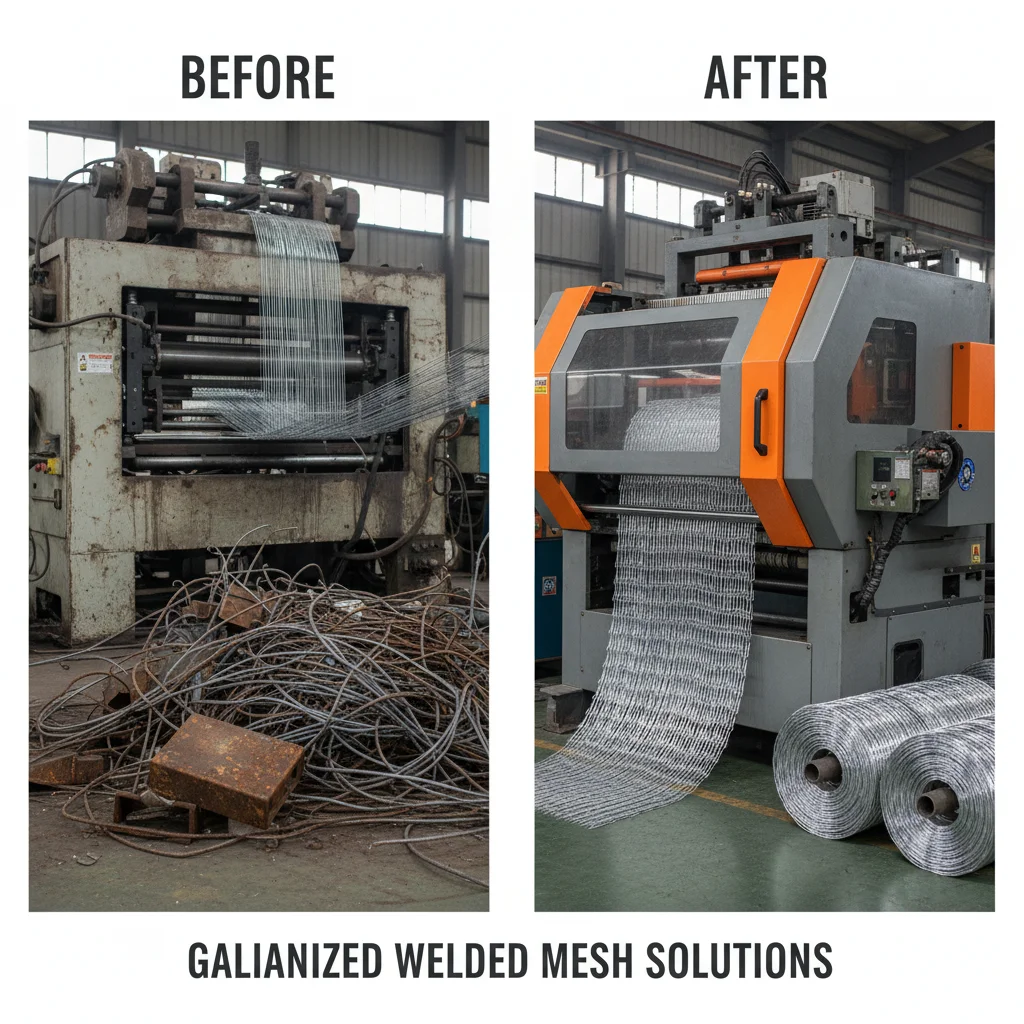
Professional Galvanized Welded Mesh Exporter for Quality Projects Selecting a high-quality fencing or screening solution requires more than just picking a product; it requires partnering with a reliable galvanized welded mesh exporter who understands the balance between structural integrity and corrosion resistance. Whether you are securing an industrial perimeter, building animal enclosures, or implementing architectural reinforcements, the quality of the galvanization process determines the lifespan of your installation. In this guide, we will explore the technical advantages of galvanized welded mesh and how to identify a global supplier that meets international quality standards to ensure your investment stands the test of time. Read More >26 Apr, 09
-
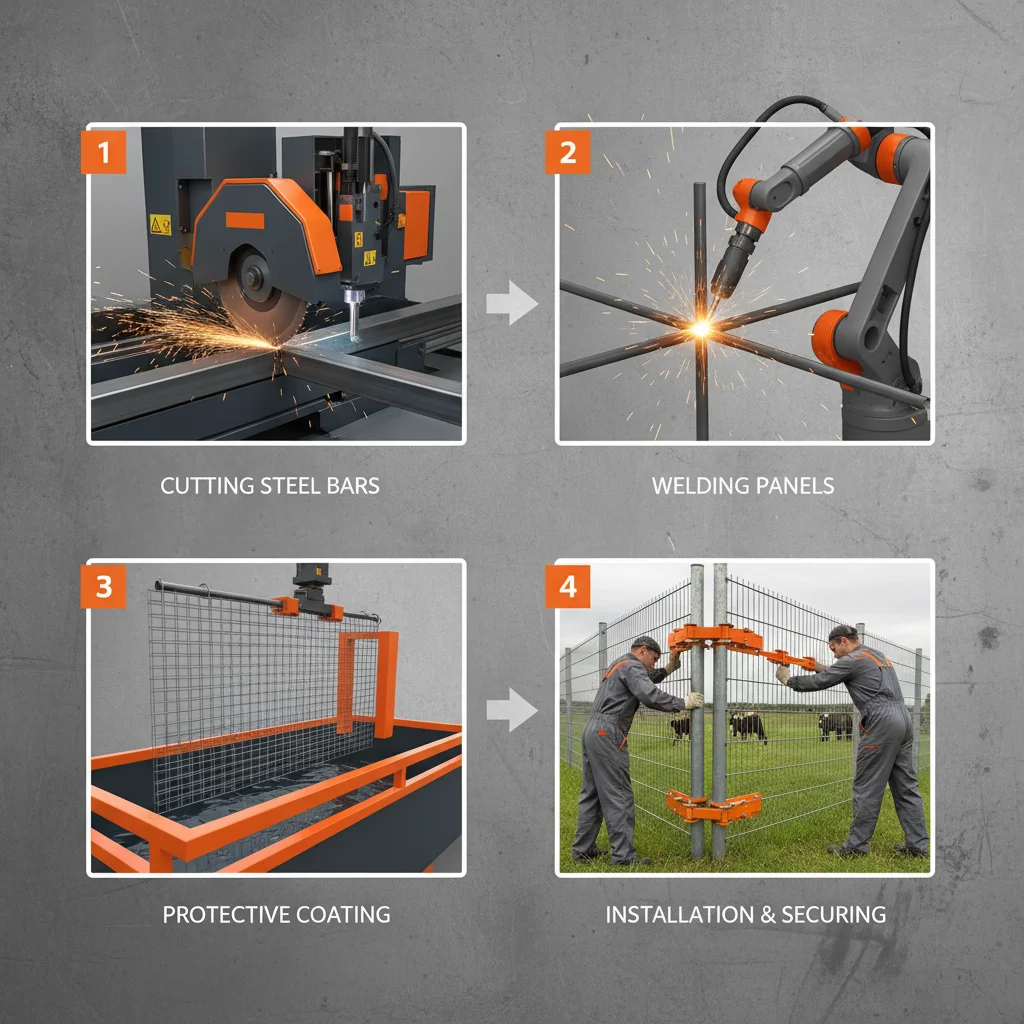
Essential Fencing Panels for Livestock Management and Farm Productivity Fencing panels for livestock are essential components in modern animal husbandry, playing a critical role in efficient farm management, animal welfare, and land utilization. Globally, the demand for robust and reliable fencing solutions is increasing due to the expanding livestock industry and the need to protect grazing lands from encroachment and predation. These panels aren’t simply barriers; they represent a vital investment in a farm's productivity and the health of its animals. Read More >26 Apr, 08
If you are interested in our products, you can choose to leave your information here, and we will be in touch with you shortly.


