


Sustainable Green Cattle Panels for Modern Livestock Management | Haotian Mesh
Green Cattle Panels: A Quiet Revolution in Agriculture and Beyond
When we talk about “green cattle panels,” it’s more than just a product; it’s a solution addressing global challenges around sustainable livestock management, environmental impact, and even humanitarian aid. As the demand for sustainable farming rises, understanding these panels helps farmers, industries, and organizations worldwide improve animal welfare, cut costs, and protect ecosystems. Essentially, it's about marrying tradition with innovation, giving us resilient fencing solutions with a smaller carbon footprint.
Why Green Cattle Panels Matter on a Global Scale
Globally, livestock farming supports nearly 1.3 billion people and consumes close to 30% of the Earth’s ice-free land (1). The World Bank reports a growing demand for sustainable livestock management amid climate change and land degradation. Traditional fencing solutions tend to be resource-heavy and less environmentally friendly, creating challenges for governments and farmers alike. Green cattle panels answer such concerns by offering eco-conscious protection that minimizes waste and enhances animal containment.
They also play a surprising role in humanitarian efforts — deployed in refugee camps or disaster recovery zones to secure livestock and maintain food security when infrastructure is fragile. So, whether it’s about better farming or emergency relief, these panels find relevance everywhere.
What Exactly Are Green Cattle Panels?
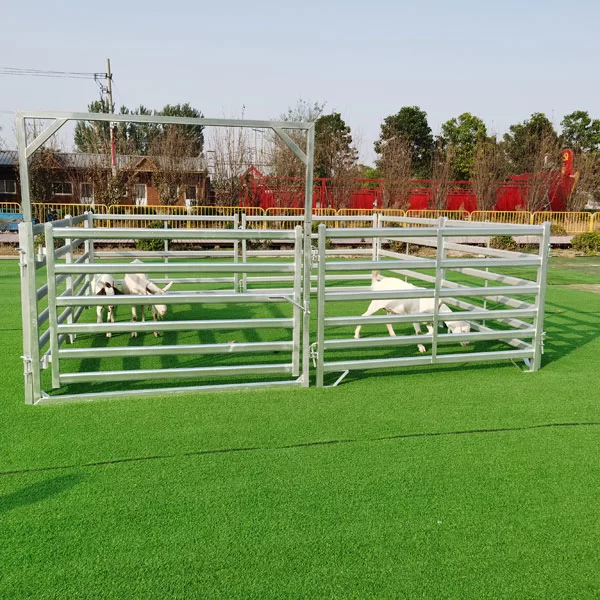
In simple terms, green cattle panels are pre-fabricated fencing sections, typically made from coated steel or recycled materials, designed to contain cattle efficiently and sustainably. What makes them “green” lies in the materials sourcing (often recycled metal), powder coating to reduce rust without toxic paints, and designs that optimize durability and reuse. They’re different from standard iron gates or wooden fencing — because you set them up fast, move them where needed, and genuinely lower environmental impact, especially compared to timber or plastic fencing alternatives.
In industries, these panels aren’t just fences. They’re modular components fitting into integrated livestock systems, sometimes combined with solar-powered gates or sensor tech — aligning with smart agriculture trends.
Core Features Driving Green Cattle Panel Performance
1. Durability
The backbone of any cattle panel is strength. Green cattle panels often feature galvanized steel with powder-coated surfaces to resist corrosion and mechanical wear. This means they last years under harsh weather without the maintenance headaches that plague wooden fences or untreated metal.
2. Scalability and Flexibility
These panels come in standard sizes but are designed to interlock or be customized depending on terrain, herd size, or farm layout. For instance, needing to manage a few dozen head or hundreds — the same panel system can be scaled or rearranged quickly.
3. Eco-Friendliness
Perhaps the defining trait — the materials often incorporate recycled steel, reducing mining need. Plus, the green coating methods avoid harmful chemicals. It’s kind of like the fencing world’s version of eco-friendly packaging: sturdy yet less harmful.
4. Cost Effectiveness
Compared to welding custom fences or continual wood replacement, green cattle panels can save operators serious cash long-term. They reduce labor demands with swift installation and cut down on replacement frequency, all while offering dependable containment.
5. Safety & Animal Welfare
Panels are designed with smooth rounded edges and optimal bar spacing to limit injury risk. Livestock-friendly design isn’t just theory — it’s now a must-have feature. Many veterinarians endorse well-designed panels to reduce animal stress and injuries.
Mini Takeaway
Green cattle panels balance strength, green design, cost savings, and animal safety into one flexible product framework — no wonder they’re gaining global traction.
Global Applications: Where Green Cattle Panels Make the Most Impact
From the rolling ranches of the US Midwest to semi-arid farms in Australia and even remote regions in East Africa, green cattle panels find diverse uses. Their quick deployment suits large-scale farms and emergency situations alike. For example:
- Post-disaster recovery: After floods in South Asia, agencies use portable green cattle panels to secure displaced livestock quickly.
- Remote industrial agriculture: Mining companies in South America use these panels to manage livestock grazing zones with minimal environmental disturbance.
- Urban and peri-urban farming: In Europe, green cattle panels allow small-scale farmers near cities to maintain movable fencing that preserves green spaces.
Even wildlife conservation projects leverage similar panels for managing larger herbivores, showcasing versatility beyond just cattle.
Green Cattle Panels: Advantages That Last
Obviously, eco-credentials matter — but so do the emotional and economic returns. There’s a lot to like:
- Economic thrift: Reliable fencing lowers overall costs and labor.
- Social impact: Safer livestock means food security and farmer livelihoods.
- Innovation factor: Integrating these panels with tech (GPS tagging, solar gates) boosts operational trust and monitoring.
- Environmental stewardship: Reduced resource extraction and longer-lasting materials align with sustainability pledges.
Personally, I’m often reminded how something as simple as a fence can quietly underpin a community’s stability — without it, things get chaotic fast.
Product Specification Table: Typical Green Cattle Panels
| Specification | Typical Value | Notes |
|---|---|---|
| Material | Galvanized steel with powder coating | Eco-friendly corrosion resistance |
| Panel Dimensions | 2m x 2.5m (standard) | Custom sizes available |
| Weight | ~20 kg | Portable, manageable weight |
| Coating Type | Powder epoxy paint | Non-toxic and durable |
| Bar Spacing | 15 cm vertical | Safe for medium to large cattle |
| Lifespan | 10+ years | Depends on environment |
Comparing Leading Green Cattle Panel Vendors
| Vendor | Material Quality | Customization Options | Delivery Time | Eco Certifications |
|---|---|---|---|---|
| Haotian Mesh | High — recycled galvanized steel | Standard & bespoke panels | 2–3 weeks | ISO 14001 compliant |
| GreenFence Solutions | Medium — new steel, organic coatings | Limited custom sizes | 3–4 weeks | Eco-label with regional scope |
| EcoFarm Panels | High — recycled steel, powder coated | Wide, modular systems | 1–2 weeks | Sustainable Certification ISO 20400 |
How Green Cattle Panels Are Shaping Industry & Agriculture
Putting panels like this in place improves operational flow. I’ve seen farms go from tangled wire fences prone to frequent failure to neat, modular setups that cut downtime dramatically. Farmers report less stress during moving seasons because cattle behave better when fences feel secure.
They also dovetail nicely with emerging trends in precision agriculture. Integrating green cattle panels with smart sensors lets ranchers monitor fence integrity remotely and track animal movement, honestly something that decades ago felt futuristic.
In humanitarian contexts, these panels are helping stabilize food supplies rapidly after natural disasters, fitting easily into mobile livestock programs.
Looking Ahead: Innovations in Green Cattle Panels
The future isn’t just about greener steel — it’s about digital transformation too. We’re seeing:
- Panels incorporating RFID-enabled tags or GPS to track animal movement and fence status.
- Hybrid materials: blends of recycled plastic composites with metal for even lighter, longer-lasting panels.
- Further automation in deployment with robotic installers for large farms.
- Integration with solar-powered electric fencing, creating semi-permanent installations that are energy efficient.
Climate action pushes vendors to innovate fast. Regulations like ISO 20400 for sustainable procurement encourage buyers to pick greener panels, which encourages suppliers to level up.
Challenges and Smart Solutions
One challenge often mentioned by farmers is cost upfront. While cheaper than some high-tech solutions, green cattle panels still require investment that might feel steep to smallholders. But, the tradeoff is longer lifespan and less labor expenditure.
Another practical issue is terrain—rocky or uneven ground means some panels need extra customization. That’s where expert firms like Haotian Mesh come in, offering bespoke solutions tailored to difficult landscapes.
Maintenance can also be tricky in wetter climates, but advanced powder coatings minimize rusting far better than basic paint jobs.
FAQ: Frequently Asked Questions About Green Cattle Panels
Q1: How do green cattle panels compare to wooden fencing in terms of durability?
A1: Green cattle panels generally outperform wooden fences, especially in terms of longevity and maintenance. While wood may rot or be damaged by pests within 5–7 years, well-coated steel panels can last a decade or more with minimal upkeep.
Q2: Can I customize the size or shape of green cattle panels?
A2: Yes, many manufacturers offer customizable options to suit different terrains and cattle types. Custom panels can have modified height, bar spacing, or widths to optimize animal welfare and farm layout.
Q3: Are green cattle panels suitable for all climates?
A3: Generally yes, the galvanized steel and powder coating ensure resistance to diverse climates, from humid tropics to dry zones. However, local conditions should be evaluated for the best coating type.
Q4: How quickly can these panels be deployed for emergency relief use?
A4: Due to their modular and portable nature, green cattle panels can be assembled on-site within hours to days, depending on scale, making them ideal for rapid livestock containment in disaster zones.
Q5: Where can I learn more or order green cattle panels?
A5: A good place to start is specialized vendors like Haotian Mesh, who provide high-quality, ISO-certified green cattle panels with customization and global shipping options.
Summing It Up: The Long-Term Value of Green Cattle Panels
Green cattle panels aren’t just fences; they’re investments in sustainability, animal welfare, and operational efficiency. Their wide adoption signals a shift toward greener, smarter agriculture — where resilience doesn’t come at the planet’s expense. If you’re considering upgrading your livestock containment or planning new projects, it’s definitely worth exploring.
Visit https://www.haotianmesh.com to explore your options, get expert advice, and find panels tailored to your needs.
References
-
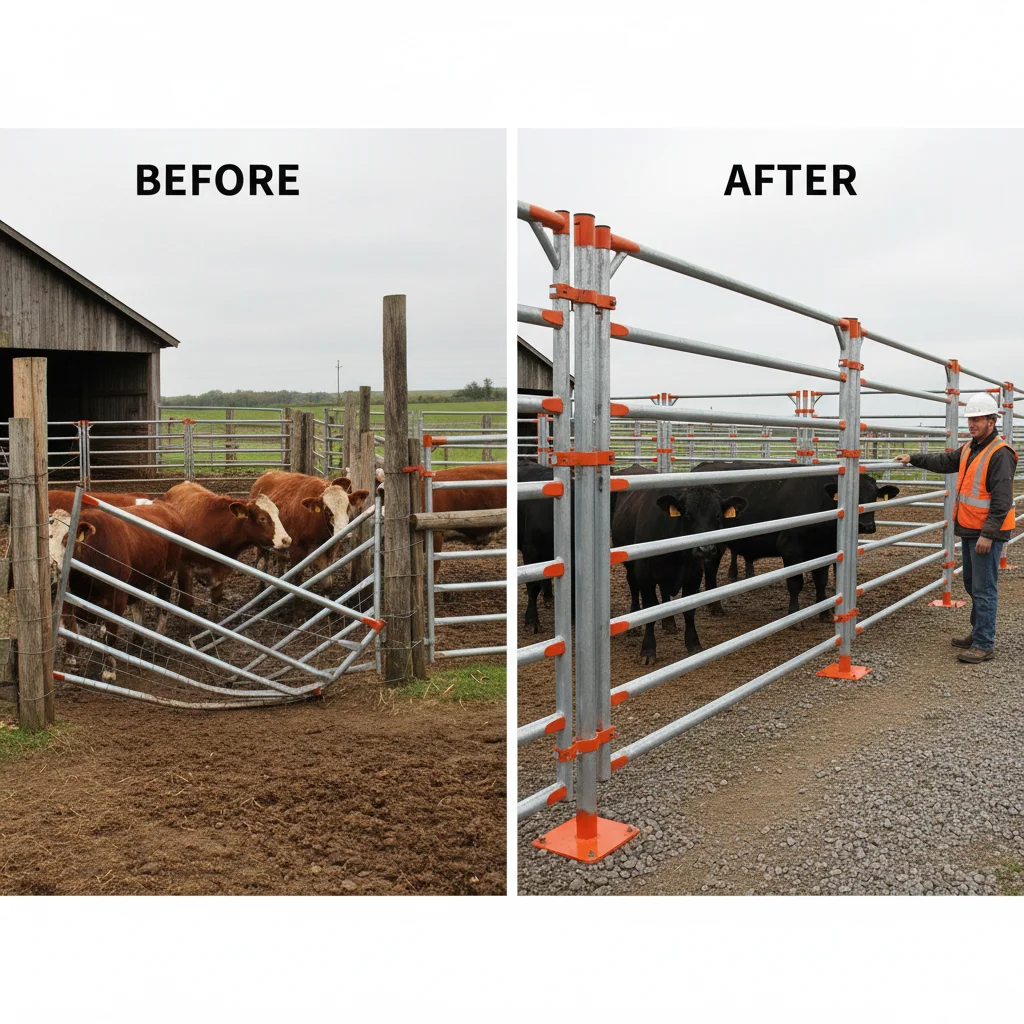
Durable Freestanding Livestock Panels for Efficient Animal Handling In the demanding world of agricultural management, the need for flexible and robust containment solutions has never been more critical. freestanding livestock panels offer a sophisticated answer to the challenges of animal handling, providing a secure yet adaptable barrier that does not require permanent installation or deep grounding. By allowing farmers and ranchers to redefine their spatial layouts in minutes, these panels maximize the efficiency of existing infrastructure while ensuring the safety of both the handlers and the livestock. Read More >26 Apr, 17
-
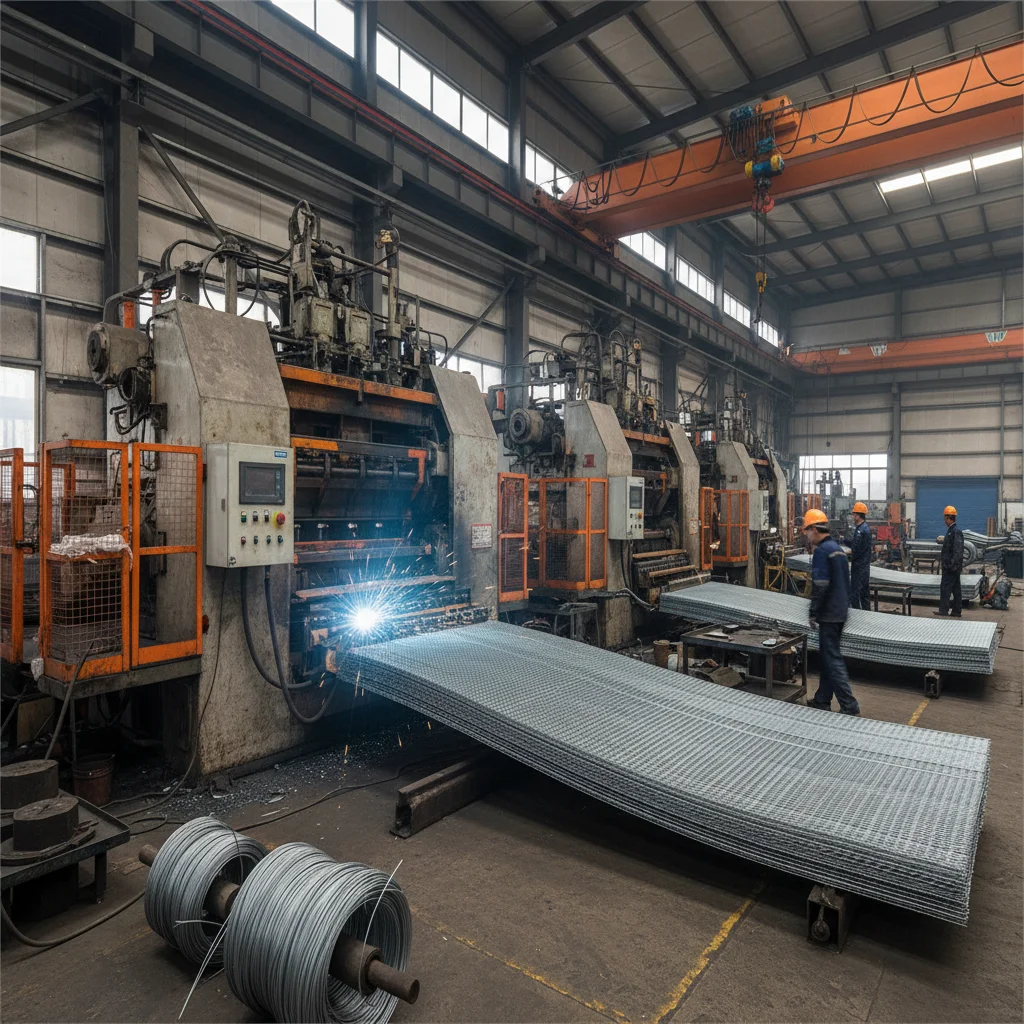
Professional Galvanized Welded Mesh Factory for Industrial Projects Finding a reliable galvanized welded mesh factory is critical for ensuring the structural integrity and longevity of your industrial or agricultural installations. Galvanized welded mesh is prized for its exceptional strength and resistance to corrosion, making it the go-to choice for fencing, animal cages, and construction reinforcement. However, not all factories adhere to the same quality standards. Whether you are sourcing for a large-scale infrastructure project or a specialized commercial application, understanding the manufacturing process and quality benchmarks is key to making a cost-effective investment that lasts for decades. Read More >26 Apr, 16
-
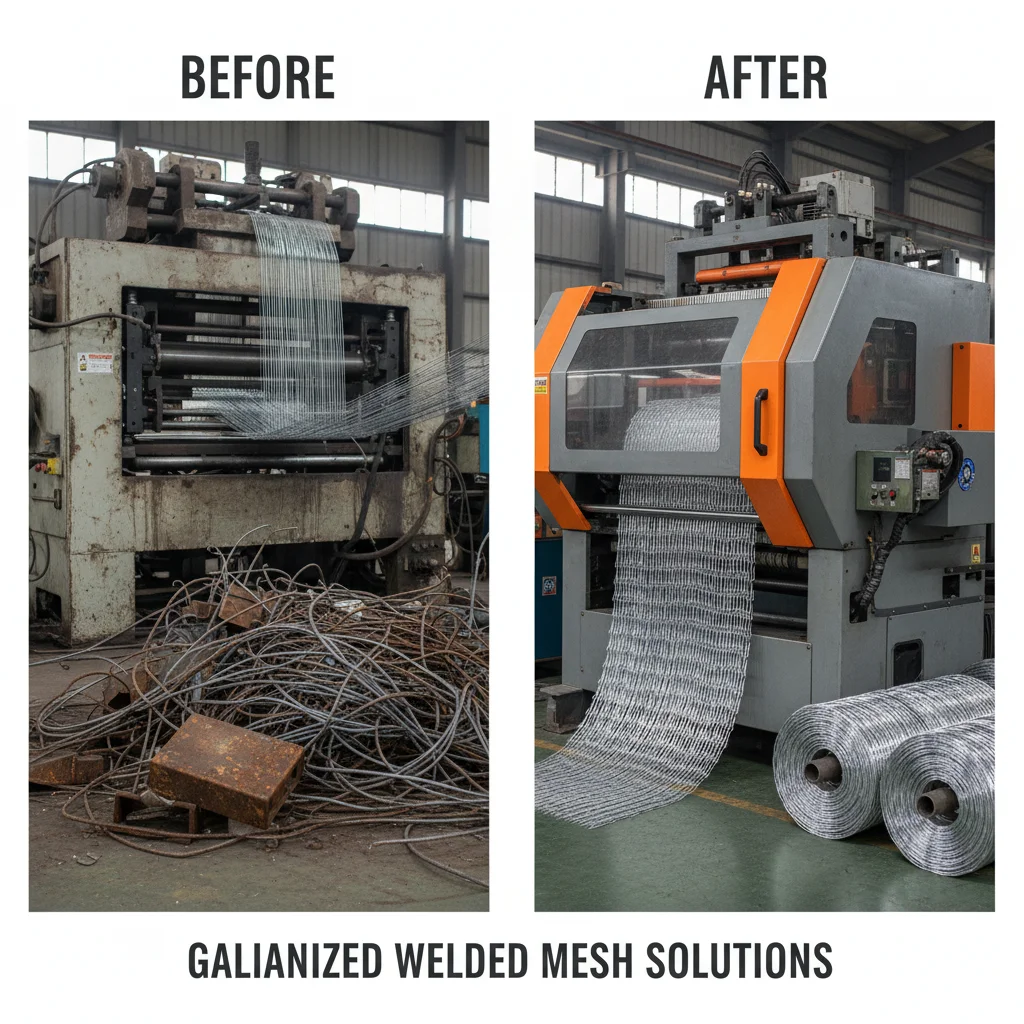
Professional Galvanized Welded Mesh Exporter for Quality Projects Selecting a high-quality fencing or screening solution requires more than just picking a product; it requires partnering with a reliable galvanized welded mesh exporter who understands the balance between structural integrity and corrosion resistance. Whether you are securing an industrial perimeter, building animal enclosures, or implementing architectural reinforcements, the quality of the galvanization process determines the lifespan of your installation. In this guide, we will explore the technical advantages of galvanized welded mesh and how to identify a global supplier that meets international quality standards to ensure your investment stands the test of time. Read More >26 Apr, 09
-
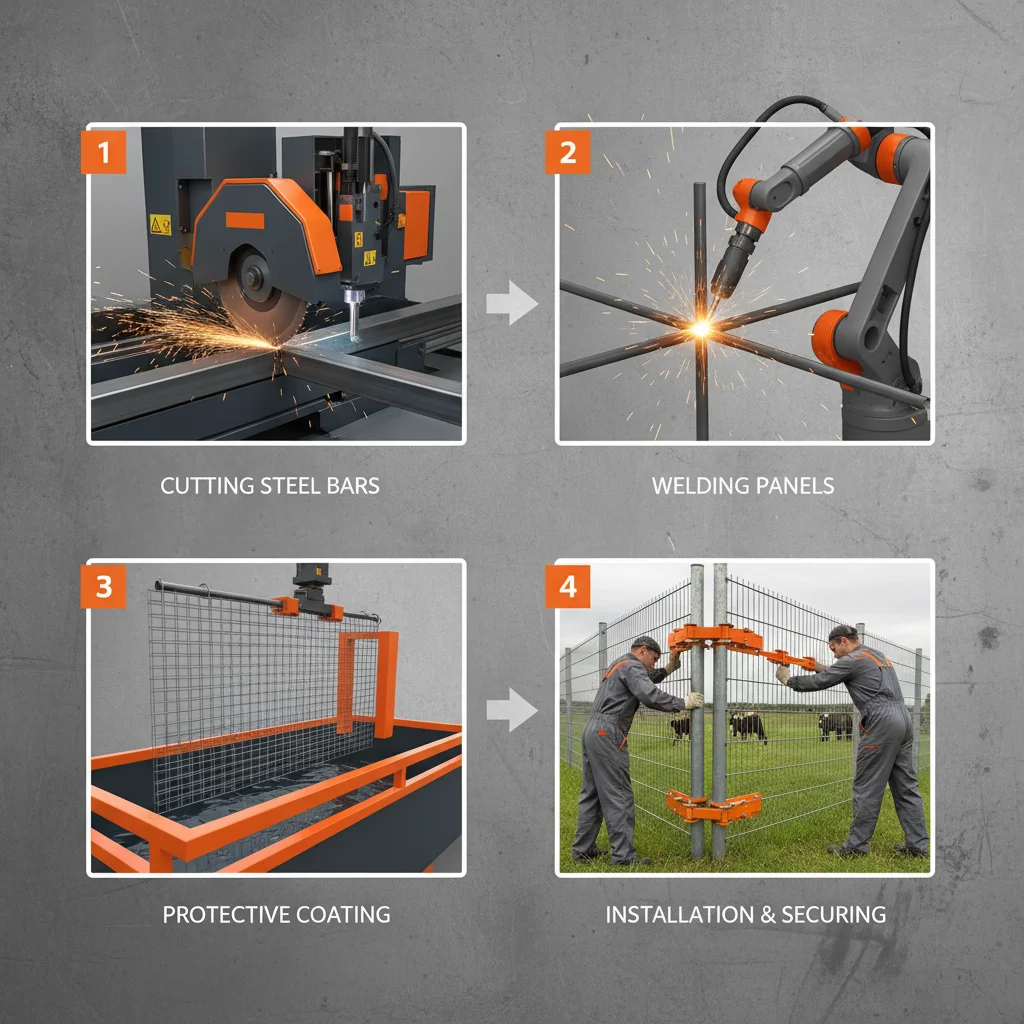
Essential Fencing Panels for Livestock Management and Farm Productivity Fencing panels for livestock are essential components in modern animal husbandry, playing a critical role in efficient farm management, animal welfare, and land utilization. Globally, the demand for robust and reliable fencing solutions is increasing due to the expanding livestock industry and the need to protect grazing lands from encroachment and predation. These panels aren’t simply barriers; they represent a vital investment in a farm's productivity and the health of its animals. Read More >26 Apr, 08
If you are interested in our products, you can choose to leave your information here, and we will be in touch with you shortly.


