


High Security Fencing Solutions using 358 security mesh
The Ultimate Guide to 358 Security Mesh: High-Security Fencing Solutions
When securing high-risk perimeters, standard fencing often falls short against determined intruders. This is where 358 security mesh becomes the gold standard for industrial and government security. Known for its incredibly tight apertures and robust construction, this specialized fencing system is designed to be anti-climb and anti-cut, providing a formidable psychological and physical barrier. In this comprehensive guide, we will explore why this specific mesh design is preferred for critical infrastructure and how it ensures long-term peace of mind for facility managers. Whether you are securing a data center or a military installation, understanding the technical advantages of this system is key to an effective security strategy.

What Exactly is 358 Security Mesh?
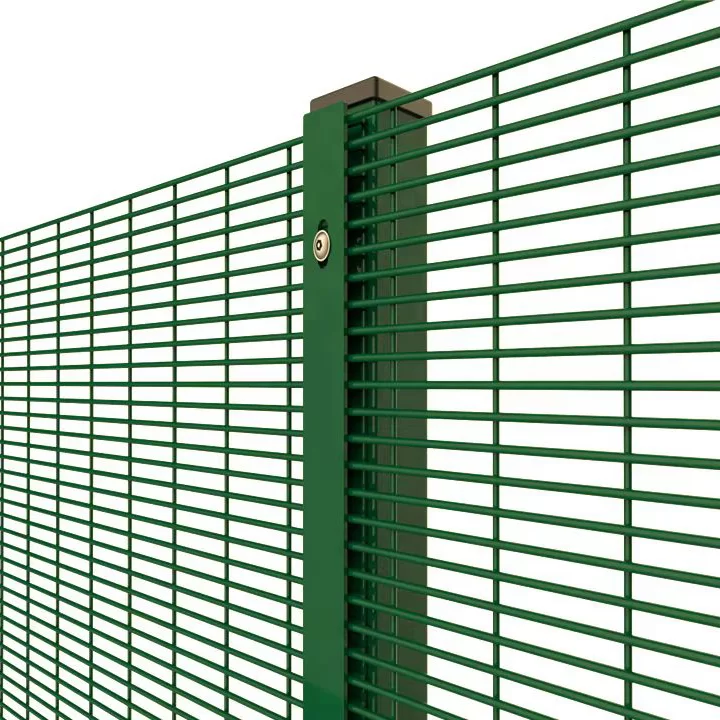
The term "358" is not a random number; it refers to the dimensions of the mesh apertures. Specifically, the openings are 3 inches by 58 millimeters. This precise measurement is critical because it is too small for a human finger to get a grip for climbing and too narrow for most standard cutting tools to gain the leverage needed to slice through the wire quickly. The 358 security mesh is typically manufactured from high-tensile steel wires that are welded together at every intersection, creating a rigid, monolithic panel that resists deformation. This combination of geometry and material science makes it an elite choice for high-security environments.
Pro Tip: The "Anti-Climb" nature of the mesh is its most valued feature, as it eliminates the "toe-holds" and "finger-holds" found in traditional chain-link or welded mesh fences.
Key Advantages of 358 Security Mesh Systems
Beyond its basic dimensions, the primary value of 358 security mesh lies in its deterrence capabilities. Unlike standard fences that can be breached in seconds with bolt cutters, the high-tensile strength of the steel requires significant effort and time to penetrate, which increases the likelihood of intruders being detected by surveillance systems. Furthermore, the sleek appearance of the panels provides a modern aesthetic while signaling a "hard target" to potential trespassers. The durability is further enhanced by advanced coating options, such as galvanization and powder coating, ensuring the fence withstands harsh weather conditions without corroding.
Primary Benefits:
• Anti-Climb: Apertures are too small for grip.
• Anti-Cut: High-tensile steel resists manual cutting tools.
• Low Maintenance: Long-lasting coatings prevent rust.
• Visual Deterrent: Professional look that discourages intrusion.
Comparing 358 Security Mesh vs. Traditional Chain Link
When deciding on a perimeter solution, many companies weigh the cost of chain-link against the security of 358 security mesh. While chain-link is cheaper and faster to install, it is notoriously easy to climb and can be cut through with basic hand tools. In contrast, the 358 system provides a level of security that is orders of magnitude higher. For facilities where a breach could lead to catastrophic data loss or safety risks, the investment in a high-security mesh is not just an upgrade—it is a necessity.
Applications of High-Security 358 Mesh
The adaptability of 358 security mesh makes it suitable for a diverse array of high-stakes environments. It is widely used in airport perimeters to prevent unauthorized runway access and in prison enclosures where escape prevention is the primary goal. Additionally, utility substations, water treatment plants, and high-value warehouses rely on this mesh to protect critical infrastructure from vandalism and theft. Because it can be topped with razor wire or integrated with electronic sensors, it provides a layered security approach that is nearly impossible to breach unnoticed.

Technical Specifications for 358 Security Mesh
For engineers and procurement officers, the technical specs are what define the performance of the system. The 358 security mesh is engineered to meet global security standards. The use of high-carbon steel ensures that the panels do not bend or warp under pressure, and the precision welding prevents the wires from being separated. Below is a typical specification table for a standard high-security installation:
Installation and Maintenance Best Practices
Installing 358 security mesh requires precision to ensure there are no gaps for intruders to exploit. The panels should be securely bolted to heavy-duty posts using tamper-proof fasteners. To maximize security, it is recommended to install the fence on a concrete plinth, which prevents "digging under" attempts. Maintenance is minimal due to the high-grade coatings, but periodic checks for loose bolts or structural damage are advised. When properly installed, the system provides a virtually maintenance-free security perimeter for decades.
Conclusion: Securing Your Future with 358 Mesh
Choosing the right perimeter security is a critical decision for any high-value asset. The 358 security mesh offers an unmatched balance of strength, deterrence, and durability. By eliminating climb points and resisting cutting tools, it provides a superior defensive layer compared to traditional fencing. Whether you are upgrading an existing facility or planning a new site, investing in 358 mesh ensures that your security perimeter remains an impassable barrier against intrusion.
Frequently Asked Questions (FAQs)
Why is it called "358" security mesh?
The name "358" is derived from the size of the mesh openings. The apertures measure 3 inches by 58 millimeters. This specific size is engineered to be "anti-climb," meaning the gaps are too small for a person to get a foothold with their shoes or a finger-hold with their hands, effectively making the fence impossible to scale without specialized equipment. This technical precision is what separates high-security mesh from general-purpose welded wire fencing.
Can 358 security mesh be cut with standard bolt cutters?
While no material is completely indestructible, 358 mesh is significantly harder to cut than standard fencing. It is manufactured from high-tensile steel, which is much harder than the mild steel used in chain-link fences. Standard bolt cutters often struggle to penetrate high-tensile wire, and the tight mesh pattern means an intruder would have to make many individual cuts to create a hole large enough to pass through, significantly increasing the time required and the risk of being caught.
How does the coating affect the lifespan of the fence?
The coating is vital for the longevity of the fence, especially in coastal or industrial areas. Most 358 mesh systems are hot-dip galvanized, which provides a primary layer of zinc protection against rust. For added durability and aesthetics, a PVC or powder coating is often applied. This second layer prevents oxygen and moisture from reaching the steel, virtually eliminating corrosion and ensuring the fence maintains its structural integrity for decades without the need for frequent painting or repairs.
Is 358 mesh more expensive than other fencing options?
Initially, the upfront cost of 358 mesh is higher than chain-link or basic welded mesh due to the high-tensile materials and precise manufacturing process. However, when considering the Total Cost of Ownership (TCO), it is often more economical. It requires significantly less maintenance over its lifespan and provides a level of security that prevents costly breaches. For high-risk sites, the cost of a single security failure far outweighs the initial price difference of installing a premium 358 security mesh system.

-

How to Buy Horse Panels for Different Farm Layouts To buy horse panels with a suitable balance of layout flexibility, protection, and budget, start with the enclosure size and livestock pressure, then choose the pipe profile and finish. Our horse panels use industrial-grade steel, come in several standard sizes, and can be customized for stable, paddock, and temporary enclosure projects. Read More >26 Nov, 17
-

Temporary Fence Panel Manufacturers: Round Pipe or Square Tube? Round pipe and square tube temporary fence panels share welded mesh construction, but their openings, frame sizes, panel dimensions, and base arrangements suit different site layouts. This comparison helps you match the fence format to perimeter planning, visibility, handling, and installation work before requesting a quotation. Read More >26 Nov, 11
-

How to Choose a Heavy Duty Steel Pipe Sheep Panel Manufacturer for Farm Pens A practical guide to selecting Heavy Duty Sheep Panels by pen type, height, rail count, pipe profile, connection method, gate mounting, and animal-safety details. The product suits permanent, semi-permanent, and portable sheep containment layouts. Read More >26 Nov, 02
-

Horse Panel FAQ: Specifications, Customization, Ordering and Support Questions This FAQ answers the most common buyer questions about horse panels from Anping Haotian Hardware Wire Mesh Products Co., Ltd. — covering available sizes, pipe styles, finish options, customization process, and after-sales support. Whether you are sourcing livestock fencing panels for a stable, paddock, or temporary enclosure, the answers below draw directly from our published product documentation. Read More >26 Oct, 29
If you are interested in our products, you can choose to leave your information here, and we will be in touch with you shortly.


