Modern livestock management requires a delicate balance between animal welfare, operational efficiency, and structural durability. High-quality livestock pen panels serve as the backbone of this infrastructure, providing the necessary containment and safety for cattle, sheep, and pigs while allowing farmers to maintain flexible control over their grazing and housing layouts.
Across the globe, the shift toward precision livestock farming has highlighted the need for modular and robust fencing solutions. Unlike permanent walls, these panels offer the versatility to reconfigure pens based on animal growth stages or seasonal movements, ensuring that livestock are managed in an environment that reduces stress and prevents injury.
Understanding the technical specifications and material science behind these containment systems is crucial for maximizing the lifespan of the equipment. From galvanized steel coatings to high-tensile wire mesh, the right choice of livestock pen panels can significantly reduce long-term maintenance costs and improve the overall safety of the farm operation.
Global Industry Context of Livestock Pen Panels
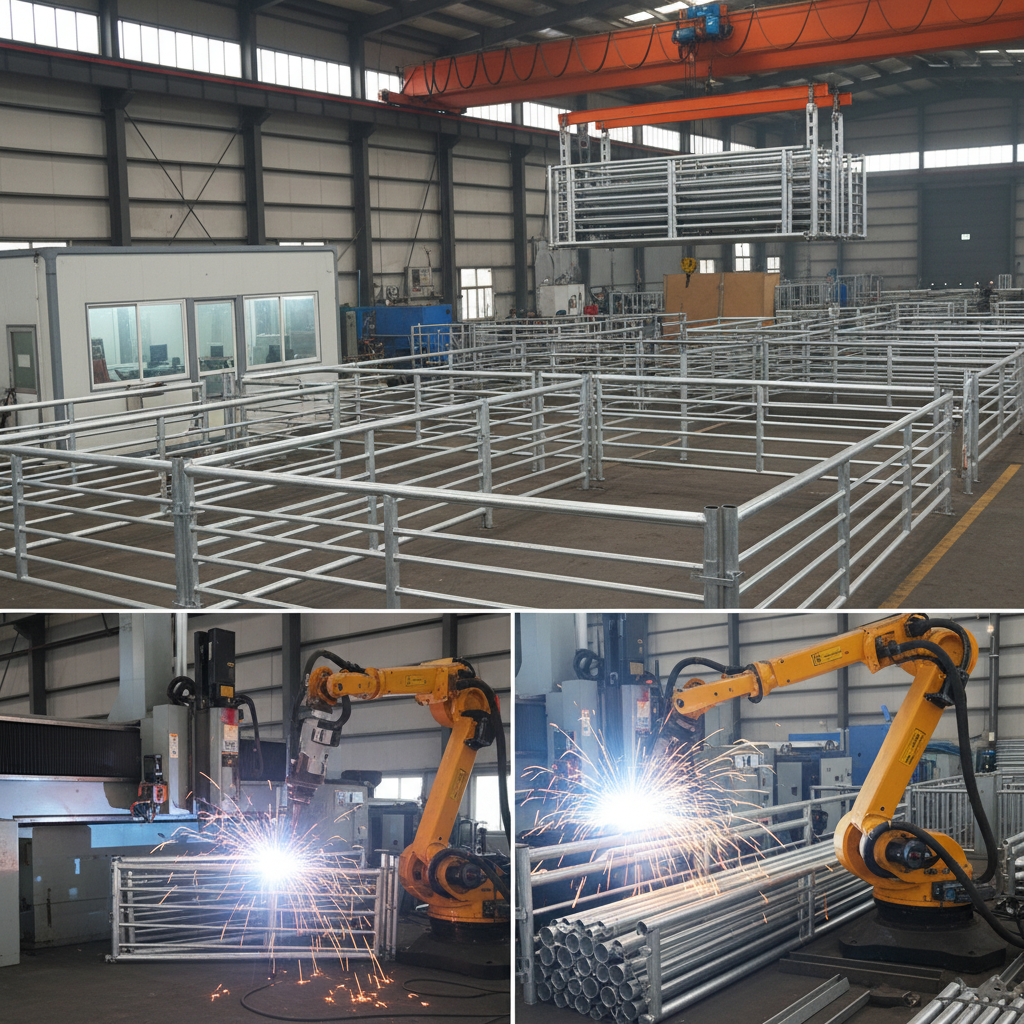
The global demand for protein has pushed livestock production to unprecedented levels, necessitating a shift toward industrial-grade containment. According to data aligned with FAO standards, the intensification of animal husbandry requires infrastructure that can withstand high pressure and corrosive environments. livestock pen panels have evolved from simple wooden fences to engineered steel systems that support the World Bank's goals for sustainable agricultural growth.
The primary challenge facing the industry is the volatility of environmental conditions and the physical strength of the animals. Traditional fencing often fails under the weight of large cattle or degrades quickly due to moisture and ammonia. By implementing standardized, high-tensile panels, producers can minimize animal escape risks and significantly reduce the labor hours required for fence repair.
Defining Modern Livestock Pen Panels
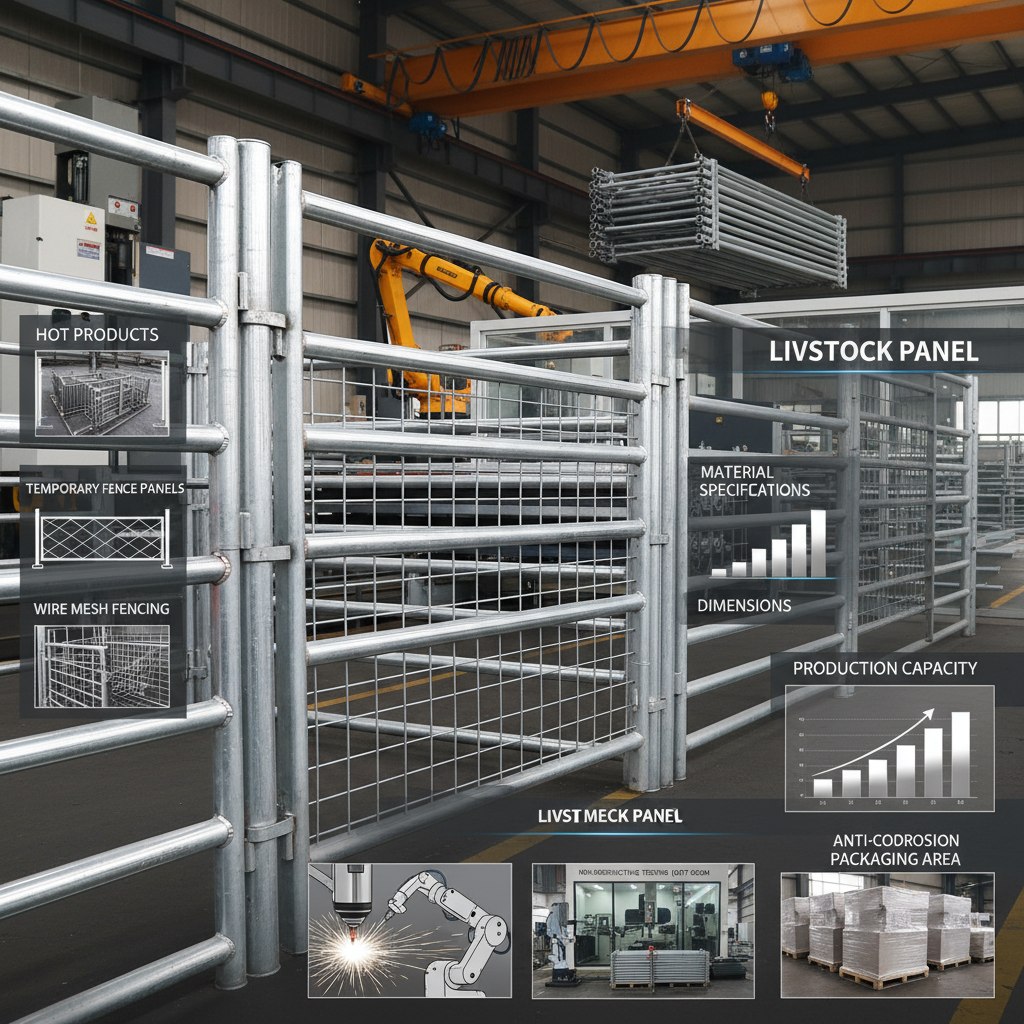
At its core, a livestock pen panel is a prefabricated, modular structural unit designed to create secure enclosures for animals. These systems typically consist of heavy-duty tubular steel or reinforced wire mesh, joined by specialized locking mechanisms that allow for rapid assembly and disassembly. Unlike fixed walls, these panels are designed for mobility, enabling farmers to adapt their space to the specific needs of different livestock species.
Beyond simple containment, these panels represent a convergence of metallurgical engineering and animal behavior science. The spacing of the bars and the smoothness of the finishes are carefully calibrated to prevent animal entanglement and skin abrasions, aligning with modern animal welfare regulations and humanitarian standards for livestock treatment.
In the context of modern industry, livestock pen panels are no longer viewed as mere accessories but as critical assets. Their ability to be scaled and relocated makes them indispensable for temporary holding areas, veterinary triage zones, and rotational grazing systems that protect soil health and prevent overgrazing.
Core Components of High-Performance Panels
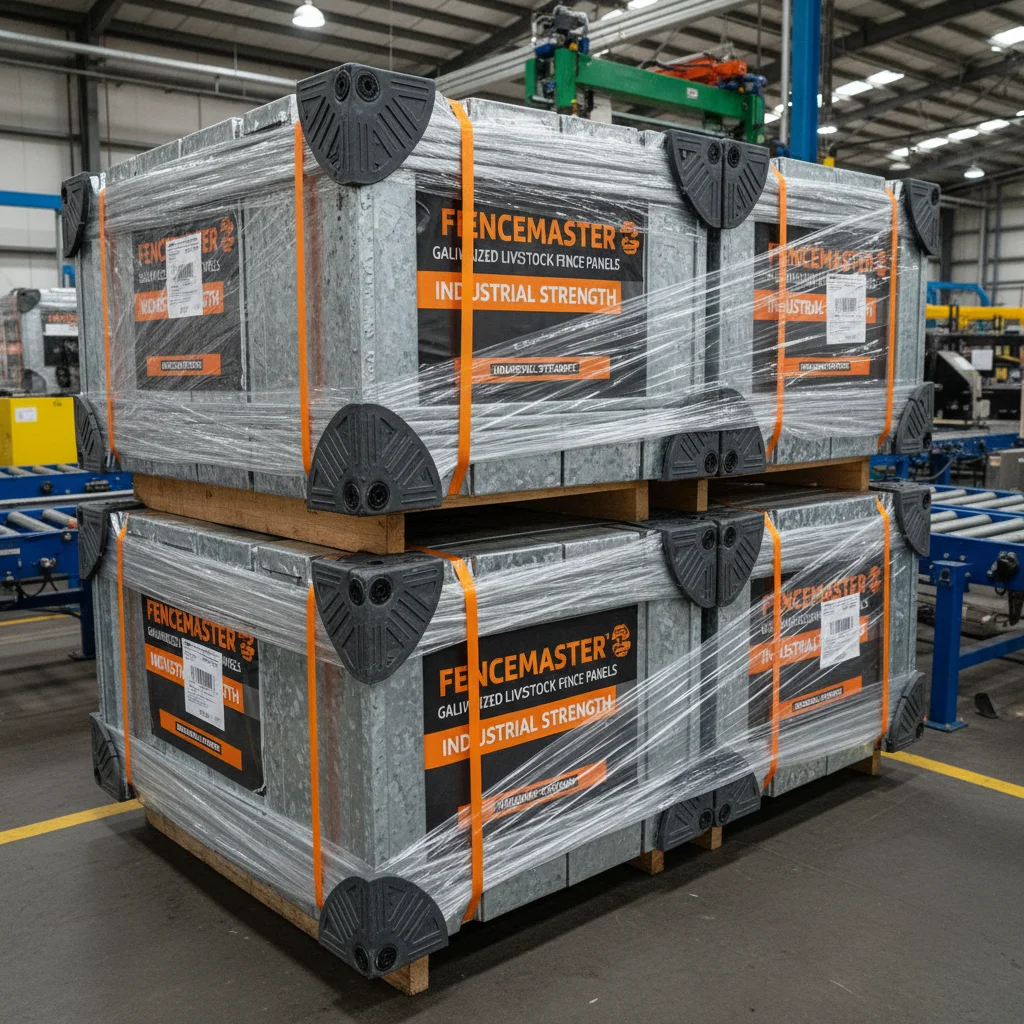
The durability of livestock pen panels is primarily determined by the quality of the base material. Hot-dip galvanization is the gold standard, providing a thick zinc coating that prevents oxidation and rust, even when exposed to the acidic nature of animal waste and harsh outdoor weather.
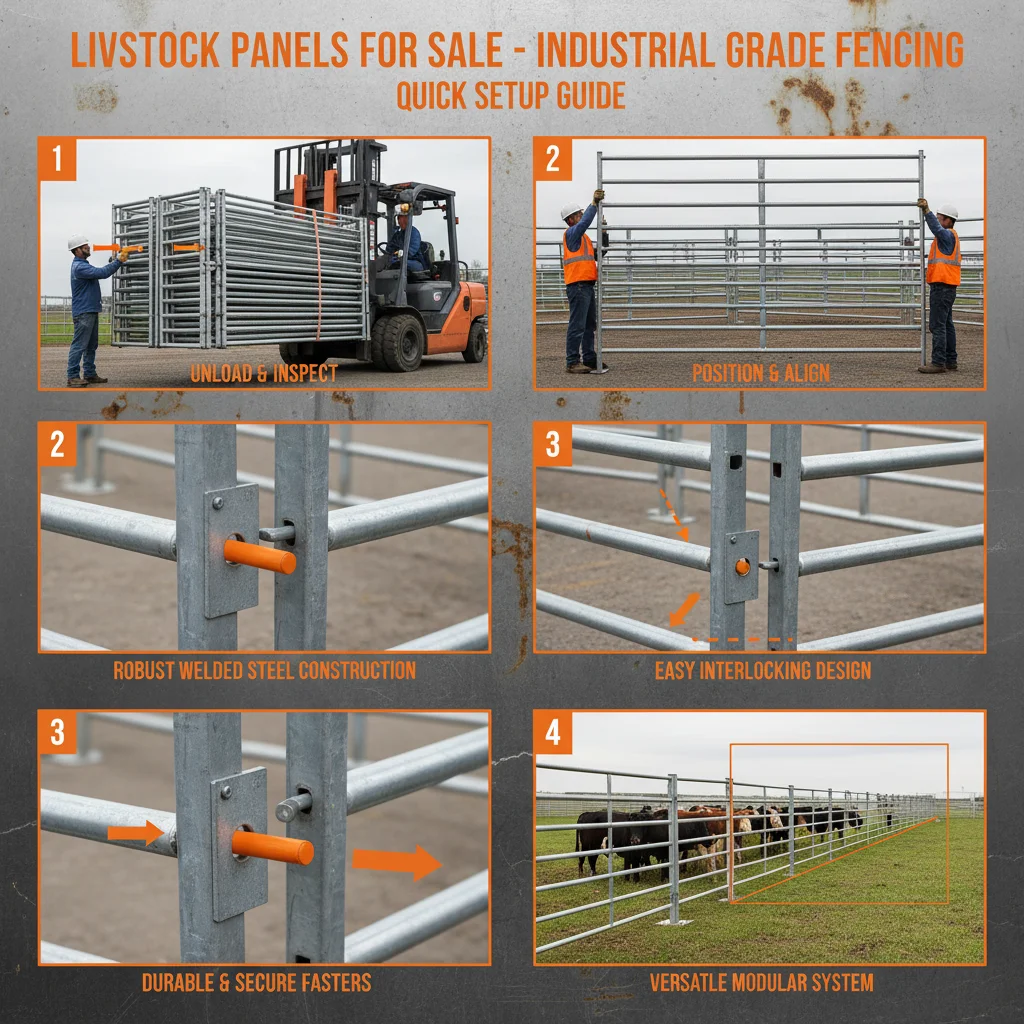
Scalability is another essential factor. Modern panels utilize "slam-lock" or "pin-and-loop" connectors, which allow a single operator to expand or contract a pen in minutes. This modularity ensures that the infrastructure can grow alongside the herd without requiring a complete system overhaul.
Finally, structural integrity is achieved through reinforced bracing and precise weld points. By utilizing high-tensile steel, manufacturers can ensure that the panels resist bending and warping under the immense pressure exerted by panicked or leaning livestock, ensuring a safe environment for both animals and handlers.
Practical Applications and Global Use Cases
In real-world agricultural settings, livestock pen panels are deployed across diverse geographies. In North America and Australia, they are widely used for large-scale cattle sorting and temporary holding during transport. The ability to quickly set up a secure perimeter allows ranchers to move animals across vast distances while maintaining strict control.
Beyond commercial farming, these solutions are critical in emergency scenarios. For instance, in post-disaster relief operations coordinated by NGOs, modular panels are used to create temporary shelters for displaced livestock, preventing the spread of disease and ensuring that animal assets are not lost during the recovery phase in remote industrial or rural zones.
Performance Comparison of Different Livestock Pen Panel Materials
Long-Term Value and Operational Advantages
The investment in high-quality livestock pen panels yields significant tangible benefits over time. Primarily, the reduction in animal injury rates leads to lower veterinary costs and higher market value for the livestock. When animals are contained in a secure, smooth-surfaced environment, the risk of "fence-rub" or lacerations is virtually eliminated.
From a financial perspective, the sustainability of galvanized steel means these panels can last for decades with minimal maintenance. This reliability fosters trust between the producer and the buyer, as the infrastructure remains a stable asset on the balance sheet. Moreover, the ease of reconfiguration allows a farm to pivot its operations—switching from sheep to cattle, for example—without needing to invest in entirely new containment systems.
Future Trends in Fencing Technology
The future of livestock pen panels is leaning heavily toward "Smart Fencing." Integration with IoT sensors is becoming a reality, where panels can detect unusual pressure or movement patterns, alerting farmers to potential animal distress or attempted breaches via mobile applications. This digital transformation allows for remote monitoring of herds in vast pastures.
Sustainability is also driving material innovation. We are seeing the introduction of eco-friendly coatings that provide the same corrosion resistance as traditional galvanization but with a lower carbon footprint during production. These "green" materials align with global policies aiming to reduce the industrial impact of agricultural infrastructure.
Automation is another emerging frontier. The development of lightweight, high-strength composites may eventually lead to automated pen systems that can reconfigure themselves based on data from animal tracking collars, optimizing the movement of livestock through a facility without human intervention.
Challenges and Expert Solutions
One of the most common challenges with livestock pen panels is the accumulation of bio-films and corrosion in the joint areas. Over time, moisture traps in the locking mechanisms, leading to "frozen" pins. The expert solution is the implementation of precision-engineered tolerances and the use of sacrificial anodes or specialized lubricants that prevent oxidation at the connection points.
Another limitation is the weight of traditional steel panels, which can make manual deployment exhausting for staff. To overcome this, manufacturers are developing hybrid designs that use high-strength alloys to reduce overall weight by 20-30% without sacrificing the structural capacity required to hold heavy livestock.
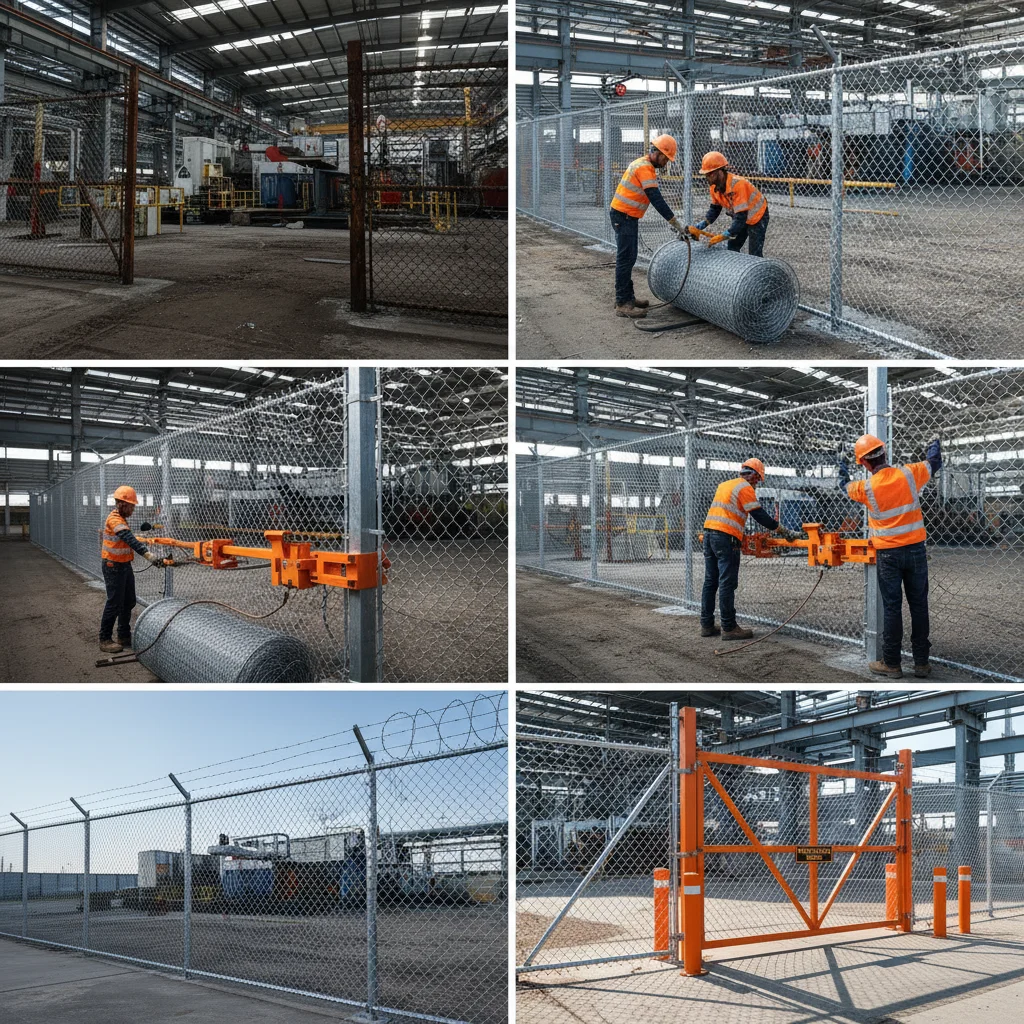
Finally, improper installation often leads to "panel lean," where a pen loses its geometry over time. We recommend the use of reinforced corner posts and adjustable leveling feet, which ensure that the pen remains square and stable regardless of the terrain's unevenness.
Technical Analysis of Livestock Pen Panel Specifications
|
Panel Series
|
Material Grade
|
Pressure Resistance
|
Lifespan Rating
|
| Heavy Duty Cattle |
Q235 Galvanized |
High (9/10) |
20+ Years |
| Standard Sheep |
Q195 Galvanized |
Medium (6/10) |
15+ Years |
| Pig Containment |
Stainless Steel 304 |
Medium (7/10) |
25+ Years |
| Temporary Event |
Lightweight Alloy |
Low (4/10) |
10+ Years |
| Reinforced Mesh |
High-Tensile Wire |
High (8/10) |
18+ Years |
| Industrial Grade |
Custom Alloy Steel |
Ultra (10/10) |
30+ Years |
FAQS
Galvanized panels undergo a chemical process where the steel is bonded with zinc. Unlike paint, which sits on the surface and can chip or peel—leaving the metal exposed to rust—galvanization provides a metallurgical bond that protects the steel from the inside out. This is essential in livestock environments where ammonia from animal waste would quickly eat through standard paint.
For young animals, look for panels with smaller gaps and "burr-free" finishes. High-quality livestock pen panels are deburred and smoothed at every weld point to prevent skin abrasions. We recommend using specific calf-sized panels or adding temporary mesh liners to prevent smaller animals from slipping through the bars.
Yes, modular panels are actually superior for uneven ground because they don't require a continuous foundation. By using adjustable footing or slightly varying the panel heights, you can create a secure perimeter on slopes. For extreme terrain, we suggest utilizing anchoring stakes to ensure the panels remain upright under animal pressure.
The best practice is to apply a weather-resistant lubricant or a graphite-based spray to the connection points once a year. Additionally, ensuring that the panels are stored off the ground during the off-season prevents moisture from pooling in the joints, which is the primary cause of seizing in livestock pen panels.
While the locking mechanisms are often standardized, the bar spacing and height vary by species. Cattle panels are designed for immense strength, whereas sheep or pig panels focus on tighter gaps to prevent escape. While you can use cattle panels for sheep, it is generally not recommended for smaller animals due to the risk of escape or entrapment.
A professional-grade, hot-dip galvanized system typically lasts between 15 to 30 years, depending on the environment. In highly saline coastal areas or extremely humid climates, the lifespan may be slightly shorter, but with basic maintenance and the use of high-grade steel, these panels remain a permanent asset for the farm.
Conclusion
In summary, livestock pen panels are more than just fencing; they are a critical intersection of animal welfare, farm safety, and economic efficiency. By prioritizing materials like hot-dip galvanized steel and embracing modular designs, livestock producers can create a flexible infrastructure that adapts to the evolving needs of their herds while minimizing long-term overhead and labor costs.
As we look toward the future, the integration of smart technology and sustainable materials will further refine how we manage livestock containment. We encourage farm owners and industrial developers to invest in high-specification panels today to ensure a safer, more productive tomorrow. For professional solutions tailored to your specific livestock needs, visit our website: www.haotianmesh.com