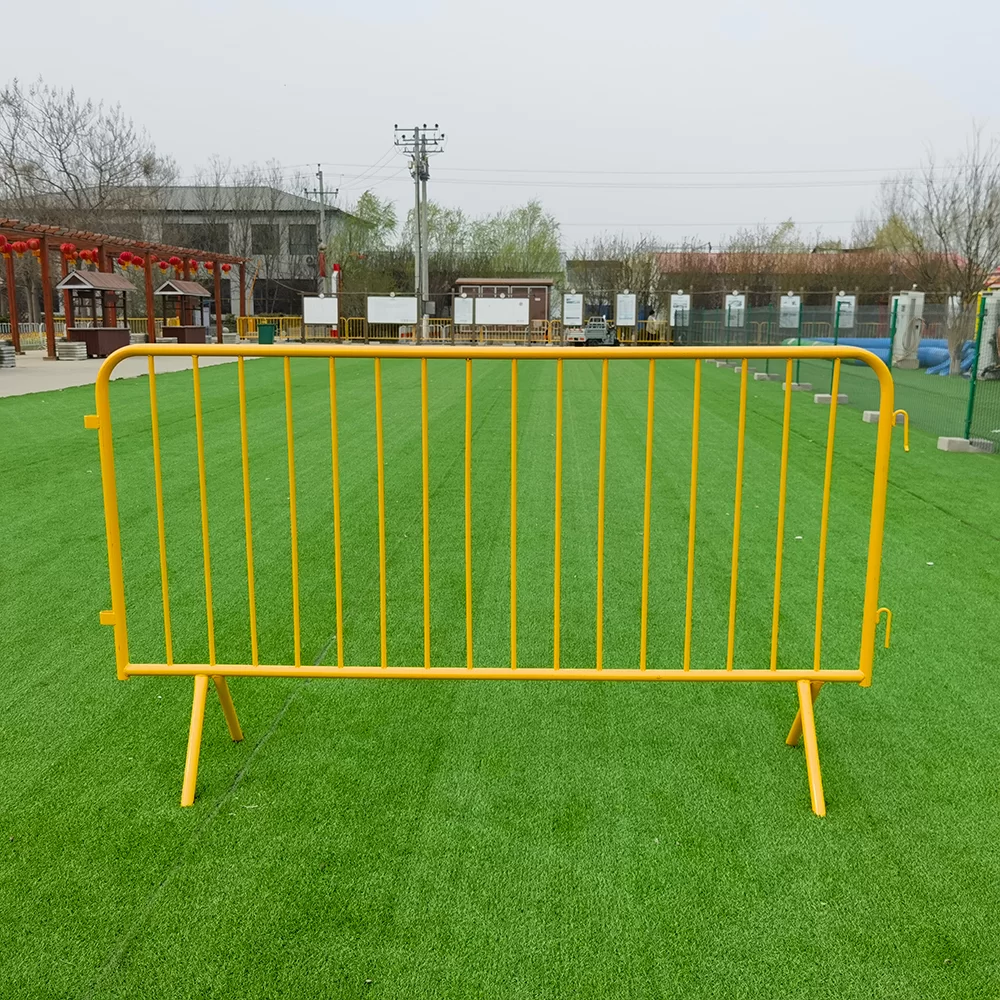

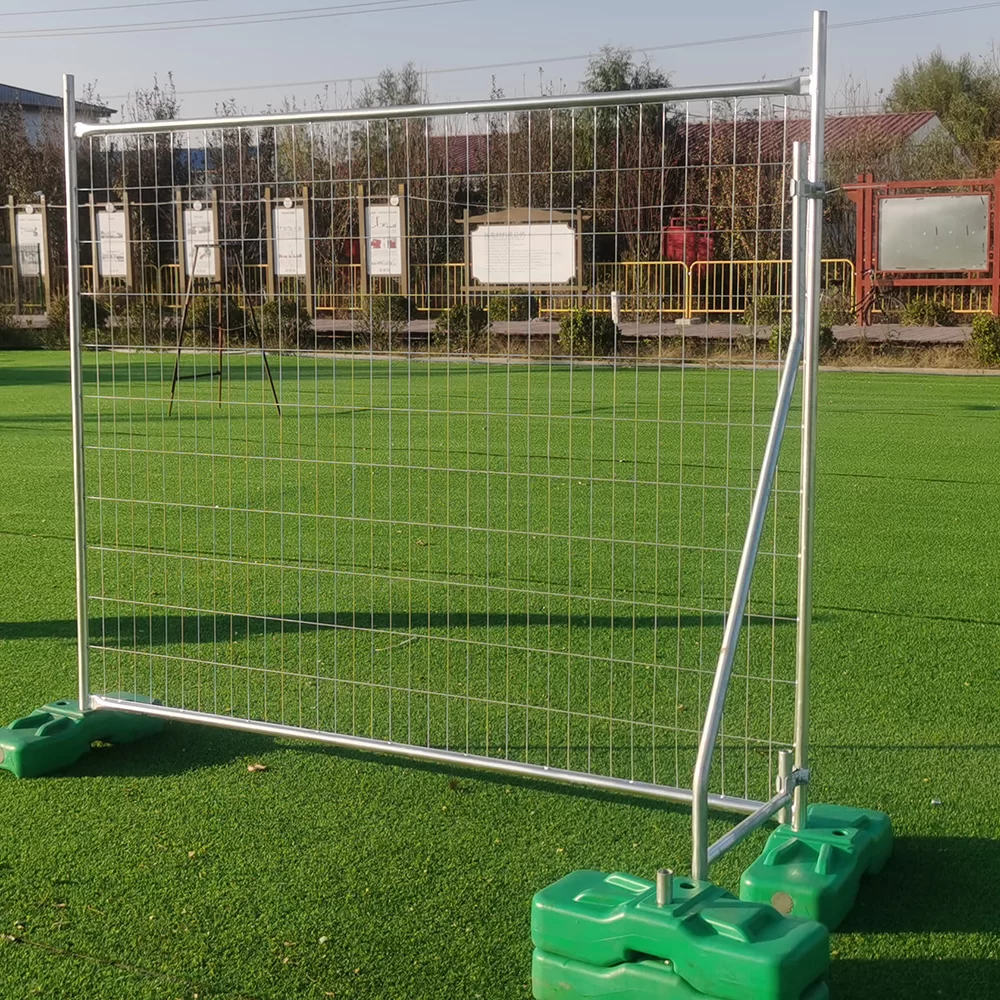
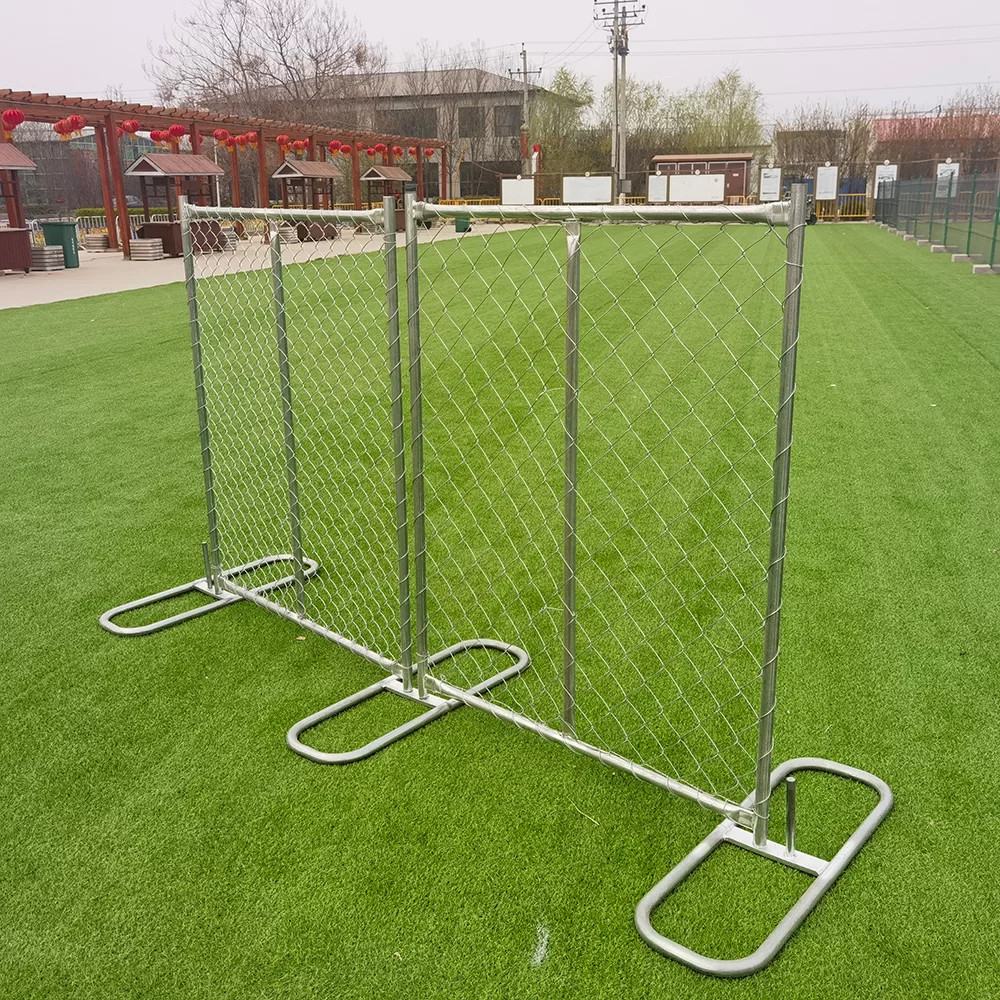
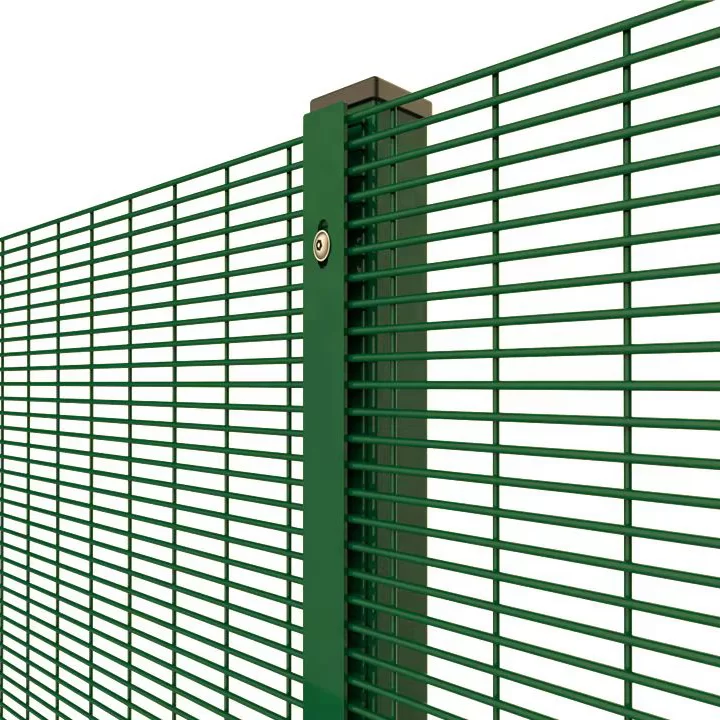
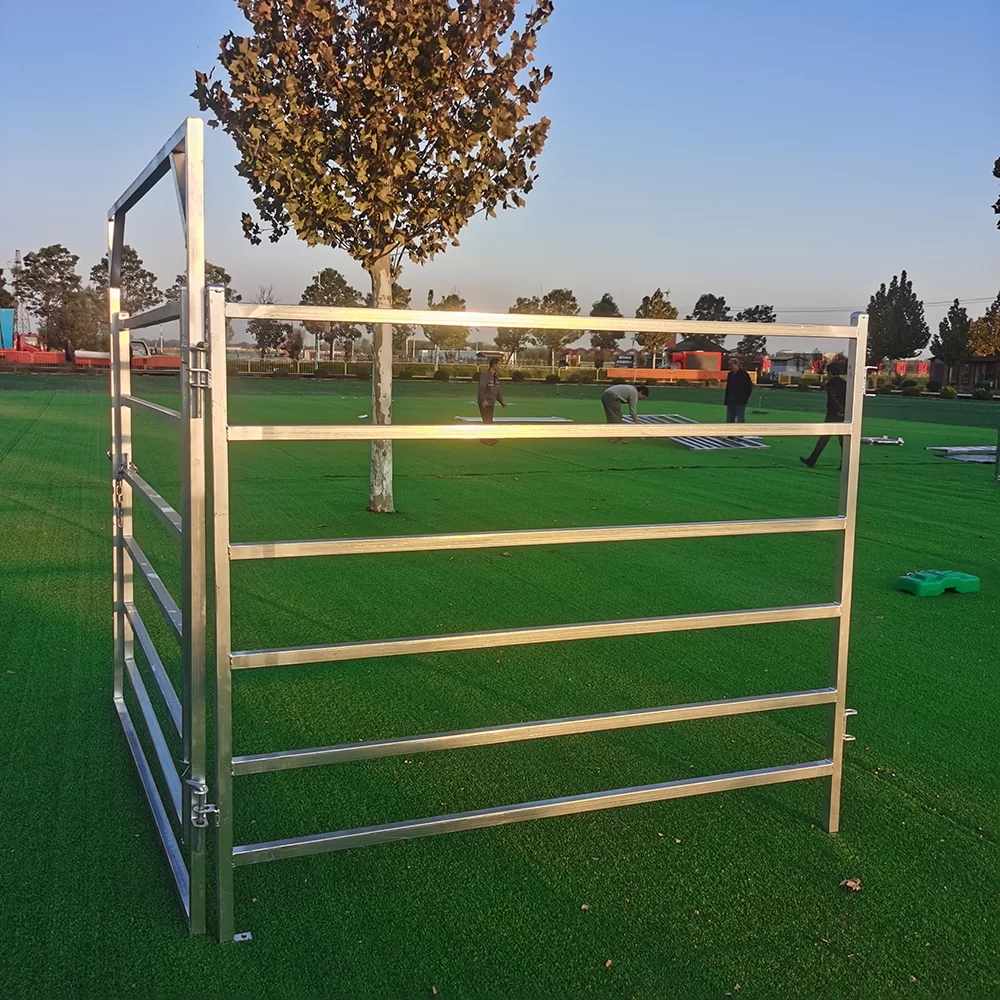
temporary fence panel manufacturers

Premium livestock panel Solutions for Libya's Agricultural Infrastructure

Engineering high-durability wire mesh and fencing systems tailored for the arid climates and livestock demands of the Libyan landscape.

Premium livestock panel Solutions for Libya's Agricultural Infrastructure

Providing heavy-duty wire products designed to secure livestock and gardens across Libya, ensuring maximum resistance against corrosion and physical impact.

Infrastructure Status of Wire Mesh in Libya

Analyzing the challenges of fencing in North Africa's desert environment.

In Libya, the agricultural sector faces extreme environmental stressors. The high salinity in coastal areas and the intense UV radiation in the interior desert regions cause rapid degradation of standard carbon steel fences. Farmers increasingly rely on a professional cattle gate farm setup to manage grazing lands effectively while resisting the harsh Saharan climate.

The local market has traditionally relied on improvised barriers, but there is a shifting demand toward standardized cattle fence panels. This transition is driven by the need for higher security and longer lifespans, reducing the frequent replacement costs associated with low-grade materials that rust under the Libyan sun.

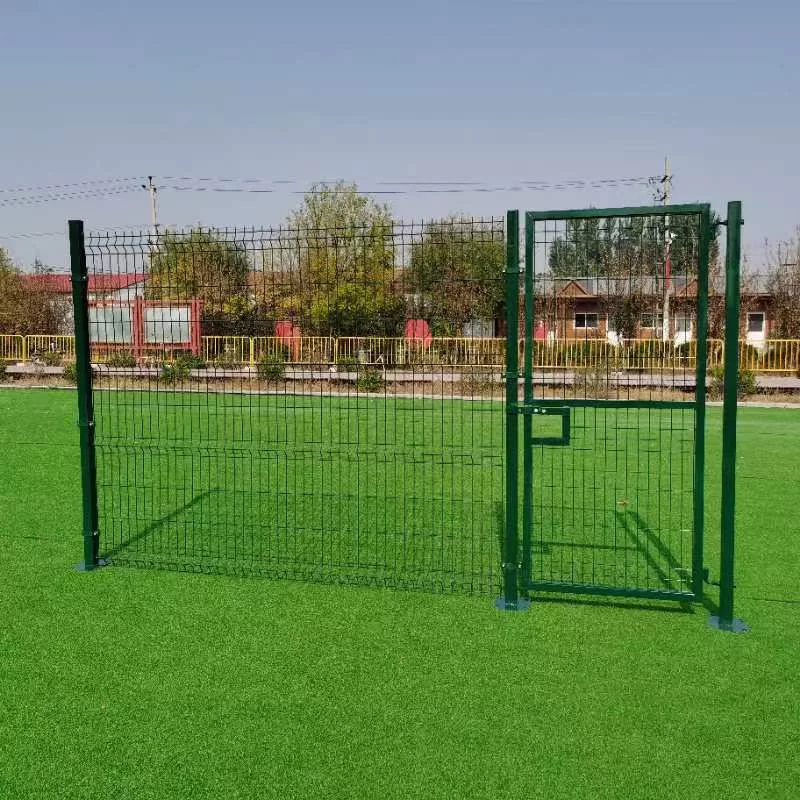
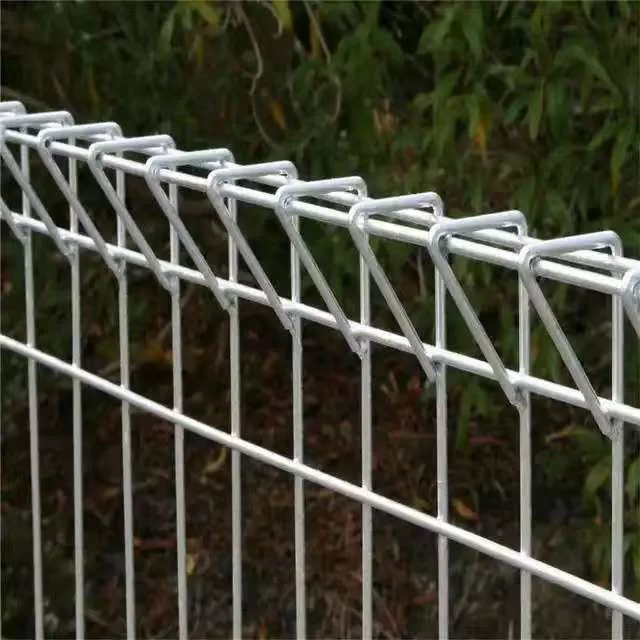
Furthermore, urban expansion in cities like Tripoli and Benghazi has spiked the demand for a welded wire garden fence. These applications require a balance between aesthetic appeal and structural rigidity to protect private greenery from wandering animals and wind-blown sand.
Evolution and Trajectory of Libya's Fencing Industry

From manual forging to automated industrial wire production.

Market Development History

Prior to the 2000s, fencing in Libya was predominantly manual, using basic iron rods and local weaving techniques. These structures lacked uniformity and offered minimal resistance to the aggressive livestock movements common in the region.

Between 2010 and 2020, the introduction of imported galvanized steel sparked a technical iteration. The adoption of the livestock panel shifted the industry from "site-built" to "modular installation," significantly reducing setup time for large-scale farms.

Recently, the focus has moved toward high-zinc coatings and thermoplastic coverings. This technical evolution ensures that wire products can withstand the caustic nature of sandy soils and high humidity in Libyan coastal zones.

Future Development Trends

Smart Boundary Integration

Integration of IoT sensors within fence lines to monitor livestock movement and detect breaches in real-time across vast Libyan territories.

Eco-Friendly Galvanization

Transitioning toward non-toxic, high-efficiency zinc-aluminum-magnesium (ZAM) coatings to extend service life to 30+ years in saline environments.

Custom Modular Architecture

Increased use of prefabricated cattle fence panels that allow for rapid deployment and reconfiguration based on seasonal grazing needs.

Industry Trends and Future Outlook

Strategic forecasting for the metal wire products market in Libya.

Corrosion Resistance
Development of advanced alloys to combat Libya's high salinity and moisture levels.
Modular Efficiency
Standardization of panel sizes for faster logistical deployment across rural Africa.
Urban Privacy
Rise in chain fence privacy screen installations for residential security.
High-Tensile Strength
Implementation of high-carbon steel to prevent sagging and deformation.

Industry Outlook

The Libyan market is expected to see a 15% increase in demand for professional-grade fencing over the next 3-5 years as agricultural modernization efforts accelerate. Google search trends indicate a rising interest in durable, prefabricated livestock solutions that minimize labor costs.

We anticipate a shift toward integrated systems where wire mesh is combined with wind-breaking materials to protect crops and livestock from the intense Saharan winds, merging security with environmental protection.

Localized Application Scenarios in Libya

Practical deployments of wire mesh products across different Libyan environments.

1. Large-Scale Sheep and Goat Farms in the Al-Jabal al-Akhdar Region

Utilizing heavy-duty cattle fence panels to create secure rotational grazing paddocks that withstand the pressures of herd movements.

2. Private Residential Gardens in Tripoli

Installing a welded wire garden fence to protect exotic plants and vegetables from local wildlife and urban pests.

3. Industrial Boundary Security in Misrata Port Area

Deploying high-gauge chain-link systems integrated with a chain fence privacy screen to ensure operational confidentiality and high-level security.

4. Desert Livestock Holding Pens in the Southern Sahara

Implementing a robust cattle gate farm system with reinforced hinges to manage cattle movement during seasonal migrations.

5. Specialized Poultry Enclosures in the Coastal Plains

Using fine-mesh livestock panel variants to prevent predator entry while ensuring optimal ventilation for birds.

Brand Story

Global Development Journey of Anping Haotian Hardware Wire Mesh Products Co., Ltd.

Founding Excellence

Established in Anping, the wire mesh capital, focusing on solving the fundamental issue of wire durability in harsh climates.

Technical Breakthroughs

Developed advanced automated welding processes that ensured zero-defect joints, increasing panel strength by 40%.

Global Expansion

Expanded exports to Africa and the Middle East, adapting product coatings for extreme UV and salinity exposure.

Quality Standardization

Achieved international certifications, ensuring every livestock panel meets global safety and longevity standards.

The Future Mission

Dedicated to empowering Libyan farmers with sustainable, long-term fencing solutions that reduce waste and costs.

Complete Product Portfolio for the Libyan Market

A comprehensive range of wire solutions from garden protection to industrial-grade livestock containment.

Frequently Asked Questions in Libya

Expert answers regarding wire mesh installation and maintenance in North Africa.

How do I choose the best cattle fence panels for desert climates?

For desert environments, we recommend hot-dipped galvanized panels with a minimum zinc coating of 60g/m² to prevent rapid oxidation caused by abrasive sand and extreme heat.

Can a welded wire garden fence withstand strong windstorms in Libya?

Yes, provided the gauge is sufficient and the post-spacing is reduced. Our welded fences are designed with high-tensile steel to minimize vibration and structural failure during windstorms.

What is the lifespan of a livestock panel in coastal Libyan regions?

In high-salinity coastal areas, our premium galvanized panels typically last 15-25 years, depending on the coating thickness and the frequency of maintenance.

Are chain fence privacy screens UV resistant?

Our privacy screens are manufactured from HDPE materials with integrated UV inhibitors, specifically designed to prevent brittleness and fading under the intense Libyan sun.

How to install a cattle gate farm system on sandy soil?

We recommend using deeper concrete footings for gate posts to ensure stability, as sandy soil provides less natural friction than clay or loam.

Do you provide customized sizes for welded wire fencing?

Yes, we offer full customization for wire diameter, mesh aperture, and panel dimensions to meet the specific needs of Libyan agricultural projects.

Secure Your Infrastructure Today

Get expert consultancy on the most durable wire mesh solutions for your projects in Libya.

Contact Us Now

If you are interested in our products, you can choose to leave your information here, and we will be in touch with you shortly.