


Comprehensive Guide to Welded Wire Dog Fence for Pet Safety and Security
Welded Wire Dog Fence: A Comprehensive Guide
Choosing the right fencing for your canine companion is crucial for their safety and your peace of mind. A welded wire dog fence provides a robust and secure enclosure. This guide will explore the benefits, types, installation, and maintenance of welded wire dog fences, helping you make the best choice for your furry friend. Properly securing your dog prevents escapes, protects them from hazards, and keeps them safely contained within your property.
Understanding Welded Wire Dog Fencing
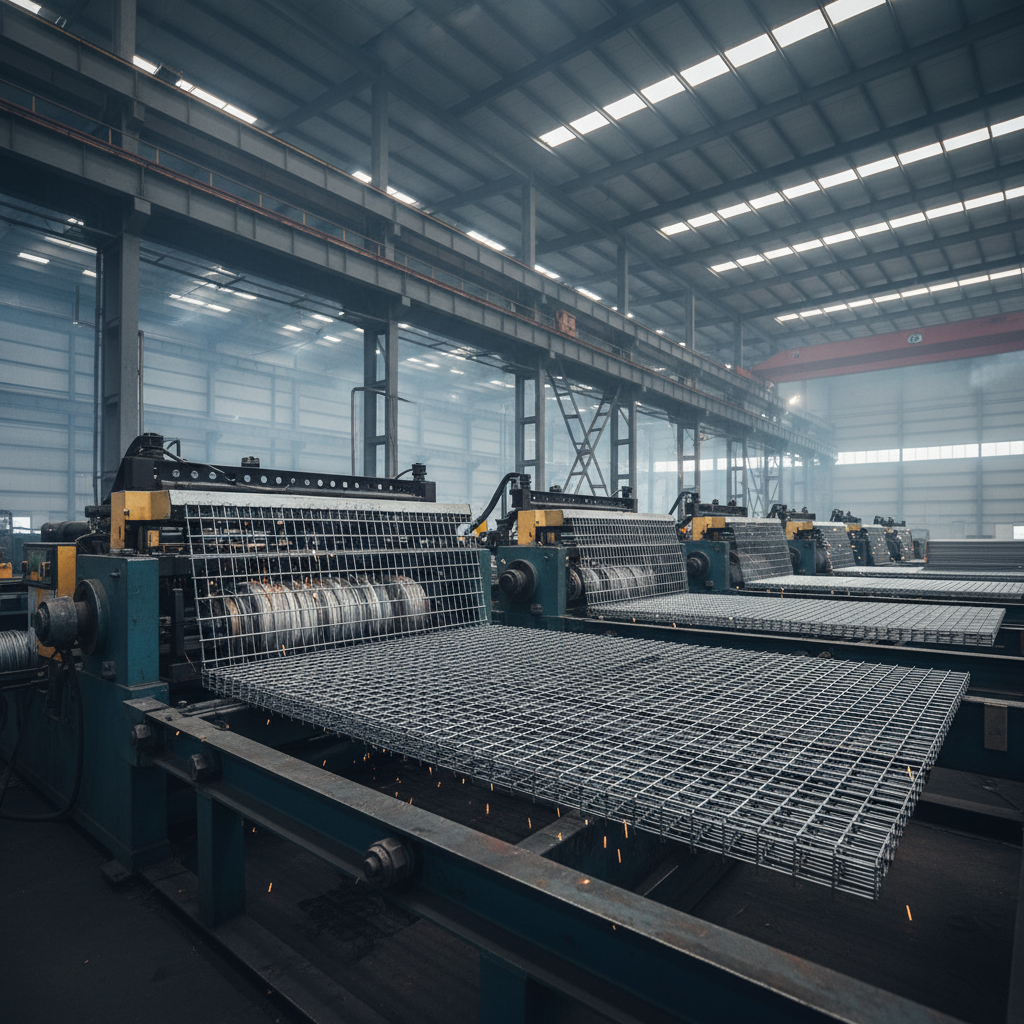
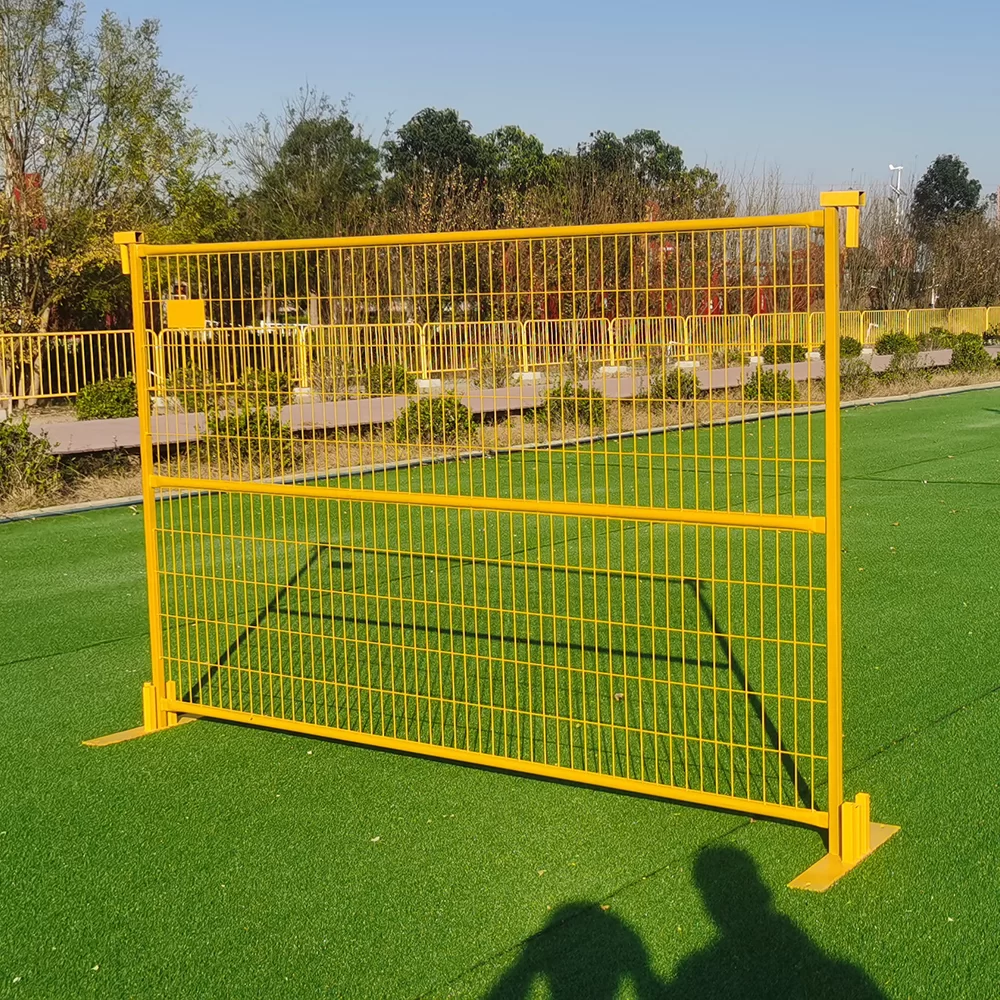
Welded wire fencing is constructed by welding individual wires together at their points of contact, creating a strong and rigid panel. This construction method results in a fence that is exceptionally durable and resistant to stretching or sagging. It's a popular choice for dog owners because of its safety features – the smaller mesh size prevents paws from getting stuck, and the sturdy construction deters digging and climbing. Compared to chain-link, welded wire offers a cleaner aesthetic and is often more visually appealing. The Haotian Mesh provides high-quality welded wire options tailored for various dog breeds and sizes.
Key Benefits: Durability, safety (prevents paw entanglement), aesthetically pleasing, deters digging and climbing, and long-lasting performance.
Types of Welded Wire Dog Fence
Welded wire dog fences come in various gauges (wire thickness) and mesh sizes. The appropriate choice depends on the size and breed of your dog. Heavier gauge wire is necessary for larger, more powerful breeds. Smaller mesh sizes are essential for smaller dogs or puppies to prevent escape. Galvanized steel is the most common material, providing rust resistance. Vinyl-coated welded wire offers even greater protection against corrosion and adds a visual appeal. Consider your dog's behavior and the specific challenges of your yard when selecting the best type.
Material and Mesh Considerations:
• Galvanized Steel: Provides good rust resistance.
• Vinyl-Coated: Enhanced corrosion protection and aesthetic appeal.
• Mesh Size: Smaller mesh for small dogs/puppies, larger mesh for larger dogs.
• Wire Gauge: Thicker gauge for larger, more powerful breeds.
Choosing the Right Welded Wire Dog Fence: A Comparison
When comparing different options, it’s essential to consider both the immediate cost and the long-term value. While cheaper options might seem attractive initially, they may require more frequent repairs or replacements. Investing in a high-quality welded wire dog fence from a reputable supplier like Haotian Mesh ensures years of reliable performance and peace of mind. Let's break down the considerations:
Installation Considerations for a Secure Fence
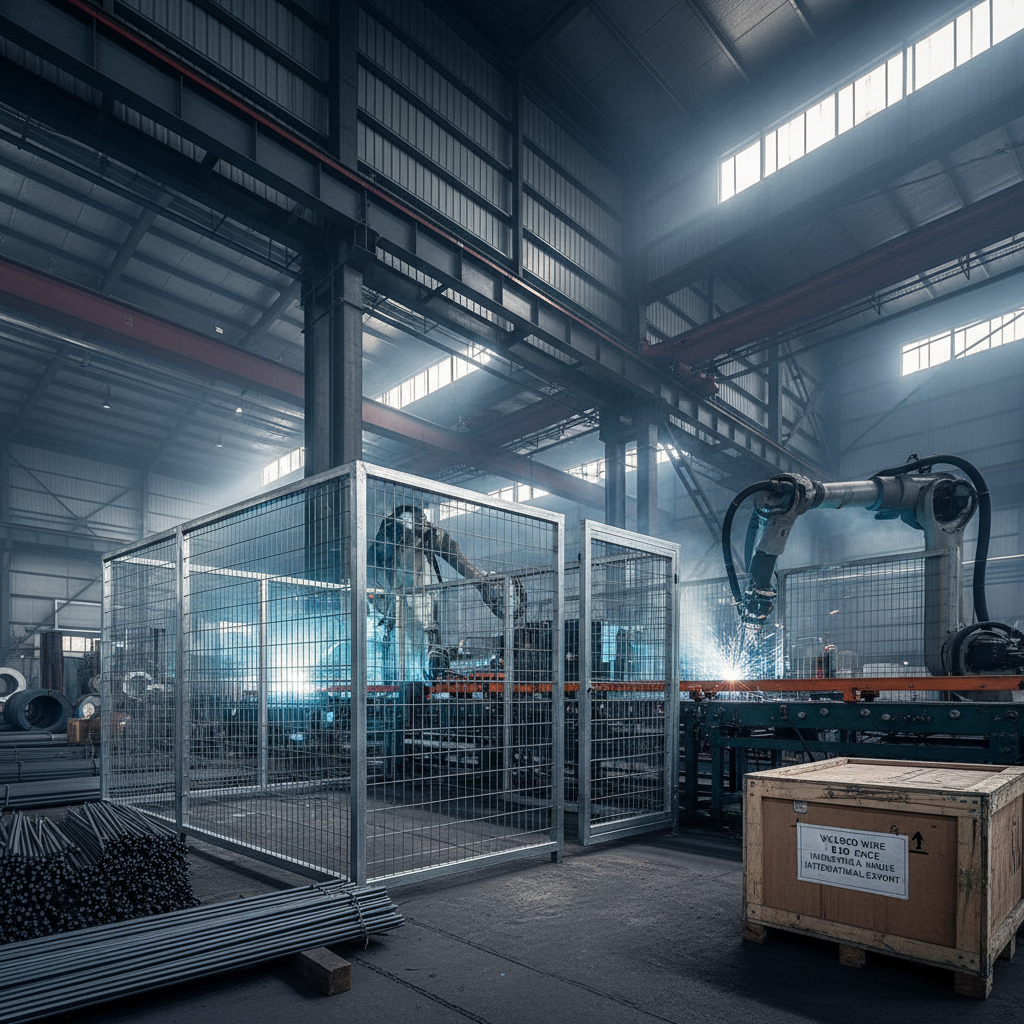
Proper installation is key to a secure and effective welded wire dog fence. Posts should be spaced no more than 8-10 feet apart and set at least 2 feet deep in the ground. Using concrete around the posts provides extra stability. The wire mesh should be tightly secured to the posts using hog rings, wire ties, or tension bars. To deter digging, consider burying a section of the fence a few inches underground or adding an outward-facing “footer” along the bottom. It’s also crucial to check local regulations regarding fence height and setbacks before starting your project.
Maintenance and Longevity
Regular maintenance will extend the life of your welded wire dog fence. Inspect the fence periodically for damage, such as broken wires or loose connections. Repair any damage promptly to prevent further deterioration. For galvanized fences, apply a rust inhibitor annually to protect against corrosion. Vinyl-coated fences require less maintenance but should still be inspected for any coating damage. Keep vegetation trimmed away from the fence to prevent it from weakening the structure.
Conclusion: A Safe and Secure Solution
Investing in a quality welded wire dog fence is an investment in your pet's safety and your peace of mind. Choosing the right materials, ensuring proper installation, and performing regular maintenance will provide years of reliable protection. Explore the wide range of options available at Haotian Mesh to find the perfect fence for your canine companion.
Frequently Asked Questions (FAQs)
What is the ideal height for a welded wire dog fence?
The ideal height depends on your dog’s breed, size, and jumping ability. For most medium-sized dogs, a 4-foot fence is sufficient. However, larger, more athletic breeds may require a 6-foot fence to prevent them from jumping over. Consider your dog's individual characteristics and behavior when determining the appropriate height. It's always better to err on the side of caution and choose a slightly taller fence if you're unsure. Adding a rail at the top can also discourage jumping.
How can I prevent my dog from digging under the fence?
Digging is a common problem with dog fences. Several solutions can help prevent this behavior. Burying a section of the fence 6-12 inches underground is effective. Alternatively, you can install an "L-footer" – a wire mesh panel that extends outward horizontally from the base of the fence. Another option is to place large rocks or pavers along the base of the fence to deter digging. Providing your dog with a designated digging area can also redirect their natural instincts.
What gauge of welded wire is best for a large breed dog?
For large breed dogs, a heavier gauge welded wire is essential. A 12 or 14 gauge wire is recommended for maximum strength and durability. These thicker wires are more resistant to bending, breaking, or stretching, even under the force of a large, determined dog. Consider choosing a vinyl-coated option for added protection against corrosion and to enhance the appearance of your fence.
Is welded wire fencing difficult to install?
While it requires some physical effort, welded wire fencing is generally considered relatively easy to install, particularly for DIY enthusiasts. The key is to ensure proper post spacing and secure attachment of the wire mesh. Tools required include post hole diggers, wire cutters, tension bars or hog rings, and a level. If you’re uncomfortable with any aspect of the installation process, it’s best to consult with a professional fence installer.
-
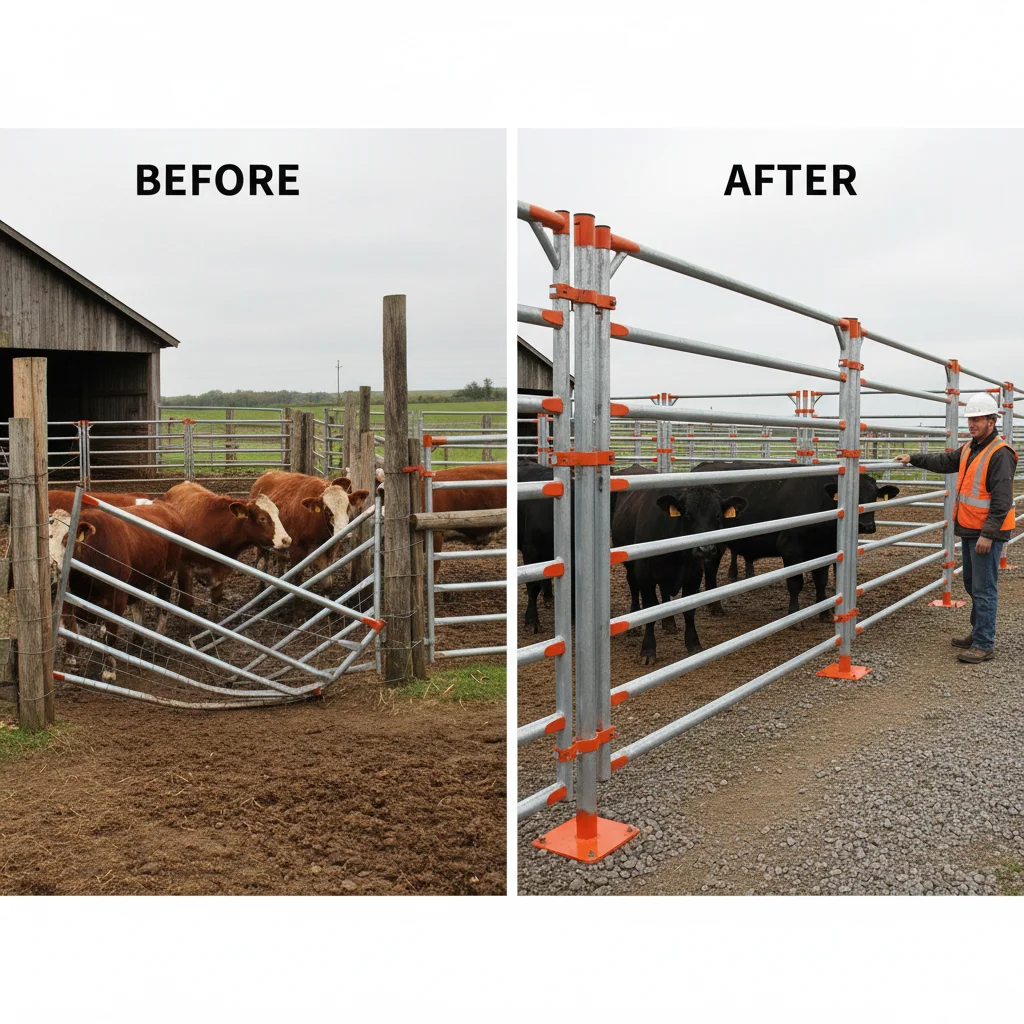
Durable Freestanding Livestock Panels for Efficient Animal Handling In the demanding world of agricultural management, the need for flexible and robust containment solutions has never been more critical. freestanding livestock panels offer a sophisticated answer to the challenges of animal handling, providing a secure yet adaptable barrier that does not require permanent installation or deep grounding. By allowing farmers and ranchers to redefine their spatial layouts in minutes, these panels maximize the efficiency of existing infrastructure while ensuring the safety of both the handlers and the livestock. Read More >26 Apr, 17
-
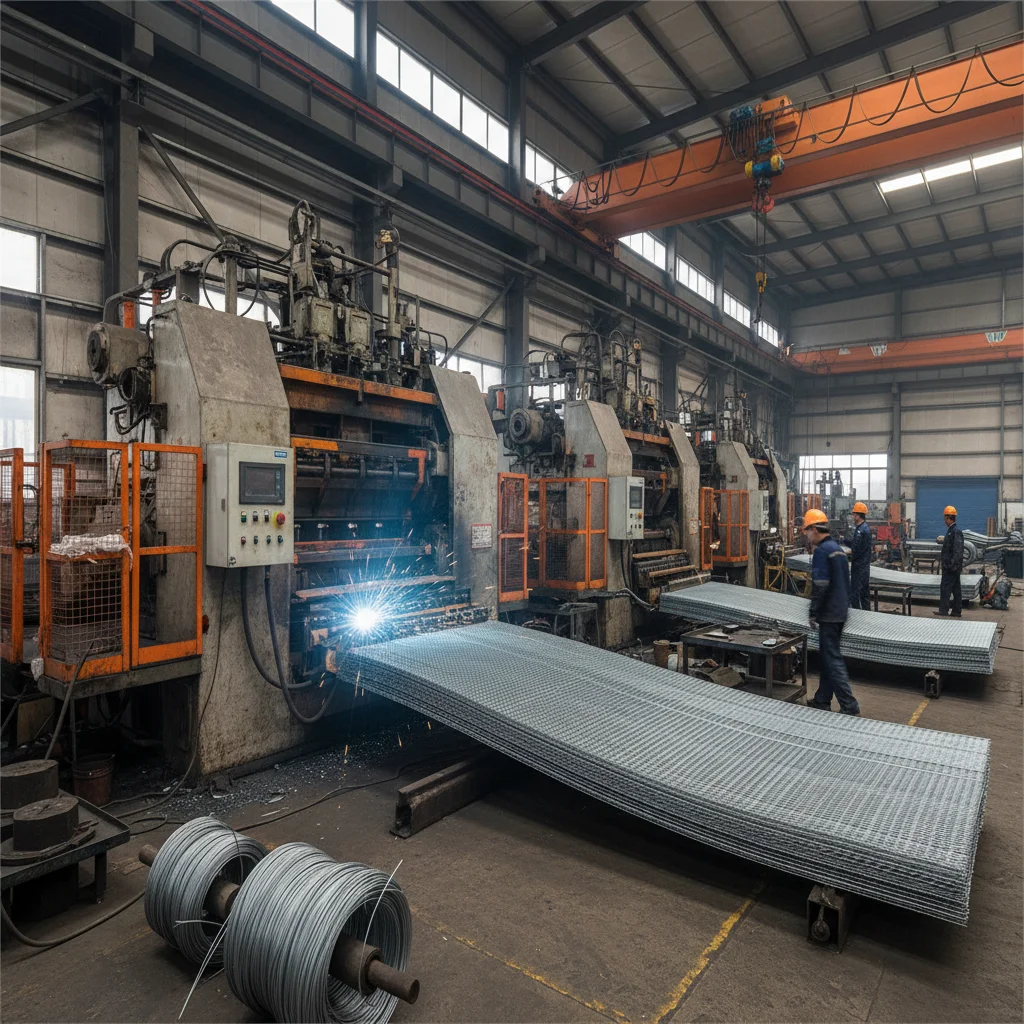
Professional Galvanized Welded Mesh Factory for Industrial Projects Finding a reliable galvanized welded mesh factory is critical for ensuring the structural integrity and longevity of your industrial or agricultural installations. Galvanized welded mesh is prized for its exceptional strength and resistance to corrosion, making it the go-to choice for fencing, animal cages, and construction reinforcement. However, not all factories adhere to the same quality standards. Whether you are sourcing for a large-scale infrastructure project or a specialized commercial application, understanding the manufacturing process and quality benchmarks is key to making a cost-effective investment that lasts for decades. Read More >26 Apr, 16
-
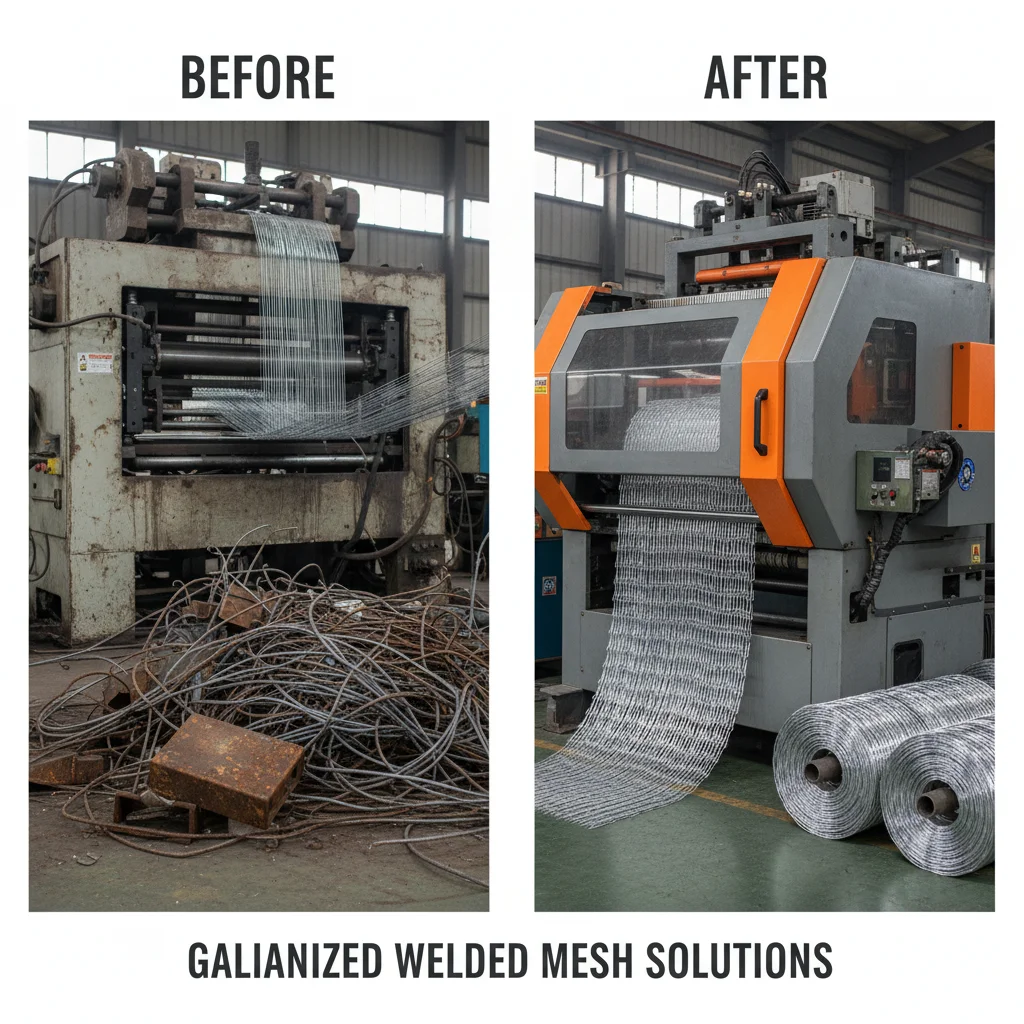
Professional Galvanized Welded Mesh Exporter for Quality Projects Selecting a high-quality fencing or screening solution requires more than just picking a product; it requires partnering with a reliable galvanized welded mesh exporter who understands the balance between structural integrity and corrosion resistance. Whether you are securing an industrial perimeter, building animal enclosures, or implementing architectural reinforcements, the quality of the galvanization process determines the lifespan of your installation. In this guide, we will explore the technical advantages of galvanized welded mesh and how to identify a global supplier that meets international quality standards to ensure your investment stands the test of time. Read More >26 Apr, 09
-
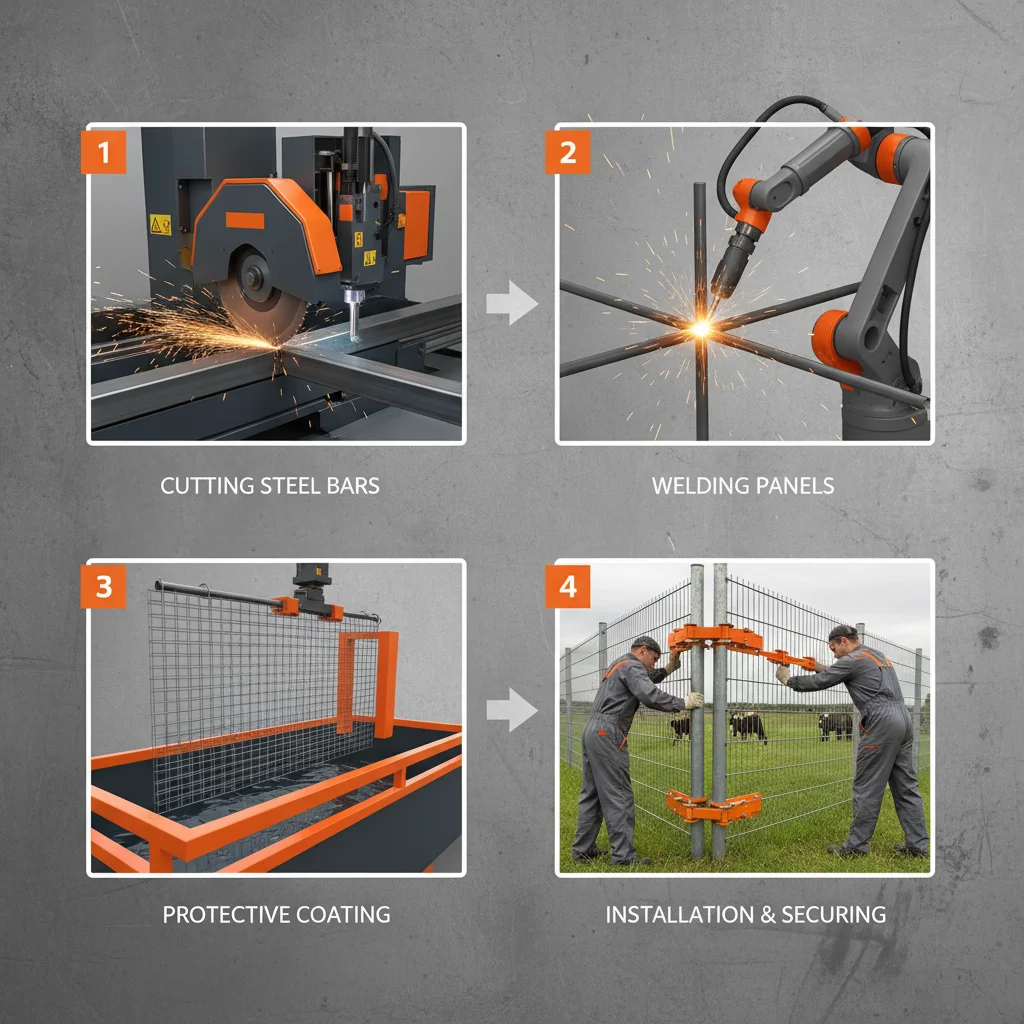
Essential Fencing Panels for Livestock Management and Farm Productivity Fencing panels for livestock are essential components in modern animal husbandry, playing a critical role in efficient farm management, animal welfare, and land utilization. Globally, the demand for robust and reliable fencing solutions is increasing due to the expanding livestock industry and the need to protect grazing lands from encroachment and predation. These panels aren’t simply barriers; they represent a vital investment in a farm's productivity and the health of its animals. Read More >26 Apr, 08
If you are interested in our products, you can choose to leave your information here, and we will be in touch with you shortly.


