


Comprehensive Guide to Welded Wire Pool Fence Safety and Installation
Welded Wire Pool Fence: Ensuring Safety and Aesthetics
Protecting your loved ones and adding a touch of elegance to your backyard is paramount when considering a pool enclosure. A welded wire pool fence provides both safety and visual appeal. This article explores the benefits, types, installation, and maintenance of welded wire pool fences, helping you make an informed decision for your pool area. Choosing the right fencing solution is a crucial step in responsible pool ownership, offering peace of mind and enhancing your outdoor living space. Haotian Mesh provides a wide range of solutions for your needs.
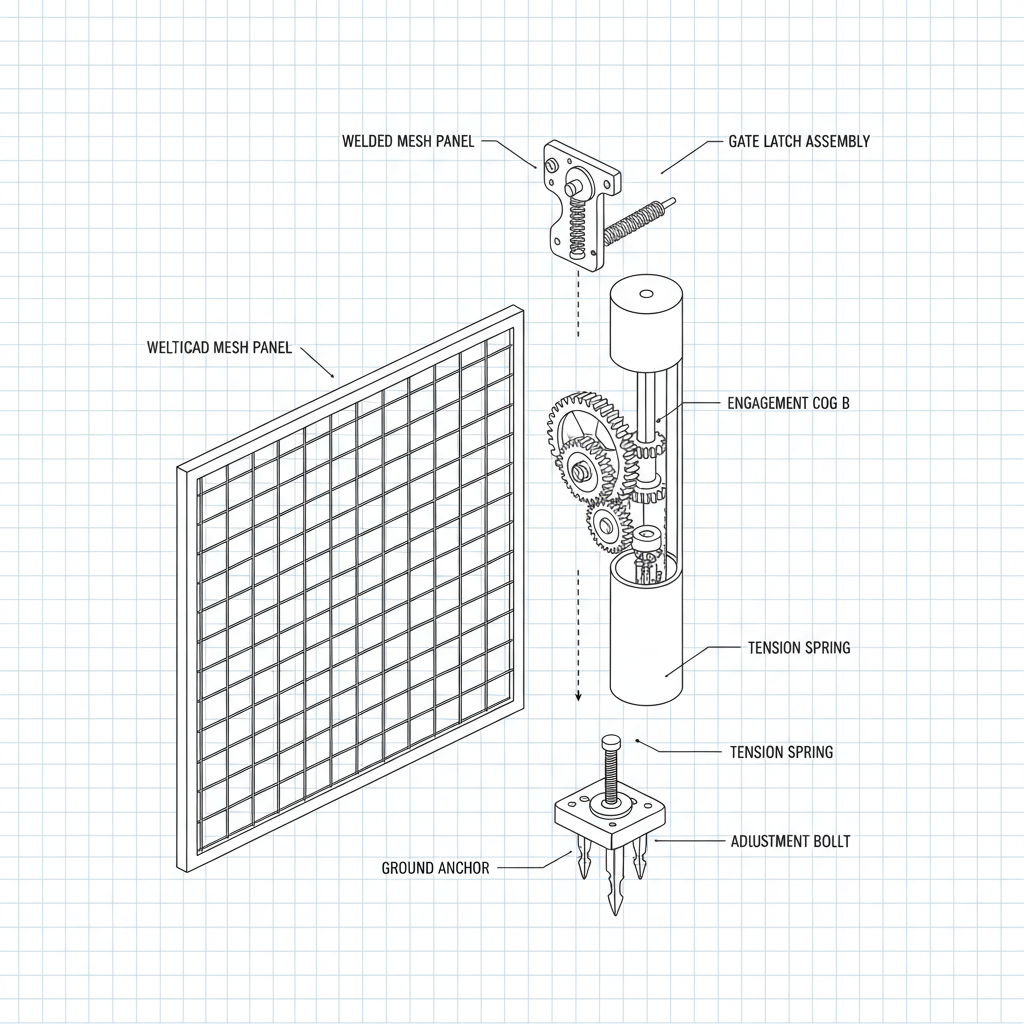
Why Choose a Welded Wire Pool Fence?
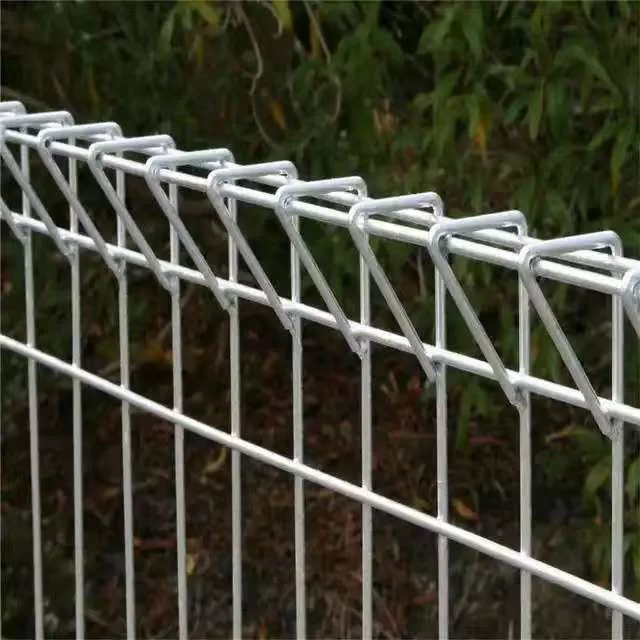
Welded wire pool fences have become increasingly popular due to their numerous advantages. They offer a superior level of safety compared to traditional barriers, preventing accidental access to the pool area. The open mesh design provides excellent visibility, allowing you to easily monitor activity around the pool. These fences are also remarkably durable, capable of withstanding harsh weather conditions and resisting corrosion. Furthermore, a welded wire pool fence offers a sleek and modern aesthetic, enhancing the overall appearance of your backyard. Their relatively low maintenance requirements are another significant benefit, saving you time and effort.
Key Benefits: Superior safety, excellent visibility, durable construction, modern aesthetic, low maintenance.
Types of Welded Wire Pool Fencing
Several types of welded wire pool fences are available, each offering distinct characteristics and benefits. The most common include:
- Black Powder Coated: Offers a classic, understated look and excellent corrosion resistance.
- Galvanized: Provides robust protection against rust and weathering.
- Stainless Steel: Offers superior corrosion resistance and a sleek, modern appearance.
- Aluminum Framed: Combines the strength of welded wire with the lightweight properties of aluminum.
The choice of material depends on your budget, aesthetic preferences, and the climate in your area. Haotian Mesh provides various options, catering to a wide range of requirements.
Material Comparison:
• Black Powder Coated: Cost-effective, good corrosion resistance.
• Galvanized: Durable, excellent rust protection.
• Stainless Steel: Premium quality, superior corrosion resistance.
• Aluminum Framed: Lightweight, strong, and visually appealing.
Welded Wire Pool Fence Installation Considerations
Proper installation is critical to ensure the safety and effectiveness of your welded wire pool fence. Most jurisdictions have specific regulations regarding pool fencing, including height requirements, gate latch mechanisms, and spacing limitations. It's crucial to check your local building codes before starting the installation process. Professional installation is highly recommended, as it guarantees compliance with regulations and ensures the fence is securely anchored to the ground. Typically, fences are installed using concrete footings or driven posts, depending on the ground conditions. Gates should be self-closing and self-latching, with latches positioned out of reach of young children.
Maintenance Tips for Your Welded Wire Pool Fence
Welded wire pool fences are relatively low-maintenance, but regular inspections and cleaning can prolong their lifespan. Periodically check for any signs of damage, such as loose fasteners, corrosion, or tears in the mesh. Clean the fence regularly with mild soap and water to remove dirt, debris, and algae. Avoid using harsh chemicals or abrasive cleaners, as these can damage the protective coating. Inspect the gate latch mechanism regularly to ensure it functions smoothly and securely. With proper care, your welded wire pool fence will provide years of reliable safety and aesthetic appeal.
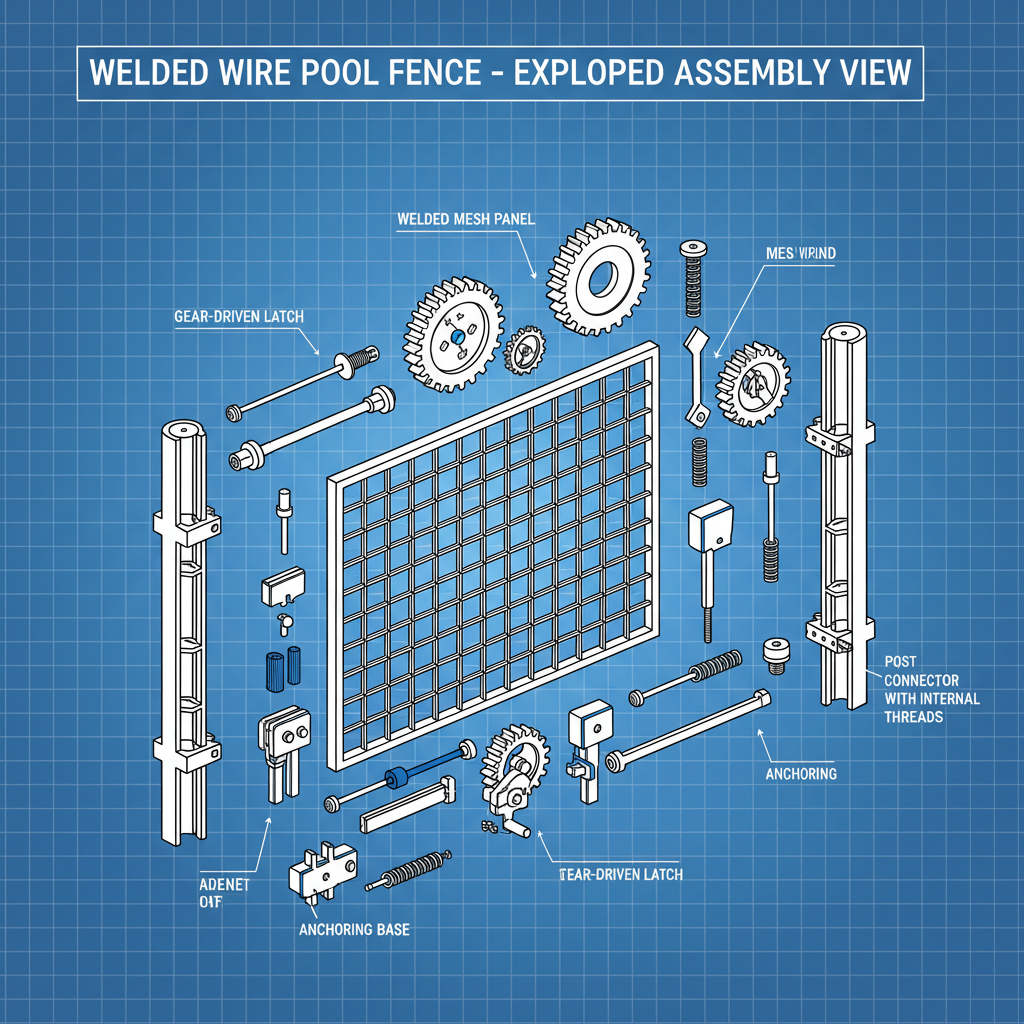
Product Specifications: Common Welded Wire Pool Fence Sizes
Understanding the different sizes and configurations available for welded wire pool fences is crucial for making the right choice for your property. Here's a table outlining typical product specifications:
Conclusion: Investing in Safety and Peace of Mind
A welded wire pool fence is a worthwhile investment for any pool owner. It combines safety, durability, and aesthetic appeal, providing peace of mind and enhancing your outdoor living space. Haotian Mesh offers a comprehensive selection of high-quality welded wire pool fences to meet your specific needs.
Frequently Asked Questions (FAQs)
What is the recommended height for a pool fence?
The recommended height for a pool fence varies depending on local regulations, but generally, a height of at least 4 feet (1.2 meters) is required. Some jurisdictions may require a height of 5 feet (1.5 meters). It's essential to check your local building codes to ensure compliance. A higher fence provides an additional layer of safety, particularly for young children. Haotian Mesh can assist you in choosing a fence height that meets your local requirements.
What are the gate requirements for a pool fence?
Pool gates must be self-closing and self-latching, with the latch positioned out of reach of young children (typically at least 54 inches or 1.37 meters high). The latch mechanism should also be non-jamming and operable with one hand. Gates should swing away from the pool area and should not have any gaps or openings that could allow a child to crawl under or climb over. Regularly check the gate's operation to ensure it's functioning correctly.
How long does a welded wire pool fence typically last?
With proper installation and maintenance, a welded wire pool fence can last for 10-20 years or even longer. The lifespan depends on the material used, the climate, and the level of care it receives. Galvanized and stainless steel fences generally have a longer lifespan than black powder-coated fences. Regular cleaning and inspection can help prevent corrosion and extend the fence's lifespan. Haotian Mesh uses high-quality materials and manufacturing processes to ensure the durability of its products.
Can I install a welded wire pool fence myself?
While it is possible to install a welded wire pool fence yourself, it's generally recommended to hire a professional installer. Pool fencing is subject to strict regulations, and proper installation is crucial to ensure safety and compliance. A professional installer will have the necessary experience and tools to install the fence correctly and ensure it meets all local requirements. Incorrect installation can compromise the fence's effectiveness and potentially create a safety hazard.
-
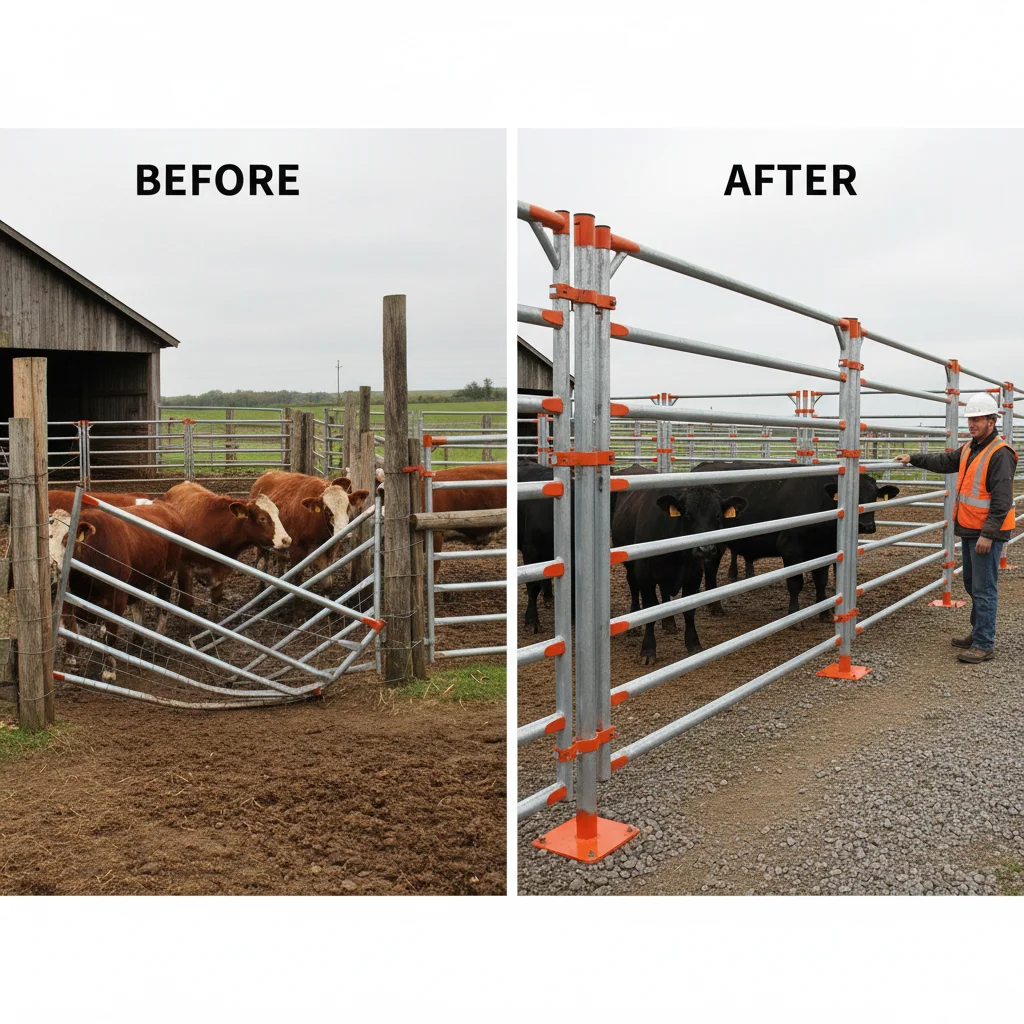
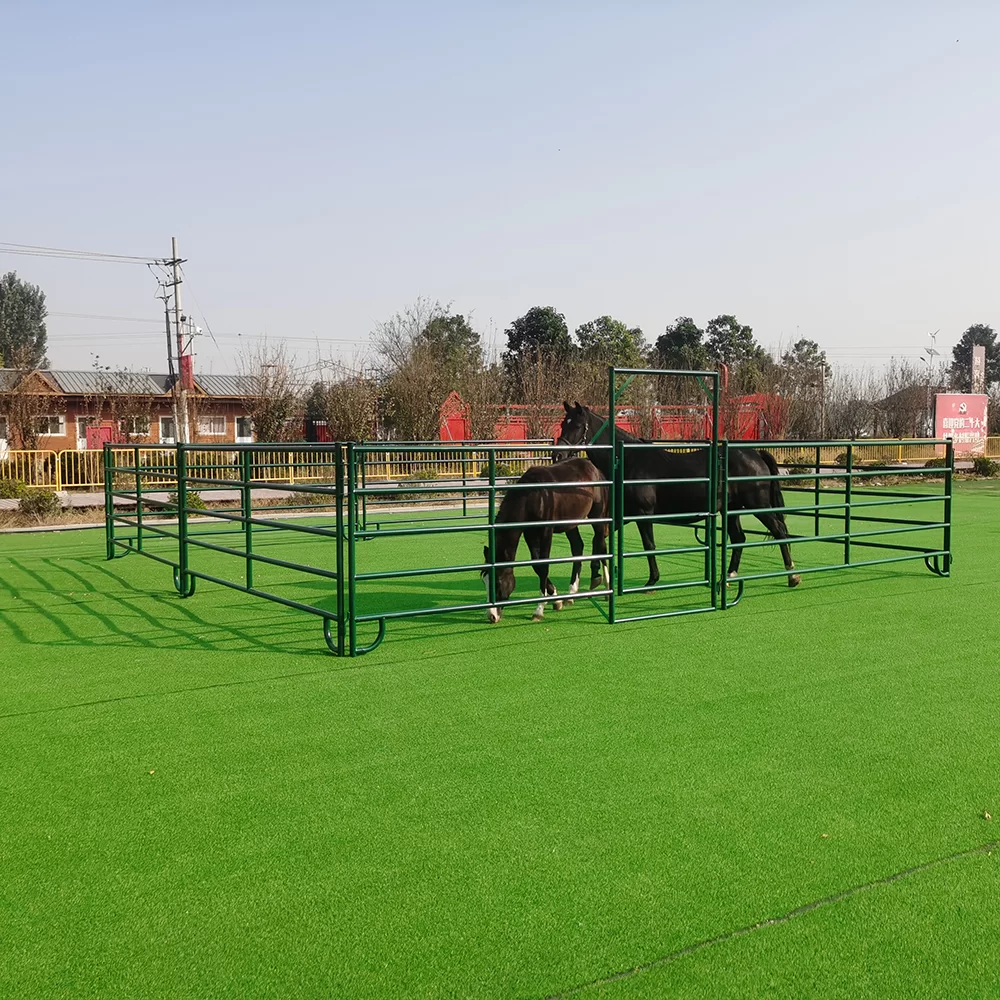
Durable Freestanding Livestock Panels for Efficient Animal Handling In the demanding world of agricultural management, the need for flexible and robust containment solutions has never been more critical. freestanding livestock panels offer a sophisticated answer to the challenges of animal handling, providing a secure yet adaptable barrier that does not require permanent installation or deep grounding. By allowing farmers and ranchers to redefine their spatial layouts in minutes, these panels maximize the efficiency of existing infrastructure while ensuring the safety of both the handlers and the livestock. Read More >26 Apr, 17
-
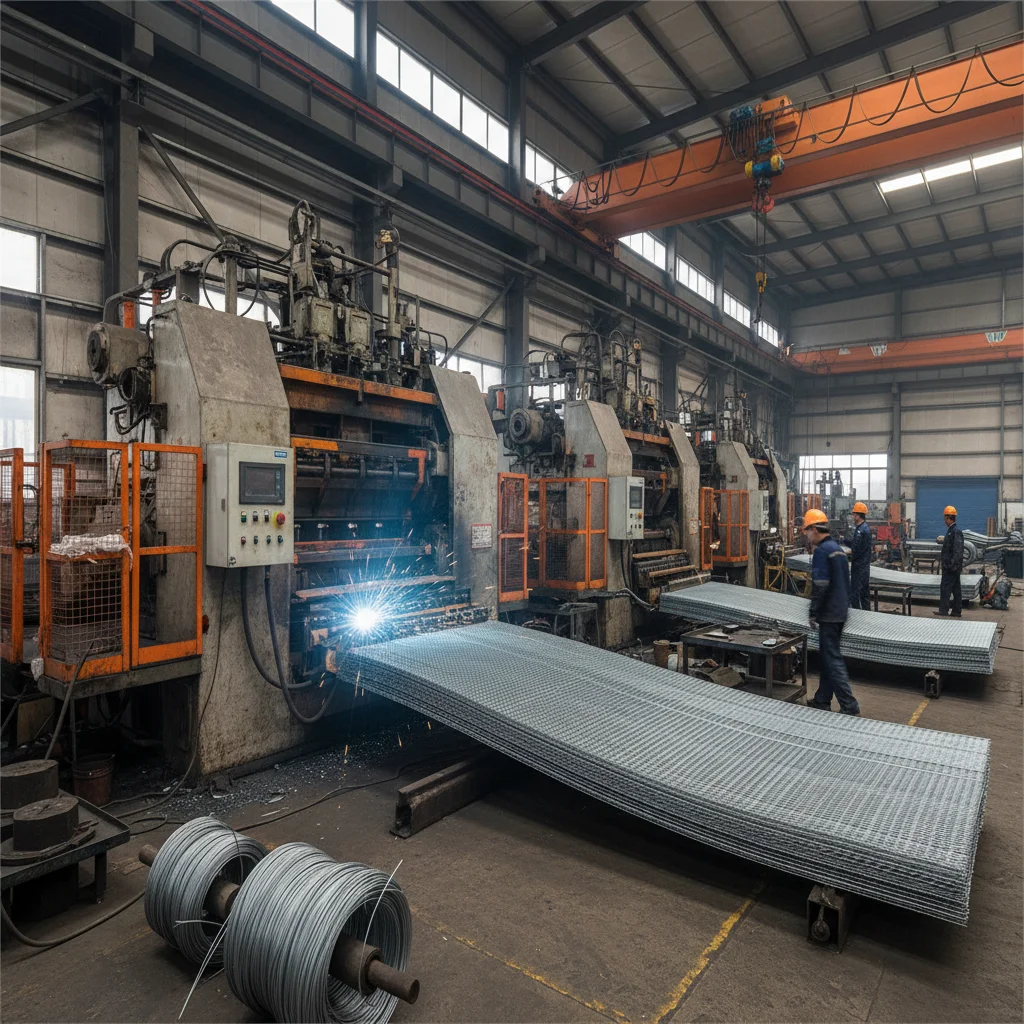
Professional Galvanized Welded Mesh Factory for Industrial Projects Finding a reliable galvanized welded mesh factory is critical for ensuring the structural integrity and longevity of your industrial or agricultural installations. Galvanized welded mesh is prized for its exceptional strength and resistance to corrosion, making it the go-to choice for fencing, animal cages, and construction reinforcement. However, not all factories adhere to the same quality standards. Whether you are sourcing for a large-scale infrastructure project or a specialized commercial application, understanding the manufacturing process and quality benchmarks is key to making a cost-effective investment that lasts for decades. Read More >26 Apr, 16
-
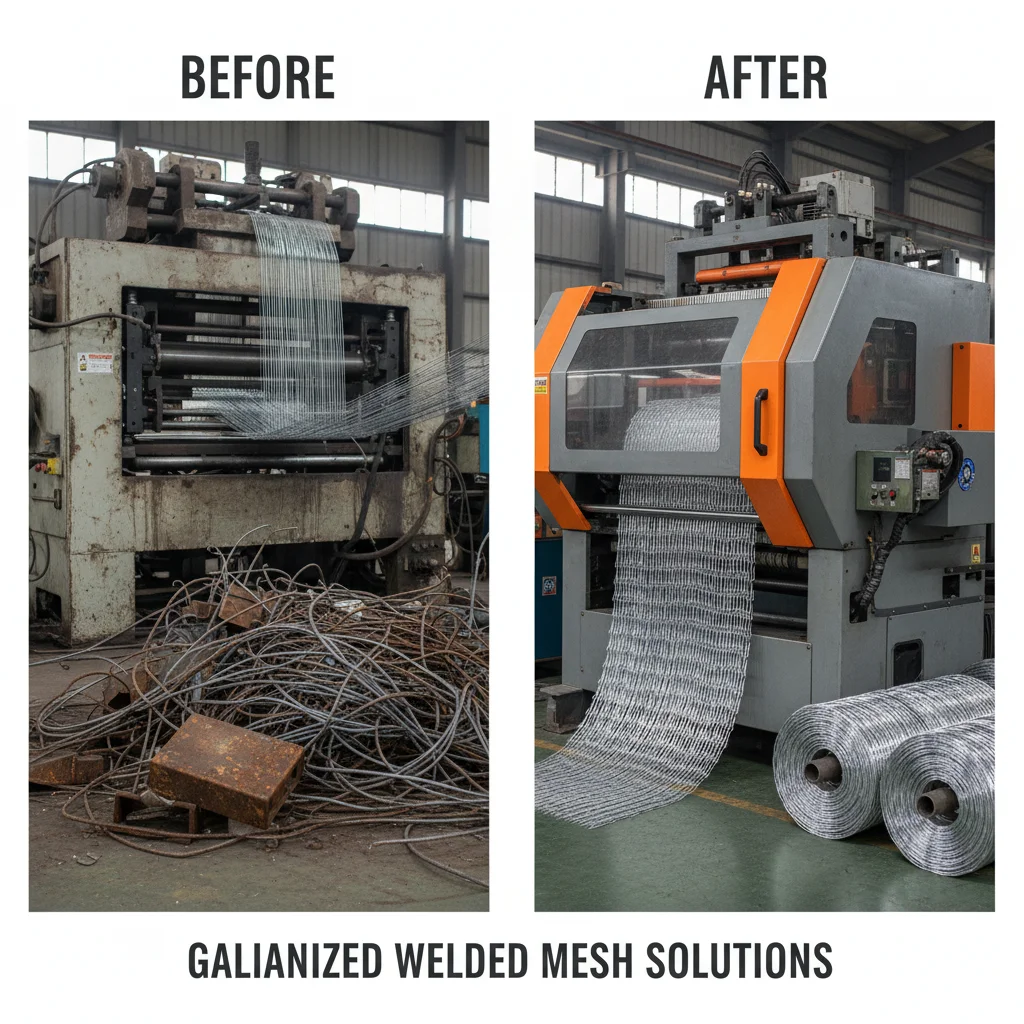
Professional Galvanized Welded Mesh Exporter for Quality Projects Selecting a high-quality fencing or screening solution requires more than just picking a product; it requires partnering with a reliable galvanized welded mesh exporter who understands the balance between structural integrity and corrosion resistance. Whether you are securing an industrial perimeter, building animal enclosures, or implementing architectural reinforcements, the quality of the galvanization process determines the lifespan of your installation. In this guide, we will explore the technical advantages of galvanized welded mesh and how to identify a global supplier that meets international quality standards to ensure your investment stands the test of time. Read More >26 Apr, 09
-
Essential Fencing Panels for Livestock Management and Farm Productivity Fencing panels for livestock are essential components in modern animal husbandry, playing a critical role in efficient farm management, animal welfare, and land utilization. Globally, the demand for robust and reliable fencing solutions is increasing due to the expanding livestock industry and the need to protect grazing lands from encroachment and predation. These panels aren’t simply barriers; they represent a vital investment in a farm's productivity and the health of its animals. Read More >26 Apr, 08
If you are interested in our products, you can choose to leave your information here, and we will be in touch with you shortly.


