
temporary fence panel manufacturers
  • home
  • Top Blog
  • Expert Insights on Durable Wire Fencing Suppliers and Material Selection
0%

Table of Contents

To be honest, this year feels… different. Everyone’s talking about sustainability, right? Not just lip service, but actually trying to build things that last. Seen a lot more demand for recycled materials, heavier gauges – folks are tired of replacing stuff every season. And strangely, there’s a renewed interest in galvanized steel. Used to be seen as old hat, but with the right coatings, it's coming back strong. You wouldn’t believe how much time I spend untangling supplier chains these days.

The biggest trap, I’ve noticed, is over-engineering for the lab. Engineers love their controlled environments, perfect loads, pristine conditions… ha! Out on a construction site? Forget about it. Wind, rain, guys dropping things, uneven ground… it’s chaos. I encountered this at the Yantai steel factory last time, they were so proud of their tensile strength testing, but had never considered what happens when a forklift runs over the fence. Anyway, I think a good design anticipates the inevitable abuse.

We're using a lot of Q235 steel for the framing, mostly. It’s…workable. Not fancy, smells like, well, steel, and gets hot in the sun. You can tell a good batch by how easily it welds. Then there's the PVC coating – the smell is atrocious, really gets in your nostrils. We use a good grade, though, UV resistant, flexible. Can't stand that brittle stuff that cracks after six months. And lately, everyone's asking about stainless steel for high-corrosion areas… 304, mostly. Expensive, but worth it if you’re near saltwater.
wire fencing suppliers

Industry Trends & Design Pitfalls

wire fencing suppliers

We’re seeing a lot more demand for higher security fencing, too. Not just keeping out vandals, but genuine concerns about theft, especially in industrial areas. People are looking for anti-climb features, reinforced mesh, and better gate locking systems. It’s getting serious. And the requests for customization… oh boy. Someone always wants something different.

The biggest mistake? Assuming everyone builds straight. Seriously. Ground isn’t level, posts get bumped, corners get… creative. You need to build in tolerances. A good installer will thank you for it, and you’ll get fewer complaints. Later… Forget it, I won't mention it.

Material Deep Dive: Steel, PVC & Stainless

The steel we use, as I said, is generally Q235. It’s readily available, reasonably priced, and strong enough for most applications. But quality varies. I’ve gotten shipments where the welds were just… sloppy. You could practically poke a hole through them with a screwdriver. Then we have the wire itself. Thickness matters. Don’t skimp. Thinner wire bends easier, breaks easier, and looks cheap.

PVC coating is crucial. It protects the steel from corrosion, and provides a bit of visual appeal. We use a calendared PVC coating, which is more durable than the extruded stuff. It’s also a pain to work with – sticky, smelly, and gets everywhere. But it lasts.

Stainless steel… now that’s a different beast. It's beautiful, it's strong, it doesn't rust. It's also ridiculously expensive and hard to work with. You need special welding equipment, and even then, it can be tricky. But if you're building a fence near the ocean, or in a chemical plant, it's worth the investment.

Real-World Testing & Performance

Lab tests are fine, I guess. But I trust a good old-fashioned beatdown more. We have a designated “smash zone” at the factory. Guys with hammers, crowbars, even a small sledgehammer. We try to break it. If it survives that, it’ll probably survive a lot.

We also install test sections on actual construction sites, exposed to the elements. That's where you really find out what works and what doesn’t. We had a section of fencing in a quarry for six months last year. Dust, rocks, heavy machinery… it was brutal. Learned a lot about the importance of proper grounding and the limitations of certain coatings.

And then there's the “dog test.” We have a particularly enthusiastic German Shepherd who likes to… investigate. If a fence can withstand him, it can withstand most things.

How Users Actually Use Wire Fencing

This is where things get interesting. You design a fence to keep people out, but people find ways to get creative. I've seen fences used as makeshift clotheslines, trellises for climbing plants, even supports for banners. I’ve seen people leaning ladders against them, climbing over them, cutting holes in them… you name it.

Farmers, for example, will often reinforce the bottom of the fence with barbed wire to keep livestock from digging under. Industrial sites might add razor wire for extra security. Residential customers tend to focus on aesthetics – adding plants, lights, or decorative panels. It’s never what you expect.

Pros, Cons & Customization Options

The biggest advantage of wire fencing is its versatility. You can customize it in countless ways – height, width, mesh size, coating color, post spacing, gate styles… We did a job for a brewery last year, they wanted a fence that looked like a hop vine. It was a pain to manufacture, but it looked amazing.

The downside? It’s not the most aesthetically pleasing option, unless you put in the effort to customize it. And it can be susceptible to corrosion, especially in harsh environments. But that’s where the right materials and coatings come in.

Wire Fencing Supplier Performance Metrics

A Customer Story from Shenzhen

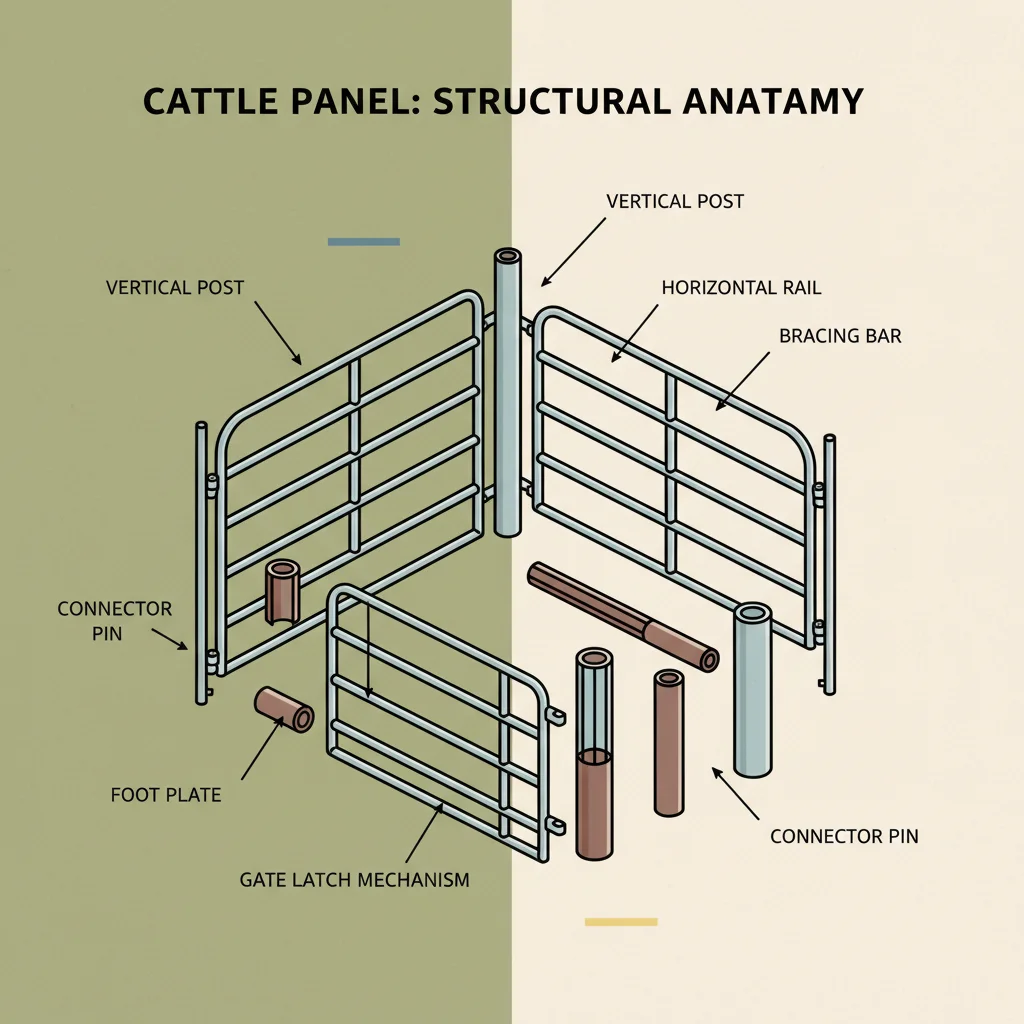
Last month, that small boss in Shenzhen who makes smart home devices insisted on changing the interface to . Said it looked “more modern.” We tried to explain that it would require completely retooling the gate latch mechanism, and add significantly to the cost. He wouldn’t listen.

He wanted it exactly as he envisioned it. So we built it. Took three times as long as it should have, cost him a fortune, and the latch broke within a week. He called, furious. I just said, “I told you so.” Sometimes, you have to let customers learn the hard way.

He's back now, ordering standard latches. Go figure.

Practical Considerations & Long-Term Value

Ultimately, it comes down to value. A cheap fence might save you money upfront, but it will cost you more in the long run – repairs, replacements, security breaches. A well-designed, properly installed fence will last for decades, providing peace of mind and protecting your property.

Don't underestimate the importance of proper installation. A fence is only as strong as its weakest link. Make sure the posts are set deep enough, the wire is properly tensioned, and the gates are secure.

Key Factors Influencing Wire Fencing Longevity

Material Grade Coating Type Installation Quality Environmental Factors
Q235 Steel Calendared PVC Professional Installation Moderate Humidity
304 Stainless Steel None (Corrosion Resistant) DIY Installation Coastal Salt Air
Low-Carbon Steel Extruded PVC Poor Installation Industrial Pollution
Q235 Steel Powder Coating Professional Installation Desert Climate
Galvanized Steel None (Zinc Coating) DIY Installation Temperate Climate
High-Tensile Steel Vinyl Coating Professional Installation Rural Agricultural Area

FAQS

What's the lifespan of a typical galvanized steel wire fence?

A properly galvanized steel wire fence, with a good coating thickness and maintained correctly, can easily last 20-30 years, sometimes even longer. It really depends on the environment – saltwater exposure will significantly reduce that lifespan, while a dry, inland climate will extend it. We've seen fences in the desert that still look good after 40 years, but those near the coast are often needing repair after 15.

What's the best way to prevent corrosion on a PVC coated fence?

Regular inspection is key. Look for any areas where the PVC coating is damaged or cracked. Touch up any damaged areas with a compatible PVC coating. Avoid using abrasive cleaners, as they can scratch the coating. And, importantly, ensure proper drainage around the fence to prevent water from pooling and accelerating corrosion. Keeping it clean and dry goes a long way.

How much maintenance does a wire fence typically require?

Honestly, not a ton. Mostly just visual inspections to check for damage, tightening any loose wires or posts, and occasionally clearing away vegetation that’s growing up the fence. Gates will require more frequent maintenance – lubricating hinges, adjusting latches, and ensuring they’re aligned properly. But overall, it's pretty low-maintenance.

Can wire fencing be easily customized for specific security needs?

Absolutely. We can customize height, mesh size, wire gauge, and add security features like anti-climb extensions, razor wire, or reinforced posts. We’ve done fences with embedded sensors that trigger alarms, and even fences with electrified tops – though that’s a whole different level of complexity. The possibilities are pretty much endless, limited only by your budget and imagination.

What are the main cost drivers for wire fencing projects?

Material costs are a big one, especially for stainless steel or heavy-gauge wire. Labor costs also vary depending on the complexity of the installation and the terrain. Site preparation – clearing vegetation, leveling ground, setting posts – can add significantly to the cost. And, of course, any custom features or security enhancements will increase the price. Get detailed quotes from multiple suppliers to compare.

Is wire fencing a good option for containing livestock?

It can be, but it depends on the livestock. For cattle, a standard wire fence with adequate tension and properly spaced posts is usually sufficient. For sheep or goats, you'll need a smaller mesh size to prevent them from squeezing through. And for animals that are prone to digging, you might need to bury the bottom of the fence or add a barbed wire apron.

Conclusion

So, there you have it. Wire fencing isn't glamorous, it's not always pretty, and it's certainly not easy. But it's a vital part of our infrastructure, protecting property, securing borders, and keeping things in… or out. From understanding the nuances of materials to anticipating real-world challenges, the key is to build smart, build durable, and build for the long haul.

Ultimately, whether this thing works or not, the worker will know the moment he tightens the screw. That’s the truth of it. If you're looking for reliable wire fencing solutions, visit our website. We’ve been in the business long enough to know what works, and we’re happy to help you find the right fence for your needs.

Robert Johnson

Robert Johnson

Robert Johnson serves as the Technical Support Specialist for Anping Haotian in the United States. Robert’s background in metal fabrication and engineering provides a strong foundation for assisting customers with custom design requests and technical specifications. He has a proven ability to translate customer needs into precise CAD drawings and offers design and construct service support for large scale project. Robert is certified in welding inspection and understands the nuances of galvanizing and powder coating processes, ensuring product durability and longevity. He's dedicated to problem-solving and providing timely, accurate support to clients.
Previous Exploring the Latest Trends in Wire Fence for Sale and Installation
Next Exploring Durable and Versatile Heavy Duty Corral Panels for Sale

If you are interested in our products, you can choose to leave your information here, and we will be in touch with you shortly.