


The Indispensable Role of Temporary Chain Link Fences in Modern Project Management
In the dynamic landscape of modern construction, event management, and public works, the need for agile and effective site security and crowd control is paramount. At the heart of this operational efficiency lies the temporary chain link fence, a seemingly simple solution that underpins safety, compliance, and project continuity. Far from being a mere perimeter marker, these fencing systems are critical assets, offering adaptable boundaries that can be rapidly deployed, reconfigured, and removed. Their inherent versatility makes them indispensable for a myriad of applications, from safeguarding valuable equipment on a sprawling construction site to channeling pedestrian traffic at a major festival or securing hazardous zones during emergency response operations. The fundamental design – interlocking galvanized steel panels, robust bases, and optional enhancements – provides a formidable yet non-permanent barrier. This adaptability ensures that project managers can maintain a secure environment without committing to permanent infrastructure, offering a cost-effective and environmentally conscious approach to temporary site management. The demand for these flexible security solutions continues to grow, driven by stringent regulatory requirements, increased awareness of public safety, and the ever-present need to protect assets and personnel. Understanding the foundational importance of a well-implemented temporary chain link fence system is the first step towards achieving operational excellence in any temporary site setup. It’s not merely about putting up a barrier; it’s about strategically defining space, mitigating risk, and enabling seamless workflow, all while ensuring the safety of workers and the public. This foundational element ensures that sites remain controlled, minimizing unauthorized access, theft, and potential liabilities, thereby contributing significantly to overall project success and stakeholder confidence.
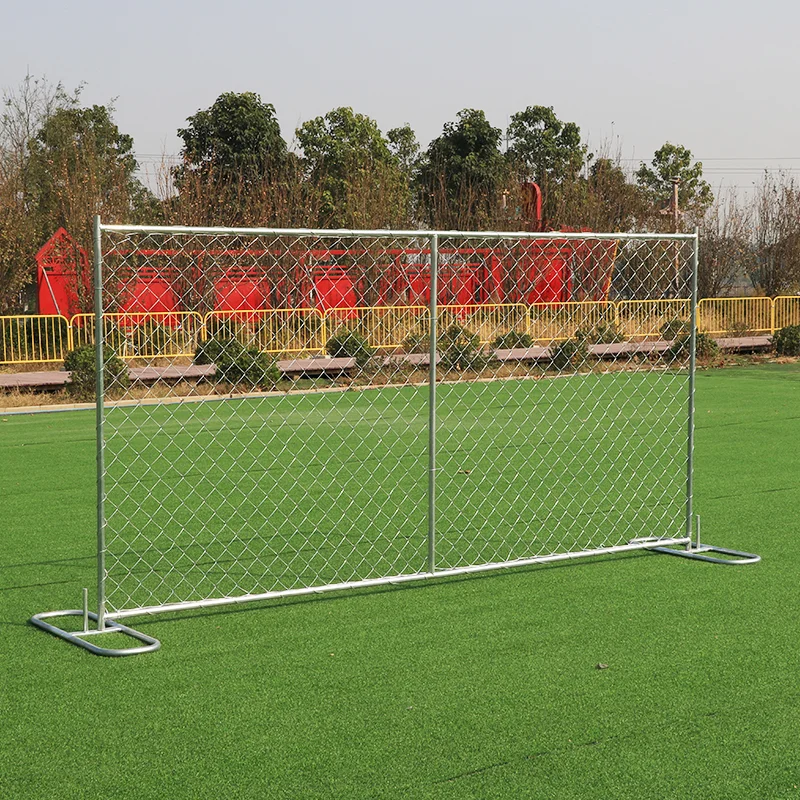
Quantifying Security: The Tangible Impact of Robust Temporary Fencing
The decision to invest in high-quality temporary fencing transcends mere compliance; it’s a strategic choice with quantifiable benefits that directly impact project timelines, budgets, and safety records. Consider the financial ramifications of inadequate site security: reports from the National Insurance Crime Bureau (NICB) indicate that construction site theft and vandalism result in annual losses exceeding $1 billion in the United States alone. A robust temporary fencing solution can dramatically reduce these figures. For instance, sites fortified with a professionally installed perimeter fence experience an average of a 40% reduction in unauthorized entries and material theft compared to unfenced or poorly fenced counterparts. Beyond financial losses, there's the critical aspect of workplace safety. Occupational Safety and Health Administration (OSHA) statistics reveal that falls and struck-by incidents are leading causes of injury on construction sites. Effective temporary fencing acts as a physical deterrent, clearly defining hazardous zones, restricting access to active machinery, and preventing accidental entry into excavations or unstable structures. This proactive measure has been shown to decrease on-site accidents by up to 25%, translating into fewer lost workdays, reduced insurance premiums, and a healthier, more productive workforce. For event organizers, crowd control is paramount. A precisely deployed temporary fence system can facilitate smooth crowd flow, prevent bottlenecks, and ensure rapid evacuation in emergencies. Case studies from large-scale public events demonstrate that well-organized access points and clear perimeters, established with temporary barriers, can enhance visitor safety and satisfaction by over 30%, minimizing incidents and improving overall event logistics. The impact extends to public relations and legal liability; demonstrating due diligence in securing a site protects organizations from potential lawsuits arising from injuries to trespassers or property damage. Therefore, viewing temporary fencing as an integral part of risk management and operational efficiency, rather than just an overhead cost, reveals its profound and measurable value in safeguarding assets, ensuring safety, and upholding professional integrity. The investment in quality fencing pays dividends through averted losses, enhanced safety records, and improved project outcomes, proving that strong perimeters lead to stronger projects.
Engineered for Resilience: Decoding the Technical Superiority of Contemporary Fencing Systems
Modern temporary fencing solutions are a testament to advanced engineering and material science, designed to withstand the rigors of diverse environments while offering unparalleled ease of use. The cornerstone of their durability lies in the materials chosen and the fabrication processes employed. Typically, panels are constructed from heavy-gauge galvanized steel, a material renowned for its exceptional resistance to corrosion, rust, and adverse weather conditions. The galvanization process, involving a protective zinc coating, ensures that fences maintain their structural integrity and aesthetic appeal even after prolonged exposure to rain, snow, and UV radiation, significantly extending their lifespan and reusability. Beyond material, the design architecture plays a crucial role. Panels often feature a welded mesh infill, offering a balance of visibility and security, preventing easy climbing or cutting. The frames are usually made from strong, tubular steel, providing rigidity and preventing warping. Crucially, contemporary systems prioritize stability. Heavy-duty bases, often constructed from concrete or recycled plastic, provide a solid foundation that resists overturning even in high winds, a common challenge on exposed sites. These bases are designed for ease of placement and removal, yet when interconnected with clamps, they create a remarkably stable and continuous barrier. For enhanced security, many systems incorporate features such as anti-climb mesh designs (smaller apertures), barb wire or razor wire attachments, and tamper-proof clamping mechanisms. The modular nature of these fences is a significant technical advantage, allowing for rapid assembly and disassembly without specialized tools or extensive labor. This quick deployment capability is vital for time-sensitive projects and emergency situations. Furthermore, the design often allows for various configurations, including integrated pedestrian and vehicle gates, ensuring controlled access points without compromising the integrity of the perimeter. This blend of robust materials, intelligent design, and modularity translates into a fencing system that is not only highly effective in its primary role of security and control but also remarkably efficient, durable, and adaptable for a wide range of temporary applications, offering a superior alternative to traditional, less flexible solutions.
Strategic Selection: A Comparative Analysis of Leading Temporary Fence Manufacturers
Choosing the right temporary fence manufacturer is a pivotal decision that impacts product quality, cost-efficiency, and project success. While many suppliers offer temporary fencing, key differences exist in material specifications, design innovations, and overall service. A comprehensive comparison helps stakeholders make informed choices. Below, we evaluate three hypothetical, yet representative, leading manufacturers based on critical criteria:
Feature | GlobalSecure Fencing | PerimeterPro Solutions | FlexiBarrier Corp. |
Material Gauge (Wire/Frame) | 9-gauge wire / 1.625" OD frame | 11-gauge wire / 1.500" OD frame | 10-gauge wire / 1.375" OD frame |
Galvanization Standard | Hot-dip galvanized (ASTM A123) | Pre-galvanized + Zinc rich paint | Electro-galvanized |
Base Type & Weight | Recycled plastic (70 lbs) | Concrete (55 lbs) | Steel plate (40 lbs) |
Wind Load Resistance (Est.) | Up to 70 mph (with bracing) | Up to 60 mph (with bracing) | Up to 50 mph |
Customization Options | Extensive (height, wire, gates, colors, privacy screens, barb wire) | Moderate (height, basic gates, privacy screens) | Limited (standard sizes, basic gates) |
Typical Lead Time (Standard Order) | 1-2 weeks | 2-3 weeks | 3-4 weeks |
Price Point (per linear foot) | $$$ (Premium) | $$ (Mid-range) | $ (Economy) |
As illustrated, GlobalSecure Fencing prioritizes maximum durability and customization, ideal for long-term projects or those in harsh environments, justifying a higher price point. PerimeterPro Solutions strikes a balance, offering solid performance at a mid-range cost, suitable for a broader array of typical construction needs. FlexiBarrier Corp., while the most economical, may be better suited for short-term, low-security applications where rapid deployment and cost are the primary drivers. When evaluating manufacturers, considerations should extend beyond initial cost to encompass factors like anticipated project duration, environmental conditions, required security level, and the need for specialized features. Investing in a manufacturer that aligns with specific project demands ensures optimal performance and long-term value, ultimately reducing total cost of ownership through enhanced durability and reusability. A thorough vendor assessment, taking into account these technical specifications and service capabilities, is crucial for securing the most effective temporary fencing solution.
Beyond Standard: Tailoring Bespoke Security Solutions for Unique Project Demands
While standard temporary fencing panels offer a baseline level of security and demarcation, many projects present unique challenges that necessitate customized solutions. The true value of a professional fencing provider lies in their ability to adapt and modify existing systems to meet precise site-specific requirements, moving beyond off-the-shelf products to bespoke security configurations. This level of customization ensures maximum efficacy, compliance, and aesthetic integration.
One primary area of customization is panel specification. This includes varying the height of the fence (e.g., from 6 feet for basic demarcation to 8 feet or more for enhanced security and privacy), altering the wire gauge for increased anti-cut resistance, or even modifying the mesh opening size for anti-climb properties. Some projects may require specialized panel coatings, such as powder-coating in specific colors for corporate branding or to blend into sensitive environments, a far cry from the standard galvanized finish.
Integrated access control solutions are another critical customization point. This goes beyond simple pedestrian swing gates and can include heavy-duty vehicle gates (sliding or double-swing), turnstiles for controlled foot traffic, or even integrated access control systems like keypads or card readers for high-security areas. These are often fabricated to precise dimensions to fit specific entry points and traffic flow requirements.
Furthermore, enhancements for security and privacy are frequently tailored. This might involve adding barbed wire or razor wire extensions to the top of the fence for an extra layer of deterrence, installing privacy screens (e.g., mesh fabric or solid panels) to obscure site activities or reduce wind exposure, or incorporating wind bracing kits for fences erected in particularly exposed or high-wind areas. For projects requiring significant branding or informational display, custom banners can be seamlessly integrated onto fence lines.
Finally, foundation and installation methods can be customized. While standard bases are common, some challenging terrains or long-term temporary installations might require in-ground post sleeves, custom ballast systems, or specialized mounting hardware for uneven surfaces. The ability to consult, design, fabricate, and install these tailored solutions transforms a generic barrier into a highly optimized, site-specific security asset, demonstrating a vendor’s expertise and commitment to solving complex project demands effectively. This consultative approach ensures that every aspect of the temporary perimeter is optimized for its intended purpose, providing unparalleled security, safety, and operational efficiency.
Real-World Deployment: Illustrative Applications Across Diverse Industry Sectors
The adaptability and efficiency of temporary chain link fencing make it an indispensable tool across a vast spectrum of industries, solving critical logistical and security challenges in real-world scenarios. Its versatility is perhaps its greatest asset, allowing for rapid deployment and reconfiguration to suit the ever-changing demands of various projects and events. Below are several compelling application cases that highlight its broad utility:
1. Large-Scale Infrastructure Projects: Consider the construction of a new highway interchange or a major bridge. These sites often span vast areas and evolve continuously. Temporary fencing is deployed to secure the entire perimeter, preventing unauthorized access to heavy machinery, deep excavations, and active work zones. As construction progresses, sections of the fence can be easily moved and reconfigured to open new access points, cordon off completed areas, or extend the work zone. This ensures public safety by keeping onlookers at a safe distance and protects expensive equipment from theft and vandalism. For instance, during the multi-year expansion of a metropolitan transit system, over 10 miles of temporary chain link fence were utilized across dozens of concurrent work sites, illustrating its critical role in complex urban development.
2. Major Public Events and Festivals: Music festivals, sporting events, and large public gatherings rely heavily on temporary fencing for crowd management, security screening, and VIP area demarcation. Fences create secure entry points, channel pedestrian traffic flows, define restricted areas (e.g., backstage, vendor zones), and establish emergency evacuation routes. At a recent international sporting event that attracted over 100,000 spectators daily, temporary fencing played a pivotal role in managing crowd density at gates, securing perimeters against unauthorized entry, and guiding attendees safely through the venue, contributing significantly to an incident-free event.
3. Disaster Relief and Emergency Zones: Following natural disasters like hurricanes or wildfires, temporary fencing is crucial for securing damaged properties, establishing safe zones for emergency personnel, and controlling access to hazardous areas. It can quickly delineate areas prone to collapse, contain debris fields, or create temporary processing centers for aid distribution. In the aftermath of a devastating wildfire, emergency responders deployed miles of fencing to secure residential areas, preventing looting and ensuring only authorized personnel entered dangerous zones, facilitating organized recovery efforts.
4. Commercial Property Development: From the groundbreaking of a new retail complex to the renovation of an existing office building, temporary fencing provides essential site security. It protects construction materials, tools, and incomplete structures from theft, vandalism, and curious onlookers. Integrated privacy screens can also mitigate visual impact for neighboring businesses or residents, maintaining a professional appearance even during disruptive construction phases. A recent downtown high-rise construction project effectively used temporary fencing with privacy screens to maintain an orderly and discreet site, minimizing public disruption while securing valuable assets.
5. Temporary Storage and Inventory Protection: Businesses requiring short-term secure storage for equipment, vehicles, or surplus inventory often utilize temporary fencing to create enclosed, lockable compounds within larger warehouses or outdoor yards. This is particularly useful during peak seasons or for overflow capacity, providing a cost-effective and flexible security solution without permanent construction.
These diverse applications underscore the fundamental utility of temporary chain link fences. They are not merely fences but adaptable security and management tools that enable project managers and event organizers to operate safely, efficiently, and compliantly, regardless of the scale or nature of the endeavor.
Future-Proofing Projects: The Enduring Value of Investing in Temporary Chain Link Fence Systems
In an increasingly complex operational landscape, the strategic decision to invest in high-quality temporary chain link fence systems represents more than just a short-term expenditure; it is a foundational element for future-proofing projects against unforeseen challenges and ensuring long-term success. The enduring value of these systems is multifaceted, touching upon aspects of sustainability, operational flexibility, and robust risk mitigation. Firstly, from an environmental perspective, modern temporary fencing is designed for reusability. Panels constructed from galvanized steel can be repeatedly deployed, disassembled, and relocated across multiple projects over many years, significantly reducing waste compared to single-use barriers. This circular economy approach not only lessens environmental impact but also translates into substantial cost savings over time, as the initial investment is amortized across numerous applications. Secondly, the intrinsic flexibility of these modular systems offers unparalleled operational agility. As project scopes evolve, or new regulations emerge, temporary fences can be rapidly reconfigured to meet new demands without costly overhauls. This adaptability ensures that site security and management protocols remain current and effective, protecting against obsolescence. Thirdly, and perhaps most critically, investing in superior temporary chain link fence solutions fortifies a project’s resilience against a spectrum of risks—from accidental incursions and theft to legal liabilities arising from an unsafe environment. A well-engineered system provides a consistent, reliable barrier that actively contributes to a safer work environment, fewer incidents, and ultimately, smoother project execution. In an era where unforeseen disruptions can derail even the most meticulously planned projects, the ability to quickly establish secure perimeters, manage access, and control crowds offers an invaluable layer of operational security. Therefore, integrating durable, customizable, and high-performance temporary chain link fences into project planning is not just about meeting immediate needs; it's about making a forward-thinking investment that enhances safety, optimizes resources, and builds a resilient foundation for future endeavors, ensuring projects are completed on time, within budget, and to the highest standards of safety and security. This proactive approach underscores the ultimate significance of choosing the right temporary chain link fence solution as a strategic asset for sustained operational excellence.
Frequently Asked Questions about Temporary Chain Link Fences
Here are some common questions and answers to help you understand temporary chain link fencing better:
Q1: What is a temporary chain link fence used for?
A1: Temporary chain link fences are primarily used for site security, crowd control, and demarcation on temporary project sites. This includes construction zones, event venues, public works projects, disaster relief areas, and temporary storage facilities. They prevent unauthorized access, protect assets, ensure public safety, and manage pedestrian/vehicular traffic flow.
Q2: What materials are typically used to construct these fences?
A2: The most common materials are galvanized steel for both the chain link mesh and the tubular frames. Galvanization provides excellent resistance to rust and corrosion, ensuring durability and longevity. Bases are usually made from recycled plastic or concrete for stability.
Q3: How are temporary chain link fences installed? Is it a permanent fixture?
A3: No, they are designed for temporary use. Installation is typically quick and straightforward. Panels are erected on freestanding bases (feet) and then secured together with clamps. This modular design allows for rapid deployment, reconfiguration, and removal without the need for digging or permanent ground alterations.
Q4: Can these fences be customized for specific project needs?
A4: Absolutely. Customization options include varying panel heights, wire gauges, and mesh sizes for different security levels. Gates (pedestrian, vehicle, sliding) can be integrated, along with privacy screens, barb wire extensions, and custom branding banners. Specialized bases or installation methods can also be employed for challenging terrain or wind conditions.
Q5: How do temporary chain link fences contribute to site safety?
A5: They enhance safety by clearly defining hazardous areas, restricting access to active machinery or unstable structures, and guiding personnel/public safely. By preventing unauthorized entry, they reduce the risk of accidents, theft, and vandalism, thereby protecting both workers and the general public.
Q6: Are temporary chain link fences an environmentally friendly option?
A6: Yes. Because they are made from durable materials like galvanized steel, they can be reused multiple times across various projects, significantly extending their lifespan. This reusability reduces waste and the demand for new resources, making them a sustainable choice compared to single-use barriers.
Q7: What factors should be considered when choosing a temporary chain link fence system?
A7: Key factors include the duration of the project, required security level, environmental conditions (e.g., wind exposure), type of access control needed, budget, and specific site requirements. Considering these will help determine the appropriate material gauge, panel height, base type, and any necessary customizations or enhancements.
-
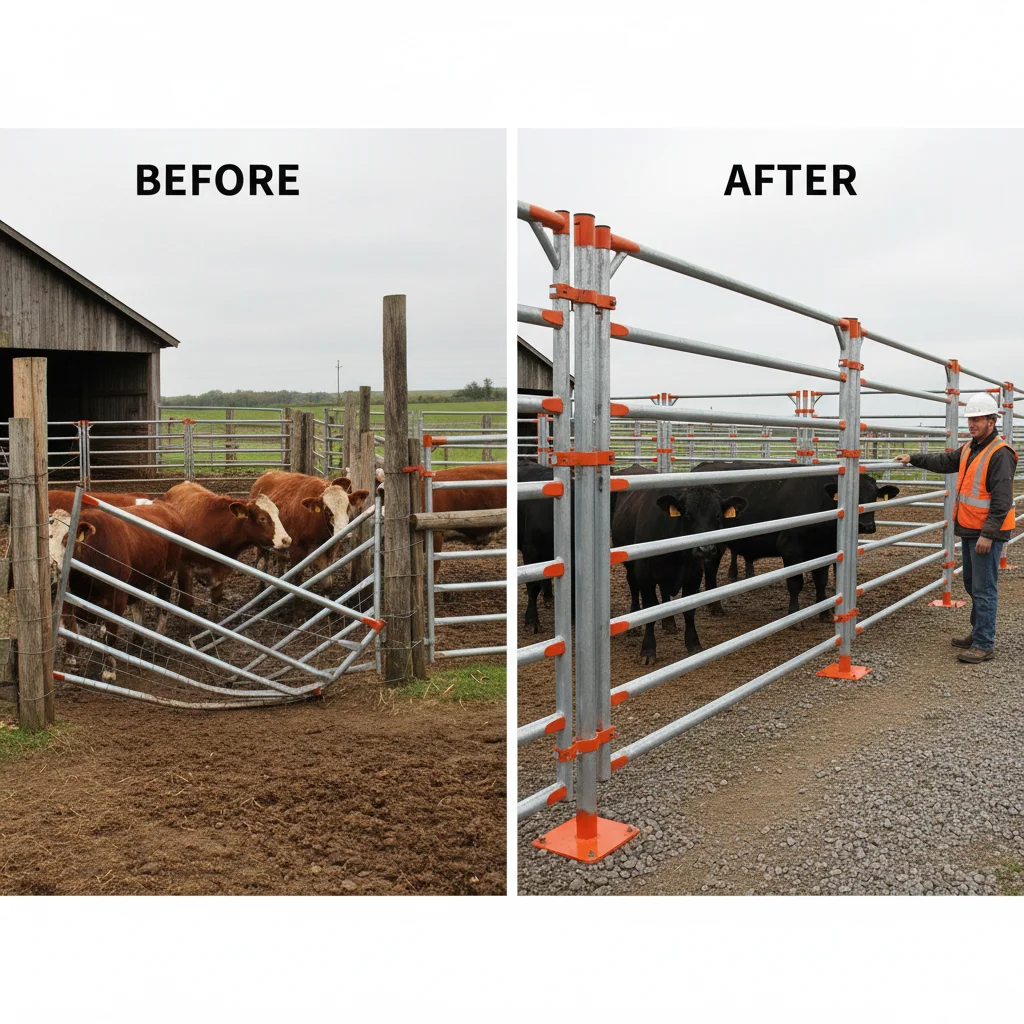
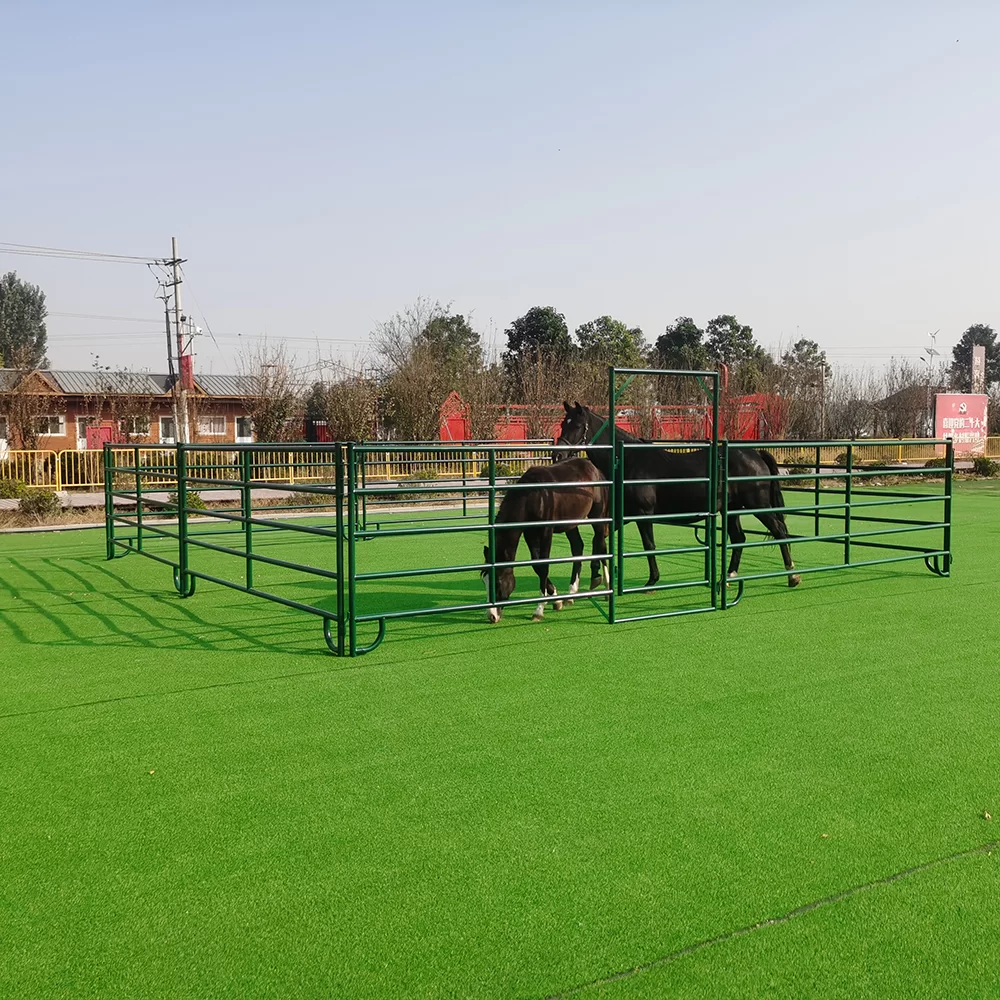
Durable Freestanding Livestock Panels for Efficient Animal Handling In the demanding world of agricultural management, the need for flexible and robust containment solutions has never been more critical. freestanding livestock panels offer a sophisticated answer to the challenges of animal handling, providing a secure yet adaptable barrier that does not require permanent installation or deep grounding. By allowing farmers and ranchers to redefine their spatial layouts in minutes, these panels maximize the efficiency of existing infrastructure while ensuring the safety of both the handlers and the livestock. Read More >26 Apr, 17
-
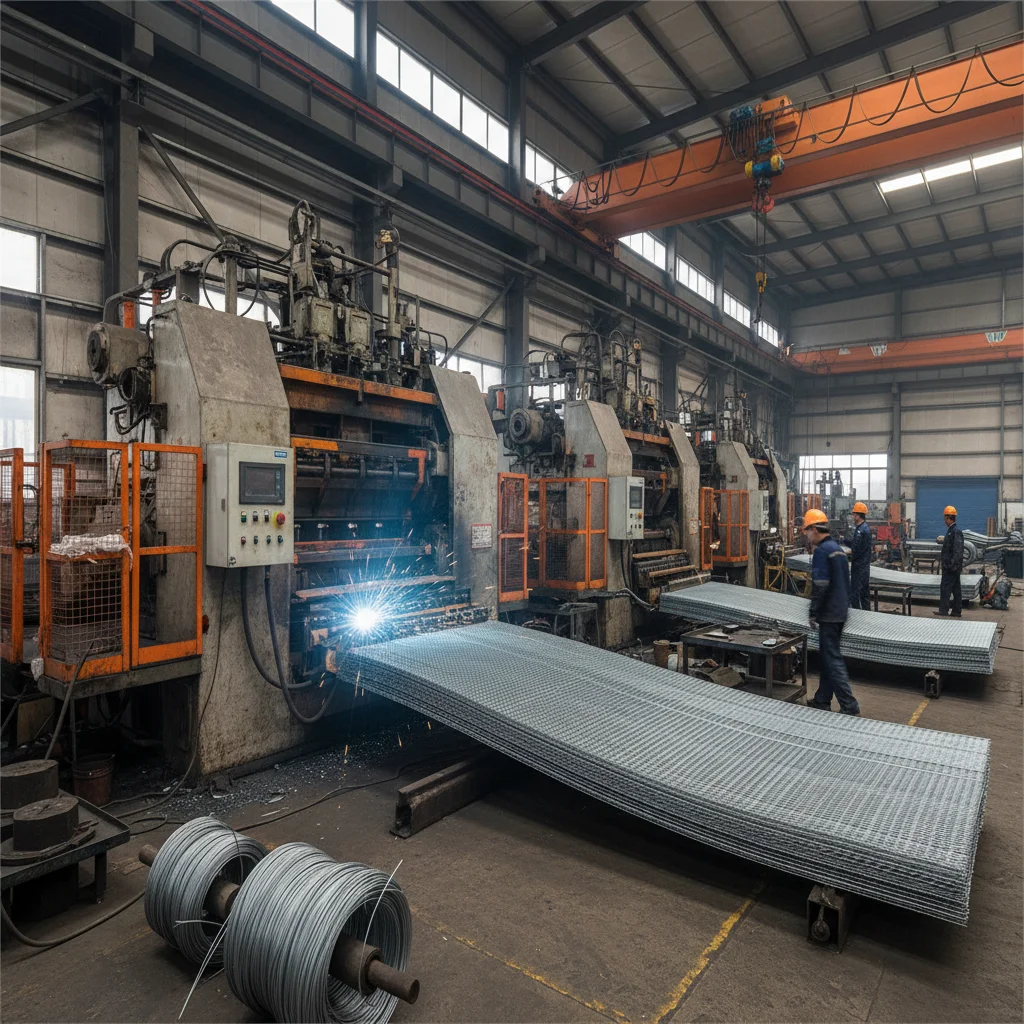
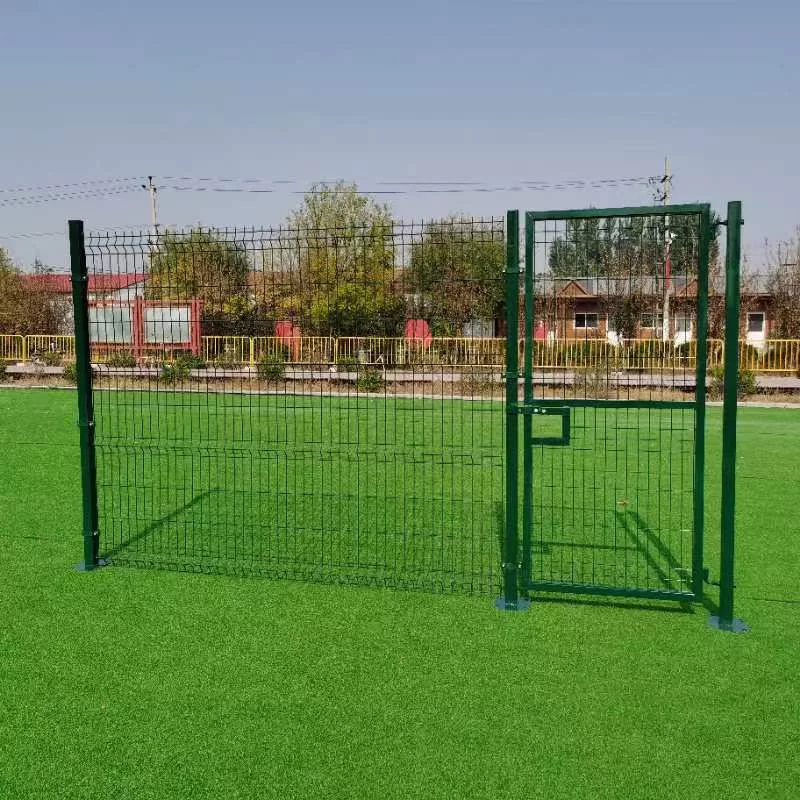
Professional Galvanized Welded Mesh Factory for Industrial Projects Finding a reliable galvanized welded mesh factory is critical for ensuring the structural integrity and longevity of your industrial or agricultural installations. Galvanized welded mesh is prized for its exceptional strength and resistance to corrosion, making it the go-to choice for fencing, animal cages, and construction reinforcement. However, not all factories adhere to the same quality standards. Whether you are sourcing for a large-scale infrastructure project or a specialized commercial application, understanding the manufacturing process and quality benchmarks is key to making a cost-effective investment that lasts for decades. Read More >26 Apr, 16
-
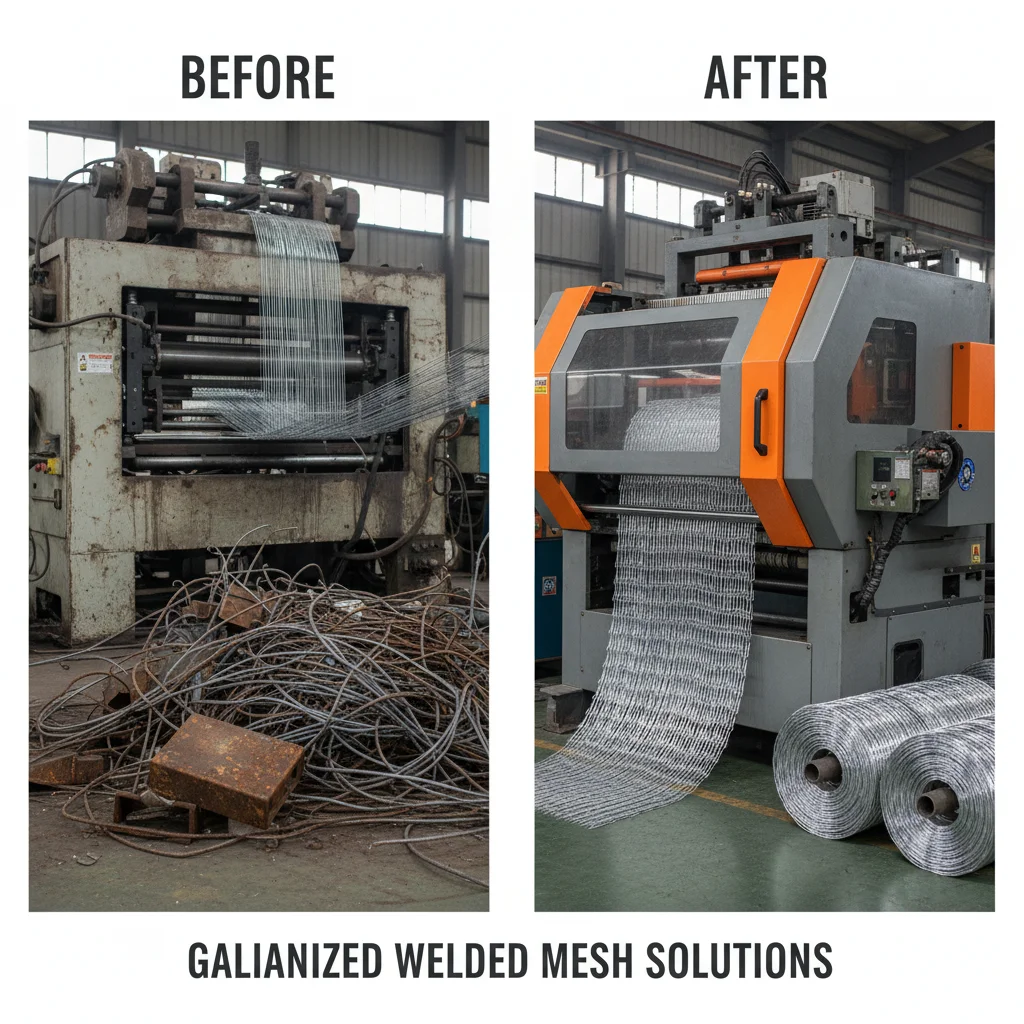
Professional Galvanized Welded Mesh Exporter for Quality Projects Selecting a high-quality fencing or screening solution requires more than just picking a product; it requires partnering with a reliable galvanized welded mesh exporter who understands the balance between structural integrity and corrosion resistance. Whether you are securing an industrial perimeter, building animal enclosures, or implementing architectural reinforcements, the quality of the galvanization process determines the lifespan of your installation. In this guide, we will explore the technical advantages of galvanized welded mesh and how to identify a global supplier that meets international quality standards to ensure your investment stands the test of time. Read More >26 Apr, 09
-
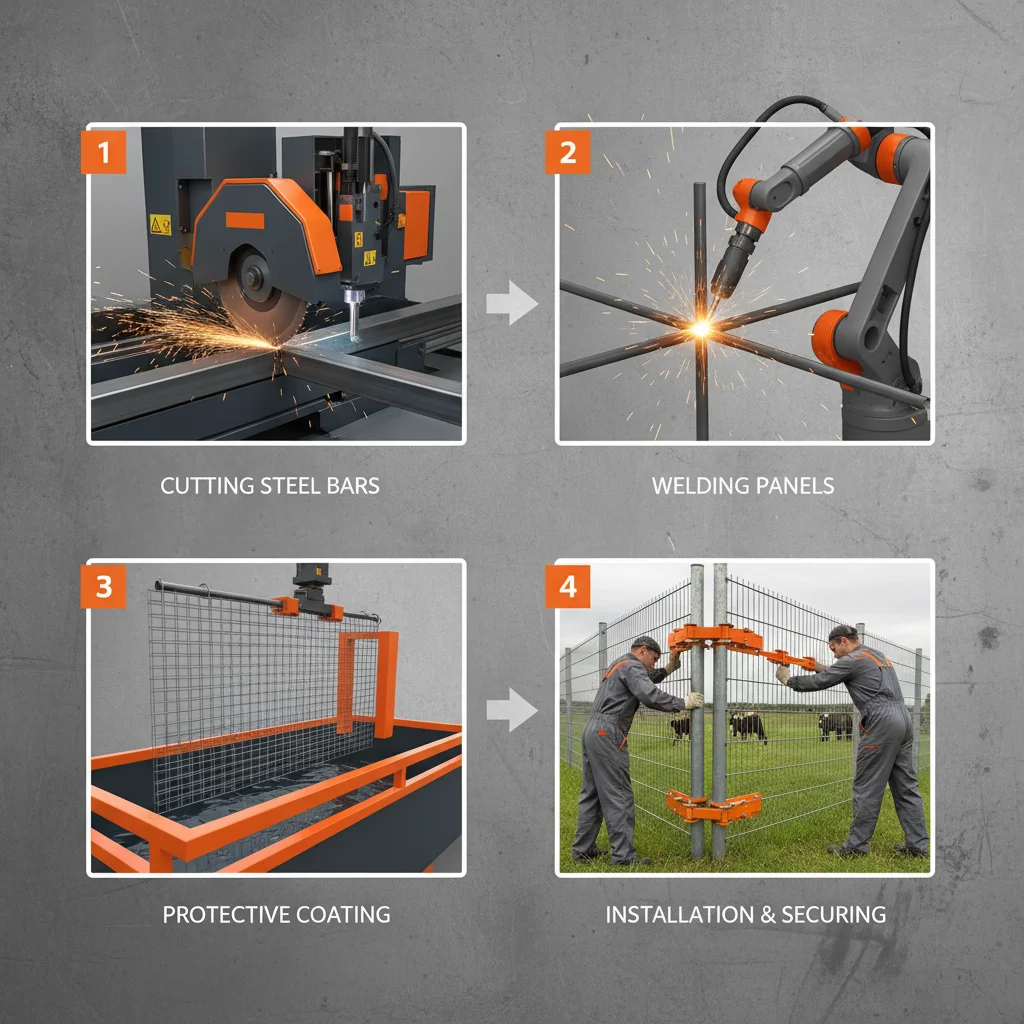
Essential Fencing Panels for Livestock Management and Farm Productivity Fencing panels for livestock are essential components in modern animal husbandry, playing a critical role in efficient farm management, animal welfare, and land utilization. Globally, the demand for robust and reliable fencing solutions is increasing due to the expanding livestock industry and the need to protect grazing lands from encroachment and predation. These panels aren’t simply barriers; they represent a vital investment in a farm's productivity and the health of its animals. Read More >26 Apr, 08
If you are interested in our products, you can choose to leave your information here, and we will be in touch with you shortly.


