


The Enduring Value of Horse Fence Panels
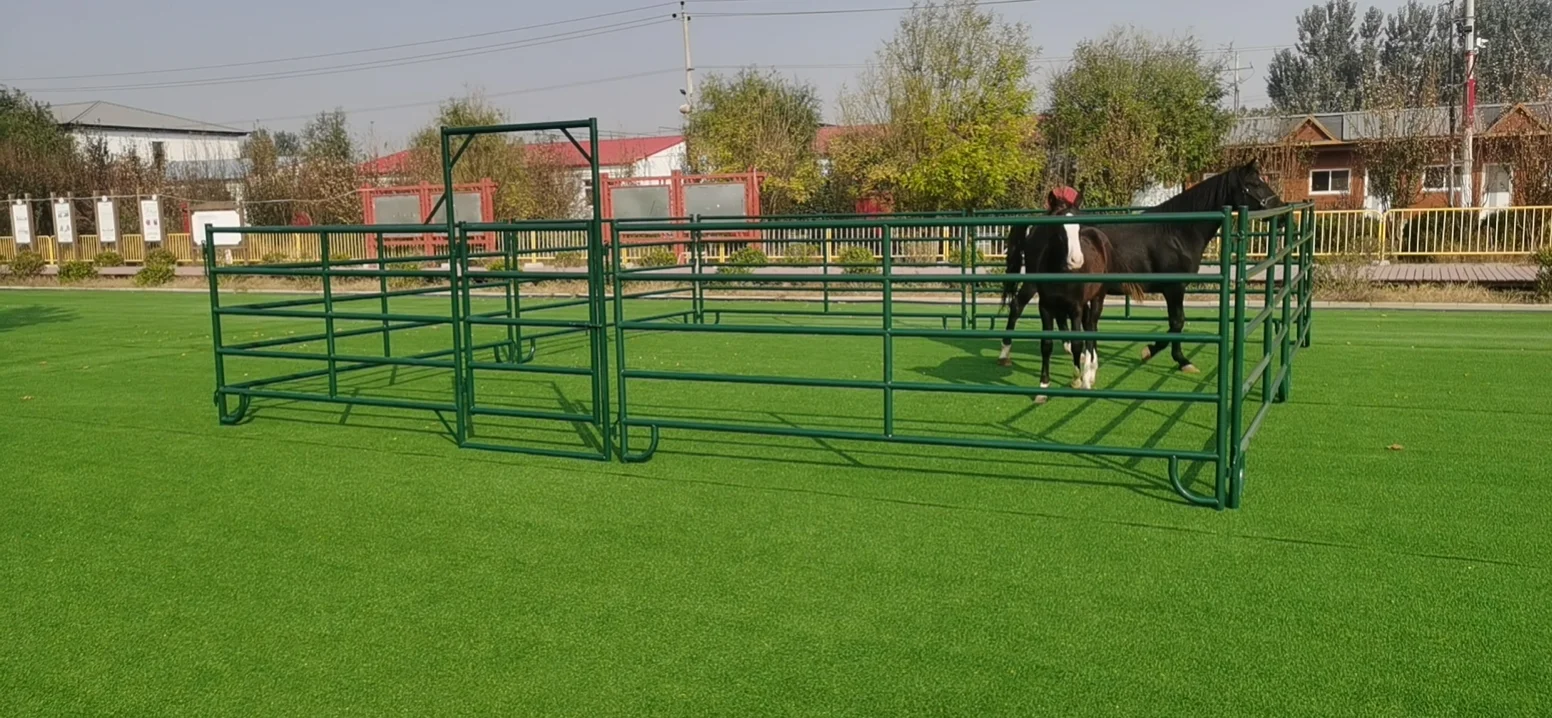
In the expansive and often demanding world of equine management, the choice of fencing is paramount, directly influencing the safety, well-being, and operational efficiency of any equestrian facility. Among the myriad options available, horse fence panels stand out as a foundational element, renowned for their versatility, durability, and immediate impact on containment solutions. Historically, traditional fencing methods often involved arduous installation processes, significant labor costs, and a fixed structure that lacked adaptability. However, the advent of pre-fabricated panels revolutionized this landscape. Consider, for instance, a recent industry analysis indicating that facilities utilizing modular panel systems reported a 40% reduction in initial installation time compared to traditional post-and-rail constructions. This efficiency translates directly into operational savings and a quicker setup for critical enclosures. Beyond mere speed, the robust design inherent in quality horse fence panels provides unparalleled security. Imagine the peace of mind knowing that your high-strung thoroughbred or playful pony is contained within a system engineered to withstand significant pressure, reducing the risk of injuries from attempts to escape or contact with flimsy barriers. This immediate security impact is not just theoretical; real-world data from equine veterinary practices suggests a noticeable decrease in pasture-related injuries in facilities that have upgraded to purpose-built panel fencing. These panels are not merely barriers; they are integral components of a proactive safety strategy, offering a secure, adaptable, and cost-effective solution to virtually every equestrian fencing challenge. From creating temporary holding pens during veterinary visits to constructing permanent round pens for training, their utility is as broad as the needs of the equine community itself, establishing them as an indispensable asset for any serious horse owner or farm manager.
The Unseen Engineering: Technical Advantages Defining Superior Containment
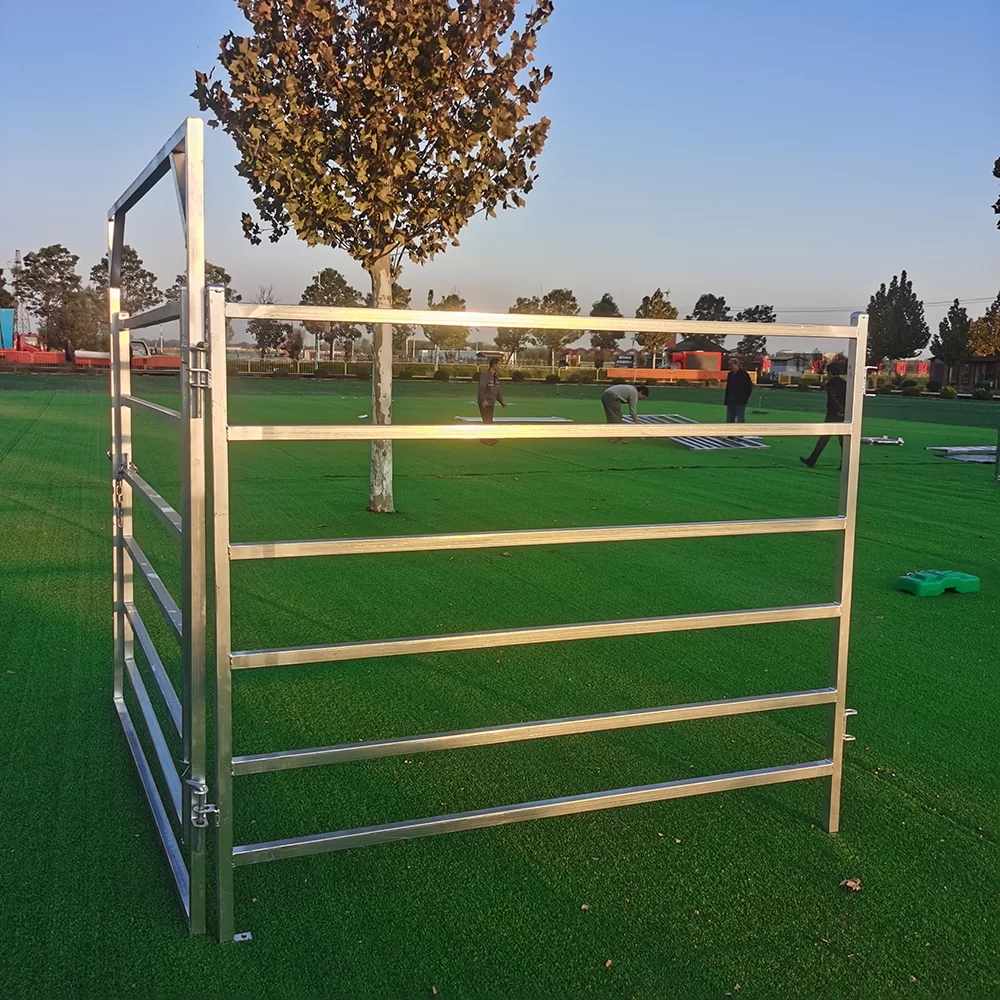
The true value of high-quality horse fence panels lies far beneath the surface aesthetics, embedded deeply within their meticulously engineered construction and material science. At the core of superior containment is the material itself. While various options exist, heavy-gauge galvanized steel is frequently the material of choice for its exceptional strength-to-weight ratio and resistance to environmental degradation. A common specification for top-tier panels includes 14-gauge or even 12-gauge steel tubing, far surpassing the strength of lighter, less durable alternatives. This robust material is then typically hot-dip galvanized after fabrication, a process that fully immerses the entire panel in molten zinc, creating a metallurgical bond that provides an unparalleled barrier against rust and corrosion. This isn't just a paint job; it's a protective layer that can extend the panel's lifespan by decades, even in harsh weather conditions. Many manufacturers further enhance this protection with a powder-coated finish, which not only adds an aesthetic appeal but also provides an additional layer of resistance against scratches, UV radiation, and chemical exposure, ensuring the panels retain their integrity and appearance long after installation. The connection system between panels is another critical technical advantage. Instead of simple clips that can fail under pressure, premium panels often feature heavy-duty pin and lug connectors, or chain-link connectors, designed for maximum stability and ease of assembly. These systems ensure a tight, secure fit that prevents panels from separating or shifting, eliminating potential escape routes or pinch points. Rail spacing and height are also engineered with equine safety in mind. Optimal spacing, typically between 8 to 12 inches for horizontal rails and around 5 to 6 feet in height, prevents horses from getting their heads or legs trapped, a common hazard with poorly designed fencing. The absence of sharp edges, protruding bolts, or other potential injury points is a non-negotiable design principle for reputable manufacturers. Furthermore, innovations like "P-panels" with unique rounded top corners or specific bottom designs help prevent hooves from getting caught. This confluence of material strength, advanced corrosion protection, secure connection systems, and intelligent safety design elevates high-end horse fence panels beyond simple barriers into sophisticated containment solutions, minimizing maintenance and maximizing the safety and longevity of your equine investment.
Decoding the Market: A Comparative Analysis of Leading Horse Fence Panel Manufacturers
Navigating the diverse market of horse fence panel manufacturers can be a daunting task, with each brand vying for attention through various claims of superiority. A discerning buyer, however, looks beyond marketing rhetoric to specific technical specifications, material integrity, and long-term value. Key factors in evaluating manufacturers include the steel gauge, the galvanization process, the type and quality of powder coating, the connection system, warranty, and overall reputation for safety and durability. Understanding these nuances allows for an informed decision that aligns with the specific needs and budget of an equestrian facility. Below, we present a comparative analysis of hypothetical leading manufacturers, highlighting their distinguishing features across critical metrics to provide a clear perspective on market offerings.
Manufacturer | Material/Gauge | Corrosion Protection | Connection System | Key Safety Features | Warranty (Structural) | Price Point |
EquiGuard Pro | 12-gauge HR Steel | Hot-Dip Galvanized + Powder Coat | Heavy-Duty Pin & Lug | Smooth welds, optimal rail spacing, no sharp edges, rounded corners. | 10 Years | Premium |
RanchMaster Elite | 14-gauge Pre-Galvanized Steel | Zinc Phosphate Primer + Powder Coat | Chain Link/Bolt Together | Wide stance feet, anti-trap rail spacing, high visibility. | 5 Years | Mid-High |
StableFence Solutions | 16-gauge ERW Steel | Electro-Galvanized + Enamel Paint | Drop Pin | Basic rail spacing, solid construction. | 3 Years | Mid-Low |
Guardian Equine Co. | 13-gauge HR Steel | Hot-Dip Galvanized Only | Drop Pin with Security Clip | Heavy-duty vertical supports, low-profile latches. | 7 Years | High |
This table illustrates a clear spectrum of choices. EquiGuard Pro, for instance, prioritizes ultimate durability and safety through its heavy gauge steel, superior galvanization, and robust connection system, positioning it at the premium end but offering exceptional longevity and peace of mind. RanchMaster Elite offers a strong balance of features for its price point, with good corrosion resistance and thoughtful safety elements. StableFence Solutions might appeal to those with tighter budgets, but its lighter gauge steel and electro-galvanization suggest a shorter lifespan in demanding environments. Guardian Equine Co. emphasizes structural integrity with its heavy gauge and strong galvanization, though it might lack the aesthetic finish of a powder coat. Ultimately, the best choice hinges on factors such as environmental conditions, the temperament of the horses, the anticipated usage frequency, and the long-term investment horizon. A thorough understanding of these comparisons empowers buyers to select panels that not only meet immediate needs but also deliver sustained performance and safety for years to come, avoiding the costly mistakes of under-engineered solutions.
Crafting the Perfect Enclosure: Tailored Customization Solutions for Every Equestrian Need
The dynamic and diverse nature of equestrian activities demands more than a one-size-fits-all approach to fencing. This is precisely where the strength of tailored customization solutions for horse fence panels becomes indispensable. Modern manufacturers understand that every farm, every horse, and every specific use case presents unique requirements, and the ability to adapt standard panel systems into bespoke enclosures is a significant advantage. One of the most common customization needs revolves around dimensions. While standard 10-foot or 12-foot panels are prevalent, many situations call for shorter sections to complete an odd-sized pen, or taller panels for horses prone to jumping, such as sport horses or ponies with specific behavioral tendencies. Manufacturers often offer 6-foot or 8-foot lengths, or custom heights ranging from 5 feet to 7 feet, ensuring a perfect fit without compromise. Integrated gate panels are another crucial customization. Rather than relying on separate, ill-fitting gates, customized gate panels are designed to seamlessly integrate into the fencing line, featuring heavy-duty hinges and secure, horse-safe latches that blend perfectly with the surrounding panels. These gates can be designed for walk-through access, or wider options for machinery and vehicle passage, often available in various widths like 4-foot, 6-foot, 8-foot, and even 12-foot double-gate configurations. Beyond basic dimensions and gates, specialized features address specific challenges. For instance, panels can be manufactured with specific rail spacing to prevent foals from slipping through, or with solid lower sections to create a visual barrier for highly excitable horses, reducing anxiety. Color customization, typically via powder coating, allows panels to match existing farm aesthetics, enhancing property value and visual appeal. Furthermore, options like heavy-duty "stud panels" or "arena panels" are designed with additional bracing or heavier gauge steel for situations where extreme pressure or impact is expected, such as in high-traffic training areas or where stallions are housed. For temporary setups, manufacturers can provide specific foot designs that offer enhanced stability on uneven terrain without requiring ground anchors. The true power of customization lies in its ability to transform a collection of panels into a precisely engineered system that enhances safety, improves functionality, and optimizes space utilization, ensuring that every equestrian need, no matter how specific, is met with an effective and elegant solution.
Real-World Applications: Versatility and Dependability Across Equestrian Settings
The true measure of any product's utility lies in its practical application, and horse fence panels consistently demonstrate unparalleled versatility and dependability across a multitude of equestrian settings. Their modular design and robust construction make them an indispensable tool for everything from daily farm management to specialized training and emergency situations. Consider the ubiquitous round pen, a fundamental training aid for breaking young horses or refining advanced maneuvers. Constructed entirely from interconnected panels, these pens provide a safe, enclosed, and easily adjustable space for groundwork, lunging, and initial riding sessions, offering a controlled environment that minimizes distractions and maximizes focus. For farm managers, panels are invaluable for creating temporary holding pens, isolating new arrivals, or separating horses for feeding and medical treatments. A study conducted on large-scale equine facilities showed that the ability to quickly reconfigure pens using panels resulted in a 30% increase in efficiency during vet visits and farrier appointments. In areas prone to heavy rainfall or where pasture rotation is crucial, panels are used to construct dry lots, preventing overgrazing and protecting pastures from becoming muddy and hazardous. Similarly, they serve as excellent temporary stalls during events, transportation, or while primary barns are under maintenance, providing a secure and comfortable space for horses away from their usual environment. Beyond containment, panels play a critical role in structuring riding arenas, defining perimeters, and creating safe alleyways for horses entering and exiting the main arena. Their solid construction acts as a reliable boundary, guiding horses and riders while also absorbing potential impacts without damage. For trailering, portable panels can be quickly assembled at remote locations to create safe, temporary turnouts or overnight pens, ensuring horses remain secure and comfortable during extended trips or competitions. Even in emergency scenarios, such as evacuating horses from flood zones or wildfires, panels can be rapidly deployed to create secure holding areas, providing a crucial element of disaster preparedness. The ease of installation and disassembly, coupled with their inherent strength, means these panels can transition effortlessly between various roles, proving their worth not just as a static fence, but as a dynamic and essential component of modern equine management, adapting to every challenge and need with unwavering dependability.
Beyond the Initial Investment: Long-Term Value and Safety in Equestrian Fencing
While the initial cost of high-quality horse fence panels might seem like a significant outlay, their true value becomes strikingly apparent when considering the long-term benefits in terms of safety, durability, and return on investment. This isn't merely a purchase; it's a strategic investment in the well-being of your horses and the operational efficiency of your farm. From a safety perspective, the meticulous design of premium panels actively mitigates common risks. Features like proper rail spacing prevent legs from becoming trapped, smooth, burr-free welds eliminate sharp edges, and robust latching systems deter escapes, reducing the potential for injury. These design choices directly translate into fewer veterinary emergencies and associated costs. Consider the scenario of a horse becoming entangled in a flimsy fence; the resulting vet bills, recovery time, and potential long-term damage far outweigh the initial savings on cheaper fencing. A robust panel system acts as a proactive insurance policy, safeguarding against such incidents. Durability is another cornerstone of long-term value. Panels constructed from hot-dip galvanized, heavy-gauge steel, and often finished with a high-quality powder coat, are built to withstand years, if not decades, of exposure to harsh weather, enthusiastic equines, and general wear and tear. This longevity drastically reduces the need for frequent repairs or complete replacements, leading to substantial savings on labor and materials over time. Maintenance requirements for such panels are minimal, typically involving occasional checks for damage and perhaps a touch-up of the coating if exposed to severe impact. This low maintenance commitment frees up valuable time and resources that would otherwise be spent mending traditional fences. Furthermore, the aesthetic appeal of a well-maintained, uniform panel system enhances the overall professional appearance of an equestrian facility, potentially increasing property value and attracting more clients or boarders. The peace of mind afforded by knowing your horses are safely and securely contained is immeasurable. It allows owners and managers to focus on training, care, and other vital aspects of equine husbandry, rather than constantly worrying about fence integrity. In essence, the long-term value of investing in superior horse fence panels extends far beyond their initial price tag, delivering consistent safety, enduring performance, and a robust return through reduced costs, enhanced efficiency, and invaluable peace of mind for years to come.
Securing Your Equine Investment with Premium Horse Fence Panels
In the intricate ecosystem of equine care and management, the decision regarding containment infrastructure is rarely trivial; it is, in fact, one of the most foundational choices a horse owner or farm manager will make. The overarching narrative has consistently pointed towards the undeniable advantages offered by high-quality horse fence panels. We’ve journeyed through their transformative impact on efficiency, exemplified by a 40% reduction in installation time compared to traditional methods, and delved into the unseen engineering that underpins their superior containment capabilities. From the resilience of heavy-gauge, hot-dip galvanized steel to the critical design of anti-trap rail spacing and robust connection systems, every technical detail converges to deliver uncompromising safety and longevity. Our comparative analysis of leading manufacturers highlighted the diverse landscape of options, underscoring the importance of informed selection based on specific criteria like material quality, warranty, and safety features. This methodical approach ensures that an investment aligns perfectly with an operation's unique demands. Furthermore, the profound adaptability offered through tailored customization solutions – whether for specific dimensions, integrated gates, or specialized anti-foal designs – ensures that every enclosure is perfectly optimized for its purpose, transforming standard panels into bespoke containment masterpieces. The myriad of real-world applications, from dynamic round pens to critical emergency holding areas, vividly illustrates the panels’ versatility and unwavering dependability across virtually every equestrian scenario. Ultimately, the decision to invest in premium horse fence panels transcends mere expenditure; it is a profound commitment to the enduring safety, welfare, and operational excellence of your equine enterprise. This investment yields continuous returns through reduced veterinary costs, minimized maintenance, enhanced property aesthetics, and, most importantly, the invaluable peace of mind that comes from knowing your cherished animals are securely and safely contained. Embrace the proven efficacy and unwavering reliability of thoughtfully engineered horse fence panels, solidifying the foundation of your equestrian success and ensuring a safer, more efficient future for your entire herd.
Frequently Asked Questions About Horse Fence Panels
Q1: What is the ideal gauge of steel for horse fence panels?
A1: For optimal durability and safety, a steel gauge of 12-gauge to 14-gauge is generally recommended. Lighter gauges (e.g., 16-gauge or 18-gauge) may be more prone to bending or damage, especially with larger or more spirited horses.
Q2: How important is galvanization for horse fence panels, and what kind is best?
A2: Galvanization is crucial for corrosion resistance and extending panel lifespan. Hot-dip galvanization (where the entire panel is submerged in molten zinc after fabrication) is considered superior as it provides a complete and robust protective coating, far outperforming pre-galvanized or electro-galvanized options.
Q3: Can horse fence panels be used for permanent fencing solutions?
A3: Yes, high-quality horse fence panels are often used for permanent fencing, especially for round pens, dry lots, or small paddocks. While traditionally seen as temporary, their robust construction and secure connection systems make them suitable for long-term installation when properly anchored or set up.
Q4: What safety features should I look for in horse fence panels?
A4: Prioritize panels with smooth, burr-free welds, optimal rail spacing (typically 8-12 inches) to prevent heads or legs from getting caught, rounded corners, secure and horse-safe latching systems on gates, and no sharp protrusions.
Q5: Are there different connection systems for horse fence panels, and which is most secure?
A5: Yes, common systems include pin and lug, chain link, and drop pin. Pin and lug connections, especially with heavy-duty pins, are often considered the most secure and stable, providing a tight fit that resists separation under pressure.
Q6: How do I determine the right height for horse fence panels?
A6: Panel height typically ranges from 5 to 6 feet. The ideal height depends on the size and temperament of your horses. Taller panels (6 feet or more) are advisable for larger breeds, jumpers, or horses prone to challenging fences, while 5-foot panels may suffice for smaller or calmer equines.
Q7: Can I customize horse fence panels for specific needs, like foals?
A7: Many manufacturers offer customization options. For foals, look for panels with tighter rail spacing at the bottom or solid lower sections to prevent them from slipping through or getting trapped. Custom lengths, heights, and integrated gate options are also widely available.
-
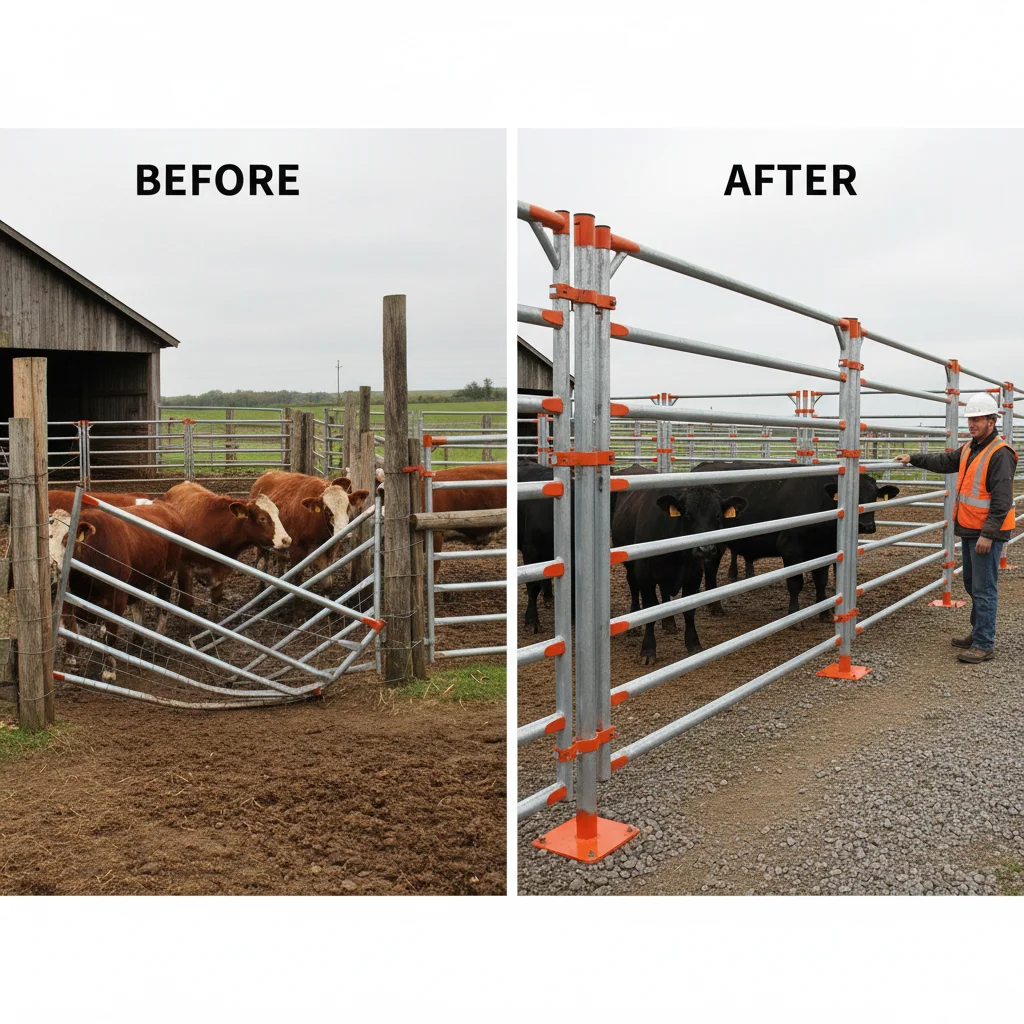
Durable Freestanding Livestock Panels for Efficient Animal Handling In the demanding world of agricultural management, the need for flexible and robust containment solutions has never been more critical. freestanding livestock panels offer a sophisticated answer to the challenges of animal handling, providing a secure yet adaptable barrier that does not require permanent installation or deep grounding. By allowing farmers and ranchers to redefine their spatial layouts in minutes, these panels maximize the efficiency of existing infrastructure while ensuring the safety of both the handlers and the livestock. Read More >26 Apr, 17
-
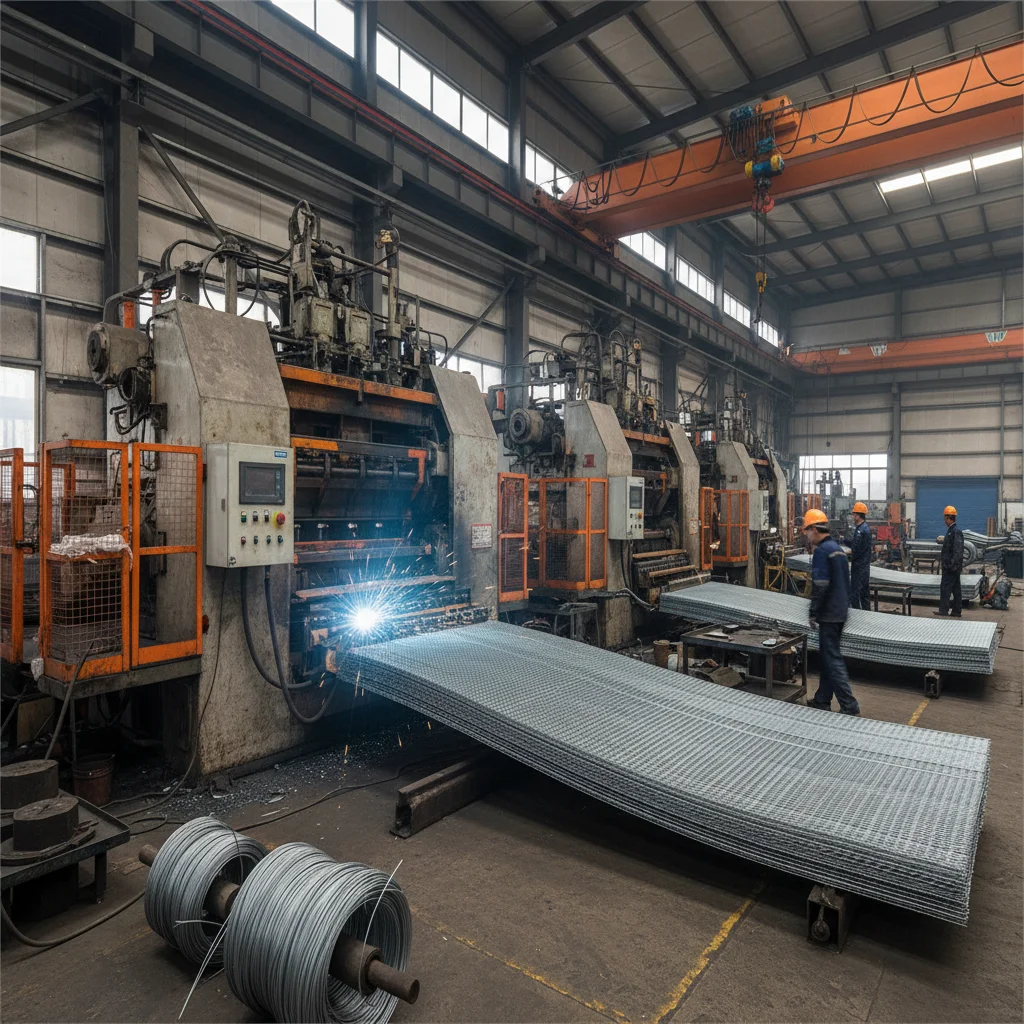
Professional Galvanized Welded Mesh Factory for Industrial Projects Finding a reliable galvanized welded mesh factory is critical for ensuring the structural integrity and longevity of your industrial or agricultural installations. Galvanized welded mesh is prized for its exceptional strength and resistance to corrosion, making it the go-to choice for fencing, animal cages, and construction reinforcement. However, not all factories adhere to the same quality standards. Whether you are sourcing for a large-scale infrastructure project or a specialized commercial application, understanding the manufacturing process and quality benchmarks is key to making a cost-effective investment that lasts for decades. Read More >26 Apr, 16
-
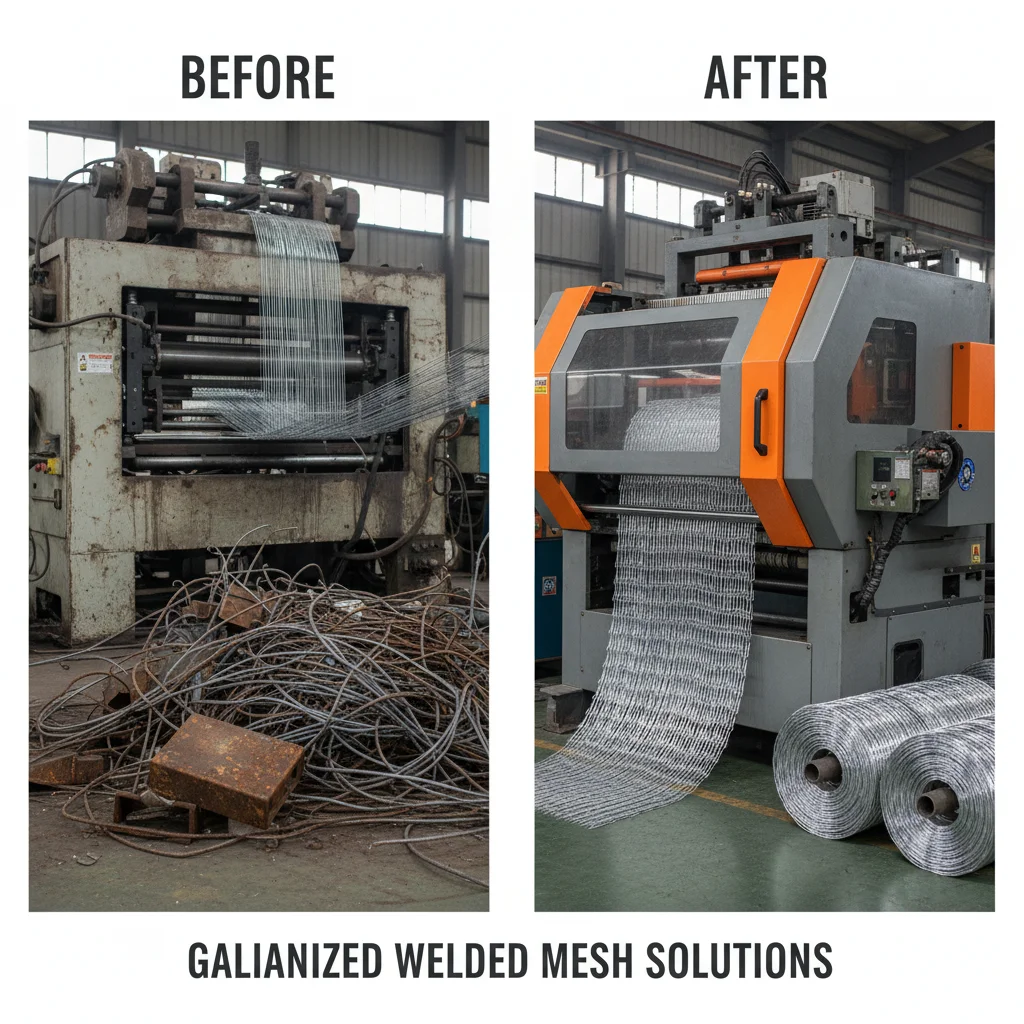
Professional Galvanized Welded Mesh Exporter for Quality Projects Selecting a high-quality fencing or screening solution requires more than just picking a product; it requires partnering with a reliable galvanized welded mesh exporter who understands the balance between structural integrity and corrosion resistance. Whether you are securing an industrial perimeter, building animal enclosures, or implementing architectural reinforcements, the quality of the galvanization process determines the lifespan of your installation. In this guide, we will explore the technical advantages of galvanized welded mesh and how to identify a global supplier that meets international quality standards to ensure your investment stands the test of time. Read More >26 Apr, 09
-
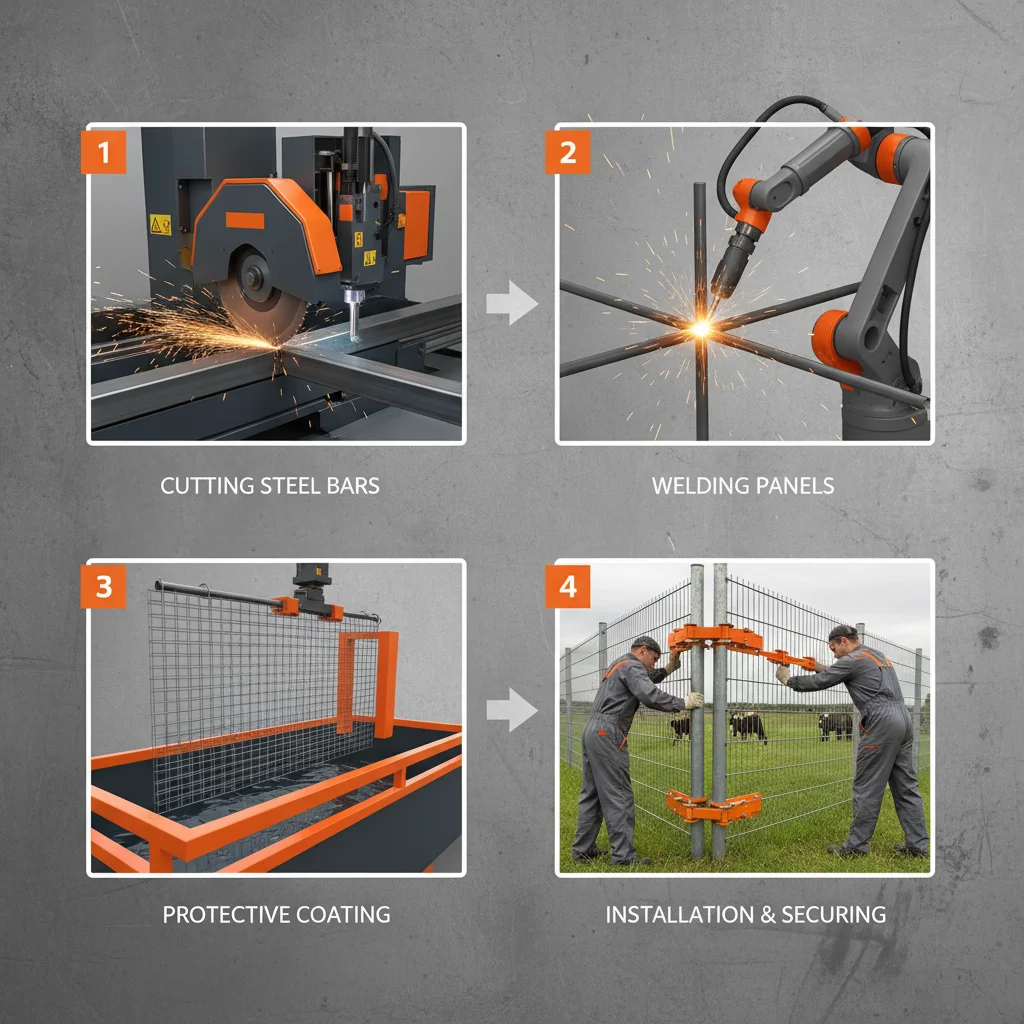
Essential Fencing Panels for Livestock Management and Farm Productivity Fencing panels for livestock are essential components in modern animal husbandry, playing a critical role in efficient farm management, animal welfare, and land utilization. Globally, the demand for robust and reliable fencing solutions is increasing due to the expanding livestock industry and the need to protect grazing lands from encroachment and predation. These panels aren’t simply barriers; they represent a vital investment in a farm's productivity and the health of its animals. Read More >26 Apr, 08
If you are interested in our products, you can choose to leave your information here, and we will be in touch with you shortly.


